
REVIEW · WINERY TOURS
From Verona: Valpolicella Winery Tour with Amarone Vintages
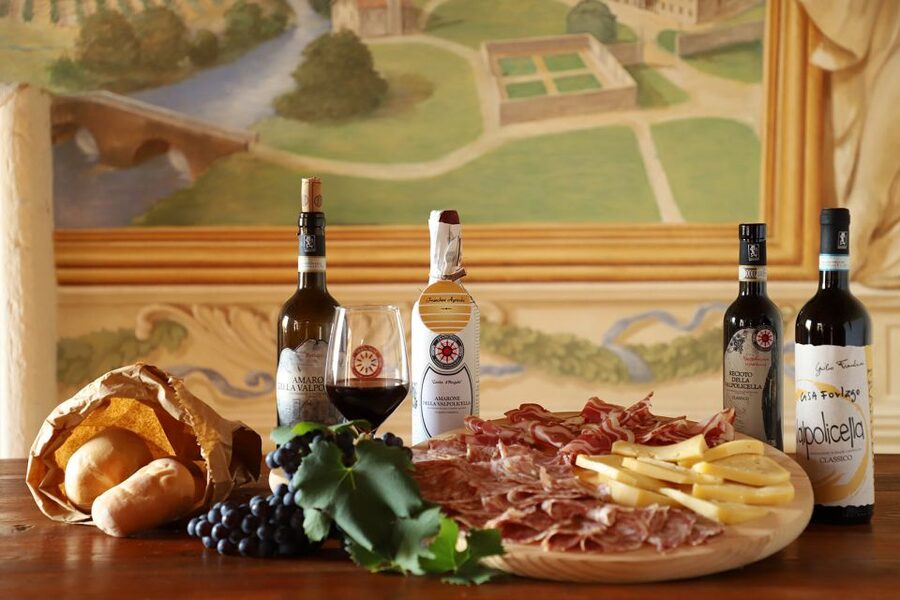
The most unusual part of this Valpolicella winery tour is the old icehouse, now used as a cool aging room for prized Amarone vintages. You then move into the barrique cellar before tasting wines that show how one area can produce dry reds, powerful Amarone, and sweet Recioto.
I like the choice between three or six wines, since you can keep the visit short or make it a fuller study of Valpolicella. I also like the setting in the hills outside Verona and the chance to add a €5 board of cold cuts and cheeses. The main drawback is transport: the winery is not in central Verona, and you must arrange your own ride in advance.
Key points to know before you book
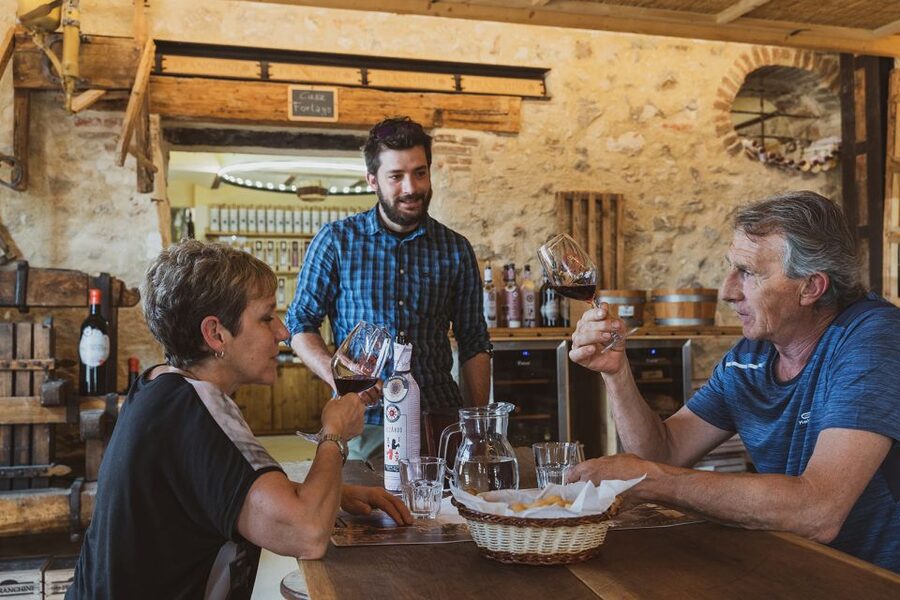
- A former icehouse now holds Amarone vintages: See one of the winery’s most distinctive spaces and learn why careful aging matters.
- The six-wine tasting covers the region well: It includes Classico, Superiore, Ripasso, Amarone Riserva, Rosso Verona, and Recioto.
- The three-wine option is a focused introduction: You taste Classico, Classico Superiore, and Amarone Riserva.
- Guides make the history part of the experience: Marta, Sonia, Silva, and Sophie have all been singled out for clear explanations and warm hosting.
- Plan your return trip before arriving: A taxi or car from Verona takes about 20 minutes, and private transport is not included.
- Food makes the tasting better: Breadsticks and water are included, while a cold-cuts and cheese board costs €5 per person.
From Verona to the Valpolicella hills
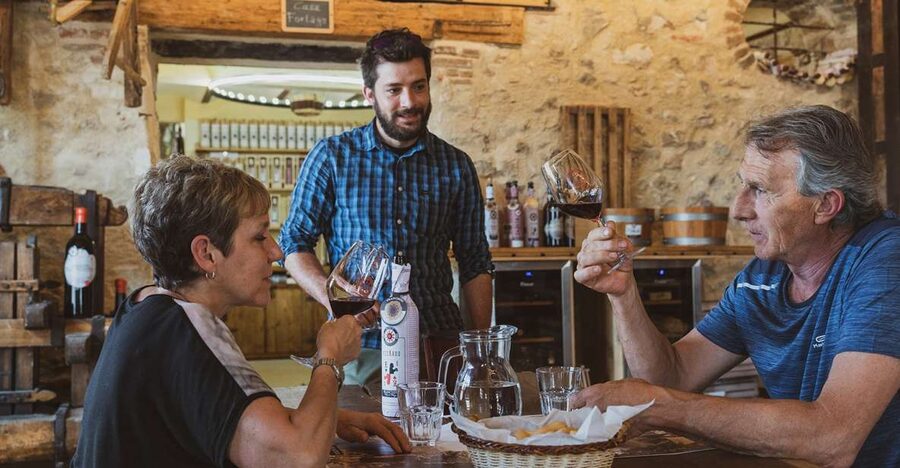
Franchini Agricola is in Località Forlago 1, in Negrar di Valpolicella, about 20 minutes from Verona by taxi or car. That short distance makes the winery easy to add to a Verona stay, but it is not a place you should treat as a casual walk from the historic center.
Private transport is not included, so arrange your ride before the appointment. The experience provider lists Enjoy Transfer Italia at +39 393 646 4393, and the instructions also suggest arranging a taxi or Uber in advance. Ask at the winery about a possible transfer back to Verona Center, since this may be available on request.
This small amount of planning matters. Wine tasting is much more pleasant when you are not trying to solve the return trip after your final glass. The winery can also help with the ride back, as Silva did for one couple who needed assistance after their visit.
The experience lasts about 1.5 hours, though the actual time may run longer if you order food, ask many questions, or buy bottles. One tasting extended beyond the planned time because the guide spent time talking with the group and serving an aperitivo board. You should allow a little breathing room rather than scheduling a tight appointment immediately afterward.
More Winery Tours in Italy
- Florence: Chianti Wineries Tour with Wine Tasting
★ 4.5 · 10,071 reviews - From Florence: Siena, San Gimignano, Pisa & Lunch at Winery
★ 4.8 · 4,538 reviews - Tuscany Wine Tour: 2 Wineries & San Gimignano from Florence
★ 5.0 · 1,007 reviews
Entering the old icehouse
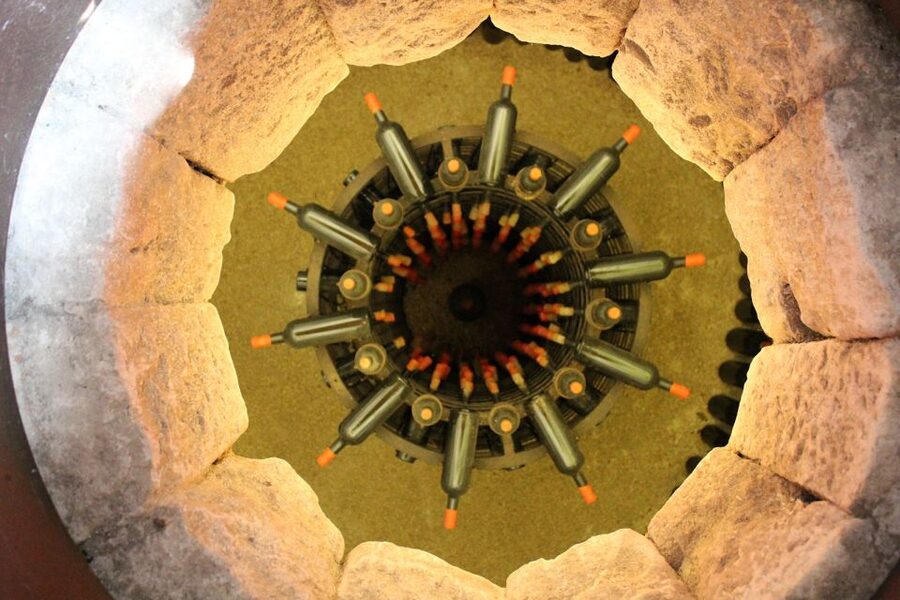
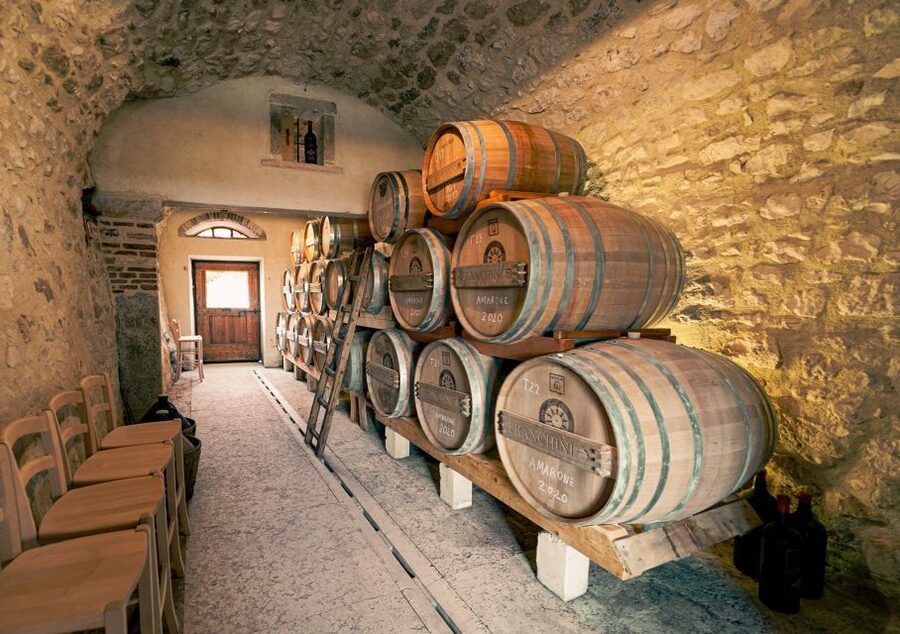
The tour begins inside the historic winery, where the old icehouse has been changed into an aging room. This is the most memorable stop for many people because it is not just a standard cellar with rows of barrels. The room now holds some of the estate’s finest Amarone vintages, including a private collection.
Your guide explains how the winery’s older spaces have been put to work for modern production. The building itself gives the visit a sense of place, and the icehouse helps you picture how earlier generations managed temperature before modern systems were available.
The Amarone stored here is the top wine in the main tasting. Amarone della Valpolicella Riserva Classico DOCG is made for a richer, more serious style than the lighter Valpolicella wines served alongside it. The Riserva designation also signals that the bottle has had more time to develop before release.
The ice room is not fully accessible for people with reduced mobility, even though the winery overall is described as accessible. If access is important to you, contact the provider before booking and ask how much of the tour can be adapted.
Inside the barrique cellar
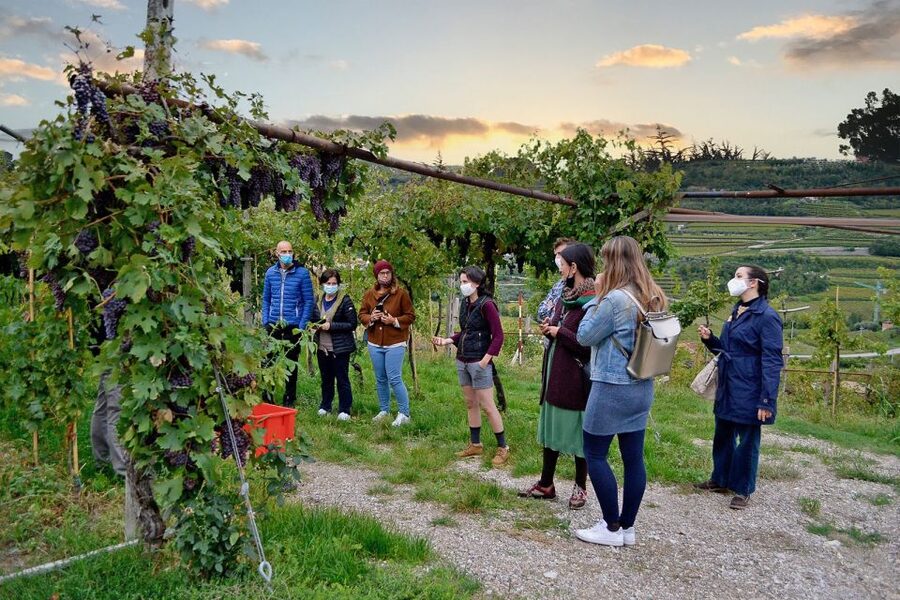
Next comes the barrique cellar, where the wines spend time in oak barrels. This is where your guide connects the practical work of winemaking with what you taste later. Oak and time can add scent, texture, and depth, but the point is not simply to make every wine taste alike.
The cellar also gives you a useful lesson in the range of Valpolicella. The area is not known only for Amarone. Its wines can be fresh and easy to drink, firmer and more structured after extra aging, fuller after the Ripasso process, or sweet in the case of Recioto.
Guides such as Marta, Sophie, Sonia, and Silva have been praised for explaining the region, the family story, and the production methods in clear English. That personal explanation is important here. A barrel room can blur into another barrel room if nobody explains what you are seeing, but the guide helps connect the cellar to the glasses waiting at the end.
One point to keep in mind is that the visit is designed as an introduction, not a technical winemaking course. You get a concise look at the spaces and methods, followed by the main event, the tasting.
The six-wine tasting, from fresh red to sweet Recioto
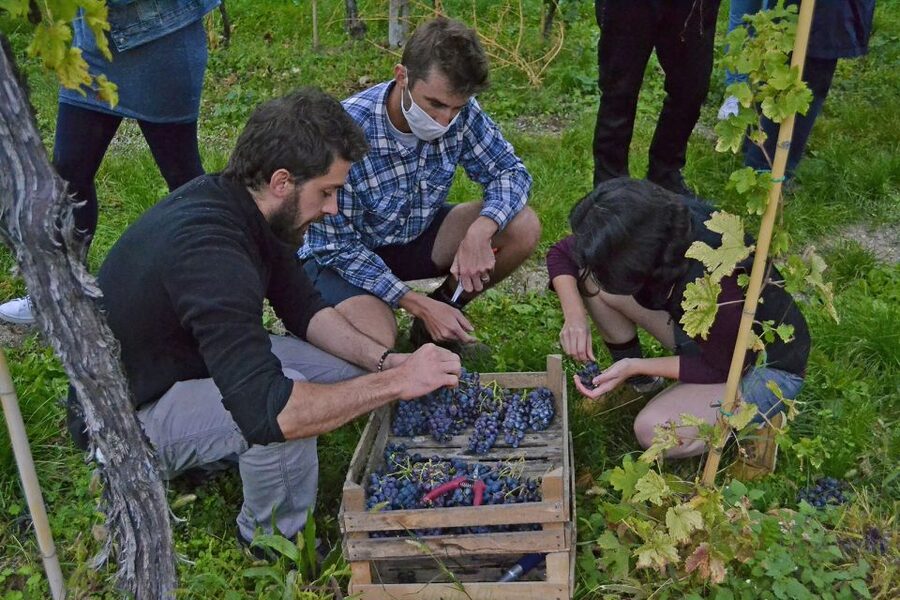
The six-wine option is the best choice if you want a broad picture of Valpolicella. It includes:
- Valpolicella Classico DOC
- Valpolicella Classico Superiore DOC
- Valpolicella Ripasso Classico Superiore DOC
- Amarone della Valpolicella Riserva Classico DOCG
- Rosso Verona IGT
- Recioto della Valpolicella Classico DOCG
The tasting begins with Valpolicella Classico DOC, the straightforward starting point for understanding the local style. It gives you a reference before the wines become fuller, more structured, or sweeter.
Valpolicella Classico Superiore DOC follows with more weight and aging character. Comparing these first two wines is useful because you are not tasting unrelated bottles. You can see how classification and time affect the same broad regional identity.
The Ripasso Classico Superiore DOC adds another step in intensity. Ripasso is one of the region’s best-known styles, and it is often a good middle ground for people who want more body than a basic Valpolicella but do not want the full power of Amarone.
Then comes Amarone della Valpolicella Riserva Classico DOCG, the headline pour. It is the wine most associated with the area and the one tied most closely to the special aging room you saw earlier. Expect this part of the tasting to feel like the high point, especially if you prefer full-bodied Italian reds.
Rosso Verona IGT broadens the picture beyond the strict Valpolicella categories. It gives the guide another way to discuss local grapes and winemaking choices without keeping every bottle inside the same classification.
The final wine is Recioto della Valpolicella Classico DOCG, a sweet red that changes the pace of the tasting. It is a useful finish because it shows that the area’s winemaking tradition includes more than dry dinner wines.
Water and breadsticks are included. I recommend adding the €5 board of cold cuts and cheeses if you choose the six-wine option. Food helps clear the palate and gives the stronger wines something to work with. It also turns the tasting into a small local aperitivo rather than a sequence of samples.
Same town, a different bottle:
- Small-Group Wine Tasting Experience in the Tuscan Countryside
★ 5.0 · 7,392 reviews - Rome: Tuscany & Montepulciano Day Trip with Lunch & Wine Tasting
★ 4.5 · 5,232 reviews - SMALL-GROUP Wine Safaris: Tuscan Wine Tasting Tours from Florence
★ 5.0 · 5,088 reviews - Winner 2025 Florence Sunset Food & Wine Tour by Eating Europe
★ 5.0 · 5,015 reviews
The three-wine option for a shorter visit
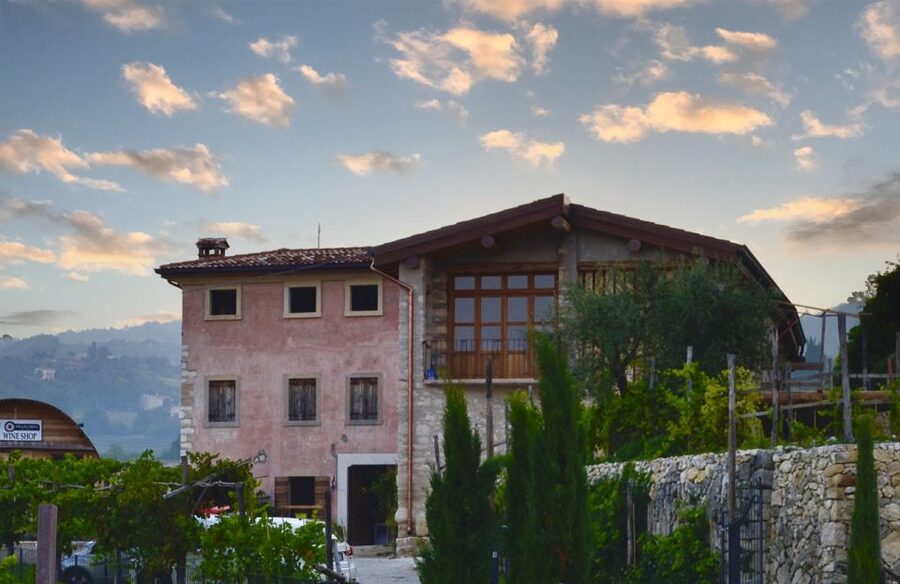
The three-wine tasting includes Valpolicella Classico DOC, Valpolicella Classico Superiore DOC, and Amarone della Valpolicella Riserva Classico DOCG. It is a sensible choice if you want the key styles without spending as much time at the table.
This option has a clear progression. You start with the more accessible Classico, compare it with the Superiore, then finish with Amarone Riserva. The structure lets you understand the contrast between the regional base wine and the estate’s most prestigious red.
I would choose three wines if you have limited time, do not usually drink wine, or are fitting this visit between other Verona plans. It also suits anyone mainly interested in Amarone. You still see the icehouse and cellar, so you do not lose the most distinctive parts of the tour.
Choose six wines if you enjoy comparing styles or want to understand why Valpolicella appears on so many Italian wine lists in different forms. The extra pours make the €46 price more convincing, particularly when paired with the optional food board.
Check the exact tasting option at booking, since the information for the experience presents both three-wine and six-wine versions. Water and breadsticks are included with either choice.
Why the guide matters here
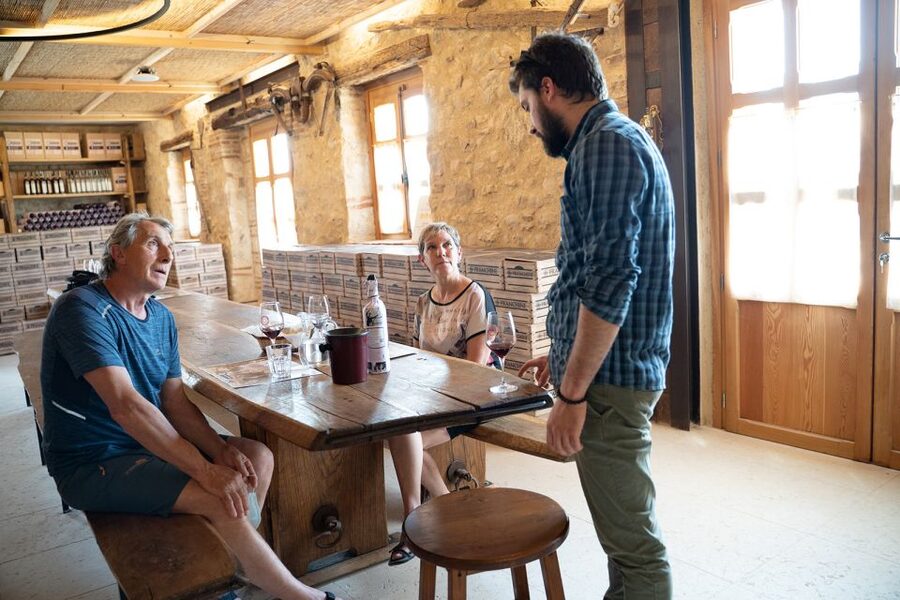
The guide is central to the quality of this visit. Marta has been praised for explaining the region and treating children kindly. Sophie has been noted for her explanations of the local setting, family story, and wines. Sonia, also referred to as Sonya, has been especially good at speaking with each group and making a small tasting feel personal.
Silva has helped visitors arrange a taxi after the tour. That is a practical advantage, not just a pleasant extra. When a winery sits outside the city, a friendly guide who can help with the return journey can save you a great deal of stress.
The best part of the guiding is the link between story and taste. You are not simply told that Amarone is important. You see where the older vintages rest, learn about the cellar, and then taste the result.
There is one less positive point to consider. One private visit for two people had a guide who came across as somewhat dry during the explanation. The welcome and finish were friendly, and the wines were still considered excellent, but a private tour does not guarantee a lively presentation every time.
That is a fair warning for anyone who wants theatrical storytelling. This experience is strongest if you value clear information, wine quality, and a relaxed setting more than a polished performance.
Adding cheese and cold cuts
The tasting includes water and breadsticks, but the local cold-cuts and cheese board costs an extra €5 per person. I consider that a reasonable add-on, especially for the six-wine tasting.
A small food board changes the pace of the visit. Salami, cheese, and other cured items give you a local taste alongside the wine and help balance the heavier Amarone. The food is also useful if you have come directly from sightseeing and do not want to taste on an empty stomach.
The board is not included in the listed price, so ask for it when you arrive. Some people have found that the tasting feels noticeably better with the food. If you only choose three wines and have recently eaten, you may not need it.
Dogs are allowed, which makes this a practical choice for some visitors exploring the area by car. Ask ahead if you have any special needs, since the ice room has limited access for people with reduced mobility.
Is $46 good value?
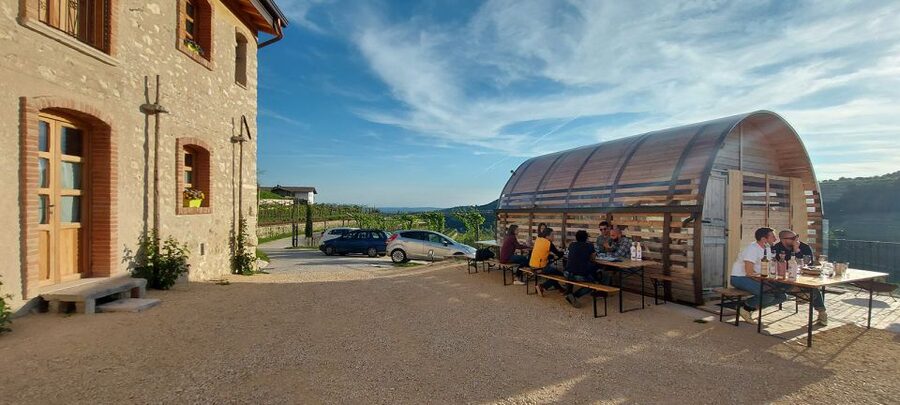
At $46 per person, the experience offers reasonable value for a 1.5-hour winery visit, especially with the six-wine tasting. You get a guided look at a historic estate, the unusual icehouse, the barrique cellar, and a flight that covers six different Valpolicella styles.
The three-wine option is still worthwhile if you want a short introduction, but the value calculation changes. You are paying not only for the wine but also for the guide, the setting, and access to the production spaces. If you mainly want to taste Amarone, three wines may be enough. If you want a proper regional comparison, six makes more sense.
The optional €5 food board is modestly priced and can improve the tasting. Transport costs are separate, so add your taxi or car expense when comparing this visit with wineries that provide transfers from Verona.
The high overall score of 4.8 from 93 ratings fits the main strengths: strong wine, good explanations, welcoming staff, and helpful assistance with transport. Still, your experience will depend partly on the guide assigned and on whether you want a lively host or a more restrained presentation.
Who will enjoy this winery visit?
I would recommend this tour to you if you enjoy Italian red wine and want more than a bar tasting in Verona. Amarone fans will get the most from the icehouse, the Riserva pour, and the explanation of how the estate handles its important bottles.
It also suits couples, small groups, and families. Children will not take part in the wine tasting in the same way, but Marta has been especially welcoming to families, and the historic setting gives non-drinkers something to see.
The visit works well for people who want a manageable half-day addition to Verona. The actual tour is short, but the transfer, tasting, food, and possible bottle shopping can stretch the outing. You can also buy wines at the winery if one of the bottles catches your attention.
I would be less likely to recommend it to someone who wants a full-day vineyard program, a meal, or several separate estates. This is one historic winery, a focused cellar visit, and a tasting. Its strength is concentration, not variety.
Should you book it?
Book this tour if you want a convenient introduction to Valpolicella with a real sense of place. The former icehouse, the barrique cellar, and the six-wine flight give you more substance than a simple pour-and-leave tasting.
Choose the six-wine option and add the €5 food board if you are serious about comparing the region’s styles. Choose three wines if your time is tight or Amarone is your main goal.
Before booking, arrange your ride from Verona and confirm the tasting option you want. If you prefer informative guiding, local wine, and a relaxed visit outside the city, this is a strong choice. If you expect an elaborate meal or a long vineyard walk, choose a different kind of wine day.
FAQ
Where is the winery located?
The meeting point is Franchini Agricola, Località Forlago 1, 37024 Negrar di Valpolicella, in the Veneto region of Italy.
How far is the winery from Verona?
The winery is about 20 minutes from Verona by taxi or car.
Is transport from Verona included?
No. Private transport is not included, so you should arrange a taxi, Uber, or another car service in advance.
Can the winery help with the return trip?
Yes. You can ask at the winery about a transfer back to Verona Center. Enjoy Transfer Italia is listed at +39 393 646 4393.
How long does the experience last?
The scheduled duration is 1.5 hours. It can take longer if you add the food board, ask many questions, or spend time buying bottles.
Which wines are included in the six-wine tasting?
The six wines are Valpolicella Classico DOC, Valpolicella Classico Superiore DOC, Valpolicella Ripasso Classico Superiore DOC, Amarone della Valpolicella Riserva Classico DOCG, Rosso Verona IGT, and Recioto della Valpolicella Classico DOCG.
What is included in the three-wine tasting?
The three wines are Valpolicella Classico DOC, Valpolicella Classico Superiore DOC, and Amarone della Valpolicella Riserva Classico DOCG.
Is food included?
Water and breadsticks are included. A cold-cuts and cheese board is available at the winery for €5 per person.
Is the winery accessible and are dogs allowed?
Dogs are allowed. The winery is described as accessible for people with reduced mobility, but the ice room is an exception, so ask the provider about access before booking.
Just poured in Italy
- Montefioralle Winery – Tour and Wine Tasting in Chianti★ 4.5 · 92 reviews
- Tour and Tasting at an Organic Winery in the Heart of Chianti Classico Area★ 5.0 · 132 reviews
- Greve in Chianti Wine Tasting and Winery Tour★ 4.5 · 119 reviews
- Livorno Shore Excursion: Chianti and Tuscany Countryside Private Wine Tour★ 5.0 · 56 reviews
- Private tour of Etna and Winery Visit with Food and Wine Tasting from Taormina★ 5.0 · 221 reviews
- Mt Etna and Wine tasting tour from Catania★ 5.0 · 282 reviews
- Etna Tour and Lunch in a Winery with Wine Tasting★ 5.0 · 97 reviews
- Capri and Anacapri Guided Tour with Limoncello Tasting from Capri★ 4.0 · 104 reviews
Winery Tours, compared.
Douro Valley with Winery Lunch, Tastings & Cruise
Read our review →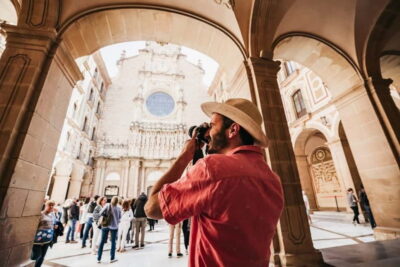
Montserrat, Cogwheel, Black Madonna & Winery Tour
Read our review →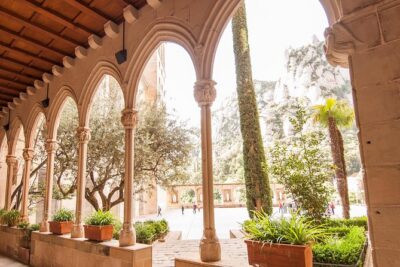
Montserrat with Black Madonna & Medieval Winery with Tapas/Lunch
Read our review →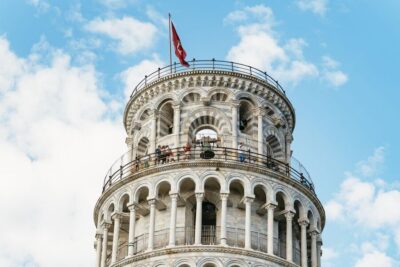
Siena, San Gimignano, Pisa & Lunch at Winery
Read our review →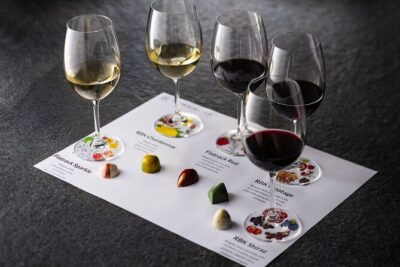
Wine Tour: Paarl, Franschhoek & Stellenbosch incl 3 wineries
Read our review →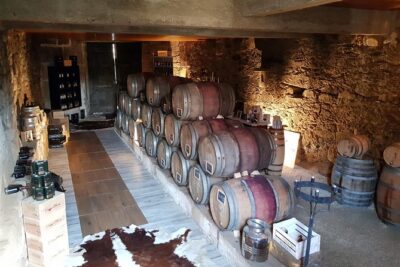
Douro Valley Tour: 2 Vineyard Visits, River Cruise, Winery Lunch
Read our review →
5-Hour Traverse City Wine Tour: 4 Wineries on Old Mission Peninsula
Read our review →Browse the lists this tour appears in