
REVIEW · WINE TASTING TOURS
From Salta: Full-Day Tour to Cafayate with Wine Tasting
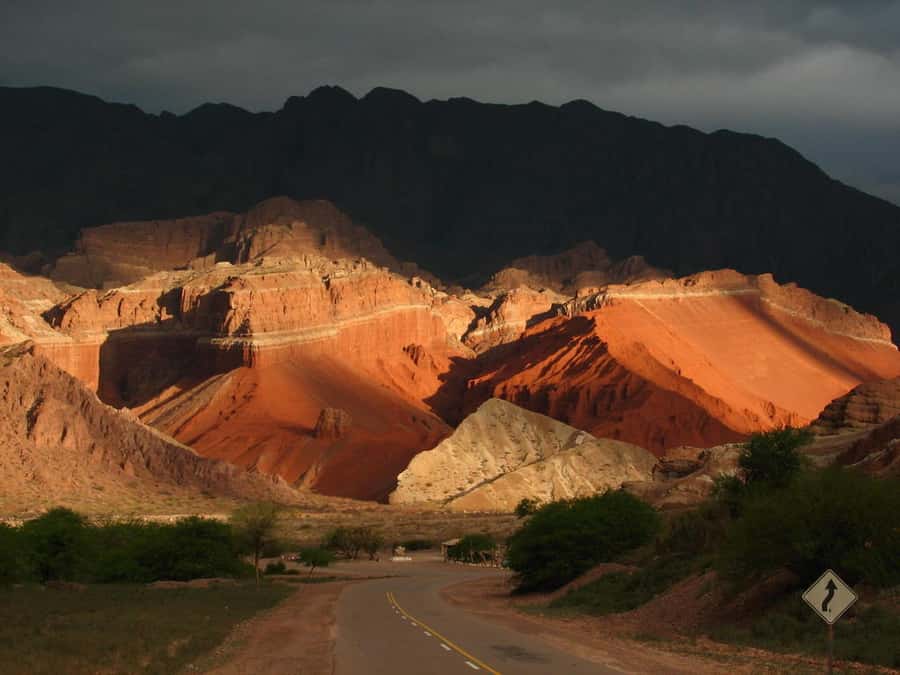
Cafayate is reached by one of northern Argentina’s great scenic drives, not by a quick transfer. The route moves from green tobacco fields to dry red cliffs, with stops at the Devil’s Throat and House of the Parrots. I especially like the geology explained in plain English and Spanish and the chance to see old adobe tobacco chimneys before the scenery changes completely.
I also like the excellent value at $29, which covers a 13-hour day, hotel pickup, transport, a bilingual guide, and a winery visit. The catch is the long ride, including about two hours on rough dirt roads, and the wine stop is usually brief. If you want a serious cellar tour, this is not it. If you want Cafayate’s famous road and a taste of local wine in one outing, it makes good sense.
Key points to know before booking
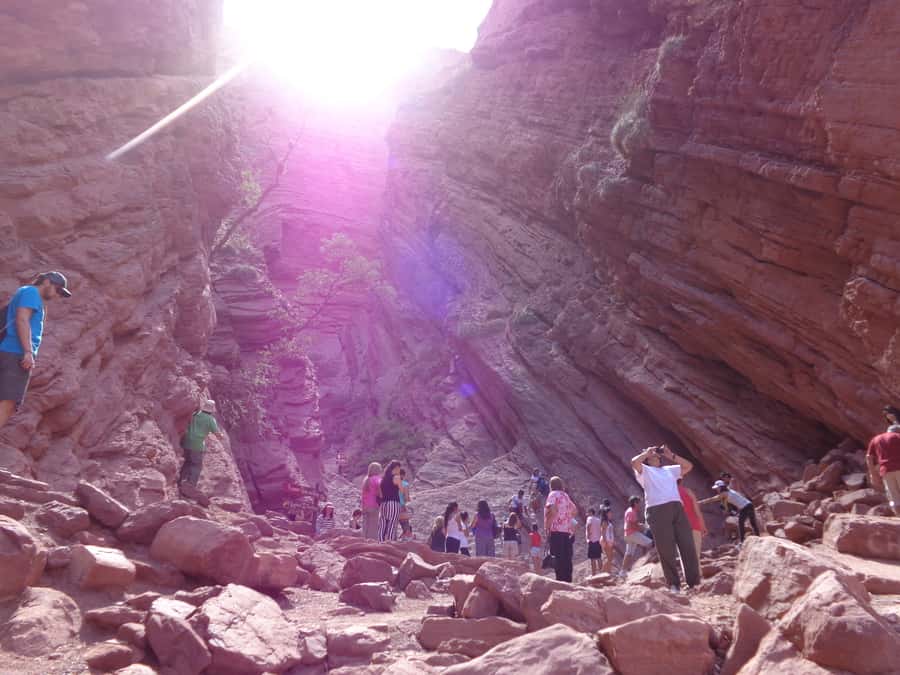
- The Quebrada de las Conchas is the main event: Red cliffs and strange rock shapes provide the day’s best sights and photo stops.
- The road is long and partly rough: Plan for 13 hours, with about two hours on low-quality dirt roads.
- The wine visit is short: The plan allows one or two wineries, but you should expect one bodega and a limited tasting.
- Guides make a real difference: Monica, Julio, Eduardo, Omar, Eva, and others have been praised for clear bilingual explanations.
- Cafayate gives you time for lunch: Food is not included, and the town stop is useful for eating and a short walk.
- The minibus keeps the price low: Vehicles carry 17, 19, or 23 passengers, so seating can feel tight when full.
The 68 highway from Salta to tobacco country
Pickup takes place at downtown Salta hotels between 7:00 and 7:40 in the morning. The early start matters. This is not a short excursion with a couple of scenic stops. It is a full day on the road, and leaving on time gives the group room for viewpoints, Cafayate, lunch, and the return journey.
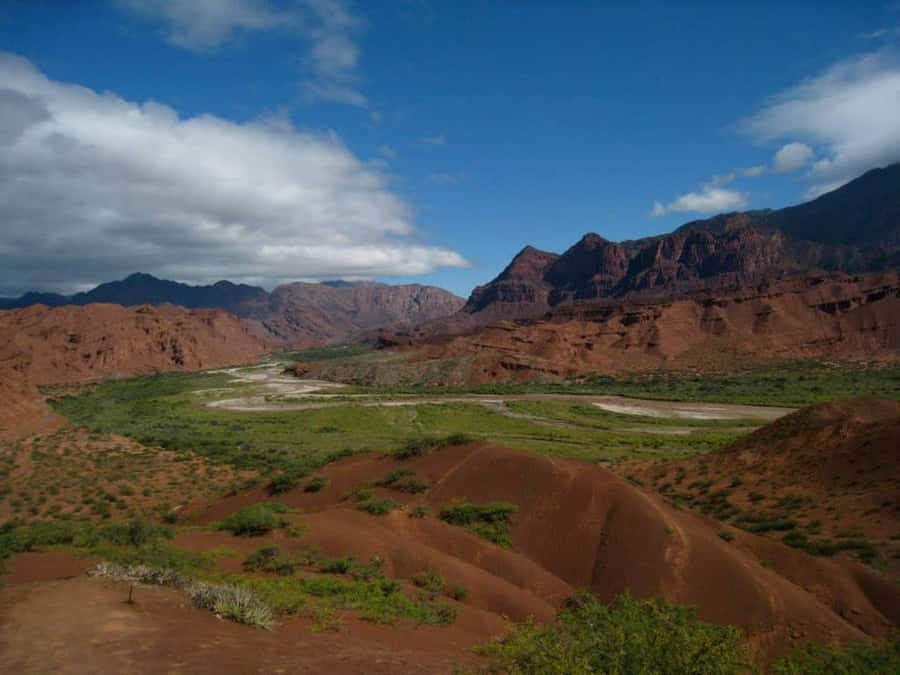
The first stretch follows Provincial Route 68 through the Lerma Valley. The view is softer here than the red-rock country later in the day. You pass farms, tobacco fields, and tobacco leaves drying in the sun. Old and new chimneys made from adobe and clay add a very local touch. They are easy to miss if you are busy looking only for dramatic mountains, but they show how work and agriculture shape the valley.
I like this opening because it gives you a gradual change of scenery. You see where the crops are grown before the road leaves the cultivated valley and enters drier country. A guide can also point out details that pass quickly from the window, including the tobacco process and the role of the valley around Salta.
The air-conditioned minibus is a practical choice for this route. Vehicles are listed as 17, 19, or 23 passenger models, and the driver-guide handles the route while explaining the area. With a full vehicle, the ride may feel cramped, especially in the back. If you get carsick, ask for a front seat at pickup and bring your usual remedy.
More Wine Tasting Tours in the world:
- From Porto: Douro Valley w/ Boat Tour, Wine Tasting & Lunch
★ 4.7 · 19,061 reviews - Complete Douro Valley Wine Tour with Lunch, Wine Tastings and River Cruise
★ 5.0 · 12,920 reviews - Florence: Chianti Wineries Tour with Wine Tasting
★ 4.5 · 10,071 reviews
Alemania and the turn toward red rock
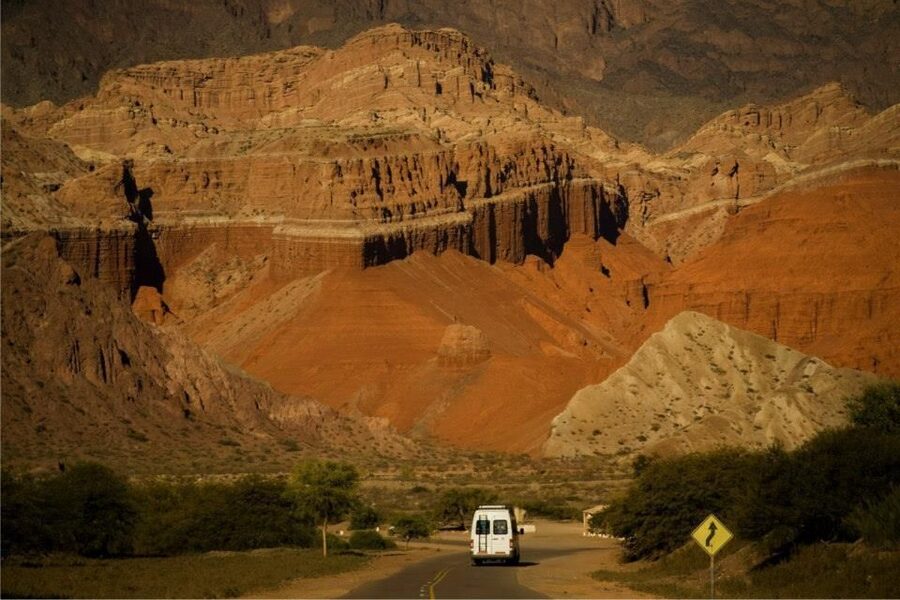
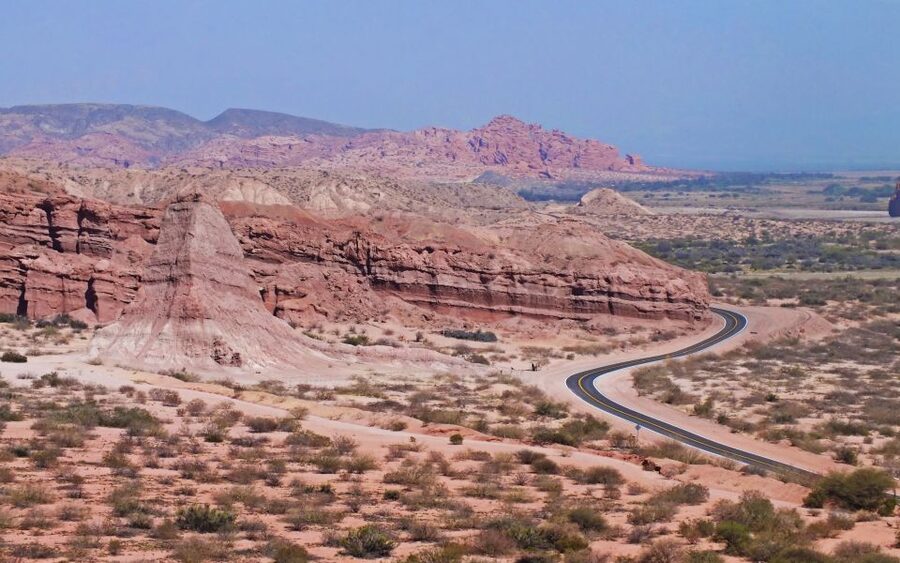
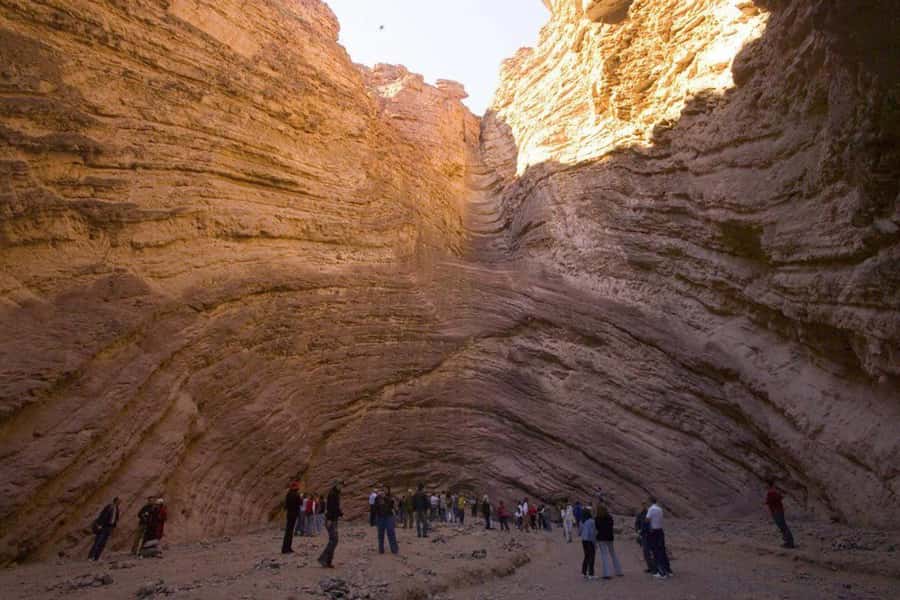
The road passes the small town of Alemania, after which the scenery shifts sharply. The cultivated valley gives way to exposed rock, dry hills, and narrow formations shaped by erosion. This is the start of the Quebrada de las Conchas, also called the Quebrada de Cafayate.
The guide normally stops at major formations so you can get out, look around, and take photos. Two named highlights are the Devil’s Throat and the House of the Parrots. Their names are memorable because the rock shapes invite comparison, but the real pleasure is seeing how water, wind, and time cut the cliffs into folds and walls.
This is where the tour earns its keep. Cafayate itself is pleasant, but the road through the gorge is the reason to choose a guided day trip rather than simply arriving in town. Guides such as Omar and Julio have been praised for explaining how the formations developed, while Monica and Eduardo are noted for adding history, culture, and local stories.
You should expect stops rather than a hike. The schedule allows time for photographs and short walks, not a long trail day. One recurring limitation is that the tour covers many sights from the road, so you cannot linger at every formation. If your ideal outing means hiking into the scenery, this trip may feel too vehicle-based. If you want to see a large stretch of the gorge without arranging a rental car, the format works well.
What makes the Quebrada de las Conchas worth the drive
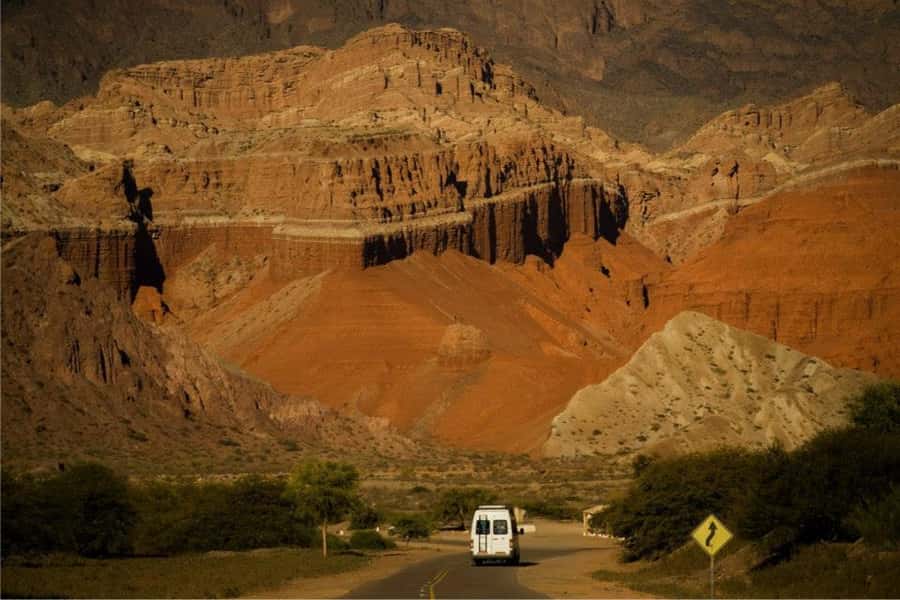
The rock colors and shapes change as the road continues. You may see red, orange, purple, and pale stone close together, with ridges that look folded or cut open. The variety keeps the ride interesting, even during stretches when the minibus is simply moving between stops.
The geology is not just a backdrop. It is the story of the route. A good guide turns a stop at a cliff into an explanation of erosion and rock layers, then connects it with the plants, climate, and settlements around the gorge. The best guides adjust between Spanish and English instead of giving one long explanation in one language and a rushed translation afterward.
That bilingual approach matters in a mixed group. Guides including Monica, Fernando, Eduardo, Julio, and others have been praised for giving both language groups similar attention. Still, the quality of translation can depend on the individual guide and the pace of the day. You should expect the main tour commentary in Spanish and English, but do not assume every outside activity will be translated.
Bring an ID or passport, water, sun protection, and shoes suitable for getting out at rough viewpoints. The information provided does not promise hiking facilities or a set amount of walking, so keep your daypack light and practical.
Arriving in Cafayate for lunch and wine
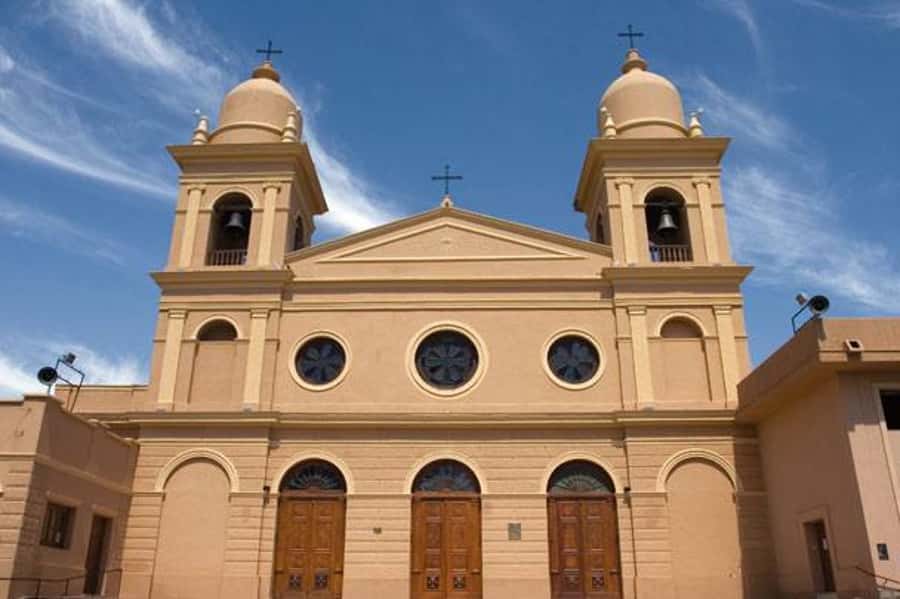
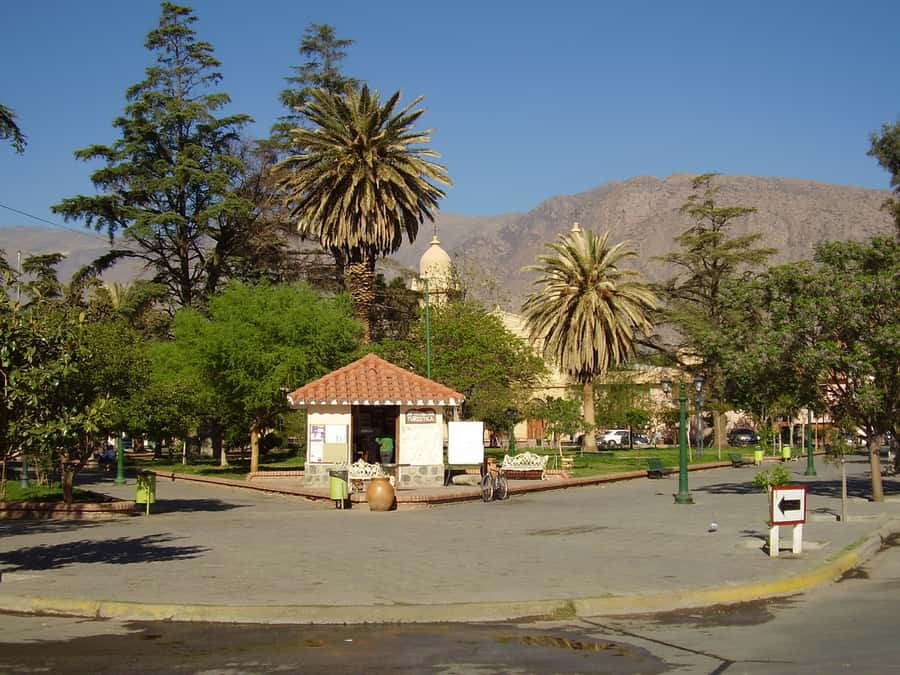
Cafayate is the destination at the end of the gorge, and the town provides a welcome change after the winding route. Lunch is not included, so you pay for your own meal. The schedule generally leaves time to eat and walk around the center, though the exact length depends on traffic, stops, and the group.
This is a useful part of the day because it keeps the trip from becoming a string of roadside photographs. You get a chance to sit down, order food, and see a little of the town rather than viewing Cafayate only through a winery gate. A suggested lunch stop may be offered, but the details can change.
The winery visit introduces Cafayate’s wine industry, especially Torrontés. This white grape is closely associated with Argentina, and tasting it in the region where it is produced gives the drink some context. You may also have the chance to buy bottles at the cellar door.
Keep expectations realistic. The activity description allows one or two wineries, but the practical experience is often one bodega. Several schedules include a short explanation and a small tasting, sometimes only two wines and sometimes four. The visit can take place in a large group, and the presentation may be entirely in Spanish even when the main guide is bilingual.
That is the biggest mismatch between the title and the actual emphasis. The day is built around the road and the gorge, with wine as an added stop. I would not choose it as a substitute for a dedicated winery tour booked directly in Cafayate. I would choose it if you want a quick introduction to Torrontés without giving up the scenery.
More Full-Day Trips in the world:
- Eastern Madeira: Full-Day Tour with Rum Tasting
★ 4.7 · 1,575 reviews - Cape Town: Full-Day Winelands Tour with Wine Tastings & Food
★ 4.9 · 1,288 reviews - Montserrat Full Day Tour with Farmhouse Lunch and Winery Visit
★ 5.0 · 1,068 reviews - Full-Day Tour: Concord Waterfall, Chocolate Factory, Rum Distillery, Grand Etang
★ 5.0 · 871 reviews
The return route gives you a second view of the region
After Cafayate, the group returns to Salta by a different route. This avoids simply repeating the morning drive and gives you a second set of views. The return includes about two hours on the highway, which is generally faster and smoother than the rougher dirt-road sections.
Even so, this remains a long day. Thirteen hours includes pickup, driving, scenic stops, lunch, the winery, and the return to Salta. You will spend many hours seated, and the tour is not suitable for people with back problems. The minibus has air conditioning, which is important in a dry, sunny region, but air conditioning cannot remove the strain of a full day on uneven roads.
The route change is a smart use of time. It turns the transfer back into part of the outing instead of making you watch the same rock formations twice. You should still bring something small to eat, since lunch is not included and the next meal may be some distance away.
Guides, group size, and the bilingual experience
The guide may be the difference between a good scenic drive and an excellent one. Names associated with especially strong days include Monica, Julio, Eduardo, Omar, Eva, Fernando, Maru, Cesar, Belus, and Montserrat. Their roles combine route commentary, timing, translation, and help with practical details such as ordering lunch.
The strongest guiding style on this trip is lively but useful. You want someone who explains the geology, identifies local plants and agriculture, and adds cultural context without talking constantly while the best views pass by. Monica has been praised for energy and humor, while Eduardo and Julio have been singled out for clear explanations of the gorge and terrain.
A mixed-language group can slow the tour because every explanation needs to be given twice. On the other hand, several guides handle the change between languages in short sections, keeping both groups engaged. The winery is the weak point. Its own presentation may not include English, so a non-Spanish speaker may rely on the tour guide to translate or simply enjoy the tasting with less background.
The minibus size affects comfort. A 17-passenger vehicle may feel easier than a full 23-passenger vehicle, but the exact model and seating arrangement are not guaranteed. Try to be ready at your hotel during the pickup window, and speak up early if you need a front seat for motion sickness.
Is $29 good value for a 13-hour day?
At $29 per person, the price is unusually low for a full-day excursion with hotel pickup, air-conditioned transport, a certified bilingual guide, a scenic route, and a winery visit. You still need to pay for lunch and personal expenses, but the main transport and organized sightseeing are covered.
The value comes from access and coordination. Renting a car would give you more freedom to stop, but you would need to drive a long route, manage the rough road, and learn the best viewpoints yourself. This minibus trip handles those details and lets you watch the scenery.
The trade-off is time and flexibility. You do not control how long you stay at each rock formation, which winery you visit, or how much time you spend in Cafayate. The winery stop may feel too short, and a full minibus can be less comfortable than a private vehicle.
For a first look at the route, the price is strong. For a wine-focused trip or a quiet day with long walks, spend more on a specialized tour or arrange a private visit.
Who should book this Salta to Cafayate tour?
I would recommend it to you if you have one free day in Salta and want the famous gorge without planning transport. It suits people who enjoy scenery, geology, photography, and short stops more than people who need constant activity.
It also works well for solo visitors and couples who like meeting others in a small-group setting. The bilingual format makes it possible to join even if you speak little Spanish, though you should remember that the bodega presentation may not be translated.
Families can bring children, with children under two traveling free if they do not need a separate seat. Anyone under 18 must be accompanied by an adult, and unaccompanied minors are not allowed. The long ride and rough road make this a poor choice for people with back trouble or anyone who strongly dislikes winding, bumpy travel.
Free cancellation up to 24 hours before departure and reserve-now, pay-later booking add useful flexibility. The pickup area is limited to downtown Salta hotels, so confirm that your accommodation fits the stated pickup arrangement.
Should you book it?
Book this tour if the Quebrada de las Conchas is your priority and you want a low-cost, organized day from Salta. The cliffs, named formations, tobacco country, and changing return route give you a full picture of the area, while a guide such as Monica, Julio, or Eduardo can add much more than a map and rental car.
Skip it if your main goal is an extended wine program. The bodega visit is usually brief, and you may see only one winery with a Spanish-only explanation. Also skip it if a 13-hour day and four hours of road travel sound punishing.
For most first-time visitors with limited time, I would book it, sit near the front, bring water and lunch money, and treat the wine as a pleasant extra. The red-rock road is the reason to go.
FAQ
How long is the tour from Salta to Cafayate?
The tour lasts about 13 hours, including hotel pickup, the drive through the Quebrada, stops, lunch time, the winery visit, and the return to Salta.
Where does pickup take place?
Pickup is available from downtown Salta hotels, generally between 7:00 AM and 7:40 AM. Drop-off at downtown hotels is included.
Is the tour offered in English?
Yes. A certified guide provides the main tour in Spanish and English. The winery presentation may be only in Spanish, depending on the bodega and the day.
How many wineries will I visit?
The planned service includes a visit to one or two wineries, but you should generally expect one winery and a short tasting. The exact number can vary.
Is lunch included?
No. Lunch is not included, so bring money for your meal and any personal expenses.
How rough is the road?
The tour includes about two hours on low-quality dirt roads and about two hours on the highway during the return. Air-conditioned minibuses are used, but the trip is not suitable for people with back problems.
Can children join the tour?
Children under two can travel free if they do not occupy their own seat. Anyone under 18 must be accompanied by an adult, and unaccompanied minors are not permitted.
Just poured in the world
- From Madrid: Toledo Guided Tour & Winery Visit with Tasting★ 4.8 · 313 reviews
- Madrid Region Wineries Guided Tour with Wine Tastings★ 4.9 · 222 reviews
- Ribera del Duero Wineries Guided Tour & Wine Tasting from Madrid★ 5.0 · 328 reviews
- Santorini Sunset Wine Tour with Santo Winery Views★ 5.0 · 342 reviews
- Private Secret Venice Tour; Rialto Market, San Polo & Food and Wine tasting★ 4.0 · 220 reviews
- A Venetian Evening: Wine Tasting and Cicchetti with a Local Guide★ 5.0 · 146 reviews
- Mykonos: Winery Vineyard Experience with Food & Wine Tasting★ 4.9 · 446 reviews
- Santorini: Wine Tasting Tour to 3 Wineries with Transfer★ 4.7 · 455 reviews
Wine Tasting Tours, compared.
Douro Valley w/ Boat Tour, Wine Tasting & Lunch
Read our review →
Complete Douro Valley Wine Tour with Lunch, Wine Tastings and River Cruise
Read our review →
Small-Group Wine Tasting Experience in the Tuscan Countryside
Read our review →
Montserrat & Cogwheel Train, Gourmet Wine Tasting & Tapas/Lunch
Read our review →
Tuscany & Montepulciano Day Trip with Lunch & Wine Tasting
Read our review →Browse the lists this tour appears in