
REVIEW · DISTILLERY TOURS
Quebec City: Honey and Distillery Tour with Tasting
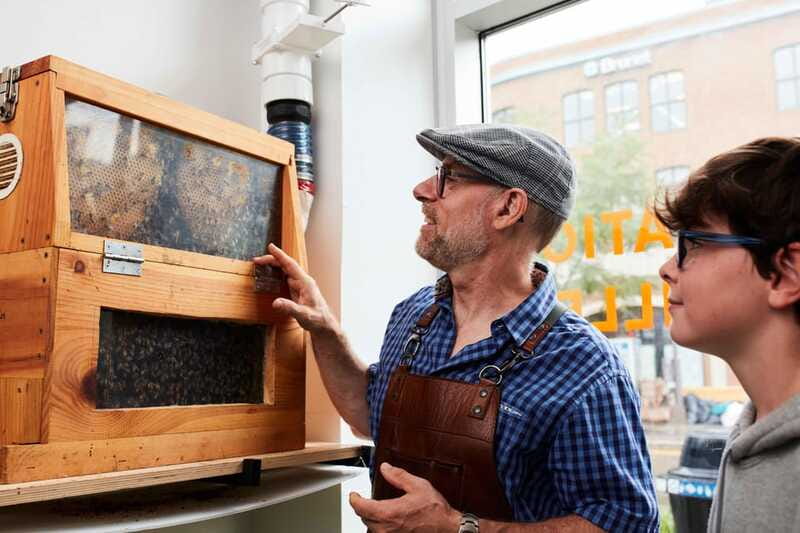
The best part of this Quebec City tour is the live indoor observation hive. You watch bees working through the seasons, then follow their honey from extraction to fermentation, distillation, ageing, and bottling. It is a rare chance to see the full path from bee to bottle in one compact urban workshop.
I like two things here: the owner-led storytelling and the clear local connection. Fred, Frederic, Nadine, and other Apikol hosts explain the work themselves, while the honey and finished drinks come from the Quebec City operation. The tasting of three products gives you a useful sample, not just a quick sip.
The main consideration is space. Much of the opening talk takes place in a small room, and the first 45 minutes can feel close if your group fills all eight places. Still, the $21 price, indoor setting, and unusual subject make this a strong one-hour choice, especially on a cold or wet day.
Key points at a glance
- Watch a live all-season hive: See bees at work indoors instead of only viewing photographs or equipment.
- Follow honey from hive to bottle: The tour explains extraction, fermentation, distillation, ageing, formulation, and bottling.
- Taste three local products: The standard tasting includes three meads and spirits, including an effervescent mead.
- Meet the people behind Apikol: Co-owners and in-house hosts lead the visit and answer questions directly.
- Learn about urban, lower-waste production: Apikol links city beekeeping with a small distillery and a focus on reducing its environmental footprint.
- Fit it into a tight Quebec City schedule: The visit lasts one hour, costs $21 per person, and takes place in Saint-Roch.
Starting with bees in downtown Quebec City
Apikol is not a country apiary reached by a long drive. It is an urban distillery and meadery in Quebec City’s Saint-Roch district, with the honey house, production area, tasting space, and observation hive under one roof.
That setting changes the feel of the experience. You are looking at city-based beekeeping, then seeing how the same project produces alcoholic drinks. The connection is easy to follow because there is no bus ride between the hive and the still. Each step is nearby.
Your visit begins at the distillery front desk. Check in there and say you have booked the tour. A separate entrance is available for the activity, so you can avoid the usual line. The group is limited to eight people, which matters here. The subject is technical, and a small group gives you a better chance to ask about bees, honey, or the drinks.
Tours are offered in French or English. Guides may include co-owner Fred, also referred to as Frederic, or another member of the Apikol team. The strongest part of the experience is the personal tone. You are not simply walking past machines while a recorded voice lists facts. The people leading the tour work with the bees and the spirits, so they can explain why each step matters.
More Distillery Tours in Canada:
- Toronto Distillery District Walking Tour
★ 5.0 · 327 reviews - Toronto: Distillery District Historic Walking Tour
★ 4.8 · 267 reviews - Toronto: Short Distillery District Segway Tour
★ 4.8 · 55 reviews
The observation hive is the real opener
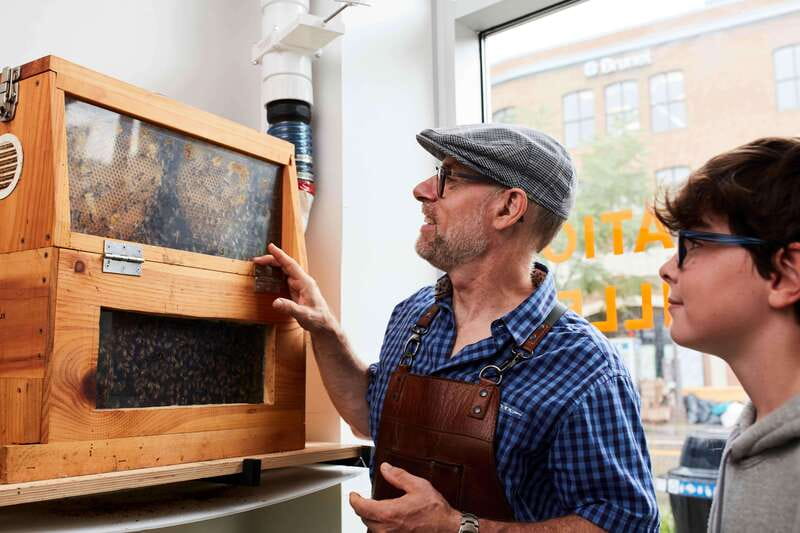
The indoor hive gives the tour its unusual hook. You can watch live bees at work in an all-season display, even when Quebec City is buried in winter snow. That makes this a good activity in February as well as July.
The hive is small and designed for observation, so do not expect a full apiary visit or a large outdoor colony. Its value is that you can focus on the bees and the work around them. The guide explains the bee life cycle, beekeeping equipment, honey production, and the methods used to collect honey.
This section is more than a quick look through glass. The tour puts the finished bottles in context. Before you taste a mead or spirit, you understand that honey begins as the result of a living colony, careful collection, and repeated work by the beekeeper.
The bee lesson is also a good fit for families with older children, though the tasting portion is designed for adults. Anyone under 18 receives a non-alcoholic beverage. That policy lets younger visitors take part without turning the whole activity into an adults-only outing.
From honey extraction to fermentation
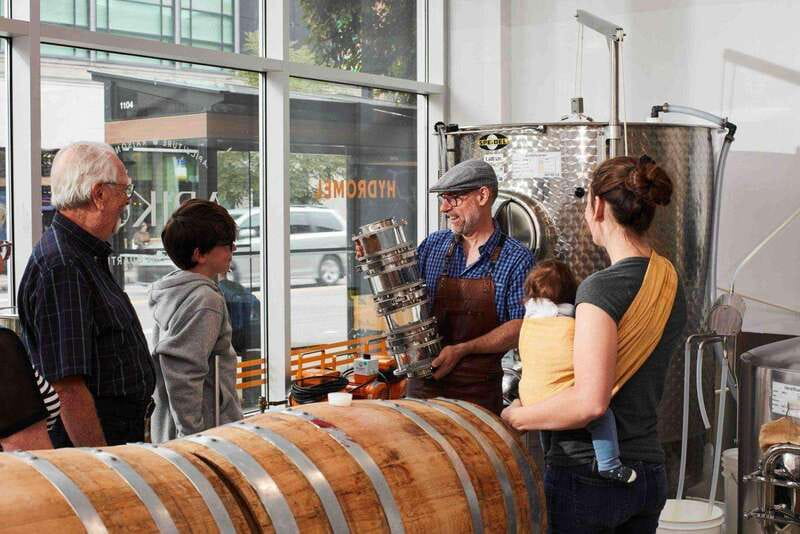
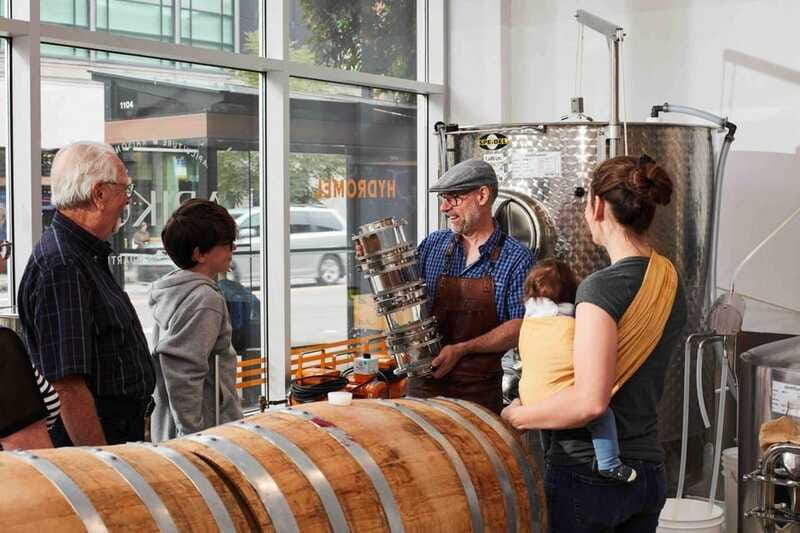
After the hive, the tour moves into the honey house and production process. You learn how honey is extracted and prepared for transformation. The guide then explains fermentation, the stage that turns honey into mead.
Mead can be an unfamiliar drink for many people. Here, you get to see it as a product with a clear local source rather than as a novelty on a menu. Apikol uses its own honey, with an emphasis on locally sourced production. The guide explains how different choices affect the final drink.
The tour also covers formulation and bottling. These details are useful because they show how a small producer handles the whole chain. You are not tasting a product without knowing where it came from or how it was made.
The explanations are meant to be approachable. Fred has a reputation for mixing facts with humor, and the hosts encourage questions. That helps if you know little about bees or distilling. It also gives experienced drinkers something to discuss, since the tour moves beyond simple tasting notes.
Seeing how honey becomes spirits
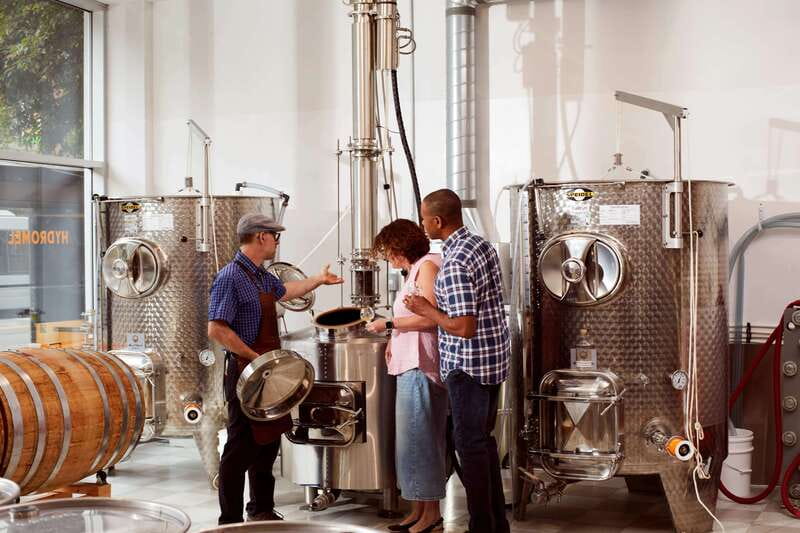
The most interesting technical change comes when the tour shifts from mead to spirits. Apikol explains distillation and the styles of alcohol made from honey, including products that resemble gin, vodka, and eau-de-vie.
You will not get a full industrial factory tour. This is a small operation, and the appeal is precisely that it remains close to the people making the drinks. You see how honey can be used in several forms, from a fermented drink to a distilled spirit, rather than being limited to sweet mead.
The tour also covers ageing, formulation, and bottling. These steps help explain why two products made from the same basic ingredient can taste so different. A honey-based spirit does not have to taste like a sugary dessert. The finished range includes drier, cleaner, and more botanical directions.
Apikol’s environmental goals run through this portion of the visit. The business is built around urban agriculture and a reduced ecological footprint. The exact production choices are explained on site, but the broad idea is easy to grasp: keep the bees, honey work, distillery, and tasting room connected, and reduce waste where possible.
I appreciate that this is presented as a working small business rather than a grand claim about sustainability. You can ask the owners how their project operates and what they are trying to improve. That direct conversation is more useful than a wall of slogans.
More Drinks Tours in Canada:
- Niagara Falls Day Tour Includes Boat Cruise, Winery Stop & Lunch
★ 4.5 · 1,820 reviews - From Toronto: Niagara Falls + Winery, Cruise, & Lunch Option
★ 4.6 · 1,027 reviews - Niagara Wine Tour and Tastings with Transportation
★ 4.0 · 782 reviews - Seated Tasting Experience at Konzelmann Winery
★ 5.0 · 698 reviews
The tasting: three drinks with a local point of view
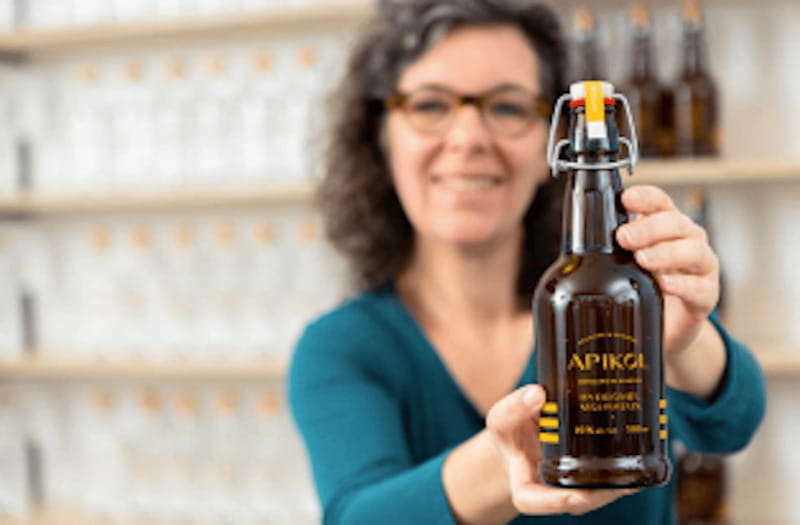
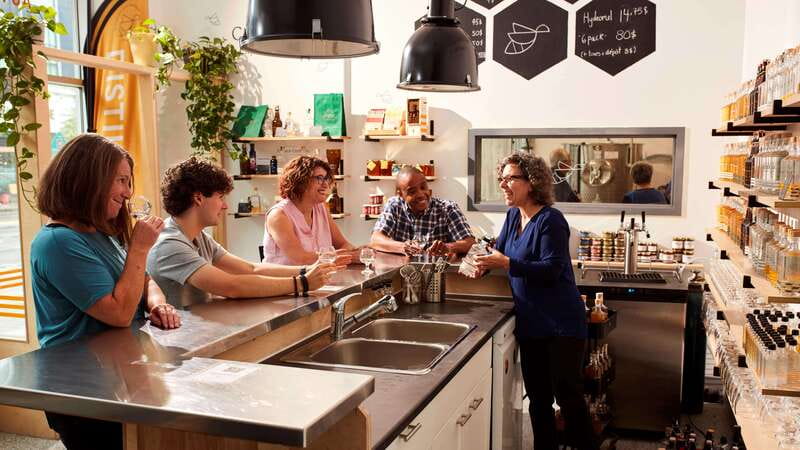
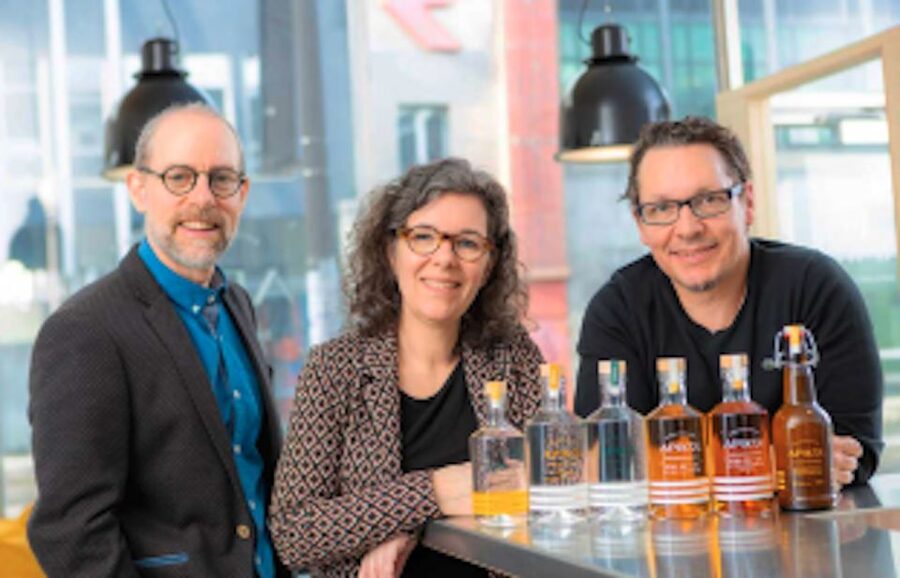
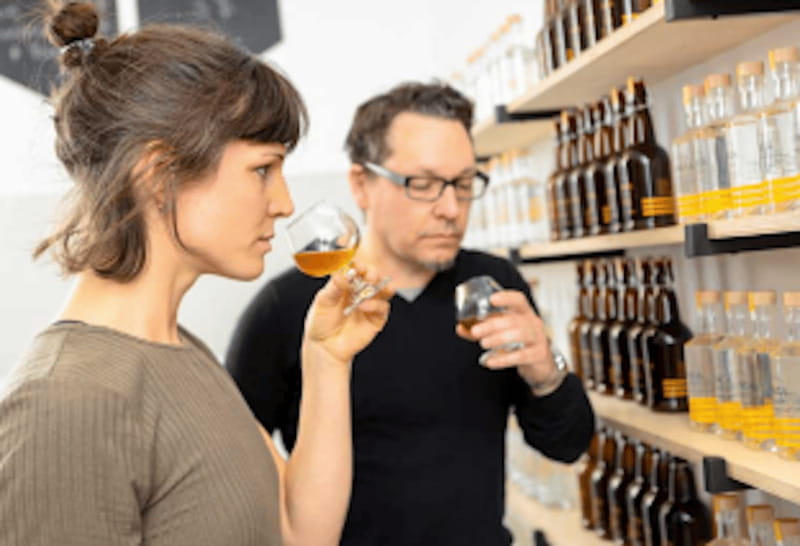
The tour ends with a tasting of three products. The standard selection includes meads and spirits, with the effervescent mead among the featured drinks. The tasting is led by an Apikol expert, such as Constance, who explains what you are sampling.
This is not a full meal or a long cocktail session. Think of it as a guided introduction to the house range. You get enough variety to compare the products and decide what suits your taste. Some people may prefer the gin, while others may enjoy the mead or a cleaner spirit.
Additional products may be available for a small supplement. If you want to explore beyond the three included samples, ask about the options at the tasting. The basic package already gives you a useful spread, so you do not need to add more to make the visit worthwhile.
The tasting can take about 15 minutes within the one-hour tour, though the overall visit may allow closer to 30 minutes for the final aperitif and explanations. The pace depends on the group and the questions. That flexibility is welcome, but do not book this expecting an extended evening at a bar.
You can also finish with pure, fresh honey harvested from one of Apikol’s city hives if that option is available during your visit. It is a simple way to connect the sweet product on the table with the bees you saw at the start.
Why the $21 price works
At $21 per person, this is one of the easier Quebec City activities to fit into a day. You get a one-hour guided visit, access to the distillery, a live hive demonstration, and three tastings. Comparable museum-style visits may cost more without offering a product sample at the end.
The value is strongest if you are interested in one of three things: bees, local food production, or spirits. You do not need to be an expert in any of them. The tour gives each subject enough attention to make the hour feel full.
The price is less attractive if you only want to drink. In that case, a tasting room visit might be faster. Apikol earns its price through the explanation of the full process, so the tour makes more sense than stopping in for samples alone.
There is also value in the small group. With no more than eight participants, you can hear the guide and ask questions without competing with a large crowd. The tradeoff is the compact room. If a full group attends, you may feel the close quarters during the opening section.
A practical break from Quebec City sightseeing
This is an indoor activity, so it works well when the weather turns unpleasant. Quebec City can be very cold, and the all-season hive means the bees remain part of the experience even in winter. The January and February setting may actually make the indoor colony feel more striking.
At the same time, this is not a substitute for the city’s historic sights. You will not get a broad introduction to Quebec City, and the tour does not take you through Old Quebec. It is a focused local-business visit in Saint-Roch.
Plan around one hour, with a little breathing room if you want to browse or ask extra questions. Since the meeting point is the Apikol distillery, you do not need to organize a separate transfer between parts of the activity. The information provided does not specify transportation or parking, so check your route to Saint-Roch before arrival.
The cancellation terms are friendly for a short activity. You can cancel up to 24 hours before the start for a full refund, and you can reserve now and pay later. Starting times vary, so check availability when choosing your slot.
Who will enjoy Apikol most
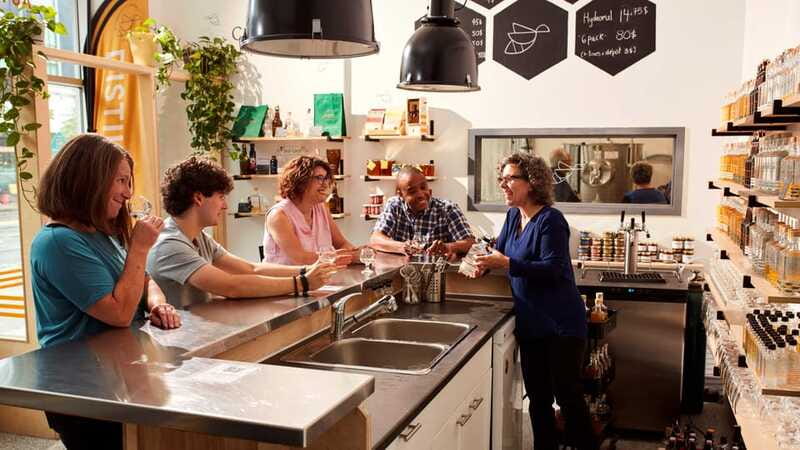
I would choose this for adults who want a local product experience with real explanation behind it. It suits couples, solo visitors, and small groups who would rather meet a maker than spend an hour at a large attraction.
It is also a good family option if children are curious about insects and food production. Visitors under 18 receive a non-alcoholic beverage, and the bee portion gives them something concrete to watch. Keep in mind that the tour does include alcohol discussion and tasting, so very young children may not get much from the full hour.
This is especially useful for repeat visitors to Quebec City. If you have already walked Old Quebec, visited the major museums, and want something tied to present-day city life, Apikol offers a different view of the area.
I would not make it your first choice if you dislike small rooms, have no interest in bees, or want a long, relaxed drinking session. The tour is structured and educational. Its appeal comes from the story of the product, not just the alcohol.
Small details that improve the visit
Arrive ready to listen during the first part. The bee and honey section sets up everything that follows, so it is worth paying attention even if you booked mainly for the tasting.
Ask questions. The guides are owners or in-house staff, and the format leaves room for conversation. You can ask about the bee life cycle, honey collection, fermentation, distillation, or the ecological choices behind the business.
If you enjoy one of the drinks, ask whether it is available to take home. The tour introduces products made in Quebec City, and buying a bottle or honey product can extend the experience beyond the tasting table.
Keep your expectations realistic about time. One hour is enough for a clear introduction, but not enough for a slow technical workshop on every product. You will get the main stages from bee to bottle, plus a taste of the results.
Should you book this one-hour tour?
Yes, if you want an unusual indoor activity that combines live bees, local production, and a guided tasting. The 4.9 rating from 103 bookings reflects a consistently strong experience, particularly the friendly hosts, clear explanations, tasty samples, and personal connection with the Apikol project.
I would book it on a cold afternoon, during a rainy spell, or as a change of pace from churches and historic streets. The biggest drawback is the small room during the opening section, but the short duration and eight-person limit keep that issue manageable.
For $21, you get more than three drinks. You get a compact lesson in urban beekeeping and a clear look at how honey becomes mead and spirits. If that sounds like your kind of Quebec City discovery, Apikol is an easy choice.
FAQ
Where does the Apikol honey and distillery tour take place?
The tour takes place at Apikol, an urban distillery and meadery in Quebec City’s Saint-Roch district.
How long does the experience last?
The activity lasts one hour. The guided portion covers about 45 minutes, followed by a tasting and explanations.
What is included in the price?
The $21 price includes an owner-led distillery tour, access to the indoor observation hive, and a tasting of three beverages made from honey.
How many people can join the tour?
The group is limited to eight participants.
Is the tour offered in English?
Yes. Tours are available in English and French.
What drinks will be included in the tasting?
The tasting includes three Apikol products, including an effervescent mead. The selection may include meads and spirits.
Can visitors under 18 join?
Yes. Visitors under 18 receive a non-alcoholic beverage.
Is the tour indoors?
Yes. The experience takes place indoors, including the observation of the all-season hive.
Can I cancel my booking?
Yes. You can cancel up to 24 hours in advance for a full refund. You can also reserve now and pay later.
Just poured in Canada
- Blend Your Own Gin Experience in Banff★ 5.0 · 170 reviews
- Toronto: Niagara-on-the-Lake, Wine Tasting & Chocolate Tour★ 4.8 · 62 reviews
- Toronto: Short Distillery District Segway Tour★ 4.8 · 55 reviews
- Toronto: Distillery District Historic Walking Tour★ 4.8 · 267 reviews
- Quebec City: Island of Orleans Wine Tour★ 4.6 · 109 reviews
- Ottawa: Floating Tiki Bar Cruise on the Ottawa River★ 4.7 · 164 reviews
- Old Toronto by Beer: A Craft Brew Adventure★ 4.8 · 91 reviews
- Niagara Falls: Winter Niagara Wine Tour with Transportation★ 4.4 · 54 reviews
Distillery Tours, compared.
Jameson Whiskey Distillery Tour with Tastings
Read our review →
Dublin Jameson Distillery Bow St. Tour and Tasting 45 mins
Read our review →
Dublin Jameson Distillery and Guinness Storehouse Guided Tour
Read our review →
Nashville to Jack Daniel’s Distillery Bus Tour + Whiskey Tastings
Read our review →
Dublin Teeling Whiskey Distillery Guided Tour and Tasting 1 Hour
Read our review →

Hierve el Agua, Tule Tree, Mitla and Mezcal Distillery Tour
Read our review →Browse the lists this tour appears in