
REVIEW · COCKTAIL CLASSES & TASTINGS
Rio: Carnival Backstage Tour at Samba City with Cocktail
The most revealing part of Rio Carnival happens before the drums begin. At Cidade do Samba, you go behind the parade and see where floats, props, and thousands of costumes take shape. This is not just a photo stop with feathers and sequins. It explains how a samba school plans a huge competitive production, from its theme and design to the final parade.
I like the chance to try on real parade costumes, and I like the short samba lesson with a professional dancer. The caipirinha at the end is a pleasant Brazilian touch. The main drawback is practical: the meeting point can be hard to spot among the port warehouses, and indoor photography is not generally allowed unless staff direct you to a permitted area.
Key points at a glance
- See Grande Rio’s working Carnival complex: The tour visits the factory connected with Grande Rio, the 2022 Carnival champion.
- Understand the competition: Your guide explains why each samba school spends the year planning one large story for the parade.
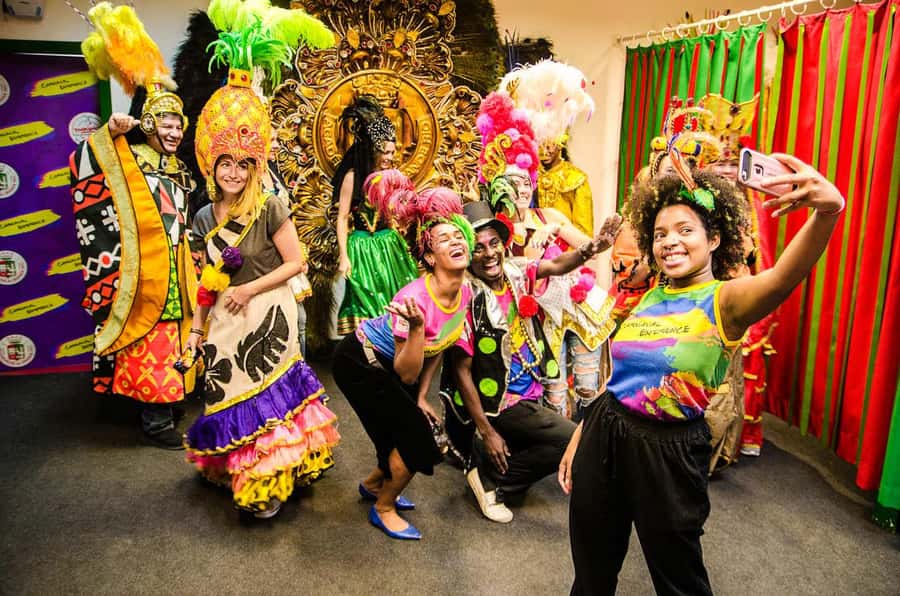
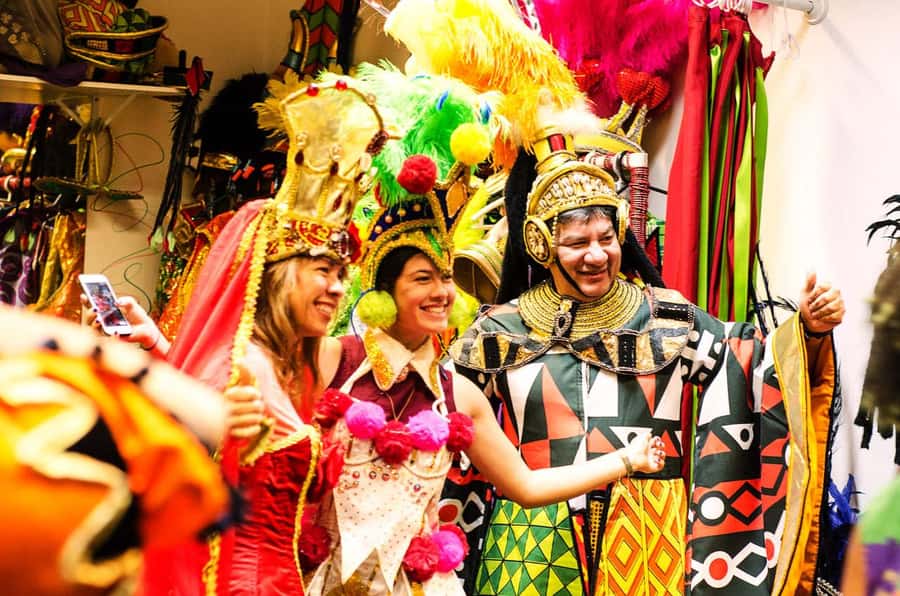
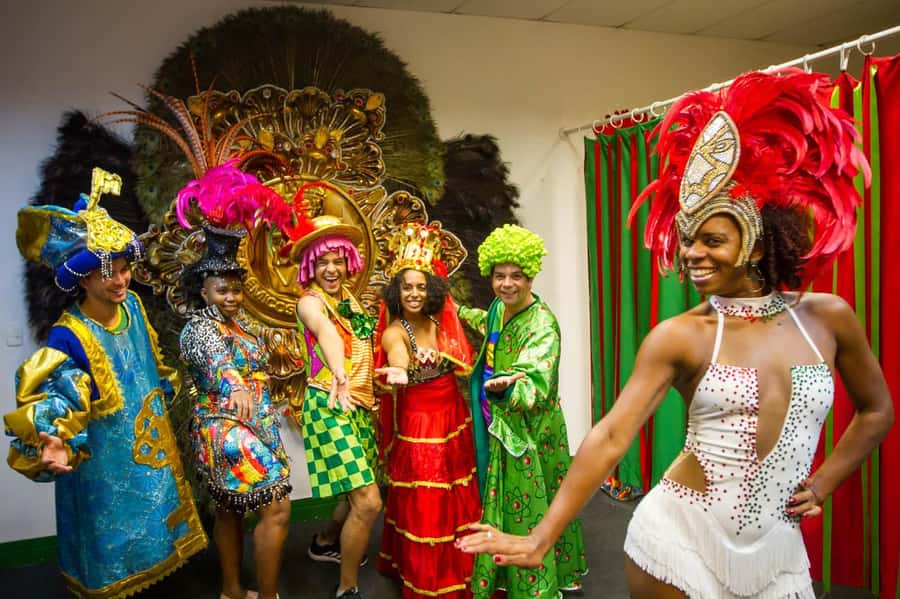
- Wear the costumes: You can try on authentic parade outfits and take pictures where photography is permitted.
- Learn the basic steps: A professional dancer leads a friendly samba workshop, suitable even if your footwork is modest.
- Finish with a caipirinha: Water and an alcoholic drink are included, with nonalcoholic options available.
- Allow up to two and a half hours: The usual visit lasts 90 to 150 minutes, depending on the group and timing.
Why this backstage visit adds meaning to Carnival
Rio Carnival can look like a burst of noise, feathers, lights, and movement. From the Sambadrome seats, it is easy to miss the work behind that short parade appearance. Each samba school presents a theme, builds elaborate floats, prepares costumes for thousands of participants, rehearses music and dance, and competes for a result that matters deeply to its community.
This tour gives you a useful framework before you attend a parade. You learn that a samba school is not simply a dance troupe. It is a large creative and working operation, with designers, builders, costume makers, musicians, dancers, organizers, and supporters all contributing to one performance.
The guide also covers the history of samba and the development of Rio Carnival. The detail level can vary with the guide and the questions you ask. Recent guides have included Sol, Ton, Lea, Lias, and Jaquel, along with multilingual guides from several backgrounds. One recent guide was an Argentine member of a samba school, which added a personal connection to the subject.
The best guides make the subject easy to follow without turning it into a lecture. They explain what you are looking at, why a float is shaped a certain way, and how the competition drives the schools to keep creating new work each year.
More Cocktail Classes in the world:
- Rome Cooking Class: Make Pasta and 3 Spritz Cocktails
★ 5.0 · 2,937 reviews - Food & Mixology Tour:Tequila,Tacos, Mezcal and Agave Cocktails
★ 5.0 · 1,884 reviews - Pasta Cooking Class Near the Colosseum with 3 Spritz Cocktails
★ 5.0 · 1,686 reviews
Finding Cidade do Samba in Rio’s port district
The meeting point is at the main entrance to Cidade do Samba, a large complex of light-brown warehouses in Rio’s port region. It is about 200 meters from AquaRio and close to the Rio Star Ferris wheel and the Cidade do Samba VLT station.
This is the one part that deserves extra care. The complex can feel industrial and anonymous when you first arrive, and several people have had trouble finding the correct entrance. Look for the Carnaval Experience team in the square or outside the Grande Rio warehouse. Staff wear colorful shirts, which is the clearest visual clue.
By VLT, get off at Cidade do Samba station. By car, taxi, Uber, Waze, or Google Maps, search for Carnaval Experience or Cidade do Samba main entrance. Paid street parking is listed at 60 Rivadávia Corrêa.
If you book optional pickup, the driver is due 15 minutes before the scheduled time. You need to give the provider your exact meeting place in advance and wait in the hotel lobby entrance. Pickup can remove some uncertainty, but it is not part of the standard price.
Inside the Grande Rio workshop
The tour takes you through the working area associated with Grande Rio. The school won the 2022 Carnival competition, and its workshop offers a useful setting for understanding how a winning presentation is built.
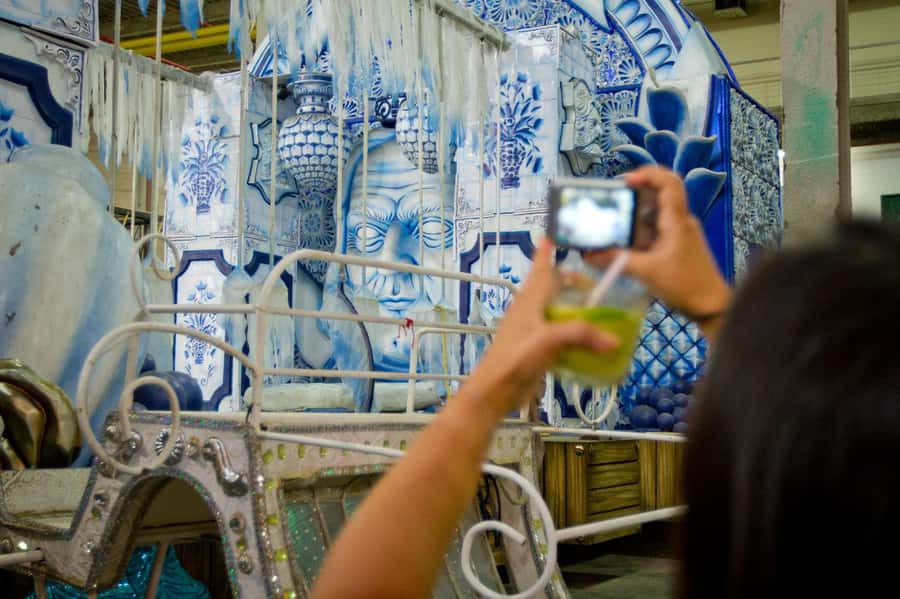
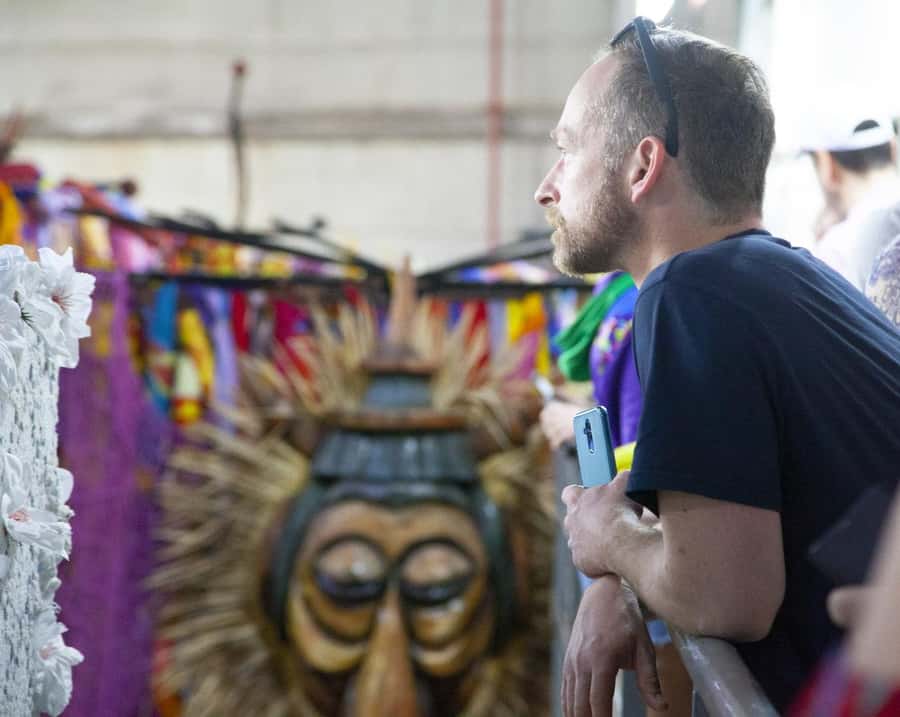
You see the scale of the production first. Floats are large, theatrical structures rather than simple parade vehicles. Costumes and decorative pieces fill the workspace, showing how much material, color, and handwork goes into a performance that may last only a short time in front of the judges.
The visit also includes a display about samba and Carnival. This helps connect the physical objects to the larger tradition. A costume is not simply something colorful to wear for a photograph. It usually supports the school’s theme and helps turn a parade into a moving story.
The tour description refers to production of more than 3,000 costumes. At certain times of year, you may see more active preparation. At other times, the emphasis may be on completed floats, past costumes, designs, and explanations from the guide. If watching costume construction is your main goal, ask questions during the visit, since the amount of visible work can depend on the Carnival calendar.
The timing of your visit can change the feel of the experience. Close to Carnival, the urgency is easier to sense, with costumes and props being prepared for the coming parade. Outside the main season, you still get a useful look at the process, but the workshop may feel more like a display and production center than a final countdown.
Costumes, photographs, and the most playful part
Trying on parade costumes is one of the strongest parts of the visit. You are not only looking at elaborate outfits behind glass or on a distant stage. You get a chance to put one on and see how the visual language of Carnival works on a person.
This is especially good for families, couples, and anyone who wants a light, hands-on activity rather than a long museum visit. It also gives you a better sense of the weight, scale, and theatrical effect of the outfits.
Photography rules need attention. Indoor photography is not allowed in general, and staff control where pictures can be taken. Since costume photographs are part of the activity, the practical advice is simple: wait for permission and follow the guide’s directions. Do not assume you can photograph every float, costume, or work area.
The costumes are flamboyant by design, but the activity is not a formal performance audition. You do not need dance experience or special knowledge of samba. You are there to join in for a few minutes and enjoy the visual side of the tradition.
More Drinks Tours in the world:
- From Porto: Douro Valley w/ Boat Tour, Wine Tasting & Lunch
★ 4.7 · 19,061 reviews - Chichen Itza, Cenote & Valladolid Tour with Tequila and Lunch
★ 4.5 · 15,789 reviews - Complete Douro Valley Wine Tour with Lunch, Wine Tastings and River Cruise
★ 5.0 · 12,920 reviews - Krakow–Zakopane: Cable Car, Chocholow Baths, Cheese & Vodka
★ 5.0 · 10,720 reviews
A samba lesson with a professional dancer
The dance section brings the tour to life. A professional dancer demonstrates basic samba movement and invites the group to follow along. You can expect a relaxed workshop rather than a serious dance class.
I like this part because it explains the physical energy of Carnival. Watching dancers in a parade is one thing. Trying a few steps yourself makes the rhythm less mysterious, even if your feet do not immediately cooperate.
The lesson is usually one of the more social parts of the tour. People laugh, copy the instructor, and loosen up after the more explanatory sections. It works well for mixed groups because you can participate fully or simply watch.
Some descriptions of the experience use the word salsa, but the activity is centered on Brazilian samba and Carnival movement. Keep that distinction in mind when comparing Rio dance activities.
The guides often add small surprises and demonstrations along the way. A good guide can make the history lively, and several recent tours have been led by guides praised for warmth, humor, and enthusiasm. Still, the experience is partly guide-dependent. If you are especially curious, ask direct questions about the parade, costumes, school rankings, and design process.
The caipirinha ending
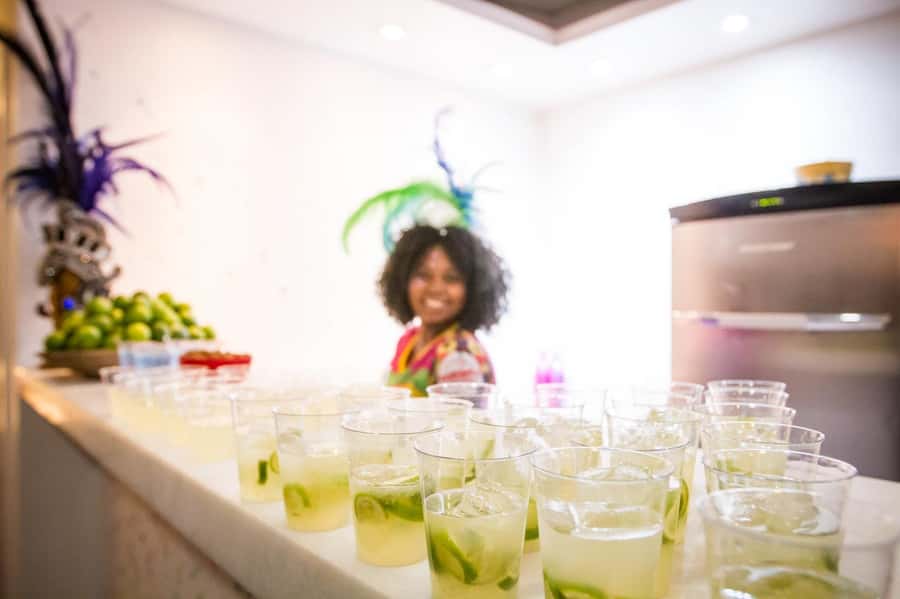
The tour ends with a caipirinha, Brazil’s familiar lime-and-cachaça cocktail. Water is included as well, and a nonalcoholic version is available.
This is a small feature, but it rounds out the visit nicely. After the costumes and dancing, you have time to talk, compare impressions, and enjoy a distinctly Brazilian drink. If you do not drink alcohol, you are not left out.
The drink is not the reason to book the tour. At $27 per person, it is best viewed as a pleasant extra attached to a cultural visit. The real value comes from access to the workshop, the explanations, the costumes, and the samba lesson.
Is $27 good value?
For a 90 to 150 minute activity in Rio, $27 is a fair price. You are getting a guided visit, a backstage pass, water, an alcoholic drink, costume access, and dance instruction. Many paid attractions offer only one of those elements.
The value is strongest if you plan to attend a parade at the Sambadrome. The tour gives you context before you take your seat, so the floats, wings, costumes, and school themes are easier to recognize. You begin to understand the labor behind the spectacle instead of seeing only a fast-moving parade from a grandstand.
It also makes sense if you are in Rio outside Carnival season. You will not see the full live parade, but the workshop, costume collection, history display, and dance lesson give you a way to connect with the tradition at any time of year.
The price is less compelling if you only want a quick photo in a costume or a short dance show. In that case, the history and production sections may feel longer than necessary. This is best for someone who wants both fun and background.
The activity is nonrefundable, so check the date and starting time carefully before booking. Small groups are available, and the guide languages include English, Portuguese, Spanish, French, German, Hebrew, and Italian. Starting times vary, so check availability for the day you want.
Who should book this Carnival experience?
I would recommend it to first-time visitors who want a clearer picture of Rio Carnival. It is also a good choice for people attending the parade, families with older children, couples looking for a participatory activity, and anyone interested in design, costume, dance, or Brazilian culture.
It suits people who enjoy a guide-led visit with several short activities. You move from explanation to workshop viewing, costume try-on, dancing, and drinks, so the pace changes often.
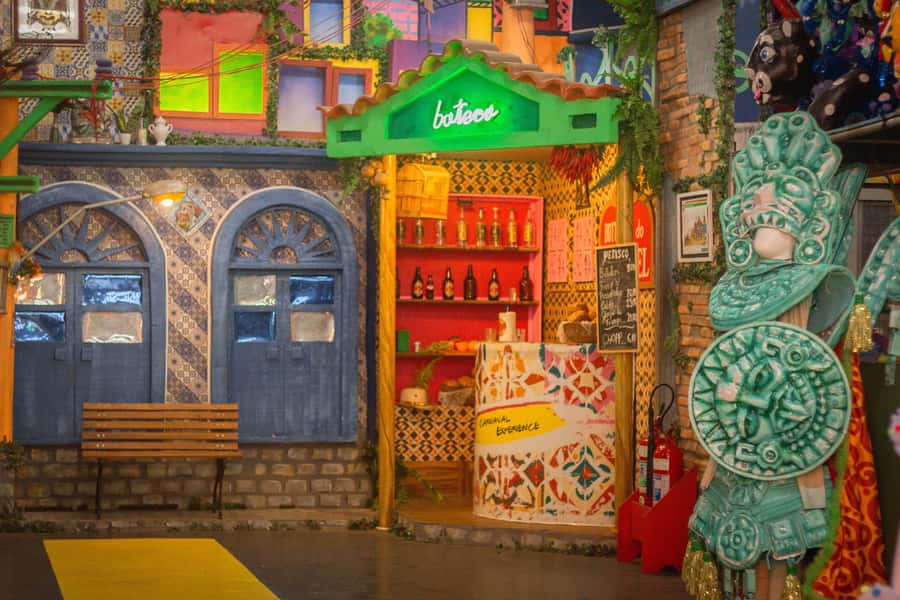
It may be less suitable if you dislike group participation, cannot stand for a period of time, or want unrestricted photography. The activity takes place in a warehouse complex, not a polished museum, and the exact amount of active construction you see depends on the season.
If you are attending during Carnival week, allow time to reach the port area and find the entrance. The location is close to AquaRio, the Rio Star, the VLT station, and the Museum of Tomorrow, so you can pair the tour with other port-area sights. Keep the meeting instructions saved on your phone.
Small details that make the visit smoother
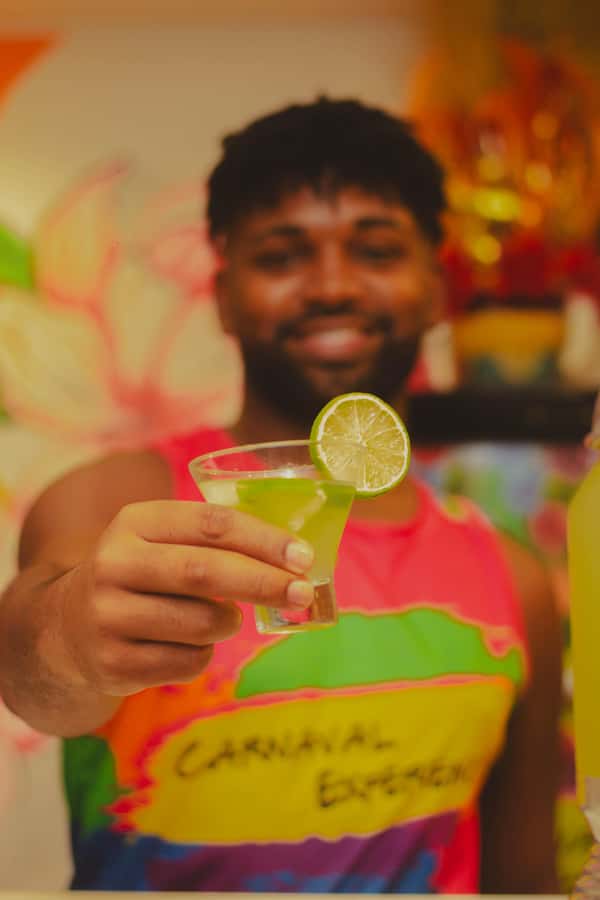
Arrive with enough time to find the main gate rather than heading straight toward whichever warehouse looks most colorful. Look for the Carnaval Experience staff in their colorful shirts, either in the square or near the Grande Rio warehouse.
Wear comfortable clothing for walking and dancing. The tour is not a strenuous workout, but the samba lesson is more enjoyable when you can move easily.
Do not bring a drone, and do not smoke indoors. Keep your camera ready for permitted areas, but wait for staff approval before photographing inside. The rules protect the school’s work and may also preserve costume and parade surprises.
If you are visiting close to Carnival, ask the guide how the current school preparations relate to the coming parade. If you are visiting later in the year, ask about past costumes, design choices, and how planning begins again after the previous Carnival ends.
Should you book the Samba City tour?
Book it if you want more than a parade snapshot. The workshop visit, Carnival background, costume try-on, samba lesson, and caipirinha make this a well-filled two-hour activity at a sensible price.
I would especially choose it before a Sambadrome performance, when the explanations will sharpen what you see later that night. It is also worthwhile outside Carnival season, though you should expect more focus on past work and general preparation than on a final parade countdown.
Skip it only if you want a free-form visit with unrestricted photos, or if your Rio schedule leaves no room for a guided cultural activity. For most people interested in samba, design, or the working side of Carnival, this is one of the more useful ways to understand why the parade takes a whole year to create.
FAQ
Where does the Rio Carnival backstage tour meet?
The meeting point is at the main entrance to Cidade do Samba on Binário do Porto Avenue in Rio’s port district. The complex is near AquaRio, the Rio Star Ferris wheel, and the Cidade do Samba VLT station.
How long does the tour last?
The activity lasts between 90 and 150 minutes. Starting times vary, so check availability for your chosen date.
Is transportation included?
Standard transportation is not included. Optional pickup is available if arranged in advance with the activity provider.
What languages are available?
Live guides are available in French, Portuguese, English, Spanish, German, Hebrew, and Italian.
Can I take photographs during the visit?
Photography inside is not generally allowed. Staff may indicate areas where costume photographs or other pictures are permitted, so follow their instructions.
Is a drink included?
Yes. The tour includes water and an alcoholic beverage, normally a caipirinha at the end. A nonalcoholic version is available.
Just poured in the world
- From Madrid: Toledo Guided Tour & Winery Visit with Tasting★ 4.8 · 313 reviews
- Madrid Region Wineries Guided Tour with Wine Tastings★ 4.9 · 222 reviews
- Ribera del Duero Wineries Guided Tour & Wine Tasting from Madrid★ 5.0 · 328 reviews
- Santorini Sunset Wine Tour with Santo Winery Views★ 5.0 · 342 reviews
- Saint-Emilion Afternoon Wine Tour – 2 Wineries & delicacies★ 5.0 · 614 reviews
- Private Secret Venice Tour; Rialto Market, San Polo & Food and Wine tasting★ 4.0 · 220 reviews
- A Venetian Evening: Wine Tasting and Cicchetti with a Local Guide★ 5.0 · 146 reviews
- Mykonos: Winery Vineyard Experience with Food & Wine Tasting★ 4.9 · 446 reviews
Cocktail Classes & Tastings, compared.
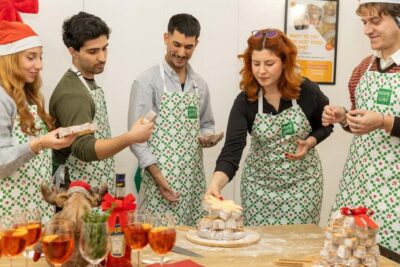
Rome Cooking Class: Make Pasta and 3 Spritz Cocktails
Read our review →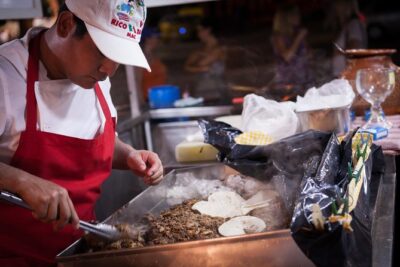
Food & Mixology Tour:Tequila,Tacos, Mezcal and Agave Cocktails
Read our review →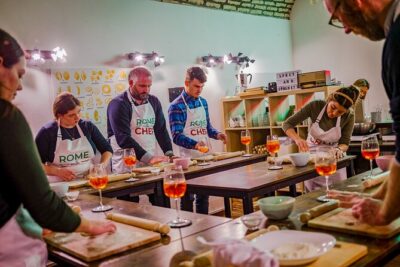
Pasta Cooking Class Near the Colosseum with 3 Spritz Cocktails
Read our review →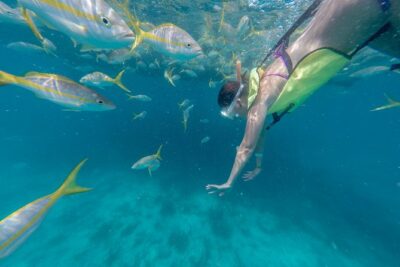
Key West Afternoon Snorkel Sail with Unlimited Cocktails!
Read our review →
Aruba Happy Hour Sunset Sail with Savory Bites and Cocktails
Read our review →
Rome Tipsy Cooking Class: Make Pasta and Mix 3 Spritz Cocktails
Read our review →
St. Augustine’s Wine, Cocktail and Food Experience
Read our review →
Rhodes Exclusive Swim Cruise Cocktail Open bar & Gourmet Buffet
Read our review →Browse the lists this tour appears in