
REVIEW · WINE TASTING TOURS
Barcelona Wine Tasting: Catalan and Spanish Wines
Barcelona’s wine culture gets less attention than its architecture and food, but this 90-minute tasting offers a useful introduction to what grows beyond the city. You move from sparkling wine to whites and reds, learning how Catalonia fits into Spain’s larger wine map while trying each pour with regional food.
I like two things here: the clear five-wine format, which gives you variety without turning the session into a blur, and the relaxed teaching style. Hosts including Robert, Omar, Vivien, Vivian, and Christina have been praised for making beginners feel comfortable and answering questions without showing off. The one thing to weigh is the food. Pairings are included, but some people found the snack portion modest for the price.
Key points before you book
- Five wines in a focused sequence: You taste one sparkling wine, two whites, and two reds from Spanish and Catalan regions.
- A useful first lesson: The sommelier covers grapes, regional differences, aromas, tasting technique, and food matching.
- A social, small-group feel: Sessions have often included about 10 people, making conversation easy without feeling like a lecture.
- Old Town location: The venue is in Barcelona’s historic center, close to the Picasso Museum and surrounded by places to eat afterward.
- Two pairing styles: Depending on the option you choose, you receive snacks or a cheese-focused pairing lesson.
- Good value for a short activity: At $41 per person, the price makes sense if you want a guided introduction rather than a full winery day.
Five glasses that explain Spain’s wine regions
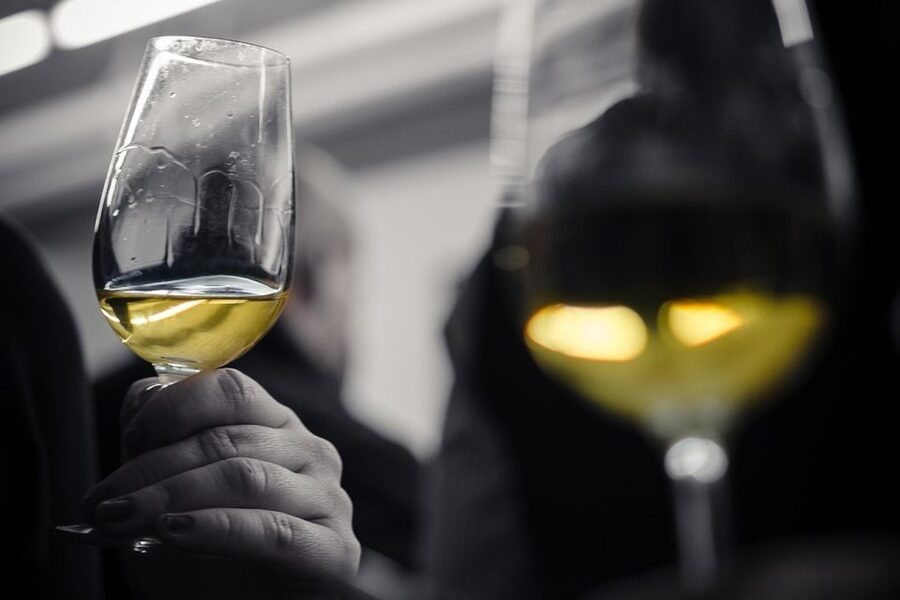
The tasting is built around five pours, with a simple progression: one sparkling wine, two white wines, and two reds. That order matters. It lets you compare lighter, fresher styles before moving into fuller reds, and it gives even a novice drinker a basic framework for noticing differences.
The point is not to memorize a long list of grape names. You get a working sense of how climate, soil, grape variety, and winemaking choices affect what is in your glass. The sommelier also places Catalan wines within Spain’s wider wine-producing regions, so the tasting becomes a small tour of the country without leaving central Barcelona.
The sparkling wine is a natural starting point because it gives you an easy reference for freshness and bubbles. From there, the whites help you pay attention to aroma, acidity, and texture. The reds bring more body and structure, making the contrast between styles easier to feel rather than just hear about.
You should not expect a formal tasting exam. The atmosphere is casual, and the instruction is practical. You will likely swirl, smell, sip, and compare, but you are not required to use technical language. That makes this a good choice if you know little about wine or have always wanted a better way to describe what you like.
More Wine Tasting Tours in Barcelona
- Montserrat & Cogwheel Train, Gourmet Wine Tasting & Tapas/Lunch
★ 5.0 · 6,290 reviews - Barcelona E-Bike Small Group Tour with Tapas & Wine Tasting
★ 5.0 · 638 reviews - Montserrat,Vineyard, Wine Tasting Small Group Tour & Hotel Pickup
★ 5.0 · 513 reviews
What the 90 minutes feel like
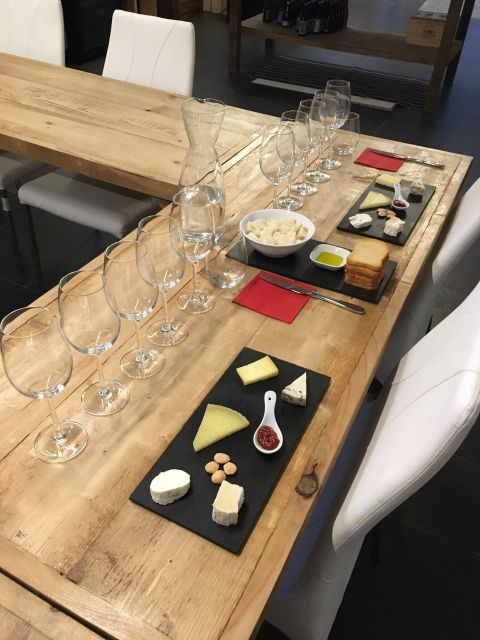
The session takes place in the heart of Barcelona’s Old Town. You are told to look for the big wooden doors at the meeting point, a useful detail because the surrounding streets can be busy with shops, restaurants, and historic buildings.
Once seated, you receive water and begin with an introduction to Spanish wine. The sommelier explains the regions and grape varieties behind the tasting, then guides you through the wines in order. The format is compact enough to fit neatly into an afternoon or early evening, but long enough to allow questions.
The hosts make a real difference. Robert has been praised for his warm, easy teaching style. Omar has led groups of friends and handled questions, spills, and broken glasses calmly. Vivien and Vivian have been described as engaging hosts who bring energy to the room, while Christina has been singled out for her friendly approach.
Because the guide changes, the exact personality of the session can vary. That is normal for a tasting like this. The consistent feature is the structure: five regional wines, English instruction, food matching, and time to talk.
A group of around 10 people is common, based on the experience described by attendees. That size works well. It gives you enough people for conversation, but it is still small enough to ask about a wine, a grape, or a food pairing without raising your voice across a large room.
Learning to taste without taking it too seriously
The best part of the teaching is its usefulness. You learn to look at the wine, smell it, taste it, and then consider how it changes with food. This is more helpful than hearing a long speech about wine production without getting a chance to test the ideas yourself.
The sommelier explains how to notice aromas and how the same wine can seem different after a bite of food. You may learn, for example, that a wine’s acidity feels sharper on its own but becomes more balanced with cheese or a salty snack. These are small lessons, but they are the sort you can use at a restaurant later in your trip.
I also like that the activity does not assume you are already a wine person. People who rarely attend tastings have found the session easy to follow, while experienced drinkers can ask more detailed questions about grapes, regions, and production.
The relaxed tone is important. A wine tasting can become stiff when the guide focuses too much on rules. Here, the emphasis is on trying, comparing, and finding what suits your palate. If you dislike a wine, that is useful information, not a mistake.
Catalan wine in the Barcelona context
Barcelona is in Catalonia, so the regional focus gives the tasting a local purpose rather than making it a generic Spanish wine lesson. You get a chance to understand the wines associated with the area while also seeing how they differ from bottles produced elsewhere in Spain.
This is especially useful if you plan to visit wine shops or order wine with meals during your stay. The tasting gives you reference points. You can remember whether you preferred the sparkling wine, one of the whites, or a fuller red, then ask for something similar.
The session also connects wine to Catalan food culture. The pairing is not an extra decoration. It shows how local eating habits affect the way wine is enjoyed. Cheese, olives, charcuterie, and other snacks can change the balance of a sip, and the sommelier explains why certain combinations work better than others.
Food options depend on the package you book. One option includes snack pairings, while another focuses on cheese and wine pairing tips. Check the exact choice before paying, especially if the food matters as much to you as the wine.
Some people have found the portions generous, while one person wanted a more substantial snack selection. That is the fair warning here. Think of the food as a tasting accompaniment, not a replacement for lunch or dinner.
More Wine Tasting Tours in Spain
- Madrid Tapas & Wine Tasting Walking Tour – Small Group Local Bars
★ 5.0 · 3,644 reviews - Toledo Tour & Vineyard Walk with Wine Tasting from Madrid
★ 5.0 · 2,546 reviews - Madrid: Tapas & Wine Tasting Tour with Local Guide
★ 4.8 · 2,171 reviews - Paella Cooking Class, Wine Tasting & Central Market in Valencia
★ 5.0 · 1,150 reviews
Pairing cheese, snacks, and wine
The pairing section is where the activity becomes most hands-on. You try the wine by itself, then with food, and notice how the flavors shift. This can make abstract terms such as acidity, sweetness, body, and finish much easier to understand.
The cheese option suits you if you want a more focused food lesson. It can also be a good pick for a relaxed date or small celebration. The snack option may give you a broader introduction to the flavors that commonly appear alongside Spanish wine.
Dietary needs can sometimes be handled, but you should raise them when booking or at the start. One session successfully accommodated several food allergies, though the supplied details do not promise a specific menu for every restriction.
Do not arrive expecting a full meal. The tasting lasts only an hour and a half, and the food is designed to support the wine. I would schedule dinner afterward if you want a substantial meal. That is easy here, since the venue is in the Old Town and close to many restaurants.
Why the Old Town setting helps
The location adds practical value. You are not spending half a day traveling to a vineyard, and you can combine the tasting with sightseeing in central Barcelona. The venue is close to the Picasso Museum, and the surrounding Gothic Quarter area gives you plenty to do before or after.
This makes the activity particularly useful on a city break. You can visit a museum, attend the tasting, and continue on to dinner without arranging transport between distant stops. It also works well as an early trip activity because the regional overview can help you make better food and wine choices during the rest of your visit.
The drawback is that this is an urban tasting, not a vineyard tour. You will not be walking among vines or seeing a cellar, harvest, or bottling line. If your main goal is to understand production from grape to bottle, a countryside winery visit would offer more.
For a first look at Spanish wine, though, the central setting is a strength. It keeps the experience simple and leaves more time for Barcelona itself.
Is $41 a fair price?
At $41 per person, the value depends on what you want from the activity. You receive five wines, an English-speaking sommelier, water, and food pairing instruction in a central location. For someone who wants a guided overview without committing to a full-day excursion, that is a reasonable package.
The price is strongest when you use the teaching. If you simply want five drinks, you can find cheaper ways to order wine in Barcelona. You are paying for the explanation, the regional comparisons, and the chance to understand why a cheese or snack works with a particular style.
Generous pours have been a repeated positive point, but that also means you should pace yourself. Five wines in 90 minutes can add up, especially if you are not eating a full meal beforehand. Use the water provided and take the tasting at the guide’s pace.
I would call the value good for curious drinkers, couples, small groups, and anyone looking for a short indoor activity. It is less compelling if you want a large meal, a vineyard setting, or a specialist-level tasting focused on one grape or appellation.
Who will enjoy this most?
This experience suits beginners especially well. You do not need a wine background, and the guide explains the basics in plain English. It also works for people who already know a little and want an easy way to sample Catalan wines without planning a separate trip into the countryside.
It is a good choice for:
- Couples looking for a low-key food and drink activity
- Friends planning a birthday or hen party
- Solo visitors who enjoy meeting people over a shared table
- Wine beginners who want practical tasting skills
- Food lovers interested in cheese, snacks, and local pairings
- Visitors with limited time in Barcelona
It is not suitable for children under 18 or pregnant women. The instruction is in English, so you should be comfortable following an English-speaking guide.
The group format also matters. This is social rather than private by default. You will likely share the table and conversation with other people, which can be a plus if you like meeting others and a drawback if you want a private date or quiet lesson. In some cases, a small booking has created an almost private tasting, but that is not something to count on.
Practical details that affect your choice
The tasting lasts 1.5 hours, with starting times varying by date. Arrive with enough time to find the big wooden doors, since the Old Town’s streets can make a meeting point easy to miss.
Cancellation is free up to 24 hours before the activity for a full refund. You can also reserve now and pay later, which helps if your Barcelona plans are still shifting.
The experience provider is Vivinos Barcelona Tastings. The listed language is English, and the exact guide may be Robert, Omar, Vivien, Vivian, Christina, or another sommelier from the team.
Food selections depend on the option booked. If you care about vegetarian food, cheese, allergies, or the amount of food served, check the package details rather than assuming every session has the same plate.
Should you book the Barcelona wine tasting?
Book it if you want a friendly, central introduction to Catalan and Spanish wine, especially if you are new to tasting. The five-wine sequence, practical pairing tips, and approachable guides make the $41 price sensible for a 90-minute activity.
Skip it if you want a vineyard visit, a full meal, or an advanced lesson built around rare bottles. Also skip it if you do not drink alcohol or want a private experience guaranteed for just your own group.
For most visitors, I would place this early in a Barcelona itinerary. You will leave with a better idea of which Spanish wines to order, what to look for in a wine shop, and how food changes what is in your glass. That is a useful souvenir, and it takes only one and a half hours.
FAQ
How many wines are included?
You taste five regional wines: one sparkling wine, two white wines, and two red wines.
Where does the tasting take place?
It takes place in Barcelona’s Old Town, in the heart of the city. The venue is close to the Picasso Museum.
How do I find the meeting point?
Look for the big wooden doors at the meeting point.
How long does the activity last?
The tasting lasts 1.5 hours.
What language is the tasting in?
The activity is conducted in English.
Is food included?
Yes. Depending on the option booked, you receive snack pairings or cheese-focused wine pairing guidance.
Is water provided?
Yes, water is included.
Are children allowed?
No. The activity is not suitable for children under 18.
Is the tasting suitable during pregnancy?
No. The activity is not suitable for pregnant women.
Can I cancel for a refund?
Yes. You can cancel up to 24 hours in advance for a full refund.
Can I reserve now and pay later?
Yes. The activity offers a reserve now and pay later option.
Who leads the tasting?
An English-speaking sommelier leads the session. Guides who have hosted include Robert, Omar, Vivien, Vivian, and Christina.
Just poured in Barcelona
- Barcelona E-Bike Small Group Tour with Tapas & Wine Tasting★ 5.0 · 638 reviews
- Montserrat,Vineyard, Wine Tasting Small Group Tour & Hotel Pickup★ 5.0 · 513 reviews
- Penedes Wine & Cava Tasting & 4WD Vineyards Tour from Barcelona★ 4.5 · 374 reviews
- Spanish Wine and Tapas Tour in a Local Neighborhood in Barcelona★ 5.0 · 306 reviews
- From Barcelona: Penedés Vineyards Tour by 4WD w/Wine & Cava★ 4.8 · 808 reviews
- Barcelona: Cocktail Master Class by Mixologist with Tapas★ 4.7 · 959 reviews
- Montserrat & Winery Visit Tour with Traditional Farmhouse Lunch★ 4.5 · 1,035 reviews
- Montserrat Full Day Tour with Farmhouse Lunch and Winery Visit★ 5.0 · 1,068 reviews
Wine Tasting Tours, compared.
Douro Valley w/ Boat Tour, Wine Tasting & Lunch
Read our review →
Complete Douro Valley Wine Tour with Lunch, Wine Tastings and River Cruise
Read our review →

Small-Group Wine Tasting Experience in the Tuscan Countryside
Read our review →
Montserrat & Cogwheel Train, Gourmet Wine Tasting & Tapas/Lunch
Read our review →
Tuscany & Montepulciano Day Trip with Lunch & Wine Tasting
Read our review →Browse the lists this tour appears in