
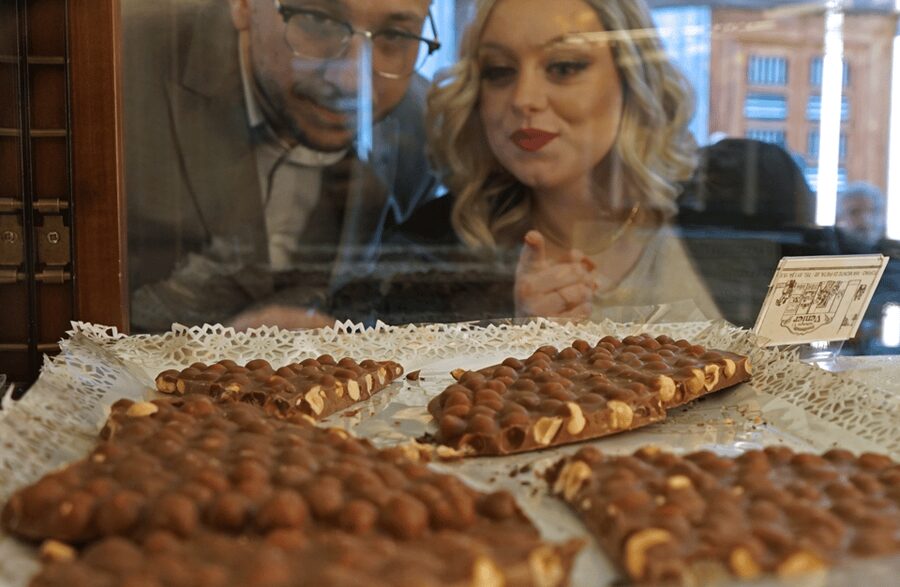
REVIEW · DRINKS TOURS
The Turin Chocolate Tasting Experience
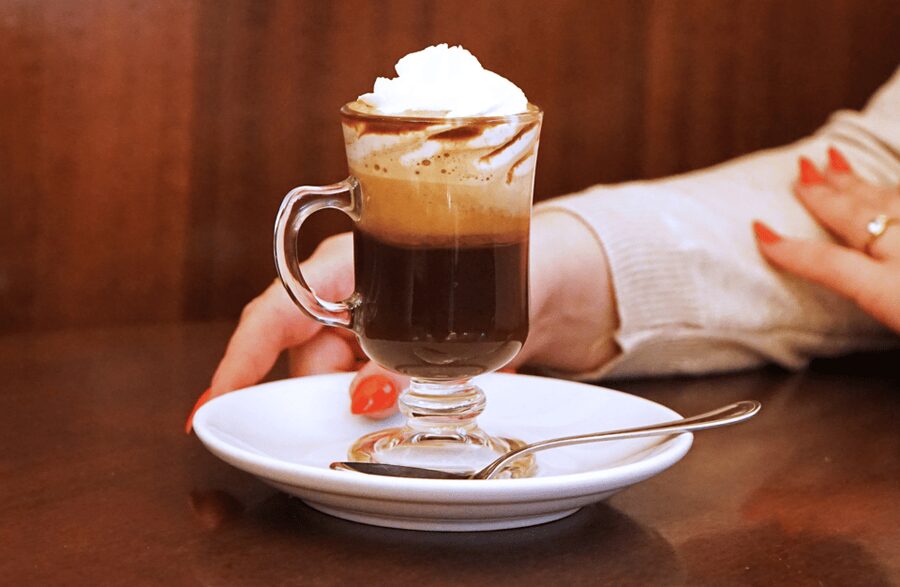
Turin’s chocolate story begins with a drink, not a box of candy. At historic Caffè Elena, you taste bicerin, a layered coffee, chocolate, and milk drink tied to the city’s old cafés, then follow the guide through central Turin for gianduja, bean-to-bar chocolate, and Barolo Chinato.
I like the mix of local history and serious tasting, especially the contrast between familiar giandujotti and premium dark chocolate made from rare cocoa. I also like the small group size, with room for questions and personal preferences. The main consideration is hazelnuts: they are central to the experience, so this is not suitable for anyone with a hazelnut allergy or intolerance.
Key points about Turin’s chocolate tasting
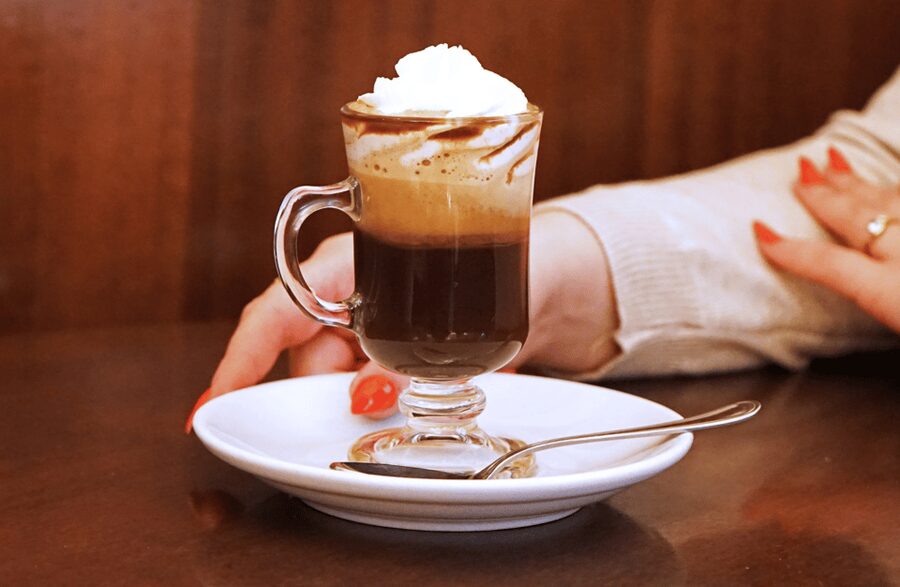
- Begin with bicerin at Caffè Elena: Taste Turin’s classic coffee and chocolate drink in a historic café setting.
- Try traditional gianduja: Sample giandujotti, cremini, and related sweets made with finely ground Piedmont hazelnuts.
- Learn about bean-to-bar chocolate: Taste organic dark chocolate made with cocoa from limited global production.
- Pair chocolate with Barolo Chinato: This aromatic wine from the Barolo area offers a grown-up match for dark chocolate.
- Walk through central Turin: The route includes Piazza Vittorio Veneto, the Gran Madre church, photo stops, and less obvious corners.
- Keep the group personal: The tour is limited to 10 participants and runs in Italian or English.
Why Turin is the right place for a chocolate tour
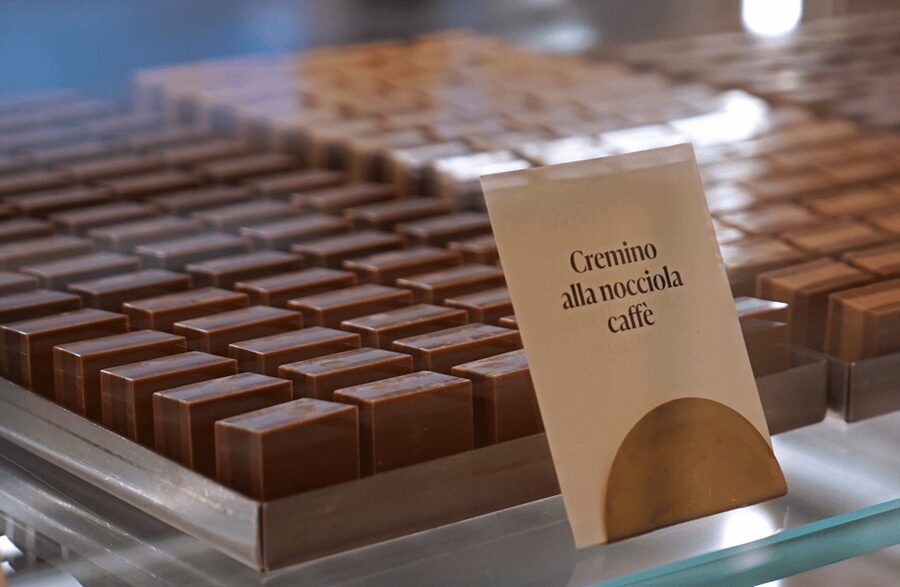
Turin has a strong claim to Italy’s chocolate identity. The city’s royal and noble households helped make chocolate fashionable, and local confectioners developed specialties that still define Piedmont today.
The best-known example is gianduja. It blends chocolate with finely ground hazelnuts, creating a smooth, nutty mixture that is softer and more rounded than plain chocolate. The recipe grew in importance during the 19th century, when cocoa was scarce and expensive. Piedmont’s hazelnuts helped stretch the cocoa supply while adding a flavor of their own.
That background makes this more useful than a simple candy stop. You are not just eating sweets. You are seeing how economics, court culture, café life, and local farming shaped a food tradition.
The experience costs about $51 per person and lasts 90 minutes. That is fair value if you want both a guided walk and several tastings. A standard chocolate shop visit may cost less, but it will not usually include a traditional café drink, a local food guide, a wine pairing, and an explanation of how bean-to-bar chocolate is made.
More Sweet Stops in Italy:
- Rome: Pasta Making Class with Wine, Limoncello, and Dessert
★ 4.9 · 3,177 reviews - The Turin Chocolate & Wine Tasting Experience
★ 4.7 · 87 reviews - Award-Winning Geneva Chocolate &Old Town Tour with Boat Ride (3h)
★ 5.0 · 3,721 reviews
Starting under the porticoes at Caffè Elena
Meet your guide under the arcades in front of Caffè Elena at Piazza Vittorio Veneto 5/B. This is a practical meeting point because Turin’s porticoes offer shelter from rain and shade from strong summer sun.
The opening café tasting lasts about 20 minutes. You receive one cup of bicerin or Marocchino. If coffee and dairy are not your preference, the experience also allows a typical local ice cream instead.
Bicerin is the more distinctive choice. It is a traditional Turin drink built around coffee, chocolate, and milk or cream. The drink belongs to the old café culture of the city, especially the 19th-century cafés where political ideas, business deals, and social life unfolded over small cups.
Take your time here. The point is not to knock back a sweet coffee and hurry on. Ask the guide how bicerin differs from Marocchino, and listen for the small details about the way Turin serves its classic drinks.
Lactose-free alternatives are available, but you need to tell the guide at the beginning. Hazelnuts are a different matter. Since gianduja plays such a central role, the tour is not suitable for people with hazelnut allergies or intolerance.
A short walk through Turin’s central sights
After the café, the group walks toward Piazza Vittorio Veneto, then on to the Chiesa Parrocchiale della Gran Madre di Dio. The sightseeing portion is short, with about five minutes at each listed point and several brief photo stops.
This is not a full Turin city tour. If you want detailed architecture or a long historical lecture, choose a dedicated walking tour instead. Here, the streets provide context between tastings.
Piazza Vittorio Veneto gives you a feel for Turin’s broad, formal city planning. The Gran Madre area adds a different view of the city, with an important church and a change of setting from the café-lined square.
The route also includes a secret stop and another less obvious location. Exact details are not specified in advance, which is part of the appeal, but you should keep your expectations sensible. These are brief stops, not major museum visits or extended sightseeing sessions.
The walking is manageable, and the porticoes help on rainy days. The tour can run in wet weather because part of the route stays under covered arcades. Still, wear comfortable shoes. You will be on foot between the café and the final tasting venue.
The workshop-style tasting at the bistrot
The main tasting takes place at a bistrot and lasts about 45 minutes. This section is presented more like a lesson or workshop than a quick round of samples.
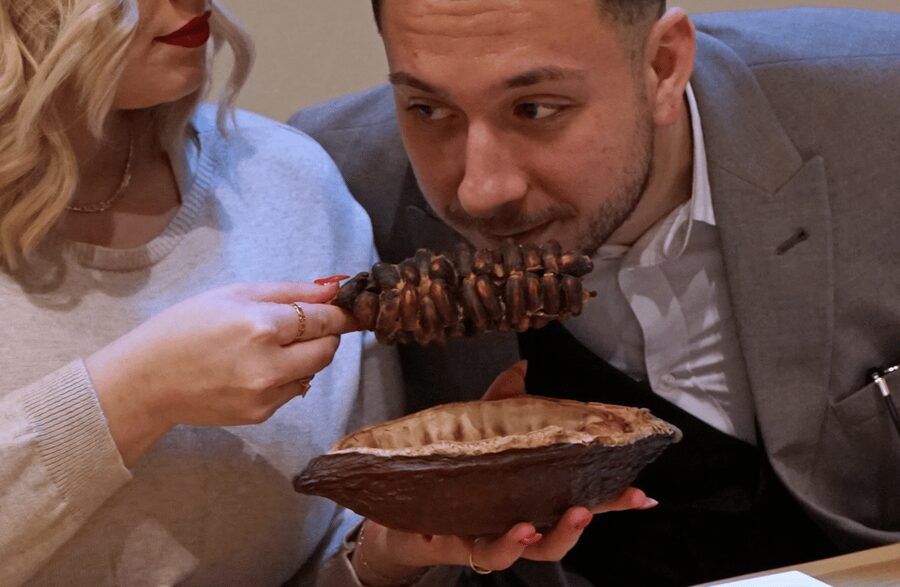
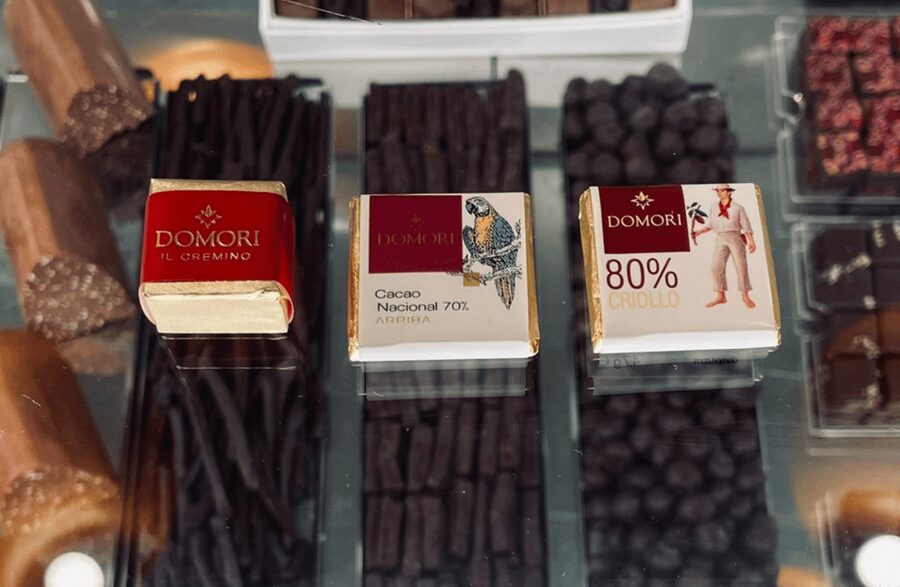
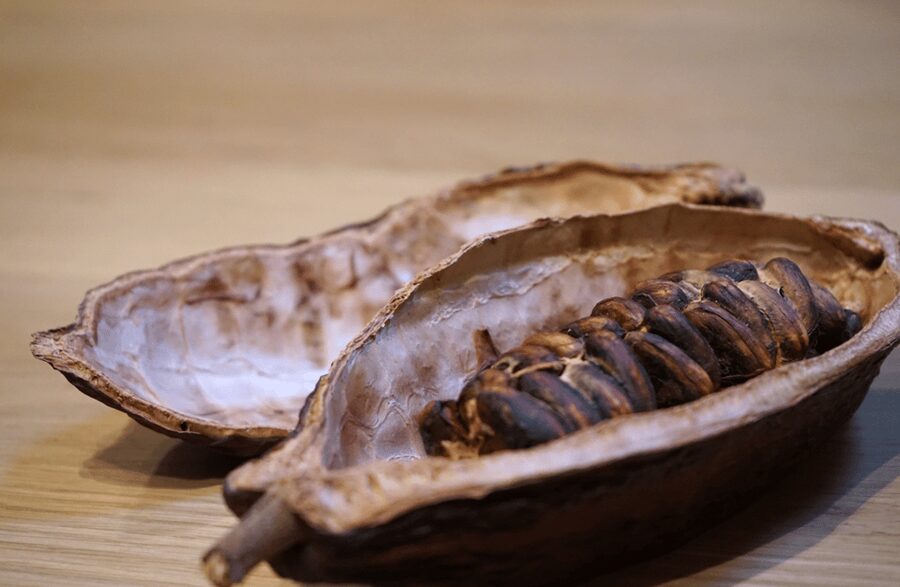
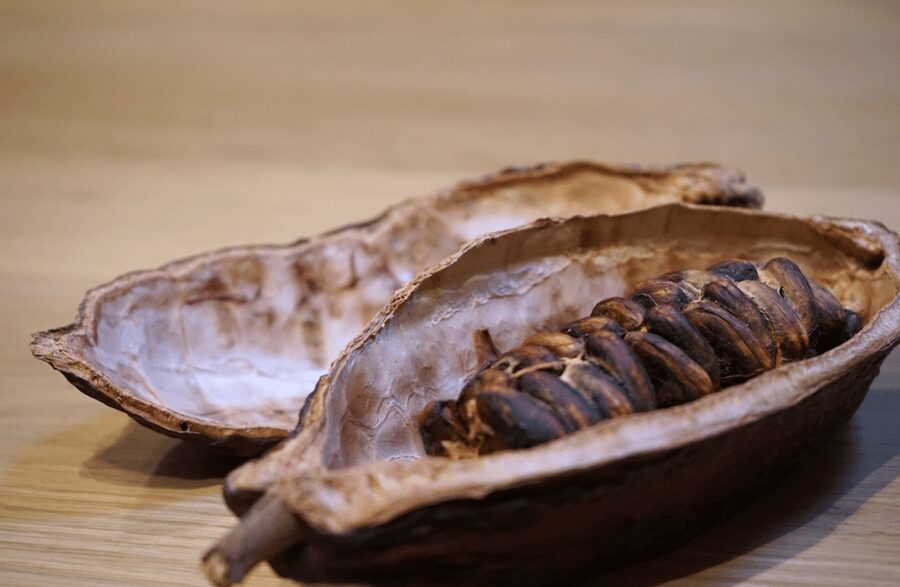
You begin with dark chocolate made from fine cocoa. The guide explains the bean-to-bar process, meaning the chocolate maker controls the work from cocoa bean through roasting, grinding, refining, and finished bar. The tasting uses organic products, and the guide explains why some cocoa is treated as especially rare.
The wording around the cocoa is striking: the finest cocoa used here represents only about 10 percent of worldwide production. The useful point for you is not the number alone. It is the chance to compare chocolate by origin, intensity, texture, and finish instead of treating all dark chocolate as the same.
The included selection features six different chocolates, with both traditional gianduja and premium dark bars. The precise lineup can vary, and the guide may adjust the tasting to suit the group’s preferences. That personal approach is valuable if you already know whether you prefer milk chocolate, bitter dark chocolate, nutty fillings, or softer praline-style pieces.
You may also see chocolates from outside Turin. That comparison helps explain what makes Piedmontese chocolate distinctive. Gianduja has a soft, hazelnut-led character, while a dark bean-to-bar sample may show more bitterness, fruit, spice, or cocoa depth.
The pace matters. More than an hour is spent on tastings and explanation, but the 90-minute schedule also includes walking. This is a focused introduction, not a long pastry course or a full afternoon workshop.
More Drinks Tours in Italy:
- Florence: Chianti Wineries Tour with Wine Tasting
★ 4.5 · 10,071 reviews - Small-Group Wine Tasting Experience in the Tuscan Countryside
★ 5.0 · 7,392 reviews - Rome: Tuscany & Montepulciano Day Trip with Lunch & Wine Tasting
★ 4.5 · 5,232 reviews - SMALL-GROUP Wine Safaris: Tuscan Wine Tasting Tours from Florence
★ 5.0 · 5,088 reviews
Giandujotto, cremino, and the taste of Piedmont
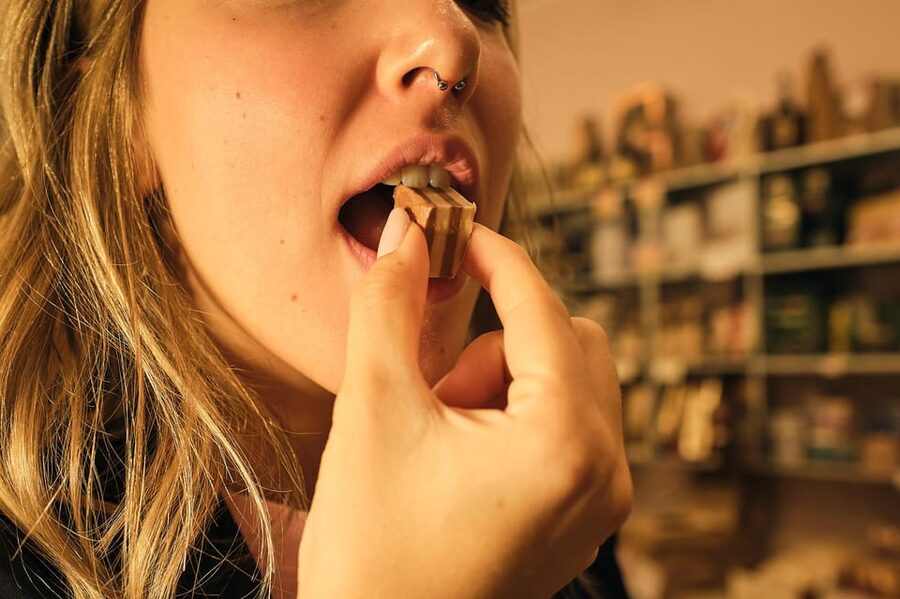
Traditional gianduja is the heart of the experience. The guide introduces the story behind its name and shows how hazelnuts change the character of chocolate.
A giandujotto is the familiar Turin-style chocolate with a smooth, nutty texture. Its shape and flavor make it one of the city’s signature sweets. A cremino offers another traditional form, often built in layers with a soft filling or contrasting chocolate textures.
These samples matter because they show the range within one local tradition. Gianduja is not simply chocolate with a few chopped nuts mixed in. Properly made, it is a fine blend of chocolate and hazelnut paste, with a creamy texture and a strong Piedmont character.
The tasting is also a good chance to ask about recipes, ingredients, and production methods. The food expert shares stories and practical details rather than limiting the session to names and dates. Previous guides have included Fabio and Frederick, both praised for clear explanations and a friendly manner.
One guide may also take a more flexible approach to preferences. If you have a strong liking for dark chocolate or a softer dislike of bitter flavors, say so early. The tasting can be personalized, according to the information provided for the experience.
Barolo Chinato with dark chocolate
The wine pairing is Barolo Chinato, an aromatic wine made in the Barolo area of Piedmont. It is not a standard dessert wine served simply because chocolate is sweet. Its herbal and aromatic character gives the dark chocolate a more complex partner.
This is one of the more unusual parts of the experience. Many chocolate tours stop at coffee, tea, or liqueur. Here, the pairing connects two Piedmont specialties and gives you a way to compare how wine changes the finish of chocolate.
You should expect a small tasting rather than a wine tour. The focus remains chocolate, and the Barolo Chinato supports the lesson instead of taking it over.
Because alcohol is included, this section may not suit everyone. The provided details do not specify a nonalcoholic replacement, so ask the guide at the start if that matters to you.
What the small group changes
The group is limited to 10 people, which is a sensible size for a tasting. In a larger group, you may struggle to hear the explanation or ask questions while chocolates are being passed around. Here, the format should feel more like a conversation.
The group can include couples, families, and friends. Children older than three can be booked in the infant slot at no charge if they do not want to take part in the chocolate tasting. That is a useful option for families, although children who do participate should be comfortable with a short walking tour and a workshop-style tasting.
The guide speaks Italian or English. English-language guiding has been praised for clarity, and the experience works best when you engage with the explanations rather than treating it as a food stop alone.
The group may also contain people with different interests. Some will want the history of Turin, others will focus on cocoa production, and others will simply want to taste. A good guide has to balance those needs. The strongest reports of this experience point to guides who manage that balance with warmth and useful detail.
What I like most about the experience
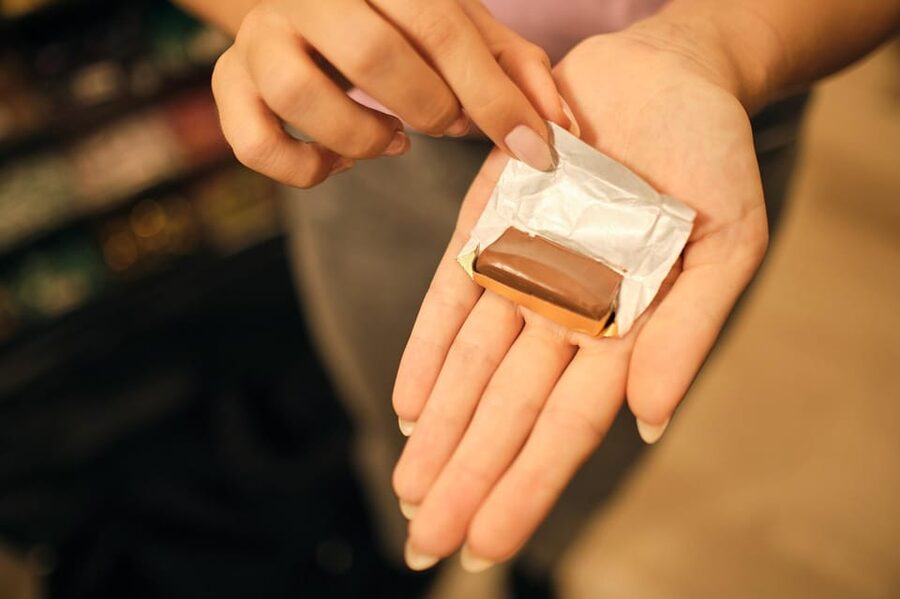
The bicerin opening gives the tour a proper sense of place. You could drink a chocolate coffee anywhere, but starting in a traditional Turin café ties the flavor to the city’s social history.
I also like the move from old-style confectionery to modern bean-to-bar chocolate. You get the classic giandujotto and cremino, then taste dark chocolate made with carefully selected cocoa. That contrast keeps the tasting from becoming one long parade of similar sweets.
The guide’s role is another strength. Fabio is specifically praised for explaining bean-to-bar production and for helping visitors connect the chocolate to Turin. Frederick is also noted for being helpful and friendly during a family tour. Guide assignments can change, but the experience is built around a local food expert rather than a scripted audio presentation.
Finally, the tasting can be personalized. That is useful when a group includes one person who loves intense dark chocolate and another who prefers creamy gianduja.
Points to consider before booking
The biggest issue is the hazelnut warning. Gianduja is not a minor part of the tour. If you have a hazelnut allergy or intolerance, do not book this experience.
The itinerary is also compact. You will see several places, but the sightseeing stops are brief. This is best for someone who wants a tasty introduction to Turin, not someone seeking a full architectural tour.
The tour includes alcohol, walking, coffee, dairy options, and several forms of chocolate. Lactose-free alternatives are available, but you should state your needs at the start. The supplied information does not promise alternatives for every dietary restriction.
Finally, the experience is not entirely indoors. The porticoes provide cover in rain, and the workshop venue has air conditioning in summer, but you still walk between stops. Comfortable shoes and a little flexibility will make the afternoon easier.
Is this Turin chocolate tour worth booking?
I would book it if you want a small, food-focused introduction to Turin and you enjoy learning why a local specialty tastes the way it does. The combination of bicerin, gianduja, dark bean-to-bar chocolate, and Barolo Chinato gives you more range than a basic confectionery tasting.
It is especially well suited to couples, families with older children, and friends who want an easy activity between museums or sightseeing stops. The 90-minute length also fits neatly into a busy Turin day.
Skip it if you have a hazelnut allergy, dislike chocolate-heavy tastings, or want a long city walk with detailed architectural commentary. For everyone else, $51 is a reasonable price for the number of tastings, the café stop, the guide, and the small group format. The score of 4.7 from 83 ratings also fits the experience’s main strengths: personal guiding, high-quality chocolate, and a memorable bicerin start.
FAQ
Where does the Turin chocolate tasting begin?
Meet your guide under the porticoes in front of Caffè Elena at Piazza Vittorio Veneto 5/B in Turin.
How long does the experience last?
The experience lasts 1.5 hours, or 90 minutes.
How much does the experience cost?
The listed price is $51 per person.
What drink is included at the café?
You receive one cup of bicerin or Marocchino. You may alternatively choose a typical ice cream from Turin.
How many chocolates are included?
The experience includes six different chocolates, including gianduja and dark bean-to-bar chocolate.
Is Barolo Chinato included?
Yes. The tasting includes a pairing with Barolo Chinato, an aromatic wine produced in the Barolo area of Piedmont.
Is the tour suitable for someone with a hazelnut allergy?
No. The tour is not suitable for people who are allergic or intolerant to hazelnuts because gianduja is a major part of the tasting.
Are lactose-free options available?
Yes. Lactose-free alternatives are available if you tell the guide at the beginning of the experience.
Can the tour run in rainy weather?
Yes. The tour can operate on rainy days because part of the walking route follows Turin’s porticoes.
Just poured in Italy
- Private Secret Venice Tour; Rialto Market, San Polo & Food and Wine tasting★ 4.0 · 220 reviews
- A Venetian Evening: Wine Tasting and Cicchetti with a Local Guide★ 5.0 · 146 reviews
- Chianti Delights: A Tale Of Two Wineries With A Vineyard Dinner★ 4.0 · 324 reviews
- Chianti Vineyards Escape from Florence with Two Wine Tastings★ 4.5 · 280 reviews
- Verona: Wine Tasting with Snacks and Panoramic Views★ 4.8 · 494 reviews
- Amarone Wine-tasting Tour from Verona with Private Transportation★ 5.0 · 283 reviews
- From Verona: Valpolicella and Amarone Wine Tasting Tour★ 4.9 · 560 reviews
- Discover Valpolicella Vineyards and Wine Tasting Experience★ 4.5 · 341 reviews
Drinks Tours, compared.
Douro Valley w/ Boat Tour, Wine Tasting & Lunch
Read our review →
Chichen Itza, Cenote & Valladolid Tour with Tequila and Lunch
Read our review →
Complete Douro Valley Wine Tour with Lunch, Wine Tastings and River Cruise
Read our review →
Zakopane: Cable Car, Chocholow Baths, Cheese & Vodka
Read our review →
Zakopane: Cable Car, Chocholow Baths, Cheese & Vodka
Read our review →
Small-Group Wine Tasting Experience in the Tuscan Countryside
Read our review →Browse the lists this tour appears in