
REVIEW · FOOD & WINE PAIRING TOURS
Bologna: Food and Wine Tasting with Interactive Game
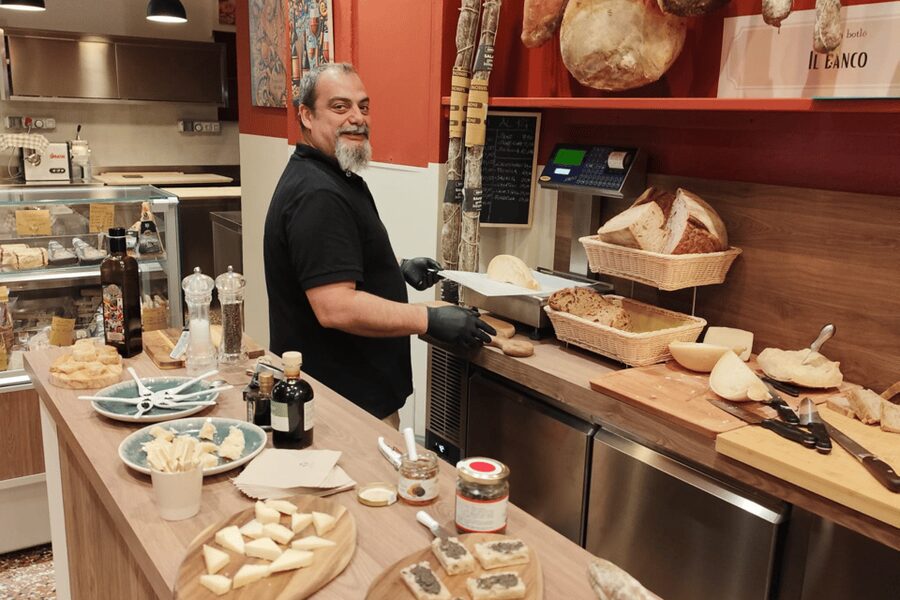
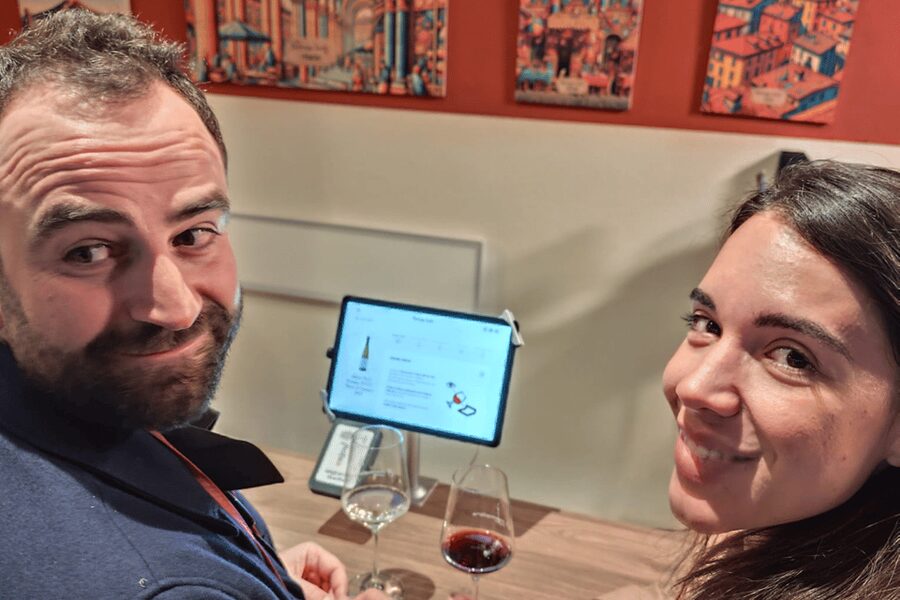
Bologna’s best food experience may be the one that turns tasting into a game. At Bottega Botlé, you sample three local wines, pair them with Emilia-Romagna specialties, and use a tablet to test your nose, eyes, and wine sense. It is less formal than a traditional wine class, but you still learn why a sip changes when you eat it with Parmigiano or aged balsamic vinegar.
I like the small groups of up to 10, which give the sommelier and taste artisan time to answer questions. I also like the generous spread of local food, from mortadella and prosciutto to several cheeses and olive oils. The main consideration is atmosphere: this takes place in a wine bar, so evening sessions may feel more public and less private.
Key points at a glance
- Three distinct regional wines: Taste Pignoletto, Sangiovese In Purezza, and Sangiovese Appassimento in measured pours.
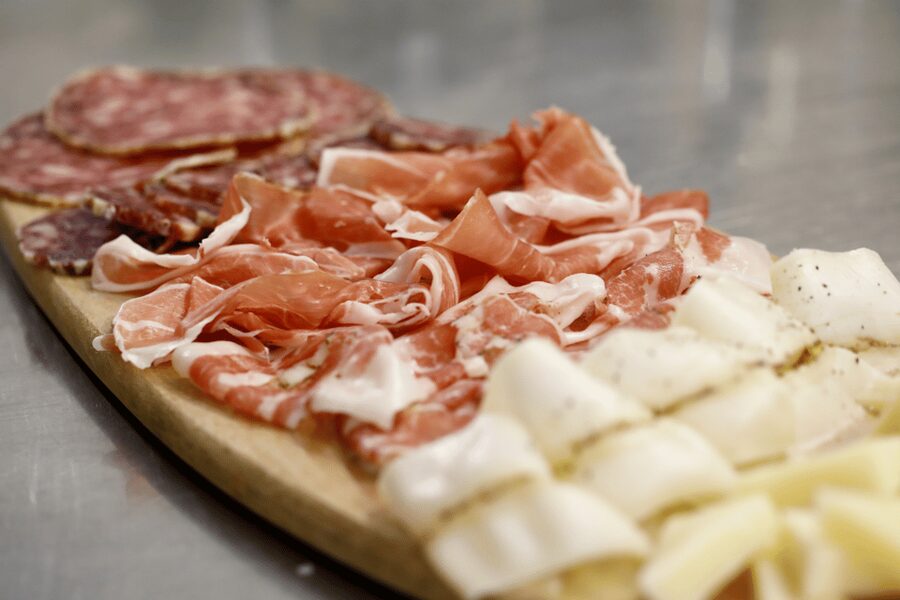
- Food that teaches you something: Compare prosciutto, mortadella, Parmigiano, balsamic vinegar, cheese, and olive oil with the wines.
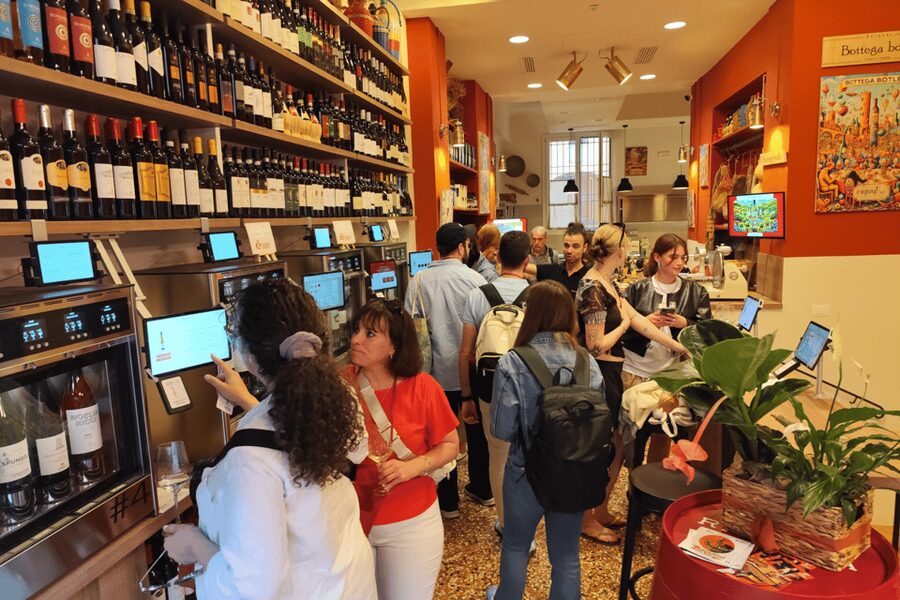
- A tablet-based Sommelier Game: Short questions help beginners notice color, smell, taste, and texture without feeling tested.
- A friendly host-led format: Guides such as Massimo, Danilo, Claudio, and Ixchel explain the pairings in an easygoing way.
- Good value at $34: You get three wines, a substantial food tasting, instruction, a game, and a souvenir magnet.
- A flexible visit: Sessions are generally about an hour to 90 minutes, with small groups, English or Italian hosting, and wheelchair access.
Starting with Emilia-Romagna on a plate
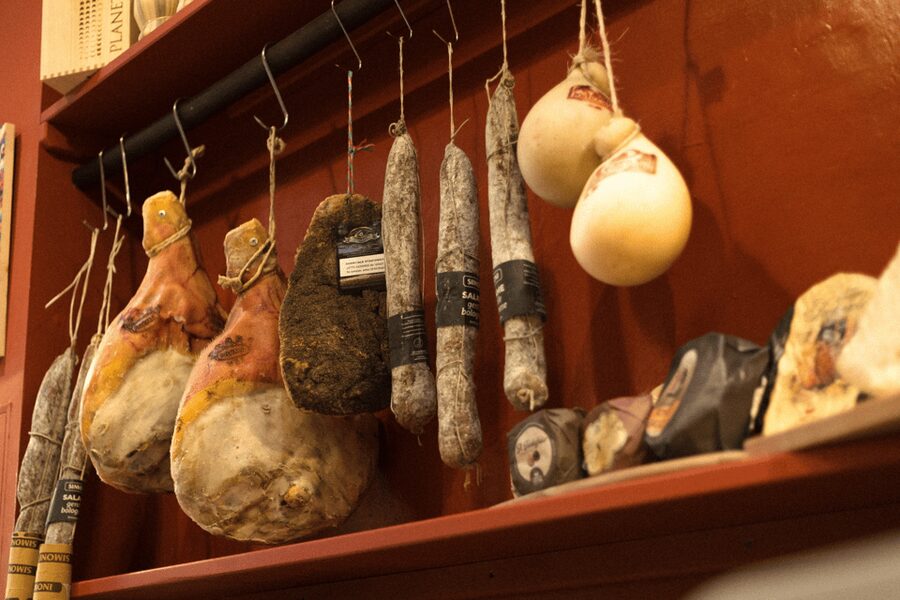
The experience begins with a short introduction to Bologna and the surrounding food-and-wine culture. That context matters because the tasting is not just a set of unrelated samples. Each bite points toward a product for which this part of Italy is famous.
You will taste prosciutto crudo, mortadella from Bologna, Parmigiano Reggiano aged 12 or 24 months, Modena IGP balsamic vinegar, local cheese, and food products selected for pairing. There is also monocultivar olive oil in Coratina, Peranzana, and Ogliarola styles.
I appreciate the range. A plate of cheese and cured meat can easily become a generic snack, but the age of the Parmigiano and the types of olive oil give you useful comparisons. The 12-month and 24-month cheeses should show how aging affects firmness and flavor, while the oils let you notice how different olives can produce different aromas and levels of intensity.
The food also makes this a better choice than a wine-only tasting for many people. You are not simply listening to terms such as dry, fruity, or acidic. You can take a sip, eat a bite, and notice what changes.
More Food and Wine Tours in Italy
- Rome by Night – Ebike Small Group Tour – Food and Wine (Option)
★ 5.0 · 1,275 reviews - From Florence: Chianti Tour with Two Wine and Food Tastings
★ 4.5 · 1,205 reviews - Rome: E-Bike Night Tour with Food and Wine Tasting
★ 4.9 · 1,131 reviews
Three wines, three different lessons
The wine portion includes three pours, each with a different size:
- Pignoletto Fermo from La Vallona winery, 70 milliliters
- Sangiovese In Purezza from La Casetta winery, 130 milliliters
- Sangiovese Appassimento from Santodeno winery, 70 milliliters
The larger Sangiovese In Purezza pour gives you more time with that wine, while the two 70-milliliter pours keep the overall tasting manageable. You receive enough to compare the wines carefully without committing to full glasses throughout the afternoon.
Pignoletto is the local white wine in the lineup. It gives the tasting a fresh opening before you move to the two red Sangiovese wines. The contrast helps you pay attention to color, aroma, and the feel of the wine in your mouth.
Sangiovese In Purezza offers one expression of the grape, while Sangiovese Appassimento gives you another. The point is not to decide which wine is universally best. It is to notice how the same broad grape family can feel different depending on how the wine is made.
The guides explain these differences as you go. Massimo has been praised for combining humor with clear explanations, while Danilo, Claudio, and Ixchel have also led sessions. The exact host may vary, but the format is built around questions, conversation, and practical guidance rather than a lecture.
Pairing food with wine, one bite at a time
The most useful part of the session is the pairing work. You taste a wine on its own, then try it with one of the foods. The food can soften, sharpen, or change the way the wine tastes.
Parmigiano is especially helpful for this kind of comparison. A younger 12-month cheese and a more mature 24-month piece can give the same wine a different partner. Mortadella and prosciutto bring their own salt and texture, while balsamic vinegar adds sweetness and acidity.
The balsamic tasting is a highlight for anyone curious about Modena’s famous product. One attendee particularly enjoyed a balsamic aged for more than 10 years. The portion is a tasting, not a full meal-sized serving, but this is one of those small samples that can make a familiar ingredient seem entirely different.
You will also taste local cheese and olive oils. The three monocultivar oils, Coratina, Peranzana, and Ogliarola, offer a chance to compare oils directly rather than treating olive oil as a background condiment.
I like that the guides do not treat pairing as a list of strict rules. You are encouraged to notice what works for your own palate. That is far more useful when you later order food in Bologna or choose a bottle at home.
The Sommelier Game makes learning less stiff
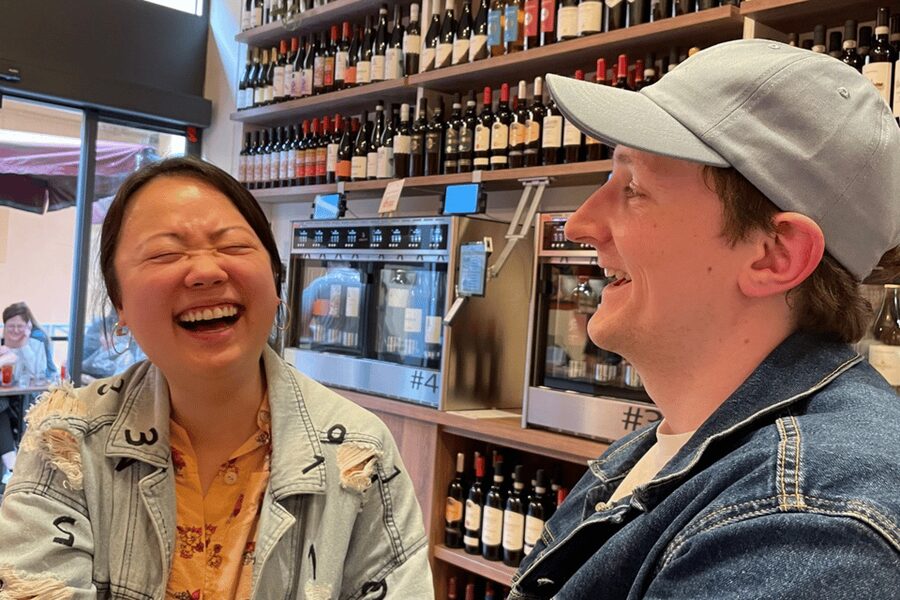
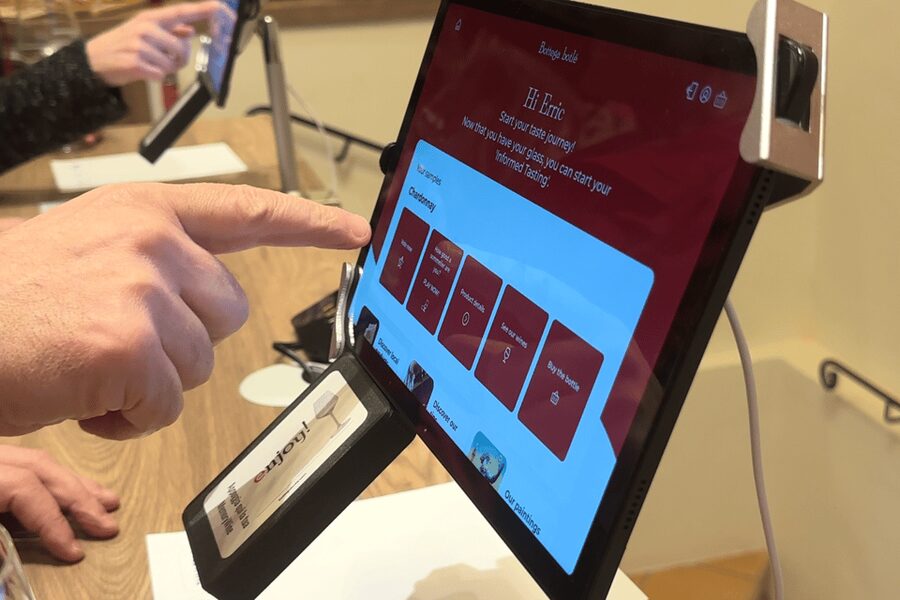
The tablet game is the unusual feature here. Instead of sitting through a formal lesson, you answer questions about the wine as you taste. The game may ask you to think about sight, smell, or other basic properties.
You can play alone, challenge friends, or compare scores with the group. The questions are designed for ordinary drinkers, not people preparing for a professional wine exam. Beginners can make guesses, learn from the explanation, and move on without feeling embarrassed.
That matters because wine vocabulary can put people off. The game gives you a reason to stop and notice what is in the glass. Even simple questions can make you more aware of the wine’s color, aroma, and flavor.
I would not book this solely for the game if you want a serious, private wine course. It is a light, social quiz rather than a full certification lesson. But as a tool for paying attention, it works well, especially if your group enjoys a little friendly competition.
The game also gives couples and friends something to do between explanations. Solo visitors can take part without needing to form a team. One solo participant found the hosts especially welcoming, and the small group format helps keep the activity social without making it awkward.
More Wine Tasting Tours in Italy
- Florence: Chianti Wineries Tour with Wine Tasting
★ 4.5 · 10,071 reviews - Small-Group Wine Tasting Experience in the Tuscan Countryside
★ 5.0 · 7,392 reviews - Rome: Tuscany & Montepulciano Day Trip with Lunch & Wine Tasting
★ 4.5 · 5,232 reviews - SMALL-GROUP Wine Safaris: Tuscan Wine Tasting Tours from Florence
★ 5.0 · 5,088 reviews
What the hour to 90 minutes feels like
The official duration is listed as one day for availability purposes, but the tasting itself generally takes about an hour to 90 minutes. That makes it easy to fit into a Bologna day.
A typical flow looks like this:
- A short introduction to local food and wine.
- The first wine and an explanation of its character.
- Food pairings with cured meat, cheese, or another local product.
- Tablet questions in the Sommelier Game.
- The remaining wines and further pairings.
- Time to ask questions, continue the game, or consider additional products.
The exact order may vary, and the experience may run closer to an hour or closer to 90 minutes. Do not schedule a train departure immediately afterward unless you allow extra time.
The tasting is filling enough to affect your meal plans. One useful tip is to avoid eating a full lunch beforehand. You do not need to arrive hungry, but arriving after a heavy meal could make it harder to enjoy the food and wine.
Some sessions may continue informally after the main tasting. You might be able to try more wines by using a card that you top up, though any extra purchases are separate from the $34 booking. This can be a nice option if you discover a bottle or style you want to explore further.
The wine bar setting and group size
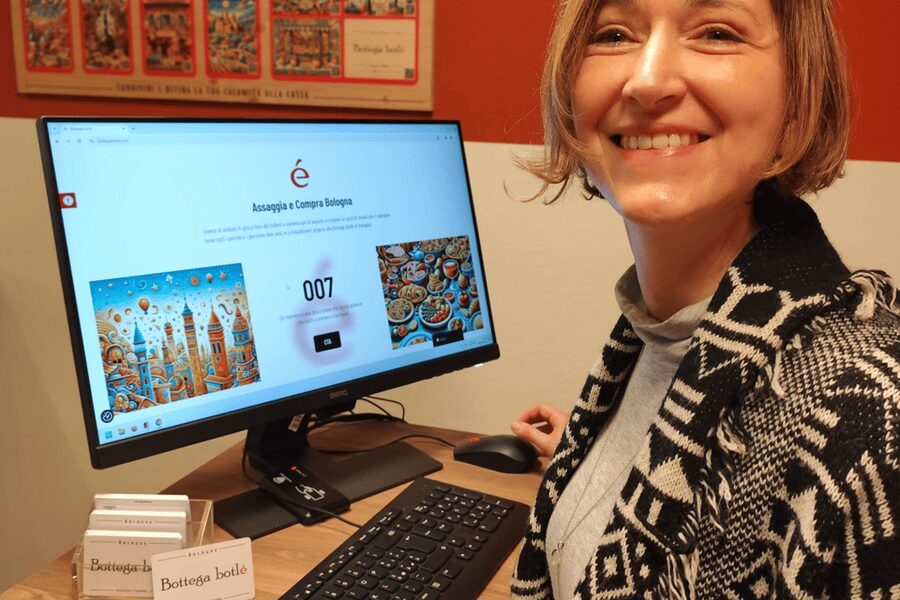
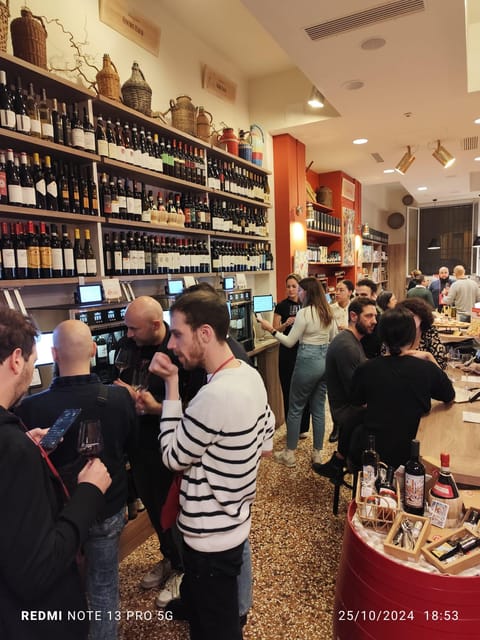
Bottega Botlé is a wine bar rather than a private classroom. That gives the session a relaxed, everyday feel, but it also means the setting can change with the time of day.
An evening visit may have more background activity and less privacy. If you prefer a quiet setting for detailed questions, a quieter time should suit you better. If you enjoy a little energy around you, the wine bar format adds atmosphere.
The group is limited to 10 people. That is small enough for direct contact with the hosts and large enough for a game to feel lively. A very small booking may feel more personal, while a fuller session may make the competition more fun.
A reserved space with a dedicated buffet can be arranged by contacting the shop directly. This is worth asking about if you are planning a special occasion or want a more private setup.
Is $34 a good value?
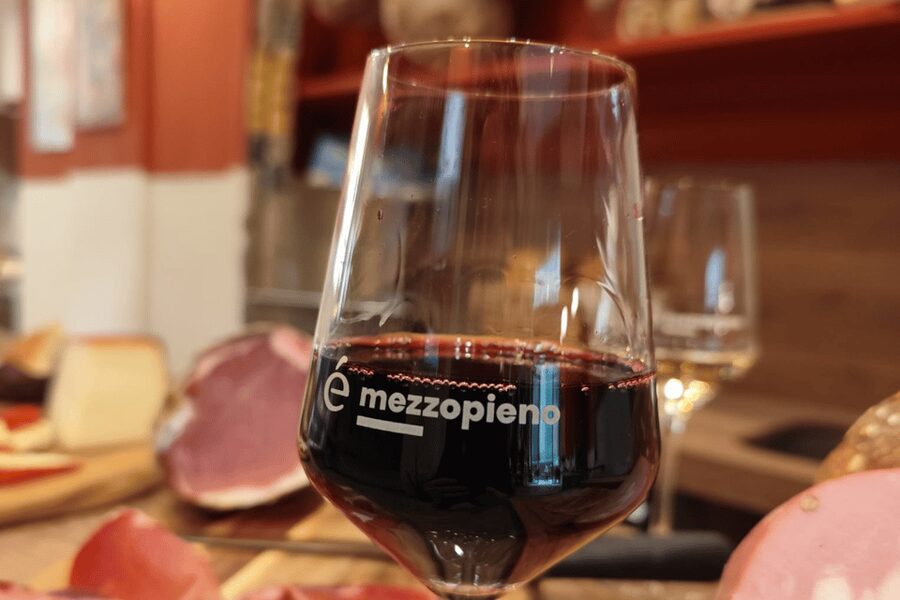
At $34 per person, the value is strong if you want both food and instruction. You receive three wine pours, multiple local food tastings, the tablet game, host explanations, and a souvenir fridge magnet.
The wine amounts are not equal, so do not expect three full glasses. The tasting is designed for comparison, not for heavy drinking. The 130-milliliter Sangiovese In Purezza pour is the largest, while the other two are smaller.
The food makes the price more appealing. You are not paying only for three samples of wine. You also get several cured meats and cheeses, Parmigiano at two ages, balsamic vinegar, local foods, and three olive oils.
I would compare this with a standard wine tasting rather than a full-day food tour to Parma. It will not replace a long excursion through the countryside or a production visit. But for a compact Bologna activity, it gives you a useful introduction to the area’s best-known flavors without transport costs or a full-day commitment.
The fridge magnet is a small extra, but it is a nice touch. You can choose one depicting a work from the I.Art exhibition, giving you a simple reminder of the visit rather than another bottle to carry.
Who will enjoy this most
This is a good fit if you want to understand Bologna through its food and drink without signing up for a formal class. It works especially well for:
- Couples who enjoy tasting activities and friendly competition
- Solo visitors who want a welcoming social stop
- Beginners who do not know much about wine
- Food lovers interested in Parmigiano, mortadella, balsamic vinegar, and olive oil
- Visitors with only an hour or two to spare
- Small groups looking for a relaxed afternoon activity
The experience may be less suitable if you want a private tasting room, a full meal, or a highly technical wine seminar. The tasting takes place in a wine bar, the game keeps the mood casual, and the food is served as tasting portions rather than a restaurant lunch.
It is also worth remembering that the wines are regional selections rather than a broad tour of all Italian wine. The focus is on Pignoletto and Sangiovese, with the food doing much of the storytelling.
Practical details before you book
The hosts can conduct the experience in Italian or English. The activity is wheelchair accessible, and the group size is capped at 10 participants.
You can cancel up to 24 hours before the activity for a full refund. A reserve-now, pay-later option is available, which helps if your Bologna schedule is still changing.
The experience provider is Bottega botlé. Check the available start times when booking because the day-long duration label does not describe a full-day tour. Plan for roughly one hour to 90 minutes at the tasting, with a little extra time if you want to browse or try additional wine.
If you are sensitive to noise or prefer privacy, choose a quieter time rather than an evening slot. If you want a dedicated buffet or reserved space, contact the shop directly before booking.
Should you book this Bologna wine tasting?
I would book it if you want a friendly, practical introduction to Emilia-Romagna food and wine. The strongest features are the excellent range of food samples, the clear explanations from hosts such as Massimo and Danilo, and the Sommelier Game, which gives beginners a simple way to pay attention.
At $34, it offers more than a quick glass of wine and a few nibbles. You get three regional wines, several signature foods, olive oil comparisons, a social activity, and a small souvenir. Just keep your expectations realistic: this is a lively wine-bar tasting, not a private vineyard tour or a full meal.
Skip it if you want a quiet, highly technical class or a full-day food journey outside Bologna. For most visitors who want to taste local specialties, learn a little, and have fun without spending half the day, Bottega Botlé is an easy choice.
FAQ
How long does the Bologna food and wine tasting last?
The tasting generally lasts about an hour to 90 minutes, although the activity listing uses a one-day duration label for availability. Allow extra time if you want to continue with more wine afterward.
Which wines are included?
You receive Pignoletto Fermo from La Vallona winery, Sangiovese In Purezza from La Casetta winery, and Sangiovese Appassimento from Santodeno winery.
How much wine do I receive?
The included pours are 70 milliliters of Pignoletto, 130 milliliters of Sangiovese In Purezza, and 70 milliliters of Sangiovese Appassimento.
What food is included?
The tasting includes prosciutto crudo, Mortadella Bologna, Parmigiano Reggiano aged 12 and 24 months, Modena IGP balsamic vinegar, local cheese and food, plus monocultivar olive oils from Coratina, Peranzana, and Ogliarola olives.
What is the Sommelier Game?
It is an interactive tablet game with questions about wine. You can play alone or compete with friends while learning about the wines’ characteristics, including elements related to sight and smell.
Is the activity available in English?
Yes. The host or greeter can speak Italian or English.
Is the tasting wheelchair accessible?
Yes, the activity is listed as wheelchair accessible.
Can I cancel the booking?
Yes. You can cancel up to 24 hours in advance for a full refund. A reserve-now, pay-later option is also available.
More Food Tours in Italy
- Winner 2025 Florence Sunset Food & Wine Tour by Eating Europe
★ 5.0 · 5,015 reviews - Eat Like a Local: Venice 3-Hour Small-Group Food Tasting Tour
★ 5.0 · 3,137 reviews - Sorrento Farm and Food Experience including Olive Oil, Limoncello, Wine tasting
★ 5.0 · 2,524 reviews - Venice Like a Local: Food, Wine & Spritz Tour with Traghetto Ride
★ 5.0 · 1,858 reviews
Just poured in Italy
- Florence Day Trip: Chianti Wine Tasting, Siena, San Gimignano★ 5.0 · 263 reviews
- Florence Food and Wine Tasting Tour! Private with Local Expert★ 5.0 · 66 reviews
- Florence: Siena & San Gimignano with Dinner in a Boutique Winery★ 4.5 · 199 reviews
- Small Group Pasta Making Class Wine Tasting in a Tuscan Castle★ 5.0 · 142 reviews
- Horseback Riding with Wine Tour from Florence★ 5.0 · 60 reviews
- Florence Night Bike Tour with Wine and Aperitivo Picnic included★ 4.5 · 61 reviews
- Horseback riding & Wine Tasting and snack Lunch at noble Estate★ 5.0 · 53 reviews
- Tuscany Wine Tour: 2 Wineries & Chianti from San Gimignano★ 5.0 · 57 reviews
Food & Wine Pairing Tours, compared.
Lisbon Small-Group Portuguese Food and Wine Tour
Read our review →
Montmartre Hill French Gourmet Food and Wine Tasting Walking Tour
Read our review →
Rome by Night – Ebike Small Group Tour – Food and Wine (Option)
Read our review →

Eat, Drink and Repeat: Wine and Food Tasting Tour in Venice
Read our review →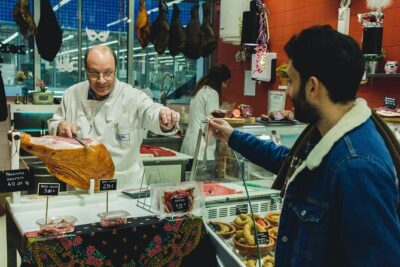
Authentic Food and Wine Tour in Porto by Food Lover Tour
Read our review →Browse the lists this tour appears in