
REVIEW · WINE TASTING TOURS
Bologna: Wine Tasting Tour in One of the Oldest Inns
Bologna’s wine story gets a compact, local setting here: a short walk from Neptune Fountain leads to a city inn where you taste three regional DOC wines with traditional snacks. The focus is on Emilia-Romagna grapes such as Pignoletto, Sangiovese, and Lambrusco, rather than on famous Italian labels from farther away.
I like the easy central meeting point and the chance to compare wines from three nearby growing areas: the Bologna Hills, the Reno plain, and the Imola Hills. I also like that the food is part of the tasting, since local wine makes more sense when you try it with the sort of savory bites served in Bologna.
The main caution is value. At $77 per person, three small pours and light snacks may feel modest if you want a full meal or a formal wine class. The guide can make a big difference, too. Chiara and Mirta have received especially warm praise, while some English-speaking participants found the explanations too brief or hard to follow.
Key points to know before booking
- Three DOC wines in two hours: Expect a focused tasting, not a full-day winery visit or a broad survey of Italian wine.
- Bologna’s local grapes: The tasting may include Pignoletto, Sangiovese, and Lambrusco, with attention to the Bologna Hills, Reno plain, and Imola Hills.
- A central start: Meet at Neptune Fountain, then walk about five minutes to the tasting venue.
- Food is included: Traditional local snacks accompany the wine, helping you judge how the flavors work together.
- Guide quality matters: Mirta and Chiara have been praised for warmth, conversation, and useful local tips, but the educational depth can vary.
- Private and accessible: The experience is offered for a private group and is wheelchair accessible. Comfortable shoes are still a good idea.
Starting at Neptune Fountain in central Bologna
Your meeting point is the Fontana del Nettuno, or Fountain of Neptune, on Piazza del Nettuno. This is a practical place to begin because it sits in the heart of Bologna, near the city’s major central sights and arcaded streets.
Plan to arrive 10 minutes early. The fountain is easy to identify, but a busy piazza can make a guide harder to spot if you arrive at the last moment. The tour then moves on foot for roughly five minutes, so you do not need a taxi, bus, or special transport.
That short walk is part of the appeal. You are not being driven out to a distant vineyard for a polished rural production. You are staying in the historic center and fitting a regional wine introduction into a day of churches, porticoes, markets, and university streets.
Wear comfortable shoes. The walk is short, but Bologna is best explored on foot, and you may want to continue sightseeing afterward.
More Wine Tasting Tours in Italy
- Florence: Chianti Wineries Tour with Wine Tasting
★ 4.5 · 10,071 reviews - Small-Group Wine Tasting Experience in the Tuscan Countryside
★ 5.0 · 7,392 reviews - Rome: Tuscany & Montepulciano Day Trip with Lunch & Wine Tasting
★ 4.5 · 5,232 reviews
Entering a Bologna locanda
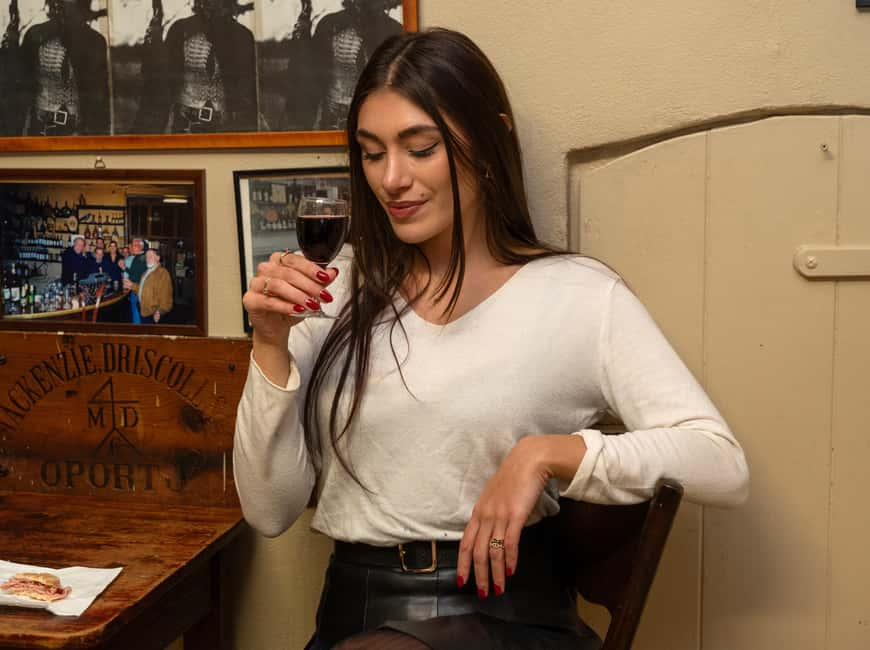
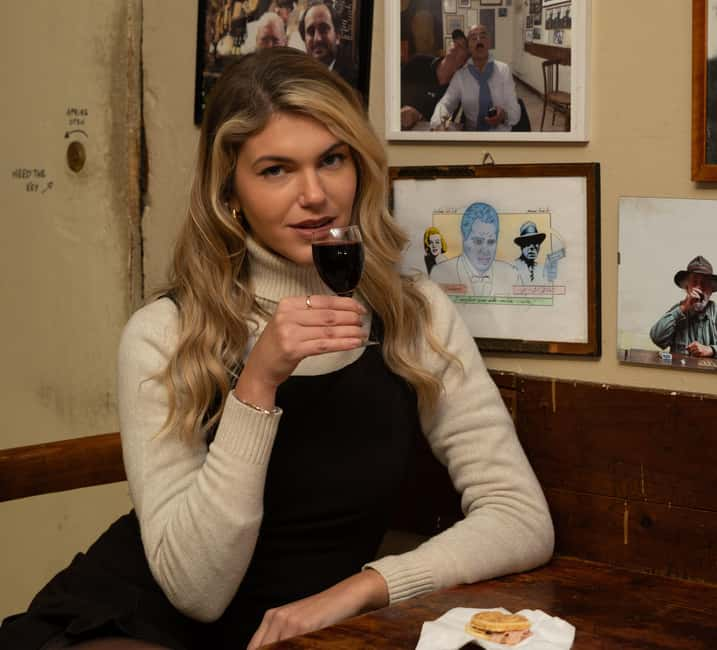
The tasting takes place in one of Bologna’s old-style inns, described as one of the city’s oldest locandas. That description deserves a little care. The venue is presented as a traditional Italian place, and one especially positive account called it typical and welcoming. Another account felt that it was more of a commercial venue than an old inn.
I would treat the setting as a historic-style local restaurant or wine venue, not as a preserved museum. That distinction matters if the old inn is the main reason you are booking. The atmosphere may give you a sense of everyday Bologna, but the experience is chiefly about tasting wine and talking with a guide.
The venue does add useful context. Wine in Italy is rarely separated from food, place, and habit. Sitting down with local snacks makes the tasting feel less like a technical exercise and more like a small introduction to how people in Emilia-Romagna enjoy wine at the table.
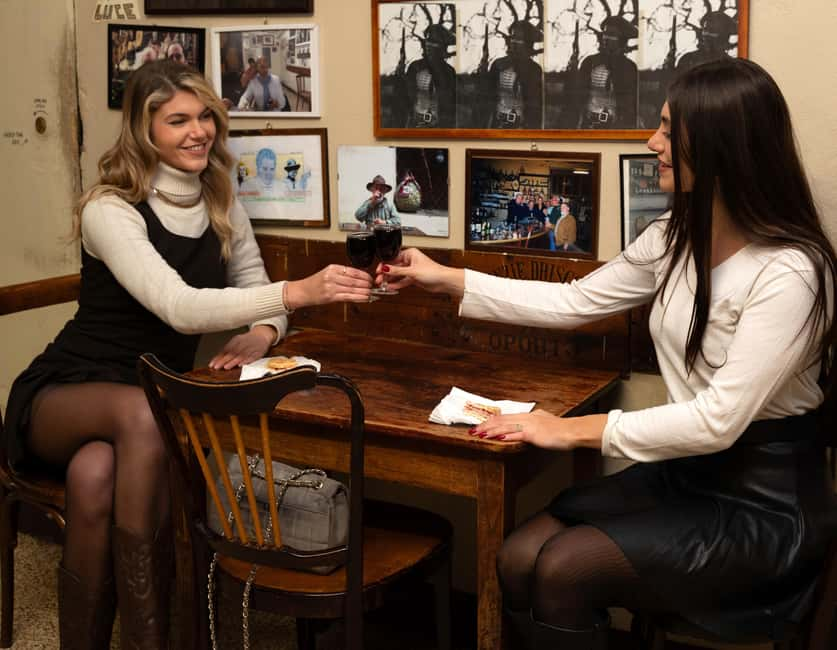
The group format is private, which can be a real advantage. You are not being placed in a large room with a crowd of strangers. A small party also gives you more room to ask questions, though the experience can feel quieter and less social if only two people attend.
Three wine-growing areas in two hours
The tasting introduces three wine-producing areas connected with Bologna:
- The Bologna Hills
- The Reno plain
- The Imola Hills
This geographical frame is one of the better parts of the experience. It gives you a simple way to understand why local wines are not all alike, even though they come from the same broad region.
The Bologna Hills provide the setting for wines made in the higher country south of the city. The Reno plain brings a different part of the region into the picture, while the Imola Hills connect Bologna’s wine culture with the eastern side of Emilia-Romagna.
You should not expect a detailed vineyard-by-vineyard lesson in two hours. The point is to give you a useful map in your head. Afterward, a wine labeled with Pignoletto, Sangiovese, or Lambrusco will have a little more meaning than it did before.
The three pours are DOC wines. DOC is an Italian designation tied to rules about where a wine is made and how it is produced. That does not automatically mean every bottle will suit your taste, but it does tell you that the wines belong to recognized regional traditions rather than being random table wines.
Pignoletto, Sangiovese, and Lambrusco at the table
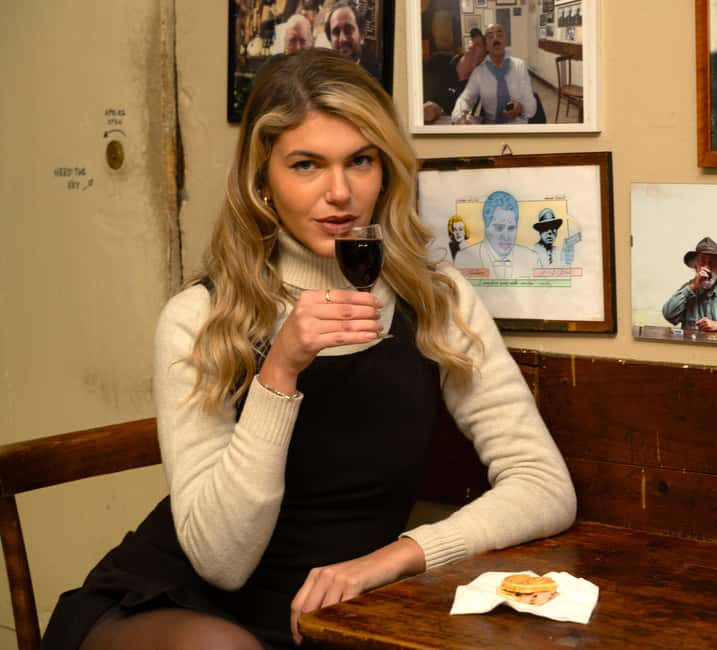
Pignoletto is the key white grape in the presentation. It is closely linked with the Bologna area and gives the tasting a local identity that you would not get from a standard lineup of better-known Italian whites.
You may also taste Sangiovese, the red grape strongly associated with central Italy and widely used in Emilia-Romagna. Lambrusco brings another important local style into view. Many people know Lambrusco as a sweet, fizzy red, but the category includes different expressions, so tasting it in a regional setting can be more useful than relying on old supermarket impressions.
The tasting is limited to three wines, so each glass matters. I would pay attention to the contrast between the white and red wines, the feel of any sparkle, and how the snacks change the taste. Ask what part of the region each wine comes from, how the grape is used locally, and what food the guide would pair with it at home.
That last point is important because some people found the explanations too light. One participant specifically wanted more information about each wine and a more interactive experience. You will get more from the session if you arrive with a few questions ready rather than waiting for a full lecture.
Same town, a different bottle:
- SMALL-GROUP Wine Safaris: Tuscan Wine Tasting Tours from Florence
★ 5.0 · 5,088 reviews - Winner 2025 Florence Sunset Food & Wine Tour by Eating Europe
★ 5.0 · 5,015 reviews - From Florence: Siena, San Gimignano, Pisa & Lunch at Winery
★ 4.8 · 4,538 reviews - San Gimignano, Siena, Monteriggioni, Chianti Day Trip with Lunch & Wine Tasting
★ 4.5 · 4,432 reviews
Local snacks make the tasting more useful
Food pairings are included, and the tasting ends with three wines accompanied by typical foods. The portions may be light. One account described three small glasses with snacks and felt that the amount did not match the price. Another praised the food as a perfect match for the wines.
Both impressions can be true. The food is meant to support the tasting, not replace lunch or dinner. If you expect a substantial meal, you may leave wanting more. If you see the snacks as practical examples of local pairing, they make better sense.
I like this part because it keeps the experience tied to Emilia-Romagna’s table culture. Wine is not just something to inspect in a glass. Salt, fat, texture, and seasoning can change how a wine tastes. A local bite may soften a sharp edge, bring out fruit, or make a sparkling wine seem more refreshing.
Do not book this as your main meal. Plan another Bologna restaurant or market stop before or after the tasting, especially if you have a large appetite.
The guide can shape the entire experience
The guide is the most important variable here. The activity is simple: three wines, some food, and conversation. A warm guide who explains the grapes and connects them to Bologna can turn that modest format into a memorable two hours.
Chiara received especially strong praise for being engaging, fun, entertaining, and well informed about life in Bologna and Italy. Her conversation apparently went beyond the wine, giving the group useful local perspective and travel tips. Mirta was also singled out for her kindness, with one participant saying the experience made Bologna and the wider region feel worth returning to explore.
At the same time, the quality of the explanations is not guaranteed to be the same every time. Some participants felt the host gave too little detail about the wines. One English-speaking participant found communication difficult because the host’s English was not fluent.
The hosts and greeters speak Italian, English, or Spanish, but language ability may vary by person. If wine education is your top priority, ask direct questions and confirm that you understand the answers. If you mainly want a friendly local conversation with a few regional tastes, the format may suit you well.
Is $77 a fair price?
At $77 per person, this is not the cheapest way to drink wine in Bologna. You are paying for a private two-hour experience, a guide, three DOC tastings, food pairings, and the convenience of a central meeting point.
The value depends on what you want. For a visitor who knows little about Emilia-Romagna wine and likes having someone explain the local grapes, the price can be reasonable. You are also paying for a structured introduction, not simply for three glasses at a bar.
For a serious wine drinker, the calculation is less favorable. Three small pours may feel limited, especially when the food is light and the explanations are brief. A local wine bar could give you more control over the bottles, the number of glasses, and the pace. You would lose the private guide and regional overview, but you might spend a similar amount on more wine or food.
I would book this for the context and conversation, not for quantity. The experience earns its price when the guide is warm and prepared. It feels expensive when the session becomes little more than three samples at a table.
Who will enjoy this experience most?
This tasting is a good match for you if you want a gentle introduction to Bologna’s wine culture without leaving the city center. It also suits couples, families with adult children, and small private groups who prefer conversation to a large organized event.
It works well early in a Bologna visit. You can learn the names of local grapes, then notice Pignoletto or Lambrusco on menus during the rest of your stay. The two-hour length also fits neatly between sightseeing plans.
You may want another option if you are looking for a winery visit, vineyard views, a large food spread, or advanced wine instruction. The tour does not promise extensive cellar access or a substantial meal. It is a compact urban tasting.
The private format is helpful for anyone who wants a quieter experience or needs wheelchair access. Since the meeting point and venue are in the city, you also avoid arranging transport to the countryside.
Practical details that affect your day
The experience lasts two hours and returns you to the area of Neptune Fountain. You can schedule it around central Bologna sightseeing without setting aside a full day.
Free cancellation is available up to 24 hours before the start time, and you can reserve while paying later. That is useful if your Bologna plans are still shifting.
The experience is wheelchair accessible. Still, mention any mobility needs when booking, since the tour includes a short walk from the fountain to the venue.
English, Italian, and Spanish are offered. If your comfort with the chosen language is limited, ask the guide to explain the wine names and regions slowly. Comfortable shoes are the only stated item to bring, but a small notebook could be useful if you want to remember the grape names.
Should you book this Bologna wine tasting?
Book it if you want a short, central, private introduction to regional wine and you care as much about the guide and local conversation as the pours themselves. The best version of this experience includes a friendly host such as Chiara or Mirta, well-matched snacks, and clear explanations of Pignoletto, Sangiovese, Lambrusco, and the three growing areas.
Think twice if you want a formal wine lesson, generous servings, or a full meal. At $77, the experience needs a strong guide to feel like good value, and the educational depth can vary.
My practical advice is simple: choose this for atmosphere, access, and a friendly regional overview. Choose a wine bar or a longer food tour if your main goal is more wine, more food, or more detailed instruction.
FAQ
Where does the wine tasting begin?
The guide meets you at the Fontana del Nettuno, or Fountain of Neptune, on Piazza del Nettuno in Bologna.
How far is the tasting venue from Neptune Fountain?
The walk from the fountain to the tasting venue takes about five minutes.
How long does the experience last?
The experience lasts two hours.
How many wines are included?
Three DOC wine tastings are included.
Which wines might I learn about?
The experience covers local varieties including the white grape Pignoletto and the red grape varieties Sangiovese and Lambrusco.
Are food pairings included?
Yes. Traditional local foods are served with the wine tastings.
Which areas of Bologna’s wine country are covered?
The experience discusses the Bologna Hills, the Reno plain, and the Imola Hills.
What languages are available?
The host or greeter may speak Italian, Spanish, or English.
Is the experience wheelchair accessible?
Yes, the activity is listed as wheelchair accessible. Comfortable shoes are recommended for the short walk.
Just poured in Italy
- Florence Day Trip: Chianti Wine Tasting, Siena, San Gimignano★ 5.0 · 263 reviews
- Florence Food and Wine Tasting Tour! Private with Local Expert★ 5.0 · 66 reviews
- Florence: Siena & San Gimignano with Dinner in a Boutique Winery★ 4.5 · 199 reviews
- Small Group Pasta Making Class Wine Tasting in a Tuscan Castle★ 5.0 · 142 reviews
- Horseback Riding with Wine Tour from Florence★ 5.0 · 60 reviews
- Florence Night Bike Tour with Wine and Aperitivo Picnic included★ 4.5 · 61 reviews
- Horseback riding & Wine Tasting and snack Lunch at noble Estate★ 5.0 · 53 reviews
- Tuscany Wine Tour: 2 Wineries & Chianti from San Gimignano★ 5.0 · 57 reviews
Wine Tasting Tours, compared.
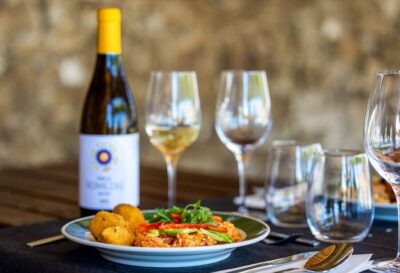
Douro Valley w/ Boat Tour, Wine Tasting & Lunch
Read our review →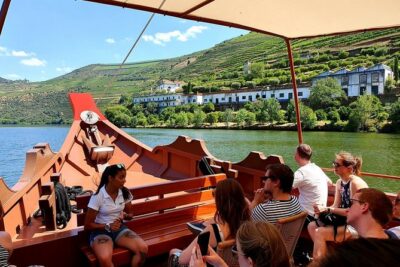
Complete Douro Valley Wine Tour with Lunch, Wine Tastings and River Cruise
Read our review →
Small-Group Wine Tasting Experience in the Tuscan Countryside
Read our review →
Montserrat & Cogwheel Train, Gourmet Wine Tasting & Tapas/Lunch
Read our review →
Tuscany & Montepulciano Day Trip with Lunch & Wine Tasting
Read our review →Browse the lists this tour appears in