
REVIEW · DRINKS TOURS
Bruges: The Beer Experience Museum Entry with Audio Guide
Bruges Beer Experience turns Belgian brewing into a hands-on museum visit, with an iPad Mini audio guide leading you through fermentation, Trappist beer, food pairing, and the role of women in brewing. The tasting is optional, so you can focus on the exhibition or add several beers for €6.
I especially like the chance to compare high, bottom, mixed, and spontaneous fermentation, and the broad choice of audio languages, including Italian, Chinese, Japanese, and Russian. The Market Square views add a fine Bruges setting. The main drawback is practical: the museum is not suitable for wheelchair users or people with mobility impairments.
Key points to know before you go
- The museum covers more than beer brands: You learn about brewing methods, Belgian beer traditions, Trappist and abbey beers, food matching, and the place of women in beer culture.
- The audio guide uses an iPad Mini: You can explore at your own pace, with commentary in ten languages.
- The €6 tasting is optional: Entry costs $16 per person, while beer sampling and food are extra.
- Families get their own route: Children up to age 12 can follow the Bruges bear story through a special kids tour.
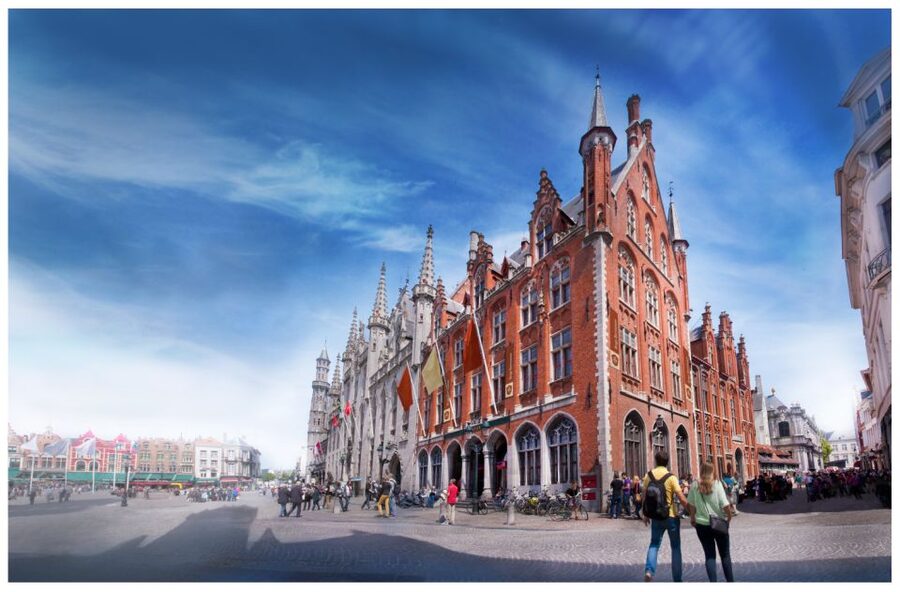
- The location is part of the appeal: The museum sits in Bruges Old Town, with views over the historic Market Square.
- Plan for stairs and limited access: The museum entrance is on the second floor, and the experience is not suitable for wheelchair users or people with mobility impairments.
Starting above Bruges Market Square
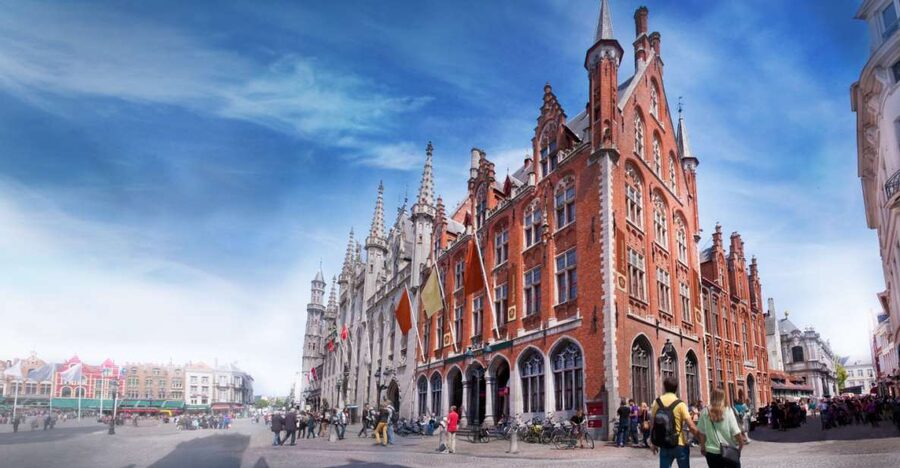
The first surprise is the setting. The Beer Experience is in Bruges Old Town, with the museum entrance on the second floor and views toward the historic Market Square. You are not being sent to an out-of-the-way industrial building to study brewing. The square gives the visit a strong sense of place before the first audio track begins.
At $16 per person, entry is reasonably priced for a self-guided museum in one of Belgium’s most visited historic centers. The value depends on your interest. If you enjoy learning how beer is made, the ticket covers a broad subject range and lets you set your own pace. If you only want to sample Belgian beer, the €6 tasting add-on may matter more than the museum itself.
The visit is valid for one day, so you have flexibility around the rest of your time in Bruges. The activity does not require you to follow a fixed group or stay with a live guide. That can be useful on a busy sightseeing day, especially if you want to pause for photographs or spend extra time on a topic that interests you.
The building layout is worth noting before you arrive. The museum is on the second floor, while the tasting area is on the first floor. Since the experience is not suitable for wheelchair users or people with mobility impairments, check the access situation carefully before booking.
More Museum Visits in Belgium:
- Porto: Cálem Cellar Tour, Interactive Museum & Wine Tasting
★ 4.5 · 4,113 reviews - Dublin Irish Whiskey Museum and Gallery Guided Tour with Tasting
★ 5.0 · 3,078 reviews - Munich: Beer and Food Tour with Dinner & Oktoberfest Museum
★ 4.7 · 1,086 reviews
An iPad Mini replaces the usual museum placards
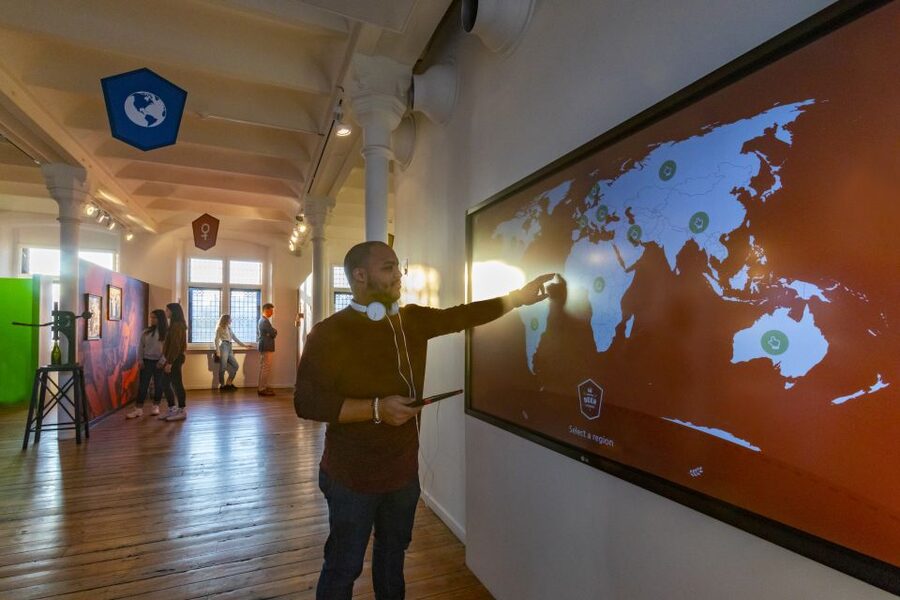
Your main guide is an iPad Mini with recorded commentary. This makes the visit more flexible than a standard display-only museum. You can take in the objects and interactive features, then listen to the explanation in your chosen language.
The audio guide is available in English, Dutch, French, Chinese, German, Italian, Japanese, Portuguese, Spanish, and Russian. That is a particularly useful feature for Italian-speaking visitors, since the Italian option is not always available at smaller museums outside Italy. The host or greeter languages are French, German, Dutch, English, and Spanish, but the device offers a wider audio selection.
I like this format for two reasons. First, you are not tied to the pace of a tour group. Second, the museum can present a fair amount of technical material without covering every wall with long blocks of text. Beer has its own vocabulary, and the audio format gives you a better chance to follow the process clearly.
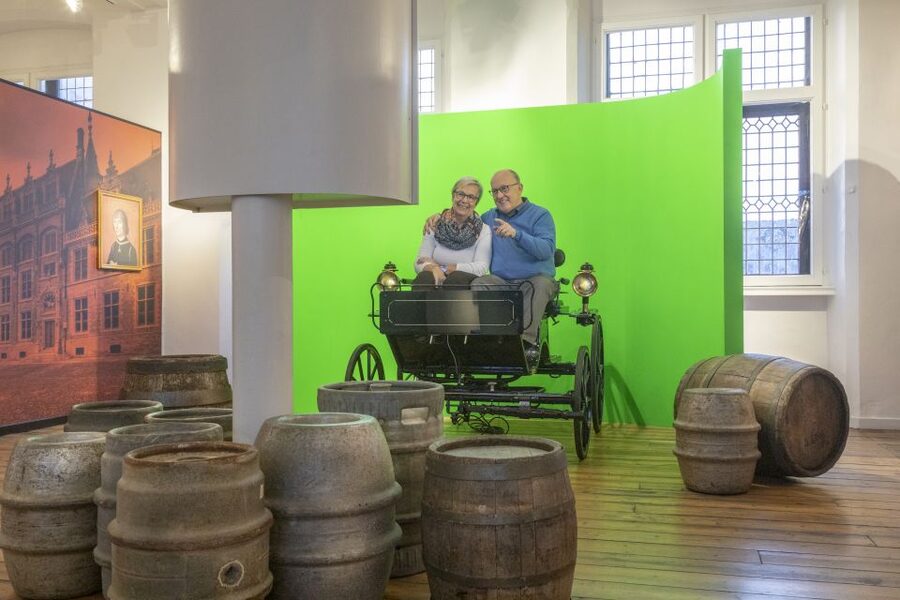
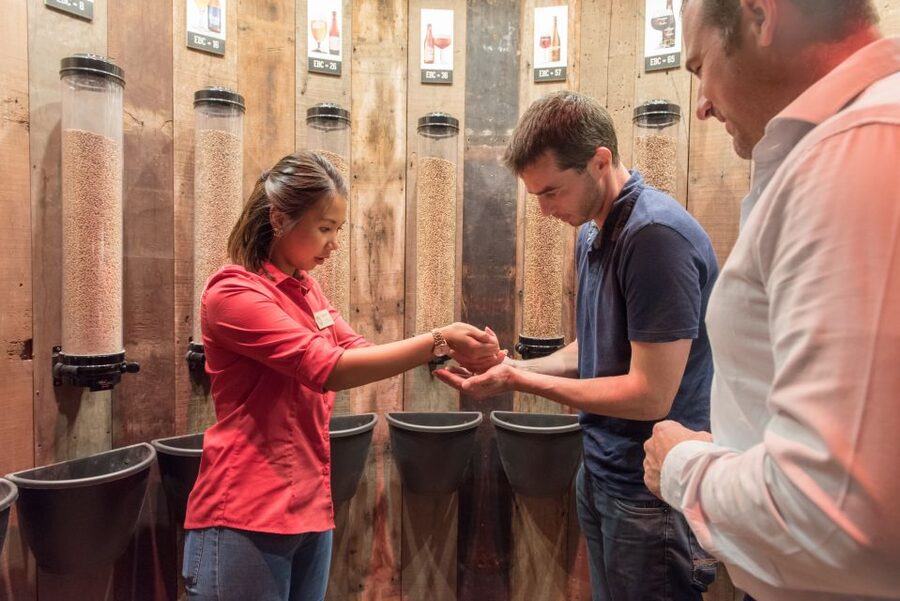
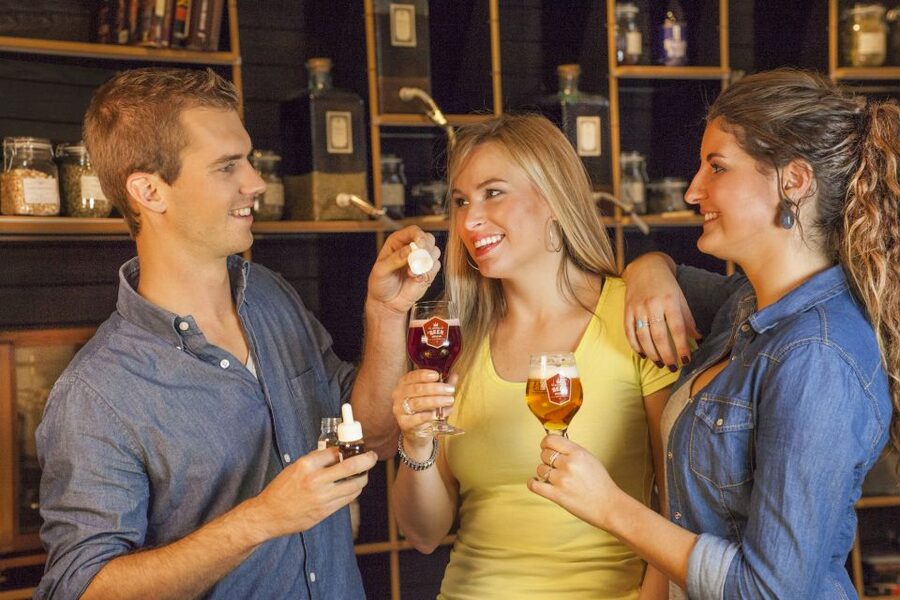
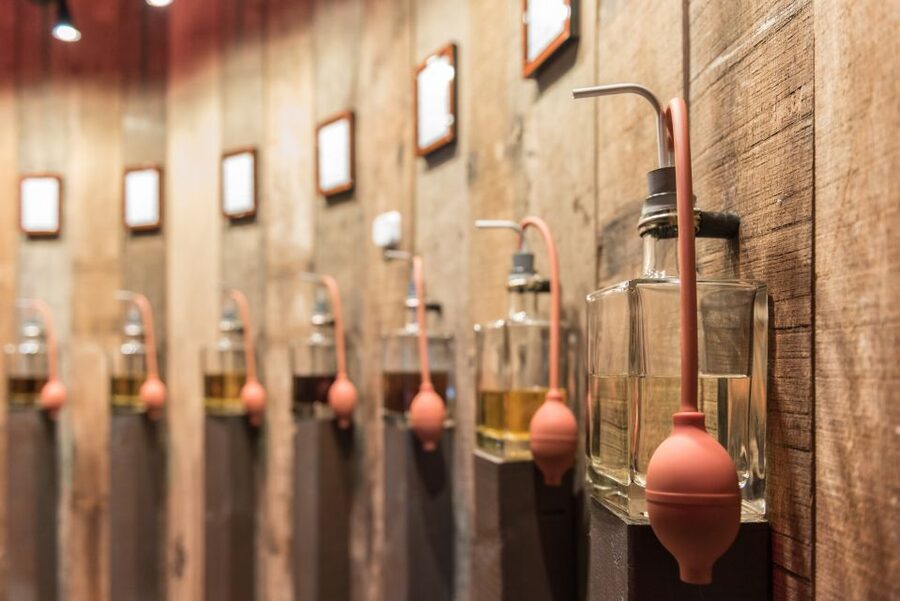
The device also supports the interactive side of the visit. The exhibition asks you to touch, taste, and smell your way through the subject. Those details matter because brewing is not only a visual process. Grain, yeast, aromas, and flavor all play a part, and a hands-on presentation makes those connections easier to understand.
There is no named live guide listed for this activity. Expect an independent museum visit with help from a host or greeter if needed, rather than a personal tour led by one particular brewer or historian.
From grain and yeast to Belgian beer styles
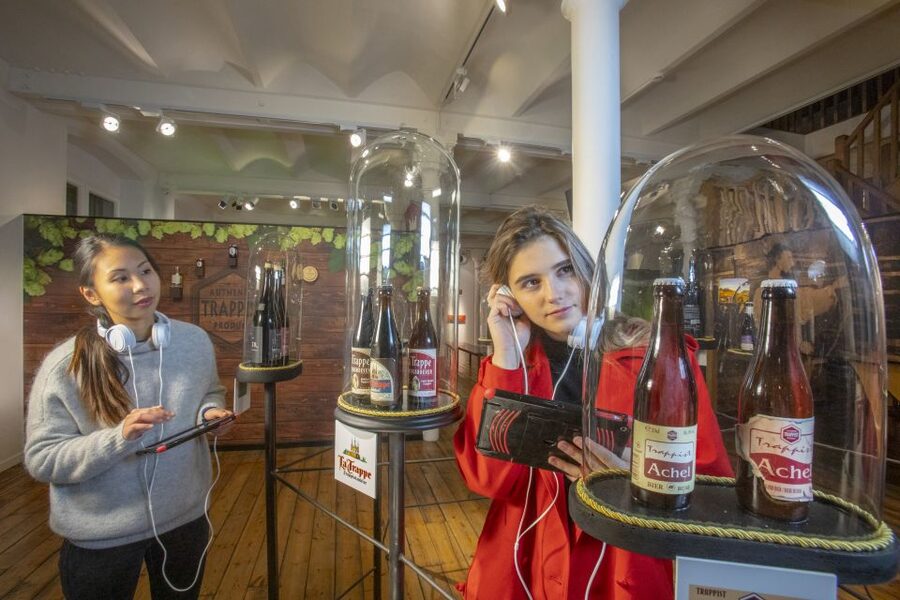
The exhibition explains the brewing process, then places Belgian beer in a wider cultural setting. You learn about Trappist and abbey beers, two categories that many visitors recognize by name but may not fully understand.
The focus is not simply on collecting beer labels. The museum explains the traditions and methods behind different Belgian beers, giving you a framework for noticing differences later in a café or beer bar. That is a useful reason to visit early in your Bruges stay. Once you understand the basic categories, a long Belgian beer menu becomes less intimidating.
One of the most worthwhile sections compares four fermentation methods:
- High fermentation, associated with ales and warmer fermentation conditions.
- Bottom fermentation, used for a different family of brewing styles.
- Mixed fermentation, which combines different fermentation approaches.
- Spontaneous fermentation, where naturally occurring organisms play a central role.
The point is not to turn you into a brewer in one visit. It is to show why Belgian beer can taste so different from one glass to the next. Fermentation affects aroma, body, acidity, and character, so this section gives you a practical way to connect production methods with what you taste.
I would pay close attention here even if you already know a little about beer. The chance to compare the four methods gives the museum a more useful purpose than a simple display of bottles. You leave with a better idea of why one beer may be fruity, another crisp, and another tart or complex.
Women, food pairing, and the wider beer story
The Beer Experience also looks at the history of women and beer. That subject broadens the museum beyond the familiar story of monks, breweries, and traditional Belgian brands.
Beer-making has often been presented as a male trade, but the exhibition gives space to women’s role in beer culture and production. The topic adds social context to the technical material and helps explain that beer has always been part of daily life, work, food, and community.
Food pairing is another useful theme. Belgian beer is often served alongside cheese, sausages, paté, crackers, or chocolate, and the museum connects those foods with beer choices. You do not have to treat the pairing section as a formal tasting lesson. Instead, use it as a guide for what to order later in Bruges.
This is where the optional tasting can make more sense. A sample glass is more informative when you have just learned what to look for. You may notice the way a beer works with salty cheese, rich paté, or chocolate rather than treating the drink as an isolated sample.
The onsite restaurant offers those snack options, but food is not included in the ticket. One practical point is worth keeping in mind: the food selection is focused on simple beer accompaniments, not a full meal. If you prefer to drink with substantial food, plan to eat elsewhere or treat the museum snacks as a small extra.
More Self-Guided Options in Belgium:
- Prague: Staropramem Brewery Self-Guided Tour with Tasting
★ 3.7 · 2,106 reviews - Private Self-Guided E-Bike Ride in Tuscany with Vineyard Visit
★ 5.0 · 775 reviews - Marlborough: Full-Day Self-Guided Biking Wine Tour
★ 4.7 · 221 reviews - Self-Guided Biking Wine Tour (full day) in the Marlborough Region.
★ 5.0 · 206 reviews
Adding the €6 tasting downstairs
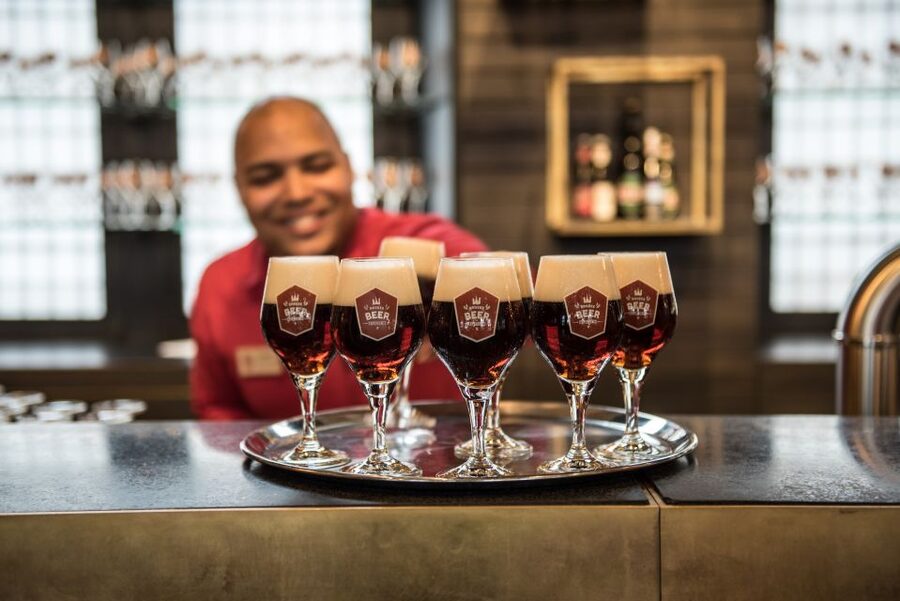
At the end of the museum visit, you can go to the tasting area on the first floor and add a tasting for €6. The beer tasting is not part of the $16 entry price, so decide before you arrive if you want to budget for it.
I see the tasting as a useful add-on rather than a required finish. The museum already explains fermentation and Belgian beer styles, and sampling several beers gives that information a practical ending. You can compare what you have learned with what is in the glass.
The tasting is also a good choice for people who want an introduction to Belgian beer without committing to a full beer-focused evening. It gives you a controlled way to try several styles, then you can decide what you want to order at a café later.
Food costs extra as well. The onsite choices include cheese, sausages, crackers, paté, and chocolates. These are natural matches for beer and may help if you do not want to taste on an empty stomach. Still, do not expect the tasting area to replace lunch or dinner.
If you are visiting with someone who does not drink beer, the museum entry may still work because the exhibition covers history, production, culture, and food. The tasting is optional, so one person can skip it without changing the rest of the visit.
The Bruges bear makes the museum work for children
Families get a separate option for children up to age 12. The Kids Tour follows the story of the Bruges bear, giving younger visitors a character-led way to move through the museum.
That is a smart feature because the adult exhibition includes technical subjects that may not hold a child’s attention for long. The bear story gives children a reason to look, listen, and keep moving through the displays. Parents can follow the children’s route while still taking in the beer material themselves.
The kids program also makes the museum more than an adult tasting stop. You should still remember that the overall subject is beer, not a children’s museum, so the attraction will suit families who want a short cultural activity alongside Bruges sightseeing. The special route is best viewed as a way to make the visit accessible to children, not as a separate play center.
For a family visit, I would allow time for each person to follow the version of the tour that suits them. Adults can listen to the main audio guide, while children follow the Bruges bear. Since the visit is self-guided, you are not holding up a group if one family member takes longer.
How the museum fits into a day in Bruges
The Beer Experience is easy to combine with a day in the Old Town because it is located by Market Square. You can pair it with a walk through the square and surrounding historic streets, then use the museum as a change of pace from outdoor sightseeing.
The flexible one-day validity helps. You do not have to treat the museum as a tightly timed event with a fixed start and finish. Check the available starting times when booking, then fit the visit around your plans.
The museum also works well in poor weather. Bruges can be enjoyable in any season, but a self-guided indoor attraction gives you a useful break from walking. The Market Square views still keep you connected to the city, even while you are indoors.
Bring a passport or ID card, as this is listed among the items required for the activity. Food and drinks are not allowed inside the museum, so save your snacks for the onsite restaurant or another stop in town.
The host or greeter can assist in French, German, Dutch, English, or Spanish. The audio guide provides more language choices, but you should select your preferred language when arranging the visit rather than assuming every option will be available in person without preparation.
Who gets the best value from the $16 ticket
I would recommend this experience most strongly to three kinds of visitors.
First, it suits people who want context before ordering Belgian beer. The sections on fermentation, Trappist and abbey beers, and food pairing give you useful background without requiring specialist knowledge.
Second, it fits families with children up to age 12. The Bruges bear story gives younger visitors their own focus, while adults can follow the main exhibition and decide independently about the tasting.
Third, it works for visitors who prefer independent sightseeing. The iPad Mini audio guide lets you pause, move on, or spend longer with a topic without waiting for a group.
The price is less compelling if you are looking only for a drink. Entry costs $16, and the tasting adds €6, with food charged separately. A beer bar may be the better choice if your priority is simply to sit down and sample local beer.
The museum is also not a good fit if stairs and mobility limitations are a concern. The second-floor entrance and stated access restrictions are important practical factors, not minor details.
The experience has a current rating of 4.4 out of 5 from 201 ratings, which fits the strengths of the visit: clear structure, strong language support, an appealing location, and an interesting presentation. The main limitation is that the food offering is modest, so plan for a separate meal if you want more than beer snacks.
Should you book the Bruges Beer Experience?
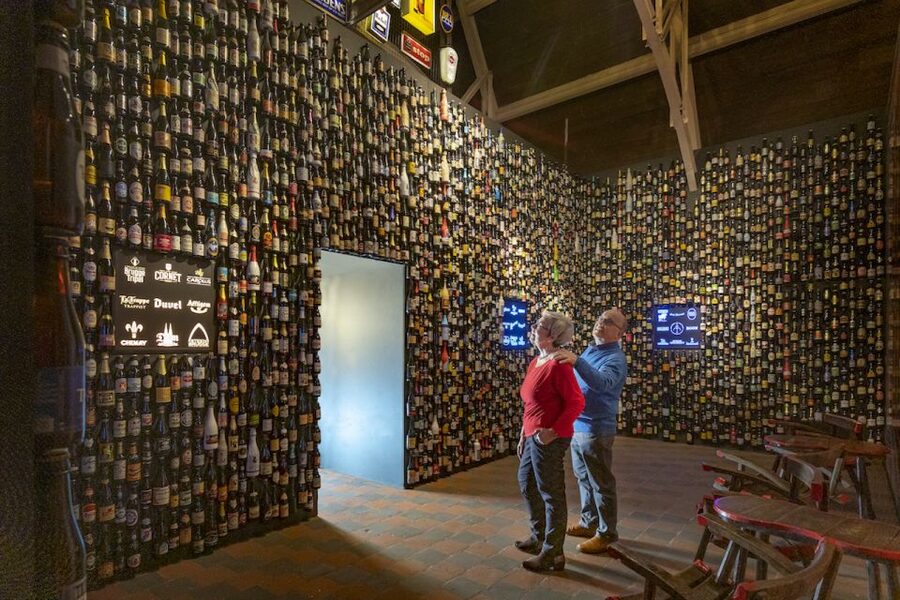
Book it if you want more than a quick drink and would like to understand why Belgian beer tastes so varied. The combination of interactive displays, fermentation comparisons, audio languages, Market Square views, and an optional tasting gives you a useful introduction in a convenient Old Town location.
I would add the €6 tasting if you are curious about comparing styles and want to connect the museum lessons with actual beer. I would skip it if you do not drink or if you already have a full beer itinerary planned elsewhere.
Families should choose the Kids Tour for children up to age 12. Visitors with mobility impairments should look for another activity because the museum is not suitable for wheelchair users or people with limited mobility.
For most beer-curious visitors, $16 is fair value, especially when you treat the museum as a cultural stop rather than a bar with decorations. It is a practical Bruges activity for a rainy afternoon, a family outing, or the start of a more informed Belgian beer evening.
FAQ
What does the Bruges Beer Experience ticket include?
The ticket includes entry to the Beer Experience museum and an audio guide on an iPad Mini.
Is the beer tasting included in the entry price?
No. The tasting is an optional add-on costing €6. Food and drinks are also not included.
Which languages are available on the audio guide?
The audio guide is available in English, Dutch, French, Chinese, German, Italian, Japanese, Portuguese, Spanish, and Russian.
Is there a tour for children?
Yes. Children up to age 12 can follow a Kids Tour based on the story of the Bruges bear.
Where are the museum and tasting areas located?
The museum entrance is on the second floor. The tasting area is on the first floor.
Is the experience suitable for wheelchair users?
No. The activity is not suitable for wheelchair users or people with mobility impairments.
Just poured in Belgium
- The Waffles ‘n Beer Workshop in Brussels Centre★ 5.0 · 62 reviews
- 1.5h Belgian Chocolate Workshop in Brussels (bean to bar)★ 4.5 · 462 reviews
- Marc’s Brussels Beer Tasting Tour★ 4.5 · 645 reviews
- Brussels Chocolate Tasting Tour★ 5.0 · 568 reviews
- Brussels All In Tour : Belgian food, chocolate, beer, sightseeing★ 4.5 · 289 reviews
- Bruges Beer Experience Entrance Ticket★ 4.0 · 185 reviews
- Brussels Chocolate Beer Waffle and Belgian Whiskey All-in-One (Small Group) Tour★ 5.0 · 551 reviews
- Bruges Beer Tasting Experience (with cheese!)★ 5.0 · 106 reviews
Drinks Tours, compared.

Douro Valley w/ Boat Tour, Wine Tasting & Lunch
Read our review →
Chichen Itza, Cenote & Valladolid Tour with Tequila and Lunch
Read our review →
Complete Douro Valley Wine Tour with Lunch, Wine Tastings and River Cruise
Read our review →
Zakopane: Cable Car, Chocholow Baths, Cheese & Vodka
Read our review →

Zakopane: Cable Car, Chocholow Baths, Cheese & Vodka
Read our review →
Small-Group Wine Tasting Experience in the Tuscan Countryside
Read our review →Browse the lists this tour appears in