
REVIEW · WINE TASTING TOURS
Budapest: Essentials of Hungarian Wine Tasting Class
Hungary’s wine story is far more interesting than many visitors expect, and this two-hour class gives you a useful way into it. You taste eight wines, moving from an aperitif through whites, reds, and a sweet Tokaj aszú, while a sommelier explains the grapes, soils, regions, and changing wine culture.
I like the direct connection to small producers and the generous food pairings, especially the cheeses, charcuterie, bread, and local flavors. I also like the relaxed social setup, where you can learn from hosts such as Tomas, Carlos, John, or Somali without needing any wine training. The one caution is simple: the pours can be generous, and the information can come quickly. Eat beforehand or pace yourself.
Key points to know before booking
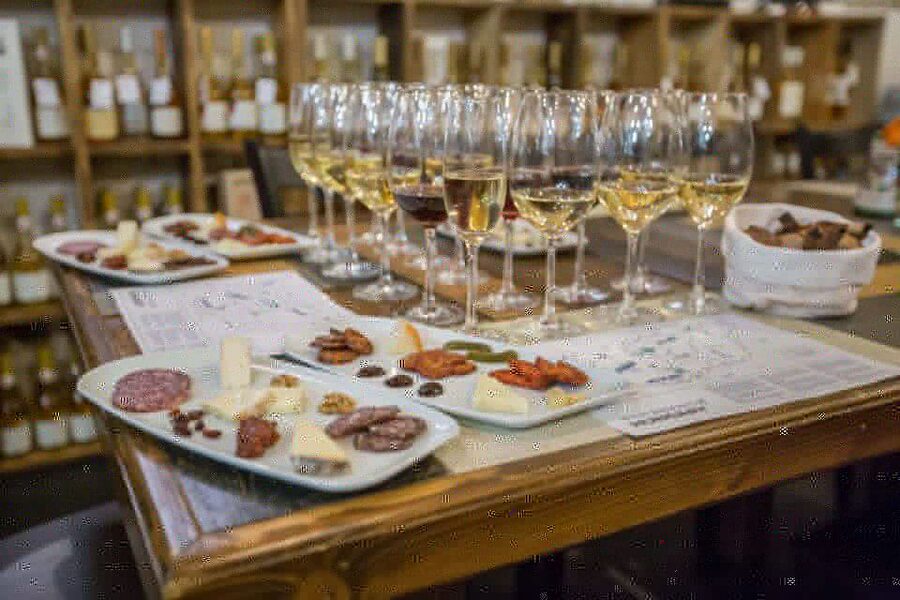
- Eight wines tell a complete Hungarian story: The tasting usually includes sparkling wine, several whites, reds, and a sweet botrytised Tokaj aszú.
- The setting is easy to reach: The Tasting Table Budapest is on Bródy Sándor utca, about 150 meters from the National Museum.
- Small producers get the attention: Wines are purchased directly from producers known to the team, giving the session a local focus.
- Food is part of the value: Expect mineral water and pairings built around Hungarian cheeses, meats, bread, and other local tastes.
- It suits beginners and wine fans: The teaching starts at a basic level but still offers enough detail for people who already know wine.
- Plan for a full two hours: Some evenings run longer when conversation continues, and the generous pours can add up.
Why Hungarian wine deserves two hours of your Budapest time
Hungary is best known internationally for Tokaj, but Tokaj is only one part of the country’s wine identity. This class gives you a practical introduction to the wider picture, including regional differences, local grape varieties, winemaking traditions, and newer directions taken by Hungarian producers.
That matters because Hungarian wine can be hard to understand from a restaurant list alone. Grape names may be unfamiliar, labels may not explain the style clearly, and the country’s wine regions are spread across very different soils and climates. A good guide gives you a map in your head before you start ordering bottles.
The class is built as a story rather than eight unrelated samples. Each bottle has a reason for being there. You might taste one wine to understand a grape, another to show the character of a region, and another to explain a current trend. The point is not to identify every aroma perfectly. It is to help you notice how Hungarian wines differ from the better-known bottles you may already drink.
More Wine Tasting Tours in Budapest
- Hungarian Wine Tasting (with Cheese and Charcuterie) in Budapest
★ 5.0 · 531 reviews - Budapest: Hungarian Wine Tasting with 8 Wines and Tapas
★ 4.9 · 446 reviews - 8-Tier Hungarian Wine Tasting in a Cozy Downtown Wine Bar
★ 4.9 · 269 reviews
Arriving at The Tasting Table Budapest
The meeting point is The Tasting Table Budapest, at Bródy Sándor utca 9 in District VIII. It is only about 150 meters from the National Museum, so it fits neatly into an evening around the museum, Astoria, or Kálvin tér.
You can walk there in about five minutes from either Astoria on metro line M2 or Kálvin tér on metro line M3. Trams 47 and 49 also stop at those locations. That easy connection is useful for an evening activity, especially if you are staying in central Pest.
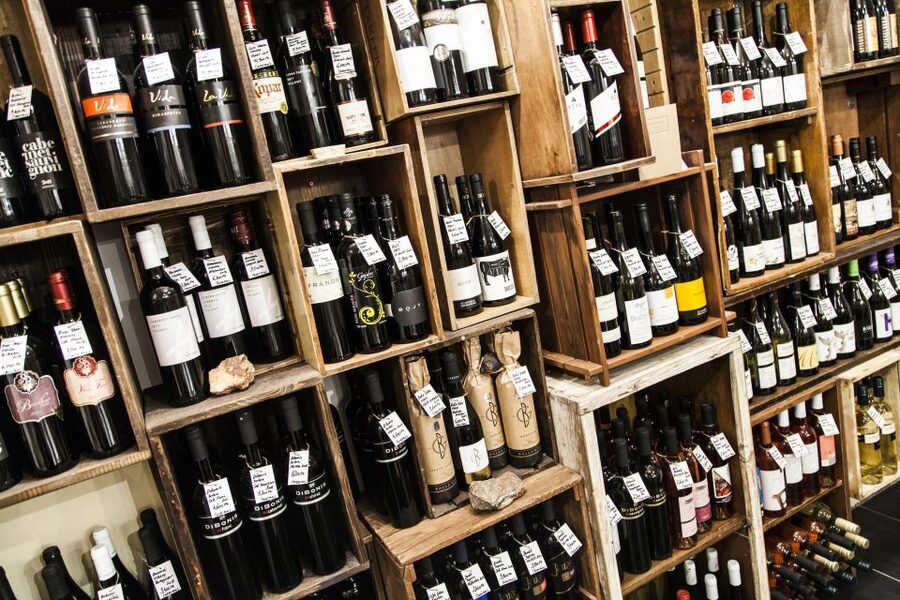
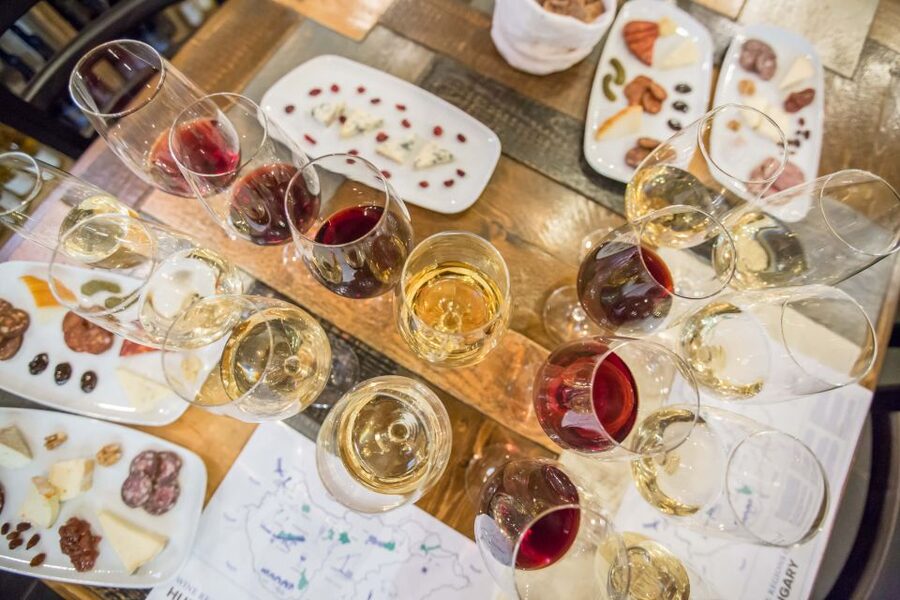
The venue is a shop and tasting room with an old cellar atmosphere. Accounts of the setting describe brick arches and a photogenic wine-tavern feel. This is not a formal classroom with rows of desks. You sit around a table, receive tasting sheets and a map of Hungarian wine regions, and share the evening with the other people booked for that session.
The social layout is part of the appeal. You can ask questions, compare impressions, and talk with people from different countries. It is also possible to enjoy the class quietly if you prefer to listen, though a talkative group can make it harder to hear every word.
The first glass sets the tone
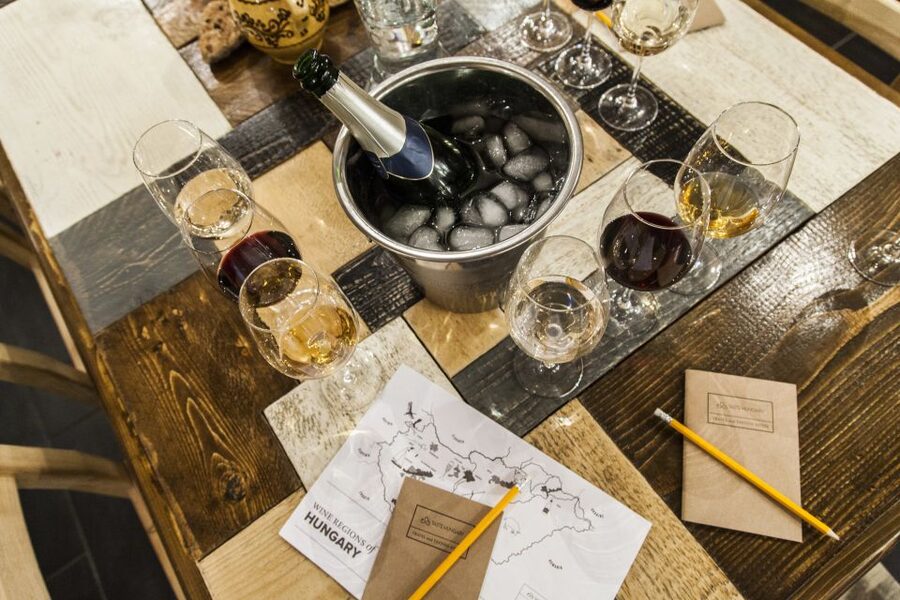
The tasting begins with an aperitif. This opening wine helps the group settle in and gives the sommelier a gentle way to explain how the evening will work.
You are not expected to arrive with a polished wine vocabulary. The class is designed for anyone curious about Hungarian wine, including people who rarely attend tastings. The guide explains the basic ideas first, then adds detail as the wines become more varied.
Past hosts have included Tomas, Carlos, John, Christian, Sebastian, and Somali. Their styles differ, but the common thread is a clear enthusiasm for Hungarian wine. Tomas has been especially strong on the connection between soil, climate, and flavor, while Carlos has been praised for mixing country history with practical wine instruction. John’s personal path into the wine trade has also made for an engaging presentation.
The useful thing is the human element. You are not simply handed a glass and left to read a tasting card. The guide explains why the wine is present, where it comes from, and what to look for. At the same time, the best sessions leave room for you to taste and talk instead of listening to a nonstop lecture.
Whites, reds, and unfamiliar Hungarian grapes
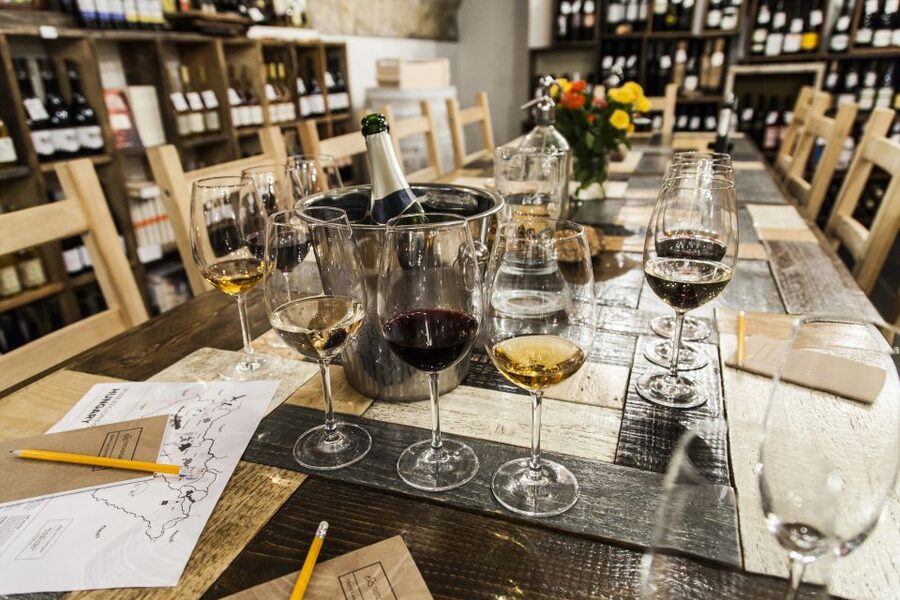
After the aperitif, the class moves through white wines and then reds, with a rosé sometimes appearing in the line-up. The exact bottles can change, which is sensible in a tasting devoted to small producers and current Hungarian wines.
The white wines give you a good chance to see why region and grape matter. A sommelier can explain how climate and soil affect freshness, body, acidity, and aroma without turning the class into a technical exam. You will also encounter grape names that may be new to you, which is one of the more useful reasons to attend instead of ordering a familiar international variety.
The red wines then broaden the picture. The session can show how Hungarian producers work with both local and international grapes, and how styles range from lighter and fresh to fuller and more structured. You do not need to decide that every bottle suits your taste. The aim is to understand the range.
The tasting sheets help here. You can note a favorite wine, write down the grape and region, and keep track of bottles you may want to find later. This is especially valuable after the fourth or fifth pour, when memory becomes less reliable. Bring a pen, and do not worry if your notes become shorter as the evening goes on.
One practical point deserves attention: the pours may be closer to normal glass servings than tiny professional tasting samples. Several sessions have been described as generous, and one account noted that the amount of wine led to a very tipsy evening. Pace yourself, use the water provided, and remember that you do not have to finish every glass.
Same town, a different bottle:
- From Porto: Douro Valley w/ Boat Tour, Wine Tasting & Lunch
★ 4.7 · 19,061 reviews - Chichen Itza, Cenote & Valladolid Tour with Tequila and Lunch
★ 4.5 · 15,789 reviews - Complete Douro Valley Wine Tour with Lunch, Wine Tastings and River Cruise
★ 5.0 · 12,920 reviews - Krakow–Zakopane: Cable Car, Chocholow Baths, Cheese & Vodka
★ 5.0 · 10,720 reviews
Tokaj aszú gives the evening a sweet finish
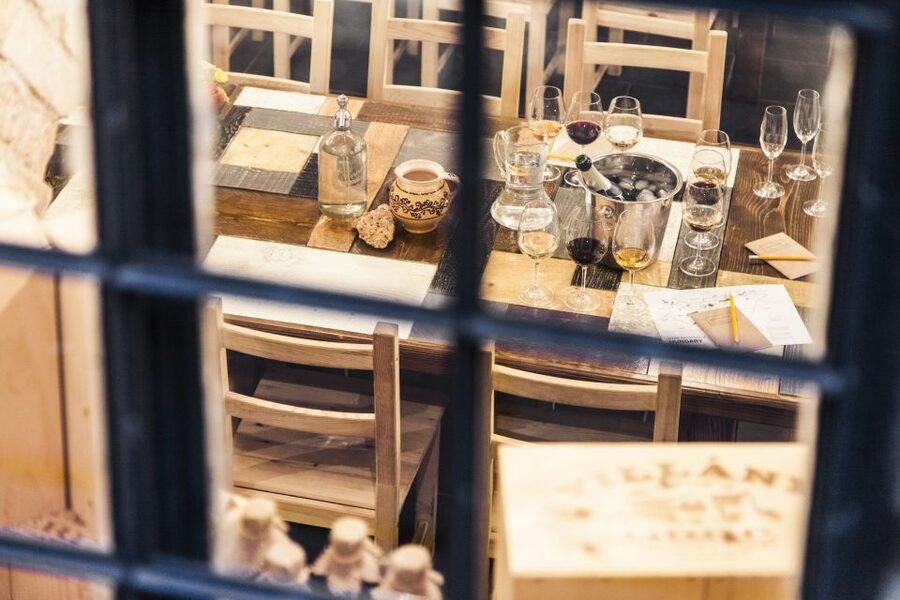
The final wine is a sweet botrytised Tokaj aszú, one of Hungary’s signature styles. Ending with this wine gives the class a clear final chapter and shows why Tokaj has such a strong place in Hungary’s wine reputation.
The guide can explain the role of botrytis, the character of Tokaj, and why sweet wine is not simply a dessert afterthought. This closing pour also gives you a contrast to the dry whites and reds tasted earlier.
Tokaj aszú is often the wine that helps the whole session make sense. By this point, you have tasted across several styles and regions. The sweet finish shows that Hungarian wine is not one narrow category. It includes crisp wines, rosé, reds, sparkling aperitifs, and carefully made sweet bottles.
If you find a wine you like, ask for its name before leaving. The tasting room also functions as a shop, and past sessions have allowed people to buy bottles from the line-up. Some visitors have returned the next day to purchase a favorite wine, and a discount on tasted wines has been offered at times. Ask what is available during your visit rather than assuming every bottle will be in stock.
The food pairings are more than decoration
The included food helps make the price easier to justify. You receive mineral water plus local Hungarian flavors, commonly presented as cheese, charcuterie, bread, and related accompaniments.
The food is not a full restaurant dinner in the usual sense, but it can be substantial. One especially generous evening included enough cheese, meat, bread, pumpkin seed oil, and chutney to function as dinner and entertainment. Another session offered a well-filled cheese and charcuterie board alongside the wine.
These pairings matter for two reasons. First, food changes how wine tastes. A sharp cheese can soften a wine’s acidity, while cured meat can make a red feel rounder and more complete. Second, eating helps you handle eight pours over two hours.
The amount may vary by session, and one account wished for more food to match the wine. If you are hungry, have a light meal first rather than treating the board as a guaranteed full dinner. For most people, though, the pairings are a meaningful part of the evening rather than a token plate placed on the table.
How the teaching style affects the evening
The strongest part of this class is the balance between instruction and conversation. The guide generally introduces a wine, explains its background, and then gives you time to taste, eat, and discuss it.
That format works better than a constant lecture. You can compare your reaction with someone sitting beside you, ask a question when the point is not clear, and return to the glass without feeling rushed. It also makes the class friendly for solo visitors, who can naturally meet others around the table.
The amount of information depends on the guide and the group. Some hosts keep things light and humorous. Others provide a detailed account of regions, grapes, and winemaking history. A particularly enthusiastic guide may give you more information than you can retain in one evening.
That is not necessarily a flaw, but it is worth knowing what you are booking. This is a crash course, not a short bar tasting. If you want only a few sips and a quick explanation, the class may feel long. If you enjoy context and questions, the two hours pass quickly.
Noise can also matter. A lively group adds warmth, but people talking while the guide is speaking may make some details difficult to catch. Sit where you can hear clearly, and ask the host to repeat anything important.
Is the $65 price good value?
At $65 per person, the class is not the cheapest way to drink wine in Budapest. It is also not simply eight glasses at a bar. You are paying for the sommelier’s instruction, the direct focus on Hungarian producers, the tasting sheets and regional map, the food, mineral water, and the chance to sample wines that may be difficult to identify on your own.
The value is strongest if you want to learn what to order during the rest of your trip. A single favorite bottle can make the evening worthwhile if it leads you to a local wine shop or restaurant with more confidence. The class also saves you from ordering several unfamiliar bottles and hoping for the best.
Generous pours improve the financial value, but they also require care. Eight full or near-full pours can be a lot of alcohol, especially with a two-hour schedule. Treat the tasting as your main evening activity, drink the water, and avoid planning a demanding museum visit or long night afterward.
For a couple or a small group of friends, the social setting adds value. For a solo visitor, it offers an easy way to meet people without committing to a full group tour. The session also works well near the start of a Budapest stay, since it can guide your wine choices for the rest of the visit.
Who should book this tasting?
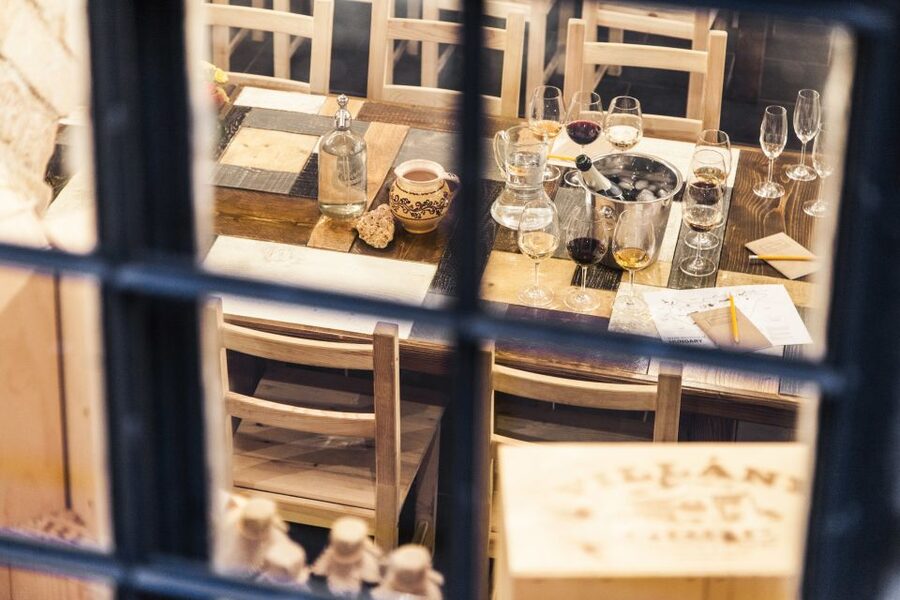
I would choose this class if you enjoy food and drink, want local context, or find Hungarian wine labels intimidating. It is also a good pick if you prefer a small indoor activity in the evening, especially during colder weather.
Beginners should feel comfortable. You do not need to know grape varieties, understand wine scoring, or use specialist language. The guides explain the basics and keep the atmosphere relaxed.
People with more wine experience can still get value from the regional comparisons and lesser-known Hungarian grapes. The selection is designed around small producers, and the bottles change, so repeat visitors may find a different line-up on another visit.
I would hesitate only if you dislike group conversation, want a full meal, or prefer tiny professional tasting pours. The class can be lively, the information can be dense, and the alcohol adds up quickly. Those are manageable issues, but they are part of the format.
Bookings are usually available on most evenings from 6:00 PM to 8:00 PM. The minimum booking requirement is two people, and a session may be canceled if too few people sign up, with an alternative or full refund offered. You can cancel up to 24 hours before the start time for a full refund, and reserve now while paying later.
Should you book it?
Book this tasting if you want more than a standard Budapest food stop. The combination of eight wines, Hungarian cheeses and meats, a central cellar setting, and an English-speaking sommelier gives you a useful introduction to a part of the country many people overlook.
I especially recommend it for the first or second evening of a Budapest visit. You will still have time to buy a bottle, order Hungarian wine with dinner, or adjust your plans for a future visit to Tokaj or another wine region.
Skip it if you are looking for a quick tasting with minimal explanation or a guaranteed full dinner. Otherwise, $65 is a fair price for a focused evening that teaches you what to taste, what to remember, and which Hungarian bottles you may want to seek out next.
FAQ
How long does the Hungarian wine tasting last?
The scheduled duration is two hours, usually from 6:00 PM to 8:00 PM. Some sessions may continue longer when the group and host keep talking and tasting.
How many wines are included?
The tasting includes eight Hungarian wines. The sequence usually begins with an aperitif, continues through whites and reds, may include a rosé, and ends with a sweet Tokaj aszú.
Where does the tasting take place?
It takes place at The Tasting Table Budapest, Bródy Sándor utca 9, 1088 Budapest, in District VIII.
Is the venue easy to reach by public transport?
Yes. The venue is about a five-minute walk from Astoria on metro line M2 and Kálvin tér on metro line M3. Trams 47 and 49 also stop at Astoria and Kálvin tér.
Is food included?
Yes. The booking includes food pairings with local Hungarian flavors, along with mineral water. Pairings may include cheeses, charcuterie, bread, and other accompaniments.
Is the class taught in English?
Yes. The host or greeter and the tasting session are in English.
Do I need previous wine experience?
No. The class is intended for anyone interested in Hungarian wine, including beginners. It covers regions, history, grape varieties, characteristics, and styles.
What is the legal drinking age for this activity?
The legal drinking age in Hungary is 18, so participants must be at least 18 years old.
Can I cancel the booking?
Yes. You can cancel up to 24 hours in advance for a full refund. Reserve now and pay later is also available, subject to the booking terms.
More Workshops and Classes in the world
- Rome: Pasta Making Class with Wine, Limoncello, and Dessert
★ 4.9 · 3,177 reviews - Rome Cooking Class: Make Pasta and 3 Spritz Cocktails
★ 5.0 · 2,937 reviews - Barcelona Paella Cooking Class with Market Visit, Tapas & Sangria
★ 5.0 · 2,531 reviews - Fettuccine & Tiramisù: Cooking Class with Wine & Limoncello
★ 4.9 · 2,103 reviews
More Wine Tasting Tours in the world
- Florence: Chianti Wineries Tour with Wine Tasting
★ 4.5 · 10,071 reviews - From Split: Krka Waterfalls, Food & Wine Tasting Tour
★ 5.0 · 9,326 reviews - Small-Group Wine Tasting Experience in the Tuscan Countryside
★ 5.0 · 7,392 reviews - From Split: Krka Waterfalls, Food & Wine Tasting Tour
★ 4.9 · 6,598 reviews
Just poured in the world
- From Madrid: Toledo Guided Tour & Winery Visit with Tasting★ 4.8 · 313 reviews
- Madrid Region Wineries Guided Tour with Wine Tastings★ 4.9 · 222 reviews
- Ribera del Duero Wineries Guided Tour & Wine Tasting from Madrid★ 5.0 · 328 reviews
- Santorini Sunset Wine Tour with Santo Winery Views★ 5.0 · 342 reviews
- Mykonos: Winery Vineyard Experience with Food & Wine Tasting★ 4.9 · 446 reviews
- Santorini: Wine Tasting Tour to 3 Wineries with Transfer★ 4.7 · 455 reviews
- Médoc Region Half-Day Wine Tour with Winery Visit & Tastings from Bordeaux★ 4.5 · 211 reviews
- Bordeaux Full Day Wine Tour – 3 Wineries & Gourmet Picnic Lunch★ 5.0 · 307 reviews
Wine Tasting Tours, compared.
Douro Valley w/ Boat Tour, Wine Tasting & Lunch
Read our review →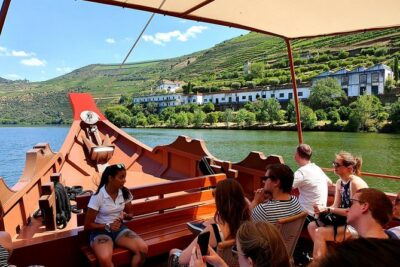
Complete Douro Valley Wine Tour with Lunch, Wine Tastings and River Cruise
Read our review →
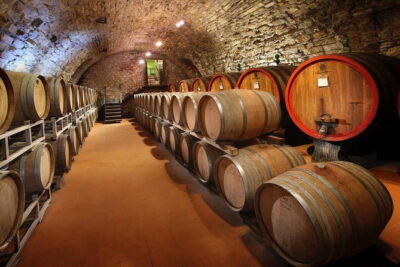
Small-Group Wine Tasting Experience in the Tuscan Countryside
Read our review →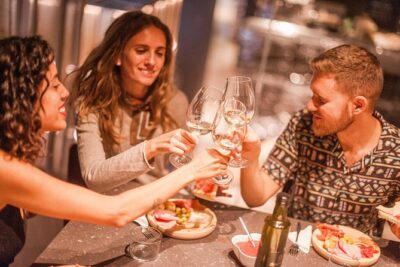
Montserrat & Cogwheel Train, Gourmet Wine Tasting & Tapas/Lunch
Read our review →
Tuscany & Montepulciano Day Trip with Lunch & Wine Tasting
Read our review →Browse the lists this tour appears in