
REVIEW · WINE TASTING TOURS
Budapest: Hungarian Wine Tasting with 8 Wines and Tapas
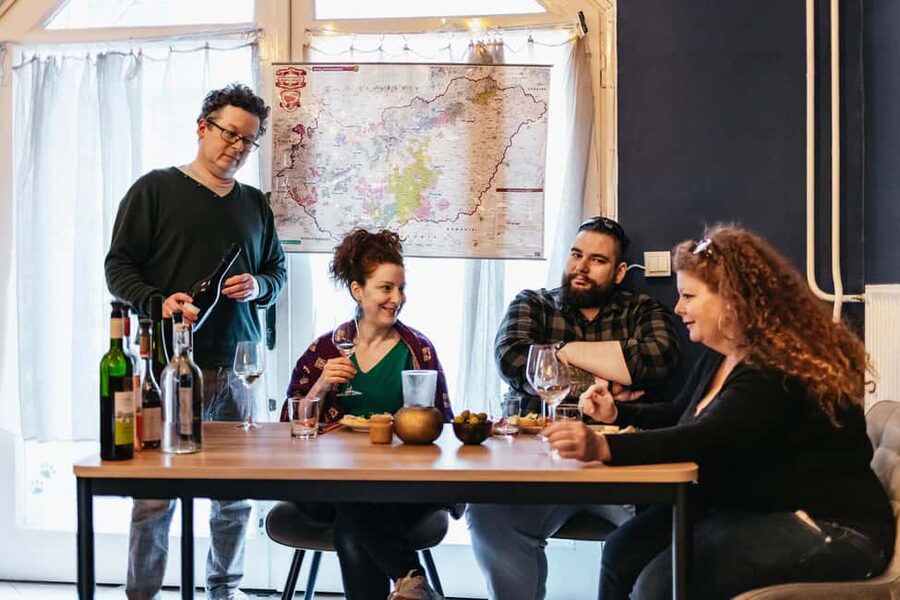
Hungary’s wine story is far more interesting than its international reputation suggests. At Wine the Gap, you spend two hours tasting Hungarian bottles while a local guide explains the grapes, regions, and surprising turns in the country’s wine history. This is less a formal lecture than a friendly evening around a table.
I especially like the mix of better-known and lesser-known producers, and the way the wine is matched with farm foods from outside Budapest. The main thing to keep in mind is that the advertised title says eight wines, while the inclusions list seven, so the exact count may vary. Either way, this is a tasting, not a full meal or a winery day trip.
Key points at a glance
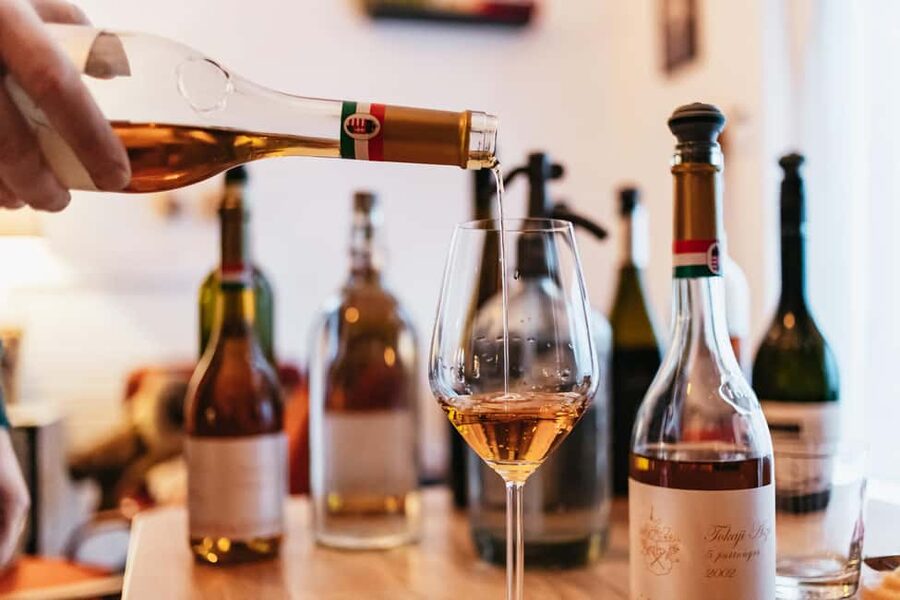
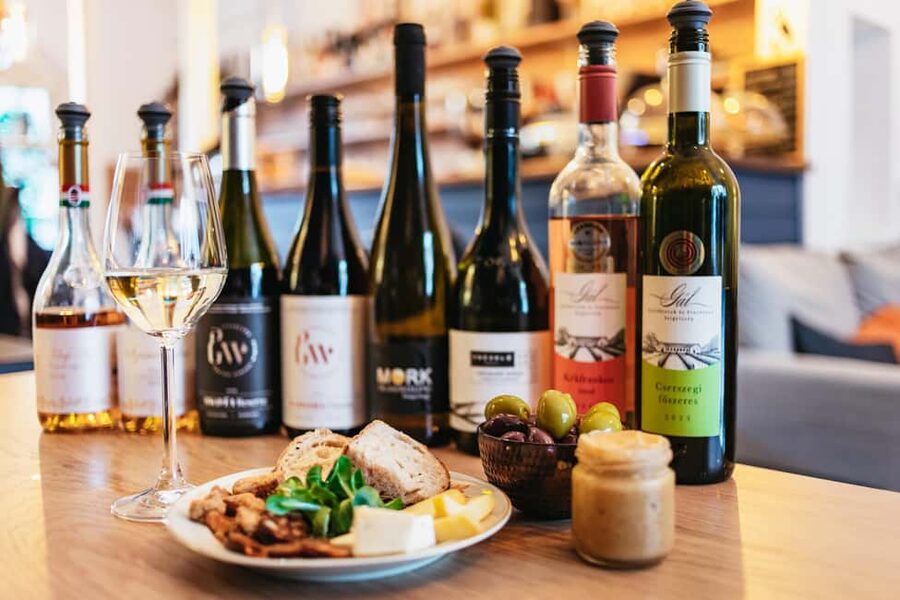
- Taste Hungarian grape varieties: Try wines made with cserszegi fűszeres, furmint, kadarka, and the blend known as Bull’s Blood.
- Learn the map of Hungarian wine: Your guide uses regional context to show where the wines come from and why the styles differ.
- Pair wine with local food: Expect olives, ham, sausages, tomatoes, and several cheeses sourced from farms near Budapest.
- Meet guides with personality: Miki is often the host, while Luca and Bianca also lead sessions, depending on the date.
- Stay in central Budapest: The entire experience takes place at Wine the Gap, with no hotel transfer included.
- Plan for adults only: The activity is in English and is not suitable for children under 18 or pregnant women.
Why Hungarian wine deserves two hours of your time
Hungary is not usually the first country you name when someone asks about European wine. That is precisely why this experience works. It gives you a useful introduction before you spend time and money searching out bottles on your own.
The evening covers the country’s wine regions and the grape varieties tied to them. You are not simply handed a glass and told whether it is dry or sweet. The guide explains what you are tasting, how the grape is grown or made into wine, and how geography and local tradition shape the result.
I like this approach for first-time visitors because it gives you a framework. After two hours, you should have a better idea of what to order in a Budapest wine bar, which bottles to look for in a shop, and which styles you might want to explore on a future visit.
The presentation also sounds approachable for people who know little about wine. Miki, the guide most often associated with the experience, is described as a lively storyteller who enjoys questions. Other sessions are led by Luca or Bianca. The tone is meant to feel social and welcoming, not like a test in wine terminology.
More Wine Tasting Tours in Budapest
- Hungarian Wine Tasting (with Cheese and Charcuterie) in Budapest
★ 5.0 · 531 reviews - 8-Tier Hungarian Wine Tasting in a Cozy Downtown Wine Bar
★ 4.9 · 269 reviews - Budapest: Essentials of Hungarian Wine Tasting Class
★ 4.9 · 174 reviews
Starting at Wine the Gap in central Budapest
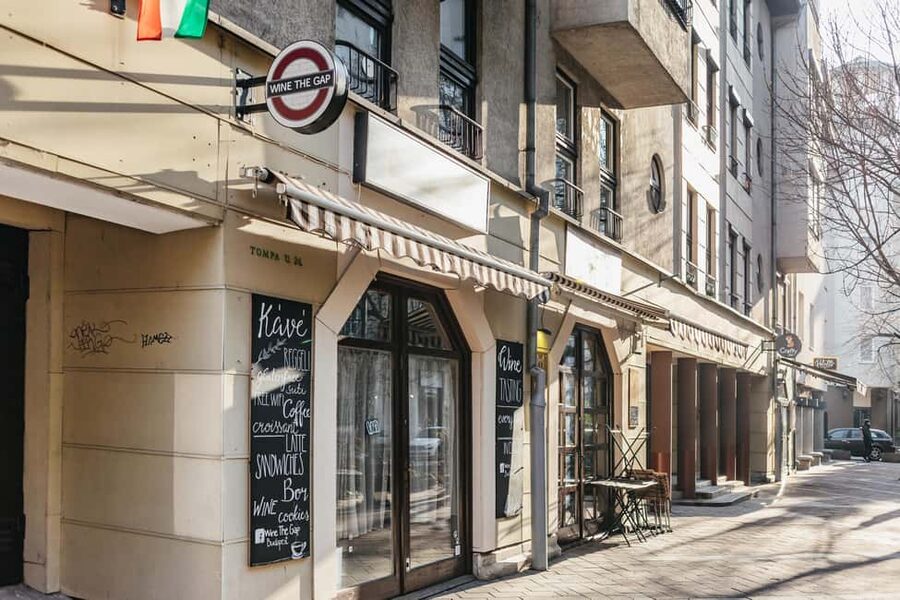
You meet at Wine the Gap, a central wine bar that serves as both the meeting point and the setting for the tasting. Since there is no hotel pickup or drop-off, you make your own way there. That keeps the arrangement simple, but you should allow enough time to find the bar before the scheduled start.
The setting is described as cozy and comfortable. One session took place outdoors when the weather was good, and the neighborhood itself added to the evening. That possibility depends on conditions, so expect the wine bar rather than a guaranteed outdoor table.
This location suits the format. You are surrounded by bottles and have the chance to remain afterward for another glass if you wish. Several people have found the post-tasting wine prices appealing, but extra drinks are not part of the $68 price.
The central location also makes this easy to fit into a Budapest itinerary. You do not lose half a day traveling to a vineyard, and you can arrange dinner or an evening walk before or after. The trade-off is that you do not visit vineyards, cellars, or production sites. This is an urban introduction to Hungarian wine.
The first glasses: grape names and regional context
The guide begins with a short account of Hungarian wine and its main regions. A map of Hungary is provided, which is useful because the names and locations can be hard to place when you are hearing them for the first time.
This regional explanation is one of the strongest parts of the experience. Wine often makes more sense when you know where it comes from. The map helps connect a grape or style with a part of the country rather than leaving you with a list of unfamiliar names.
The session also explains how to taste wine. You learn to pay attention to color, aroma, texture, and the way a wine changes with food. You do not need prior experience. If you already know your way around a tasting, you can use the discussion to ask more detailed questions about production and individual wineries.
The mood is informal. Miki is known for mixing wine facts with stories and humor, while Luca and Bianca have also received praise for clear explanations and a friendly manner. That matters because a two-hour tasting can drag if the guide treats every glass like a classroom exercise. Here, the goal is to keep the information moving with the wine.
Cserszegi fűszeres and Hungary’s less familiar whites
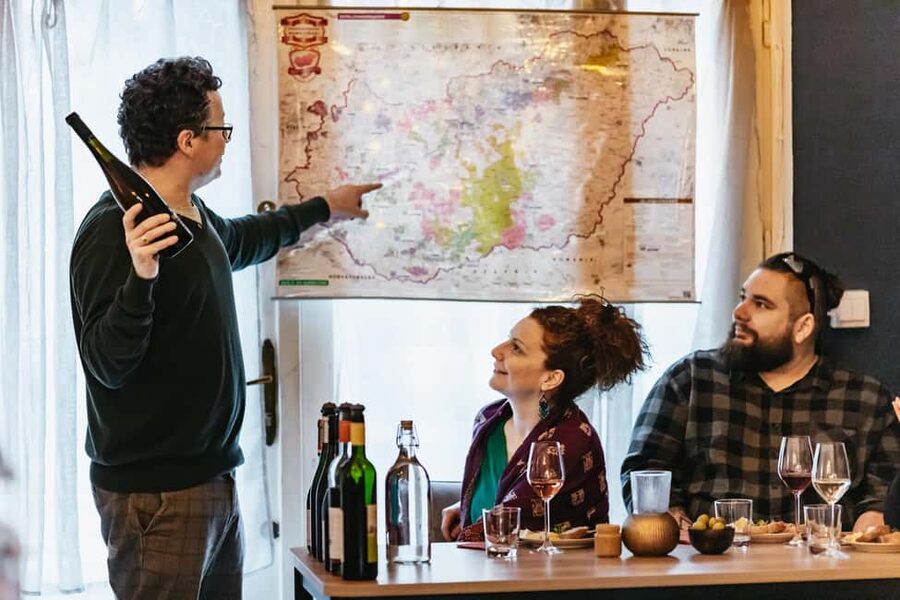
One of the tasting’s memorable introductions is cserszegi fűszeres, a Hungarian grape with a name that can make even confident wine drinkers pause. It is sometimes presented as the unpronounceable grape, which gives the guide an easy way to make the subject less intimidating.
You taste several white wines connected with this variety. The point is not just to identify the grape once, but to notice how different producers can express it. That comparison helps you understand why a tasting includes more than one bottle made from a similar base.
These whites are a good entry point for people who normally reach for fresh, lighter wines. The selection also prevents the evening from becoming a parade of heavy reds. You get a sense of the range available in Hungary before moving on to other grapes and styles.
This is where the food pairings begin to matter. Small tastes of cheese, ham, sausages, olives, and tomatoes give you something to eat between glasses and show how the wines work with salty, savory flavors. The portions are tapas-sized, so I would not book this expecting dinner. Have a meal before or after if you tend to get hungry.
Same town, a different bottle:
- From Porto: Douro Valley w/ Boat Tour, Wine Tasting & Lunch
★ 4.7 · 19,061 reviews - Chichen Itza, Cenote & Valladolid Tour with Tequila and Lunch
★ 4.5 · 15,789 reviews - Complete Douro Valley Wine Tour with Lunch, Wine Tastings and River Cruise
★ 5.0 · 12,920 reviews - Krakow–Zakopane: Cable Car, Chocholow Baths, Cheese & Vodka
★ 5.0 · 10,720 reviews
Furmint, kadarka, and Bull’s Blood
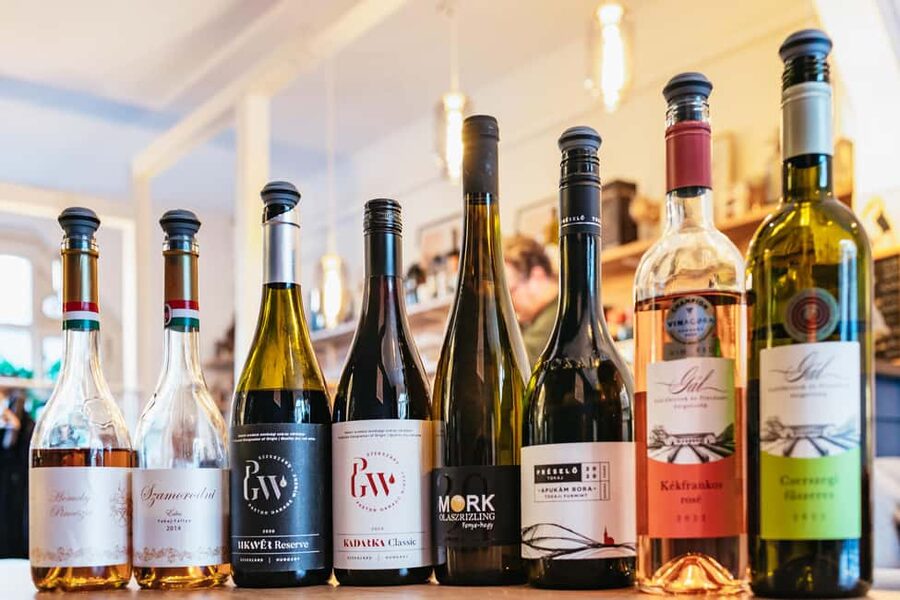
The tasting then moves through other important Hungarian wines, including furmint, kadarka, and Bull’s Blood. Furmint is identified in the experience as Hungary’s best-known grape, while kadarka and Bull’s Blood bring a different side of the country’s wine culture to the table.
The exact order and bottle selection can change, but the idea is to show contrast. You may move from a crisp white to a more textured wine, then into red styles with different levels of body, fruit, and spice. The guide explains the grape, the place it comes from, and the method behind the bottle.
Bull’s Blood, known locally as Egri Bikavér, is especially useful in a tasting because it is a blend rather than a single grape. It gives you a chance to think about how winemakers combine varieties to create a finished style.
Kadarka adds another regional and historical thread. The guide connects the wines to Hungarian producers and wine areas, rather than treating each glass as an isolated sample. That makes the tasting useful even if you do not remember every label afterward.
The provided details describe seven tastings, while the experience title refers to eight wines. Several participants have also described tasting eight. I would treat the selection as seven to eight wines and focus on the range rather than counting down to a specific number. The tasting notes and map are included, so you can write down favorites as you go.
Farm foods that make the wine easier to understand
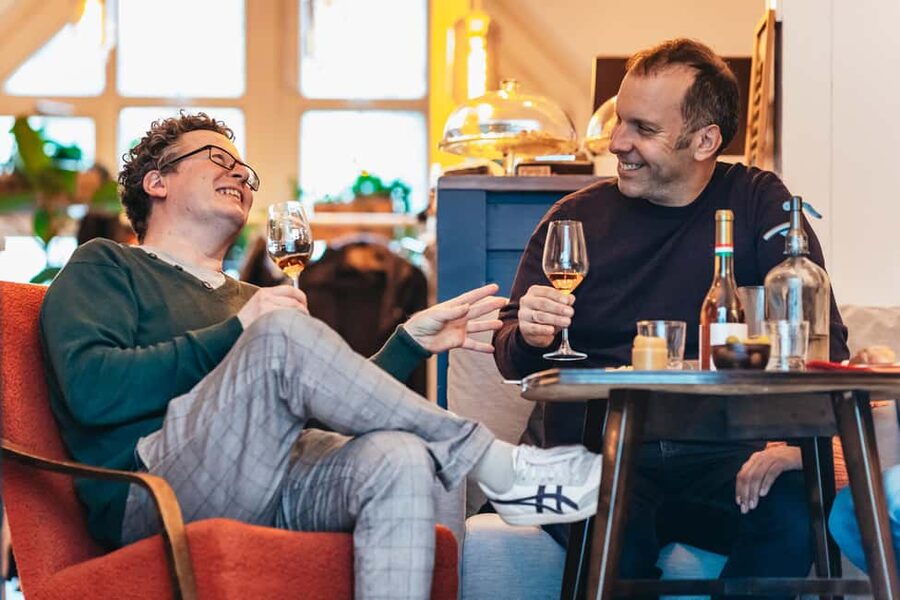
The food is not decorative. You receive small plates built around products from farms outside Budapest, including local cheeses, ham, sausages, tomatoes, and olives.
I like this because the food gives the wine a Hungarian setting. A cheese can soften a wine’s edges. Sausage can make a red taste fuller. Salty ham or olives can change how you notice acidity. These are simple pairings, but they turn the tasting into a meal-like social event rather than a row of glasses.
The food also gives you a practical shopping clue. If you find a smoked cheese or another product you especially enjoy, you may be able to buy some afterward. One group purchased smoked cheese and seasoned lard, along with bottles of wine, to take home.
Do not assume every item will be identical at every session. Farm products can vary, and the supplied description does not promise a fixed menu. The dependable point is the style: local savory foods served in small portions alongside the wines.
A social evening that works for solo visitors
The group atmosphere is part of the appeal. One solo participant was paired with a couple and found the evening easy to enjoy, while another session had only one person attending. The host adjusted the presentation rather than letting the format become awkward.
That makes this a good choice if you are traveling alone and want a structured way to meet people without committing to a large sightseeing group. Couples and small groups also fit naturally into the setting. The combination of wine, food, and conversation does some of the social work for you.
The guide’s personality matters here. Miki is often praised for his energy, humor, and passion for Hungarian wine. The descriptions of Luca and Bianca are also warm and personal. Since the guide can vary, the tone may not be identical from one date to another, but the English-language format remains the same.
If you prefer silent tasting with technical detail and little conversation, this may feel too chatty. If you enjoy stories, questions, and a relaxed table setting, the informal style should suit you.
What the $68 price gets you
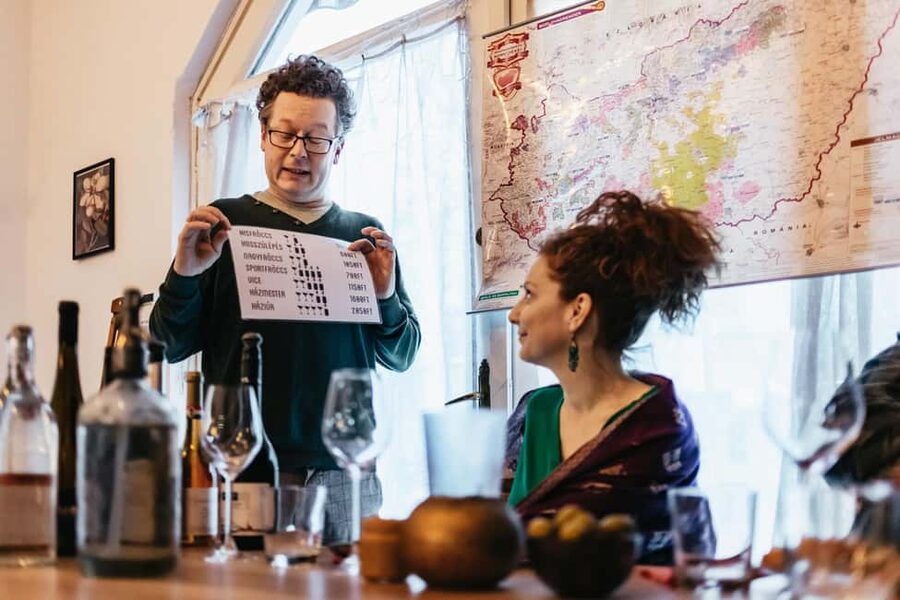
At $68 per person, the price includes the guided tasting, seven listed wine samples, tapas, bottled water, tasting notes, and a map of Hungarian wine regions. That is fair value if you want an introduction to Hungarian wine without organizing transport outside Budapest.
The value is strongest for people who would otherwise spend an evening buying several glasses without knowing what they represent. Here, the guide gives you regional context and explains why the bottles differ. The food also helps make the two hours feel like a complete evening activity.
The value is less clear if your main goal is a vineyard visit. There is no countryside excursion, no hotel transfer, and no stated tour of a cellar or winery. You are paying for guidance, comparison, and access to a selection of Hungarian wines in a central bar.
Budget for any extra bottles or glasses after the tasting. The bar may be a tempting place to continue, especially after you find a favorite. Those purchases are optional and separate from the activity price.
Practical details before you book
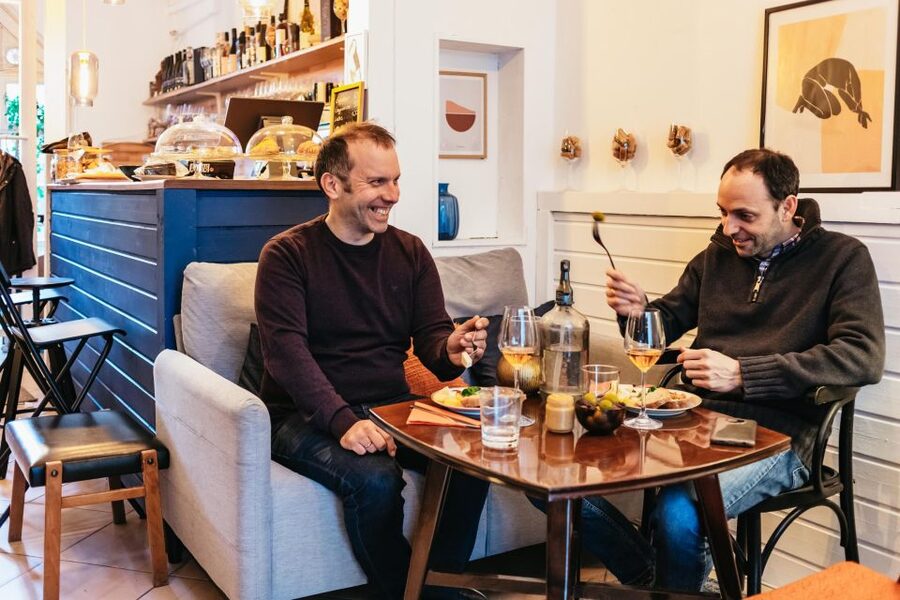
The experience lasts two hours and is conducted in English. Starting times vary, so check the available session when you reserve. You can cancel up to 24 hours in advance for a full refund, and the reserve-now, pay-later option gives you some flexibility when your Budapest plans are still shifting.
The activity is wheelchair accessible. It is for adults only, and it is not suitable for pregnant women or children under 18.
Because alcohol is served, plan your wider evening sensibly. The activity stays at the wine bar, so you do not need to arrange transport between multiple stops. If you want a proper dinner, schedule one separately, since tapas are small plates rather than a full meal.
I would also book this early in a Budapest stay if wine interests you. The information can help you make better choices at other wine bars and restaurants during the rest of your visit. Booking it on your last night still works, but you may wish you had more time to follow up on the bottles and regions you discover.
Who should book this Budapest wine tasting?
Book it if you want to understand Hungarian wine without leaving the city. It suits curious beginners, casual wine drinkers, experienced tasters who want to explore an unfamiliar country, couples, and solo visitors looking for a friendly evening activity.
It is particularly useful before a countryside wine excursion. You will arrive with some sense of the grapes and regions, which makes a later vineyard visit easier to appreciate.
Skip it if you do not drink alcohol, need a full dinner, or want a hands-on winery experience. Also think twice if a lively guide-led format is not your style. This evening depends on explanation, conversation, and tasting several wines in a short period.
Should you book Wine the Gap?
I would book this experience if Hungarian wine is new to you or if you want an easy, central evening with more substance than a standard bar stop. The strongest reasons are the regional map, the unusual grape varieties, the local food, and the guides’ clear enthusiasm for the subject.
The only real cautions are the small food portions, the absence of a vineyard visit, and the unclear seven-versus-eight wine count. At $68, the experience earns its price through the guide and the range of wines rather than through transportation or scenery. If that sounds like the evening you want, Wine the Gap is a smart Budapest booking.
FAQ
Where does the Hungarian wine tasting take place?
It takes place at Wine the Gap wine bar in central Budapest. The wine bar is also the starting and ending location for the two-hour experience.
How many wines are included?
The inclusions list seven wine tastings, while the experience title refers to eight wines. The exact number may vary, so plan on a tasting of approximately seven to eight Hungarian wines.
What food is served with the wine?
The tapas can include olives, ham, sausages, tomatoes, and various cheeses. The products are sourced from farms outside Budapest.
Is the tasting conducted in English?
Yes. The experience has a live English-speaking guide.
Is hotel pickup included?
No. You meet the guide at Wine the Gap and arrange your own transportation to and from the wine bar.
Is the activity suitable for children or pregnant women?
No. The experience is not suitable for children under 18 or pregnant women.
More Wine Tasting Tours in the world
- Florence: Chianti Wineries Tour with Wine Tasting
★ 4.5 · 10,071 reviews - From Split: Krka Waterfalls, Food & Wine Tasting Tour
★ 5.0 · 9,326 reviews - Small-Group Wine Tasting Experience in the Tuscan Countryside
★ 5.0 · 7,392 reviews - From Split: Krka Waterfalls, Food & Wine Tasting Tour
★ 4.9 · 6,598 reviews
Just poured in the world
- From Madrid: Toledo Guided Tour & Winery Visit with Tasting★ 4.8 · 313 reviews
- Madrid Region Wineries Guided Tour with Wine Tastings★ 4.9 · 222 reviews
- Ribera del Duero Wineries Guided Tour & Wine Tasting from Madrid★ 5.0 · 328 reviews
- Santorini Sunset Wine Tour with Santo Winery Views★ 5.0 · 342 reviews
- Bordeaux Full Day Wine Tour – 3 Wineries & Gourmet Picnic Lunch★ 5.0 · 307 reviews
- Saint-Emilion Afternoon Wine Tour – 2 Wineries & delicacies★ 5.0 · 614 reviews
- Private Secret Venice Tour; Rialto Market, San Polo & Food and Wine tasting★ 4.0 · 220 reviews
- A Venetian Evening: Wine Tasting and Cicchetti with a Local Guide★ 5.0 · 146 reviews
Wine Tasting Tours, compared.
Douro Valley w/ Boat Tour, Wine Tasting & Lunch
Read our review →
Complete Douro Valley Wine Tour with Lunch, Wine Tastings and River Cruise
Read our review →
Small-Group Wine Tasting Experience in the Tuscan Countryside
Read our review →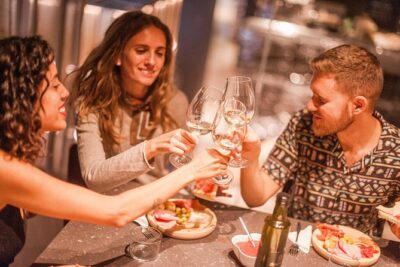
Montserrat & Cogwheel Train, Gourmet Wine Tasting & Tapas/Lunch
Read our review →
Tuscany & Montepulciano Day Trip with Lunch & Wine Tasting
Read our review →Browse the lists this tour appears in