
REVIEW · DRINKS TOURS
Paella Workshop with Bottomless Sangria in Central Madrid
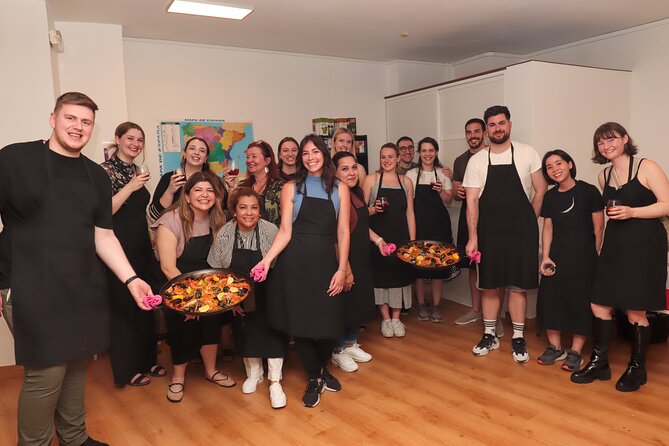
Madrid’s most social cooking class starts with sangria, then moves to a large traditional paella pan shared by the group. You help prepare the meal, hear about the dish’s origins and ingredients, and sit down to eat what you made. Ivan, Dani, Cristal, Miguel, and Lila are among the hosts who have led sessions.
I like the easy way this brings solo visitors, couples, families, and small groups together. I also like the practical finish: you receive recipes and ingredient lists, so the class can continue in your own kitchen. The main drawback is the room itself. Cooking can make it oily and smoky for a while, and you may leave smelling of paella.
Key points to know before booking
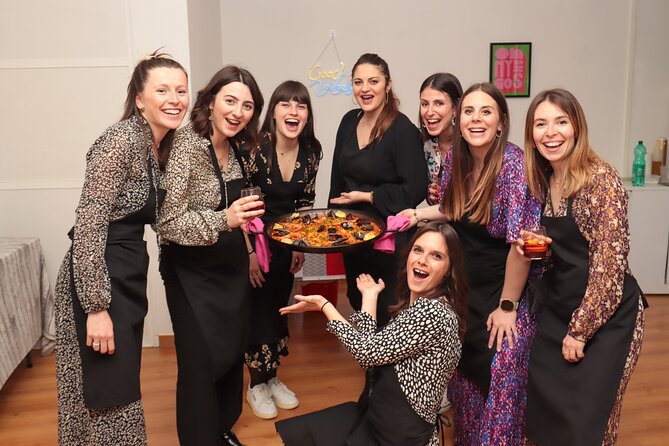
- Shared cooking, not a private kitchen: You help prepare one group paella rather than making an individual pan from start to finish.
- Bottomless sangria is part of the meal: Sangria preparation comes first, and refills continue during the workshop.
- A central Madrid meeting point: Meet at C. de la Montera, 24, close to public transportation in the Centro district.
- A small social group: The maximum is 16 people, enough for conversation without the feel of a huge class.
- Chicken and seafood paella: Vegetarian and allergy-related alternatives are available if you contact the provider in advance.
- Recipes go home with you: The class includes instructions and ingredient lists for recreating both dishes.
What the three-hour Madrid workshop is really like
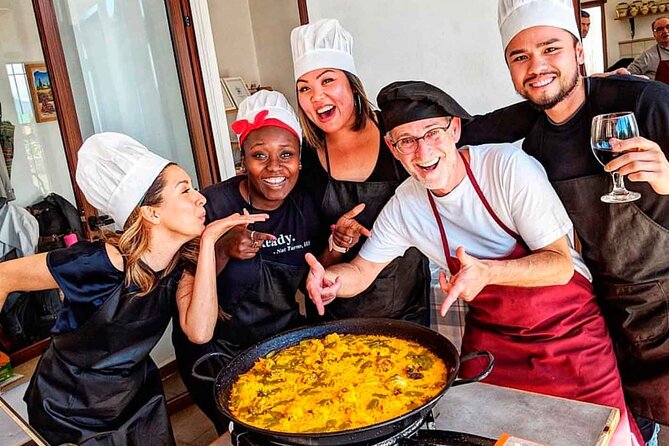
This is best understood as a social cooking workshop with a shared dinner, not a formal culinary school lesson. The chef and assistants guide the group through the main steps, and people take turns chopping, mixing, seasoning, and helping with the pan.
That distinction matters. If you want your own burner, your own ingredients, and a personal paella judged by an instructor, this is not that kind of class. If you want to learn the basic method while meeting people over drinks and dinner, the format makes much more sense.
The setting is in central Madrid, with the activity beginning and ending at C. de la Montera, 24. The location is useful if you are staying in the Centro area or want to fit the workshop into a day of sightseeing. You receive a mobile ticket, and the class is conducted in English.
The full session lasts about three hours. That gives the hosts time to explain the food, involve the whole group, prepare the meal, and let you eat without rushing through the final course.
More Workshops and Classes in Madrid:
- Spanish Cooking Class Paella Tapas and Sangria in Madrid
★ 5.0 · 1,340 reviews - Madrid: Paella and Sangria Workshop in the City Center
★ 4.9 · 1,264 reviews - Rome: Pasta Making Class with Wine, Limoncello, and Dessert
★ 4.9 · 3,177 reviews
Starting with sangria and Spanish conversation
The first practical task is making sangria. You are shown how to balance the drink so it tastes refreshing rather than simply sweet or overly strong. This is a good opening because it gives the group something to do right away, and the drink helps people begin talking.
The class has a clear social side. Solo visitors can easily join conversations, while families and friends have an activity that keeps everyone involved. Several sessions have marked birthdays, family occasions, and other celebrations, with the hosts making an effort to include the whole table.
The phrase bottomless sangria should be read sensibly. It means sangria is included throughout the experience, not that you should treat the class as a drinking contest. You still have to follow a recipe, take part in the cooking, and enjoy a full meal afterward.
Sangria also gives the chef a chance to explain how small changes affect flavor. You learn that balance matters, just as it does in paella. The useful lesson is not only how to copy one recipe, but how to taste and adjust what you make.
Learning the paella method one step at a time
Once the drinks are underway, attention turns to paella. The standard dish includes chicken and seafood, with a vegetarian version available if arranged ahead of time.
The chef explains the basic ingredients and what each contributes to the finished dish. You hear about the origins of paella, the regions connected with it, and the spices and cooking methods that shape its taste. The food lesson is tied to Spanish culture, but it stays practical rather than becoming a long lecture.
The traditional paella pan is central to the class. Because the dish is prepared together, you can see how the ingredients change as they cook and how the final texture develops. The hosts explain the order of preparation and the reasons behind it.
Participation is shared among the group. One person may help with one stage while another takes the next turn. This keeps the work manageable, although it also means you may not personally handle every part of the recipe.
That is the main difference between a demonstration and a private cooking lesson. You still get hands-on tasks and useful instruction, but the final dish is a group effort. For many people, this is a plus because nobody is left alone to manage a complicated pan.
Eating the paella you helped prepare
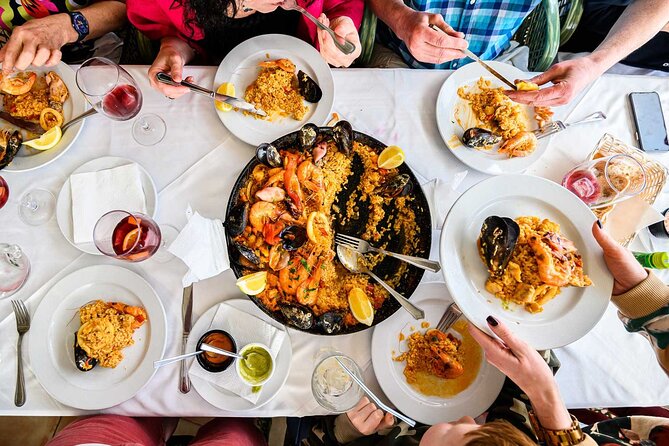
The reward comes at the end, when the group sits down with the paella and sangria. The meal is not an extra restaurant stop. It is the product of the work you have just watched and shared.
That gives the final plate more meaning than an ordinary dinner. You can see how the ingredients came together, compare your expectations with the result, and ask last questions while the process is still fresh.
The strongest part of the experience is the combination of food and company. Hosts such as Ivan and Dani have been praised for keeping everyone involved, while Cristal, Miguel, Lila, Javier, Anabel, and Jonathan have also led sessions with a friendly, interactive approach. The exact host may vary, but the format is built around active guidance and group participation.
Food quality can depend on the particular session. Most comments describe the paella and sangria as excellent, plentiful, and better than expected for a group class. One person found the paella too salty and the shrimp undercooked. That is worth keeping in mind if you are a serious cook with very exact standards.
You also need to expect cooking smells. One participant found the room oily and smoky for roughly 30 minutes and noted that clothing could smell afterward. I would avoid wearing your best dinner outfit.
More Drinks Tours in Madrid:
- Madrid Tapas & Wine Tasting Walking Tour – Small Group Local Bars
★ 5.0 · 3,644 reviews - Toledo Tour & Vineyard Walk with Wine Tasting from Madrid
★ 5.0 · 2,546 reviews - Madrid: Tapas & Wine Tasting Tour with Local Guide
★ 4.8 · 2,171 reviews - Madrid Tapas & Wine Tour with Rooftop Views and Local Guide
★ 5.0 · 2,047 reviews
What makes this useful beyond one meal
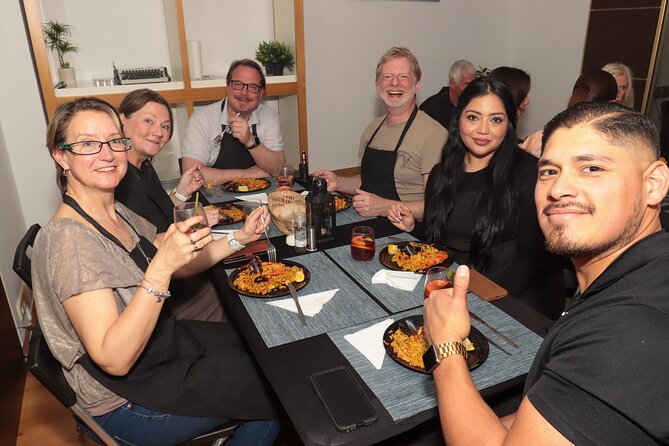
The recipes are an important part of the price. You receive instructions and ingredient lists after the class, giving you a way to prepare the dishes for friends and family at home.
That follow-up turns a one-night activity into a skill you can use again. You may not leave able to reproduce every detail perfectly, but you should understand the sequence, the role of the ingredients, and the general balance needed for sangria.
This is also a good first activity in Madrid if you want local food advice. The hosts have offered suggestions about places to eat and things to do in the city. Since the workshop is in English, you can ask questions without worrying about a language barrier during the lesson.
The historical material adds context without taking over. You learn where paella comes from and why certain ingredients matter, then put that information into practice. For a food-focused visitor, this is more useful than simply eating a plate in a restaurant.
The group size, pace, and social side
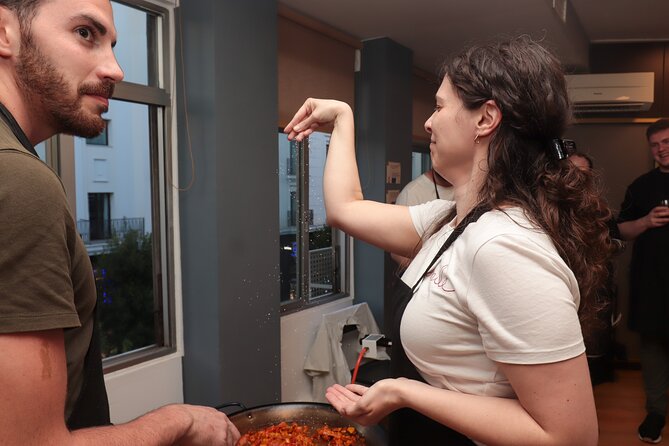
The maximum group size is 16 people. That is large enough to create a lively table but small enough for the hosts to involve people directly.
The social setup suits solo visitors especially well. You have a natural reason to talk to the people beside you, and the shared work removes the awkwardness of making conversation from nothing. It is also a good choice for a family or group of friends that wants an activity rather than another passive meal.
Families with children can fit into the experience, although the class is mainly aimed at adults. Children aged 9 and 5 have been accommodated successfully, with the hosts including them in the activity. You should still contact the provider if your family needs specific arrangements.
The three-hour length is long enough for a proper meal and instruction, but it takes a meaningful part of your day. I would not schedule a major timed attraction immediately afterward. The end time may vary slightly depending on the cooking pace and how much the group interacts.
Dietary needs and what to arrange early
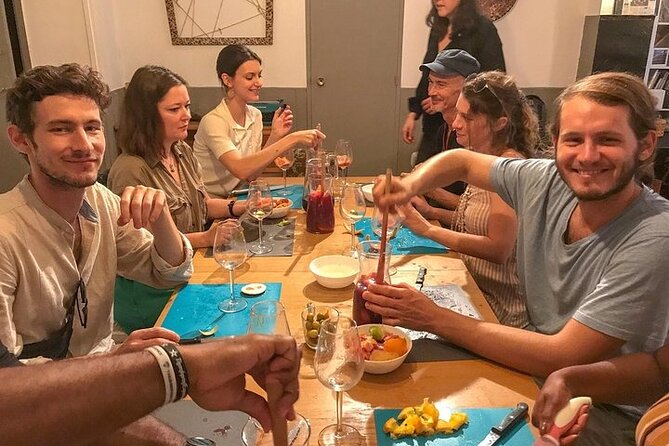
The standard paella contains chicken and seafood. A vegetarian option is available, and allergy-related adjustments can be made, but you need to send a message in advance.
Do not wait until you arrive to mention a serious allergy. The class involves shared preparation, and advance notice gives the kitchen time to plan the ingredients and method.
The available information specifically confirms vegetarian and allergy-only options. If you follow another diet, ask before booking rather than assuming a substitute will be available.
The sangria is part of the included menu. If you do not drink alcohol, ask the provider about your options before booking, since a nonalcoholic version is not specified.
Is $78.60 good value?
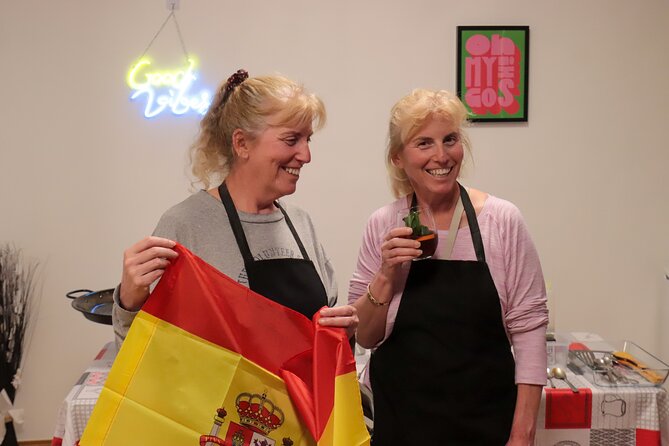
At $78.60 per person, this costs more than buying a casual plate of paella and a drink in Madrid. You are paying for the meal, the cooking instruction, the sangria, the central location, and the social format.
I think the price makes sense if you value participation. You are not simply watching a chef cook. You help prepare the drinks and food, learn the basic method, eat the result, and receive recipes afterward.
The value is weaker if your only goal is to taste top-level paella. A restaurant may offer a more polished dish, and an experienced home cook may not learn much from a group demonstration. One person who already cooks paella felt that online instruction could offer more direct technical detail.
For most visitors, the strongest return comes from the full package: dinner, drinks, conversation, cultural background, and a recipe to use later. The group size also matters. A class capped at 16 feels more personal than a large food show, even though you are still sharing the work.
Practical details for planning your day
The meeting point is C. de la Montera, 24, tienda calle, Centro, 28013 Madrid, Spain. The activity ends back at the same meeting point, so you do not need to arrange a separate ride from the final meal.
The location is near public transportation. Check the address carefully before setting out, especially if you are coming from another part of Madrid. A mobile ticket is accepted.
The experience is offered in English. Confirmation is provided when you book, and the activity usually fills well ahead of time, with bookings made about 27 days in advance on average. If your Madrid dates are fixed, booking early is sensible.
Free cancellation is available up to 24 hours before the start time for a full refund. Changes or cancellations inside that window are not accepted for a refund. The provider can also cancel if the minimum number of participants is not met or if poor weather affects the activity, in which case you are offered another date, another experience, or a full refund.
The stated weather requirement is unusual for an indoor-sounding cooking activity, so check the status of the class if conditions are poor.
Who should book this paella class?
I would recommend it to solo visitors who want an easy way to meet people, couples looking for a relaxed food activity, and families who prefer making dinner to simply ordering it.
It also works well at the start of a Madrid visit. The hosts can share food suggestions, and the class gives you a useful introduction to Spanish flavors before you spend the rest of your trip eating out.
Book it if you enjoy group activities and do not mind sharing cooking duties. You should be comfortable with a little smoke, food preparation in a communal space, and a meal that may vary slightly from one session to another.
You may want a different experience if you are a trained cook seeking advanced technique, if you need a highly controlled allergy kitchen, or if you expect to make an individual paella from beginning to end. The class teaches a practical group method, not restaurant-level precision.
Should you book the Madrid paella workshop?
Yes, if your idea of a good afternoon includes sangria, a shared pan, a bit of Spanish food history, and conversation with people from different places. The class is warm, active, and easy to join, with recipes that give the experience value after you return home.
I would book it early, notify the provider about dietary needs, and wear clothes you do not mind smelling faintly of cooking. Go for the social meal and the useful introduction to paella, not for a private chef lesson or a perfectly controlled kitchen.
FAQ
Where does the paella workshop meet?
The meeting point is C. de la Montera, 24, tienda calle, Centro, 28013 Madrid, Spain. The activity ends at the same location.
How long does the experience last?
The workshop lasts approximately three hours.
Is the workshop offered in English?
Yes. The experience is offered in English.
What food is included?
The standard main dish is paella made with chicken and seafood. A vegetarian option is available, and allergy-related options can be arranged if you contact the provider in advance.
Is sangria included?
Yes. Sangria preparation and sangria during the workshop are included in the experience.
How many people can join the class?
The maximum group size is 16 participants.
Can I cancel for a full refund?
Yes, if you cancel at least 24 hours before the experience start time. Cancellations or changes made less than 24 hours in advance are not accepted for a refund.
Just poured in Madrid
- From Madrid: Toledo Guided Tour & Winery Visit with Tasting★ 4.8 · 313 reviews
- Madrid Region Wineries Guided Tour with Wine Tastings★ 4.9 · 222 reviews
- Ribera del Duero Wineries Guided Tour & Wine Tasting from Madrid★ 5.0 · 328 reviews
- Madrid: Guided Tapas and Wine Tour with Rooftop Views★ 4.8 · 608 reviews
- Madrid Countryside Wineries Guided Tour with Wine Tasting★ 5.0 · 740 reviews
- Madrid: Food & Wine Tour with 10 Tapas & 4 Drinks Included★ 4.9 · 984 reviews
- Madrid Ultimate Spanish Cuisine Food Tour★ 5.0 · 1,010 reviews
- Madrid: Paella and Sangria Workshop in the City Center★ 4.9 · 1,264 reviews
Drinks Tours, compared.
Douro Valley w/ Boat Tour, Wine Tasting & Lunch
Read our review →
Chichen Itza, Cenote & Valladolid Tour with Tequila and Lunch
Read our review →
Complete Douro Valley Wine Tour with Lunch, Wine Tastings and River Cruise
Read our review →
Zakopane: Cable Car, Chocholow Baths, Cheese & Vodka
Read our review →

Zakopane: Cable Car, Chocholow Baths, Cheese & Vodka
Read our review →
Small-Group Wine Tasting Experience in the Tuscan Countryside
Read our review →Browse the lists this tour appears in