
REVIEW · WINE TASTING TOURS
Beaune: Wine Tasting at Château de Pommard
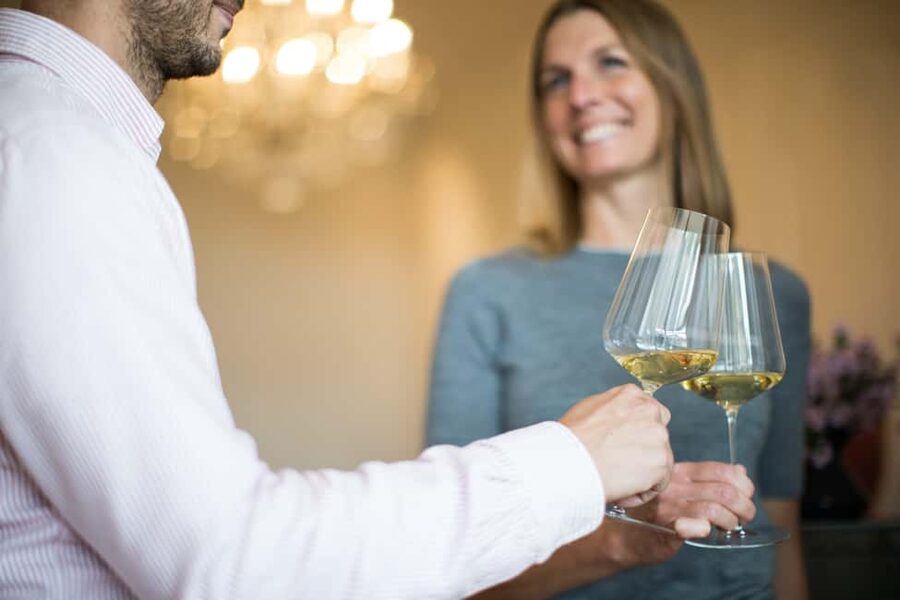
Château de Pommard gives you a compact introduction to Burgundy through four wines, a look at the Clos Marey-Monge vineyard, and a lesson in how soil, climate, and vineyard classification shape what you taste. For $35, this is a focused way to get your bearings in one of France’s great wine regions.
I like the small groups of up to eight, which allow time for questions, and I like the free access to the French Gardens. Guides such as Alex, Pierre, and Manon have been praised for explaining the wines clearly and warmly. The main drawback is important: the cellars and winery cannot be visited during the current renovation.
Key points to know before booking
- Four Burgundy wines in one hour: Taste selections from Château de Pommard and Famille Carabello-Baum.
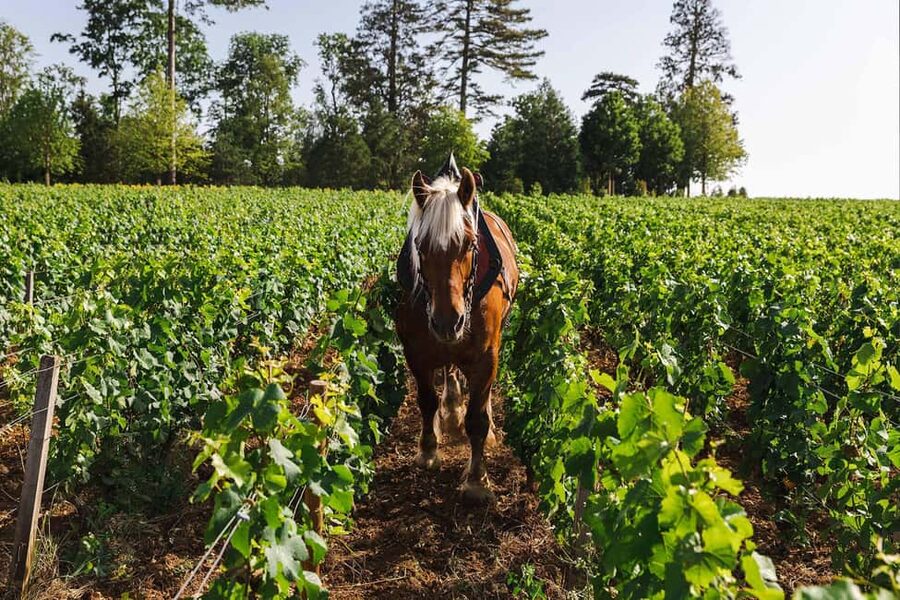
- Clos Marey-Monge explained: Learn how soil and other natural factors affect flavor, style, and ageability.
- Cellar access is suspended: Renovation means this is a tasting and vineyard lesson, not a full winery tour.
- Small groups matter: The experience is limited to eight people and offered in English or French.
- French Gardens included: Allow a little extra time to see the grounds after the tasting.
- Wear practical shoes: High heels are discouraged, and the activity is not suitable for wheelchair users.
What this one-hour Burgundy experience is really about
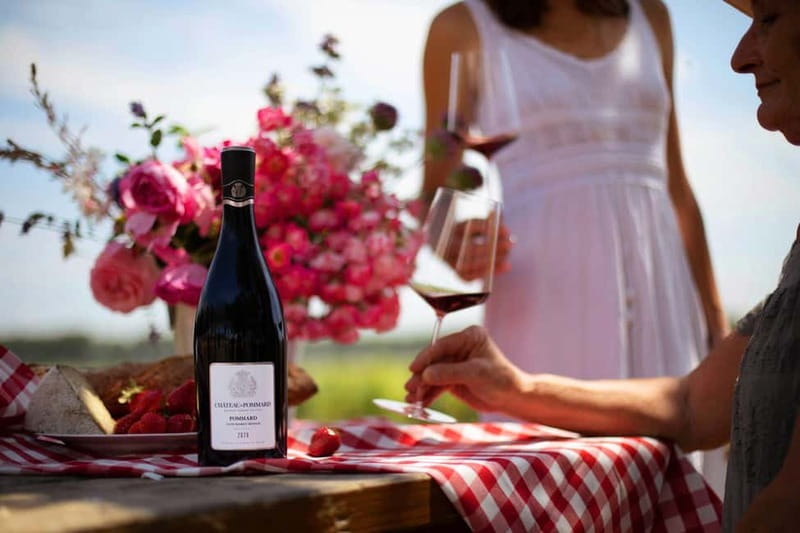
This is not a grand tour of every corner of a working winery. It is a short, structured introduction to Burgundy wine, built around four pours and a lesson in the ideas that make Burgundy different from many other wine regions.
The focus is the Clos Marey-Monge vineyard, the estate’s own vineyard area. You learn how Burgundy divides its wines into classifications, how the region’s five subregions differ, and how natural conditions influence taste, style, and the ability of a wine to age. That makes the tasting useful even if you know very little about French wine.
I would treat the visit as a tasting class in a historic château setting, with the gardens and vineyard adding context. If your main goal is to walk through underground cellars, watch winemaking in progress, or see production equipment, this is not the right time to book. The renovation project has temporarily closed those areas.
More Wine Tasting Tours in France
- Bordeaux: Cité du Vin Entry Ticket and Wine Tasting
★ 4.6 · 3,885 reviews - Montmartre Hill French Gourmet Food and Wine Tasting Walking Tour
★ 5.0 · 2,588 reviews - From Paris: Loire Valley Castles Day Trip With Wine Tasting
★ 4.6 · 1,727 reviews
Arriving at the château and getting oriented
The meeting point can vary according to the option you book, so check your confirmation carefully before setting out. The property is in Pommard, in Burgundy’s Bourgogne-Franche-Comté region, and one useful detail from the visit is that parking has been described as easy.
The first impression is likely to come from the château, vineyard setting, and gardens rather than from an elaborate tour route. You are not simply sitting down to sample anonymous bottles. The setting gives you a visual connection to the place where at least some of the wine story begins.
Wear comfortable shoes. High heels are specifically discouraged, a sensible warning for anyone walking through vineyard or garden areas. The activity is not suitable for wheelchair users, so you should take that limitation seriously when planning your day.
Four wines from two Burgundy names
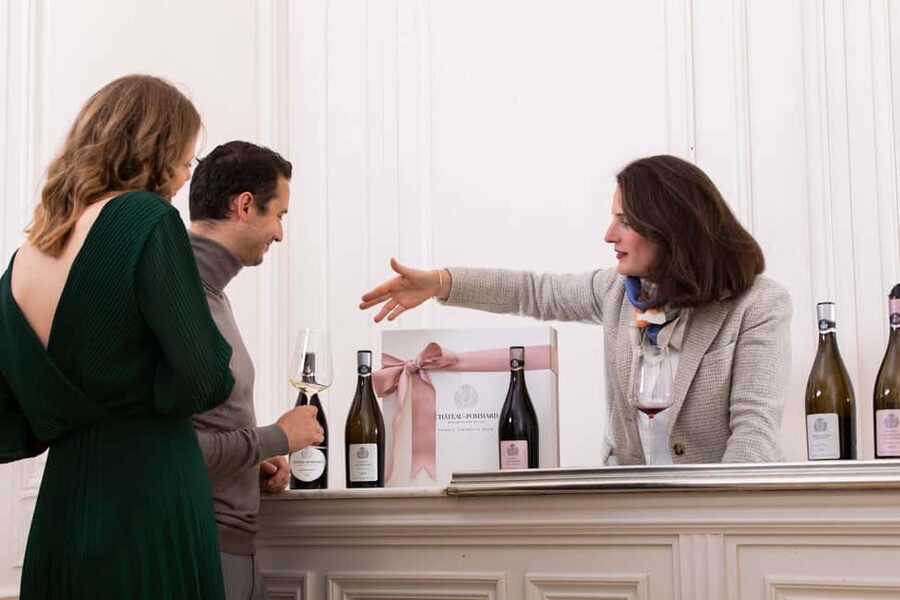
The tasting includes four wines from Château de Pommard and Famille Carabello-Baum. The exact wines can vary, so you should think of the lineup as a guided sample rather than a fixed flight that is guaranteed on every date.
Four wines is a good number for a one-hour appointment. Two or three pours can leave you with too little material for comparison, while a much longer flight can turn a lesson into a blur. Here, each glass gives the guide a chance to connect a wine to vineyard origin, classification, production style, and the conditions that affect the finished bottle.
You will not just be asked if you like a particular wine. The purpose is to notice how wines can differ and why. The guide may use the tasting to explain how the same broad region contains distinct sites and soil types, and why those differences matter in Burgundy.
Several guides have made a strong impression on visitors. Alex has been praised for being friendly and clear, while Pierre has been described as patient and willing to spend extra time answering questions. Manon has also led the tasting with a clear introduction to the château’s wines. Guide assignments can change, but the names are useful to know if you want to recognize the people who have led recent sessions.
Understanding Burgundy without getting lost in the jargon
Burgundy wine can seem confusing because the label often places more emphasis on the vineyard or village than on a familiar grape variety. This tasting helps put that system into plain language.
You are introduced to Burgundy’s history, its five subregions, and its classification system. The point is not to memorize every term in an hour. It is to understand why a bottle from one site can command a different price and offer a different drinking experience from another bottle produced nearby.
The classification lesson is especially valuable if you plan to buy wine during your time in Burgundy. Without some context, the words on a label can feel like a code. A clear explanation of the hierarchy helps you read those labels with more confidence and compare bottles on something more useful than price alone.
The session also covers the natural factors that affect taste, style, and ageability. That includes the character of the vineyard site and the soils associated with the Clos Marey-Monge. One earlier visit found the different soils particularly interesting, but also noted that the detail can depend on how much time the guide spends outside and how fully the topic is explained.
That is a fair point. If you want a highly technical soil lesson, ask questions early. In a small group, you have a better chance of getting the level of detail you want than you would in a large tasting room.
Same town, a different bottle:
- Bordeaux: River Garonne Cruise with Glass of Wine and Canelé
★ 4.5 · 3,630 reviews - From Bordeaux: Afternoon Saint-Emilion Wine Tasting & snack
★ 4.8 · 1,581 reviews - From Paris: Day Trip to Champagne with 8 Tastings & Lunch
★ 4.8 · 1,501 reviews - Medoc or Saint Emilion Wine Tasting and Chateau from Bordeaux
★ 5.0 · 1,415 reviews
The Clos Marey-Monge vineyard and terroir lesson
The vineyard is the heart of the visit. Clos Marey-Monge is not presented merely as a scenic backdrop. It is used to explain terroir, the French idea that a wine reflects its place, including soil, exposure, climate, and human choices.
You should expect to learn how these natural factors influence the wine’s flavor and structure. The tasting makes more sense when you connect the wine in your glass to the ground outside the château. Burgundy’s appeal comes partly from these fine differences between sites, and the vineyard visit gives the lesson a physical setting.
The amount of outdoor time may not be extensive. One account of the visit found that only the vineyard was seen and wished for more access to the cellar or winemaking area. Another praised the well-maintained vines and the scenery. Taken together, that gives you a useful picture: the vineyard setting is a real part of the visit, but this is not necessarily a long walking tour among the vines.
The estate’s French Gardens are included at no extra charge. I would plan to see them even if your main interest is wine. They give you a pleasant change of pace after the tasting and make the $35 fee feel more complete, especially if you arrive early or have a little time afterward.
What the renovation changes
The château is working on a major restoration and expansion project intended to prepare the estate for its next three centuries. During this work, the cellars cannot be visited, and the winery is also not included.
This is the single most important booking consideration. Many people picture a Burgundy wine visit as a walk through cool stone cellars, followed by a tasting among barrels and bottles. You will not get that version of the experience at present.
Instead, the visit centers on the tasting, the vineyard story, the classification lesson, and the gardens. That can still be worthwhile, particularly if you are new to Burgundy and want a clear introduction rather than a long technical tour. But if cellar architecture or production methods are your top priorities, save this stop for a later date or choose an experience that confirms cellar access.
The staff have made an effort to keep the visit educational during the renovation. That is a sensible adjustment, but it does not erase the missing spaces. The price is fair for the tasting and instruction, yet you should not pay expecting a full behind-the-scenes winery tour.
Is $35 a fair price?
At $35 per person, this sits in a reasonable range for a one-hour château tasting that includes four wines, a guided lesson, vineyard context, and access to the French Gardens.
The value is strongest for someone who wants orientation. You are paying not only for four samples, but also for an explanation of Burgundy’s five subregions, vineyard classifications, and the effect of natural conditions on wine. Those ideas can make the rest of your Burgundy visits more rewarding.
The value is weaker if you mainly want quantity, a long tasting, or a production tour. Four wines in one hour is enough for comparison, but it is not an afternoon of tasting. The closed cellars also remove one of the elements that often justifies a château visit.
I would call it good value for a first Burgundy wine stop, especially for couples or small groups who want a concise lesson. Wine buyers may find the classification and terroir discussion particularly useful. Experienced Burgundy collectors may prefer a more specialized appointment with greater cellar access, if available elsewhere.
The difference a small group makes
The group limit is eight people. That is a meaningful advantage here because wine questions vary widely. One person may want to understand classifications, another may care about soil, and someone else may simply want help deciding which wine they prefer.
A small group also gives you a better chance to ask about serving style, aging, and differences between the bottles. The tasting is not private by default, but it can feel close to private during quieter periods. A September visit was described as almost private because the château was not busy, with the guide able to spend plenty of time on questions.
That quieter feeling cannot be guaranteed. Still, the group size gives the guide room to respond rather than deliver a speech and move on. If your party has particular interests, bring questions. This is the kind of appointment where a simple question about soil or classification can improve the whole hour.
The experience is offered in English and French. If you book in English, guides including Alex, Pierre, and Manon have led sessions in that language, but the assigned guide is not guaranteed.
What the visit does well
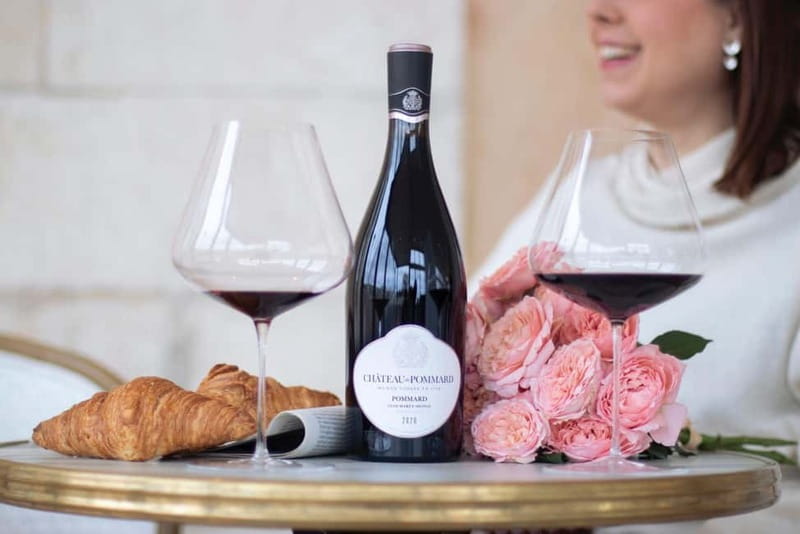
The strongest part of this activity is the combination of clear structure and personal attention. You taste four wines, learn the basic Burgundy framework, and connect those ideas to one vineyard. That is enough information to be useful without turning a short visit into a lecture.
The guides are another major strength. Alex has been described as both friendly and informative, Pierre as generous with his time, and Manon as a strong introduction to the château’s wines. Those qualities matter because Burgundy can feel complicated if the explanation is rushed or overly technical.
The setting also helps. The château, vineyard, and French Gardens give the tasting a sense of place. You can see the vines and enjoy the grounds instead of treating the hour as a standard indoor wine bar appointment.
The activity has also been described as an especially good first Burgundy experience. I agree with that positioning. It gives you enough background to understand later tastings, restaurant wine lists, and bottle labels without asking you to become an expert in one morning.
The limits you should keep in mind
The renovation is not a minor footnote. You cannot visit the cellars or winery at present, and some people will feel that the experience needs those spaces to feel complete.
The outdoor explanation can also vary. One earlier visit found the soil types interesting but wished for more detail and more time outside discussing the grapes and ground. That suggests you should not assume the vineyard portion will be a long, hands-on walk.
The one-hour length is both a strength and a limit. It fits easily into a day of sightseeing, but there is little room for delays or a slow-paced tour. One visit began late but ran about 45 minutes beyond the scheduled hour, which helped make up for the wait. That is a pleasant outcome, but you should still avoid booking another activity immediately afterward.
The activity is not suitable for wheelchair users. High heels are also a poor choice. If mobility access is a concern, contact the provider before booking rather than assuming the château grounds will work for you.
Who should book this tasting?
I would recommend it to first-time Burgundy visitors, casual wine drinkers, couples, and anyone who wants a short but useful introduction to local wine. It also suits people who enjoy asking questions and comparing four wines rather than simply drinking them.
The visit works well as part of a day in and around Beaune. You can pair it with other sightseeing, then return to the gardens or nearby vineyards without spending half a day in a single appointment.
It is less suitable for anyone seeking a cellar tour, a detailed winemaking demonstration, or guaranteed technical discussion of every soil type. It is also not the best choice if you need wheelchair access.
Book ahead if you want a particular time, but the free cancellation policy allows cancellation up to 24 hours before the activity for a full refund. You can also reserve now and pay later, which helps if your Burgundy plans are still shifting.
Should you book Château de Pommard?
Book this tasting if you want four wines, a clear Burgundy primer, and a pleasant château setting for $35. The small group, English and French instruction, French Gardens, and strong guides such as Alex, Pierre, and Manon add real value.
Skip it for now if seeing the cellars and winery is essential. The renovation makes this a focused tasting and vineyard lesson, not a complete estate tour. For most first-time visitors, though, the combination is a sensible and enjoyable introduction to Burgundy wine.
FAQ
How long does the Château de Pommard wine tasting last?
The tasting lasts one hour. Starting times vary, so check availability when choosing your date.
How many wines are included?
You taste four wines from Château de Pommard and Famille Carabello-Baum.
What will the guide explain?
The session covers Burgundy’s history, its five subregions, vineyard classifications, and the natural factors that affect the taste, style, and ageability of wines from the Clos Marey-Monge vineyard.
Can I visit the cellars and winery?
No. The cellars and winery cannot currently be visited because of the château’s renovation and expansion project.
Is the French Garden included?
Yes. Free access to the French Gardens is included with the wine tasting.
What languages are available?
The activity is offered in English and French.
Is the tasting suitable for wheelchair users?
No. The activity is not suitable for wheelchair users. High-heeled shoes are also discouraged because of the vineyard and garden setting.
Just poured in France
- Pinot Noir Masterclass – Wine tasting in Dijon★ 5.0 · 147 reviews
- Chardonnay Masterclass – Wine tasting in Dijon★ 5.0 · 91 reviews
- Small-Group Full-Day Tour of Côte de Nuits, Côte de Beaune Vineyards and Beaune Historical District★ 5.0 · 364 reviews
- Small group Burgundy tour of Beaune with Wine Tasting from Dijon★ 4.5 · 85 reviews
- Half Day Tour of the Cote de Nuits Vineyards from Dijon★ 5.0 · 108 reviews
- The Emblematic: visit of villages, Haut-Koenigsbourg, Wine tasting★ 5.0 · 81 reviews
- Au Cœur du Château – VSOP D’USSÉ & XO BARON OTARD★ 4.5 · 108 reviews
- Alsace Full Day Wine Tour from Colmar★ 5.0 · 104 reviews
Wine Tasting Tours, compared.
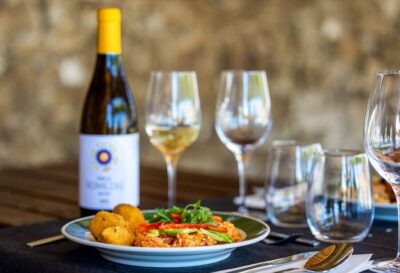
Douro Valley w/ Boat Tour, Wine Tasting & Lunch
Read our review →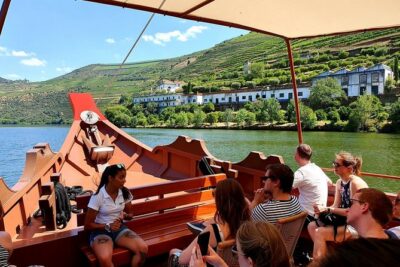
Complete Douro Valley Wine Tour with Lunch, Wine Tastings and River Cruise
Read our review →
Small-Group Wine Tasting Experience in the Tuscan Countryside
Read our review →
Montserrat & Cogwheel Train, Gourmet Wine Tasting & Tapas/Lunch
Read our review →
Tuscany & Montepulciano Day Trip with Lunch & Wine Tasting
Read our review →Browse the lists this tour appears in