
REVIEW · DRINKS TOURS
Alsace: Full-Day Wine Tour & Tastings from Strasbourg
Alsace makes a strong case for a full day beyond Strasbourg. This small-group trip carries you through Mittelbergheim, Dambach-la-Ville, Ribeauvillé, and Riquewihr, pairing village walks with tastings at three local wineries. You get Riesling country, pretty old streets, and the chance to meet winemakers rather than simply sip at a city bar.
I like the maximum eight-person group, which keeps the van friendly and lets the guide adjust explanations to your interests. I also like the range of wine: Pinot Blanc, Sylvaner, and Riesling early in the day, followed by Pinot Gris, Muscat, and Gewürztraminer in the Ribeauvillé and Riquewihr area. Guides including Laurence, Jerome, Pauline, and Florence have been praised for their wine knowledge and personal stories about Alsace.
The main drawback is value. At $253 per person, this is not a cheap sightseeing ride, and only three winery visits are included. Lunch is extra, tastings usually come without snacks, and a busy day can leave you wishing for more time in the villages.
Key points to know before booking
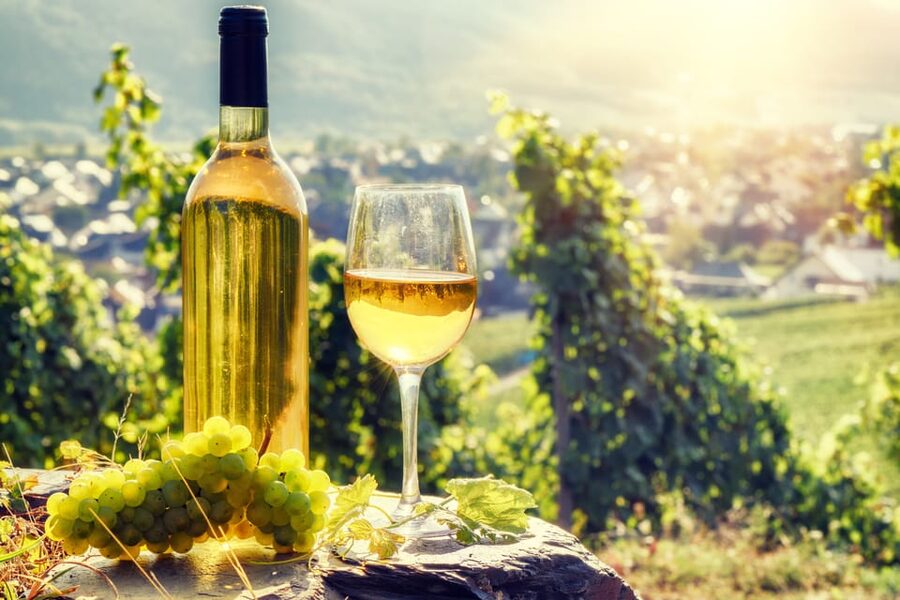
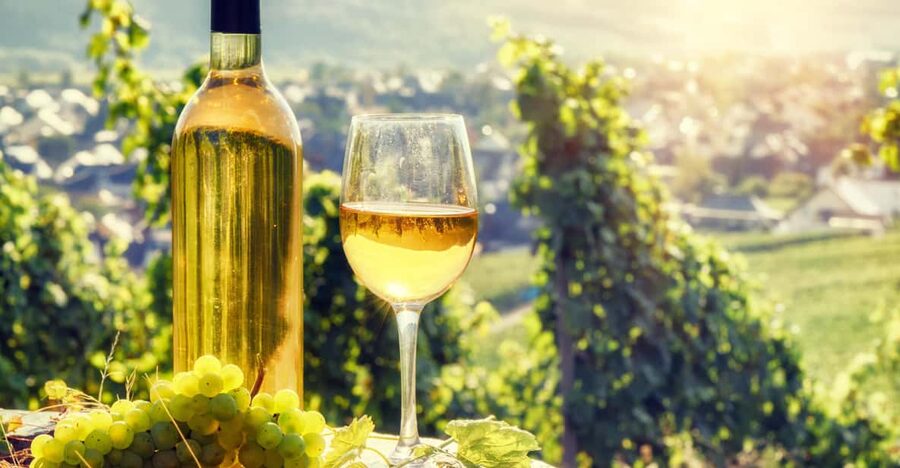
- Three distinct wine areas: Taste wines around Mittelbergheim, Dambach-la-Ville, and Ribeauvillé or Riquewihr, rather than staying at one cellar all day.
- Grand Cru country: The route includes areas associated with Zotzenberg, Kastelberg, Wiebelsberg, Frankstein, Geisberg, Kirchberg, Osterberg, Schoenenbourg, and Sporen.
- Small van, small group: The tour is limited to eight participants and includes an English-speaking driver-guide.
- Village time is built in: You get about an hour for lunch, a walk, and some independent exploring in a traditional Alsatian town.
- Expect many pours: Depending on the wineries and the day, tastings can total roughly 12 to 20 or more wines.
- Plan for an adults-only day: You must be at least 18 to join and drink, and the tour is not suitable for wheelchair users.
Why this Alsace wine day works
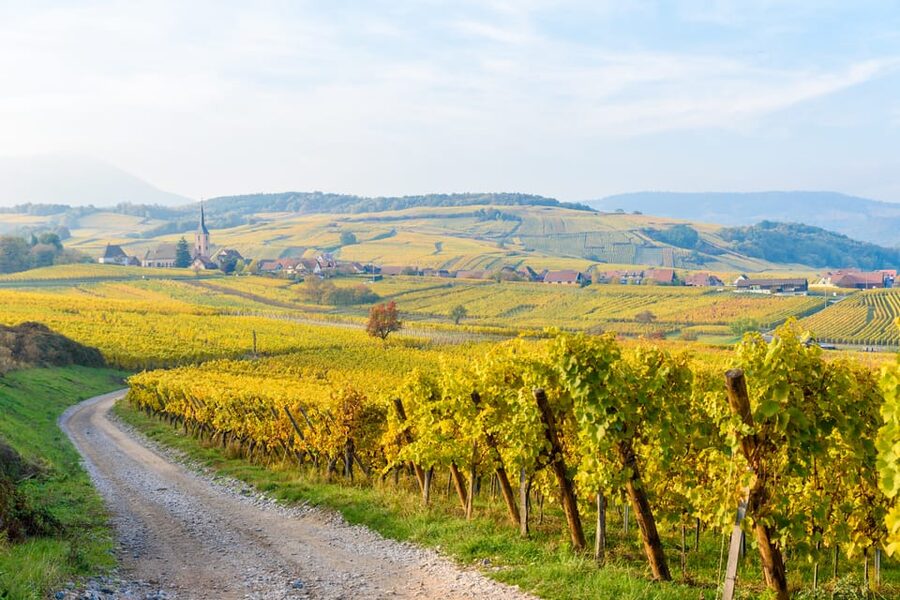
The appeal is the combination. A standard wine tasting can teach you about grapes, but it may not show you much of the region that produces them. A village tour can give you pretty streets, but little sense of what makes Alsace wine different. This outing links the two.
You leave from 17 Place de la Cathédrale in Strasbourg and spend around eight hours outside the city. The driving is broken into manageable stretches, with a one-hour ride at the start, shorter transfers between the first stops, and a longer return drive after the afternoon tasting.
That structure matters. You are not trapped in a van for hours just to reach one famous estate. Instead, the day moves through several wine districts, with each tasting giving you another point of comparison. You can notice how the wines change while your guide explains the villages, vineyards, and Grand Cru designations along the way.
The tour is operated in English only. Guides have included Jerome, Laurence, Pauline, Florence, Maxime, Laurent, and others, and the strongest part of the experience depends on who leads your departure. The guide serves as driver, translator, regional interpreter, and wine teacher, so a good one makes a major difference.
More Full-Day Trips in France:
- From Paris: Reims and Champagne Tasting Full-Day Tour
★ 4.8 · 610 reviews - Small-Group Full-Day Tour of Côte de Nuits, Côte de Beaune Vineyards and Beaune Historical District
★ 5.0 · 364 reviews - Bordeaux Full Day Wine Tour – 3 Wineries & Gourmet Picnic Lunch
★ 5.0 · 307 reviews
Mittelbergheim and the first taste of Riesling country
After about an hour in the van, the morning begins around Mittelbergheim. This is one of the most useful places to start because the area is home to the Zotzenberg, Kastelberg, and Wiebelsberg Grand Crus.
The soil here is especially favorable to Riesling. You are not simply tasting a grape in isolation. You are hearing why a particular part of Alsace has a reputation for producing it well, then tasting examples in a local setting.
The first session lasts about an hour and usually includes Pinot Blanc, Sylvaner, and Riesling. That trio gives you a quick introduction to Alsace beyond the better-known aromatic whites. Pinot Blanc is often a gentle starting point, Sylvaner can be fresh and direct, and Riesling gives the guide an opportunity to explain the area’s signature grape.
The setting is a typical local winery rather than a large attraction built only for sightseeing. That can mean a less polished presentation, but it also gives the visit a more personal feel. Depending on the day, you might meet the owners or winemakers, hear about production methods, and have the chance to buy bottles directly from the source.
If you plan to purchase wine, bring a practical mindset. The opportunity is useful because direct winery prices can be lower than restaurant or shop prices, but you still have to carry your bottles for the rest of the day and get them home safely.
Dambach-la-Ville and the Frankstein area
A short 15-minute transfer takes you toward Dambach-la-Ville, in the middle of Alsace’s wine country. The village is associated with the Grand Cru Frankstein and adds another angle to the morning.
The second tasting lasts about 45 minutes. That may sound brief, but several pours can fit into the session. The number of wines varies by producer, and tasting amounts are not fixed, but past days have included a large selection across the three wineries.
This stop is valuable because the day does not treat Alsace as one single wine style. You move between producers and areas, and the guide can point out differences in grape varieties, sweetness, acidity, and winemaking choices.
Do not expect a full meal here. French wine tastings commonly come without snacks so food does not interfere with the taste of the wine. Have a solid breakfast, and plan to eat lunch during the village stop. Alcohol without food is a poor travel strategy, especially when the day may include a dozen or more wines.
The lack of snacks is a small but important practical detail. If you need food at regular intervals, carry something allowed by the tour arrangements or eat well before departure. The supplied information specifically recommends having breakfast or lunch beforehand.
A traditional village stop and the lunch decision
After the second tasting, the group has about an hour in a traditional village. Depending on the day’s route, that time may be spent in Ribeauvillé or Riquewihr, both of which are major highlights of the outing.
This is your chance to stop thinking about tasting notes and simply walk. Alsace villages are known for old streets and attractive traditional buildings, and both towns provide a strong visual change from the vineyards and winery rooms.
An hour is enough for a short walk and lunch, but it is not generous. One practical complaint about the schedule is that lunch can feel rushed. If you want a long restaurant meal, browsing time, and a proper village visit, you may have to choose two out of three.
Your guide can recommend a restaurant. One group was directed to Au Passage de la Tour in Ribeauvillé, an Alsatian-themed restaurant that suited the day. That is useful, but restaurant arrangements are not included, so you pay for your own meal and should not assume a reservation is guaranteed.
Riquewihr is particularly attractive for a quick wander, while Ribeauvillé can work well as a lunch base. The exact balance depends on the day, the chosen wineries, and the guide’s timing. I would use the free hour for a brisk walk first, then lunch, rather than sitting down immediately and losing the chance to see the village.
More Drinks Tours in France:
- Bordeaux: Cité du Vin Entry Ticket and Wine Tasting
★ 4.6 · 3,885 reviews - Bordeaux: River Garonne Cruise with Glass of Wine and Canelé
★ 4.5 · 3,630 reviews - Montmartre Hill French Gourmet Food and Wine Tasting Walking Tour
★ 5.0 · 2,588 reviews - From Paris: Loire Valley Castles Day Trip With Wine Tasting
★ 4.6 · 1,727 reviews
Afternoon tastings around Ribeauvillé and Riquewihr
The afternoon moves into the Ribeauvillé and Riquewihr wine area. This district contains five Grand Cru appellations: Geisberg, Kirchberg, Osterberg, Schoenenbourg, and Sporen.
Riesling is the leading grape here, but it is not the only reason to pay attention. Pinot Gris, Muscat, and Gewürztraminer are also important regional wines, and the afternoon tastings give you a broader look at Alsace’s white wine range.
Two afternoon tasting sessions are included. One lasts about 45 minutes, while the exact shape of the other may depend on the winery and the day. The producers are selected by the operator, so you are not choosing a specific famous estate. That is a drawback if you have one particular cellar in mind, but it lets the guide create a varied day.
The region includes long-established wine families such as Trimbach, making wine since 1626, and Hugel, founded in 1639. You may not visit those exact producers, and the tour does not promise it, but their names help explain the depth of the area’s wine culture.
The best afternoon visits are the personal ones. A guide may introduce you to a maker, explain how the wine is produced, or help with translation if the winery presentation moves quickly. Guides such as Jerome and Laurence have been singled out for strong regional and wine explanations, while Pauline, Florence, Maxime, and Laurent have also led days praised for warmth, organization, and local insight.
You may taste a dozen wines, 15 or 16, or even more across the day. That is a lot of information. I recommend keeping mental notes about the styles you like, especially if you plan to buy. A favorite might be a dry Riesling, an aromatic Gewürztraminer, or a softer Pinot Gris, but the point is to compare rather than chase a particular number of pours.
The van, the group size, and the view
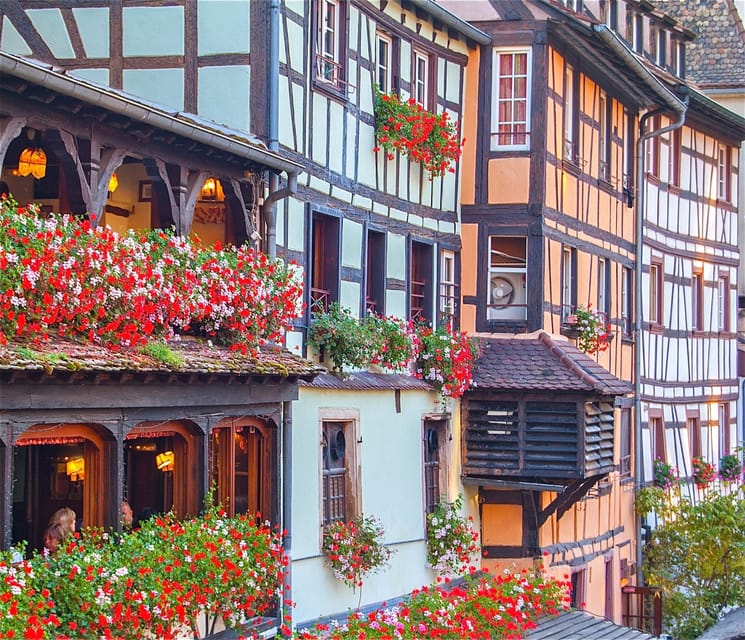
Transport is by a comfortable, fully equipped minivan. With a maximum of eight participants, the group is small enough for conversation and questions without the feel of a large coach tour.
The small size is one of the strongest reasons to choose this outing. It makes winery visits more manageable, and the guide can learn what you enjoy. It also helps when the group needs to keep moving between several stops.
There is one transport compromise. A past participant found that some seats had a poorer view through the windows, especially in the middle of the van or on the wrong side. If seeing the countryside from the road matters to you, ask about seating at the start, but do not expect everyone to have the same view.
The route includes back roads on some days, which can make the drive more enjoyable than a simple highway transfer. You will see villages and vineyard scenery between tastings, though the tour is not designed as a dedicated photography trip. The guide’s commentary is part of the experience, so listen during the drives rather than treating them as dead time.
The transport receives a 94 percent perfect score from participants, and that fits the tour’s design: a small vehicle, direct pickup at the Strasbourg meeting point, and a driver-guide who handles the route.
What the $253 price buys you
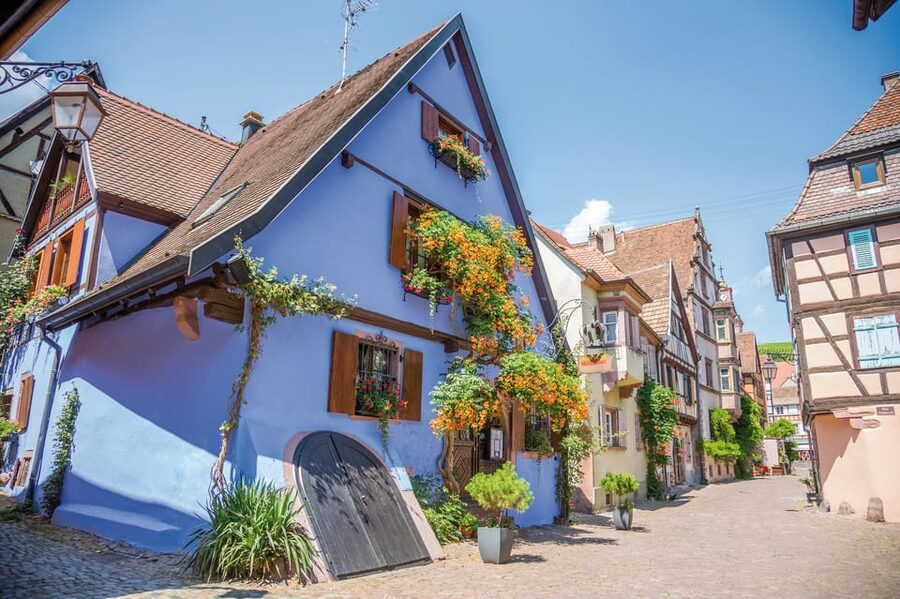
At $253 per person, the price is high for a day that does not include lunch or entrance fees. It becomes easier to justify if you value transportation, wine instruction, and access to several wineries without having to drive.
You are paying for three tastings, an English-speaking guide with live commentary, and a full day on the Alsace Wine Route. The guide’s role is especially important. A strong guide adds context about the Grand Crus, local customs, village history, and grape varieties while keeping the day on schedule.
You are not paying for a private tour. The group can include up to eight adults, and the day follows a shared schedule. You also do not get a guaranteed famous producer or a long private appointment with each winemaker.
For a wine enthusiast who would otherwise need to arrange a car, plan three winery visits, manage alcohol consumption, and navigate village parking, the price can be fair. For someone who mainly wants to see Riquewihr and have one casual tasting, a cheaper half-day option may make more sense.
The direct purchase opportunity can add value. Bottles bought from a winery may cost less than the same wine in a shop or restaurant, although your savings depend on what you choose to buy. Treat purchases as an optional bonus, not part of the financial calculation.
Who should book this day
I would choose this tour if you want wine to be the main theme but still want a real sense of Alsace outside Strasbourg. It suits adults who enjoy tasting several styles, asking questions, and comparing producers.
It is also a good choice for visitors without a car. The route reaches several areas that are awkward to combine by public transport in one day, and nobody in the group has to be the designated driver.
The tour works well for couples, friends, and solo participants who like meeting a small group. The eight-person limit gives solo visitors a better chance to talk with others than a private car would.
It is less suitable if you dislike alcohol, want a slow village day, or need a full restaurant lunch with plenty of time. The tour requires at least two adult passengers to operate, and it may be cancelled with a refund if that minimum is not met.
Bring a passport or ID card and comfortable walking shoes. The trip runs in rain or shine, so dress for the season. It is adults-only, with a minimum age of 18, and pets are not allowed. Wheelchair users should choose another activity because this tour is not suitable for wheelchair access.
Should you book the Alsace wine tour?
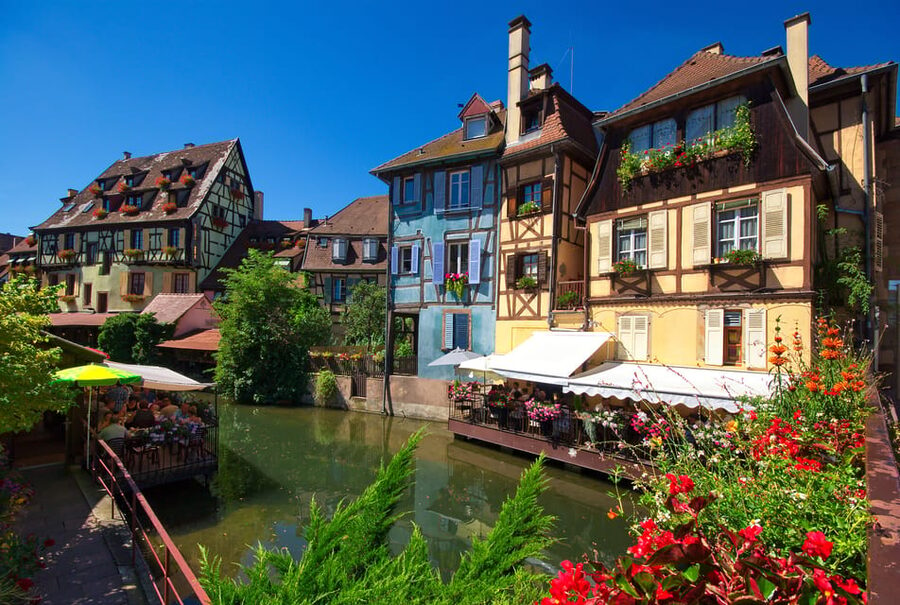
Book it if you want a guided introduction to Alsace wine that includes three wine areas, several grape varieties, small producers, and two handsome medieval villages. The guide can save you considerable planning time, and the small van keeps the day personal.
Think twice if $253 feels steep for three winery visits, or if you need a long lunch and extended village walks. The schedule is full, and the value depends heavily on how much you enjoy the guide’s explanations and the number of wines presented.
For most adults spending several days in Strasbourg, I think this is a strong full-day choice. Go in with a good breakfast, comfortable shoes, modest expectations for lunch time, and room in your luggage for a bottle or two.
FAQ
Where does the tour start and finish?
The tour starts at 17 Place de la Cathédrale in Strasbourg and returns there after the day. During the Christmas period, the return point is just outside Strasbourg’s Grande-Île district, with the exact address arranged with the guide.
How long does the experience last?
The tour lasts about eight hours. The route includes driving, three winery visits, tastings, and approximately one hour of free time in a traditional village.
How many people can join the tour?
The small-group tour is limited to eight participants. At least two adult passengers are required for the tour to operate.
Which wines will I taste?
The morning tastings include Pinot Blanc, Sylvaner, and Riesling. Afternoon tastings may also include Pinot Gris, Muscat, and Gewürztraminer, depending on the wineries visited.
Is lunch included?
No. Meals are not included, and you have free time to arrange lunch in one of the villages. Snacks are usually not provided during tastings, so eating a good breakfast is recommended.
Is the tour suitable for children or wheelchair users?
No. Participants must be at least 18 years old, and the tour is not suitable for wheelchair users. Pets are also not allowed.
Just poured in France
- Pinot Noir Masterclass – Wine tasting in Dijon★ 5.0 · 147 reviews
- Chardonnay Masterclass – Wine tasting in Dijon★ 5.0 · 91 reviews
- Small-Group Full-Day Tour of Côte de Nuits, Côte de Beaune Vineyards and Beaune Historical District★ 5.0 · 364 reviews
- Small group Burgundy tour of Beaune with Wine Tasting from Dijon★ 4.5 · 85 reviews
- Half Day Tour of the Cote de Nuits Vineyards from Dijon★ 5.0 · 108 reviews
- The Emblematic: visit of villages, Haut-Koenigsbourg, Wine tasting★ 5.0 · 81 reviews
- Au Cœur du Château – VSOP D’USSÉ & XO BARON OTARD★ 4.5 · 108 reviews
- Alsace Full Day Wine Tour from Colmar★ 5.0 · 104 reviews
Drinks Tours, compared.
Douro Valley w/ Boat Tour, Wine Tasting & Lunch
Read our review →
Chichen Itza, Cenote & Valladolid Tour with Tequila and Lunch
Read our review →
Complete Douro Valley Wine Tour with Lunch, Wine Tastings and River Cruise
Read our review →
Zakopane: Cable Car, Chocholow Baths, Cheese & Vodka
Read our review →
Zakopane: Cable Car, Chocholow Baths, Cheese & Vodka
Read our review →
Small-Group Wine Tasting Experience in the Tuscan Countryside
Read our review →Browse the lists this tour appears in