
REVIEW · DRINKS TOURS
Barcelona: Rooftop Paella Cooking Class with Sangria
Barcelona’s best food memories often come from sitting around one pan, not from ordering another restaurant meal. This hands-on rooftop class lets you make seafood paella from scratch, starting with sofrito and broth and finishing with rice cooked the proper way.
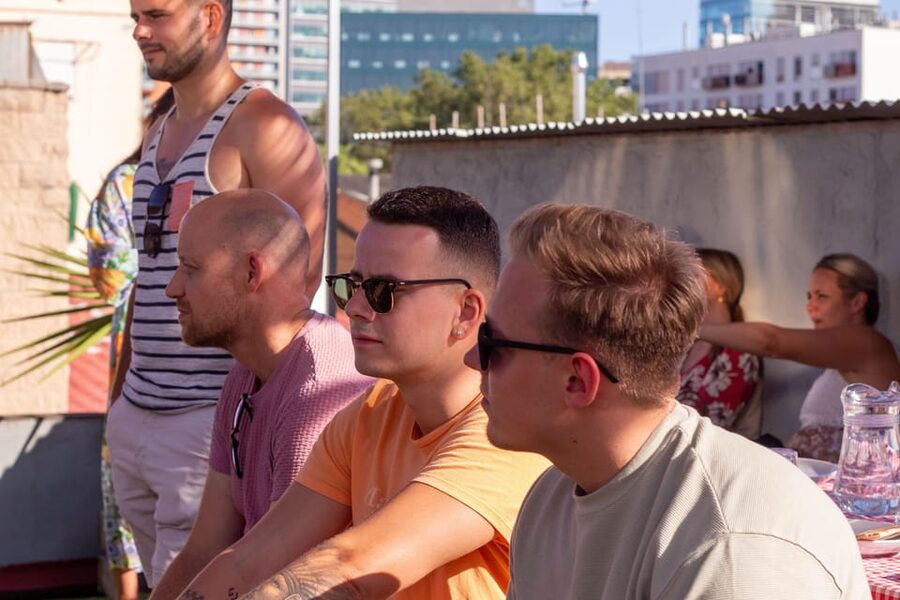
I like the easy social setup, where you make sangria or vermouth before cooking and share the meal with the group. I also like the practical teaching from hosts such as Benjamin and Patrick, who explain the dish’s Catalan and Spanish connections without turning the class into a lecture. The main consideration is weather: the rooftop can feel hot in summer, chilly in winter, or wet in rain, though the class can move indoors.
Key points at a glance
- Make the whole paella: You help prepare the sofrito, broth, seafood, and rice rather than simply watching a chef.
- Start with homemade drinks: Sangria or vermouth gives the class a relaxed beginning and helps strangers start talking.
- Cook on a Barcelona rooftop: The setting adds charm and sunshine, but pack sun protection and allow for weather changes.
- Learn useful techniques: The rice method, broth, and flavor base are explained in ways you can repeat at home.
- Eat what you cook: The paella comes with bread, olives, tomato salad, fresh fruit, and water.
- Good for mixed groups: Couples, solo visitors, food lovers, and families with children have all been included in the cooking.
A rooftop kitchen with a social start
The meeting point is easy to recognize once you arrive: look for a small blue door. The provider meets you there and walks you to the rooftop kitchen, so you do not need to search for a terrace entrance on your own.
The class lasts about 2.5 hours. That is long enough for the rice to cook slowly and for you to eat without feeling rushed, but short enough to fit comfortably into a sightseeing day. Check the available start times when booking, since the class may work better as a late lunch, afternoon activity, or evening meal depending on your plans.
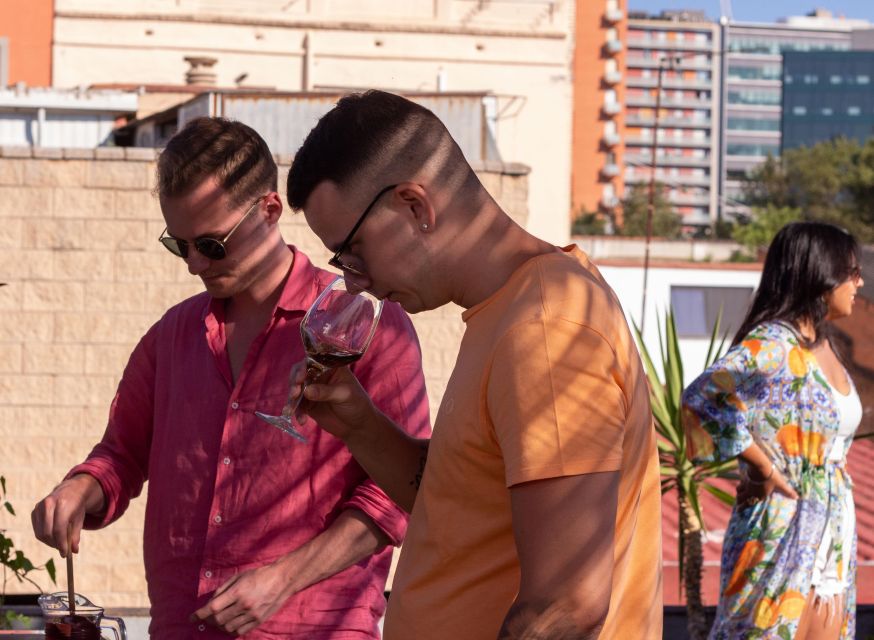
The first task is usually homemade sangria or vermouth. You learn how fruit, wine, and other flavors are balanced, then have a drink while the cooking begins. This is more than a free beverage. It gives the group something to do right away and softens the awkward first few minutes when people do not know one another.
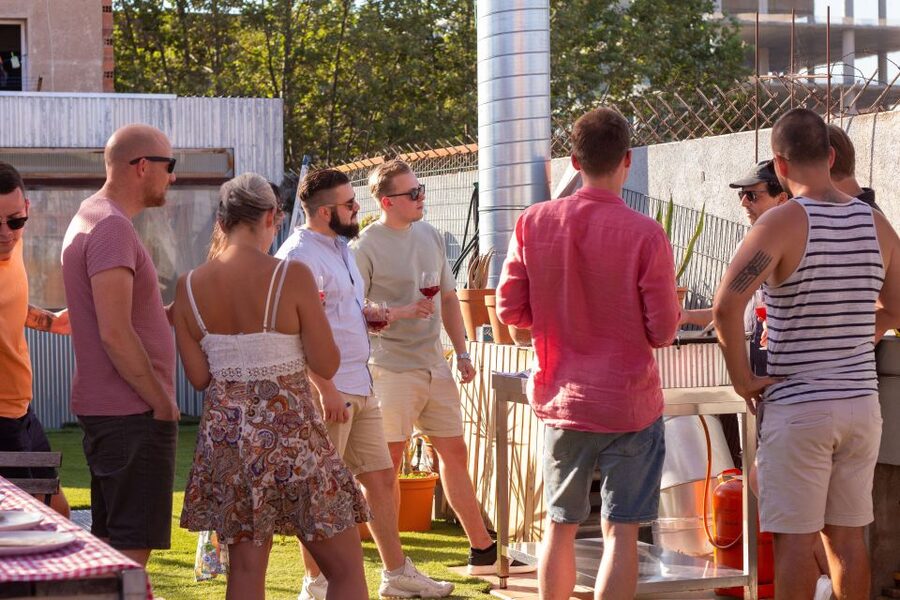
The rooftop setting helps. You are cooking in a casual shared space rather than sitting at separate restaurant tables. Hosts including Benjamin and Patrick keep the mood friendly and make an effort to bring everyone into the process. Several families found the class workable for children, including one group with children aged seven and ten and another with a four-year-old.
More Cooking Classes in Barcelona:
- Barcelona Paella Cooking Class with Market Visit, Tapas & Sangria
★ 5.0 · 2,531 reviews - Barcelona Paella Cooking Class & Boqueria & Hofmann-Trained Chefs
★ 5.0 · 194 reviews - Barcelona: Paella & Tapas Cooking Class with Sangria
★ 4.9 · 122 reviews
What the paella lesson actually teaches
This is a working class, not a chef’s demonstration with a few token stirring jobs. You take part in preparing a traditional seafood paella from the beginning, with the host directing the group through each stage.
The first important lesson is the sofrito, the cooked flavor base that gives the paella its foundation. You help prepare it and learn why patience matters before the liquid and rice go in. The class also covers the broth, which carries much of the flavor into the finished dish.
Then comes the rice. This is the part many home cooks get wrong, and it is where the instruction has the most lasting value. You learn how the rice is added, how the liquid is managed, and how to avoid treating paella like an ordinary risotto. The point is not just to eat a good lunch in Barcelona. It is to leave with a method you can use at home.
The host also explains where paella comes from and how regional traditions shape the dish. The information is tied to what is happening in the pan, so it stays useful rather than feeling like a history lesson detached from lunch.
The class is taught in English or Spanish. The repeated praise for Benjamin focuses on his clear explanations, patience, humor, and ability to keep a larger group involved. Hosts can vary, so the exact personality and teaching rhythm may differ, but the structure remains hands-on and social.
Sangria, vermouth, and tomato bread before lunch
The drink-making portion is one of the smartest parts of the experience. You do not simply receive a glass of sangria as you arrive. You help prepare it, learning how the fruit and wine work together and how to keep the flavor balanced.
Vermouth is also included, giving you another local drink to try. You do not need to be a serious food or drink enthusiast to enjoy this part. It is simple, social, and gives you a taste of Spanish habits that you might otherwise miss while moving from one major sight to the next.
The food served before the paella includes bread, olives, and tomato salad. The tomato bread is especially tied to the local style of eating, with fresh tomato and olive oil adding a bright, simple counterpoint to the richer main dish.
This spread matters because it turns the class into a full shared meal rather than a cooking lesson followed by a quick sample. You can nibble while the paella cooks, and the table feels more generous without adding another complicated course.
Eating the seafood paella you helped cook
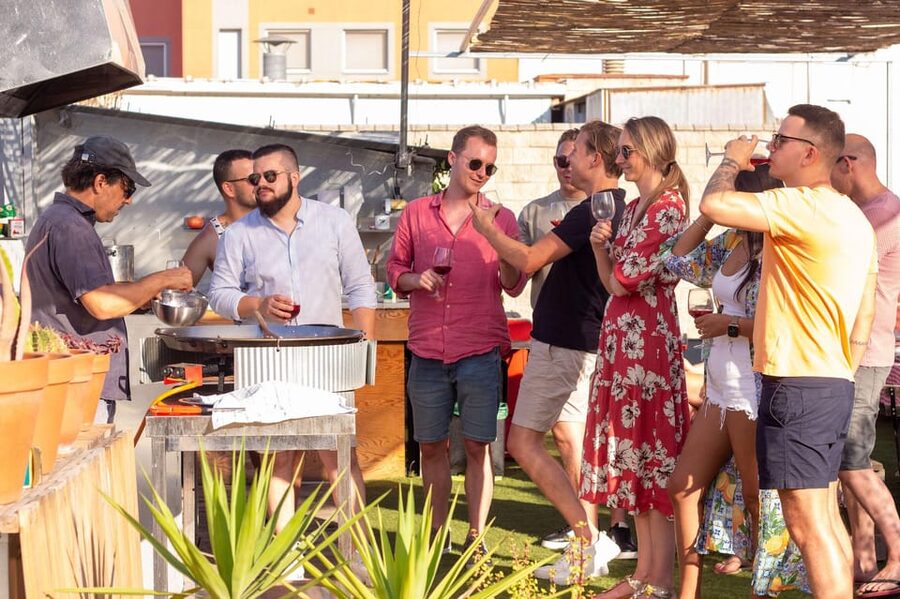
When the paella is ready, everyone sits down together. The seafood version is the centerpiece, and the meal also includes fresh fruit and water.
I like this finish because you understand the dish differently after making it. You have seen the sofrito develop, helped with the broth, and watched the rice absorb the cooking liquid. The final plate is not just a restaurant order delivered to you. It is the result of a group effort.
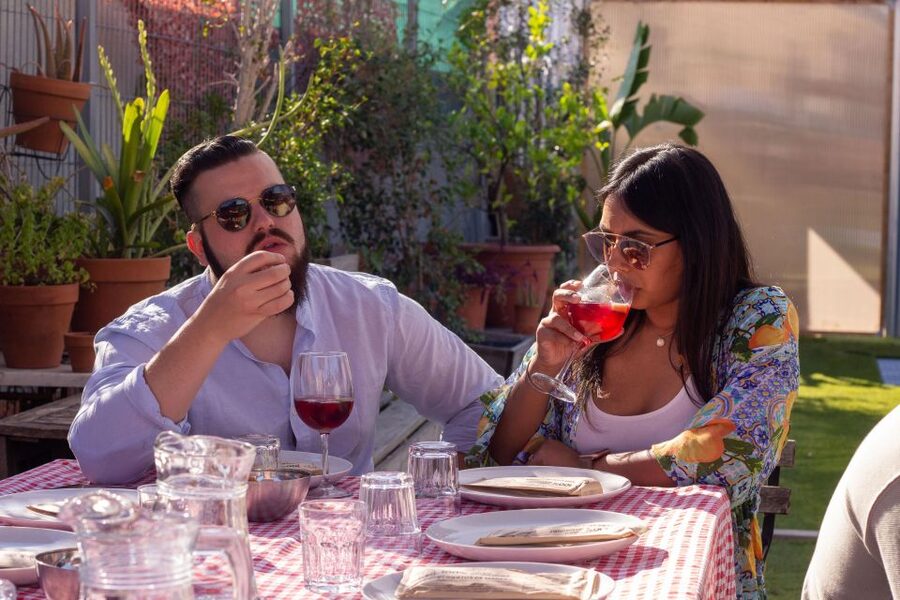
The shared table is also where the class earns much of its social value. You can talk with the other people in the group, compare cooking habits, and enjoy the rooftop setting while you eat. Several groups described the atmosphere as friendly and relaxed, with the host helping everyone feel included.
The setting is particularly pleasant in good weather. You might eat in the sunshine during the day or under the evening sky, depending on the time of your booking. The terrace is part of the appeal, but it should not be treated as guaranteed perfect weather. A January class was comfortable indoors despite the chill, and another group moved downstairs when rain arrived. One summer group still enjoyed the class during hot weather, though the heat was noticeable.
More Workshops and Classes in Barcelona:
- Barcelona: Cocktail Master Class by Mixologist with Tapas
★ 4.7 · 959 reviews - Barcelona: Cocktail Making Class with Tapas
★ 4.7 · 310 reviews - Barcelona: Wine and Van Gogh Paint and Sip Painting Class
★ 4.7 · 161 reviews - Barcelona: Rooftop Salsa Class with Bottomless Sangria
★ 4.7 · 157 reviews
What you receive for $82
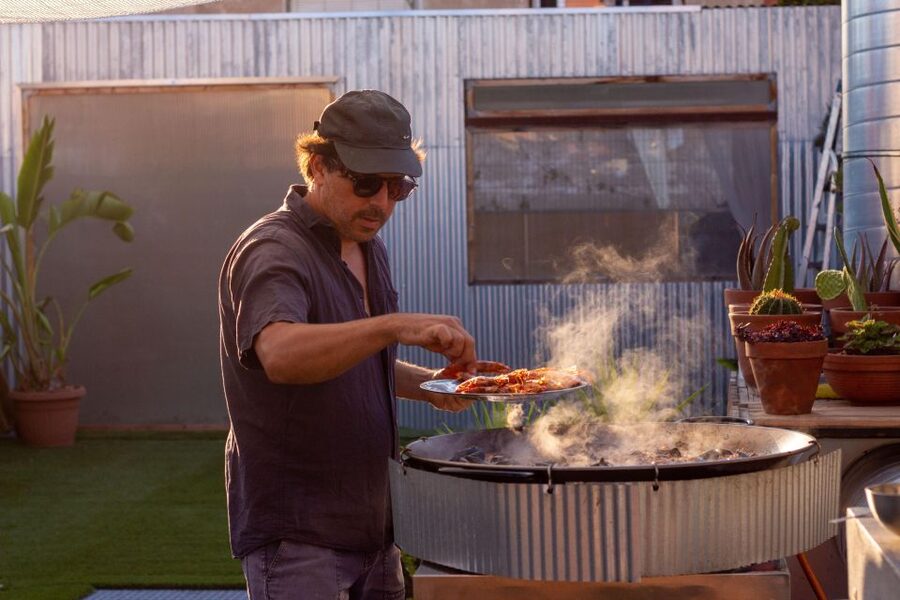
At $82 per person, this is not the cheapest way to eat paella in Barcelona. It is also not simply a meal. The price covers the cooking instruction, ingredients, drinks, the rooftop setting, and a complete lunch or dinner.
Included are:
- Seafood paella
- Sangria
- Vermouth
- Bread
- Olives
- Tomato salad
- Fresh fruit
- Water
- Apron
- Recipe
The recipe is important. You leave with written guidance and cooking tips, so the value continues after your trip. If you only want to taste paella, a restaurant will cost less and take less time. If you want a social activity that teaches you how the dish is made, the price is easier to justify.
I would especially consider it good value for a couple or small group that wants one memorable food activity in Barcelona. Solo visitors also fit well because the class gives you a ready-made social setting. Families can enjoy it too, provided children are happy to take part in a shared cooking activity rather than expecting a fast meal.
Group size, pace, and the rooftop tradeoff
The class is designed for group participation, and the available feedback points to both small groups and larger gatherings. One group of ten American women found that Benjamin kept the class organized and enjoyable. Another group of ten said Patrick managed the teaching well.
That tells you something useful about the format. You should expect a social class, not a private lesson with unlimited one-to-one time. Your exact amount of hands-on work can depend on the group size and how the host divides the tasks.
The hosts appear to make a real effort to include children and less confident cooks. You do not need to arrive with professional skills. The instruction is meant to guide you through each stage, and the tone is relaxed rather than formal.
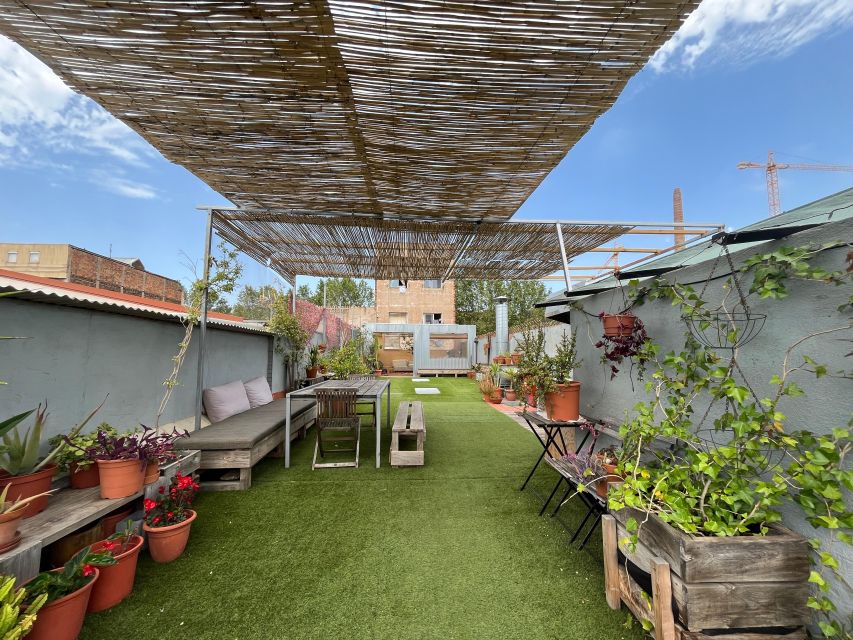
The rooftop is the class’s best feature and its main practical risk. On a sunny Barcelona afternoon, sunglasses, a hat, and sunscreen are sensible. In hot weather, the cooking area may feel warm. In cooler months, bring an extra layer. If rain arrives, the class may move to an indoor professional kitchen, which protects the activity but changes the atmosphere.
Who will enjoy this most
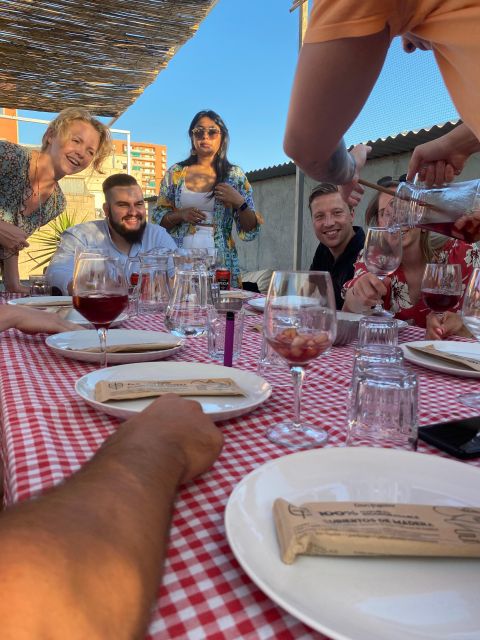
I would book this for you if food is a major part of how you like to experience a city. You get a local dish, local drinking habits, a communal meal, and practical techniques in one sitting.
It is also a good match for:
- Couples wanting an activity beyond sightseeing
- Solo visitors who enjoy meeting people over food
- Families with children who can follow simple cooking tasks
- Friends looking for a social afternoon or evening
- Home cooks who want to improve their paella technique
- First-time visitors who want a taste of Barcelona’s food culture
You may want to skip it if you dislike seafood, do not drink alcohol, or prefer a quiet meal with no group participation. Sangria, vermouth, and water are included, but the experience is built around cooking and socializing. It is not the right choice if you want to sit back while someone else does all the work.
The rooftop also means you should think about the season. Pack sunglasses, a sun hat, and sunscreen, as requested for the activity. Winter and rainy-day visitors should be ready for the class to move indoors or for the terrace to feel less comfortable.
Booking details worth knowing
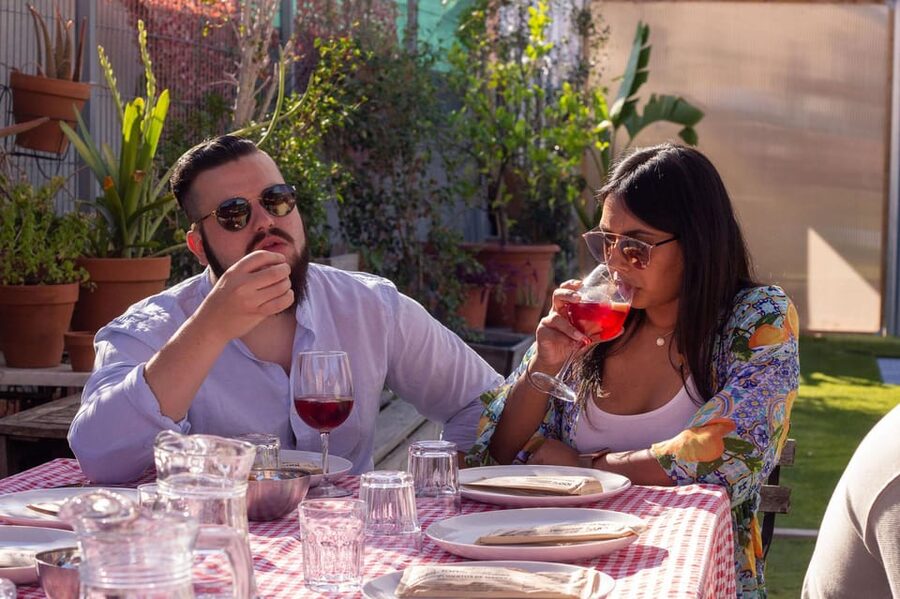
The class is offered in English and Spanish. Hotel transfer is not included, so you make your own way to the small blue door meeting point. The provider then walks you to the rooftop.
You can cancel up to 24 hours before the activity for a full refund. The reserve-now, pay-later option can help if you are still arranging your Barcelona schedule, though you should check the current booking terms and available start times before confirming.
The overall rating is 4.9 from 76 reviews, with nearly all of the supplied ratings giving the experience five stars. The repeated strengths are clear: friendly hosts, easy-to-follow instruction, good paella, strong sangria, and a setting that feels personal rather than commercial.
A small number of details vary by session. The host may be Benjamin, Patrick, or another member of the Faca Bcn team. The class may take place on the rooftop or indoors if the weather requires it. Those are normal variations, not reasons to avoid the activity, but they are worth knowing before you book.
Should you book the Faca Bcn paella class?
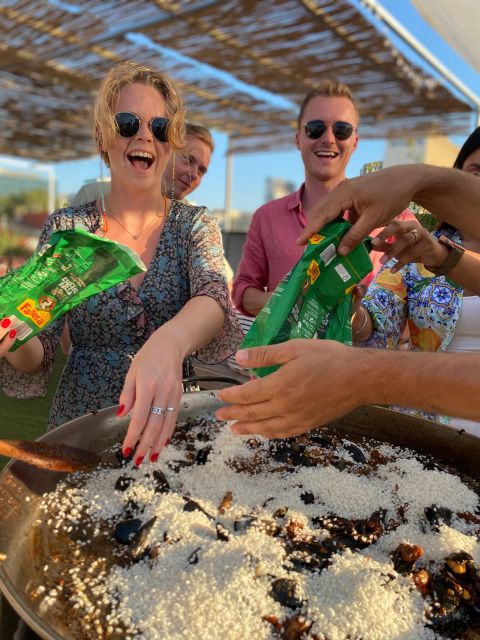
Book it if you want to make something, not just eat something. The best part is the combination of practical instruction and a friendly shared table. You learn the sofrito, broth, and rice method, then enjoy the result with sangria, bread, olives, tomato salad, and fruit.
At $82, the activity makes most sense as a special Barcelona meal and cultural outing rather than a bargain lunch. Choose it for the host-led cooking, rooftop atmosphere, and recipe you can take home. Skip it only if you want a private, quiet, or strictly indoor experience, or if seafood and group cooking are not your thing.
FAQ
How long does the paella cooking class last?
The activity lasts 2.5 hours.
What type of paella do you cook?
You prepare a traditional Spanish seafood paella from scratch.
Is the class hands-on?
Yes. You take part in preparing the sofrito, broth, and rice rather than watching only a demonstration.
What drinks are included?
Sangria, vermouth, and water are included. You also help prepare homemade sangria or vermouth at the beginning.
What food is served with the paella?
The meal includes bread, olives, tomato salad, fresh fruit, and the seafood paella you prepare.
Is a recipe included?
Yes. You receive the recipe and cooking tips so you can prepare paella again at home.
What languages are available?
The class is offered in English and Spanish.
Where is the meeting point?
Look for a small blue door in Barcelona. The activity provider meets you there and walks you to the rooftop.
What should you bring?
Bring sunglasses, a sun hat, and sunscreen. Hotel transfer is not included.
Just poured in Barcelona
- 2 Wineries Small Group Tour with Free Hotel PickUp from Sitges★ 5.0 · 83 reviews
- Barcelona: Wine Tasting and 5 Course Tapas Pairing Dinner★ 4.5 · 129 reviews
- Bohemian Barcelona Neighborhood Evening Tapas & Wine Tour★ 5.0 · 419 reviews
- Wine Tasting Experience in Barcelona★ 5.0 · 172 reviews
- Barcelona Gothic Quarter VIP Tapas & Wine Tour★ 5.0 · 276 reviews
- Barcelona: Guided Rooftop Wine Tasting – Enjoy 6 Spanish Wines★ 4.5 · 61 reviews
- Barcelona Sunset Cruise with Open Bar of Cava and Snacks★ 4.5 · 79 reviews
- Barcelona Tapas & Wine Experience as a Local at Hidden Wineries★ 5.0 · 71 reviews
Drinks Tours, compared.
Douro Valley w/ Boat Tour, Wine Tasting & Lunch
Read our review →
Chichen Itza, Cenote & Valladolid Tour with Tequila and Lunch
Read our review →
Complete Douro Valley Wine Tour with Lunch, Wine Tastings and River Cruise
Read our review →
Zakopane: Cable Car, Chocholow Baths, Cheese & Vodka
Read our review →

Zakopane: Cable Car, Chocholow Baths, Cheese & Vodka
Read our review →
Small-Group Wine Tasting Experience in the Tuscan Countryside
Read our review →Browse the lists this tour appears in