
REVIEW · WINE TASTING TOURS
Beaune: Maison Champy Guided Cellar Tour with Wine Tasting
Maison Champy puts three centuries of Burgundy wine-making into a compact 90-minute visit, right in central Beaune. The best part is the walk through its 15th-century cellars, followed by five wines that show how Burgundy’s vineyard classifications work.
I like the mix of clear instruction and real tasting. Guides such as Daniel and Pauline are praised for explaining difficult ideas in plain language and inviting questions. I also like the choice between a Terroir tasting with a Premier Cru and a Prestige tasting with a Grand Cru.
The main consideration is timing. Arrive early, because entry may be refused after 15 minutes, and the exact wines can change if a bottle is unavailable. Children may join the visit, but only adults aged 18 and over may take part in the tasting.
Key points to know before you book
- Founded in 1720: Maison Champy is presented as Burgundy’s first wine estate and the oldest wine company in the region.
- Cellars beneath central Beaune: You walk through historic underground spaces dating to the 15th century.
- Five wines included: The tasting connects Maison Champy bottles with the wider Burgundy vineyard.
- Two tasting levels: Terroir includes one Premier Cru, while Prestige includes one Grand Cru, subject to wine availability.
- English or French tours: Choose your time slot carefully, since language is tied to the departure.
- Short, focused format: The complete visit takes about 90 minutes, making it easy to fit into a day in Beaune.
Why Maison Champy is a good place to start with Burgundy wine
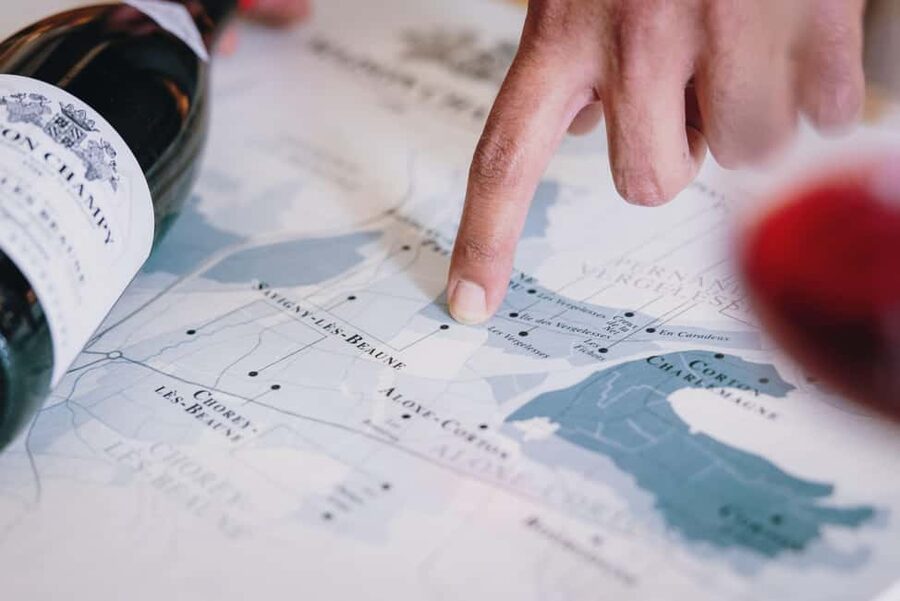
Burgundy wine can seem confusing at first. Labels often focus less on a famous estate name and more on the village, vineyard site, and classification. A bottle may be identified by its place in the Côte de Beaune or Côte de Nuits, with terms such as Premier Cru or Grand Cru carrying much of the meaning.
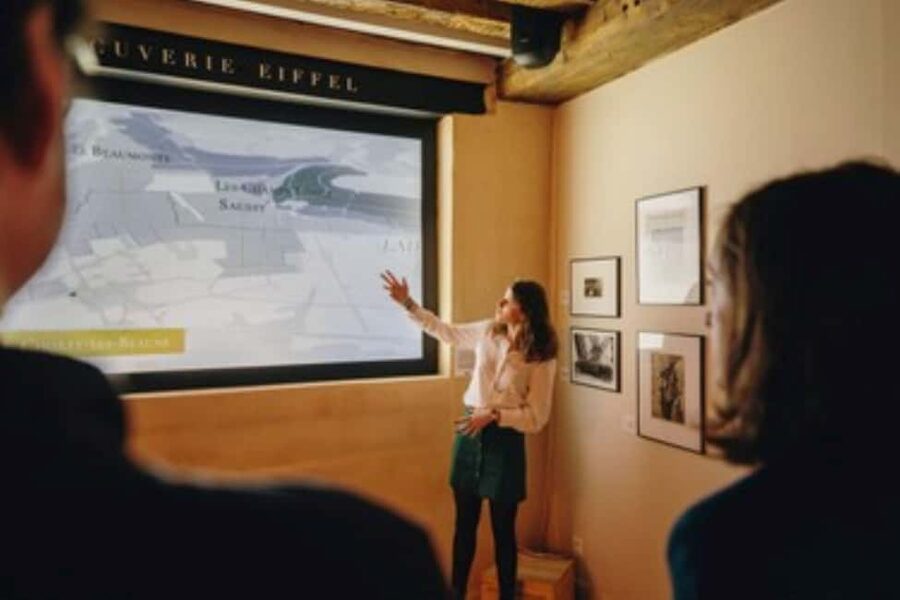
Maison Champy gives you a useful introduction before asking you to taste. You hear about the company’s beginnings in 1720, learn how Beaune became important to the wine trade, and then connect those ideas with wines in the glass.
That order matters. A tasting without context can become five small pours that blur together. Here, the guide explains what you are looking at and why Burgundy wines differ before you compare them.
I especially like this for anyone who knows wine by grape variety but is less familiar with the Burgundy way of organizing wine. The visit is not only about Chardonnay or Pinot Noir. It is about place, classification, and local tradition.
The format also works well if you have limited time. Ninety minutes is long enough to give the subject some weight, but short enough to fit between Beaune’s shops, museums, restaurants, and other cellar visits.
More Wine Tasting Tours in France
- Bordeaux: Cité du Vin Entry Ticket and Wine Tasting
★ 4.6 · 3,885 reviews - Montmartre Hill French Gourmet Food and Wine Tasting Walking Tour
★ 5.0 · 2,588 reviews - From Paris: Loire Valley Castles Day Trip With Wine Tasting
★ 4.6 · 1,727 reviews
Entering a wine estate founded in 1720
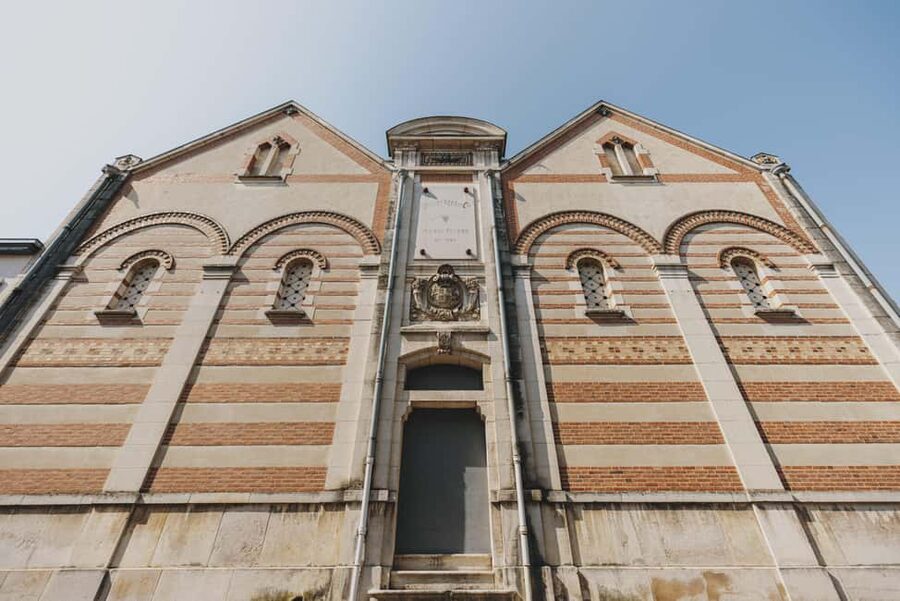
Maison Champy is located in the center of Beaune, so you do not need a long transfer into the countryside. That makes it a practical choice if your Burgundy plans are based in town or if you are passing through for the day.
The opening part of the visit sets up the estate’s long connection with Burgundy. You follow the major points in its story and see how wine production and trade fit into Beaune’s identity.
Do not expect a modern factory tour. The appeal is the contrast between the town above and the old cellars below. Maison Champy can look like a city-center address from the outside, yet the visit leads you into substantial underground spaces.
The setting helps the lesson. You are not hearing about cellar traditions in a bright conference room and then imagining them later. You are standing in the sort of historic environment that gives Burgundy wine its strong sense of place.
The building itself is part of the experience. One especially useful detail is the scale of the winery beneath the town. The underground spaces are larger and more atmospheric than you might expect from a central Beaune location.
Walking through the 15th-century cellars
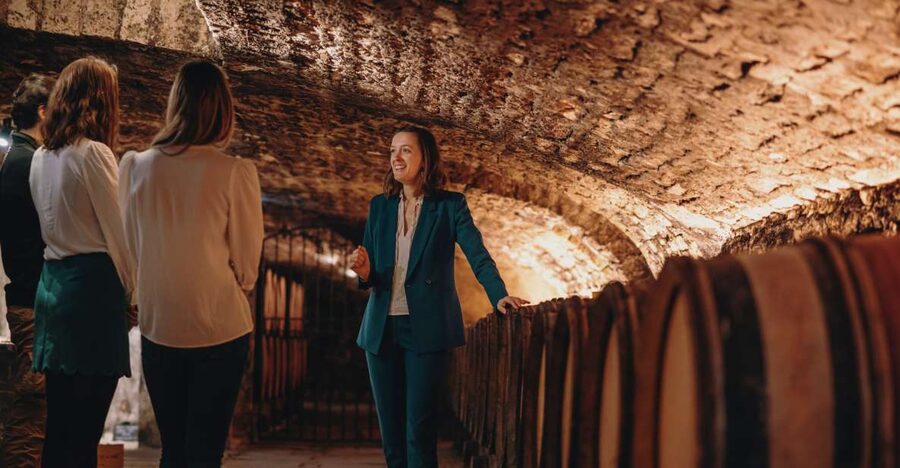
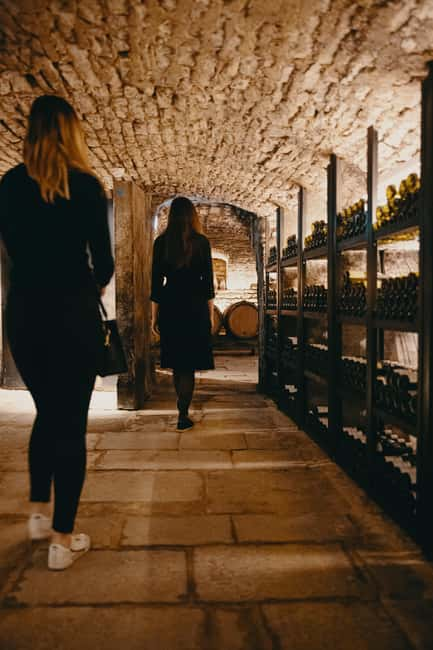
The cellar visit is the most distinctive part of the tour. You walk through spaces dating to the 15th century, with the guide explaining their role in the estate and the local wine trade.
The cellars give the tour a physical rhythm. You begin with the company’s story, move underground, and then arrive at the tasting with a better sense of where Burgundy wine is made and stored.
Some of the strongest descriptions of this experience focus on the atmosphere of the tasting in the cave. If your session takes place there, the stone surroundings add character without turning the visit into a theatrical show.
You should also keep expectations realistic. This is a guided introduction, not a full-day production tour. The information provided does not promise access to every stage of current wine-making or a walk through vineyards. The emphasis is on the estate’s past, the cellars, Burgundy wine-making, and tasting.
That focus suits beginners and curious drinkers. If you already know Burgundy well, the basic explanations may feel familiar, but the old cellars and estate setting still give the visit value.
How the guide turns Burgundy labels into useful information
The quality of the guide matters here because Burgundy terms can become a jumble of French names and classifications. The strongest sessions use simple explanations, then return to the wines as examples.
Daniel is one guide associated with especially engaging sessions, and Pauline has also led the tour. Danielo is another name connected with the experience. The important point for you is that the guide is expected to do more than recite dates.
Questions are encouraged, which changes the tone of the visit. You can ask about the differences between wines, the meaning of a classification, or how Burgundy’s vineyard structure affects what appears on a label.
The best guide-led tastings do not assume you already know the vocabulary. You can arrive as a complete beginner and still follow the discussion. At the same time, someone with more wine experience can use the question period to ask for more detail.
I like that balance. A polished presentation is useful, but an interactive explanation is easier to remember. When the guide asks you to think about what you are tasting, the wine becomes part of the lesson rather than a reward at the end.
Same town, a different bottle:
- Bordeaux: River Garonne Cruise with Glass of Wine and Canelé
★ 4.5 · 3,630 reviews - From Bordeaux: Afternoon Saint-Emilion Wine Tasting & snack
★ 4.8 · 1,581 reviews - From Paris: Day Trip to Champagne with 8 Tastings & Lunch
★ 4.8 · 1,501 reviews - Medoc or Saint Emilion Wine Tasting and Chateau from Bordeaux
★ 5.0 · 1,415 reviews
The five-wine tasting: Terroir or Prestige
The tasting includes five wines from Maison Champy and the Burgundy vineyard. That number is enough to show contrast without making the session feel rushed or overly alcoholic.
The Terroir option includes one Premier Cru wine. This is likely the sensible choice if your main goal is to understand the structure of Burgundy wine and taste a well-known classification without paying for the higher-level option.
The Prestige option includes one Grand Cru wine. Choose it if you want the tasting to include Burgundy’s top classification and you are prepared to spend more attention on the differences between the wines.
The supplied information does not give a separate price for each tasting level, so check the available option when booking. It does make the distinction clear: Terroir means one Premier Cru, while Prestige means one Grand Cru.
Wine availability can change the selection. That is worth accepting before you book. A particular bottle may not be available on your date, so the tasting should be approached as a guided sample of Burgundy rather than a guaranteed list of five named wines.
The guide’s explanations are especially important during this part. You are not simply handed a glass and left to make sense of it. The tasting is meant to show the character of Maison Champy and the differences within Burgundy’s vineyard system.
If you are new to wine, do not worry about finding the perfect tasting words. Pay attention to how the wines differ in smell, weight, freshness, and finish. The guide can give you the vocabulary after you have had a chance to notice the contrast yourself.
What makes this tour good value at $29
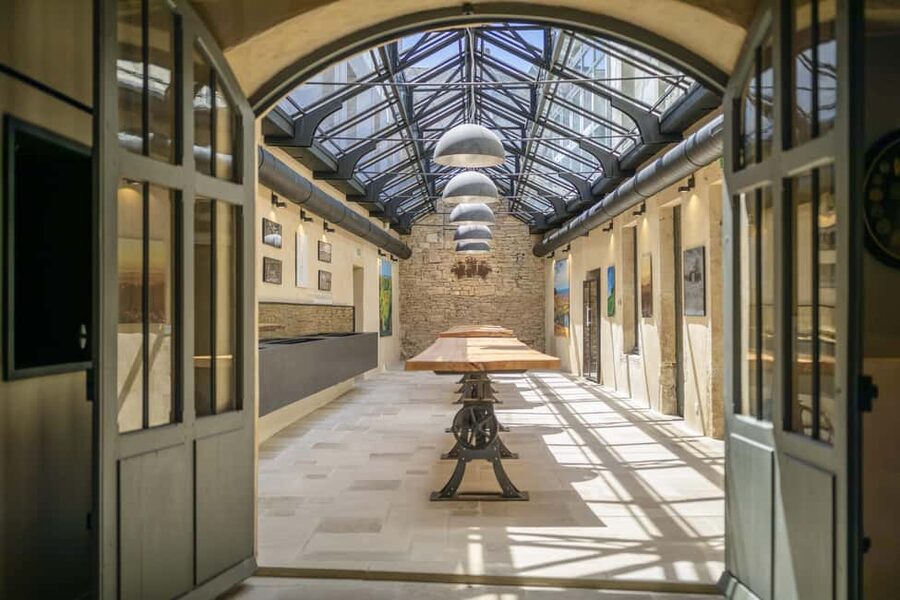
At $29 per person, the experience offers more than a basic tasting flight. You receive a guided visit, access to historic cellars, and five wines, including either a Premier Cru or Grand Cru depending on the option selected.
The value is strongest if you want an introduction rather than a quick drink. A bar tasting might give you wine, but it will not give you the same explanation of Beaune’s wine trade, Maison Champy’s origins, or the role of Burgundy classifications.
The 90-minute length also helps the price feel reasonable. You are paying for a focused appointment, not a long excursion with transport and unrelated stops. If you are already in Beaune, the central location keeps your extra costs low.
There are limits. The experience does not include vineyard transport, a meal, or a broad tour of several separate producers. If your main goal is to see vines in the countryside, this is not a substitute for a vineyard excursion.
For a first Beaune wine activity, though, the price is sensible. It gives you a foundation that can make later tastings more rewarding. After hearing how Burgundy is organized, you will have better questions to ask at another estate.
Who should choose Terroir and who should choose Prestige?
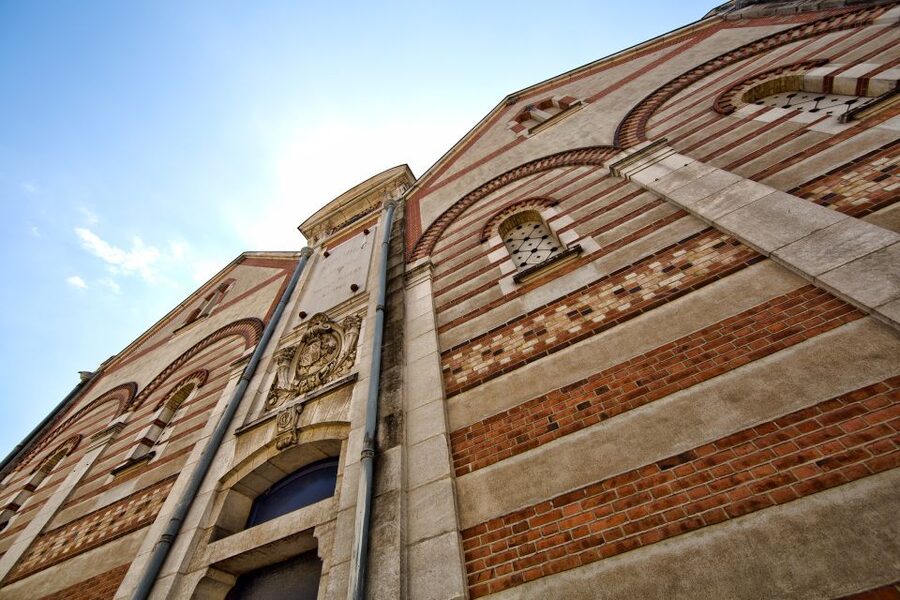
Choose Terroir if you are new to Burgundy, want an accessible introduction, or prefer to spend less while still tasting a Premier Cru. It should give you plenty to discuss without making the visit feel too specialized.
Choose Prestige if the Grand Cru classification is a priority. It is the better fit for someone who already understands the basics and wants the tasting to include one of Burgundy’s most prestigious categories.
The available information does not promise that the five wines will be identical from one date to another. Wine availability may change, so the classification is the clearest way to distinguish the two choices.
Couples, small groups, and solo visitors who enjoy guided learning should find the format easy to use. It also works for a mixed group, since children may attend the tour even though only adults may taste.
This is not a good choice if you need a fully flexible arrival time. The start times are fixed, and arriving more than 15 minutes late can mean being refused entry. Plan your walk across Beaune with a buffer.
Animals are not allowed, so make arrangements before arriving if you are traveling with a pet.
Making the most of your 90 minutes
Select the language you want at booking. Tours are offered in English or French, and you should choose the time slot that matches your preference.
Arrive early enough to find Maison Champy without rushing. The 15-minute late-arrival rule is strict enough that a delayed lunch, a slow museum visit, or difficulty locating the entrance could cost you the appointment.
Wear something comfortable for walking through cellars. The supplied details do not specify temperature, stairs, or accessibility arrangements, so you should contact Maison Champy directly if those points matter to you.
During the historical introduction, listen for details that help you place the estate within Beaune. In the cellars, pay attention to how the underground setting changes your sense of the company’s size and age.
At the tasting, ask questions. This is one of the best ways to get value from the session, especially if Burgundy labels are new to you. Ask the guide to explain what makes a Premier Cru different from a Grand Cru, or how the wines relate to the wider Burgundy vineyard.
Do not rush through the tasting. Five wines may sound modest, but they are meant to be compared. A few careful observations will teach you more than trying to finish each glass quickly.
How Maison Champy compares with a bigger château visit
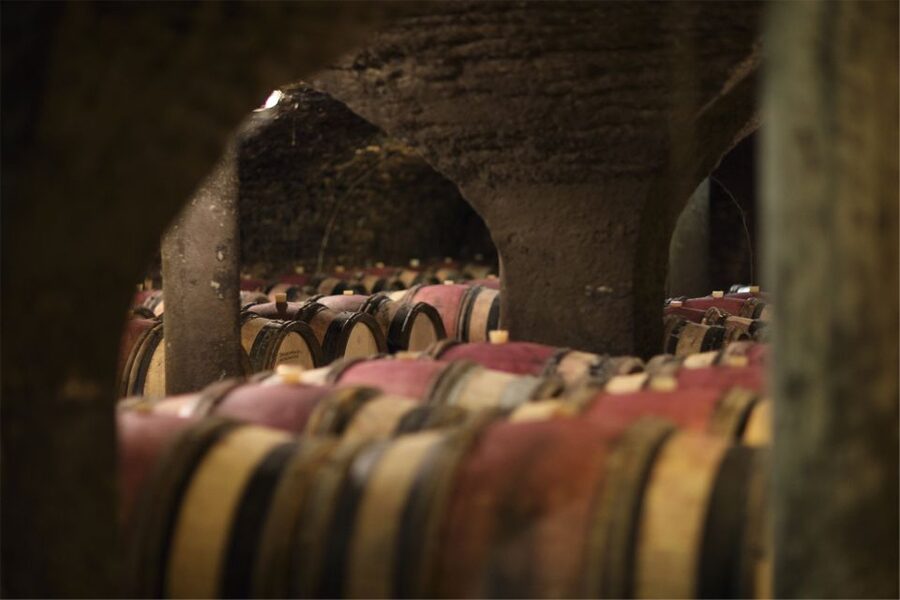
Maison Champy has a town-based feel. You are in Beaune, below historic buildings and streets, rather than traveling out to a large country property.
That makes it more convenient, but it also shapes the experience. You get a compact look at a long-established wine company and its cellars, not a broad estate visit with open vineyard views.
For some people, that is a strength. The old spaces beneath the town create a direct link to Beaune’s wine trade, and the visit stays focused on wine rather than transport, scenery, or a full rural day.
The tour can also be a better fit for beginners than a grander property that assumes more background. The guides associated with Maison Champy, including Daniel, Pauline, and Danielo, are described as welcoming and willing to involve the group.
If you are comparing this with another cellar tour, focus on what you want to learn. Choose Maison Champy for history in central Beaune, underground cellars, a clear Burgundy introduction, and five structured tastings.
Should you book Maison Champy?
Book this tour if you want a short, informative introduction to Burgundy wine with a strong sense of place. The combination of a 1720 foundation, 15th-century cellars, and five tastings gives you more substance than a simple pour-and-leave appointment.
It is particularly useful for first-time Burgundy drinkers, couples building a Beaune itinerary, and anyone who wants to understand Premier Cru and Grand Cru labels before visiting more producers.
Choose another activity if you mainly want vineyard scenery, a full production visit, or a completely open schedule. Also skip it if you cannot arrive on time or if you are looking for a tasting with a guaranteed wine list.
For most visitors spending time in Beaune, the $29 price and 90-minute format make this an easy addition to the day. Pick English or French carefully, decide between Terroir and Prestige, and arrive early enough to enjoy the cellars without watching the clock.
FAQ
How long does the Maison Champy tour take?
The guided tour and tasting take about 90 minutes.
Where is Maison Champy located?
Maison Champy is located in the city center of Beaune, in Bourgogne-Franche-Comté, France.
How many wines are included?
The tasting includes five wines from Maison Champy and the Burgundy vineyard.
What is the difference between the Terroir and Prestige tastings?
The Terroir tasting includes one Premier Cru classification. The Prestige tasting includes one Grand Cru classification. Wines may change if certain bottles are unavailable.
Can children attend the tour?
Yes, children are accepted for the tour. However, anyone taking part in the tasting must be at least 18 years old.
Is the tour available in English?
Yes. Tours are available in English or French, and you should choose the appropriate language time slot when booking.
Just poured in France
- Pinot Noir Masterclass – Wine tasting in Dijon★ 5.0 · 147 reviews
- Chardonnay Masterclass – Wine tasting in Dijon★ 5.0 · 91 reviews
- Small-Group Full-Day Tour of Côte de Nuits, Côte de Beaune Vineyards and Beaune Historical District★ 5.0 · 364 reviews
- Small group Burgundy tour of Beaune with Wine Tasting from Dijon★ 4.5 · 85 reviews
- Half Day Tour of the Cote de Nuits Vineyards from Dijon★ 5.0 · 108 reviews
- The Emblematic: visit of villages, Haut-Koenigsbourg, Wine tasting★ 5.0 · 81 reviews
- Safari-Tour Villages and vineyard, 1/2 day afternoon★ 5.0 · 65 reviews
- Au Cœur du Château – VSOP D’USSÉ & XO BARON OTARD★ 4.5 · 108 reviews
Wine Tasting Tours, compared.
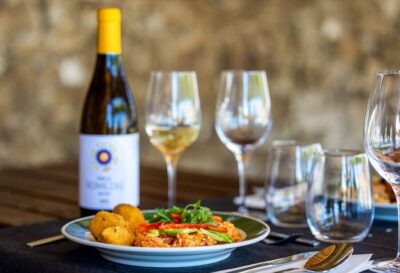
Douro Valley w/ Boat Tour, Wine Tasting & Lunch
Read our review →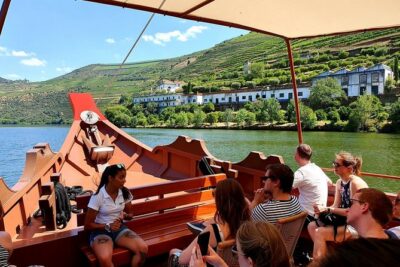
Complete Douro Valley Wine Tour with Lunch, Wine Tastings and River Cruise
Read our review →

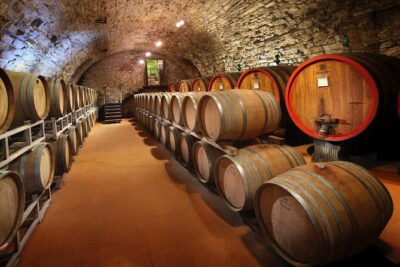
Small-Group Wine Tasting Experience in the Tuscan Countryside
Read our review →
Montserrat & Cogwheel Train, Gourmet Wine Tasting & Tapas/Lunch
Read our review →
Tuscany & Montepulciano Day Trip with Lunch & Wine Tasting
Read our review →Browse the lists this tour appears in