REVIEW · DRINKS TOURS
Beijing: Hidden Gems Guided Food Tour with Beer and Tastings
Beijing’s best food discoveries often sit behind plain doors in old hutong lanes. This 3.5-hour evening tour takes you from Shichahai Metro Station through about 1.5 miles of historic alleyways, stopping at four small local restaurants for hotpot, noodles, a rare Muslim specialty, and spring pancakes.
I like the mix of food and neighborhood history, and I like that the tour includes a full dinner rather than a few token samples. Guides such as Janice, Tony, Winnie, Yoyo, and Haitao have been praised for clear English, useful food explanations, and friendly help. The main consideration is the walking: uneven hutong lanes and several restaurant stops make this a poor fit for anyone with mobility limitations.
Key points to know before booking
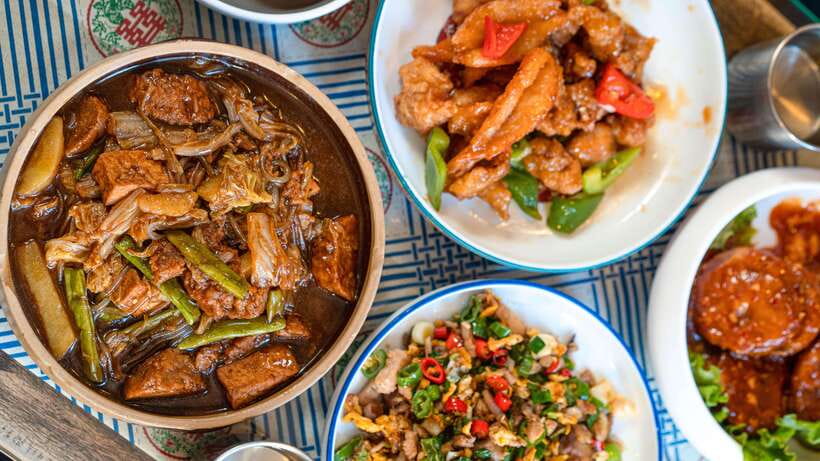
- Four substantial food stops: Expect enough food for dinner, not just a tasting spoon at each address.
- A rooftop hotpot setting: Thin mutton and beef cook in copper pots beside a view toward Beijing’s historic bell tower.
- A rare Cixi favorite: One stop serves an old Muslim Beijing dish that is becoming difficult to find.
- A 2.5-kilometer hutong walk: The route gives you a close look at old courtyard neighborhoods after dark.
- Drinks are included: You get a pint of local craft beer, with additional beer and soft drinks available.
- Best for curious eaters: You should be ready for local flavors, unfamiliar dishes, and a relaxed group meal.
Why this food tour works so well in Beijing
Beijing food is easy to misunderstand if you only eat in polished restaurants near the Forbidden City or Wangfujing. Those places may serve familiar favorites, but they do not always show how locals eat in neighborhood shops, courtyard restaurants, and small family-run businesses.
This tour gives you a useful first-night introduction. You walk through the old city, learn how hutongs developed around courtyard homes, and stop at places you would be unlikely to identify from the street. The evening structure matters. You are not simply driven from restaurant to restaurant. The walking connects the food to the part of Beijing where these dishes still make sense.
The four stops also provide good variety. You begin with a warm copper-pot meal, move to a bowl of noodles, try a less familiar Muslim specialty, and finish with spring pancakes. The progression keeps the evening interesting, though you should arrive hungry. Several people found the portions so generous that finishing the final stop was a challenge.
At $75 per person, this is not the cheapest way to eat in Beijing. It is a reasonable price if you value the guide, the organization, the drinks, the four-course structure, and the chance to visit local restaurants without having to solve the language and navigation problems yourself. If you only want a large bowl of noodles or a basic hotpot dinner, you can spend less on your own. If you want food, context, and a neighborhood walk in one evening, the price makes more sense.
More Food Tours in the world:
- From Split: Krka Waterfalls, Food & Wine Tasting Tour
★ 5.0 · 9,326 reviews - From Split: Krka Waterfalls, Food & Wine Tasting Tour
★ 4.9 · 6,598 reviews - Winner 2025 Undiscovered Lisbon Food & Wine Tour by Eating Europe
★ 5.0 · 6,390 reviews
Meeting at Shichahai and entering the hutongs
The tour starts at Shichahai Subway Station, Exit C, at street level. The station is on Line 8, and the meeting point is outside the exit rather than inside the station. Plan to arrive about 10 minutes early, since the walk begins at 6:30 PM.
Shichahai is a practical starting point because it places you near one of Beijing’s best-known old-city areas while still giving the tour room to move into quieter lanes. Your English-speaking guide gathers the group, explains the plan, and leads you away from the main traffic.
The hutong walk covers about 2.5 kilometers. These narrow lanes developed between courtyard homes and have roots going back to the 12th century. Your guide explains what the word hutong means and how these neighborhoods changed as Beijing grew around the Forbidden City.
I especially like this part because it gives the meal a setting. You pass walls, gates, small local businesses, and everyday residential life rather than moving through a chain of tourist restaurants. The lanes can turn sharply and spread in several directions, so having a guide is useful even if you are normally comfortable finding your way around cities.
The route is not a sightseeing walk with major monuments at every turn. Its appeal is quieter. You get a sense of how old Beijing is organized and how much ordinary life remains tucked behind the city’s broad avenues.
Hotpot, copper pots, and a view of the bell tower
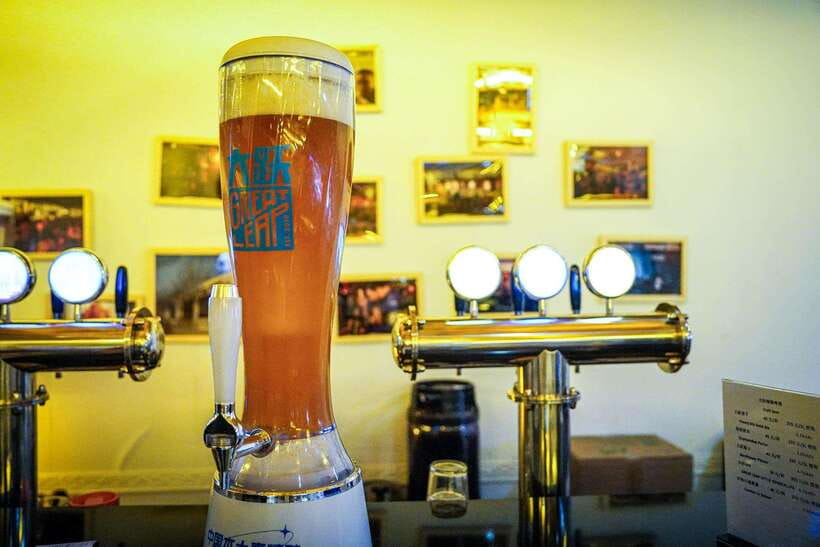
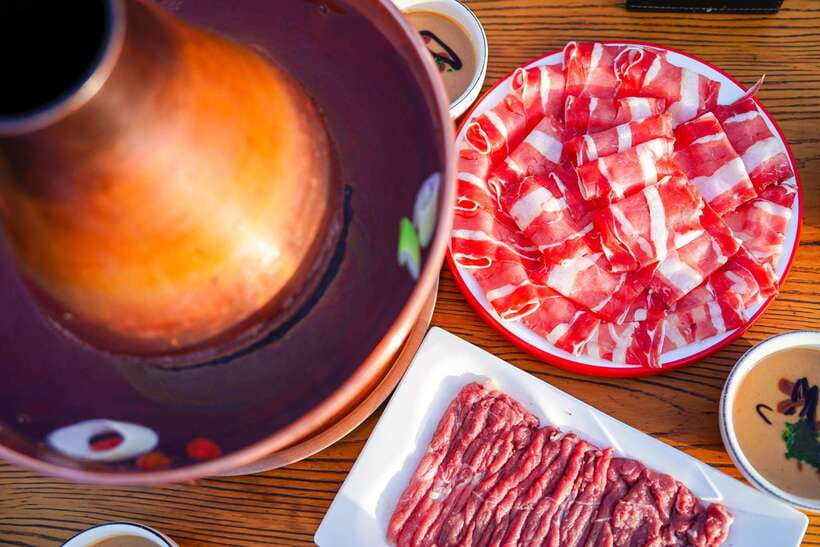
The first major stop focuses on Beijing-style mutton hotpot. The restaurant uses traditional copper pots filled with a clear broth. That broth is deliberately simple, allowing the quality of the ingredients to do the work.
Thin slices of mutton and beef cook quickly in the simmering pot. You then dip the meat into a sauce based on sesame paste. This is a different experience from the spicy Sichuan hotpot many people know. The flavors here are milder and more direct, with the rich sesame sauce providing most of the punch.
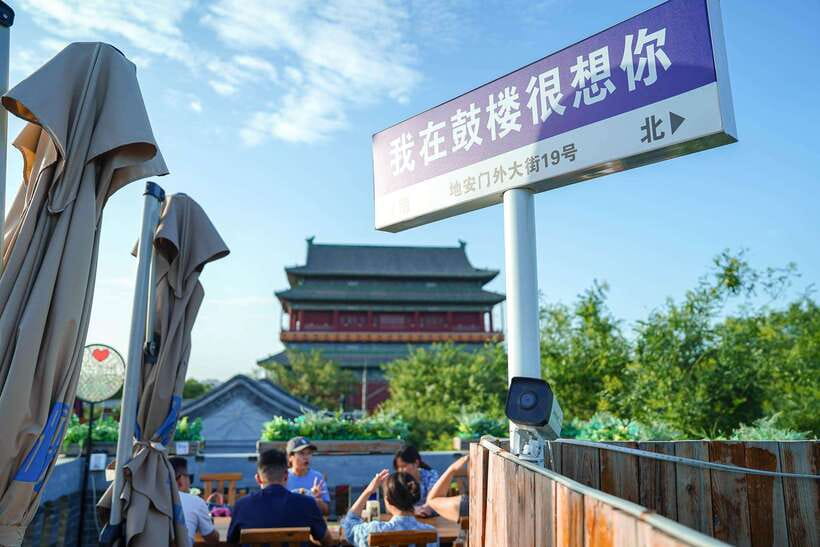
The setting adds something special. The restaurant has a rooftop view toward Beijing’s historic bell tower, giving you a memorable look at the old city while you eat. The tour description specifically presents this as a summer view, but the food itself is part of the regular evening route. Weather can affect how much time you spend outside, since the tour operates in all conditions.
A pint of local craft beer comes with the experience. Additional beer and soft drinks are also included, which is useful because hotpot is a social meal and the meal continues for several more stops.
This stop may be the most familiar format for first-time visitors, but it still offers a distinctly northern Chinese style of eating. You cook the food yourself, share the pot, and adjust the dipping sauce to your taste. If you are not comfortable with mutton, tell the operator about dietary needs when booking. The supplied information does not promise substitute dishes, so it is better to ask ahead.
Beijing noodles in a tiny courtyard restaurant
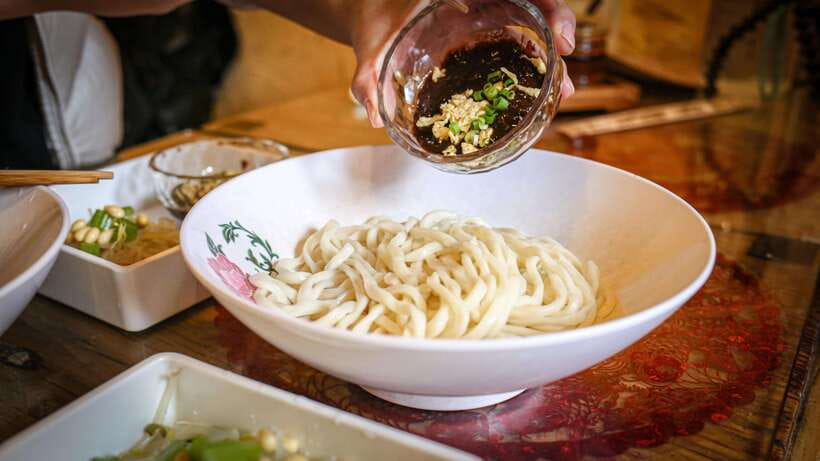
The next stop is a small noodle shop set inside a hutong courtyard. The dish is often called Beijing noodles by locals, a sign of how strongly the city identifies with it.
The noodles are made from scratch using the restaurant’s own recipe. The point here is not a long menu or a fancy dining room. It is a focused bowl of noodles served in a place that can be easy to miss if you are walking alone.
This is an important stop for anyone who wants to understand everyday Beijing food. Noodles are practical, filling, and central to northern Chinese cooking. A good bowl depends on the noodles, the sauce, and the balance of toppings rather than elaborate presentation.
The shop’s small scale is part of the fun, but it can also mean limited space. You should expect a straightforward local setting rather than a comfortable Western-style restaurant. That is a fair trade for trying a family-style specialty in the kind of neighborhood location the tour is designed to find.
The noodle stop also breaks up the hotpot meal. Instead of staying with one cooking style all evening, you move from a shared pot to a ready-to-eat dish with a more concentrated flavor. If you have eaten very little before the tour, you will appreciate the generous portions. If you have already had a large lunch, go easy at the first stop.
More Guided Tastings in the world:
- Bruges: Guided Tour & Boat Ride with Optional Beer Tasting
★ 4.4 · 3,894 reviews - Dublin Irish Whiskey Museum and Gallery Guided Tour with Tasting
★ 5.0 · 3,078 reviews - Dublin Jameson Distillery and Guinness Storehouse Guided Tour
★ 4.5 · 2,608 reviews - Hamburg: St. Pauli Highlights Guided Tour with Beer for 18+
★ 4.7 · 2,353 reviews
The rare Muslim dish linked to Empress Cixi
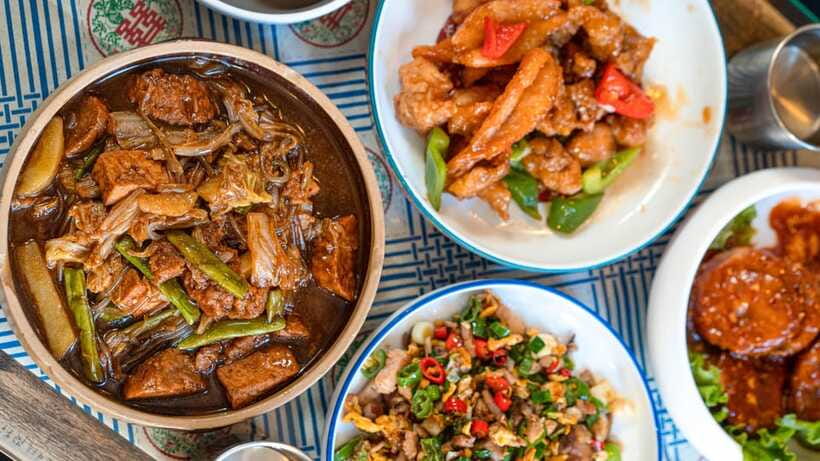
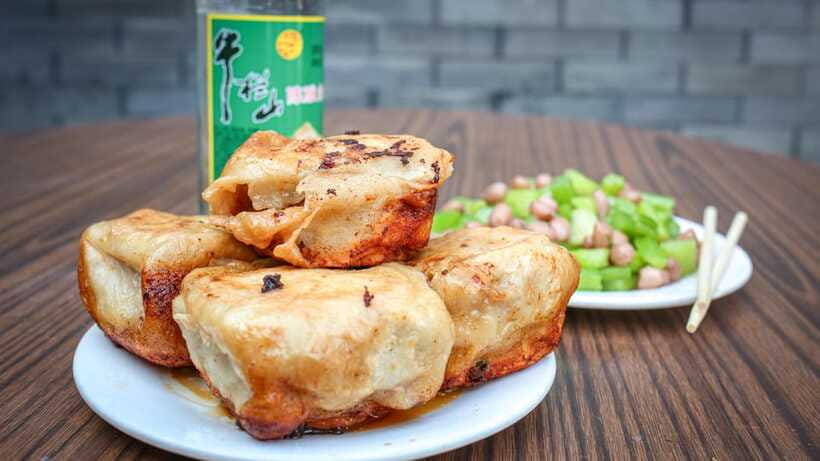
One of the most unusual stops is a Muslim diner serving an old Beijing specialty associated with Empress Cixi. It is described as an endangered dish, and only a small number of restaurants in the city still serve it.
The restaurant is a neighborhood place frequented mainly by local men. Bottles of baijiu are kept behind the counter, giving you a glimpse of the informal drinking culture connected with small Chinese eateries. This is not a staged cultural display. It is simply part of the restaurant’s character.
The historical link to Cixi gives your guide a useful way to explain how court food, regional Muslim cooking, and Beijing’s local traditions have crossed paths. The dish itself may be unfamiliar, which is exactly why this stop earns its place on the route.
I would not book this tour expecting every dish to fit a familiar Western palate. The value is in trying foods that are hard to locate independently. You can ask your guide questions about ingredients and preparation, and you should mention allergies or dietary restrictions before booking.
For many people, this will be the most memorable food stop because it offers something beyond the standard list of Beijing specialties. It also shows why a local guide matters. A restaurant with a plain entrance and a Chinese-only menu can be difficult to assess on your own, even if you are an experienced eater.
Spring pancakes and the meaning of family meals
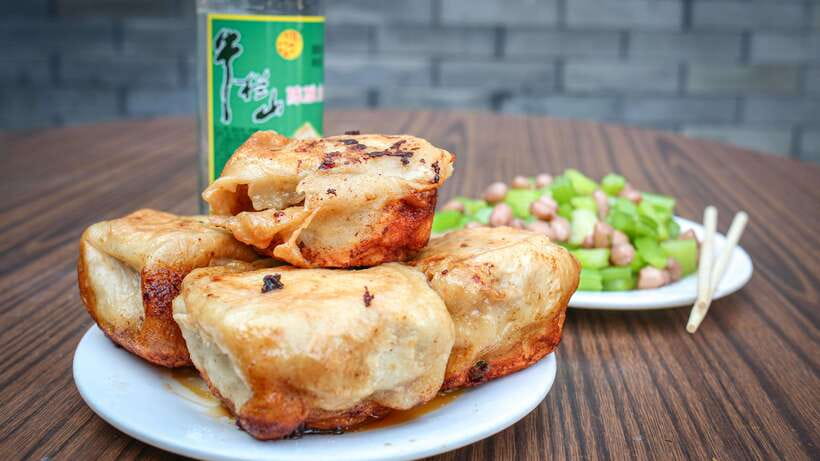
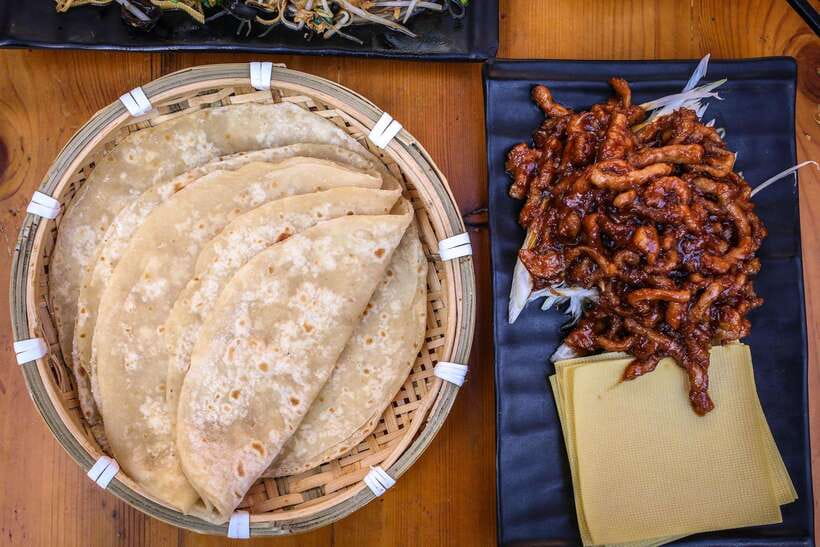
The final featured restaurant is run by a husband-and-wife team specializing in spring pancakes. The dish is traditionally eaten around Chinese New Year to mark the arrival of spring and hopes for a good harvest.
The pancakes are made fresh to order. You eat them by filling and folding them much like a burrito. Their meaning is as important as their flavor: they represent family reunion and togetherness.
That makes this a fitting end to the tour. After eating in several neighborhood spots and walking through old lanes, you finish with a dish tied to family tradition. It is also a welcome contrast to the hotpot and noodles. The meal feels more assembled and hands-on, with the pancake acting as a wrapper for the fillings.
The restaurant’s family-run character gives the stop a personal feel, though the small setting may not suit anyone seeking a formal dining room. The tour can also adjust its exact itinerary based on daily restaurant operations and ingredient availability. The food stops are designed to remain strong, but the precise dishes or order may change.
What the guides add to the evening
The guide is a major part of this experience. The food is the reason to book, but the guide helps you understand what is on the table and where you are walking.
Names that appear repeatedly in the tour’s feedback include Janice, Tony, Winnie, Yoyo, Haitao, Joe, Uyi, Teagan, Zoe, Tara, Carmen, and Bonnie. The praise is consistent across these guides: clear English, friendly manners, useful food explanations, and stories about the hutongs and Beijing life.
Janice is noted for making visitors comfortable and explaining both dishes and local buildings. Tony is described as lively and easygoing. Winnie is particularly good at connecting food with broader points about Beijing society, history, and the economy. Yoyo brings strong enthusiasm for local food, while Haitao is often singled out for practical tips and an engaging personality.
Guide assignments change, so you cannot choose a particular person unless the operator confirms it. Still, the range of positive comments suggests that the tour company puts real effort into guide training and guest care. One guide even helped a participant solve a metro problem after the tour, which is the sort of small assistance that can matter when you are new to China.
Drinks, portion sizes, and the pace of the evening
The tour includes four food stops, a pint of locally brewed craft beer, and unlimited beer and soft drinks. That makes it more than a sampling walk. You should think of it as dinner spread across several restaurants.
The drinking element is fairly prominent, with local beer and baijiu culture appearing along the way. You do not need to be a heavy drinker to enjoy the tour, but tell the operator about your preferences if you want to limit alcohol. The listed inclusions also mention sodas, so nonalcoholic options are available.
The pace is designed to feel social rather than hurried. You walk between stops, hear stories, sit down to eat, and continue through the neighborhood. People who enjoyed the tour often appreciated that it fit a lot into one evening without feeling like a race.
The drawback is fullness. Four stops can be a lot, especially when the first meal includes meat and beer. Arrive hungry, take small portions when possible, and do not feel obliged to finish every serving immediately.
Who should book this Beijing food walk
I would recommend this tour to first-time Beijing visitors who want a useful introduction in their first few days. It gives you dishes to remember, neighborhoods to explore, and restaurant ideas you can use later in the trip.
It also suits adventurous eaters who enjoy trying regional specialties without needing to research every address in advance. The rare Muslim dish and the scratch-made noodles are especially worthwhile if you have already eaten standard Chinese restaurant fare at home.
The tour is less suitable for anyone with mobility impairments. The route covers 2.5 kilometers through hutong lanes, and the restaurant settings may be small or informal. You should also contact the operator before booking if you have dietary restrictions, since the menu centers on meat, wheat, and local specialties.
Rush hour traffic can be heavy around Shichahai. Take the subway if possible, and allow extra time if you use a taxi or Didi. The Chinese meeting-point text is 什刹海地铁站C东南口, which can help when showing the destination to a driver.
Should you book this tour?
Book it if you want a full evening of food and local context, not just a list of famous dishes. The combination of copper-pot hotpot, Beijing noodles, a rare historical specialty, and spring pancakes gives you a broad introduction in three and a half hours.
I would especially choose it early in a Beijing visit. You get a feel for the hutongs, learn which foods deserve another look, and receive practical suggestions from a guide who works with visitors every day.
Skip it if you need a private tour, dislike walking, or want complete control over every dish. The route can change with restaurant availability, and the meals are designed for broad local flavor rather than a carefully customized menu. For most curious eaters, though, $75 is fair value for four stops, included drinks, a dinner’s worth of food, and access to places you would probably pass without noticing.
FAQ
Where does the Beijing food tour begin?
It begins at Shichahai Subway Station, Exit C, at street level. The station is served by Line 8, and you should meet the guide 10 minutes before the 6:30 PM start.
How long does the experience last?
The tour lasts 3.5 hours, including the hutong walk and four food stops.
How far do I walk?
The route covers about 1.5 miles, or 2.5 kilometers, through Beijing’s historic hutong alleyways.
What food is included?
The experience includes tastings at four stops: Beijing mutton hotpot, Beijing-style noodles, a rare Muslim Beijing specialty, and spring pancakes. The exact order or dishes may change according to restaurant operations and availability.
Are drinks included?
Yes. The tour includes a pint of locally brewed craft beer, along with unlimited beer and soft drinks.
Is the tour conducted in English?
Yes. It is led by a live English-speaking guide.
Can I tell the operator about dietary requirements?
Yes. You should advise the operator of any dietary requirements when booking. The provided information does not specify particular substitutions.
Is the tour suitable for someone with mobility impairments?
No. The tour is listed as unsuitable for people with mobility impairments because it includes a 2.5-kilometer walk through hutong lanes.
What happens if the tour does not reach its minimum number?
A minimum of two participants is required for the tour to operate. If that minimum is not met after confirmation, you may be offered another date or a full refund.
Can I cancel the booking?
You can cancel up to 24 hours in advance for a full refund. You can also reserve now and pay later, which keeps your plans flexible.
Just poured in the world
- Valle de Guadalupe winery and brewery tours★ 5.0 · 123 reviews
- Private Wine Tour at Valle de Guadalupe (A wine tasting included).★ 5.0 · 99 reviews
- Off Road Tour Experience plus Winery visit in Baja★ 5.0 · 174 reviews
- ATV Off-Road Adventure through Valle de Guadalupe + Winery Visit★ 4.5 · 201 reviews
- Shared Gin, Vodka & Rum Making Experience at Nelson’s Distillery★ 5.0 · 64 reviews
- Private Wine Tour by Ansell Tours★ 5.0 · 174 reviews
- Discover Malt Whisky Day Tour Including Admissions from Edinburgh★ 4.5 · 285 reviews
- Edinburgh: Holyrood Distillery ‘Journey to Whisky’ Tour & Tasting★ 5.0 · 126 reviews
Drinks Tours, compared.
Douro Valley w/ Boat Tour, Wine Tasting & Lunch
Read our review →
Chichen Itza, Cenote & Valladolid Tour with Tequila and Lunch
Read our review →
Complete Douro Valley Wine Tour with Lunch, Wine Tastings and River Cruise
Read our review →
Zakopane: Cable Car, Chocholow Baths, Cheese & Vodka
Read our review →

Zakopane: Cable Car, Chocholow Baths, Cheese & Vodka
Read our review →