REVIEW · DRINKS TOURS
Beijing Hutong Walking Food and Beer Tour at Hidden Restaurants
Beijing’s best food often sits behind an unmarked doorway, up a narrow lane, or inside a family home. This 3.5-hour hutong food walk takes you to four such stops, where you eat a full dinner rather than a few token bites. Expect Beijing hotpot, noodles, grilled meat, spring pancakes, local beer, and a final pint at a brewery.
I like two things right away: the small groups of 12 or fewer make it easy to ask questions, and the route gets you into old residential lanes you would have trouble finding alone. Guides such as Ernstina, Yoyo, Winnie, and Haitao are praised for explaining food, customs, and local life in clear English. The main catch is that the portions can be large and the walk is dark on some evening departures, so you should arrive hungry and dress for the weather.
Key points at a glance
- Four substantial food stops: Expect more than a tasting menu, with enough food for a full dinner and sometimes more than you can finish.
- A real hutong setting: Walk about 1.25 miles, or 2 kilometers, through old lanes and courtyards between meals.
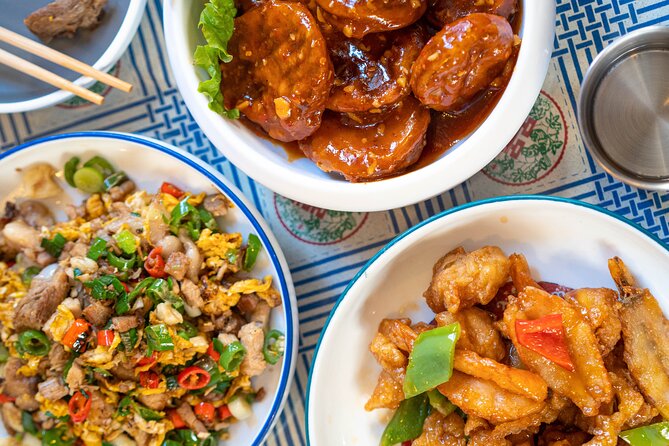
- Local dishes with context: Try copper-pot hotpot, Beijing noodles, spring pancakes, grilled meat, and other regional staples.
- Free-flowing drinks: Local beer and soft drinks are included throughout, plus one glass of craft beer at the final brewery.
- Small and social: The maximum group size is 12, making it easier to speak with the guide and meet fellow diners.
- Plan for the conditions: The tour runs in rain, heat, and cold, and evening lanes may be poorly lit.
Why this hutong food walk works so well
Beijing has plenty of famous restaurants, but a restaurant guidebook cannot easily show you how food fits into everyday neighborhood life. This tour links the meal to the setting. You walk through crooked lanes, pass courtyards, and stop at family-run places that are not obvious to an independent visitor.
That setting matters. The hutongs were Beijing’s traditional residential districts, and walking through them gives you a look at the city on a human scale. You are not simply moving from one restaurant to another in a taxi. The short walks between stops let you digest, notice the lanes, and hear about local routines and food traditions.
I also like the way the meal is paced. The four stops are separated by roughly 5 to 10 minutes of walking, rather than one long restaurant sitting. The route covers about 2 kilometers in total, which is manageable for most people but still enough to make this feel like an active evening.
The guides are a major part of the experience. Ernstina is described as warm, enthusiastic, and able to answer a wide range of questions. Yoyo is praised for explaining both food and local history, while Winnie has received praise for looking after the group, even when road closures caused transport trouble. Haitao is noted for clear English and an easy manner. Your guide will vary, but the format gives you personal contact instead of a guide speaking from the front of a large crowd.
More Food Tours in the world:
- From Split: Krka Waterfalls, Food & Wine Tasting Tour
★ 5.0 · 9,326 reviews - From Split: Krka Waterfalls, Food & Wine Tasting Tour
★ 4.9 · 6,598 reviews - Winner 2025 Undiscovered Lisbon Food & Wine Tour by Eating Europe
★ 5.0 · 6,390 reviews
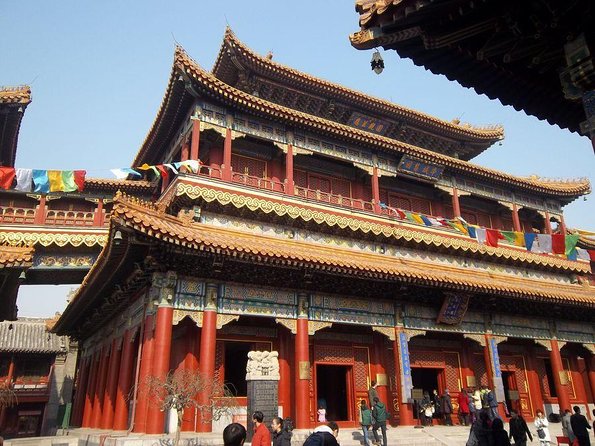
Starting near the Lama Temple or Shichahai
The supplied meeting information gives two different reference points, Lama Temple subway station and Shichahai metro station. The detailed tour information says the tour starts at 6:30 p.m. at Lama Temple station, served by subway lines 2 and 5. Another itinerary description refers to meeting at Shichahai.
This is one detail I would confirm carefully after booking. The exact address and transport directions are sent by email, and you should use those instructions rather than relying on a map pin or an older description. The end point is about a 10-minute walk from the starting area, at South Luogu Lane, also written as Nan Luo Gu Xiang.
Once the group is together, the guide leads you into the hutongs. The route is not about rushing through a checklist of sights. It is about moving from lane to lane, learning what you are eating, and understanding why certain dishes matter in Beijing.
The walk is about 1.25 miles, or 2 kilometers, split between the food stops. Wear comfortable shoes. Heels are a poor choice, and shoes that can handle wet pavement are sensible if rain is possible.
First course: copper-pot Beijing hotpot
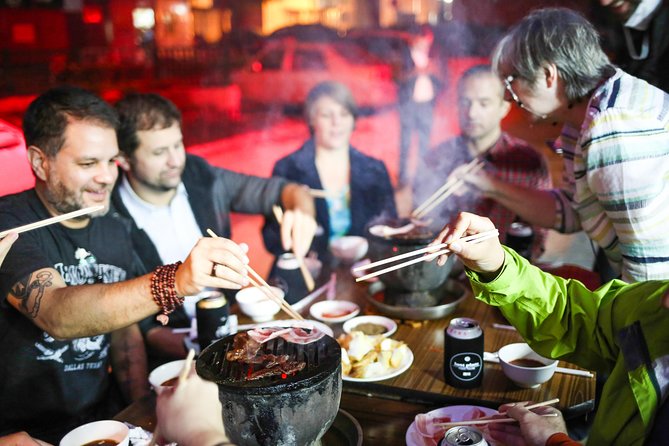
One early stop takes you to a restaurant with rooftop views toward Beijing’s historic bell tower. Here, hotpot arrives in traditional copper pots filled with a clear broth. Thin slices of mutton and beef are cooked at the table, allowing the quality of the ingredients to carry the dish.
This is a useful introduction to Beijing food because hotpot is social by nature. You cook, talk, and share rather than receiving one finished plate. The clear broth also differs from the heavily spiced bases common in some other Chinese hotpot traditions.
The rooftop setting adds a nice visual touch, though the view is likely to depend on weather, light, and exactly where you sit. Do not book this tour expecting a sightseeing platform. The food and the neighborhood are the main event.
You may also find that this is more than a small sample. The operator describes the food as a full dinner, and one particularly enthusiastic account says the servings were so generous that the final stop was difficult to finish. If you are used to food tours built around one bite per dish, adjust your expectations.
Second stop: spring pancakes with a husband-and-wife team
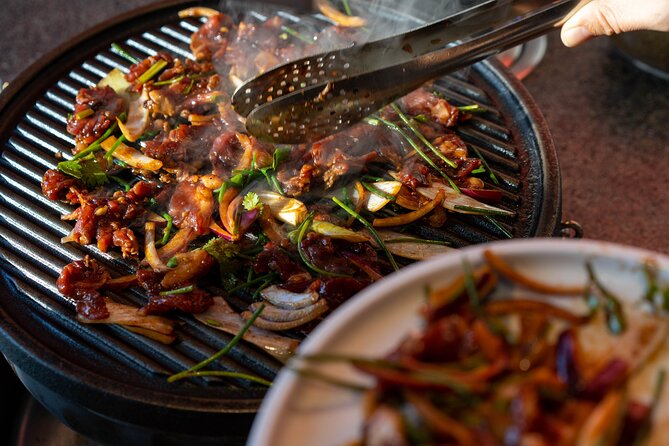
Another restaurant is run by a husband-and-wife team and specializes in spring pancakes. These thin wrappers are filled with ingredients and folded into a fresh wrap, a style associated with family meals around Chinese New Year, spring, and hopes for a good harvest.
This stop gives the tour a different rhythm from hotpot. Instead of cooking ingredients in a shared pot, you assemble and eat a dish that is tied to a seasonal custom. Your guide can explain how the food is made and how it fits into local celebrations.
It is also the sort of place that would be easy to miss without local help. The information provided does not promise a grand dining room or polished tourist presentation, which is part of the appeal. You are visiting a small local business chosen for its food and character.
If you are not confident with chopsticks or unfamiliar with the proper way to handle a dish, ask the guide. Tony, one of the guides praised in the feedback, is specifically noted for showing people how to eat certain foods. That sort of practical help is more useful than a long lecture.
More Drinks Tours in the world:
- From Porto: Douro Valley w/ Boat Tour, Wine Tasting & Lunch
★ 4.7 · 19,061 reviews - Chichen Itza, Cenote & Valladolid Tour with Tequila and Lunch
★ 4.5 · 15,789 reviews - Complete Douro Valley Wine Tour with Lunch, Wine Tastings and River Cruise
★ 5.0 · 12,920 reviews - Krakow–Zakopane: Cable Car, Chocholow Baths, Cheese & Vodka
★ 5.0 · 10,720 reviews
Third stop: Beijing noodles in a century-old home
For many Beijingers, noodles mean zhajiangmian, often called Beijing noodles. The tour visits the Yan family home, described as more than 100 years old, where you can try noodles in a residential setting deep in the hutongs.
This is likely to be the most distinctive stop because the setting is not simply a restaurant. Eating in a traditional home connects the dish with the people and places that have kept it in regular use. You also get a better sense of how old residential compounds are arranged and how narrow lanes shape daily life.
The noodles are served with toppings and sauce, and the guide explains the dish as part of Beijing’s food culture. The exact presentation can change, so you should not expect every departure to look identical.
This stop may also be the most atmospheric one. At night, the old lanes can be difficult to see, especially on the 6:30 p.m. departure in winter. One practical suggestion is to choose a daytime option if seeing the architecture matters as much to you as eating. The evening tour offers atmosphere and nightlife, but darkness limits the visual side of the walk.
Fourth stop and the brewery finish
The food portion includes a fourth stop, with the menu varying by departure. The tour description mentions grilling meat over open flames and wrapping ingredients into freshly made Beijing-style pancakes. Taken together, the four stops give you a broad introduction rather than one narrow specialty.
The final stop is a local brewery, where one pint of craft beer is included. During the food portion, local beer and soda are unlimited, and the brewery provides a chance to try one of Beijing’s better-known craft beers in a more relaxed bar setting.
The brewery is also where the tour ends. You can leave with directions from the guide, or stay longer and continue drinking at your own cost. This makes the ending flexible. If you are ready for bed after a large meal, you can head out. If you want to keep talking with the group, the final stop gives you that option.
The food and drink balance is important when judging the price. At $80 per person, this is not a cheap restaurant dinner. But you are paying for four food stops, a local guide, unlimited beer and soda, a craft beer, route planning, and access to family-run places and a home. For someone who would otherwise spend an evening guessing where to eat, the package can offer fair value.
If you mainly want a low-cost introduction to one or two Beijing dishes, the price may feel high. A food tour is most useful here when you value the access, explanations, and company as much as the calories.
What the guides add to the evening
The strongest part of this format is the guide’s role. The best guides do three jobs at once: they translate the menu, explain the customs around each dish, and keep the group moving through unfamiliar lanes.
Ernstina is described as especially friendly and good at answering questions. Janice is praised for being informative and welcoming, while Uyi is noted for explaining food and local terms in a way that helped a first-time visitor feel comfortable. Tracy, Zooey, Tony, Bonnie, Ann, Jo, and Yoyao are also named in positive accounts, with repeated praise for friendliness, food knowledge, and care with the group.
The quality of the evening will naturally depend on the individual guide. One fair criticism is that some departures may provide less historical explanation than a visitor hopes for. If hutong architecture and Beijing history are your main priorities, tell the guide early that you want more context.
The tour is social by design. Solo visitors can meet people from other countries, and small groups make conversation easier. Couples and families should also find the arrangement comfortable, though children may be less interested in a 3.5-hour evening built around eating and walking.
Food, allergies, and dietary limits
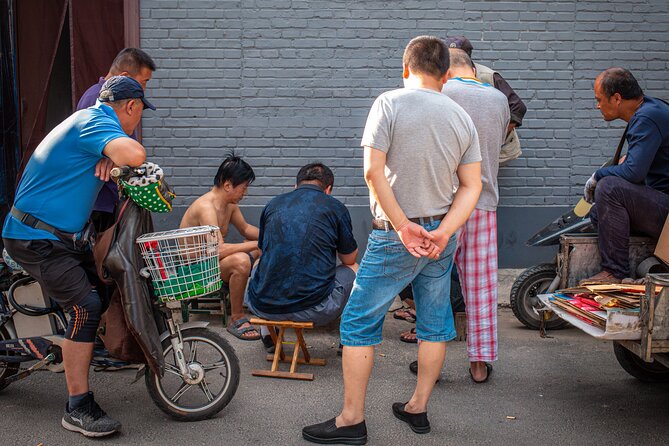
You should not eat a large meal before this tour. The operator describes it as more than a tasting tour, and the food may add up to more than a full dinner. If you need additional food at a stop, tell the guide, though most people are unlikely to need it.
Vegetarian and pescatarian requests can be accommodated if you provide them when booking. Vegan diets are not recommended because substitutions may not be available for every dish.
The supplied information gives conflicting guidance about gluten-free diets. One section says the tour is not gluten-free friendly, while the dietary FAQ says gluten-free requests may be possible with advance notice. I would contact the provider directly before paying if gluten is a serious health concern. Same-day requests are not guaranteed.
The tour includes unlimited local beer and soda, plus a pint of craft beer. If you do not drink alcohol, soft drinks are available. The beer is part of the value, but you are never required to drink it.
Weather, timing, and practical trade-offs
This is an all-weather walking tour. Bring an umbrella if rain is possible, and wear shoes that can get wet. In cold months, layer up. A November departure can feel cold in the open lanes, and you will be more comfortable with a warm coat than with fashionable but thin clothing.
Hot weather also matters because you are walking between stops. The route is not long, but Beijing’s summer conditions can make any outdoor walk feel harder. In extreme weather, the guide may cancel and issue a full refund. During very poor air quality, the tour may still operate, but a refund is offered if health concerns prevent you from joining.
The evening timing has both advantages and drawbacks. You get dinner and nightlife in one outing, and the cooler hours can be pleasant in warm weather. On the other hand, the hutongs may be too dark for close architectural sightseeing. Choose this tour for food first, with neighborhood atmosphere as a bonus.
The group maximum is 12, with a minimum of two people required for the departure to run. A small group is worth noting because shared dishes are easier to manage with fewer people, and the guide can adjust explanations to the group.
Who should book this experience
I would recommend it most strongly to first-time visitors who want a guided introduction to Beijing food without spending days researching restaurants. It is also a good choice for solo visitors, curious eaters, and anyone who enjoys meeting people over a long meal.
It suits adventurous eaters, but you do not need to be an expert with Chinese food. The guide can explain the dishes, and the menu includes familiar formats such as noodles, grilled meat, wraps, and hotpot.
I would think twice if you want a quiet, formal dinner, a strictly controlled diet, or a tour focused mainly on historical sightseeing. The portions are substantial, the route is social, and the lanes can be dark. The evening also involves beer, though soda is available.
Free cancellation is available up to 24 hours before the start time. After that, refunds and changes are generally not accepted. The tour can be booked with a mobile ticket, and confirmation is sent at booking.
Should you book the Beijing hutong food tour?
Book it if you want a full evening of local food and neighborhood access, not just a short sampling session. The mix of hotpot, noodles, spring pancakes, grilled food, family restaurants, a traditional home, and a brewery gives you a useful first taste of Beijing.
The strongest reason to go is the combination of food and guidance. You can find restaurants on your own, but finding a 100-year-old family home, knowing what to order, and understanding the customs around each dish is much harder.
Skip it if $80 feels too steep for dinner, if you prefer small portions at many street stalls, or if you need a tightly controlled gluten-free or vegan menu. For most curious eaters, though, the tour offers a practical and enjoyable way to get oriented in Beijing, with enough food to carry you well into the night.
FAQ
How long does the Beijing hutong food tour last?
The tour lasts about 3.5 hours, including walking, four food stops, and the brewery finish.
Where does the tour start?
The detailed information says the tour starts at 6:30 p.m. at Lama Temple subway station, served by lines 2 and 5. Another description refers to Shichahai metro station, so confirm the exact meeting address in the instructions sent after booking.
Where does the tour end?
The tour ends at a brewery near South Luogu Lane, also called Nan Luo Gu Xiang. This is about a 10-minute walk from the starting area.
How far do I need to walk?
The walking distance is about 1.25 miles, or 2 kilometers. The route is split into short walks of roughly 5 to 10 minutes between stops.
How many people can join?
The minimum is two people and the maximum is 12. The small group allows more direct contact with the guide.
How much food is included?
The four food stops are intended to provide more than a full dinner rather than a few small samples. The amount can be more than some people finish.
Are drinks included?
Yes. Local beer and soft drinks are unlimited during the tour, and one glass or pint of locally brewed craft beer is included at the final brewery.
Can vegetarians join?
Yes, a vegetarian option is available if you advise the provider when booking. Pescatarian requests can also be accommodated with advance notice.
Is the tour suitable for vegans or people avoiding gluten?
The tour is not recommended for vegan diets. The supplied information gives conflicting guidance about gluten-free requests, so contact the provider before booking if you need a strictly gluten-free meal.
Does the tour run in bad weather?
Yes, it operates in rain, heat, and cold, so you should dress appropriately. In rare cases of extreme weather, the guide may cancel and provide a full refund.
Just poured in the world
- From Madrid: Toledo Guided Tour & Winery Visit with Tasting★ 4.8 · 313 reviews
- Madrid Region Wineries Guided Tour with Wine Tastings★ 4.9 · 222 reviews
- Ribera del Duero Wineries Guided Tour & Wine Tasting from Madrid★ 5.0 · 328 reviews
- Santorini Sunset Wine Tour with Santo Winery Views★ 5.0 · 342 reviews
- Médoc Region Half-Day Wine Tour with Winery Visit & Tastings from Bordeaux★ 4.5 · 211 reviews
- Bordeaux Full Day Wine Tour – 3 Wineries & Gourmet Picnic Lunch★ 5.0 · 307 reviews
- Saint-Emilion Afternoon Wine Tour – 2 Wineries & delicacies★ 5.0 · 614 reviews
- Private Secret Venice Tour; Rialto Market, San Polo & Food and Wine tasting★ 4.0 · 220 reviews
Drinks Tours, compared.
Douro Valley w/ Boat Tour, Wine Tasting & Lunch
Read our review →
Chichen Itza, Cenote & Valladolid Tour with Tequila and Lunch
Read our review →
Complete Douro Valley Wine Tour with Lunch, Wine Tastings and River Cruise
Read our review →
Zakopane: Cable Car, Chocholow Baths, Cheese & Vodka
Read our review →

Zakopane: Cable Car, Chocholow Baths, Cheese & Vodka
Read our review →