
REVIEW · RUM TASTINGS
Cartagena: Boutique Rum and Chocolate Tasting at Lunático
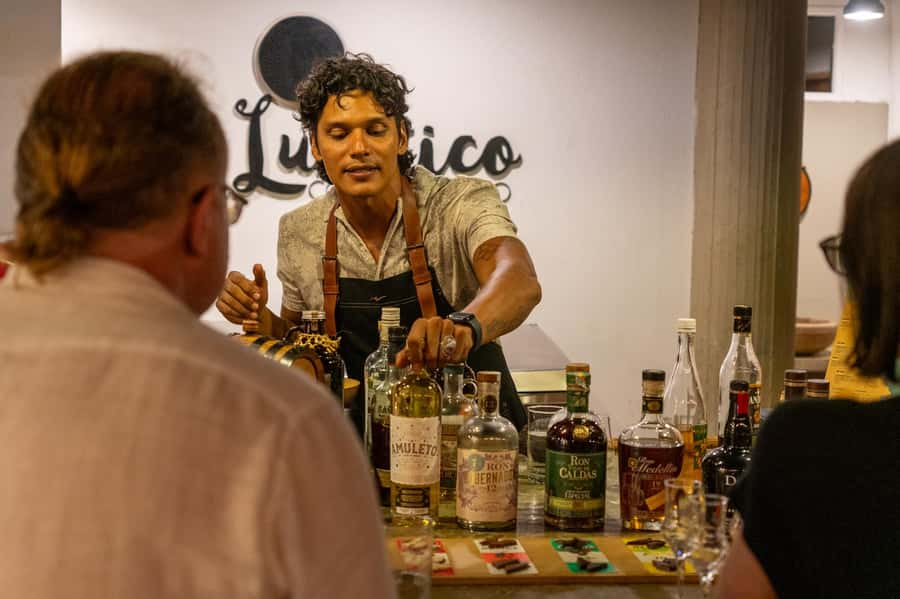
Colombian rum gets the main stage here, but the real lesson is how much the drink changes when paired with chocolate. I like the tasting’s regional focus and the way guides such as Adrian, Luz, and Dylan turn production methods into an easy, social class. I also like the final cocktail, which gives you something active to do after all that sipping.
The main drawback is simple: this is a lot of alcohol in two hours. Chocolate is part of the program, not a meal, and one past participant felt the experience leaned more toward rum than chocolate. Eat before you arrive, and plan a quiet evening afterward rather than a packed schedule.
Key points to know before booking
- Eight to ten spirits: The tasting may include Colombian rums and other local spirits, with the exact number varying by session.
- Chocolate changes the drink: Pairings range from sweeter to more bitter chocolate, showing how cocoa can alter rum’s flavor.
- Renato Molo’s method: The program was created by a certified Rummelier® and Royal Rum Society™ member.
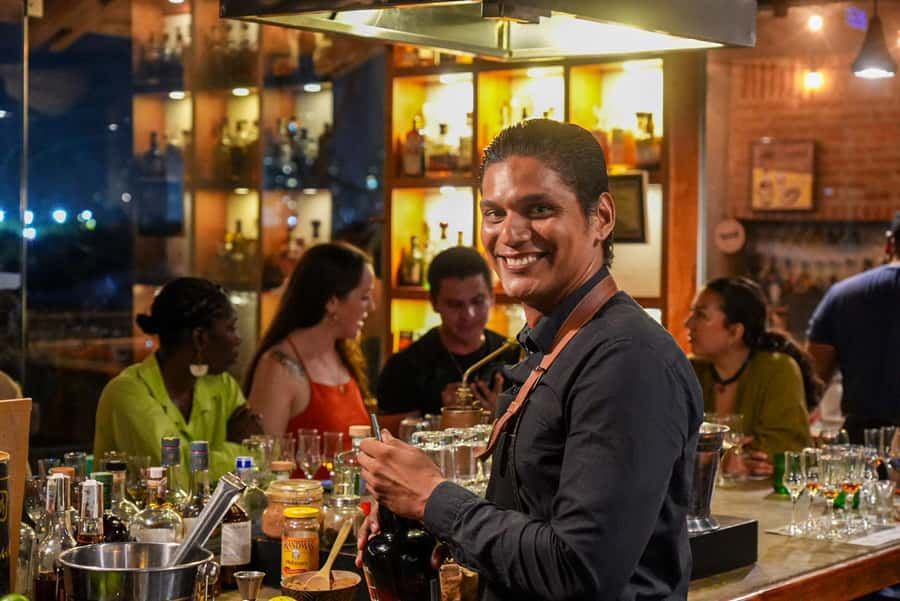
- A cocktail closes the class: You finish by mixing your own rum cocktail and putting the tasting lessons to use.
- Small groups can feel personal: One session had six people, while another was a private-feeling class for two.
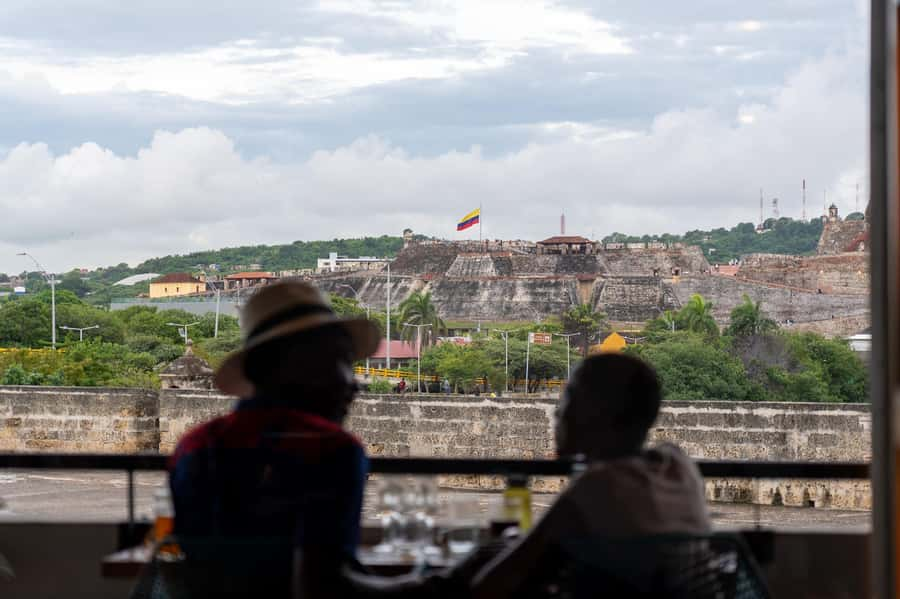
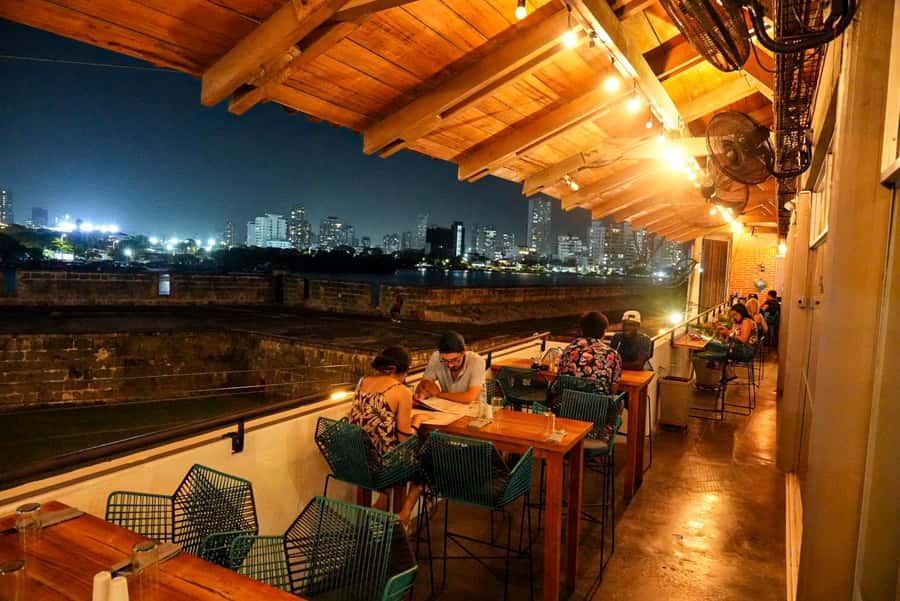
- Great fort views: The setting at Caffé Lunático looks toward Castillo San Felipe, especially appealing around sunset or after dark.
What the two-hour Lunático tasting is really about
This is not simply a bar flight with a few squares of chocolate on the side. The point is to teach you how Colombian rum is made, why spirits from different parts of the country taste different, and how to notice those differences for yourself.
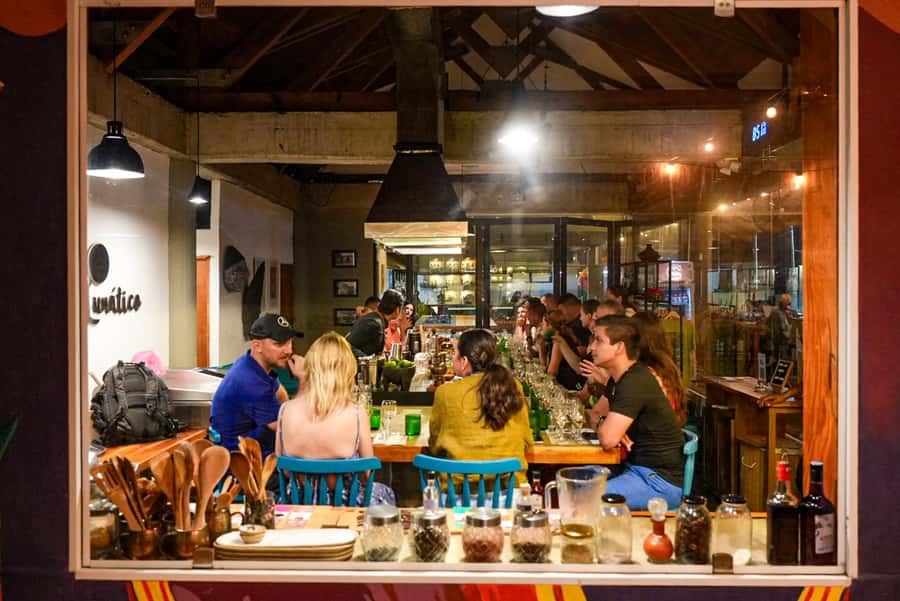
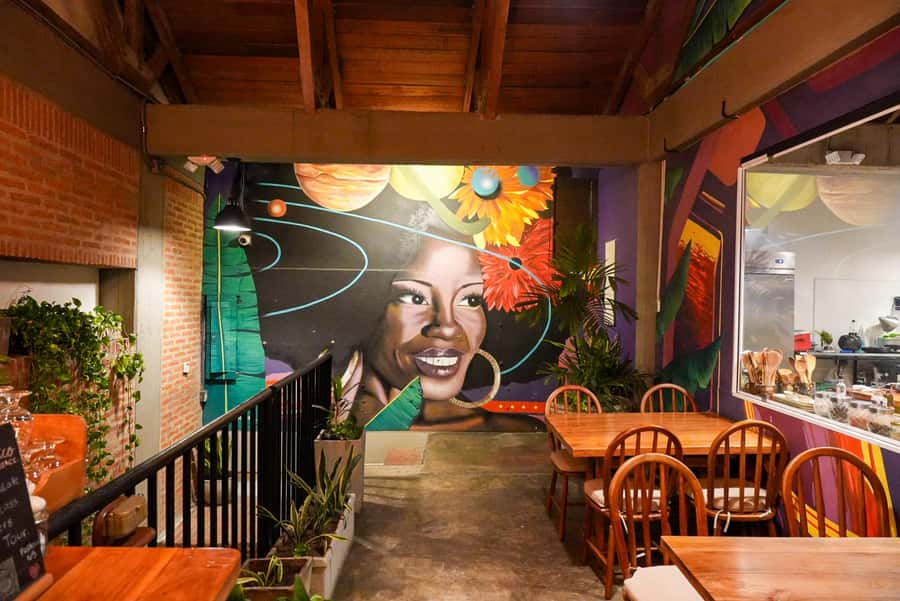
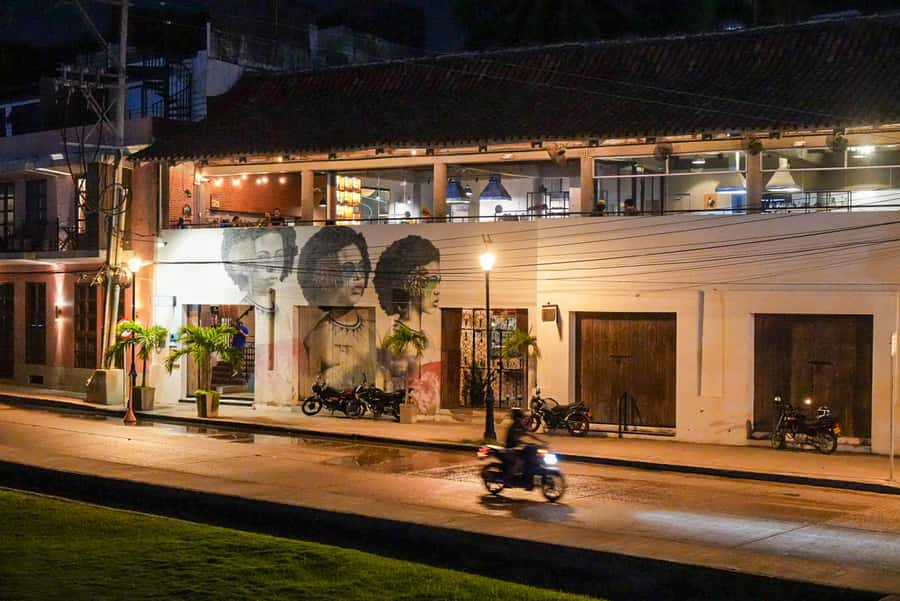
You begin at Lunático Cooking Studio, at Avenida del Pedregal 29-225, near Getsemaní. Look for the large mural of three girls, called tres guerreras, at the entrance. The studio is upstairs in the building, and the tasting may take place in the studio or on the terrace of Caffé Lunático.
That choice of setting matters. The studio offers a clean, modern room suited to teaching, while the terrace gives you a broad view toward Castillo San Felipe. The surroundings add atmosphere without turning the session into a sightseeing tour. You are there to taste, listen, ask questions, and talk with the people at your table.
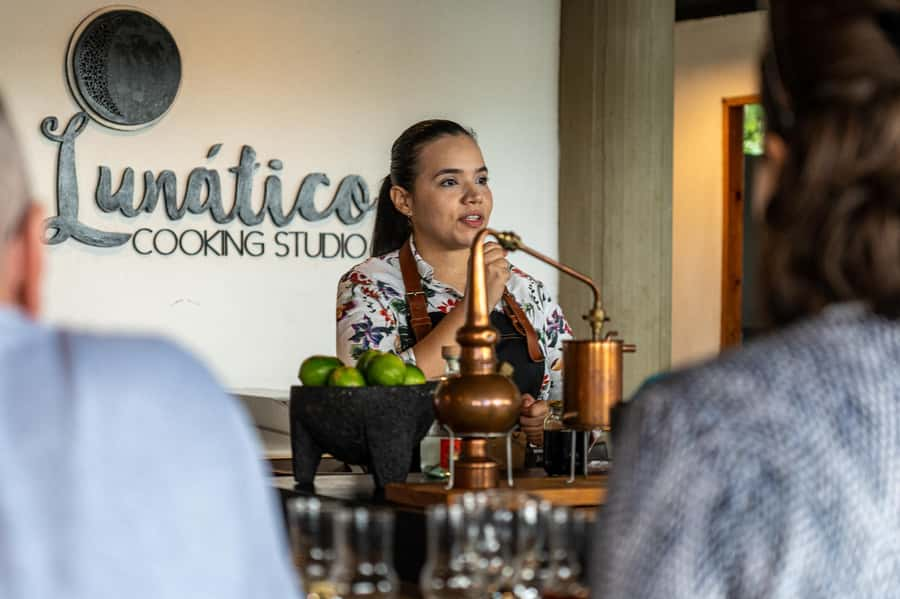
The class is available in English or Spanish. Renato created the program, but trained hosts lead many sessions. Adrian receives especially strong praise for keeping the room engaged while explaining rum production and Colombian culture. Luz is warm and attentive, while Adrian and Dylan have hosted sessions together. The quality of the experience depends partly on your host’s style, but the format gives the guide plenty to work with.
More Rum Tastings in the world:
- Eastern Madeira: Full-Day Tour with Rum Tasting
★ 4.7 · 1,575 reviews - Rum Tasting Tour at Casa BACARDÍ in Puerto Rico
★ 4.5 · 1,095 reviews - Rum Tasting and Food Walking Tour in Nassau Bahamas
★ 5.0 · 1,030 reviews
Starting with Colombian rum, not a generic bar flight
The first useful lesson is that rum is not one fixed flavor. The tasting introduces spirits from different Colombian regions and may include several styles, along with a few other local distillates.
You learn about the raw materials, fermentation, distillation, aging, and blending that shape the final drink. The explanations are not presented as a technical lecture. Instead, the guide connects each bottle to its production method and place of origin, then gives you time to taste it.
That approach works well for beginners. If you normally order rum only in a mixed drink, you can compare lighter and fuller expressions without needing prior vocabulary. If you already enjoy rum, you get a clearer sense of how Colombian bottles fit into the wider world of the spirit.
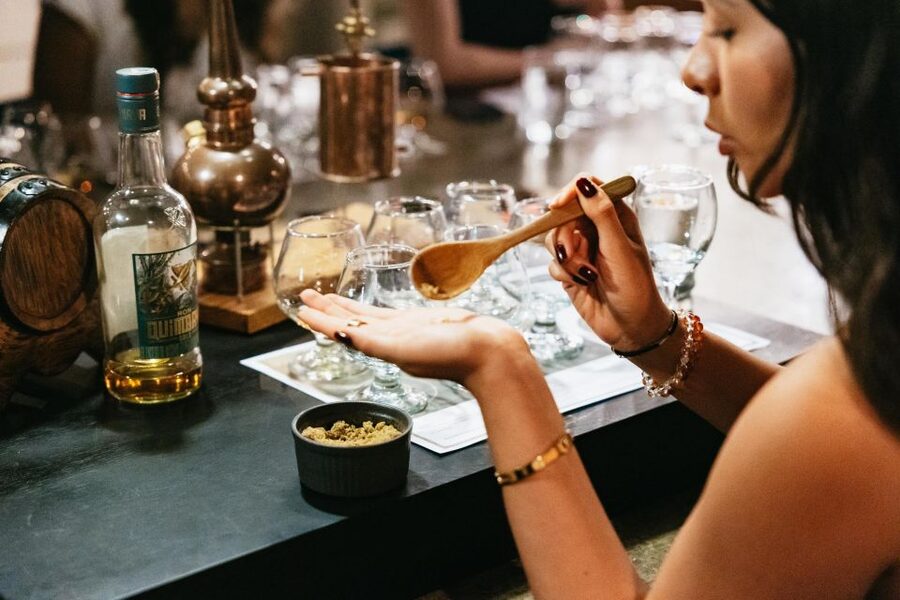
The class also explains how to taste properly. You are shown how to look at the drink, smell it, take a small sip, and identify changing notes rather than swallowing quickly. This matters because a flight of several spirits can become a blur if you treat every pour the same way.
The portions are generous enough that you should pace yourself. Some sessions have featured six rums plus extra spirits, while others included 10 or 11 rums. The exact lineup is not fixed, so do not book expecting one particular bottle count. The reliable part is the chance to compare a broad range of Colombian drinks in one sitting.
Chocolate pairings that actually teach you something
The chocolate is not just a sweet snack between pours. It acts as a simple tasting tool.
You may try chocolates with different levels of sweetness and bitterness, then taste the rum again. A chocolate can make a spirit seem softer, darker, sweeter, or more rounded. It can also bring out notes you missed on the first sip. This is a useful lesson for anyone who wants to pair drinks with dessert or food at home.
The pairings use Colombian chocolate, which keeps the activity tied to the country rather than treating the cocoa as an unrelated extra. One session included six chocolates, while another participant felt there could have been more chocolate. That is a fair expectation to set: this is primarily a rum tasting with chocolate pairings, not an equal rum-and-chocolate workshop.
I like this part because it makes the class interactive. You are not told that one pairing is correct and another is wrong. You taste, compare, and decide what works for your palate. The chocolate also provides a small break from the alcohol, though it does not replace a proper meal.
If you are especially interested in Colombian chocolate, you may find the rum receives most of the attention. If your priority is learning how flavors interact, the pairing section is still worthwhile.
The final cocktail gives the class a practical finish
Near the end, you make your own rum cocktail. This is a welcome change of pace after the guided tasting.
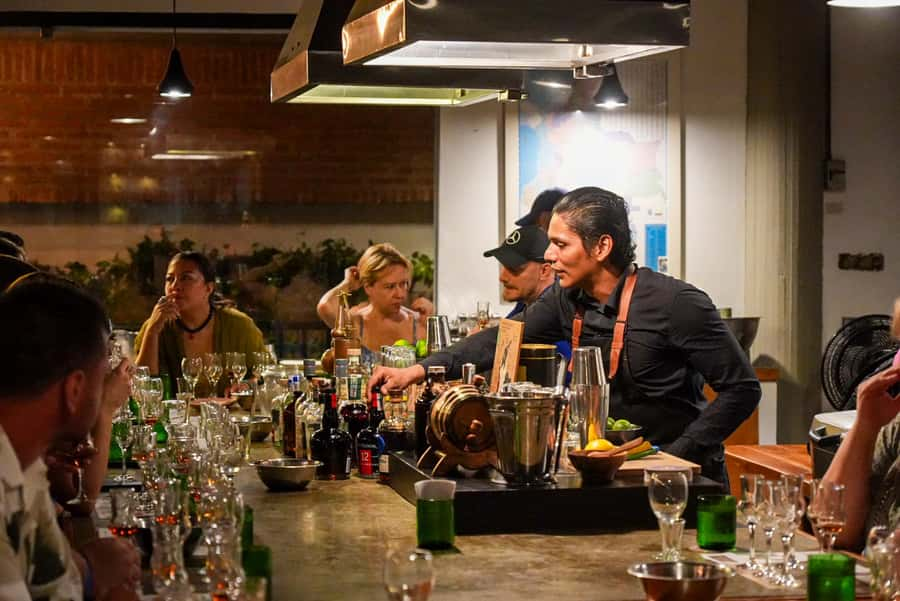
The earlier lessons help you decide how to use the spirit. You have already compared different rum styles, noticed how sweetness and bitterness affect them, and discussed ways to pair rum with food. Now you get to apply that knowledge in a drink.
The cocktail also makes the experience more social. Instead of ending with the last sample and a quick goodbye, you have a shared activity that encourages conversation. Several people have described the class as a fun way to meet others, and this final step helps explain why.
You may also receive local suggestions from the host. Adrian has offered advice about places to eat and drink in Cartagena, and the bar downstairs at Lunático is an easy place to continue sampling local drinks. That is optional, of course. After a full tasting, water and food may be the wiser choice.
More Sweet Stops in the world:
- Melbourne: Yarra Valley Wine, Gin, Whisky and Chocolate Tour
★ 5.0 · 3,667 reviews - Rome: Pasta Making Class with Wine, Limoncello, and Dessert
★ 4.9 · 3,177 reviews - Hungry Mary’s Famous Beer and Chocolate Tour in Brussels
★ 5.0 · 2,258 reviews - Epic Yarra Valley Wine Tour + Lunch, Chocolate & Gin/Beer Option
★ 5.0 · 1,819 reviews
Why the two-hour format works
Two hours is long enough to cover production, culture, tasting technique, chocolate, and cocktails without turning the event into a full-day commitment. It fits neatly into an evening in Cartagena or works as a first-night activity when you want an introduction to local drinks.
The timing does require some discipline. With six to 11 rum samples, additional spirits, chocolate, and a cocktail, the alcohol can add up quickly. A full stomach is strongly advised. One participant specifically suggested eating beforehand, and that is practical advice rather than a minor tip.
Do not schedule an important early morning excursion immediately after this class if you know alcohol affects your sleep. The experience is best treated as a main evening activity, not a quick stop squeezed between dinner and another tour.
The small-group format can also shape the mood. A group of six allows easy conversation without making the class feel crowded. A session with only two people may feel more like private instruction, with extra room for questions. Larger or smaller groups will change the social energy, but the basic teaching structure remains the same.
The setting near Getsemaní and Castillo San Felipe
Lunático’s location is one of the strongest practical features. Avenida del Pedregal places you close to Getsemaní, an area that works well for an evening of food and drinks.
The view toward Castillo San Felipe adds a Cartagena sense of place without requiring a separate outing. From the terrace, the fort is the visual anchor. At night, it gives the setting a pleasant backdrop while you taste.
Do not confuse this with a rum distillery visit. You will learn how rum is made, but the activity takes place at Lunático rather than at a production facility. There are no farm or factory stops in the two-hour plan. The value comes from guided comparison, explanation, and conversation.
The studio is described as cool, clean, and modern, which is helpful in Cartagena’s heat. You do not need to bring equipment or special supplies. Everything required for the tasting and cocktail is provided.
Is $105 a fair price?
At $105 per person, this is not a cheap way to have a few drinks. You can certainly spend less at a Cartagena bar.
The price makes more sense if you value instruction and variety. You are paying for a guided class, multiple Colombian spirits, chocolate pairings, a cocktail, and a host who can explain what you are tasting. Depending on the session, you may try six rums plus additional spirits or as many as 10 or 11 rum samples.
The setting adds some value, especially if your class takes place on the terrace with the fort in view. The social side matters too. You are not simply buying alcohol. You are getting a structured introduction to Colombian rum and a chance to meet people around a table.
Still, the cost may feel high if you mainly want chocolate or a single cocktail. One participant considered the activity expensive compared with other things to do in Cartagena. I agree that the price requires interest in rum. The chocolate is a thoughtful part of the lesson, but it is not the main portion of what you receive.
For rum newcomers, the price buys confidence. You leave knowing how to taste, what questions to ask, and which styles you prefer. For serious rum fans, the range of Colombian bottles and the chance to speak with a dedicated specialist may justify the spend.
Who will enjoy this most?
I would recommend this to adults who like tasting classes, local food traditions, and relaxed conversation. It is a strong fit for couples, friends, and solo visitors who want an evening activity with structure but no long bus ride.
You do not need to know anything about rum. In fact, beginners may get the most from the class because the guide starts with basic tasting methods and builds from there.
It also suits people who want more than a standard city tour. The session connects alcohol to Colombian identity, regional production, chocolate, and local hospitality. You learn about the country through something people actually eat and drink.
This is not suitable for children under 18 or pregnant women. It is also a poor match if you avoid alcohol, dislike group conversation, or want a full meal with your tasting. People who prefer very controlled portions should know that several participants found the pours generous.
Useful booking and arrival advice
You can cancel up to 24 hours before the experience for a full refund, and the reserve-now, pay-later option keeps your plans flexible. Check the available start times because the activity lasts two hours and the schedule can affect how it fits with dinner.
Arrive at Caffé Lunático on Avenida del Pedregal 29-225. At the entrance, use the mural with the three girls as your visual marker, then go upstairs to the studio. The directions describe the space as being on the second floor and also refer to the first floor inside the building, so ask at the café if you are unsure once inside.
No special clothing, tools, or supplies are needed. Have a real meal before the class, drink water, and avoid arriving already full of alcohol. If you want to eat at Lunático, the restaurant downstairs has also been praised for its food and fort view, but plan that meal before or after the tasting rather than expecting the class itself to feed you.
Should you book the Lunático rum and chocolate tasting?
Book it if you want a focused, social introduction to Colombian rum and are comfortable paying for a class rather than a simple bar visit. The best parts are the number of spirits, the regional context, the chocolate comparisons, and the cocktail you make at the end.
I would be less quick to recommend it if chocolate is your main goal or if $105 feels steep for a two-hour activity. The balance clearly favors rum, and the alcohol level is substantial.
For most adults who enjoy food and drink experiences, this is a smart way to spend an evening near Getsemaní. Eat first, pace yourself, and arrive ready to taste rather than rush. If that sounds appealing, the Lunático program offers a useful and enjoyable look at a side of Colombian culture that many Cartagena itineraries skip.
FAQ
Where does the rum and chocolate tasting take place?
The meeting point is Caffé Lunático at Avenida del Pedregal 29-225 in Cartagena. The studio is upstairs, and the activity may take place in the studio or on the café terrace.
How long does the experience last?
The tasting lasts two hours.
How many drinks will I try?
The program is designed around 8 to 10 Colombian spirits, though individual sessions may vary. Some sessions have included six rums plus extra spirits, while others have featured 10 or 11 rums.
Is chocolate included?
Yes. Colombian chocolate is paired with the spirits to show how different levels of sweetness and bitterness affect the flavor of rum.
Do I make a cocktail?
Yes. A cocktail is included, and you make it during the final part of the class.
What languages are available?
The experience is offered in English and Spanish.
Who cannot take this activity?
The experience is not suitable for pregnant women or children under 18. Hotel pickup and drop-off are not included.
Just poured in the world
- Florence Day Trip: Chianti Wine Tasting, Siena, San Gimignano★ 5.0 · 263 reviews
- Florence Food and Wine Tasting Tour! Private with Local Expert★ 5.0 · 66 reviews
- Florence: Siena & San Gimignano with Dinner in a Boutique Winery★ 4.5 · 199 reviews
- Small Group Pasta Making Class Wine Tasting in a Tuscan Castle★ 5.0 · 142 reviews
- Horseback Riding with Wine Tour from Florence★ 5.0 · 60 reviews
- Florence Night Bike Tour with Wine and Aperitivo Picnic included★ 4.5 · 61 reviews
- Horseback riding & Wine Tasting and snack Lunch at noble Estate★ 5.0 · 53 reviews
- Tuscany Wine Tour: 2 Wineries & Chianti from San Gimignano★ 5.0 · 57 reviews
Rum Tastings, compared.

Eastern Madeira: Full-Day Tour with Rum Tasting
Read our review →
Rum Tasting Tour at Casa BACARDÍ in Puerto Rico
Read our review →
Rum Tasting and Food Walking Tour in Nassau Bahamas
Read our review →
Full-Day Tour: Concord Waterfall, Chocolate Factory, Rum Distillery, Grand Etang
Read our review →

Bundaberg Rum Behind The Scenes Distillery Tour And Museum Experience
Read our review →

Private Aruba Snorkeling Excursion with Rum Punch
Read our review →Browse the lists this tour appears in