
REVIEW · WINE TASTING TOURS
Château de Luc: Unique visit and wine tasting
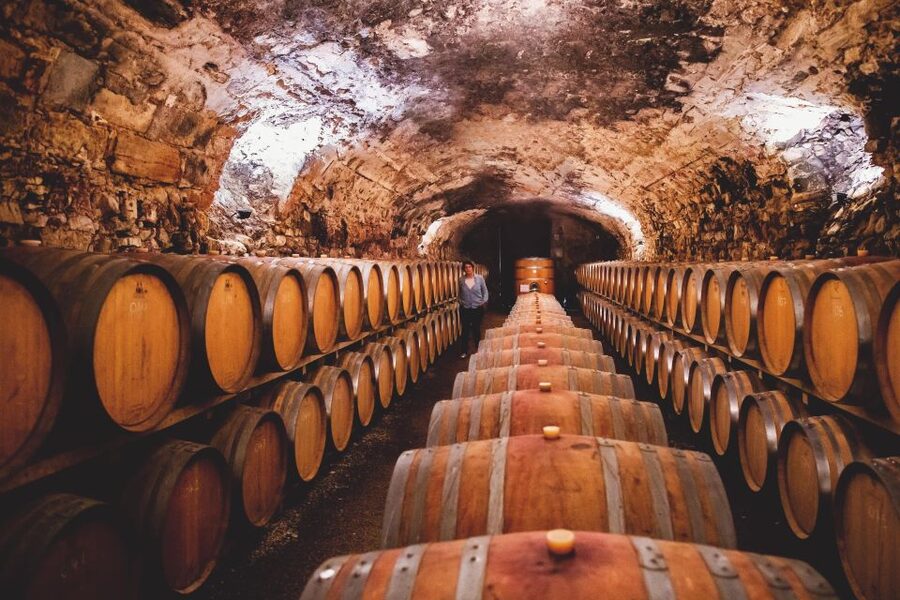
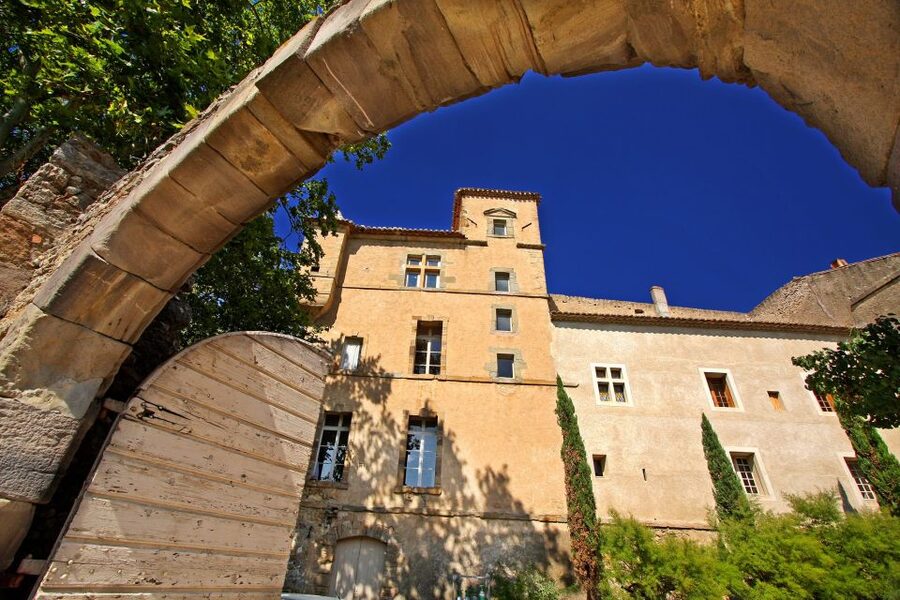
The best part of Château de Luc is below ground: a 14th-century cellar beneath the old home, where the story of Languedoc wine becomes much more than a tasting-room speech. You’ll move through historic rooms, hear about the family estate, and trace the region’s rise during the 19th-century wine boom and the revolt of 1907.
I like two things here. First, the visit joins regional history with wine, so you learn why this part of southern France became such a major producer. Second, the tasting includes three to six organic wines from several appellations, giving you a useful chance to compare styles rather than sample one token glass. The main drawback is that the visit is not suitable for wheelchair users, and the tour may feel brief if you want a long cellar or vineyard walk.
Key points to know before you go
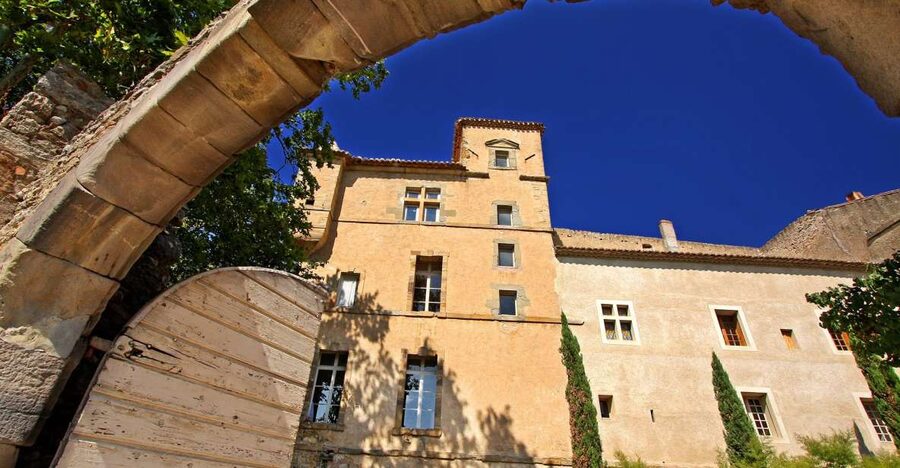
- The 14th-century underground cellar: The oldest and most atmospheric part of the visit is beneath the historic house, with aging barrels and centuries of wine-making history.
- A family-run estate: The tour is tied closely to the Fabre family and its working wine business, rather than being a purely museum-style presentation.
- Three to six organic wines: You may taste wines ranging from IGP Pays d’Oc to AOC Languedoc, Corbières, and Minervois.
- A lesson in the 1907 wine revolt: The visit explains the pressures behind one of the key events in the history of the Midi wine region.
- Three languages: Tours are offered in French, English, and Spanish, with live guidance rather than a recorded presentation.
- Good value at $15: The price covers the historic visit and wine tasting, while children under legal drinking age enter free.
Entering Château de Luc and meeting the Fabre family
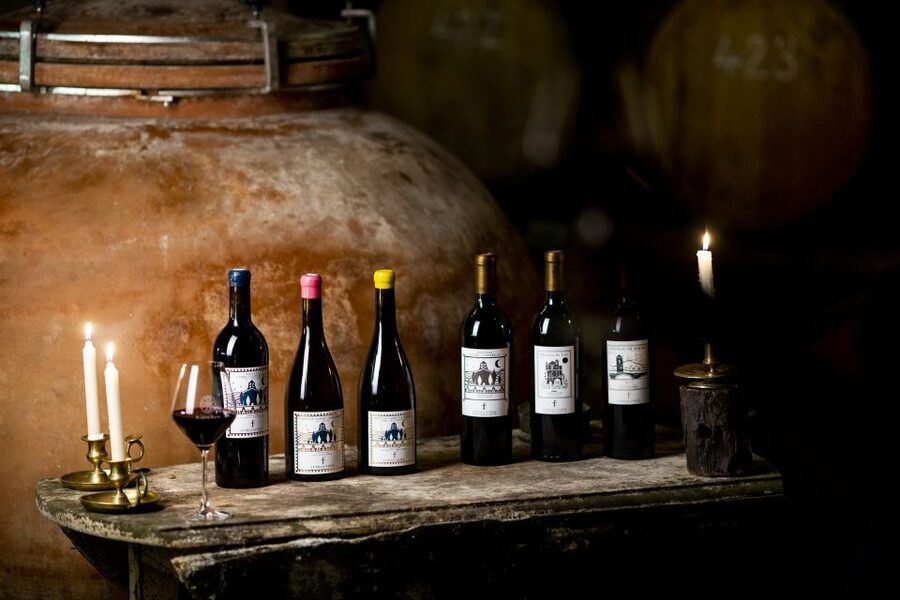
Château de Luc is not presented as a grand, empty monument. It is part of a family wine business that is still working, changing, and selling its own bottles. That makes the visit feel connected to daily wine production rather than sealed off from it.
The tour moves through the château’s historic rooms before heading below ground. This opening gives you a sense of the building and the people behind the estate. You are not simply tasting anonymous regional wine. You are hearing how one family’s property fits into the wider story of Languedoc.
The personal angle matters. A family member leads at least some of the visits, and Jeanne has been praised for explaining the estate with warmth and clear enthusiasm. If she is your guide, expect a presentation that links the family story, the building, and the wines without making the history feel like a school lecture.
The exact group size is not specified. On a quieter date, you might find yourself in a very small group, possibly with plenty of time for questions. That can change the experience from a set tour into a relaxed conversation about vineyard work and winemaking.
More Wine Tasting Tours in France
- Bordeaux: Cité du Vin Entry Ticket and Wine Tasting
★ 4.6 · 3,885 reviews - Montmartre Hill French Gourmet Food and Wine Tasting Walking Tour
★ 5.0 · 2,588 reviews - From Paris: Loire Valley Castles Day Trip With Wine Tasting
★ 4.6 · 1,727 reviews
Going underground into the 14th-century cellar
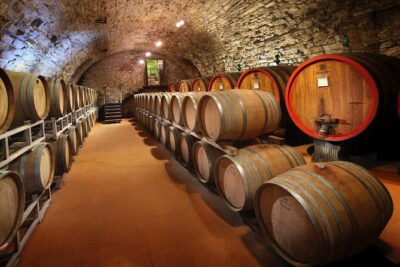
The underground cellar is the strongest reason to book this experience. Dating from the 14th century, it gives the visit a physical sense of time that a modern tasting room cannot match.
You can expect to see the old cellar beneath the home, including barrels used for wine aging. The setting connects the château’s medieval foundations with the continuing life of the estate. It is a useful reminder that wine in the Midi is not just a product on a shop shelf. It is tied to buildings, families, labor, and local trade.
This part should appeal most to you if you enjoy historic places but do not want to choose between a heritage visit and a food-and-drink stop. The cellar adds atmosphere without requiring a separate museum visit. It also helps explain why the château’s wine operation has lasted across so many periods of change.
There is one practical limit. The experience is not suitable for wheelchair users. An underground cellar in a historic building can involve uneven or difficult access, so anyone with mobility concerns should check directly before booking. The supplied information does not give details about stairs, surfaces, or seating.
The epic of the Midi wine region
The historical section reaches beyond the château itself. You’ll hear about the great 19th-century wine boom, when the Languedoc became one of France’s major wine-producing regions, and about the 1907 revolt that shook the Midi.
That context gives the tasting more meaning. The region’s wine story was not a smooth march from old vines to modern bottles. It included rapid growth, economic pressure, disputes over wine quality and production, and strong local reaction. The 1907 revolt is a key part of understanding how closely wine was tied to work and community life in southern France.
I like this approach because it treats wine as part of local history, not just a list of grape varieties. You may not leave with a technical lesson in every appellation, but you should understand the forces that shaped the area’s vineyards and wine trade.
The presentation is available in French, English, and Spanish. That is important here, since the historical material adds real value to the visit. A language barrier would make the cellar interesting but leave much of the story out of reach.
Tasting organic wines from four regional categories
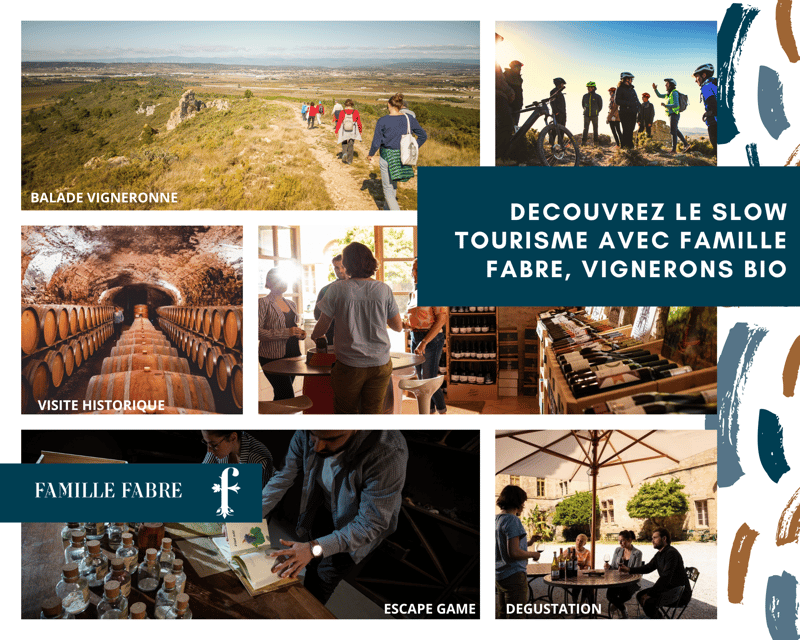
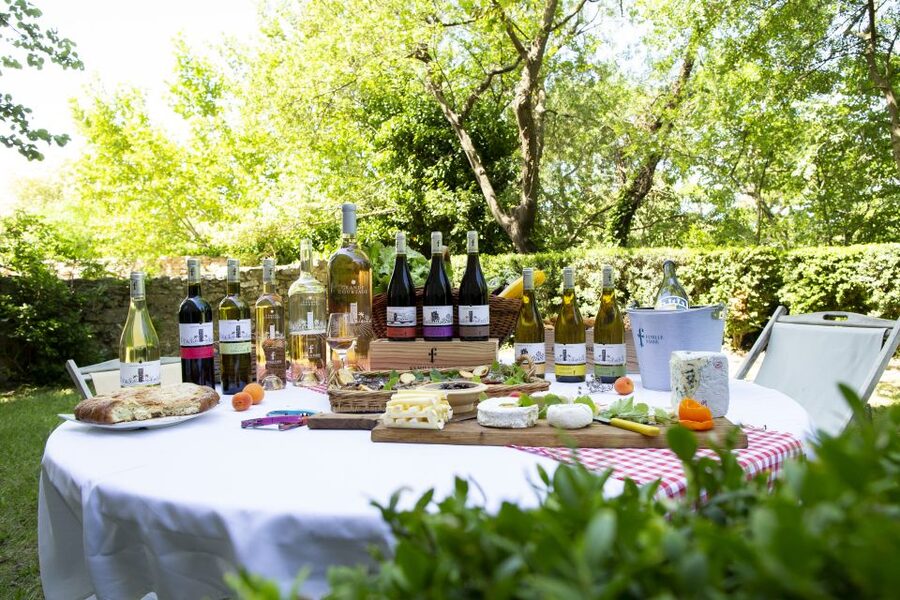
After the historic rooms and cellar, you’ll move to the tasting cellar, which occupies an old stable. This change of setting brings the visit back to the present and gives you a practical way to compare the estate’s wines.
The tasting includes three to six organic wines. The selection can cover:
- IGP Pays d’Oc
- AOC Languedoc
- Corbières
- Minervois
That range is useful because these names do not all describe the same type of wine. IGP Pays d’Oc gives producers more flexibility, while the AOC categories follow defined regional rules. Corbières and Minervois each carry their own identity within the Languedoc family.
You should not expect every bottle to suit your taste. Wine is personal, and one visitor found the wines disappointing, while other tasters enjoyed several styles and considered the bottles reasonably priced. That split is a helpful warning: book this for the combination of history, setting, and tasting, not on the promise that every glass will be a favorite.
The organic approach may matter to you if vineyard methods influence your buying choices. The available information identifies the wines as organic, but it does not spell out the estate’s exact farming practices or certification details. If that point is important, ask the guide during the tasting.
You can also ask about vineyard management, winemaking, and places to visit nearby. This is one of the better parts of a family-run tasting: you have a direct chance to ask questions that a standard wine bar may not answer.
Same town, a different bottle:
- Bordeaux: River Garonne Cruise with Glass of Wine and Canelé
★ 4.5 · 3,630 reviews - From Bordeaux: Afternoon Saint-Emilion Wine Tasting & snack
★ 4.8 · 1,581 reviews - From Paris: Day Trip to Champagne with 8 Tastings & Lunch
★ 4.8 · 1,501 reviews - Medoc or Saint Emilion Wine Tasting and Chateau from Bordeaux
★ 5.0 · 1,415 reviews
How much value do you get for $15?
At $15 per person, the visit offers solid value if you want more than a quick pour. The fee includes the guided tour, the historic rooms, the 14th-century cellar, and three to six organic wines. Children under legal drinking age can visit free, which helps families who want to include the château without paying for a tasting they cannot use.
The price is especially fair for anyone interested in southern France’s wine history. A tasting alone might be worth the fee to some people, but the cellar and historical presentation give you a second reason to go. You are paying for a small cultural visit as well as the wine.
Value depends on your expectations. If you want a long vineyard walk, a technical master class, or an extensive food pairing, this is probably not the right choice. The visit focuses on the château, the underground cellar, the regional story, and the wines produced by the estate.
Some people may find the visit short or the wine selection uneven. I would treat that as a reason to keep expectations sensible. At this price, it works best as a compact cultural stop, especially when paired with other sights in the area.
Practical planning for your visit
The activity is listed as valid for one day, with starting times depending on availability. You should check the available time before building your day around it. The information provided does not give a fixed tour length, so do not assume that the experience occupies a full day simply because the booking is valid for one day.
The tour is led in French, English, or Spanish. Select the language you need when booking or confirm it before arrival. The guide’s role matters because the visit depends on explanation, especially during the section about the 19th-century wine boom and the 1907 revolt.
Finding the visitor area may require care. One American visitor specifically noted that better directions would help. I would allow a little extra time to locate the correct entrance and confirm where the tasting cellar is, especially if the château includes several buildings or access points.
The experience allows free cancellation up to 24 hours before the start time, and you can reserve without paying immediately. That is useful when your route through southern France is still shifting. It also lets you check the weather and your transport plans before committing.
Mobility is the clearest limitation. Wheelchair users cannot take this activity as described. If you use a cane, have trouble with stairs, or need a level route, contact the provider first because the available information does not describe the cellar access in detail.
Who will enjoy Château de Luc most?
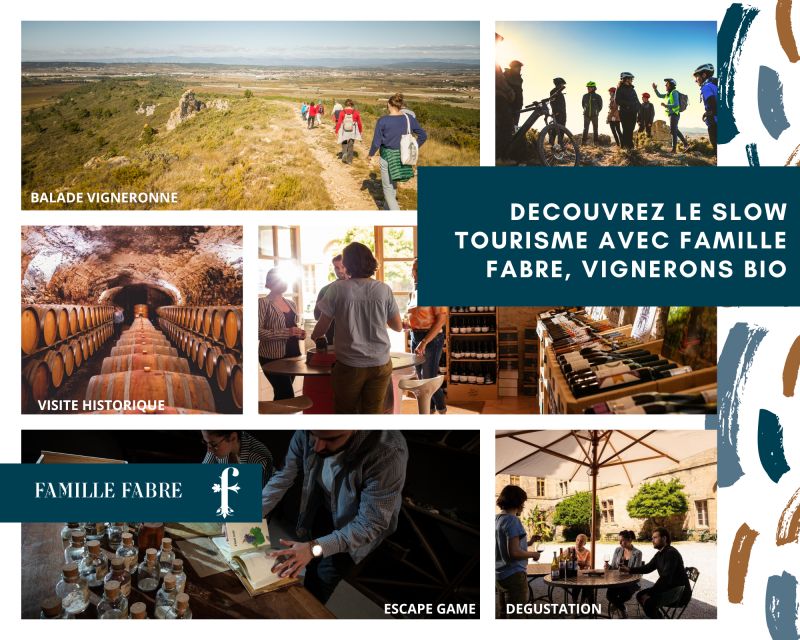
I would recommend this visit to you if you enjoy regional history, small family businesses, and wine tastings with a sense of place. It suits people who want to understand how Languedoc wine fits into local life, rather than simply drink a few samples in a polished shop.
It is also a good choice for couples or small groups with different interests. One person can focus on the château and medieval cellar, while another can concentrate on the organic wines and appellations. The tour gives both sides something to follow.
Families can bring under-age children for free, though the activity is still built around adult interests. Children who enjoy old buildings may appreciate the cellar, while very young children may find the historical explanation and tasting less engaging.
I would be more cautious if your main goal is a large-scale vineyard tour or a long, highly technical wine course. The available description centers on the historic château, the underground cellar, and a tasting of three to six wines. That is a focused visit, not an all-day production tour.
Should you book Château de Luc?
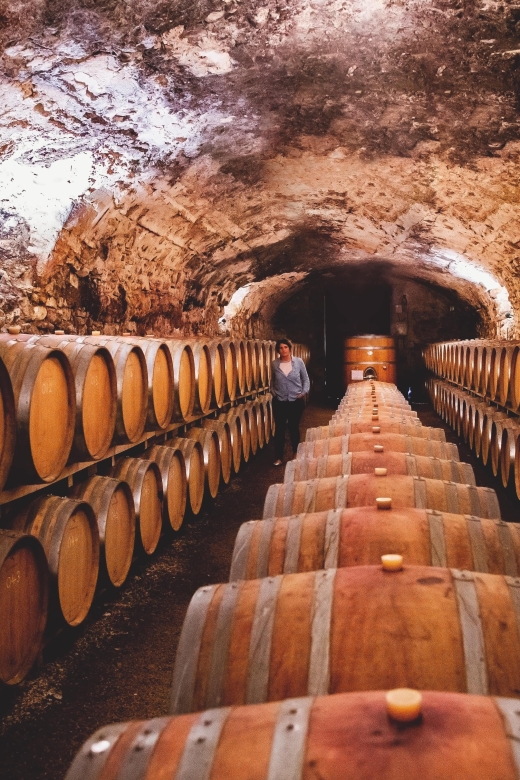
Book it if you want a reasonably priced stop that combines a medieval cellar, family history, and organic wine. The strongest feature is the way the estate connects its own story to the wider history of Languedoc, especially the wine boom and the 1907 revolt.
Go with realistic expectations. The tasting will not please every palate, the visit may feel short to someone seeking a full winery day, and access is not suitable for wheelchair users. Still, $15 buys a meaningful look at an old wine estate, a multilingual guided visit, and three to six chances to find a bottle you like.
For wine-minded visitors touring southern France, Château de Luc is a sensible choice when you want history in the glass and under your feet.
FAQ
How much does the Château de Luc visit cost?
The experience costs $15 per person. Children under legal drinking age can visit free.
How many wines are included in the tasting?
You can taste a selection of three to six organic wines.
Which wines might be included?
The selection can include wines from IGP Pays d’Oc, AOC Languedoc, Corbières, and Minervois.
What languages are available?
The live guided tour is offered in French, English, and Spanish.
Is the activity suitable for wheelchair users?
No. The activity is listed as not suitable for wheelchair users.
Can I cancel or pay later?
You can cancel up to 24 hours in advance for a full refund. You can also reserve now and pay later, keeping your plans flexible.
Just poured in France
- Pinot Noir Masterclass – Wine tasting in Dijon★ 5.0 · 147 reviews
- Chardonnay Masterclass – Wine tasting in Dijon★ 5.0 · 91 reviews
- Small-Group Full-Day Tour of Côte de Nuits, Côte de Beaune Vineyards and Beaune Historical District★ 5.0 · 364 reviews
- Small group Burgundy tour of Beaune with Wine Tasting from Dijon★ 4.5 · 85 reviews
- Half Day Tour of the Cote de Nuits Vineyards from Dijon★ 5.0 · 108 reviews
- The Emblematic: visit of villages, Haut-Koenigsbourg, Wine tasting★ 5.0 · 81 reviews
- Au Cœur du Château – VSOP D’USSÉ & XO BARON OTARD★ 4.5 · 108 reviews
- Alsace Full Day Wine Tour from Colmar★ 5.0 · 104 reviews
Wine Tasting Tours, compared.
Douro Valley w/ Boat Tour, Wine Tasting & Lunch
Read our review →
Complete Douro Valley Wine Tour with Lunch, Wine Tastings and River Cruise
Read our review →

Small-Group Wine Tasting Experience in the Tuscan Countryside
Read our review →
Montserrat & Cogwheel Train, Gourmet Wine Tasting & Tapas/Lunch
Read our review →
Tuscany & Montepulciano Day Trip with Lunch & Wine Tasting
Read our review →Browse the lists this tour appears in