REVIEW · DRINKS TOURS
Copenhagen: Best of Danish Pastry Tasting Tour
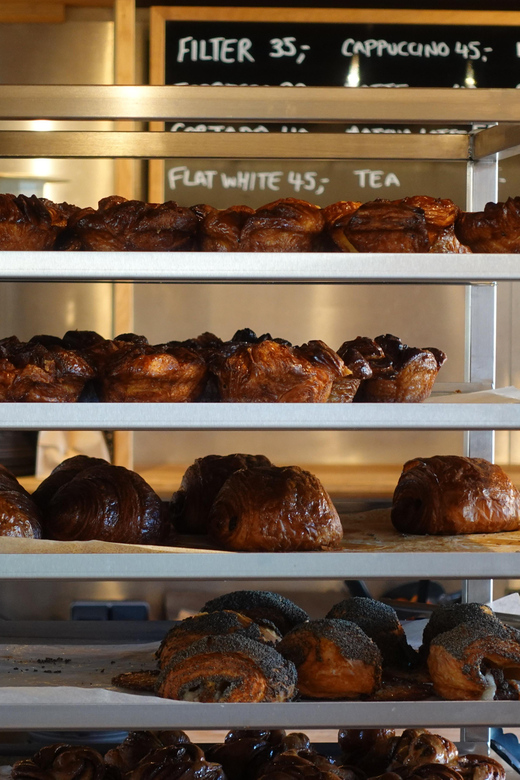
Copenhagen’s pastry culture is best understood one bakery at a time. This two-hour walk takes you to five bakeries, where you sample flaky Wienerbrød, poppy-seed Tebirkes, raspberry Hindbærsnitter, and other Danish favorites while your guide explains what makes each one different.
I like the mix of food and city history, and I like that the route includes both famous bakeries and more local favorites. Guides such as Theo, Simon, Emily, Noah, and Linea have been praised for answering questions and adjusting the pace. The main catch is the 5-kilometer walk, which can feel long in cold or wet weather, especially after several generous pastry samples.
Key points to know before booking
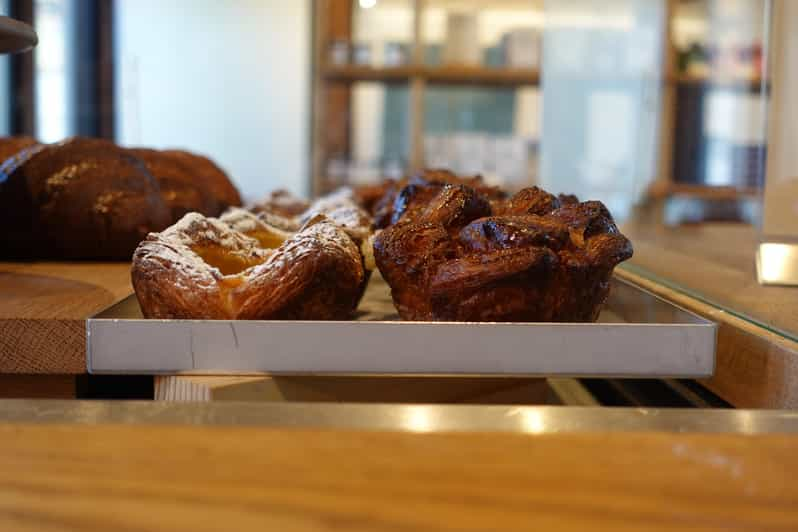
- Five bakery stops: Each visit includes a Danish pastry sample, with a useful mix of classic and newer styles.
- About 5 kilometers on foot: This is also a small walking tour through Copenhagen, not a seated tasting.
- Pastry portions are substantial: Many groups share halves, which keeps five stops manageable.
- English-speaking guides: Guide assignments vary, with Theo, Simon, Emily, Noah, Linea, and others leading recent departures.
- Small groups of up to 10: A limited group makes it easier to ask about food, buildings, and Danish customs.
- $74 per person: The price is reasonable if you value five tastings plus two hours of local guiding, but less so if you only want a quick pastry snack.
Five bakeries, five chances to understand Danish pastry
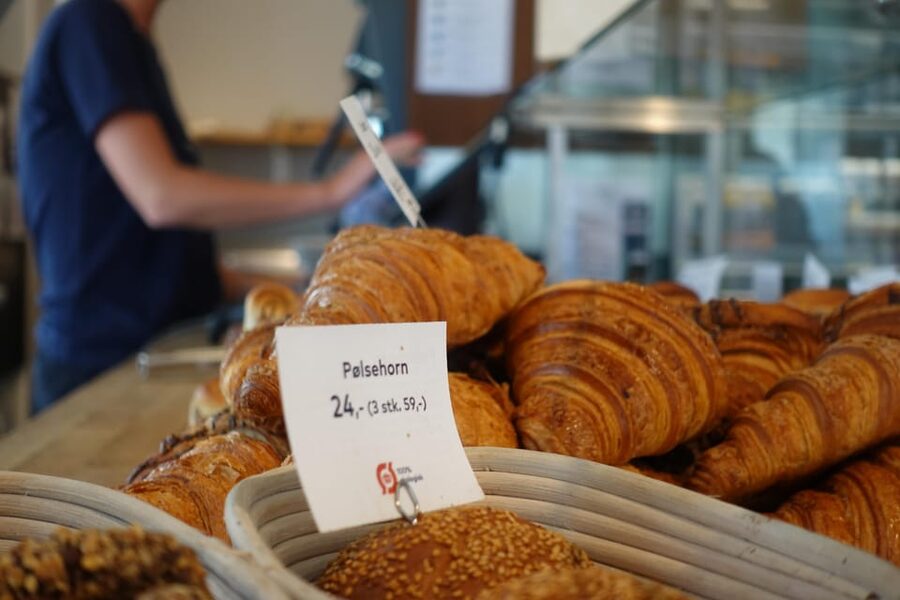
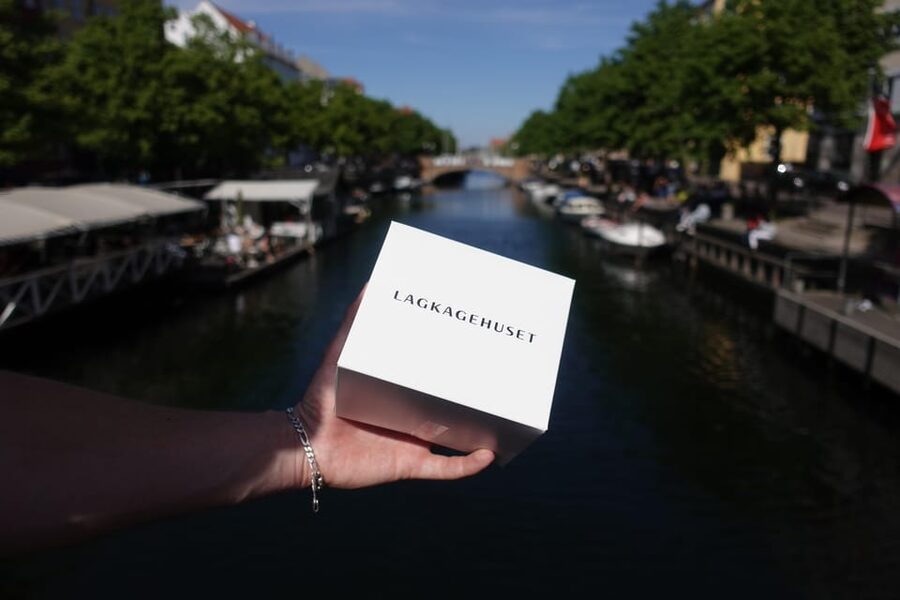
The tour begins outside Lagkagehuset Bakery, a practical meeting point in the middle of Copenhagen’s pastry world. From there, your guide leads you between five bakeries, stopping for one pastry at each.
The exact bakery lineup can vary, but the idea is consistent: you do not simply buy one famous Danish pastry and leave. You compare styles, fillings, textures, and baking traditions across several shops. That comparison is the heart of the experience.
At one stop, you might focus on laminated dough. At another, the pastry may be softer, seedier, fruit-filled, or more modern. The value is in tasting several types close together, while the differences are still fresh in your mind.
The bakeries are not treated as interchangeable pastry counters. Your guide explains what makes each place distinct and gives some background on the bakery itself. That turns a simple snack into a useful introduction to how Copenhagen eats.
One especially good feature is the mix of well-known shops and bakeries favored by local residents. You may recognize some names, but the route also takes you beyond the most obvious social-media stops. That gives you better ideas for returning later on your own.
More Drinks Tours in the world:
- From Porto: Douro Valley w/ Boat Tour, Wine Tasting & Lunch
★ 4.7 · 19,061 reviews - Chichen Itza, Cenote & Valladolid Tour with Tequila and Lunch
★ 4.5 · 15,789 reviews - Complete Douro Valley Wine Tour with Lunch, Wine Tastings and River Cruise
★ 5.0 · 12,920 reviews
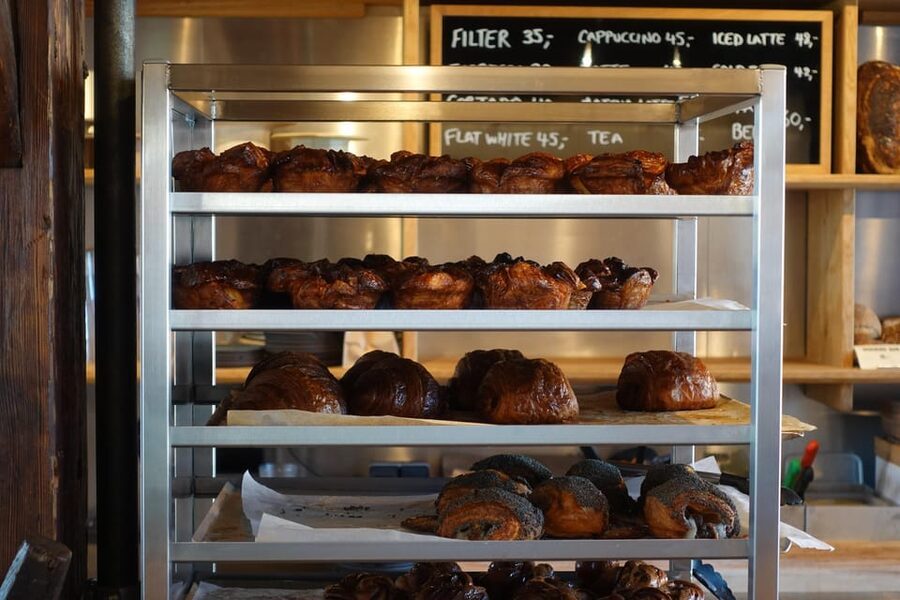
Wienerbrød, Tebirkes, and Hindbærsnitter explained
Danish pastry is not one single item. The name covers a family of baked goods with different doughs, fillings, toppings, and textures.
Wienerbrød is the classic laminated sweet pastry. Its layers should be light and flaky, with butter and sweetness balanced by a filling or topping. It is the pastry most closely linked with the familiar idea of a Danish, but tasting it in Copenhagen gives you a chance to see how local bakeries handle the form.
Tebirkes is a particularly useful tasting because it is less familiar to many international visitors. It is a poppy-seed-topped pastry with a texture that differs from the more dessert-like Wienerbrød. One guide specifically encouraged the group to try it, and it is an important part of the Danish pastry experience.
Hindbærsnitter brings raspberry into the picture. These sweet bars offer a different bite from laminated pastries, with fruit and pastry working together rather than layers doing all the work.
You may also taste Kringle, a puff pastry with its own Danish baking tradition. The exact order and selection can change, but the tour is designed around variety. You are not given five nearly identical cinnamon pastries.
That variety matters because five tastings can be too much if every piece is large and sugary. The guides often provide half pastries or encourage people to share. Several groups found that this made the amount comfortable, even when the pieces were not small.
A walking route that adds Copenhagen context
The food is the main draw, but the walking between bakeries gives the tour a second purpose. Your guide talks about the streets, buildings, neighborhoods, and local customs along the way.
This is not a formal architecture tour, and you should not book it expecting detailed access to major landmarks. Still, the route covers enough ground to give you a useful sense of Copenhagen beyond the bakery counters.
Guides have pointed out historical sites and buildings passed on the route, and some departures include a stop at Torvehallerne market. The route can also show you parts of the city you might not reach during a standard sightseeing loop.
I like this format because the walking provides a natural pause between pastries. It also helps you get your bearings early in a Copenhagen visit. You can ask what to see next, where to eat later, or how local life works.
Several guides have been especially good at answering questions beyond the stated pastry theme. Theo, for example, has helped visitors with suggestions for must-see places. Simon has been praised for explaining the areas and buildings along the route. Emily has mixed bakery stories with local history and advice about Copenhagen.
The walking does require a little planning. Five kilometers is roughly three miles, and the tour lasts two hours. That is a relaxed pace for many people, but it is still a real walk. Comfortable shoes are sensible, and you should dress for the forecast. One group completed the route on a cold day without trouble, while another enjoyed it in the rain, but weather will affect your comfort.
Why the small group makes a difference
The group is limited to 10 people. That matters more here than it would on a large sightseeing bus because pastry tasting works best when you can ask questions and hear the guide clearly.
A small group also makes sharing easier. You can compare reactions with other people without the experience turning into a crowded queue at each bakery. On quieter departures, groups have been even smaller, sometimes leaving only a couple of participants with the guide.
That can create a very personal walk. You can ask about ingredients, local routines, bakery choices, or other parts of Copenhagen. Guides have also helped set a friendly tone, encouraging people to talk with one another rather than simply following in silence.
The experience is not designed around a rigid lecture. The guide explains the pastries and the places you visit, then responds to the group. If you have questions about Denmark, food traditions, or the neighborhoods on the route, this format gives you room to ask.
Guide quality matters a lot on a food walk, and the named guides have received strong praise for being friendly, relaxed, and well informed. Theo, Simon, Emily, Noah, Linea, Lynea, and Lysander have all led departures mentioned in the tour information. The guide you receive will depend on the date, so you should not book on the assumption that one particular person will lead your group.
Same town, a different bottle:
- Krakow–Zakopane: Cable Car, Chocholow Baths, Cheese & Vodka
★ 5.0 · 10,720 reviews - Florence: Chianti Wineries Tour with Wine Tasting
★ 4.5 · 10,071 reviews - From Split: Krka Waterfalls, Food & Wine Tasting Tour
★ 5.0 · 9,326 reviews - Krakow–Zakopane: Cable Car, Chocholow Baths, Cheese & Vodka
★ 4.8 · 8,989 reviews
How much food do you actually get?
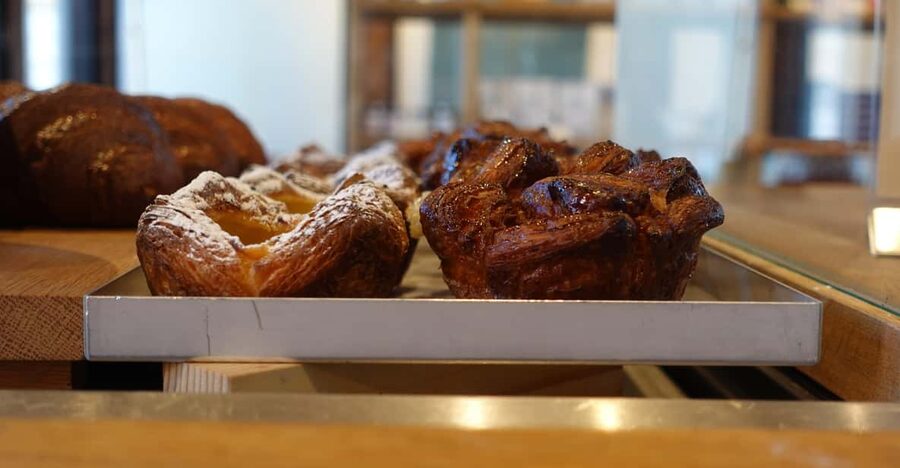
The tour includes one Danish pastry sample at each of the five bakeries. In practice, the samples have often been served as half pastries or pieces suitable for sharing, and several people found the portions surprisingly generous.
This is a good arrangement. Five full pastries in two hours would be excessive for many people, especially when the samples include laminated dough, icing, fillings, and sugar. Sharing lets you try everything without turning the final stop into a pastry endurance test.
You can also purchase coffee along the way, according to the tour details shared by participants. Coffee is not listed as included, so plan to pay separately if you want it.
The tasting is focused on sweet baked goods. Anyone with a serious allergy or dietary restriction should confirm suitability before booking, since no allergy information is provided here. Do not assume that every bakery can change the sample or offer a substitute.
The tour is a particularly good match for people who enjoy trying foods they might not choose on their own. Guides select a range of pastries, so you may end up with something less familiar than the standard cinnamon roll or cream-filled Danish.
Is $74 per person good value?
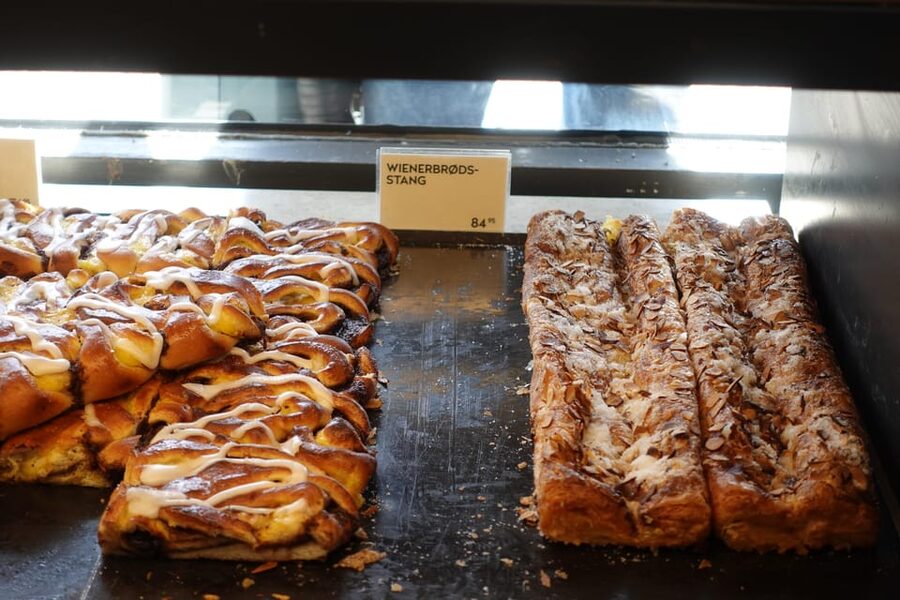
At $74 per person, this is not the cheapest way to eat pastries in Copenhagen. You could buy several baked goods on your own for much less.
The price makes more sense when you count the full experience: five bakery visits, five tastings, an English-speaking guide, a small group, and a 5-kilometer introduction to the city. You are paying for selection and context, not just the food.
I would call it good value for a first visit if you want a guided food experience and would otherwise spend time trying to choose bakeries yourself. The guide saves you from guessing what to order and explains why each pastry matters.
It is less compelling for a repeat visitor who already knows Copenhagen’s bakeries or for someone who only wants a quick snack. The tour takes two hours, and the walking is part of the cost in time and energy.
The strongest value comes from the guide. A good guide turns the route into a conversation about Denmark, local habits, and city history. The tour information shows a consistent pattern of guides adding useful context rather than merely handing out food.
Who will enjoy this tour most?
I would recommend it to:
- First-time visitors who want an easy introduction to Copenhagen
- People who enjoy pastries but do not know the Danish names or styles
- Families with older children or young adults who can manage the walk
- Couples and small groups looking for a social food activity
- Visitors who like combining eating with local history
- Anyone who wants bakery suggestions for the rest of the trip
It suits a range of ages, and one family group with young adult children found that everyone enjoyed it. The small group also works well for solo visitors because the guide helps create conversation.
You may want to skip it if you have limited mobility, dislike walking in poor weather, or prefer savory food. The 5-kilometer distance is clearly stated, and this is not a seated tasting in one bakery.
It may also be a poor fit if you need precise dietary control. The available information does not list vegetarian, vegan, gluten-free, or allergy-specific options.
Best time to fit it into your Copenhagen stay
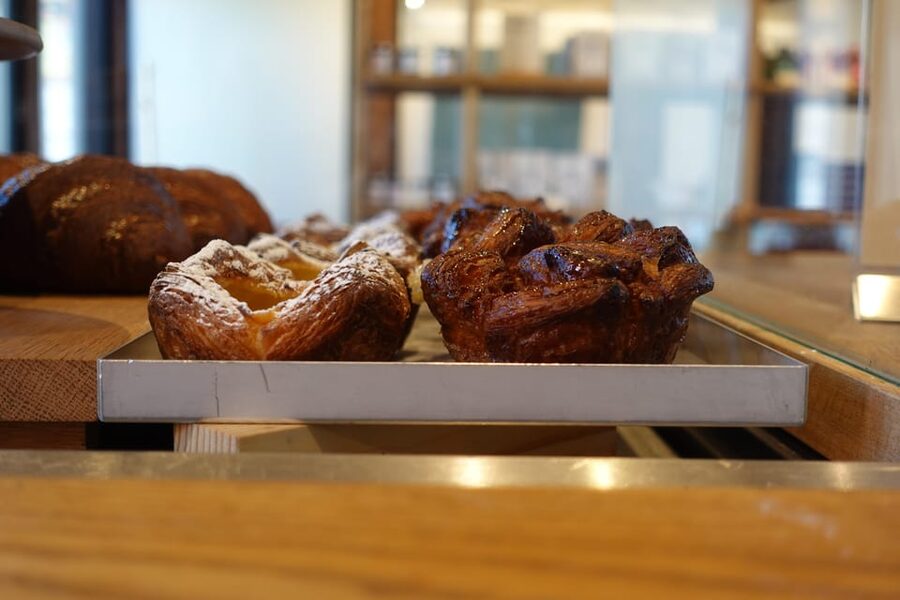
This works well near the start of a visit. The route gives you an early look at several parts of Copenhagen, and the guide can answer practical questions about what to see and where to go next.
A morning departure can also function as a substantial breakfast. Since the tastings are spread over two hours, you do not need to arrive with a completely empty stomach. A light breakfast may be sensible if you want to enjoy all five samples.
The tour can also work on a day when you want a lighter sightseeing schedule. You are walking, eating, and hearing local stories without spending the entire day inside museums or moving between major attractions.
Allow some flexibility afterward. Five pastries, even shared portions, may leave you feeling full. The walking helps, but I would not schedule a large lunch immediately after unless you have a very strong appetite.
The meeting point is outside Lagkagehuset Bakery. Check the exact starting time when booking, since departures vary.
Practical details that affect the experience
The tour lasts two hours and is offered in English with a live guide. The group size is capped at 10, which keeps the walk personal.
You can cancel up to 24 hours before the start for a full refund, and the reserve-now, pay-later option allows you to hold a place without paying immediately. Those policies are useful if your Copenhagen plans are still shifting.
Wear shoes that are comfortable for about three miles of city walking. Dress in layers, and bring weather protection when needed. The route continues between bakery stops, so rain and cold will affect the experience even though the food itself is indoors.
Do not expect every bakery to be known in advance. Part of the appeal is that the guide chooses a range of places, including local favorites and more established names. The route is about seeing how the city’s pastry scene fits together, not collecting a fixed list of famous storefronts.
My verdict: book it for pastry and perspective
I would book the Copenhagen Best of Danish Pastry Tasting Tour if I wanted a friendly, food-focused way to get oriented in the city. The five stops provide real variety, and the guide adds enough history and local detail to make the walk feel like more than a series of bakery purchases.
The biggest strengths are the mix of classic and less familiar pastries, the small group, and the guides’ willingness to answer questions about Copenhagen beyond the food. Tebirkes alone makes the tasting more interesting than a standard Danish pastry sampler.
Think twice if $74 feels high for baked goods, if you cannot comfortably walk 5 kilometers, or if you need a tightly controlled diet. For everyone else, this is a practical early-trip activity: eat well, see several parts of Copenhagen, and leave with a better idea of which pastry to order next.
FAQ
Where does the pastry tour meet?
The tour meets outside Lagkagehuset Bakery.
How long does the tour last?
The tour lasts two hours.
How far do you walk?
The total walking distance is about 5 kilometers, or roughly 3 miles.
How many bakeries do you visit?
You visit five bakeries during the tour.
What pastries might I taste?
The experience highlights Wienerbrød, Tebirkes, Hindbærsnitter, and Kringle, along with other Danish pastries selected for the route.
Are the pastries full-size?
Samples are provided at each bakery. Groups have often shared half pastries, and the pieces can be generous, but the exact serving arrangement may vary.
Is coffee included?
Coffee is not listed as included. You may have the option to purchase coffee during the route.
What language is the tour in?
The live guided tour is in English.
How large is the group?
The tour is a small-group experience with a maximum of 10 participants.
Can I cancel for a refund?
You can cancel up to 24 hours in advance for a full refund. You can also reserve now and pay later.
Just poured in the world
- Valle de Guadalupe winery and brewery tours★ 5.0 · 123 reviews
- Off Road Tour Experience plus Winery visit in Baja★ 5.0 · 174 reviews
- Private Wine Tour at Valle de Guadalupe (A wine tasting included).★ 5.0 · 99 reviews
- ATV Off-Road Adventure through Valle de Guadalupe + Winery Visit★ 4.5 · 201 reviews
- Shared Gin, Vodka & Rum Making Experience at Nelson’s Distillery★ 5.0 · 64 reviews
- Private Wine Tour by Ansell Tours★ 5.0 · 174 reviews
- Discover Malt Whisky Day Tour Including Admissions from Edinburgh★ 4.5 · 285 reviews
- Edinburgh: Holyrood Distillery ‘Journey to Whisky’ Tour & Tasting★ 5.0 · 126 reviews
Drinks Tours, compared.
Douro Valley w/ Boat Tour, Wine Tasting & Lunch
Read our review →
Chichen Itza, Cenote & Valladolid Tour with Tequila and Lunch
Read our review →
Complete Douro Valley Wine Tour with Lunch, Wine Tastings and River Cruise
Read our review →
Zakopane: Cable Car, Chocholow Baths, Cheese & Vodka
Read our review →

Zakopane: Cable Car, Chocholow Baths, Cheese & Vodka
Read our review →