
REVIEW · WINE TASTING TOURS
Dijon: La Cave du Palais Burgundy Wine Tasting Experience
Burgundy wine makes more sense after you understand its tiny growing areas, called climates. At La Cave du Palais, you sit in an old vaulted cellar in central Dijon while a guide pours six wines and explains how soil, place, vintage, and aging shape what is in your glass. It is a compact lesson in one of France’s most complex wine regions.
I like the small groups and the setting. With no more than eight people, the conversation can stay personal, and guides such as Antoine, Leo, Robin, and Prune have a reputation for answering questions in clear, good English. I also like the range: the tasting moves from regional appellations toward Grand Cru, rather than showing you only one narrow corner of Burgundy.
The main consideration is simple: this is a cellar tasting, not a vineyard visit. You will learn about Burgundy’s countryside and wine estates, but you will not spend time among the vines or visit several producers. Pregnant women, children under 18, wheelchair users, and anyone hoping to bring a pet should choose another activity.
Key points at a glance
- Six wines in 90 minutes: Expect a structured tasting of red and white Burgundy, with several sessions featuring three of each.
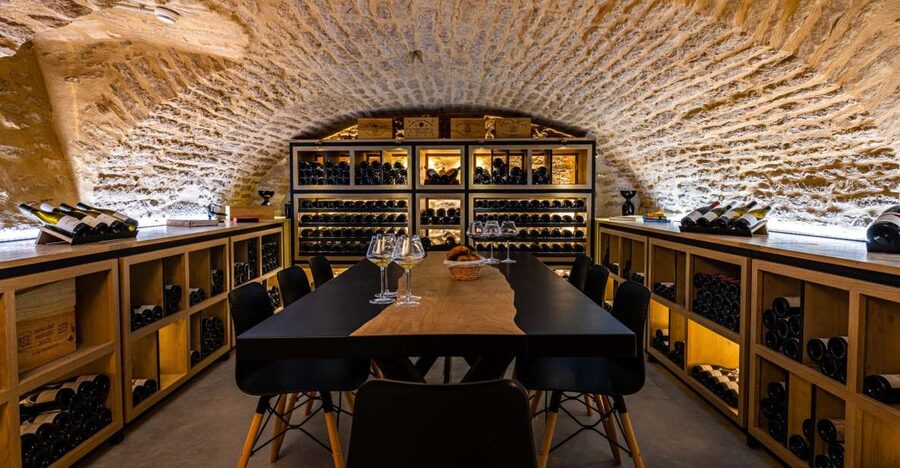
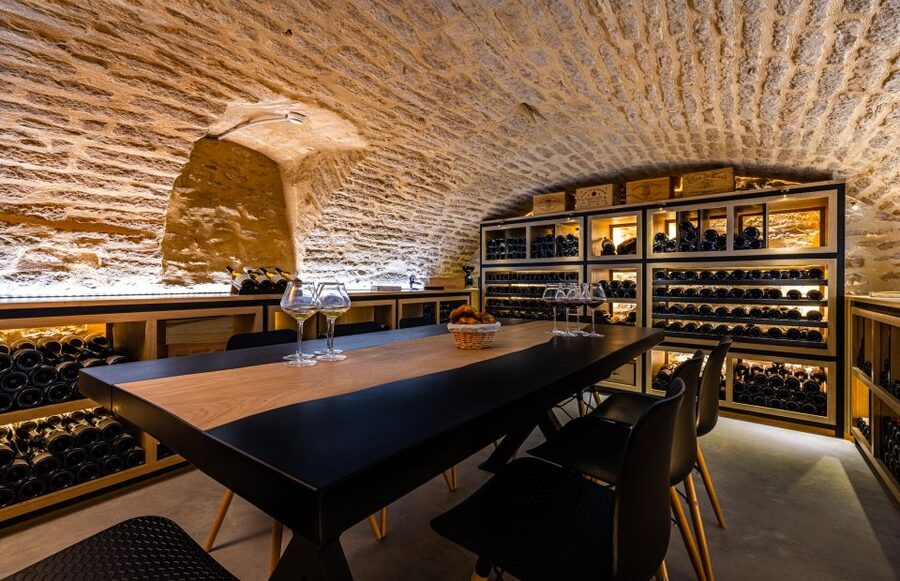
- A 15th-century cellar setting: The tasting takes place in an atmospheric vaulted space beneath the Hotel du Palais.
- Appellations explained clearly: You learn how regional, village, premier-level, and Grand Cru labels relate to place and quality.
- A guide-led conversation: The format encourages questions, with French and English available and Spanish spoken by at least one guide.
- Central Dijon location: La Cave du Palais is about a five-minute walk from Place de la République, so no car is needed.
- A useful alternative to a vineyard tour: It suits you if your Dijon schedule is short but you still want a serious introduction to Burgundy wine.
Why this Dijon tasting works so well
Burgundy can be confusing at first. A bottle may carry the name of a village, a vineyard, a larger regional area, or one of the region’s highest classifications. The labels do not always tell you in plain language what you are about to taste.
This experience gives you a framework before the glasses start to blur together. The guide links each wine to its location, the local climate, and the year it was made. That matters because Burgundy is built around small differences in place. Two wines made from the same grape can taste notably different when they come from different soils or slopes.
I appreciate that the session is not presented as a technical lecture. The best accounts of the experience describe an informal conversation, with room for questions and practical explanations. Antoine is praised for his humor and easy style, while Leo is known for handling detailed questions, including questions from people who work in the wine trade. Robin is also noted for making the subject approachable and fun.
The guide may change, so do not book around one particular name. Still, the repeated pattern is clear: the people leading the session bring strong regional knowledge and speak English well. French is also available, and one recent session included English, French, and Spanish.
More Wine Tasting Tours in France
- Bordeaux: Cité du Vin Entry Ticket and Wine Tasting
★ 4.6 · 3,885 reviews - Montmartre Hill French Gourmet Food and Wine Tasting Walking Tour
★ 5.0 · 2,588 reviews - From Paris: Loire Valley Castles Day Trip With Wine Tasting
★ 4.6 · 1,727 reviews
Entering La Cave du Palais beneath the Hotel du Palais
The location does much of the work before the first pour. La Cave du Palais sits in the Hotel du Palais, in Dijon’s city center, about five minutes on foot from Place de la République. You can reach it easily without a car, which is helpful if you are staying in central Dijon or arriving by train and exploring on foot.
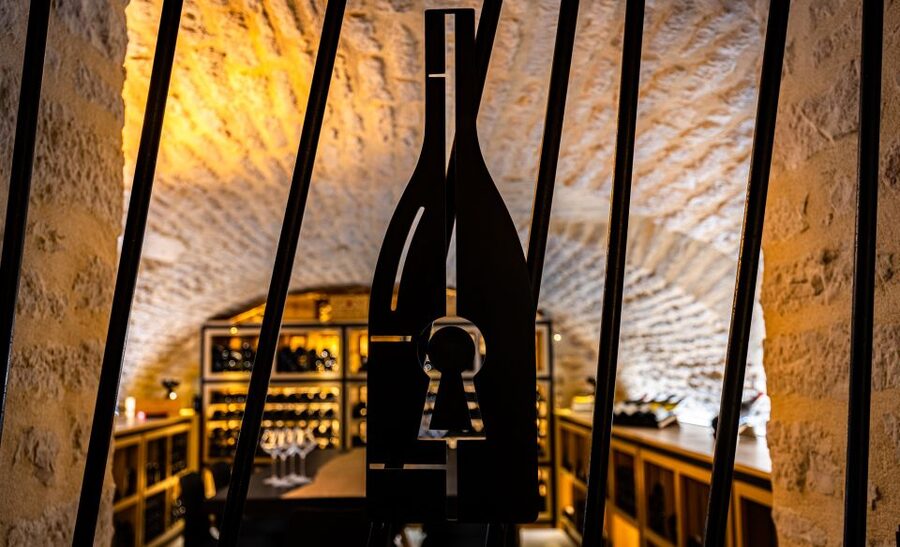
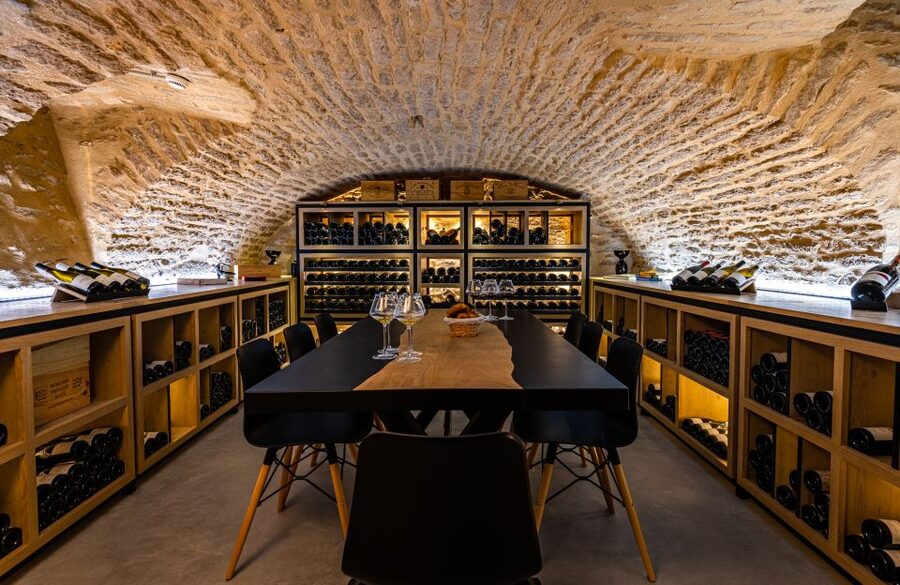
The cellar is described as an old, beautifully designed underground space, with several people calling out its 15th-century character. Expect stone, arches, and a cozy atmosphere rather than a bright modern tasting room. It feels connected to Dijon’s old buildings and to the long tradition of storing and serving wine in cool underground rooms.
I like this kind of setting because it gives the tasting a sense of place without pretending to be a working vineyard. You are not being shown a staged rural attraction. You are in Dijon, below a historic hotel, learning about wines that come from the wider Burgundy region.
There is one practical limitation. The cellar is not suitable for wheelchair users, and the activity is for adults only. The minimum age is 18, and pets are not allowed. If mobility or access is a concern, confirm the conditions before booking.
The first pours: learning Burgundy’s wine map
The session begins with explanation as much as tasting. You will be introduced to the Burgundy region and the way its wines are tied to specific locations. The guide’s job is to help you notice why the same broad grape varieties can produce different results from one part of the region to another.
The word climate is especially important here. In Burgundy, it refers to a named wine-growing plot with its own combination of soil, exposure, elevation, and local conditions. You do not need to memorize every place name to benefit from the idea. The tasting helps you connect the theory to actual differences in aroma, texture, and finish.
The experience also explains appellations. You may taste wines labeled at the regional level, then compare them with wines from more specific areas and, finally, a Grand Cru bottle. The point is not simply that one label is more expensive or prestigious. It is to show how Burgundy organizes wine around origin and how that origin affects the character and status of the bottle.
This is where the six-wine format earns its keep. A single glass can be pleasant, but a sequence gives you comparisons. You can go back to the previous taste in your mind and ask what changed: the place, the vintage, the time in oak, or the level of appellation?
Six wines, including red and white Burgundy
The exact selection can vary, but the tasting is designed to cover a useful spread of Burgundy wines. Several sessions included three reds and three whites, while the stated program promises six different wines ranging from regional appellations to Grand Cru.
That balance matters. Burgundy is often associated with red Pinot Noir, yet the region’s white wines are a major part of its identity. Tasting both styles gives you a fuller picture and helps you compare structure, freshness, body, fruit, and the effect of age.
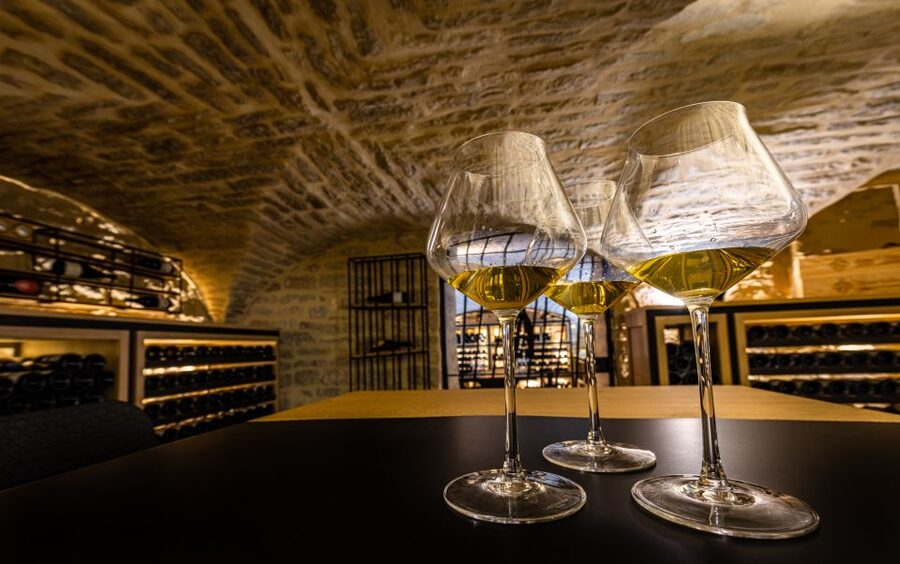
The guide talks you through each pour rather than simply placing six glasses in front of you. You will hear about the wine’s origin, the year it was produced, and how aging can change its qualities. This makes the tasting useful even if you are new to wine. You are not expected to arrive with a vocabulary of professional terms.
At the same time, the experience should suit people who already know a fair amount. One session worked well for winemakers and people in the United States wine trade, who appreciated the guide’s ability to discuss Burgundy in a wider international context. The small group also gives you a chance to ask more detailed questions without slowing down a large tour.
The tastings are described as generous, but the activity does not include extra pours beyond the six included wines. If you are looking for an evening of unlimited drinking, this is not that. It is a focused educational tasting, and you should plan to enjoy the wines at a measured pace.
Same town, a different bottle:
- Bordeaux: River Garonne Cruise with Glass of Wine and Canelé
★ 4.5 · 3,630 reviews - From Bordeaux: Afternoon Saint-Emilion Wine Tasting & snack
★ 4.8 · 1,581 reviews - From Paris: Day Trip to Champagne with 8 Tastings & Lunch
★ 4.8 · 1,501 reviews - Medoc or Saint Emilion Wine Tasting and Chateau from Bordeaux
★ 5.0 · 1,415 reviews
How the conversation changes the value
The strongest part of this activity is not just the number of bottles. It is the explanation between them. A good guide can turn an unfamiliar label into a map, and that makes it easier for you to shop for Burgundy later.
The format is interactive. You can ask about a wine, compare two glasses, or request clarification about a classification. Several guides have been described as patient and willing to take their time. That is important in a subject where the terminology can quickly become a wall of French words.
The tone also seems relaxed rather than formal. Questions are encouraged, and the discussion can move from production methods to local food and places to eat in Dijon. Prune, for example, has offered restaurant advice for traditional Dijonnaise cooking, while other guides have shared tips about the region.
That local advice is a pleasant bonus, but it should not be the reason you book. The core product is the wine lesson in the cellar. Any restaurant suggestions depend on the guide and the flow of your particular session.
English speakers should feel comfortable booking. The guides have been praised for clear English, and mixed French and English groups have been handled well. If you want the full French experience, French is also offered. The small group size helps the guide shift between languages without turning the session into a crowded lecture.
Price and value at $64 per person
At $64 per person, this is not a cheap casual drink, but it can be good value for a short Dijon stay. The price covers 90 minutes, six tastings, live commentary, and a central historic setting. It also saves you the time and transport involved in reaching the vineyards for a half-day visit.
I see the value in three ways. First, you get a guided comparison rather than random glasses. Second, the wines range across Burgundy’s classification system, including the possibility of Grand Cru. Third, the guide gives you context that can prevent expensive mistakes when you buy wine later.
The value depends on your goals. If you already have a full-day vineyard tour booked, this may repeat some of the same material. If your schedule leaves only an afternoon or evening in Dijon, it gives you a strong regional introduction without committing half a day to the countryside.
Bottle purchases may be available after the tasting, but they are not required. Some people have chosen to buy a bottle because a particular wine made sense after the explanation. That is a useful arrangement: you can taste first, ask questions, and decide without pressure.
The activity also offers reserve-now, pay-later booking and free cancellation up to 24 hours before the start time for a full refund. Those terms are helpful when your Dijon plans are still moving, though you should check the current start times when reserving.
Who should book this experience
I would choose this tasting if you want to understand Burgundy rather than simply drink Burgundy. It is especially useful for:
- First-time visitors who find French wine labels hard to read
- Couples looking for an indoor activity in central Dijon
- Wine drinkers who cannot fit a vineyard tour into their schedule
- People interested in comparing red and white Burgundy
- Visitors who enjoy asking questions in a small group
- Wine professionals or serious enthusiasts who want a regional refresher
It is less suitable if you want a tour of vineyards, cellar production areas, or several separate wineries. It is also not a family activity, and the access limits make it a poor choice for wheelchair users.
The 90-minute length is a strength. You get enough time for six wines and a real discussion, but the session does not take over your whole day. You can place it before dinner, after sightseeing, or on a day when bad weather makes outdoor plans less appealing.
Practical advice before you go
Arrive with an open mind and, if possible, a little background curiosity. You do not need wine expertise, but it helps to think about what you want to learn: appellations, red versus white wines, buying Burgundy, or the effect of aging.
Do not plan a second major activity at the exact end time. The official duration is 90 minutes, and the discussion can be lively when the group has many questions. A little breathing room makes the experience more pleasant.
If you hope to photograph the bottles, ask the guide. One guide helped participants take pictures of the wines they tasted, which is handy when several appellation names sound alike later. Notes or photos can turn the tasting into a useful shopping reference for the rest of your trip.
Finally, remember that Burgundy wine often rewards comparison more than speed. Sip slowly, pay attention to the order of the wines, and ask why one bottle differs from another. That is where the session gives you more than a pleasant hour in a cellar.
Should you book La Cave du Palais?
Book it if you want a friendly, compact, and well-explained introduction to Burgundy wine in Dijon. The cellar is memorable, the city-center location is easy, and the six-wine progression gives you a practical way to understand appellations, climates, vintages, and aging.
Skip it if your priority is walking through vineyards or meeting several individual producers. For everyone else, especially first-time Burgundy visitors with limited time, $64 buys a useful lesson, six varied pours, and a better chance of knowing what you are ordering when the next wine list appears.
FAQ
Where does the Dijon wine tasting take place?
It takes place at La Cave du Palais in the Hotel du Palais, in Dijon city center. The cellar is about a five-minute walk from Place de la République.
How long does the experience last?
The tasting lasts 90 minutes.
How many wines are included?
Six wine tastings are included. The selection can include regional wines through Grand Cru appellations, with several sessions featuring three red and three white wines.
Is the guide available in English?
Yes. The activity is offered in French and English. Guides have also led mixed-language groups, and Spanish was available in at least one session.
How many people are in the group?
The group is limited to eight participants.
Do I need to be 18 or older?
Yes. You must be over 18 to take part in the wine tasting.
Is the activity suitable for wheelchair users?
No. The experience is listed as unsuitable for wheelchair users.
Can I cancel for a refund?
You can cancel up to 24 hours in advance for a full refund. Reserve-now, pay-later booking is also available.
Just poured in France
- Pinot Noir Masterclass – Wine tasting in Dijon★ 5.0 · 147 reviews
- Chardonnay Masterclass – Wine tasting in Dijon★ 5.0 · 91 reviews
- Small-Group Full-Day Tour of Côte de Nuits, Côte de Beaune Vineyards and Beaune Historical District★ 5.0 · 364 reviews
- Small group Burgundy tour of Beaune with Wine Tasting from Dijon★ 4.5 · 85 reviews
- Half Day Tour of the Cote de Nuits Vineyards from Dijon★ 5.0 · 108 reviews
- The Emblematic: visit of villages, Haut-Koenigsbourg, Wine tasting★ 5.0 · 81 reviews
- Au Cœur du Château – VSOP D’USSÉ & XO BARON OTARD★ 4.5 · 108 reviews
- Alsace Full Day Wine Tour from Colmar★ 5.0 · 104 reviews
Wine Tasting Tours, compared.
Douro Valley w/ Boat Tour, Wine Tasting & Lunch
Read our review →
Complete Douro Valley Wine Tour with Lunch, Wine Tastings and River Cruise
Read our review →
Small-Group Wine Tasting Experience in the Tuscan Countryside
Read our review →
Montserrat & Cogwheel Train, Gourmet Wine Tasting & Tapas/Lunch
Read our review →
Tuscany & Montepulciano Day Trip with Lunch & Wine Tasting
Read our review →Browse the lists this tour appears in