
REVIEW · WINE TASTING TOURS
Florence: Mozzarella Making Workshop with Wine Tasting
Fresh curds, warm hands, and a table covered with cheese: that is the appeal of this Florence workshop. You learn to shape mozzarella into bocconcini, nodini, and treccine, then make creamy burrata and stracciatella with help from an Italian cheesemaker. Jess, Alyssa, and Chef Vincenzo have led sessions, so expect a friendly, hands-on class rather than a formal cooking demonstration.
I like the generous mix of making and eating. You do not simply watch a chef work, you taste your own cheese with seasonal dishes and Tuscan wine. I also like the relaxed setting, with music, Prosecco, and plenty of time for conversation. The main drawback is clear: this is not for vegans or anyone with lactose intolerance, and cheese lovers should arrive hungry because the food keeps coming.
Quick takeaways from the cheese table
- You make three Italian cheeses: mozzarella, burrata, and stracciatella, with several mozzarella shapes along the way.
- You eat what you make: fresh cheese is paired with seasonal food, including combinations such as stracciatella, bottarga, and lemon zest.
- Wine is part of the lesson: taste a selection of Tuscan wines, including organic and conventional bottles.
- The class stays small: that matters when you need help with stretching, twisting, filling, and tying the cheese.
- You take home a recipe booklet: a useful reminder when your first homemade burrata needs another attempt.
- Plan around dietary needs: vegetarian and gluten-free options are available, but the class is not suitable for vegans or people with lactose intolerance.
Turning fresh curds into mozzarella shapes
The class begins with a welcome glass of Prosecco, a sensible start before the work gets pleasantly messy. You meet an English- and Italian-speaking chef at the front of Simbiosi Farm, then settle into the workshop and learn how fresh curds become stretchy pasta filata cheese.
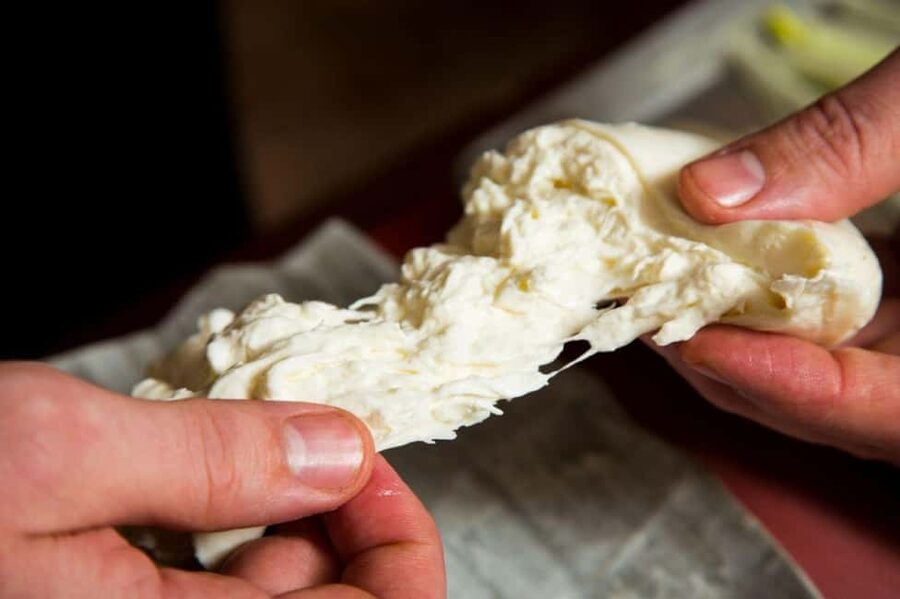
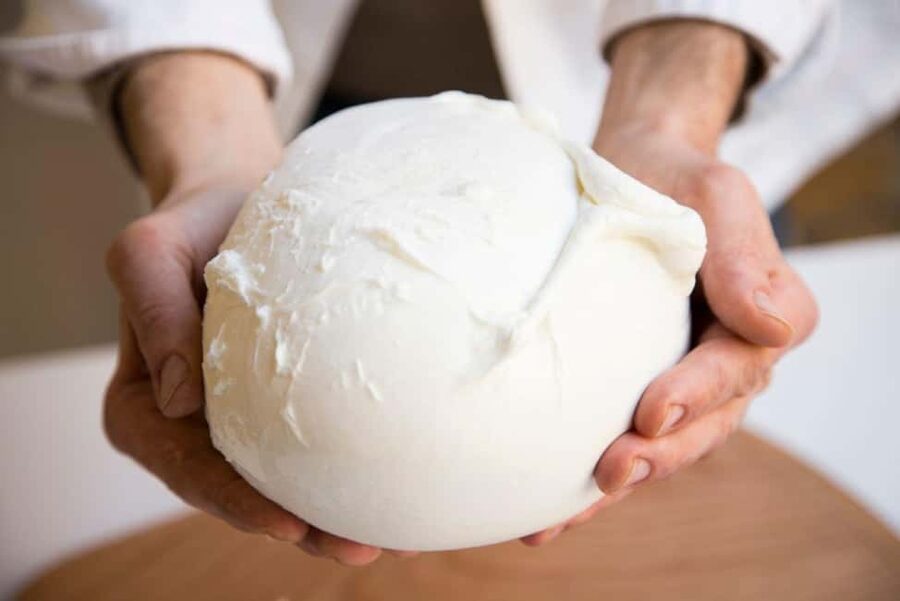
The first task is mozzarella. The chef shows you how to handle the curds, and you follow along with your own portion. The basic technique is simple to understand but takes a little practice: the cheese needs the right texture, warmth, and handling before it will stretch properly.
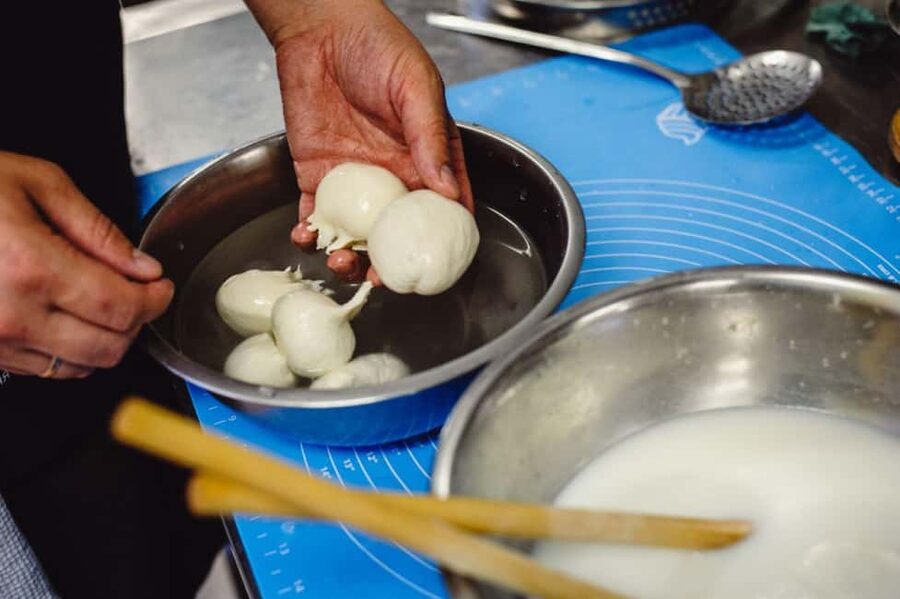
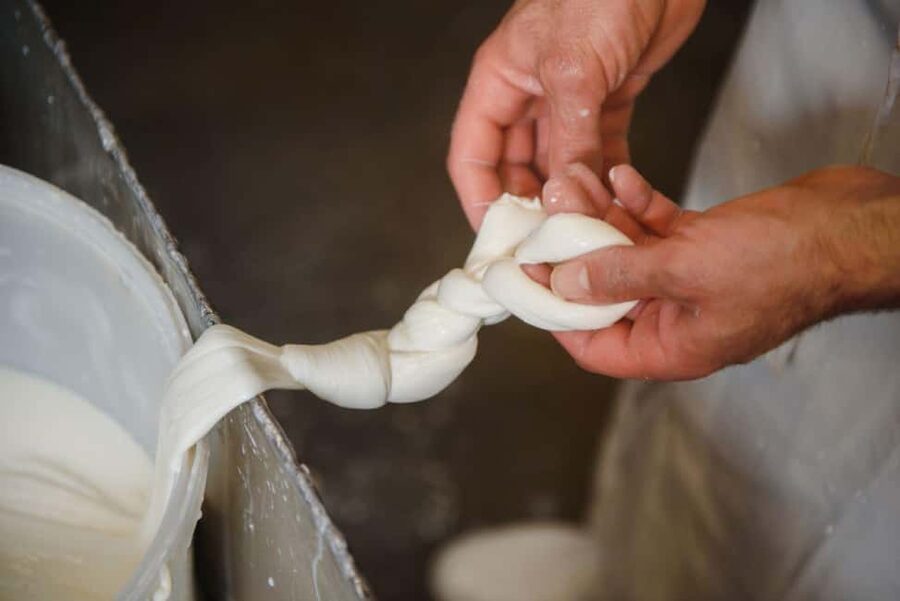
You shape some of the cheese into small bocconcini. These little balls are familiar on an Italian plate, but making them yourself changes how you notice the texture. You also twist nodini and braid treccine, two shapes that make the session feel more like a craft class than a standard food tasting.
This is where a small group helps. You can watch the chef’s hands, copy the movement, and ask for a correction when your knot looks more like a loose tangle. The instructors are there to guide each person, not just perform at the front of the room. Jess has been praised for explaining each stage step by step, while Alyssa is known for bringing the traditions of cheese and local wine into the conversation.
The workshop is designed to be fun, not fussy. Expect a little delicious chaos. Your cheese may not look perfect on the first try, but it should still taste fresh and satisfying.
More Wine Tasting Tours in Florence
- Florence: Chianti Wineries Tour with Wine Tasting
★ 4.5 · 10,071 reviews - Small-Group Wine Tasting Experience in the Tuscan Countryside
★ 5.0 · 7,392 reviews - SMALL-GROUP Wine Safaris: Tuscan Wine Tasting Tours from Florence
★ 5.0 · 5,088 reviews
Burrata and stracciatella bring the creamy center
Once you have worked with mozzarella, the class moves to burrata and stracciatella. Burrata begins with an outer shell of mozzarella and a soft filling inside. Stracciatella is the loose, creamy mixture of cheese strands and cream that gives burrata its luxurious center.
The change in texture makes this part especially useful. Mozzarella teaches you about stretch and shape. Burrata teaches you about filling and sealing. Stracciatella shows how the same basic cheese can become soft, spoonable, and rich.
You will likely work with your hands again, under the chef’s direction. This is not a recipe where you can simply measure everything and expect identical results. Temperature and feel matter. The booklet you take home gives you a starting point, but the class also gives you a sense of what the cheese should look and feel like at each stage.
Chef Vincenzo has led sessions with a strong focus on traditional cheesemaking. Jess has also helped prepare the stracciatella during classes. The exact instructor may vary, but the format gives you access to people who can explain both the method and the Italian food traditions behind it.
Do not worry if you have never made cheese before. The steps are presented for beginners, and the activity is meant to be followed at your own station. Still, this is a practical class, not a polished show. You will handle wet curds, stretch cheese, and make mistakes. That is part of the point.
Eating your work with seasonal dishes
The best part comes after the making. You taste the mozzarella, burrata, and stracciatella you have prepared, alongside seasonal dishes from the kitchen.
Expect more than a plate of plain cheese. Pairings have included stracciatella with bottarga and lemon zest, as well as fresh caprese, meatballs, truffle oil creations, and other deli-style foods. The exact dishes can change with the season, so do not book expecting one fixed menu.
That flexibility is useful in a food workshop. Seasonal ingredients make the meal feel connected to the kitchen rather than assembled from a set tourist menu. You also get a better sense of how Italians use fresh cheese as part of a meal: with acid, salt, herbs, vegetables, cured ingredients, and warm dishes.
I would plan to eat a light breakfast or lunch beforehand, depending on your start time. The class includes your cheese, a seasonal dish, and additional food and wine. Several sessions have offered enough to leave people with extra cheese to take back to their accommodation, though you should not treat that as a guaranteed takeaway portion.
Vegetarians can be accommodated, and gluten-free options are available. The experience still relies heavily on dairy, so it is not suitable for anyone with lactose intolerance. Vegans should choose another Florence food activity.
Tuscan wine with a little room for debate
The wine tasting is not an afterthought. You taste Tuscan wines alongside the cheese, with examples from both organic and conventional producers.
That comparison gives you something useful to consider. Organic does not automatically mean you will like the wine more, and conventional does not mean it is the wrong choice. The tasting lets you compare styles while eating food that changes how the wine tastes.
You can sip, swirl, and decide which bottle works best with mozzarella, burrata, or the more intense stracciatella. The setting is informal, so the conversation can be as important as the tasting notes. You do not need to know much about wine before arriving.
The welcome Prosecco, wine tasting, and meal help make the $74 price easier to assess. You are paying for a two-hour small-group class, instruction, several cheese preparations, food, drinks, and a recipe booklet. If you only want a quick food sample, it may feel expensive. If you want an activity that fills part of an afternoon or evening and includes a proper tasting meal, the price is reasonable for Florence.
The value also comes from the hands-on element. A restaurant meal gives you finished cheese. This experience gives you the technique, the meal, and a story you can repeat when you try it at home.
More Wine Tasting Tours in Italy
- San Gimignano, Siena, Monteriggioni, Chianti Day Trip with Lunch & Wine Tasting
★ 4.5 · 4,432 reviews - From Florence: Small Group Wine Tasting Tour to Tuscany
★ 4.9 · 3,902 reviews - Florence: S. Gimignano, Siena, Chianti Wine Tasting & Lunch
★ 4.6 · 3,102 reviews - Half day Chianti Vineyard Escape from Florence with Wine Tastings
★ 4.5 · 2,196 reviews
A warm setting instead of a formal cooking school
The atmosphere is part of the appeal. The class takes place in a cozy, music-filled setting connected with Simbiosi Farm, rather than a silent demonstration room. The mood is social, and the instructors help keep the activity relaxed.
You may hear stories about local food traditions, the region, and the work behind fresh cheese. The workshop has been described as feeling like an Italian family kitchen, with friendly hosts and a welcoming approach. That does not mean you should expect a private family meal. It means the tone is warm and informal.
This setting suits couples, friends, and families with older children. Children under eight are not permitted, but a family with older children can find plenty for everyone to do. The cheese shaping gives younger participants a clear task, while the food and wine keep adults interested.
The class is also a good break from museums and churches. Florence can become a long series of paintings, domes, and crowded streets. Two hours of food preparation gives you a different way to connect with the city and Tuscany.
The tradeoff is that the event may be lively. If you want a quiet, highly structured lesson with exact timing and spotless work surfaces, this may not be the right fit. The loose, social format is part of its charm, but it also means the pace can feel less formal.
What the two-hour schedule feels like
The experience lasts two hours, so it moves at a steady pace. You begin with Prosecco and introductions, then learn the basic mozzarella technique before shaping several forms.
The middle section focuses on burrata and stracciatella. This is likely the most tactile part, as you work with stretchy mozzarella and softer fillings. The chef demonstrates, then gives you time to try the process yourself.
The final part is the tasting. You eat your creations with seasonal food and work through the Tuscan wines. Because the meal is part of the event, the class does not end with a rushed bite at the worktable.
Starting times vary, so check the available schedule when booking. Meet the chef in front of Simbiosi Farm. The experience is offered in English and Italian, which makes it suitable for English-speaking visitors, though the balance between the two languages can depend on the group and instructor.
Wear something you do not mind getting a little messy. No special clothing is listed, but cheese making involves hands-on work. Smoking and pets are not allowed.
Who will get the most from this workshop
I would recommend this for you if food is one of the main reasons you travel. It is especially well suited to people who enjoy learning a technique and then sitting down to eat the result.
It is a strong choice for:
- Couples looking for a shared activity beyond sightseeing
- Families with children aged eight and older
- Small groups of friends who enjoy food and wine
- Visitors who want a relaxed introduction to Tuscan wine
- Vegetarians who want a substantial cheese-based meal
- Travelers who like bringing home a recipe rather than only a souvenir
You should think twice if you dislike dairy, prefer plant-based food, or want a quiet tasting with no hands-on work. The class also may not suit someone looking for a full formal cooking course. It teaches a focused set of cheese skills in a short period, not a broad lesson in Italian cuisine.
For children, the minimum age matters. The activity can be entertaining for older kids, especially when they can shape their own cheese, but younger children cannot join.
What makes the instructors matter
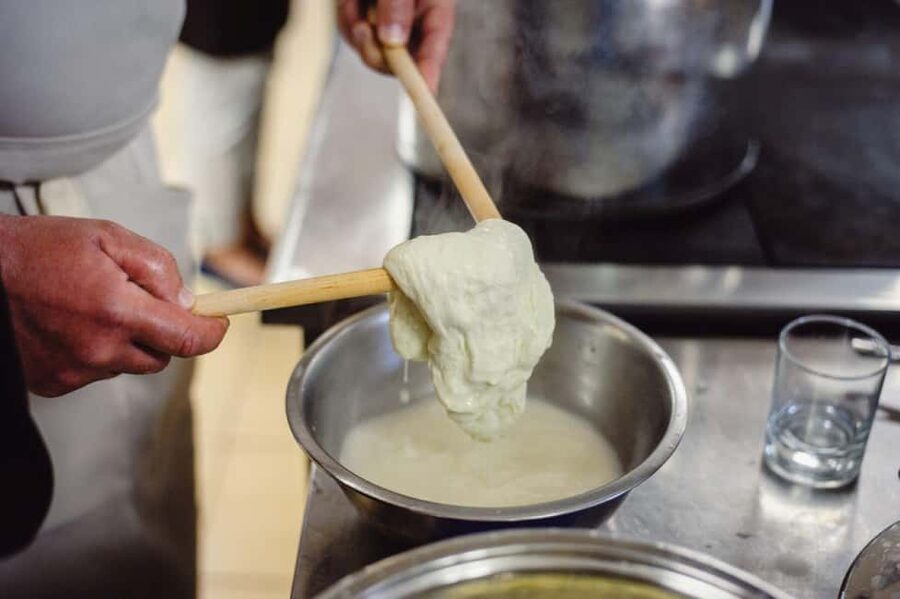
The chef sets the tone. A good instructor can make the stretching technique easy to follow, explain why the curd behaves as it does, and keep the class moving while everyone works at a different pace.
Jess has guided participants through the mozzarella process in a clear, friendly way. Alyssa has brought attention to traditional cheese production and local wine. Chef Vincenzo has been described as especially passionate about the craft, while Maria has helped create the warm welcome around the meal. Pepe and Franchesca have also hosted sessions.
These names give you a sense of the team, but the person leading your class may differ. What matters most is that the format includes direct guidance and individual practice. You are not left to guess how to shape the cheese.
The language options are English and Italian. If you want a class with a lot of food explanation, ask questions as you work. The small group makes that easier than it would be in a large demonstration.
Is $74 a fair price in Florence?
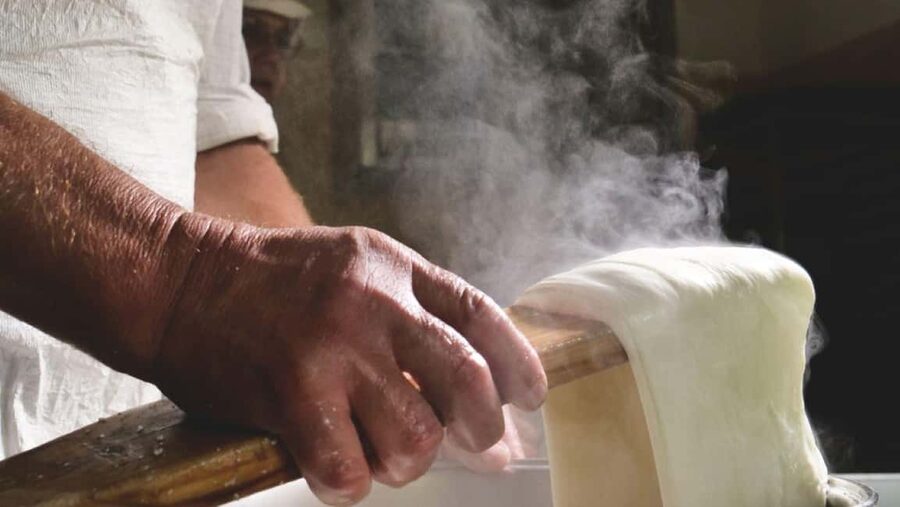
At $74 per person, this sits above a simple market tasting and below many longer cooking courses. The price includes Prosecco, the cheese-making lesson, your finished cheeses, seasonal food, Tuscan wine, an English-speaking chef, and the recipe booklet.
I see the value in the combination. A two-hour workshop can otherwise feel brief, but the meal and tasting extend the experience beyond the lesson itself. You are not paying only for an hour of instruction followed by a quick sample.
The main question is how much you value participation. If you would happily pay for a good meal and wine in Florence, adding a practical cheese class makes the price more appealing. If you are mainly searching for the lowest-cost way to eat mozzarella, a market or casual restaurant will be cheaper.
Free cancellation up to 24 hours before the start gives you some flexibility, and you can reserve without paying immediately. That is useful when your Florence schedule depends on weather, train plans, or museum reservations.
Should you book the mozzarella workshop?
I would book this if you want a social food experience with a real hands-on element. The strongest reasons are the chance to make three different cheeses, eat them with seasonal dishes, and compare Tuscan wines in a relaxed setting.
Book it especially if you like the idea of making bocconcini, nodini, and treccine with help from a chef, then trying burrata and stracciatella before the meal begins. Bring an appetite, wear practical clothes, and expect the class to be friendly rather than formal.
Skip it if you are vegan, lactose intolerant, under eight, or looking for a quiet wine tasting without dairy work. For everyone else, $74 buys more than a plate of cheese. You get a useful skill, a generous tasting, and a delicious Florence memory you can try to recreate at home.
FAQ
Where does the mozzarella workshop meet?
Meet the chef in front of Simbiosi Farm in Florence.
How long does the experience last?
The workshop lasts two hours. Starting times vary, so check availability when booking.
What cheeses will I make?
You will learn to make mozzarella, burrata, and stracciatella. The mozzarella may be shaped into bocconcini, nodini, and treccine.
Is wine included?
Yes. The experience includes a welcome glass of Prosecco and a tasting of Tuscan wines, including organic and conventional wines.
Is the workshop suitable for vegetarians or people avoiding gluten?
Vegetarian and gluten-free options are available. The activity is not suitable for vegans or people with lactose intolerance.
What languages are offered?
The workshop is offered in English and Italian.
More Workshops and Classes in Florence
- Tuscany Day Trip: Chianti & Cooking Class Small Group
★ 4.5 · 770 reviews - Florence: Pasta Class with Wine, Limoncello and Dessert
★ 4.9 · 674 reviews - Florence: Countryside Tour with Wine Tasting & Pasta Class
★ 4.9 · 546 reviews - Florence: Pasta-Making Class with Dinner, Wine and… Sing!
★ 4.9 · 210 reviews
Just poured in Florence
- SMALL GROUP Tuscany Wine Tasting Safaris with Lunch / Dinner★ 4.9 · 321 reviews
- Florence/Badesse: Tuscany Group Vespa Tour with Wine Tasting★ 4.4 · 56 reviews
- From Florence: Tuscany, Siena, San Gimignano & Winery Lunch★ 4.7 · 184 reviews
- From Florence: Sunset Wine Tasting Tour in Vintage Car★ 5.0 · 68 reviews
- Florence: Val d’Orcia Wine Tasting & Lunch Small Group Tour★ 4.3 · 352 reviews
- From Florence: Chianti Hills Half-Day Tour with Wine Tasting★ 4.5 · 703 reviews
- From Florence: Wine Tasting and Dinner in Chianti Vineyards★ 4.6 · 192 reviews
- Florence: Sunset Sightseeing Tour and Wine Tasting★ 4.6 · 140 reviews
Wine Tasting Tours, compared.
Douro Valley w/ Boat Tour, Wine Tasting & Lunch
Read our review →
Complete Douro Valley Wine Tour with Lunch, Wine Tastings and River Cruise
Read our review →
Small-Group Wine Tasting Experience in the Tuscan Countryside
Read our review →
Montserrat & Cogwheel Train, Gourmet Wine Tasting & Tapas/Lunch
Read our review →
Tuscany & Montepulciano Day Trip with Lunch & Wine Tasting
Read our review →Browse the lists this tour appears in