
REVIEW · WINE TASTING TOURS
Florence: Wine Windows Walk with Wine Tasting and Appetizers
Florence’s wine windows are tiny openings in old palace walls, once used by families selling wine directly to the street. This tour turns those curious leftovers into a walking route through the city, with a real glass served from one Renaissance palazzo window. I like that the wine is tied to Florence’s past rather than treated as a separate tasting-room activity.
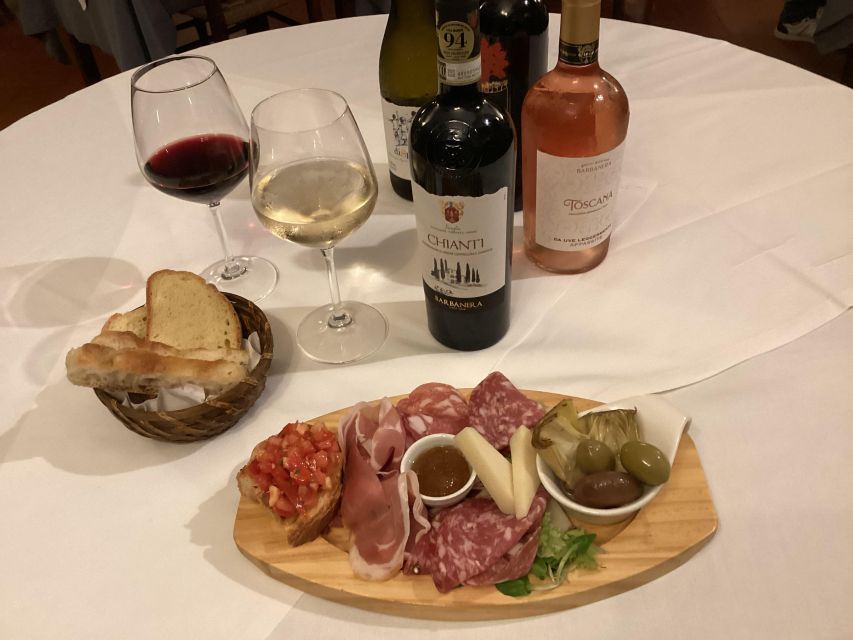
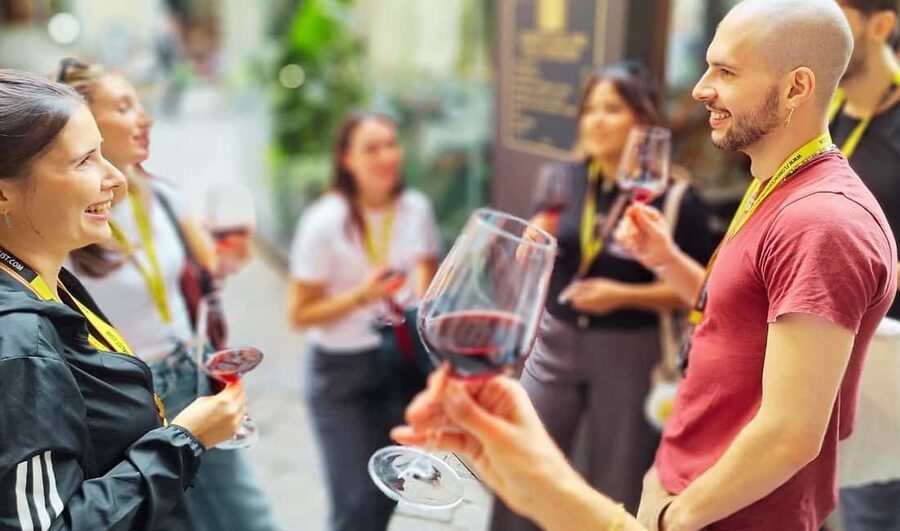
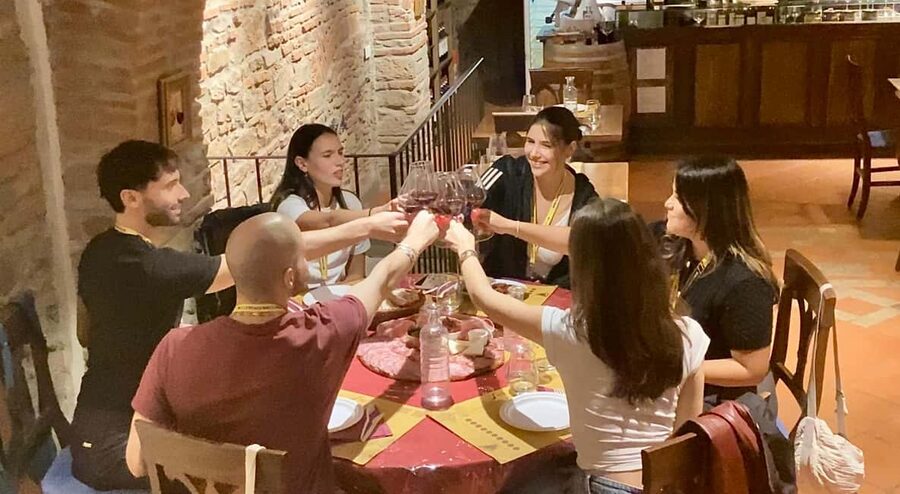
I also like the small group of up to 10 and the final seated tasting, where you sample three Tuscan wines with prosciutto, salami, bruschetta, olives, and cheese. The main drawback is that you visit only one operating wine window, so this is more a Florence history walk with wine than a full wine-window crawl.
Key points at a glance
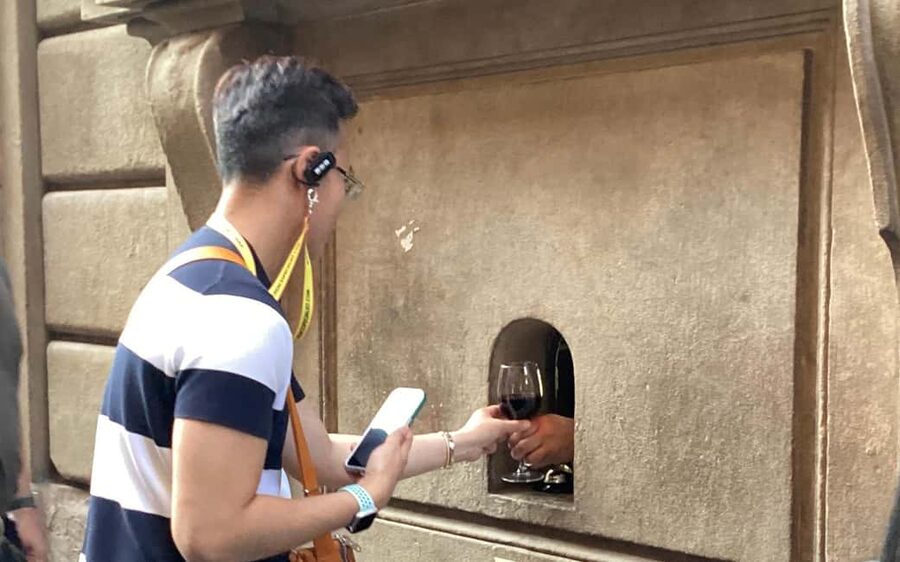
- One working wine window: Enjoy a glass served through a historic opening in a Renaissance Florentine palazzo.
- A useful central route: Walk from Via Ricasoli past Piazza San Marco, Palazzo Medici Riccardi, the Duomo, Piazza della Repubblica, and Piazza degli Antinori.
- Three regional wines: Taste Vernaccia or Vermentino, Bolgheri Rosso, and Chianti Classico Riserva.
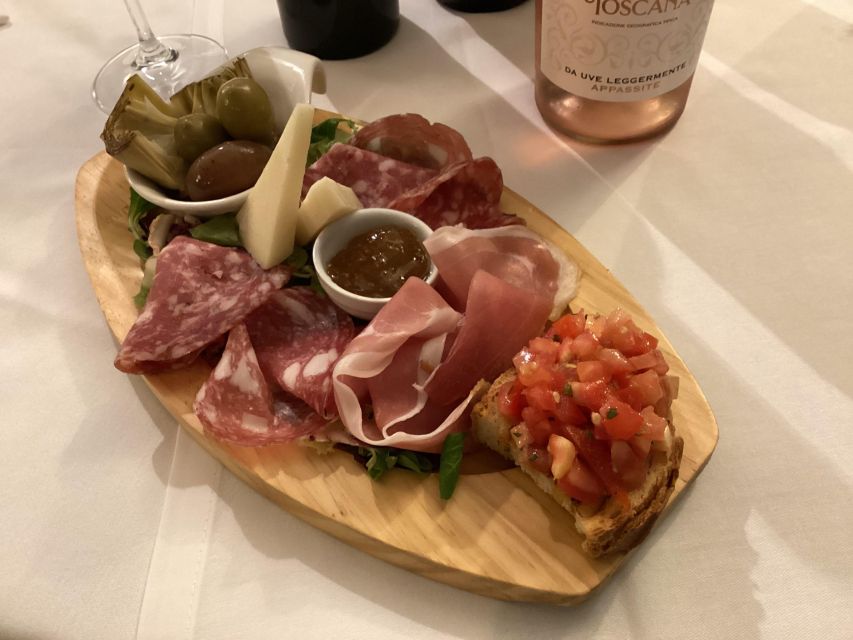
- A proper food pairing: The closing platter includes olives, bruschetta, salami, prosciutto, and cheese.
- Guides who bring the city to life: Vera, Laura, Lori, and Tommy have each led tours praised for clear, engaging storytelling.
- Good access and flexibility: The tour is wheelchair accessible, conducted in English, and cancellable up to 24 hours before departure.
Florence’s wine windows are the real hook
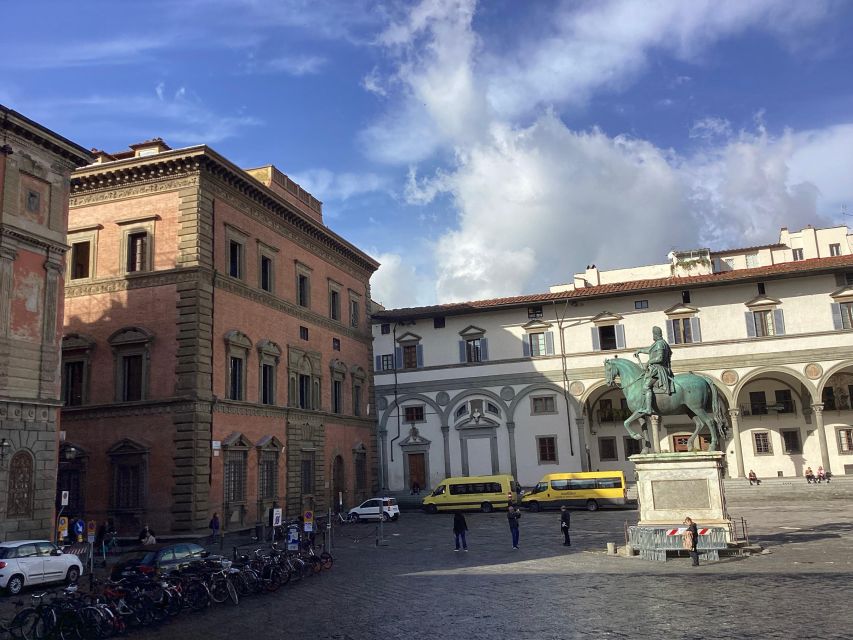
The most unusual part of this tour is not the wine itself. It is the way Florence’s old wine trade still peeks through the city walls.
More than 150 wine windows are scattered around Florence. Some are active. Others are sealed, repurposed, or easy to miss unless someone points them out. These small openings allowed palace owners and wine merchants to sell a flask or glass without opening a full shop to the street.
The custom took shape in Florence’s old merchant society, when leading families controlled land, wine production, and urban property. A wine window was practical, but it also reflected the way business and domestic life overlapped in the historic center.
You will not spend two and a half hours stopping at 20 active serving points. That would be impossible, and it is not what this tour offers. Instead, you follow a selected trail, learn how the windows worked, and stop at one operating window for a glass of wine. That single working stop gives the idea a physical sense that photographs cannot.
I like this format because the wine windows become part of the city rather than a gimmick. You see them alongside palaces, churches, squares, and old streets. The experience works best if you enjoy small details and local customs as much as grand monuments.
More Wine Tasting Tours in Florence
- Florence: Chianti Wineries Tour with Wine Tasting
★ 4.5 · 10,071 reviews - Small-Group Wine Tasting Experience in the Tuscan Countryside
★ 5.0 · 7,392 reviews - SMALL-GROUP Wine Safaris: Tuscan Wine Tasting Tours from Florence
★ 5.0 · 5,088 reviews
Starting near the Accademia on Via Ricasoli
The meeting point is the Florence Specialist office at Via Ricasoli 119r, marked with a red number. It is about 50 meters from the main entrance to the Accademia Gallery, down the street from Michelangelo’s David.
That location is handy if you are already visiting the Accademia, but do not assume the office is inside the gallery area itself. Florence’s numbering system can be confusing, and the meeting point uses the red street number common to shops and businesses. Give yourself a few extra minutes to find it.
The walk begins with an English-speaking guide and a small group limited to 10 people. That size matters in Florence. Narrow streets and busy piazzas can make a large group awkward, while a smaller party makes it easier to hear the guide and gather around a wine window.
Guides have included Vera, Laura, Lori, and Tommy. The strongest part of their work is the city storytelling. Vera has been praised for her energy and clear explanations, while Laura is especially good at answering questions and making the route feel personal. Lori and Tommy have also been noted for warm, engaging presentations.
Your guide may vary by date, so book this for the route and subject rather than expecting a particular person. Still, the repeated praise for the guides is a good sign for anyone who wants more than a list of dates and names.
Piazza San Marco and the Medici connection
The first major area is Piazza San Marco. It is not the most imposing square in Florence, but it gives the guide a useful place to explain how the city’s religious institutions, palaces, and commercial streets fit together.
From here, the route continues toward Palazzo Medici Riccardi. This palace is one of the best places to connect Florence’s political power with its food and wine culture.
The Medici family helped shape the city’s government, art, banking, and public image. Their influence also helps explain why Florence has so many grand residences close to ordinary working streets. A palace façade may suggest privacy and power, while a small service opening in the wall points to daily trade.
I appreciate this part of the walk because it gives the wine windows some context. You are not just hunting for odd holes in buildings. You are looking at how wealthy families managed property, how goods moved through the city, and how wine could pass from producer to buyer with very little ceremony.
The tour does not replace a dedicated visit inside Palazzo Medici Riccardi. The itinerary calls for an exterior walking stop, so you should not book this expecting a palace interior tour. Its value is in seeing the building as part of a wider route.
The Duomo area without a long museum visit
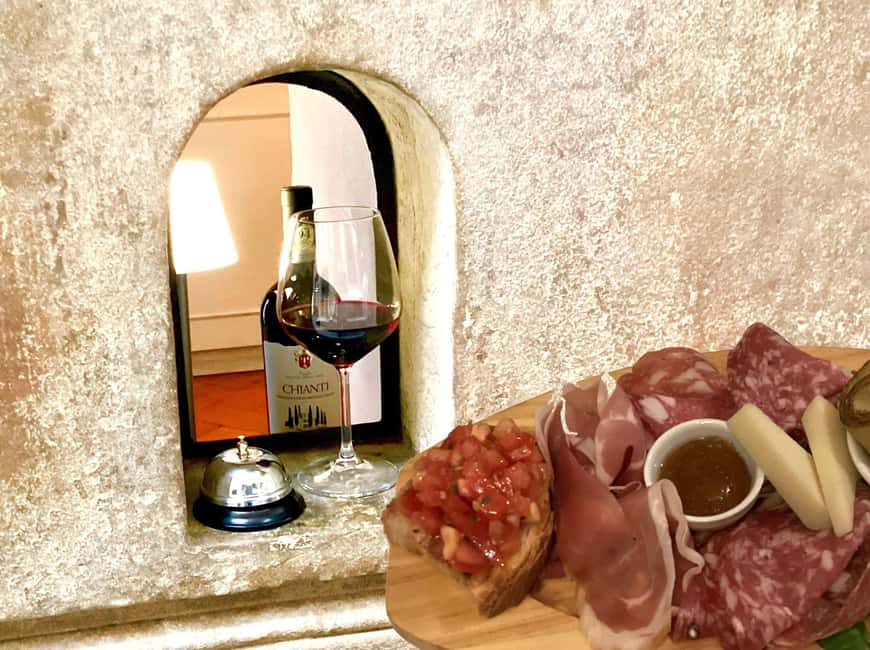
The route then reaches the Florence Duomo complex. This is the grandest architectural moment of the walk, and it helps balance the smaller, more easily missed wine-window details.
You can expect to admire the exterior landmarks while the guide discusses Florence’s development and the families who shaped it. The walk is designed around the city streets, not an interior visit to the cathedral, baptistery, or bell tower. If you want to climb the dome or enter the monuments, arrange that separately.
That limitation is worth knowing. The Duomo area is often crowded, and a walking explanation gives you a way to understand what you are seeing without adding another timed admission to your day. But if your main goal is the cathedral interior, this experience will not cover it.
This is also the point where comfortable shoes become important. The walk lasts about 1.5 hours before the final tasting, and Florence’s central streets can be tiring even when the route itself is not strenuous. One person found the walking portion harder after already covering five miles that day. I would schedule this tour early or on a lighter sightseeing day.
More Wine Tasting Tours in Italy
- San Gimignano, Siena, Monteriggioni, Chianti Day Trip with Lunch & Wine Tasting
★ 4.5 · 4,432 reviews - From Florence: Small Group Wine Tasting Tour to Tuscany
★ 4.9 · 3,902 reviews - Florence: S. Gimignano, Siena, Chianti Wine Tasting & Lunch
★ 4.6 · 3,102 reviews - Half day Chianti Vineyard Escape from Florence with Wine Tastings
★ 4.5 · 2,196 reviews
Piazza della Repubblica and Florence’s changing city
From the Duomo, the route continues toward Piazza della Repubblica. The square feels more open and formal than the older lanes around the Medici palace, making it a useful place to discuss Florence’s later changes.
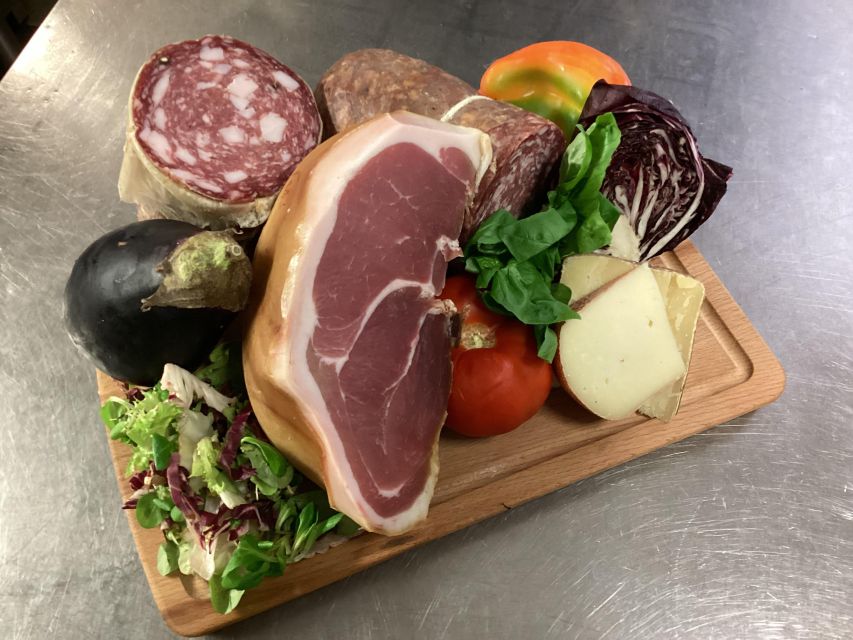
The guide connects the old wine trade with the city’s broader food culture. Tuscany is not just a wine-producing region with famous labels. It has a strong habit of serving simple local food alongside wine, often relying on bread, cured meats, olives, cheese, and seasonal toppings.
That connection prepares you for the final tasting. You begin to understand why the food is not an afterthought. The pairings reflect the way wine is commonly enjoyed in Tuscany, with modest portions and familiar products rather than a formal restaurant meal.
Piazza della Repubblica is also a good reminder that Florence has several layers. Medieval streets, Renaissance palaces, and later urban planning sit close together. The walk uses these changes to keep the tour from becoming a single-topic tasting.
The one operating wine window
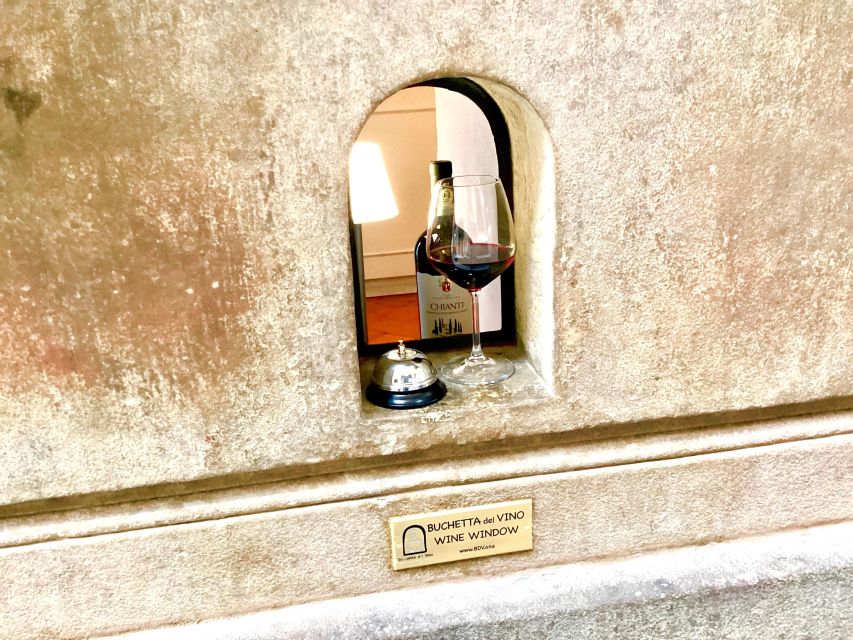
During the walk, you stop at a local bar and receive a glass of wine through one of the historic windows. This is the moment most people will be waiting for, and it is a fun one.
The serving window is located in a Renaissance Florentine palazzo. You get the unusual pleasure of ordering and receiving wine through an opening that was designed for exactly this sort of street-level exchange.
Keep your expectations realistic. Only one wine window is described as an active tasting stop. You will see other active and inactive windows along the way, but not every window offers a drink. That is the main weakness for anyone imagining a stop at each one.
Still, the single glass has value because it gives the custom a practical shape. You see the opening, use it, and understand why it was useful. The guide can then point out other examples without turning the tour into a repetitive series of similar stops.
If you do not drink alcohol, non-alcoholic beverages are available. That makes the walking portion workable for a mixed group, though the final tasting is still built around wine education.
Piazza degli Antinori and the route’s wine focus
After the window stop, the walk continues to Piazza degli Antinori. The Antinori name is closely linked with Tuscan wine, so this is a fitting place to shift from Florence’s old street trade to the region’s modern wine identity.
The route finishes at a winery or wine shop for the one-hour tasting. This is not simply a quick pour of three glasses. A local wine specialist leads the session and explains the wines with Tuscan food pairings.
You taste:
- Vernaccia or Vermentino
- Bolgheri Rosso
- Chianti Classico Riserva
This line-up gives you three different ways to think about Tuscan wine. Vernaccia is associated with white wine, while Vermentino offers another white option. Bolgheri Rosso introduces a red from the coastal Bolgheri area. Chianti Classico Riserva brings in one of Tuscany’s best-known red wine styles with additional aging.
The exact white wine may be Vernaccia or Vermentino, so do not expect a fixed bottle list in every session. The important point is the range: white wine, a Bolgheri red, and a more developed Chianti Classico.
Why the final food pairing adds value
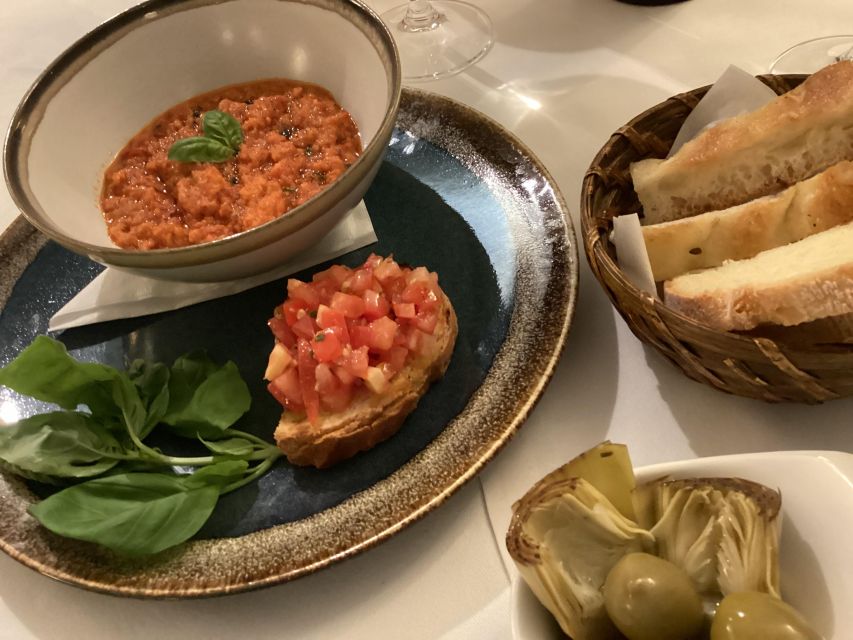
The tasting comes with a platter of Tuscan foods, including olives, bruschetta, salami, prosciutto, and cheese. Bread with bruschetta and cured meats may sound simple, but these foods give you a direct way to compare the wines.
The platter also turns the tasting into a light meal. You should not treat it as lunch or dinner, but it is more substantial than a few crackers. If you book the tour around midday, you may still want a full meal later.
Vegetarian participants can choose Italian-style pickled vegetables instead of the cured meats. People with allergies or food intolerances should tell the server. Non-alcoholic drinks can replace wine, which is helpful if only some members of your party drink.
One especially appealing detail is the attention to olive oil. The tasting host has been praised for serving an olive oil that made a strong impression. Olive oil is easy to overlook when planning a wine tour, but it is central to Tuscan food, and sampling it alongside bread gives the meal a more local feel.
Is $116 a fair price?
At $116 per person, this is not the cheapest way to see Florence or taste wine. You are paying for a 2.5-hour guided route, a small group, one wine-window glass, three Tuscan wines, food, and a specialist-led tasting.
I think the price is reasonable if you value interpretation and convenience. Buying three comparable wine pours and a plate of Tuscan products on your own could take a similar amount, but you would not get the wine-window route or the city explanation. The guide also saves you from trying to locate inactive windows and understand their purpose by yourself.
The value is weaker if you want a large number of wines, a full winery visit in the countryside, or a substantial meal. This takes place in central Florence and uses the city as its setting. It is not a day trip through vineyards and does not offer a cellar tour outside town.
The small group improves the value. With no more than 10 participants, the guide can answer questions, and the final tasting should feel more focused than a large coach excursion. The tour is also wheelchair accessible, though you should still confirm that the route and current street conditions suit your needs when booking.
Who should book this Florence wine walk?
I would recommend it to first-time visitors who want a gentle introduction to Florence’s food culture and major central landmarks in one outing.
It is also a good fit if you have already seen the Duomo and Accademia and want a different way to read the city. The wine windows provide a specific theme, while the route adds familiar sites and Medici context.
Wine beginners should feel comfortable here. You do not need to know Tuscan labels in advance. The tasting explains the wines and pairs them with recognizable local foods.
I would be more cautious if you dislike walking, have already spent a full day on foot, or expect a wine-window stop at every turn. The route is short enough for most visitors, but tired legs can make the 1.5-hour walk feel longer. I would also choose another activity if your priority is an in-depth vineyard visit or a large-scale tasting.
You can cancel up to 24 hours before departure for a full refund, and the reserve-now, pay-later option keeps your plans flexible. That is useful in Florence, where museum reservations, heat, and crowded streets can change your schedule.
The bottom line
Book this tour if you want a city walk with a strong local hook, not a countryside wine excursion. The working wine window is memorable, the central route includes major Florence landmarks, and the final tasting gives you three Tuscan wines with enough food to make the pairings meaningful.
Skip it if you want several active wine windows or a long list of bottles. For most visitors who like history, food, and an easy glass of wine along the way, the combination offers a distinctive afternoon and a useful introduction to Florence beyond its famous museum doors.
FAQ
How long does the Florence wine-window tour last?
The experience lasts 2.5 hours. About 1.5 hours is devoted to the guided walk, followed by a one-hour wine tasting and food pairing.
Where does the tour meet?
Meet at the Florence Specialist office at Via Ricasoli 119r, marked with a red number. It is about 50 meters from the main entrance to the Accademia Gallery.
Is the tour conducted in English?
Yes. The tour is conducted in English with a live guide.
How many people are in the group?
The group is limited to 10 participants.
How many wines will I taste?
You will sample three Tuscan wines: Vernaccia or Vermentino, Bolgheri Rosso, and Chianti Classico Riserva.
What food is served with the wine?
The tasting includes Tuscan appetizers such as olives, bruschetta, cheese, salami, and prosciutto. A vegetarian option with Italian-style pickled vegetables is available.
Can I join if I do not drink alcohol or have dietary restrictions?
Yes. Non-alcoholic beverages are available instead of wine. Tell the server about any food allergies or intolerances, and request the vegetarian option if needed.
Just poured in Florence
- SMALL GROUP Tuscany Wine Tasting Safaris with Lunch / Dinner★ 4.9 · 321 reviews
- Florence/Badesse: Tuscany Group Vespa Tour with Wine Tasting★ 4.4 · 56 reviews
- From Florence: Tuscany, Siena, San Gimignano & Winery Lunch★ 4.7 · 184 reviews
- From Florence: Sunset Wine Tasting Tour in Vintage Car★ 5.0 · 68 reviews
- Florence: Val d’Orcia Wine Tasting & Lunch Small Group Tour★ 4.3 · 352 reviews
- From Florence: Chianti Hills Half-Day Tour with Wine Tasting★ 4.5 · 703 reviews
- From Florence: Wine Tasting and Dinner in Chianti Vineyards★ 4.6 · 192 reviews
- Florence: Sunset Sightseeing Tour and Wine Tasting★ 4.6 · 140 reviews
Wine Tasting Tours, compared.
Douro Valley w/ Boat Tour, Wine Tasting & Lunch
Read our review →
Complete Douro Valley Wine Tour with Lunch, Wine Tastings and River Cruise
Read our review →
Small-Group Wine Tasting Experience in the Tuscan Countryside
Read our review →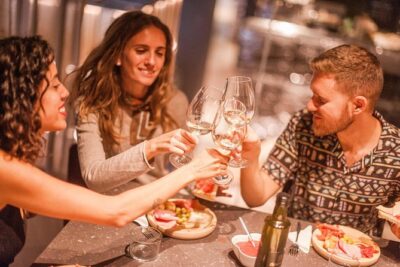
Montserrat & Cogwheel Train, Gourmet Wine Tasting & Tapas/Lunch
Read our review →
Tuscany & Montepulciano Day Trip with Lunch & Wine Tasting
Read our review →Browse the lists this tour appears in