
REVIEW · DRINKS TOURS
From Lyon: Beaujolais Wine Tour with Tastings
Beaujolais is more than a bottle of young red wine. On this half-day trip from Lyon, you wind through vineyard hills, visit two family-run wineries, and taste wines from famous crus such as Morgon, Moulin-à-Vent, and Fleurie. The best part is the direct contact with winemakers, who explain how a few kilometers and a change in soil can alter the character of Gamay.
I like the small group of up to eight, which keeps the minivan comfortable and gives you room to ask questions. I also like the contrast between the two wineries: one may offer a vineyard or cellar visit, while another focuses more closely on tasting and comparison. The main drawback is time. Four hours gives you a useful introduction, but it can feel short if you want a full day among the vineyards.
- Two family wineries: Meet producers and taste wines in personal, low-key settings.
- Three famous crus: The route may include Morgon, Moulin-à-Vent, Fleurie, and other Beaujolais appellations.
- Gamay takes center stage: Learn why this grape produces very different wines in nearby villages.
- Comfortable Lyon departure: Meet in front of the tourist office at Bellecour Square and ride in an air-conditioned minivan.
- Strong guiding: François, Clotilde, Amandine, Raphael, and other guides have been praised for clear explanations and safe driving.
- A short but focused outing: At $116 per person, the tour is convenient for a first taste of the region, though not a substitute for a full wine day.
Leaving Lyon for Beaujolais country
The tour begins in the middle of Bellecour Square, in front of Lyon’s tourist office. This is a practical meeting point in central Lyon, but Bellecour is large, so you should allow extra time to find the exact spot and arrive at least 10 minutes before departure.
Once everyone is aboard, the air-conditioned minivan heads north toward Beaujolais. The drive is part of the lesson. Your guide explains the region, its winemaking traditions, and the role of Gamay while the city gives way to rolling vineyard country.
The group limit of eight matters here. You are not being moved around in a large coach, and the guide can respond to questions as the route unfolds. Guides including François and Clotilde have been especially well regarded for combining useful wine information with a friendly, relaxed manner. Amandine, Raphael, and other members of the guiding team have also led tours.
You should think of the ride as both transport and introduction. It does not replace a formal wine class, but it gives you enough background to understand what you taste later. If you know little about Beaujolais, that is a real advantage. If you already follow the region closely, use the drive to ask about producers, appellations, and the difference between crus.
Why Beaujolais tastes different from village to village
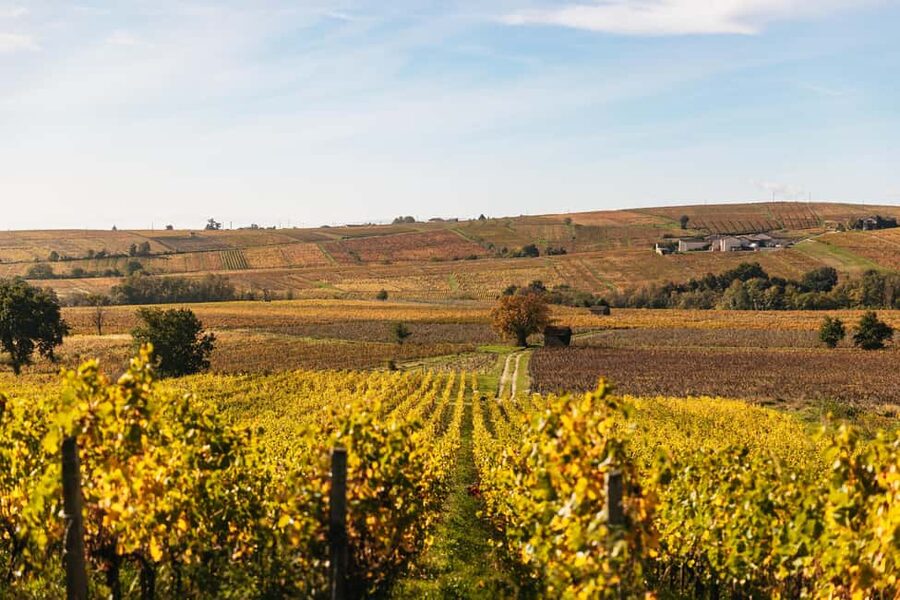
The region is best understood through its soil and geography. The tour focuses on the idea of terroir, the French belief that soil, slope, climate, and local working methods shape a wine’s character.
Gamay is the key grape for Beaujolais reds. It is the grape behind the region’s emblematic wines, but it does not produce one single style. Wines from nearby appellations can show different aromas, weight, freshness, and structure depending on where the vines grow and how the producer works.
That is why the route matters. Seeing signs for Morgon, Moulin-à-Vent, or Fleurie is not just a scenic drive between tastings. These names represent distinct parts of Beaujolais, and comparing wines from different crus helps you understand the region in a practical way.
Your guide should connect the view outside the window with the glass in front of you. This is where the experience works better than a tasting in Lyon alone. In the city, you can sample bottles. In Beaujolais, you see the hills and family estates that give those bottles their identity.
More Drinks Tours in France:
- Bordeaux: Cité du Vin Entry Ticket and Wine Tasting
★ 4.6 · 3,885 reviews - Bordeaux: River Garonne Cruise with Glass of Wine and Canelé
★ 4.5 · 3,630 reviews - Montmartre Hill French Gourmet Food and Wine Tasting Walking Tour
★ 5.0 · 2,588 reviews
The first winery: meeting the people behind the bottles
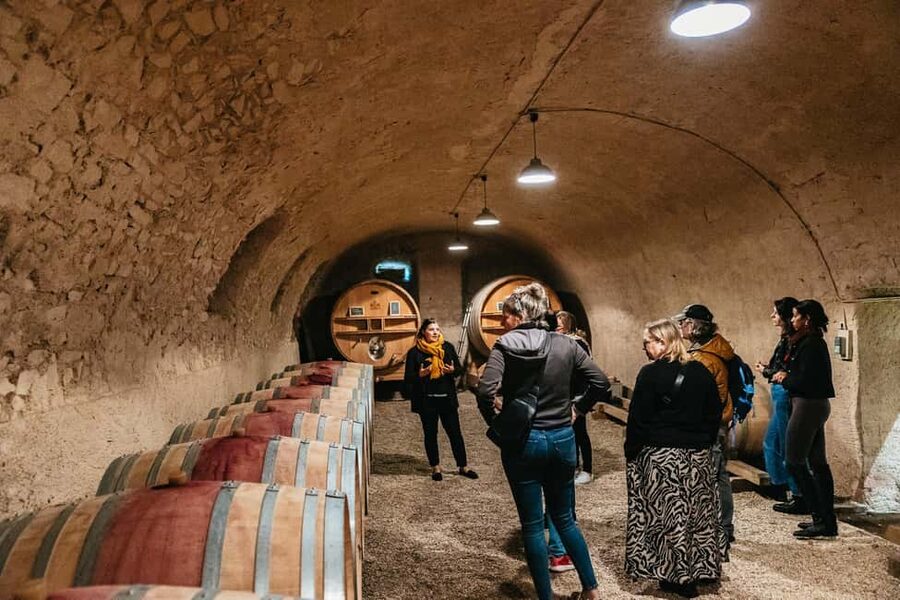
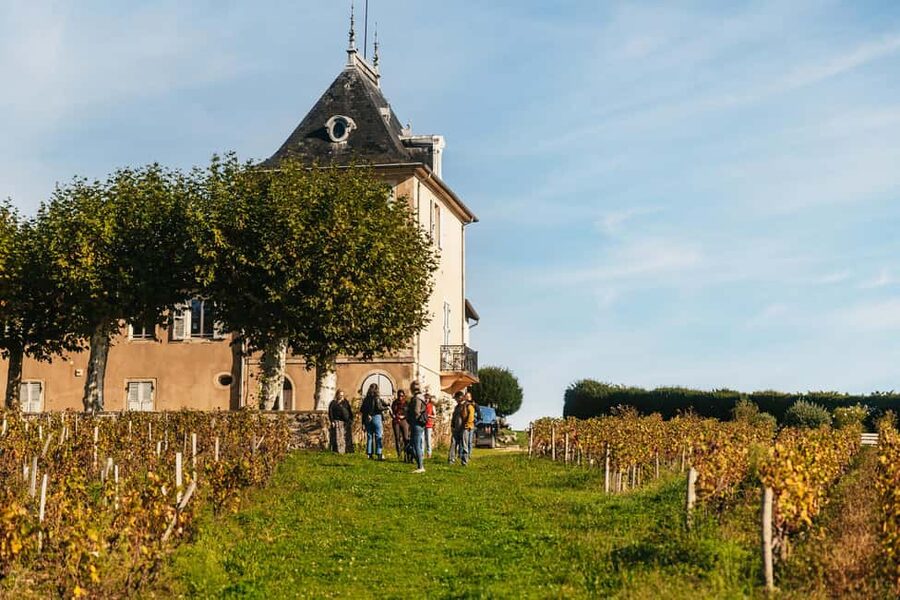
The first stop often provides the fuller introduction to winemaking. Depending on the day’s schedule, you might walk among the vines, visit a cellar, or hear the owner explain how the estate operates.
The family-run character is important. You are not simply standing at a sales counter while someone lists bottle prices. The owners selected for this route welcome the group into their domaine and explain their work, methods, and view of winemaking.
At one estate, a winemaker such as Denis at Château Portier has taken visitors out to the vines, into the cellar, and through a substantial tasting. The appeal is not just the number of wines. It is the chance to meet someone whose family life and daily work are tied to the vineyard.
The setting can also be part of the pleasure. Some tastings take place in attractive old winery buildings or cellars, while others are more straightforward. You might receive a small snack alongside the wine, but lunch is not included, so do not arrive expecting a meal.
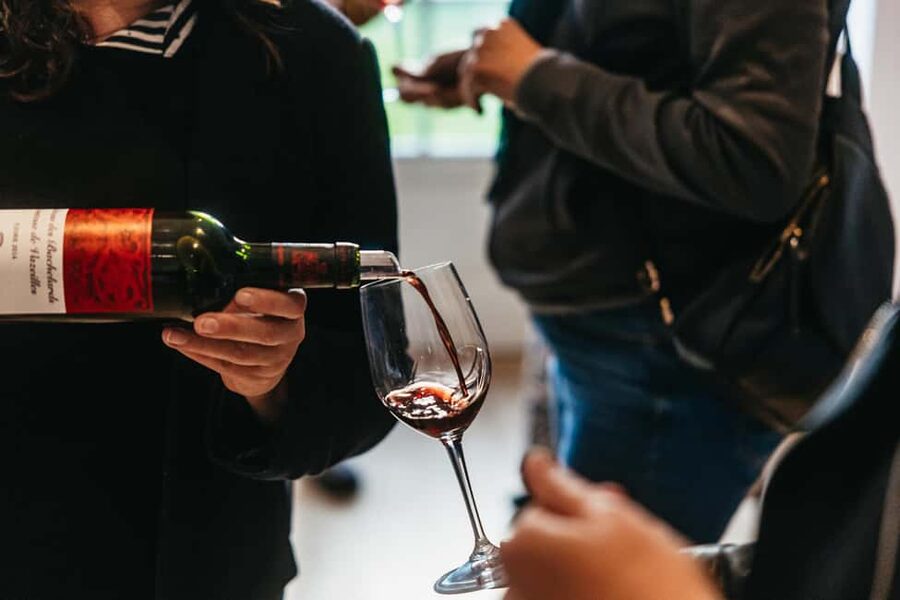
Pay attention to the order of the tasting. A good producer will help you see how the wines differ, rather than pour a random line-up. Ask what changes between parcels, vintages, or appellations. You do not need a polished wine vocabulary. Simple questions about soil, aging, harvest, or food pairings are enough to start a useful conversation.
The second winery: comparison is the real lesson
The second stop is valuable because it gives you a point of comparison. The two estates are selected from different appellations, and they may have different styles, methods, and personalities.
One winery might offer a detailed look at vineyard and cellar work. The other may concentrate on tasting several wines and discussing their aromas and structure. That contrast keeps the afternoon from becoming repetitive and helps you understand that Beaujolais is not one uniform product.
Moulin-à-Vent is often a memorable stop because of the strong sense of place and the passion of its producers. Fleurie offers another useful reference point, with its own local identity and style. Morgon may also appear on the route. The precise wineries and appellations can vary, so you should treat the named crus as examples of the region rather than a guaranteed checklist.
This is where the guide’s role becomes important. François has been praised for giving enough commentary without talking constantly, while Clotilde is known for energy, clear explanations, and safe driving. A good guide makes the tasting easier to follow, especially when several wines arrive in quick succession.
You will probably taste several wines at each stop. The activity includes tastings, but it does not promise a fixed number of pours or a particular bottle. The point is comparison, not simply quantity. Take notes if you are serious about buying, and remember the producer’s name and appellation rather than trying to recall every aroma later.
The scenery is part of the experience
Beaujolais rewards you between the winery visits. The road winds through vineyard hills and changing countryside, giving you a sense of how the region is arranged. You are not spending four hours inside cellars.
The views are especially useful for first-time visitors because they make the geography real. You see slopes covered with vines, small estates, and the rural setting behind wines that are widely sold outside France. Several guides have also been praised for making the journey informative without overloading it with facts.
Bring comfortable shoes. You may walk through a vineyard or winery, and the tour is not designed as a seated tasting only. The activity is not suitable for wheelchair users, and electric wheelchairs are not accommodated. Pets and baby strollers are also not allowed, although assistance dogs are permitted.
The scenery changes with the season, so the mood of the outing will depend on when you go. The route remains worthwhile outside harvest time, but the appearance of the vines and the feel of the countryside will not be identical year-round.
Same town, a different bottle:
- From Paris: Loire Valley Castles Day Trip With Wine Tasting
★ 4.6 · 1,727 reviews - From Bordeaux: Afternoon Saint-Emilion Wine Tasting & snack
★ 4.8 · 1,581 reviews - From Paris: Day Trip to Champagne with 8 Tastings & Lunch
★ 4.8 · 1,501 reviews - Medoc or Saint Emilion Wine Tasting and Chateau from Bordeaux
★ 5.0 · 1,415 reviews
What $116 buys you
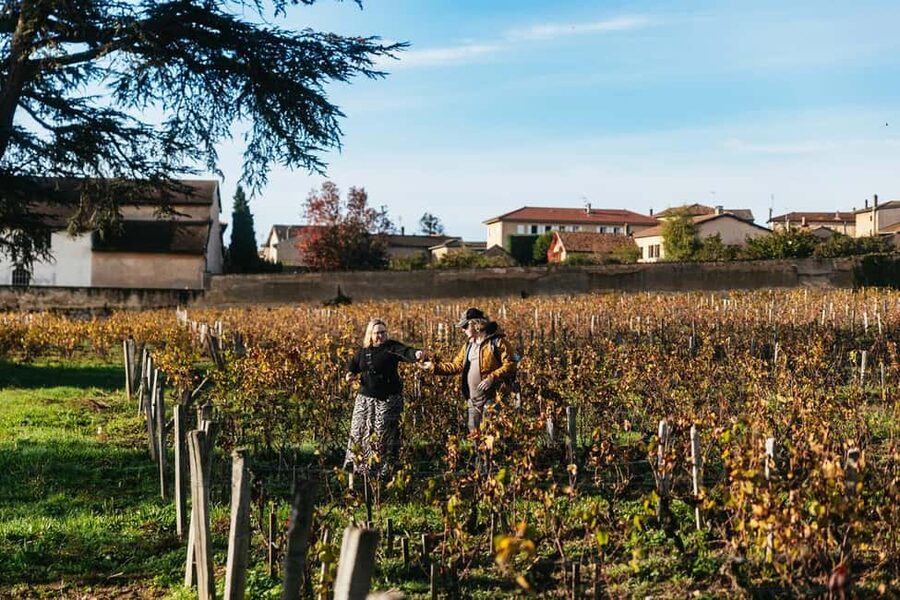
At $116 per person, this is not the cheapest way to taste Beaujolais, but the price covers several useful pieces at once: round-trip transport from central Lyon, a professional English-speaking driver-guide, a small group, and tastings at two wineries.
The transport is a real part of the value. Reaching several rural estates without a car is awkward, and arranging taxis between wineries would be expensive and inconvenient. You can also taste without worrying about driving back to Lyon.
The small group improves the value further. With no more than eight participants, you have a better chance of hearing the winemaker, asking questions, and getting help with unfamiliar French wine terms. The minivan also avoids the feel of a large bus excursion.
Still, you should be clear about what you are buying. Lunch is not included. Bottled water is not included either, and drinks and food are not allowed in the vehicle. Bring water for before or after the ride, particularly in hot weather.
The four-hour length keeps the tour manageable during a busy Lyon visit. It works well if you have only a morning or afternoon free. But if you want long walks through vineyards, a leisurely meal, or more than two estates, you will find the schedule limited. One participant felt the area could easily fill a full day, and that is a fair point.
Choosing a departure time
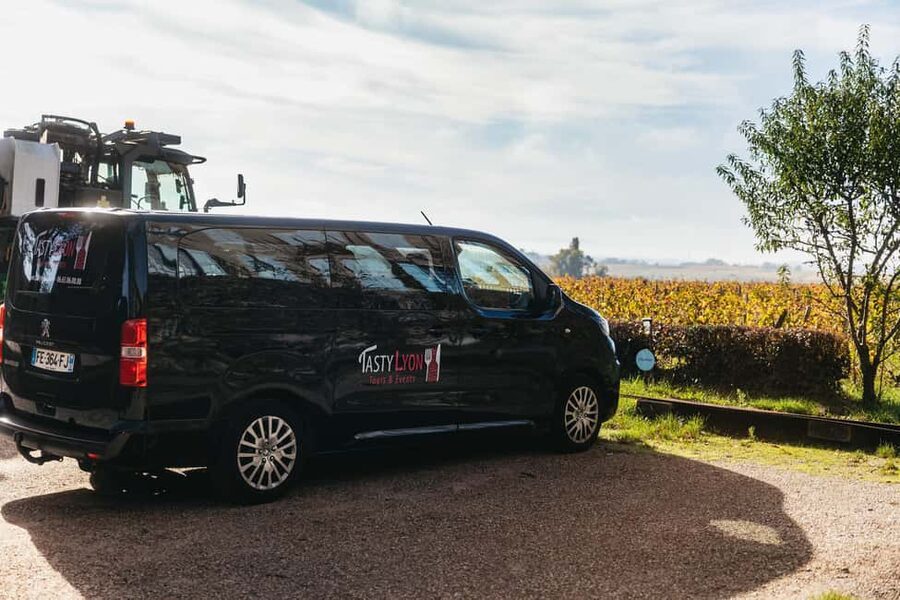
The activity runs for four hours, with starting times depending on availability. Some departures are in the morning, and a 9:00 a.m. option can work well if you want the rest of the day free in Lyon.
A morning departure may also suit you if you prefer to taste wine before a heavy lunch. If you choose a later time, plan the rest of your day around the return to Lyon rather than trying to fit another fixed appointment too closely afterward.
The exact route and winery pair can change. That is normal for a working wine region, where producer schedules and seasonal conditions affect access. The strength of the tour is the format, two family estates, a guide, and a close look at Beaujolais, rather than a guaranteed visit to one specific cellar.
Who will enjoy this tour most
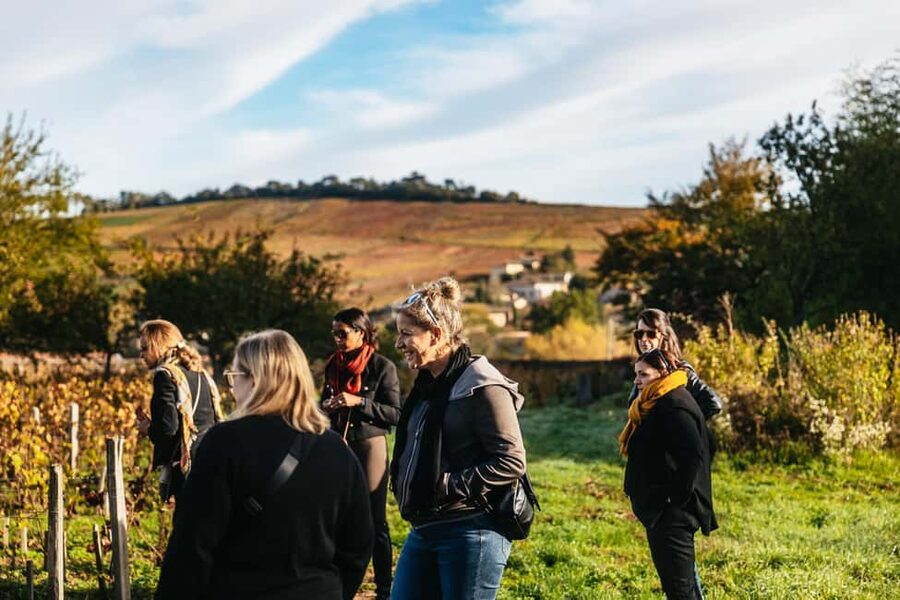
I would recommend it most strongly to wine drinkers staying in Lyon who want to understand Beaujolais beyond the familiar name. You do not need advanced wine knowledge. The guide and winemakers provide enough explanation to make the tasting approachable.
It also suits couples, families with adult children, and small groups of friends. The four-hour format is easier to fit into a city break than a full-day excursion, and the comfortable minivan keeps the travel simple.
This is less suitable if you dislike wine tasting, want a broad sightseeing tour, or need step-free access. It is also not ideal if you expect a substantial meal, a long hike, or a large number of wineries.
The tour has earned a 4.7 rating from 160 reviews, and 87 percent of participants gave the transport a perfect score. Those figures fit the experience’s main strengths: friendly guiding, comfortable travel, attractive countryside, and direct contact with producers.
Practical details before you book
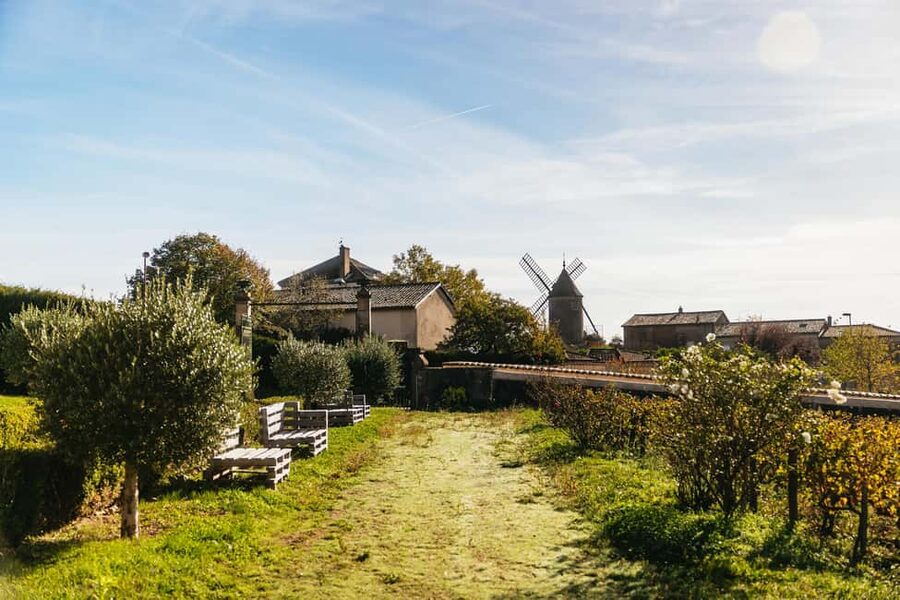
Wear comfortable shoes and arrive at Bellecour Square at least 10 minutes early. Look for the tourist office in the middle of the square, not merely the general Bellecour area.
The tour is shared and conducted in English. The vehicle is air-conditioned, and food, drinks, smoking, and alcoholic drinks are not permitted inside it. Assistance dogs are allowed, but pets, baby strollers, and electric wheelchairs are not.
Cancellation is flexible up to 24 hours before departure for a full refund, and you can reserve now and pay later. Check the available start time before booking, since the four-hour length and departure schedule will shape the rest of your day.
Should you book the Beaujolais wine tour?
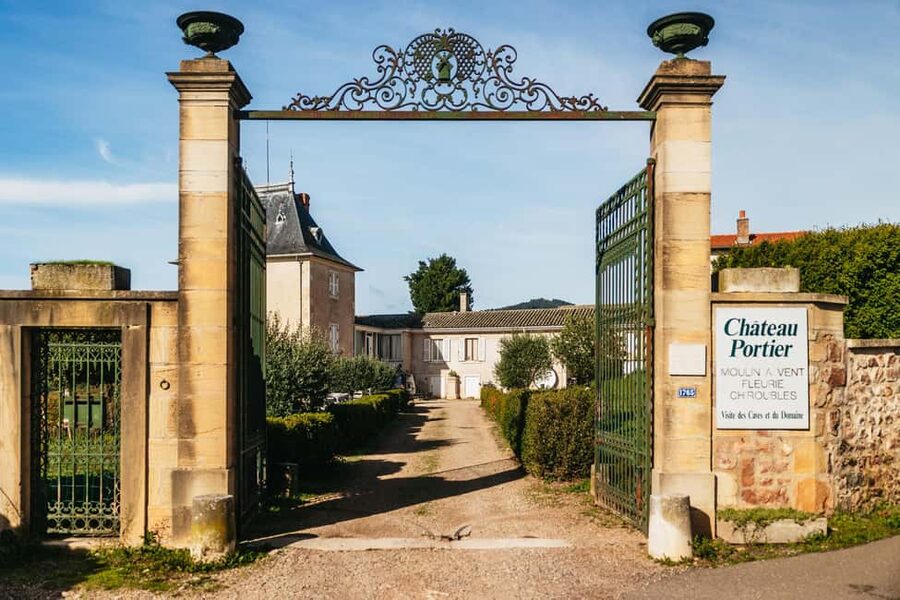
Book it if you want a well-organized introduction to the Beaujolais crus without renting a car. The strongest reasons are the two family wineries, the chance to meet producers, and the guide’s help in connecting Gamay with local soils and villages.
I would especially choose this tour early in a Lyon stay. It gives you useful regional knowledge before you order Beaujolais in a restaurant, and guides such as François or Clotilde can add context to the wines and countryside.
Skip it if you want a full-day wine journey with a long lunch and several vineyard walks. For everyone else, $116 buys a focused, comfortable half-day that gets you out of Lyon and into the places where these wines are made.
FAQ
Where does the Beaujolais wine tour depart from?
It departs in front of the Lyon tourist office in the middle of Bellecour Square. You should arrive at least 10 minutes before departure.
How long is the tour?
The tour lasts four hours.
How much does the tour cost?
The listed price is $116 per person.
How many people are in the group?
The tour is limited to eight participants.
Which languages are available?
The tour is conducted in English with a live guide.
How many wineries will I visit?
The itinerary includes visits to two wineries, typically family-run estates selected from different Beaujolais appellations.
Which wines and appellations might I taste?
The route may include wines from Beaujolais appellations such as Morgon, Moulin-à-Vent, and Fleurie. Tastings focus on Gamay and the differences created by local terroir.
Is lunch included?
No. Lunch is not included in the tour price.
Is the tour suitable for wheelchair users?
No. The activity is not suitable for wheelchair users, and electric wheelchairs are not permitted. Pets and baby strollers are also not allowed, although assistance dogs are permitted.
Just poured in France
- Saint-Emilion Afternoon Wine Tour – 2 Wineries & delicacies★ 5.0 · 614 reviews
- Médoc Region Half-Day Wine Tour with Winery Visit & Tastings from Bordeaux★ 4.5 · 211 reviews
- Bordeaux Full Day Wine Tour – 3 Wineries & Gourmet Picnic Lunch★ 5.0 · 307 reviews
- Wine Tasting Class: Tour de France in Nice City Centre★ 5.0 · 201 reviews
- Nice: Half-Day Saint Paul de Vence and Wine Tasting Tour★ 4.5 · 170 reviews
- From Nice: Cannes, Saint Paul de Vence and Wine Tasting★ 4.5 · 244 reviews
- Paris: French Wine Tasting Class with Sommelier★ 4.8 · 550 reviews
- Paris: Wine and Cheese Tasting with a Chef Sommelier★ 4.7 · 277 reviews
Drinks Tours, compared.
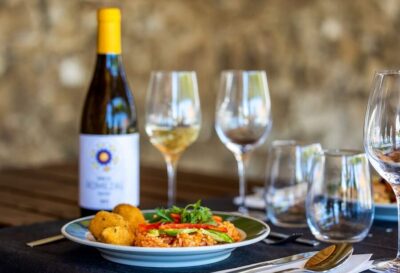
Douro Valley w/ Boat Tour, Wine Tasting & Lunch
Read our review →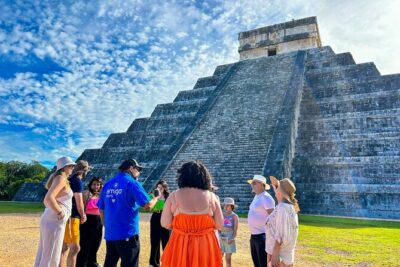
Chichen Itza, Cenote & Valladolid Tour with Tequila and Lunch
Read our review →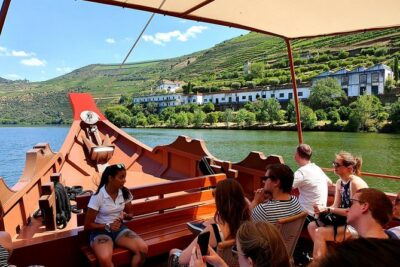
Complete Douro Valley Wine Tour with Lunch, Wine Tastings and River Cruise
Read our review →
Zakopane: Cable Car, Chocholow Baths, Cheese & Vodka
Read our review →
Zakopane: Cable Car, Chocholow Baths, Cheese & Vodka
Read our review →
Small-Group Wine Tasting Experience in the Tuscan Countryside
Read our review →Browse the lists this tour appears in