
REVIEW · CHAMPAGNE TOURS
From Reims: Champagne and Family-Run Wineries Tour
The best part of this afternoon tour is its focus on small family-run Champagne producers rather than only the famous houses. You taste six Champagnes, three at each winery, while learning how grapes become the region’s famously precise sparkling wine.
I like the intimate group size, capped at eight, and the stop in Hautvillers, where Dom Pérignon is buried. I also like the local guide approach. Guides such as Chloe, Etienne, Jerome, Anne, Suzanne, and Martin have been praised for making the technical side of Champagne clear and entertaining.
The main thing to consider is the pace. You cover two wineries, Hautvillers, and a fair stretch of countryside in 4.5 hours. The minivan can feel snug when full, and this is not a slow, leisurely day built around one estate.
The essentials at a glance
- Six Champagne tastings: Try three wines at each of two independent family-run producers.
- Hautvillers stop: Visit the village linked with Dom Pérignon and see the church where he is buried.
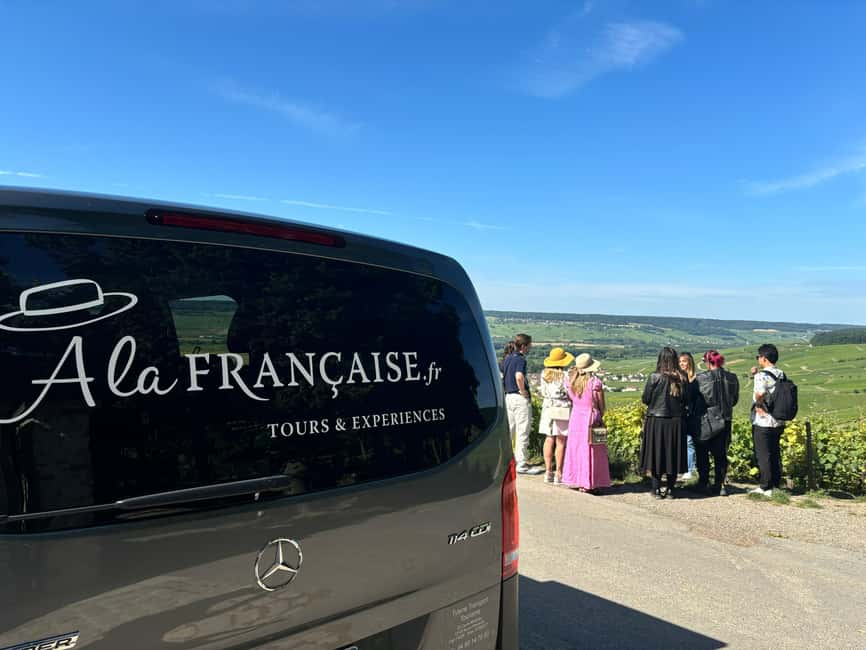
- Small-group transport: Ride in an air-conditioned minivan with no more than eight participants.
- Local English-speaking guide: Guides explain production, local history, vineyards, and the differences between the wines.
- Useful half-day timing: Meet at 2:00 pm and return to Reims Centre station at about 6:30 pm.
- Cellar-ready clothing: Underground cellars average about 10°C, so bring a jacket and wear comfortable shoes.
Why this Champagne tour works well from Reims
Reims is a practical base for exploring Champagne, but the best-known vineyards sit outside the city. This tour handles the driving and connects three different pieces of the region: the village of Hautvillers, vineyard country, and two working family wineries.
At $147 per person, the price is not pocket change. Still, it includes transport, an English-speaking guide, entrance fees, and six tastings. You are paying for access to producers that can be awkward to reach without a car, plus an afternoon of explanation rather than simply a flight of glasses at a city bar.
I see this as a good value if you want to taste several Champagnes and understand what separates them. It is less compelling if your only goal is to visit one grand Champagne house with polished visitor facilities. This experience is about growers, production, and personal contact.
The tour begins at 2:00 pm outside the tourist information office at Reims Centre train station. Use the exit marked Reims Centre when leaving the station. The return is scheduled for about 6:30 pm, making this a handy choice for a half-day in the region or for a visit built around train travel.
More Champagne Tours in France
- From Paris: Day Trip to Champagne with 8 Tastings & Lunch
★ 4.8 · 1,501 reviews - Champagne Day Trip with 6 Tastings, Reims and Winery from Paris
★ 5.0 · 902 reviews - From Paris: Reims and Champagne Tasting Full-Day Tour
★ 4.8 · 610 reviews
A small van and a local voice
The group limit of eight is one of the strongest features. You are not being moved around in a large coach, and the smaller format makes it easier to ask questions during the drive and at the wineries.
The vehicle is air-conditioned, which matters in warmer months and keeps the countryside transfers comfortable. One practical caution: when all eight seats are filled, the van may feel a little tight. The route includes driving between stops, so anyone who prefers lots of legroom should keep that in mind.
The guide changes from day to day. Chloe has been praised for her humor and clear explanations, while Etienne is known for his enthusiasm and strong command of the production process. Jerome, Anne, Suzanne, Martin, Julie, Thomas, Aiden, and other guides have also led this experience.
You should not book expecting one particular guide unless the operator confirms it. What you can expect is an English-speaking local guide who explains the region while driving and connects the separate stops into one story. Some guides have worked in or around small Champagne houses, which helps when the conversation turns technical.
Hautvillers and the church of Dom Pérignon
Hautvillers is the historical stop that gives the afternoon a sense of place. You have about 45 minutes to walk through the village and visit the church where Dom Pérignon is buried.
Dom Pérignon is closely linked with the development and reputation of Champagne, and the church offers a direct connection to that story. This is not a long museum visit or a full historical tour. It is a compact stop, but it gives useful context before the winery tastings.
Take comfortable shoes. You may be walking on village streets and standing during explanations, and the tour does not leave much spare time for an unhurried wander. The stop is best treated as a focused visit rather than free time for extensive shopping or sightseeing.
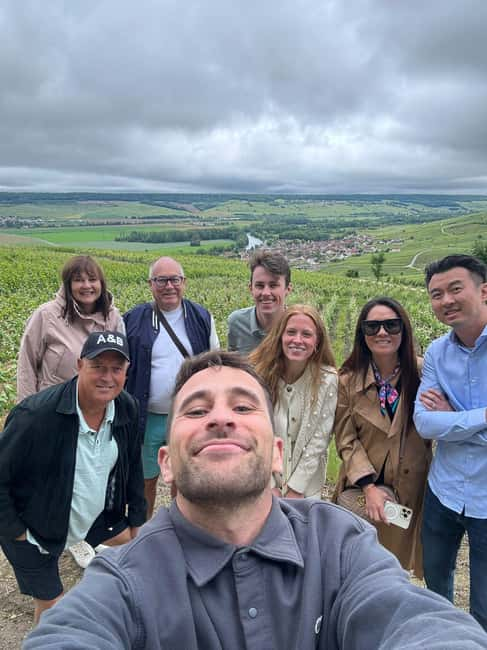
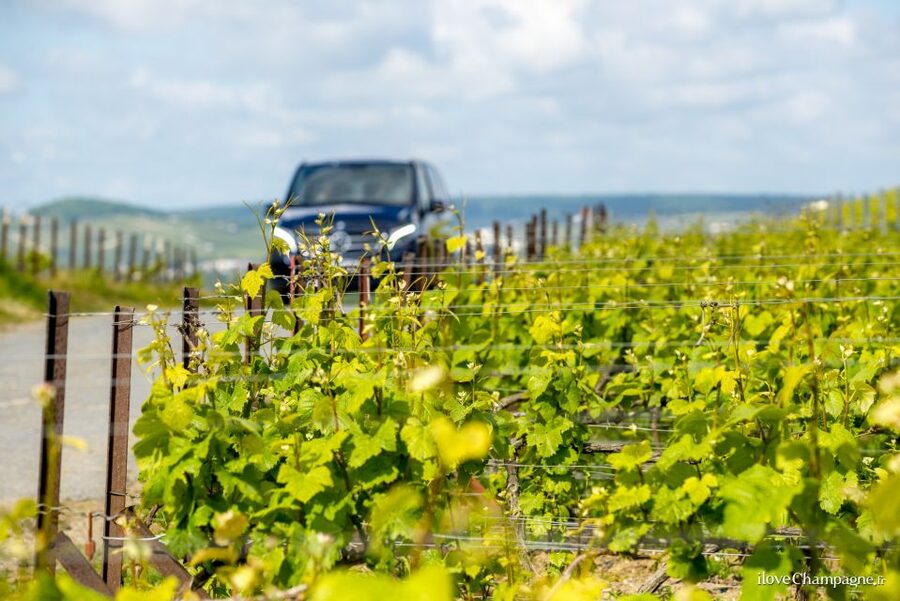
The surrounding vineyard views are also part of the appeal. The route passes through the UNESCO-listed Champagne vineyard area, where the scale of the planted hills and the care involved in growing the grapes become easier to understand. Depending on the season and weather, you might see anything from green vine rows to quieter winter parcels.
This is one place where weather matters. Rain does not cancel the visit, but it can make the outdoor portions less comfortable. Bring a light waterproof layer if the forecast looks uncertain.
What happens at the two family wineries
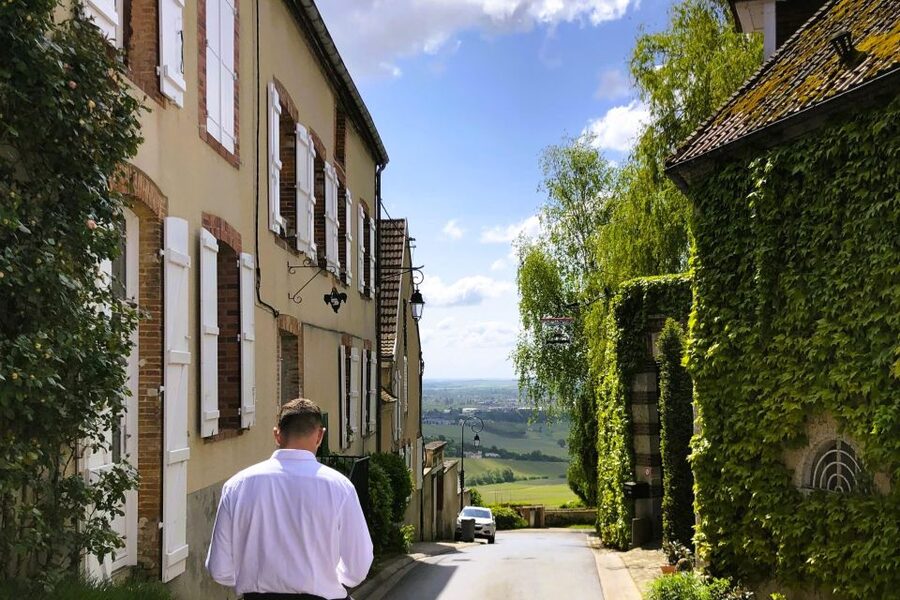
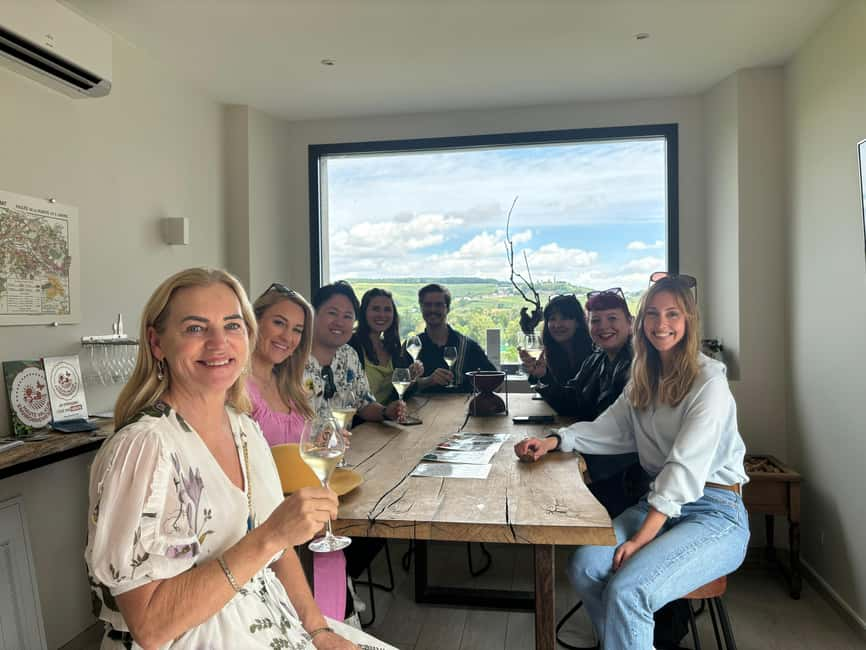
The two winery visits are the core of the afternoon. Each lasts about 1.5 hours, including a visit and tasting. Together, they give you time to see how smaller producers work and to compare two different approaches.
At each producer, you taste three Champagnes, for six in all. That number is useful because Champagne is not one single flavor or style. The wines can differ in grape balance, aging, sweetness, blending, and the character of the producer.
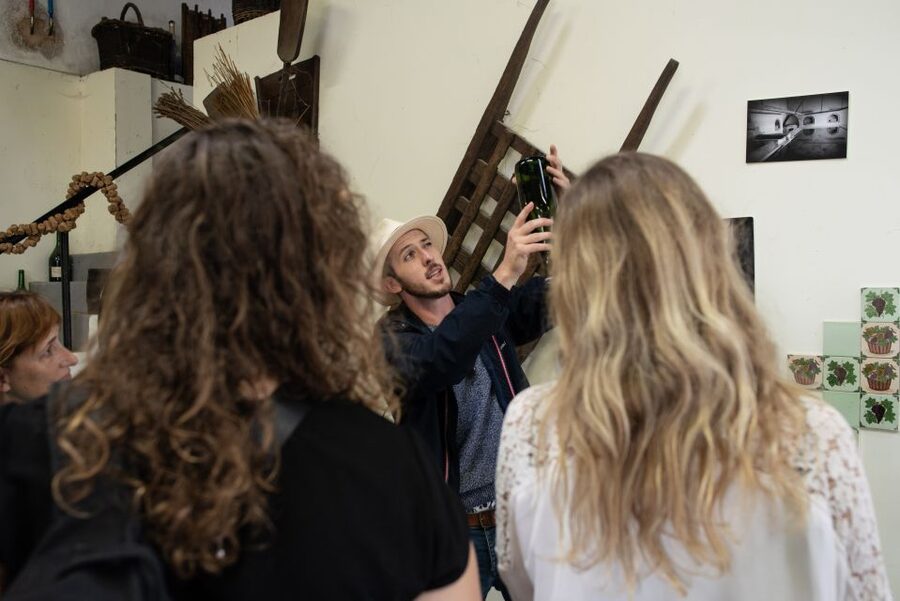
The tasting is paired with an explanation of the method used to make Champagne. You can expect discussion of the grapes, the first still wine, the addition of carbon dioxide through the bottle fermentation process, aging, and the work that takes place in the cellar. The exact presentation varies by guide and winery.
The smaller scale is important. You may meet the owners or see the production areas and underground cellars rather than moving through a highly staged visitor route. The experience can feel more personal, though it may also be simpler than the visitor centers operated by internationally famous Champagne brands.
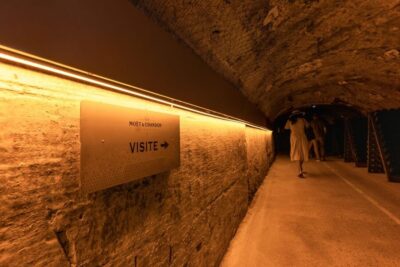
Some tastings take place in underground cellars, where the temperature averages about 10°C. A jacket is not optional comfort here, especially if you are visiting during a cool season. Comfortable shoes also make sense for time spent standing and walking through working winery areas.
The tastings are not a substitute for lunch. Food is not included, and the tour runs through the afternoon. Eat beforehand or plan a meal for after the return to Reims. Other drinks and personal purchases are also your responsibility.
More Winery Tours in France
- Saint-Émilion: Grand Cru Classé Winery Visit and Tasting
★ 4.6 · 1,118 reviews - Saint Emilion Half-Day Trip with Wine Tasting & Winery Visit from Bordeaux
★ 4.5 · 1,034 reviews - Saint-Emilion Afternoon Wine Tour – 2 Wineries & delicacies
★ 5.0 · 614 reviews - Bordeaux Full Day Wine Tour – 3 Wineries & Gourmet Picnic Lunch
★ 5.0 · 307 reviews
Why six tastings are useful
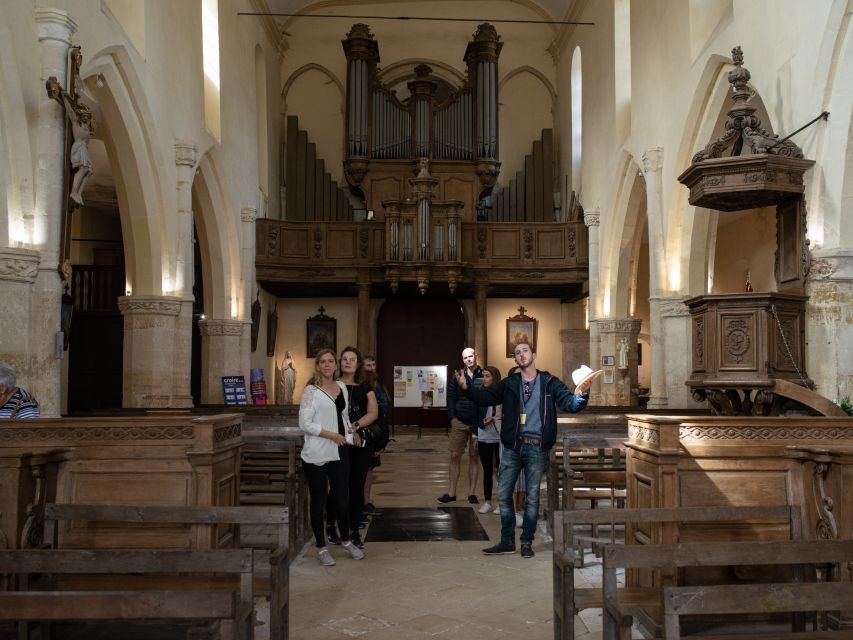
Six glasses can sound like a lot in a short afternoon, but the tasting is spread across two producers. The point is not simply to drink more. It is to compare.
A guide can help you notice how one wine differs from another, rather than leaving you with a vague impression that you liked one better. You may find that a Champagne you expected to prefer is less appealing than a small producer’s bottle, or that two wines made in the same region have very different balance and finish.
The reviews of this experience repeatedly praise the quality of the wines and the chance to taste bottles that may not be easy to find in ordinary shops. That is especially useful for anyone curious about grower Champagne and independent production.
If you find a bottle you like, you may be able to buy it directly from the producer. Purchases are personal expenses, not part of the tour price. One useful service has been the ability for the guide to help arrange bottles for collection back in Reims, though you should confirm the details on your own departure.
Drink at a measured pace. You are tasting six wines, not receiving six full glasses for casual drinking. Take water when available, eat before departure, and remember that the return ride is still part of the afternoon.
The view between Reims and the vineyards
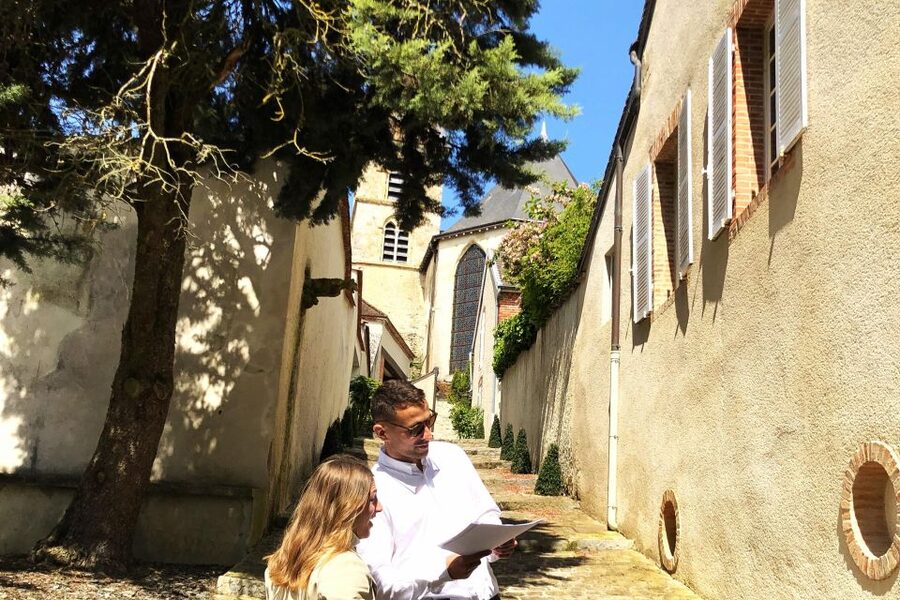
The driving is not filler. It links the city with the villages and vineyards where Champagne is made. Your guide can explain how the region around Reims and Épernay fits together, how the vines are cared for, and why the local setting matters to the wine.
You will spend some time in the minivan, and one person specifically found the driving distances a little long. That is a fair criticism for a 270-minute tour. The tour gives you access to places beyond Reims, but that access requires road time.
The reward is variety. Instead of spending the entire afternoon inside one cellar, you see a village, vineyard views, two wineries, and production spaces. If you want a broad introduction to the area in one short outing, the transfers are a reasonable trade.
The views are best when the weather cooperates. In summer, the vines provide the classic Champagne picture. In spring and autumn, the countryside can feel quieter. In winter, the vineyards are more bare, but the cellar visits remain appealing because much of the production story happens indoors.
The guide makes or breaks the afternoon
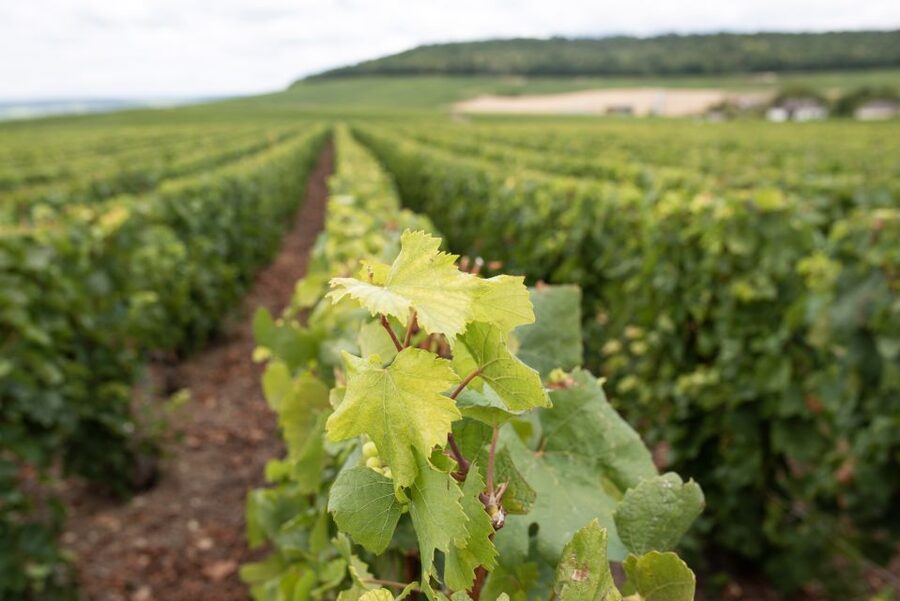
Champagne production has plenty of technical vocabulary. A weak explanation can make the process sound like a chemistry lesson. A strong guide turns it into a practical story that connects the vineyards, bottles, cellars, and glasses in front of you.
That is where this tour receives its strongest praise. Guides such as Chloe and Etienne are described as warm, funny, and clear. Suzanne has been singled out for her passion for the region, while Jerome has been praised for his insight and easy rapport with the winery contacts.
Guide quality can never be guaranteed in advance, and the language offered is English. Still, the repeated pattern is clear: the operator places real emphasis on local knowledge and presentation, not just driving people from one tasting to another.
You should ask questions. Why are three grapes important? What changes between the first wine and the finished Champagne? Why does cellar temperature matter? The small group makes these questions easier to ask than they would be on a large coach tour.
Who should book this experience
I would choose this tour if you are staying in Reims without a rental car and want to see beyond the city. It suits first-time visitors who want a useful introduction to Champagne without committing to a full day in the countryside.
It is also a good match for people who prefer independent producers to major brands. The family-run wineries provide a closer look at smaller-scale work, and the tastings may introduce you to bottles you would not normally encounter.
Couples and small groups will appreciate the eight-person limit. Solo visitors can also fit in well, but the tour requires at least two participants to operate. If only one person books, the company may contact that customer to reschedule or refund the booking.
This is not suitable for children under 12 or wheelchair users. Animals are not permitted on shared tours. The schedule is fixed, and hotel pickup is not included, so you need to reach the station meeting point yourself.
Train planning deserves care. The meeting point is beside Reims Centre station, but the operator is not responsible for train booking errors or a lack of suitable trains. Book your train early and allow enough time to reach the tourist information office before 2:00 pm.
Small drawbacks to weigh before booking
The experience is not perfect for every Champagne visitor. The minivan can feel cramped when full, and the road time may seem long if you are mainly interested in tastings.
The afternoon also leaves little room for wandering. Hautvillers receives about 45 minutes, and the two winery stops follow a set schedule. You will see several parts of the region, but you will not have hours to linger in one village or estate.
The cellar temperature is another minor issue. At about 10°C, it can be chilly even on a warm day. Bring a jacket rather than relying on the weather in Reims.
Finally, six tastings in one afternoon require restraint. This is an educational tasting, not a party bus. You will get more from it if you pace yourself and pay attention to the differences between the wines.
Should you book the Champagne and Family-Run Wineries Tour?
Book it if you want a compact, well-organized introduction to Champagne with transport from Reims, local explanation, six tastings, and access to two family producers. The stop at Hautvillers adds a worthwhile historical note, while the UNESCO vineyard views give the afternoon a clear sense of place.
Skip it if you want a single grand house, a long free lunch, or a slow day with no driving between stops. For most people based in Reims, though, $147 is fair for the transport, guide, two winery visits, and six glasses. Bring a jacket, wear sensible shoes, eat before you go, and arrive at Reims Centre station early.
FAQ
Where does the tour begin?
It begins outside the Reims city center train station, in front of the tourist information office. Use the exit marked Reims Centre when leaving the station.
What time does the tour start and finish?
The tour starts at 2:00 pm and returns to the Reims Centre train station tourist office at about 6:30 pm. The total duration is 270 minutes.
How many Champagne tastings are included?
Six tastings are included, with three Champagnes served at each of the two family-run wineries.
Does the tour visit Hautvillers?
Yes. You spend about 45 minutes in Hautvillers, including a visit to the church where Dom Pérignon is buried.
Is transport included?
Yes. The tour includes pickup and drop-off at the Reims meeting point in an air-conditioned minivan. Hotel pickup and drop-off are not included.
Is lunch included?
No. Lunch, other drinks, and personal expenses are not included. Eat before the afternoon departure or arrange a meal after the tour.
Should I bring a jacket?
Yes. The average temperature in the cellars is about 10°C, so a jacket is recommended. Comfortable shoes are also advised.
Is the tour suitable for children or wheelchair users?
The tour is not suitable for children under 12 or wheelchair users. Animals are also not allowed on shared tours.
Just poured in France
- Pinot Noir Masterclass – Wine tasting in Dijon★ 5.0 · 147 reviews
- Chardonnay Masterclass – Wine tasting in Dijon★ 5.0 · 91 reviews
- Small-Group Full-Day Tour of Côte de Nuits, Côte de Beaune Vineyards and Beaune Historical District★ 5.0 · 364 reviews
- Small group Burgundy tour of Beaune with Wine Tasting from Dijon★ 4.5 · 85 reviews
- Half Day Tour of the Cote de Nuits Vineyards from Dijon★ 5.0 · 108 reviews
- The Emblematic: visit of villages, Haut-Koenigsbourg, Wine tasting★ 5.0 · 81 reviews
- Au Cœur du Château – VSOP D’USSÉ & XO BARON OTARD★ 4.5 · 108 reviews
- Alsace Full Day Wine Tour from Colmar★ 5.0 · 104 reviews
Champagne Tours, compared.
Day Trip to Champagne with 8 Tastings & Lunch
Read our review →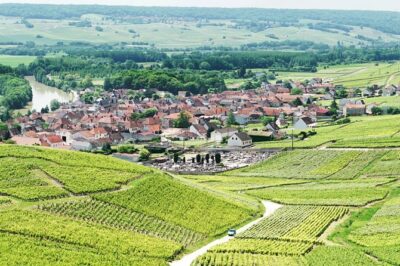
Champagne Day Trip with 6 Tastings, Reims and Winery from Paris
Read our review →
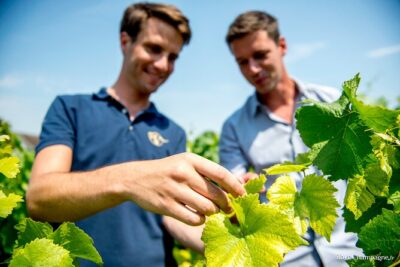
Reims afternoon tour Champagne and family growers
Read our review →

Cappadocia Balloon Ride with Breakfast, Champagne AT GOREME OVER
Read our review →
Epernay: Guided Tour of Champagne Cellar with Tastings
Read our review →
French Wine, Champagne And Cheese Tasting Paris SECRET WINE DOOR
Read our review →Browse the lists this tour appears in