
REVIEW · WINE TASTING TOURS
From Salta: Cafayate Day Trip with Wine Tasting
The great prize here is the road itself. South of Salta, the scenery shifts from the green Lerma Valley to the rust-colored cliffs and strange stone shapes of the Quebrada de las Conchas. I especially like the many canyon stops and the chance to see Salta Province beyond the city without arranging a car.
I also like the $40 price, which covers a long day of transport, a bilingual guide, and wine tasting. Guides such as Angie and Jasmine have earned strong praise for explaining local culture in both Spanish and English. The catch is simple: this is a 12-hour outing with a lot of road time, and the wine tasting can be brief.
Key points to know
- Expect a very long day: Pickup is usually between 6:30 and 7:15 AM, with return to central Salta later in the evening.
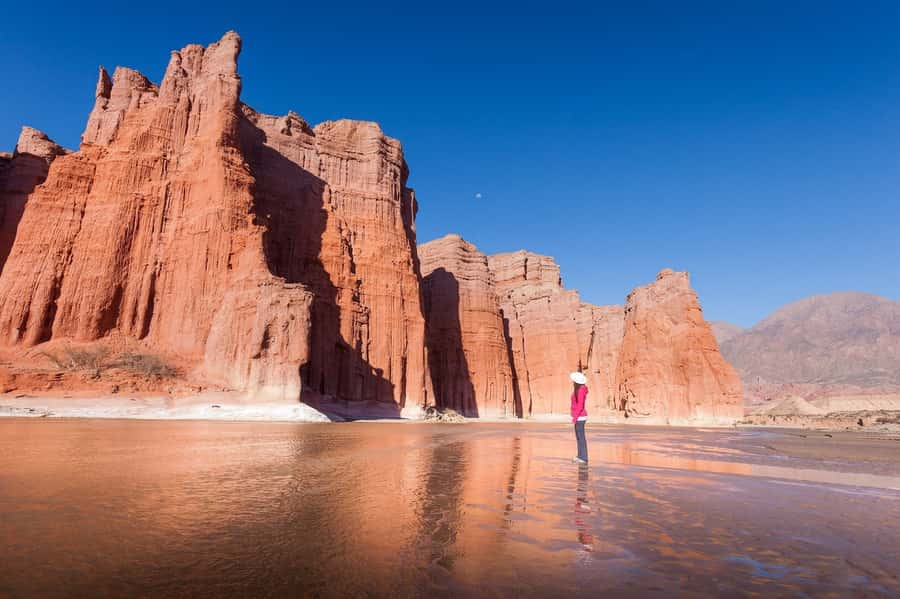
- The canyon is the star: Devil’s Throat, the Amphitheater, the Castles, and other formations provide the most memorable stops.
- Cafayate offers more than wine: You get about two hours for lunch, a walk around town, shops, and a look at regional life.
- Guide quality matters: Angie, Jasmine, and other bilingual guides have been praised for adding stories, folklore, humor, and local advice.
- Wine lovers should set expectations: The tasting includes regional wines such as Torrontés, but pours may be small and the winery talk may be in Spanish.
- Transport varies: You may ride in a minivan or a large coach, and peak-season departures can use a 45-person bus.
Why the road to Cafayate is the real attraction
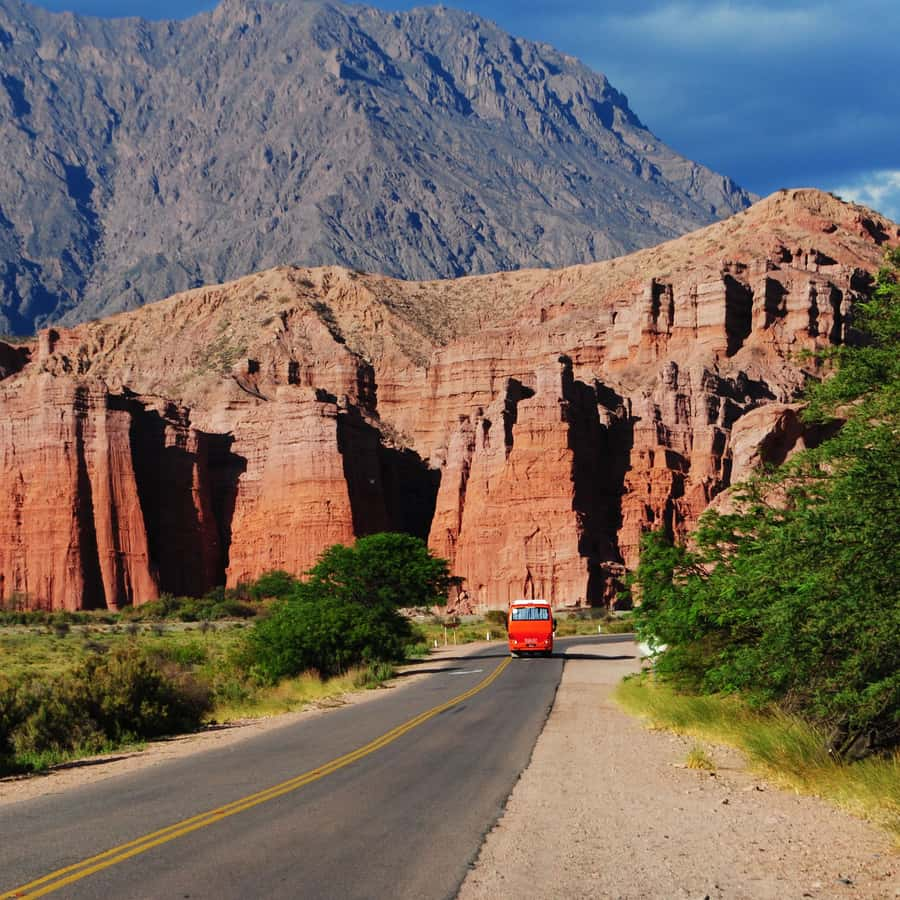
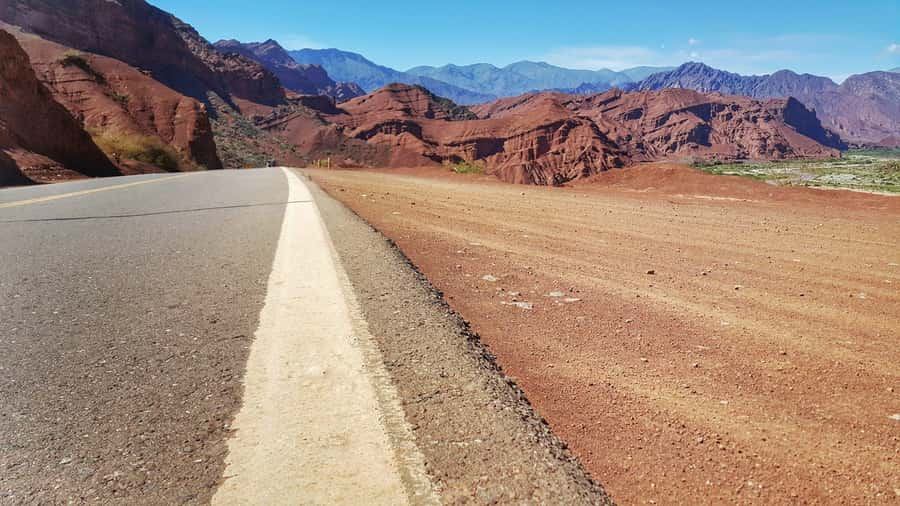
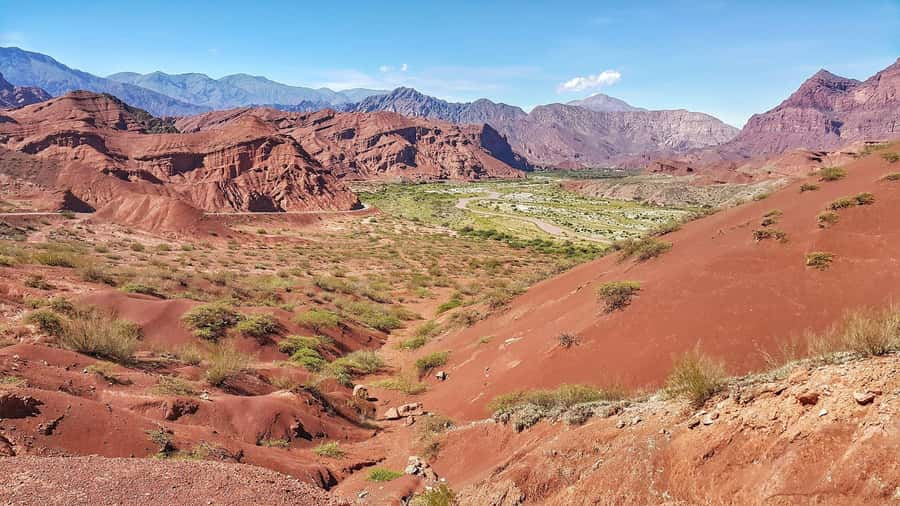
Cafayate is a pleasant small town, but the main reason to book this excursion is the route through the Calchaquíes valleys. The road south from Salta brings a steady change in color and shape. The Lerma Valley gives way to dry, red-toned rock, high walls, and formations carved by water and strong winds over long periods.
That change makes the trip feel like several outings joined together. You begin with villages and local culture, then move into a natural corridor where each bend brings another cliff or rock face. The scenery is not background decoration. It is the main event, and the coach pauses often enough for you to take it in.
The practical benefit is that you do not need to rent a car, navigate the road, or arrange separate canyon stops. Your guide handles the route and explains what you are seeing. The tradeoff is that the journey takes most of the day, so you should enjoy scenic driving as much as scheduled sightseeing.
More Wine Tasting Tours in the world:
- From Porto: Douro Valley w/ Boat Tour, Wine Tasting & Lunch
★ 4.7 · 19,061 reviews - Complete Douro Valley Wine Tour with Lunch, Wine Tastings and River Cruise
★ 5.0 · 12,920 reviews - Florence: Chianti Wineries Tour with Wine Tasting
★ 4.5 · 10,071 reviews
The early start from central Salta
The stated meeting point is Pje. Gonzalo Abreu 1530. If you choose hotel pickup, it is available for centrally located accommodation within about eight blocks of the 9th of July central square. Pickup generally falls between 6:30 and 7:15 AM, and you should be ready 15 minutes early.
Do not treat the pickup window as a casual suggestion. A large coach cannot always reach every hotel, and you may be asked to walk to another meeting point. One traveler reported receiving a last-minute message to make their own way to the departure spot, so keep your phone available and check the pickup instructions carefully.
The first long coach section lasts about two hours. Depending on the group, transport may be a minivan or bus. Smaller vehicles usually make the day feel more personal, while a full coach can slow down boarding and stops. One departure used a 45-person bus, which made the pace less nimble.
Bring your passport or ID card. Leave large bags and luggage behind, since they are not allowed. A small day bag with water, snacks, a phone, and sun protection is the sensible choice, though food and drinks are not included.
Lerma Valley villages and the first pause
Before the famous canyon, the route passes through historic villages in the Lerma Valley. This section gives the day a useful human scale. You are not only looking at cliffs and rocks; you are also seeing settlements connected to the region’s traditions and rural life.
The schedule includes a roughly 40-minute stop, useful for a bathroom break, snacks, and a little local browsing. This is a good place to buy something small if you need it, since lunch comes later in Cafayate. Some stops also have local crafts and regional products for sale.
The timing is helpful, but do not expect a long village tour. This is a road trip with short visits rather than a slow cultural walk. Your guide may add information about Salta, local customs, folklore, or the valley, but the amount of English explanation can depend on the group and the guide.
Entering the Quebrada de las Conchas
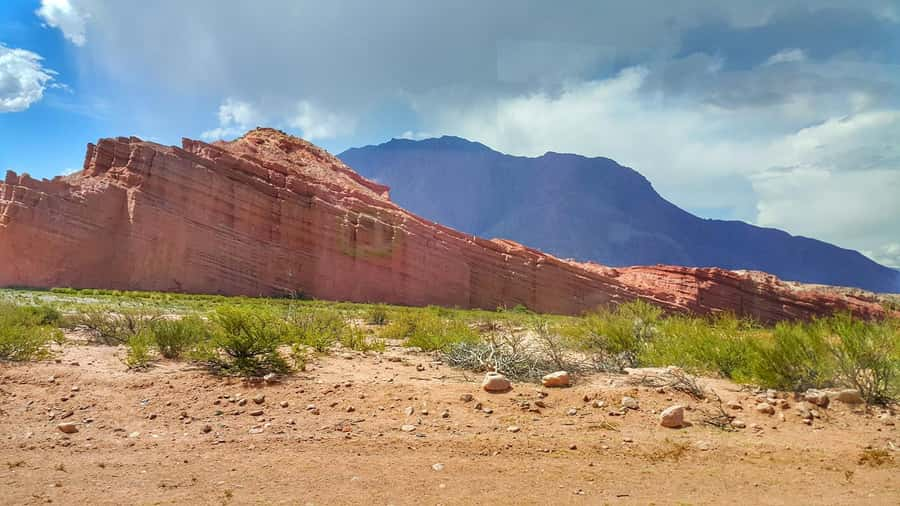
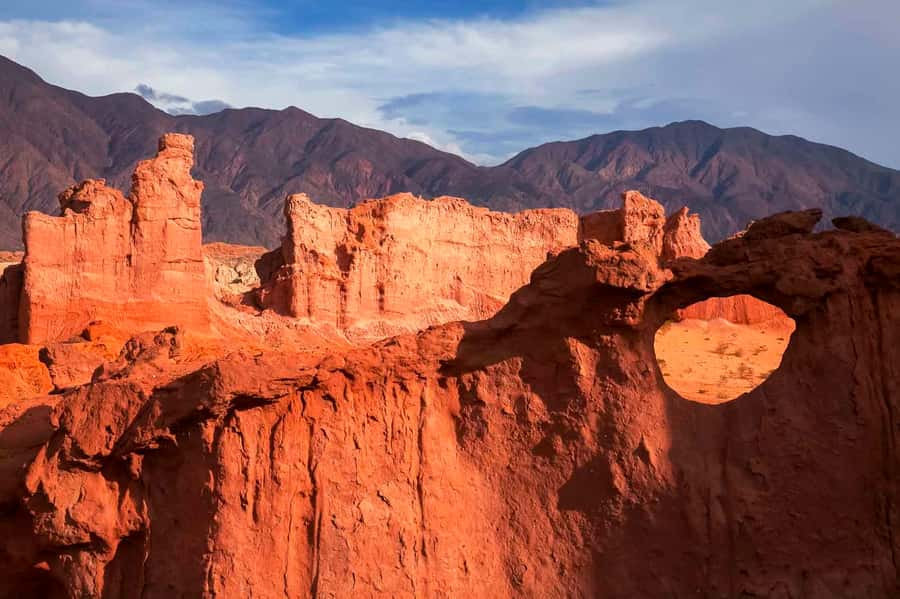
The Quebrada de las Conchas is where the excursion earns its keep. The canyon walls are cut into unusual shapes, with red, orange, and brown tones that change as the road moves through the ravine. Water and wind have shaped the rock into forms that look almost built rather than natural.
The main sights include Devil’s Throat, the Amphitheater, and the Castles. Each has a different character. Devil’s Throat is a tall, narrow formation with a dramatic enclosed feel. The Amphitheater is known for its curved rock walls and strong natural acoustics. The Castles resemble weathered towers rising from the surrounding formations.
You will not simply stop once and take one photograph. The schedule allows several photo stops, with a longer guided visit in the canyon and more stops on the return journey. That repeated access matters because the formations look different from each direction and under changing light.
Wear shoes that are easy to walk in. This tour is not recommended for people with limited mobility or wheelchair users, and it is not a good match if uneven ground, standing, or getting on and off a coach is difficult. The attraction is viewed through stops along the road rather than from a single fully accessible visitor center.
More Day Trips in the world:
- Rome: Tuscany & Montepulciano Day Trip with Lunch & Wine Tasting
★ 4.5 · 5,232 reviews - San Gimignano, Siena, Monteriggioni, Chianti Day Trip with Lunch & Wine Tasting
★ 4.5 · 4,432 reviews - Day Trip to Kakheti Wine Region Including 9 Wine Tastings
★ 5.0 · 2,774 reviews - Santorini: Top Sights Day Trip, Wine Tasting, & Oia Sunset
★ 4.6 · 2,492 reviews
What the guides add to the day
A bilingual guide can make a large difference here. The scenery is easy to admire, but the villages, rock names, local wine, and regional traditions are more meaningful when someone explains their setting.
Angie receives particularly warm praise for her energy, local knowledge, humor, and ability to switch between Spanish and English. She has also used music, objects, stories, and folklore to keep the ride lively. Jasmine is another guide praised for clear explanations, humor, and making English-speaking passengers feel included.
You should understand the language arrangement before booking. The group is often mainly Spanish-speaking, so the guide may explain something in Spanish and then repeat it in English. That can make the day feel slower for English speakers, but it is also what allows the tour to serve both languages.
The winery presentation may not be bilingual. One English-speaking passenger found that the explanation at the winery was in Spanish only. If you care most about wine production details, this is worth considering. The guide may still explain the wider region and help with practical questions, but do not assume the winery staff will offer a full English talk.
Reaching Cafayate and using the two-hour break
Cafayate is scheduled for about two hours of free time. This is enough for lunch, a walk around the central area, ice cream, small shops, and regional crafts. You may also find wine, honey, handmade gifts, and natural creams for sale.
I would use this pause for a relaxed meal and a short town walk rather than trying to arrange a separate winery visit. The time is useful, but it is not generous enough for ambitious detours. The town itself is pleasant, though the most dramatic scenery remains outside it.
Food is not included, so budget separately for lunch. Regional dishes such as tamales and goat have been recommended by guides, and vegetarian choices are available at the suggested restaurant. Still, you are free to choose where to eat, so ask your guide for current advice and watch the meeting time.
A two-hour lunch break has mixed value. It gives you breathing room after the morning drive and prevents the day from becoming one continuous sequence of coach stops. If you prefer more canyon time or a later start, it may feel too long. One passenger would have preferred a shorter lunch and a departure closer to 7:30 or 8 AM.
The vineyard and Torrontés tasting
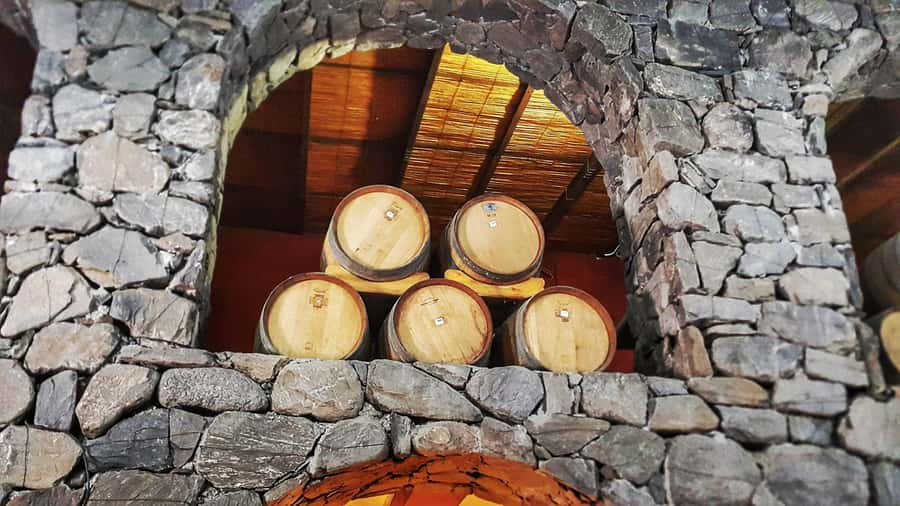
The wine stop usually lasts around 30 to 40 minutes. You will taste regional wines, including Torrontés, the white variety closely associated with Argentina’s northwestern wine country. The tasting is a pleasant introduction to the area’s wine culture and gives you the chance to buy bottles directly from the producer.
Keep the scale of the tasting in mind. Several people found the pours very small, sometimes less than a full sip. This is not a serious wine course or a long cellar visit. It is a short stop added to a scenic day.
That limitation does not make it pointless. You can sample local wine in the place where it is made, learn a little about the regional industry, and decide if you want to take a bottle home. The visit is best seen as an extra benefit rather than the central reason to book.
The winery may be family-run, and one visit included an explanation from a fifth-generation family member. That kind of personal connection can add warmth, but the exact winery and presentation may vary. If wine is your main priority, consider a dedicated winery tour from Cafayate instead.
The return through the red-rock valley
The return route goes back through the Quebrada de las Conchas, with up to three hours assigned to visits, guided explanations, and photo stops. This is not simply dead time after Cafayate. The return gives you another view of the canyon and more chances to stop at formations you may have passed earlier.
Still, you should be ready for repetition. The itinerary uses the same general corridor in both directions, and the full day can feel tiring by the final stretch. A comfortable vehicle and a strong driver matter. Guides and drivers such as Angie, Mauricio, Martin, and Guillermo have been praised for keeping the day organized and for driving carefully.
The stops break up the ride, but you will spend substantial time seated. This suits you if you like watching scenery pass by and want a broad overview of the region. It is less suitable if you want long hikes, private tastings, or lots of unscheduled exploration.
Is $40 a good value?
At $40 per person, the price is low for a 12-hour guided trip with transport, canyon stops, and a wine tasting. You also avoid car rental costs, fuel, navigation, and the trouble of planning several stops along a long route.
The value is strongest if you want to see the Quebrada de las Conchas and Cafayate in one day. Even a simple self-drive plan would require arranging transport and understanding where to stop. Here, the logistics are handled for you, and a good guide adds context throughout the road trip.
The value is weaker if your main goal is serious wine tasting. The winery visit is short, pours may be tiny, and the presentation may be Spanish only. You also pay with time: the trip takes roughly 12 hours, including the early start and long return.
Group size affects the feel of the bargain. A small minivan can make stops easier and allow more direct contact with the guide. A full coach may be less intimate and slower, especially when everyone is getting on and off. The price remains fair, but your comfort expectations should change.
Who should book this day trip?
I would recommend it to first-time visitors to Salta who want the region’s most famous scenery without renting a car. It also suits solo visitors, couples, and families who value a guide, clear transport, and a full overview more than a slow pace.
English speakers should ask about the language setup if possible. Guides such as Angie and Jasmine have provided excellent English explanations, but the group may still operate mainly in Spanish. The quality of the guide can shape the day, so bilingual communication is worth confirming.
You should skip this excursion if you dislike long bus rides, need full control of your schedule, or want a dedicated wine experience. It is also not suitable for wheelchair users or people with limited mobility. For everyone else, pack lightly, bring identification, accept the early start, and treat the red-rock road as the main attraction.
FAQ
How long is the Salta to Cafayate trip?
The activity lasts about 12 hours, including transport, canyon stops, the winery visit, free time in Cafayate, and the return to Salta.
Where does the tour depart?
The stated meeting point is Pje. Gonzalo Abreu 1530. Hotel pickup may be available if you stay centrally, within about eight blocks of the 9th of July central square.
What time is hotel pickup?
Hotel pickup is generally scheduled between 6:30 and 7:15 AM. You should be ready 15 minutes before the activity begins.
Is transport by bus or minivan?
Transport depends on group size. You may travel in a minivan or a bus, and a large bus may be used during peak season.
Is the tour available in English?
Yes. The tour offers live guiding in English and Spanish. The amount of English explanation can depend on the group and guide, and the winery presentation may be in Spanish only.
What wine will I taste?
The tasting includes regional wines from Cafayate, including Torrontés. The tasting is brief, and pours may be small.
Is lunch included?
No. Food and drinks are not included. You receive about two hours of free time in Cafayate, which you can use for lunch and a walk around town.
Is the excursion suitable for wheelchair users?
No. The activity is not recommended for people with limited mobility and is not suitable for wheelchair users.
Should I bring luggage?
No. Large bags and luggage are not allowed. Bring only a small day bag and your passport or ID card.
Can I cancel the booking?
You can cancel up to 24 hours in advance for a full refund. A reserve-now, pay-later option is also available.
Should you book it?
Book this trip if you want the Quebrada de las Conchas first, Cafayate second, and wine tasting as a pleasant extra. The scenery, frequent photo stops, and personable bilingual guides can make the long day worthwhile.
Choose a different plan if you want a leisurely town visit, a serious winery tour, or a private route. At $40, this is a strong-value introduction to Salta Province, provided you are ready for an early morning, a long coach ride, and a full day on the road.
Just poured in the world
- Valle de Guadalupe winery and brewery tours★ 5.0 · 123 reviews
- Private Wine Tour at Valle de Guadalupe (A wine tasting included).★ 5.0 · 99 reviews
- Off Road Tour Experience plus Winery visit in Baja★ 5.0 · 174 reviews
- ATV Off-Road Adventure through Valle de Guadalupe + Winery Visit★ 4.5 · 201 reviews
- Shared Gin, Vodka & Rum Making Experience at Nelson’s Distillery★ 5.0 · 64 reviews
- Private Wine Tour by Ansell Tours★ 5.0 · 174 reviews
- Discover Malt Whisky Day Tour Including Admissions from Edinburgh★ 4.5 · 285 reviews
- Edinburgh: Holyrood Distillery ‘Journey to Whisky’ Tour & Tasting★ 5.0 · 126 reviews
Wine Tasting Tours, compared.

Douro Valley w/ Boat Tour, Wine Tasting & Lunch
Read our review →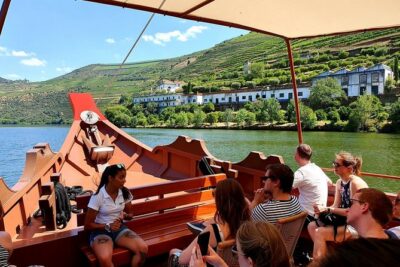
Complete Douro Valley Wine Tour with Lunch, Wine Tastings and River Cruise
Read our review →
Small-Group Wine Tasting Experience in the Tuscan Countryside
Read our review →
Montserrat & Cogwheel Train, Gourmet Wine Tasting & Tapas/Lunch
Read our review →
Tuscany & Montepulciano Day Trip with Lunch & Wine Tasting
Read our review →Browse the lists this tour appears in