
REVIEW · DRINKS TOURS
Lisbon Small-Group Food & Wine Tour Eat & Drink like a Local
Lisbon’s best food lesson may come one small plate at a time. This three-hour walk through Baixa brings you codfish cake, Pata Negra ham, flame-grilled chouriço, seafood rice with lobster, and pastel de nata, with Portuguese wines and cherry liqueur along the way.
I like the small group limit of 10, which gives guides such as Sergio and Arianna room to explain each dish and answer questions. I also like the generous range: you taste 12 foods and drinks, not just one or two famous snacks. The main consideration is dietary fit. This tour is not suitable for vegans, vegetarians, people with gluten or lactose intolerance, or people with diabetes.
Key points at a glance
- Twelve tastings in three hours: The food is substantial enough to replace a meal for many people.
- A Baixa food walk: Stops are concentrated in Lisbon’s historic central district, so you get local stories without a punishing walk.
- Classic Portuguese flavors: Expect cod, Iberian ham, chouriço, seafood rice, cheeses, pastries, and several wines.
- A group capped at 10: The format feels personal, and a small booking may operate almost like a private tour.
- Guides with local character: Sergio and Arianna are named guides who bring food, language, and Lisbon stories together.
- A useful first-day activity: The stops and explanations can help you choose restaurants and dishes for the rest of your stay.
Why this food tour works best in Baixa
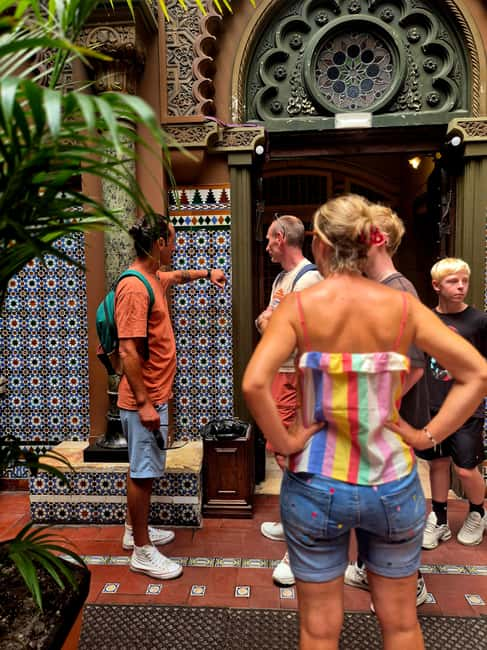
The appeal here is not a long march across Lisbon. You stay mainly in Baixa de Lisboa, the central district laid out after the 1755 earthquake, moving between traditional eateries and tasting stops. The route is compact enough that you can focus on the food rather than keeping one eye on the next hill.
That matters in Lisbon. The city is famous for steep streets and tiled lanes, but this experience keeps the walking manageable. One person described the pace as easy and the food as plentiful, while another said the tour covered a small area but still offered a good feel for the city. You should still wear comfortable shoes, but this is not a marathon with snacks.
The guide supplies the thread connecting each stop. You learn what you are eating, how it is prepared, and why it matters in Portugal. Sergio is described as a Portuguese guide who speaks four languages and has years of experience. Arianna, also referred to as Ari and Arianne, is praised for mixing stories about Lisbon with explanations of the food. The exact guide depends on the day and booking.
More Food Tours in Lisbon:
- Winner 2025 Undiscovered Lisbon Food & Wine Tour by Eating Europe
★ 5.0 · 6,390 reviews - Lisbon Small-Group Portuguese Food and Wine Tour
★ 5.0 · 3,972 reviews - Private Lisbon Arrabida Wine Tour: Food & Wines, Mountain and Sea
★ 5.0 · 907 reviews
Starting with cod cake at Lisbon’s oldest tavern
The first bite is Pastel de Bacalhau, a fried codfish cake served inside what is presented as Lisbon’s oldest tavern. It is a sensible opening course: crisp outside, savory inside, and unmistakably Portuguese.
This stop gives you more than a pastry-sized snack. Cod has a major place in Portuguese cooking, and the guide explains the ingredients and preparation as you eat. You can ask questions right away, which is useful if you are still learning the difference between the many cod dishes on Lisbon menus.
The setting also helps. A traditional tavern gives the first stop some atmosphere, while the small group means you are not simply handed food and sent along. Priority at each stop is included, so the tour is built around tasting rather than waiting in line.
Pata Negra and the savory side of Portugal
Next comes Pata Negra, the prized cured Iberian ham. It is a small serving, but the flavor is concentrated, salty, and deeply savory. This is one of those foods where the guide’s explanation adds value because you can learn what makes this ham different from an ordinary slice of deli meat.
I like the order of the first two stops. The cod cake shows Portugal’s love of simple fried comfort food, while the ham introduces a more luxurious cured product. Together, they make a quick introduction to the country’s land and sea traditions.
Do not expect a full plate at every stop. The experience promises 12 tastings, and several are designed as portions to share or sample. Still, the total amount appears substantial. One person said the food was generous enough that another meal was unnecessary afterward, so you should arrive hungry rather than treating this as a light morning snack.
Ginjinha in the streets of central Lisbon
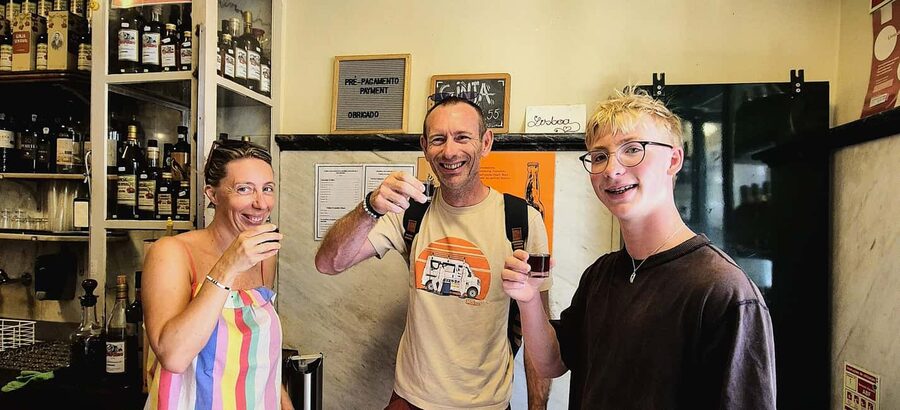
As you walk through the Baixa area, the tour pauses for Ginjinha, Lisbon’s sweet and tangy cherry liqueur. It is a local favorite and one of the city’s easiest food traditions to try in a short visit.
Ginjinha is served as a small drink, but it changes the rhythm of the tour. After the savory opening, you get a sweet, fruity taste before returning to food and wine. The guide can also place the drink in its local setting, which makes it more memorable than simply ordering it at a bar without context.
If you do not drink alcohol, this part deserves attention before booking. The tour includes several alcoholic drinks, and the advertised restrictions are strict. One guide accommodated children who could not drink at certain stops, but you should not assume that every dietary or nonalcoholic request can be covered. Ask the provider before reserving if this is important for your group.
More Drinks Tours in Lisbon:
- Lisbon Sunset Sailing Tour with White or Rosé Wine and Snacks
★ 5.0 · 976 reviews - Lisbon: Sailboat Tour w/ Local Guide and Open Bar Green Wine
★ 4.9 · 625 reviews - Private Wine Tasting in the Setúbal Wine Region, from Lisbon
★ 5.0 · 611 reviews - Lisbon: Live Fado Show in Historic Alfama with Port Wine
★ 4.8 · 572 reviews
Flame-grilled chouriço with Portuguese red wine
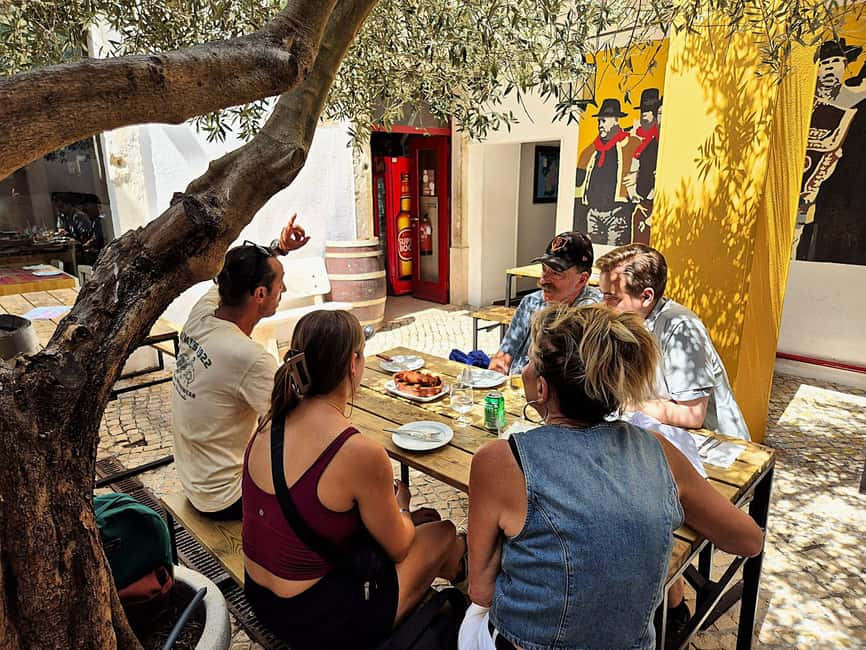
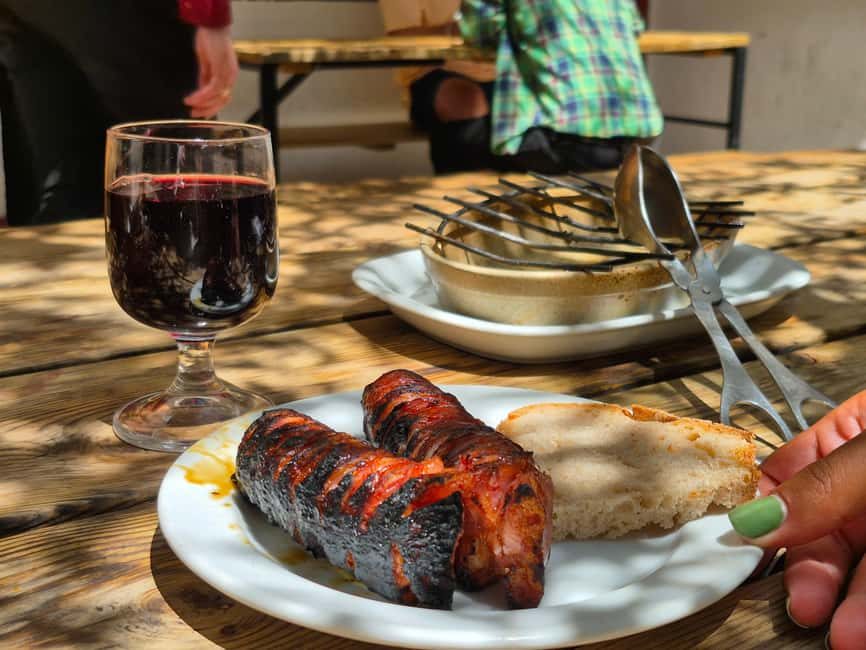
The next pairing brings Chouriço Assado, a Portuguese sausage grilled over a flame, alongside a glass of bold red wine. This is one of the more theatrical tastings because the sausage is prepared for the group rather than merely sliced from a package.
The smoky flavor works well with the wine. You get a clear lesson in pairing without needing technical wine knowledge. The guide explains what you are tasting in plain terms, so you can decide later if Portuguese reds belong on your own dinner table.
One particularly enthusiastic description singled out a guide’s skill at cutting chouriço. That detail may sound small, but it points to the relaxed tone of the experience. Food is treated seriously, though not stiffly. You can expect conversation, questions, and a bit of showmanship at the table.
Vinho Verde, cheese, and a lighter Portuguese pour
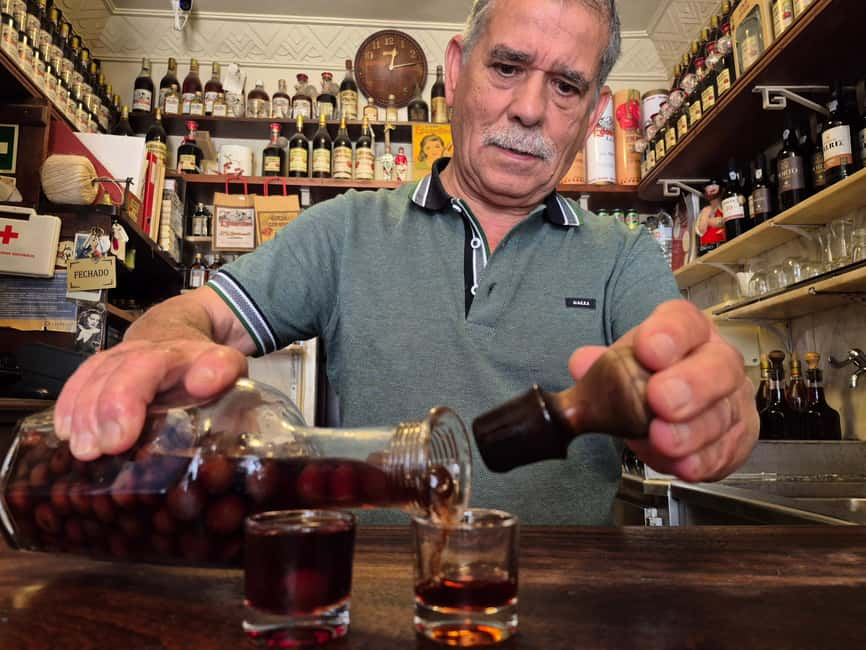
The wine portion continues with Vinho Verde and artisanal Portuguese cheese. Vinho Verde is generally known for its fresh, lively character, making it a useful contrast to the fuller red wine served with the sausage.
This stop is valuable for anyone who wants to understand Portugal through its drinks. Rather than handing you one generic house wine throughout the evening, the tour gives you more than one style and explains how each works with food. The cheese keeps the tasting grounded and adds another regional product to the plate.
The pace is also worth noting. The planned stops allow about 30 minutes for this part, enough time to eat, taste, and listen without rushing. You are not expected to gulp down a sample while walking to the next address.
Seafood rice with lobster and Bacalhau à Brás
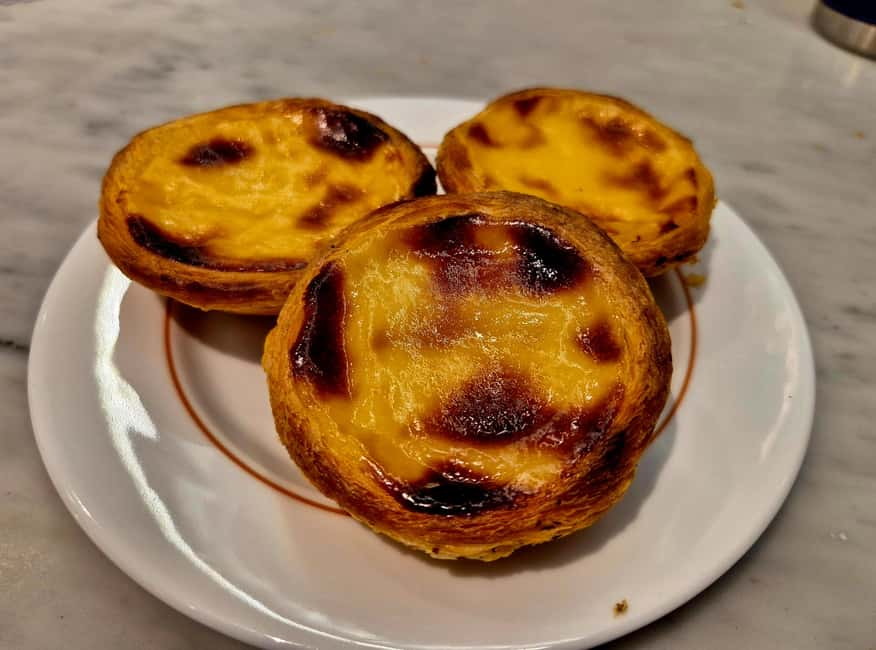
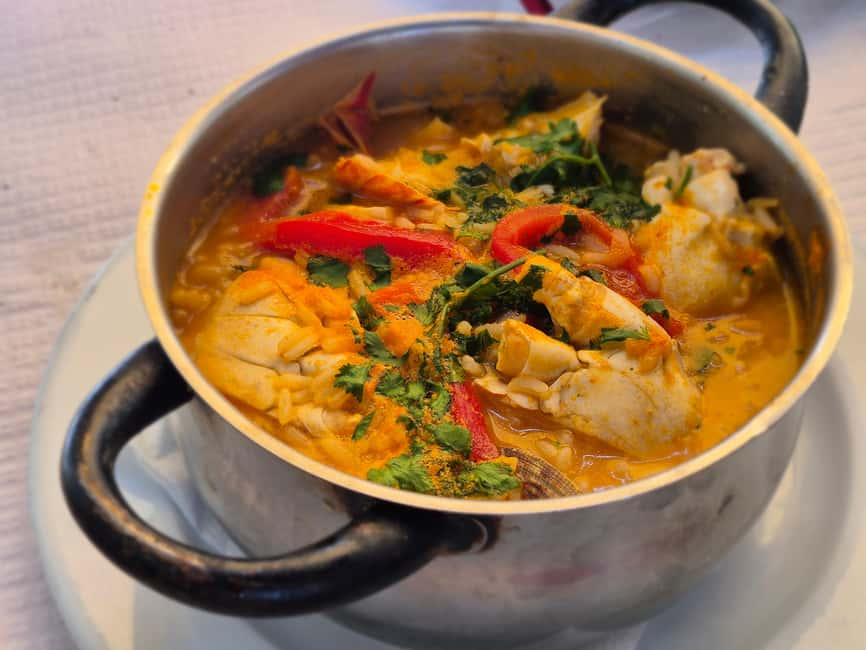
The main savory section is the heart of the tour. You receive arroz de marisco, Portuguese seafood rice, with lobster, followed by Bacalhau à Brás, a classic cod dish prepared with shredded cod, potatoes, and egg.
Seafood rice shows Portugal’s maritime cooking in a generous, comforting form. It is not dry rice served beside seafood. The dish is known for its moist texture and strong flavor, and the lobster makes this tasting feel more substantial than a quick nibble.
Bacalhau à Brás provides a useful contrast. It is a homestyle combination built around cod and potatoes, with egg bringing everything together. Trying both dishes in sequence shows how one country can treat seafood in two very different ways: one dish is loose and brothy, the other is more like a savory skillet meal.
This is also the point where you will understand why people describe the tour as filling. The seafood rice and cod dish come after several earlier tastings, cheese, sausage, and wine. Plan your dinner accordingly. For many people, this will be enough food for the evening.
Pastel de nata and Port Wine to finish
The final stop turns to Portugal’s most famous pastry, Pastel de Nata, served with Port Wine. The pastry brings crisp layers and creamy custard, while Port adds sweetness and a stronger finish than the earlier wines.
Ending with these two together makes sense. You get the dessert most associated with Lisbon, then taste one of Portugal’s best-known fortified wines. If you have already tried pastel de nata during the day, this guided version still gives you a chance to ask about the pastry and compare it with other examples later.
The dessert stop is listed at about 30 minutes. That leaves time to finish the drink, discuss favorite dishes, and ask for restaurant suggestions. Several people found the tour useful at the beginning of a Lisbon visit because guides offered ideas for later meals. I would book it early in your stay if you want those tips to shape the rest of your trip.
What the $73 price really covers
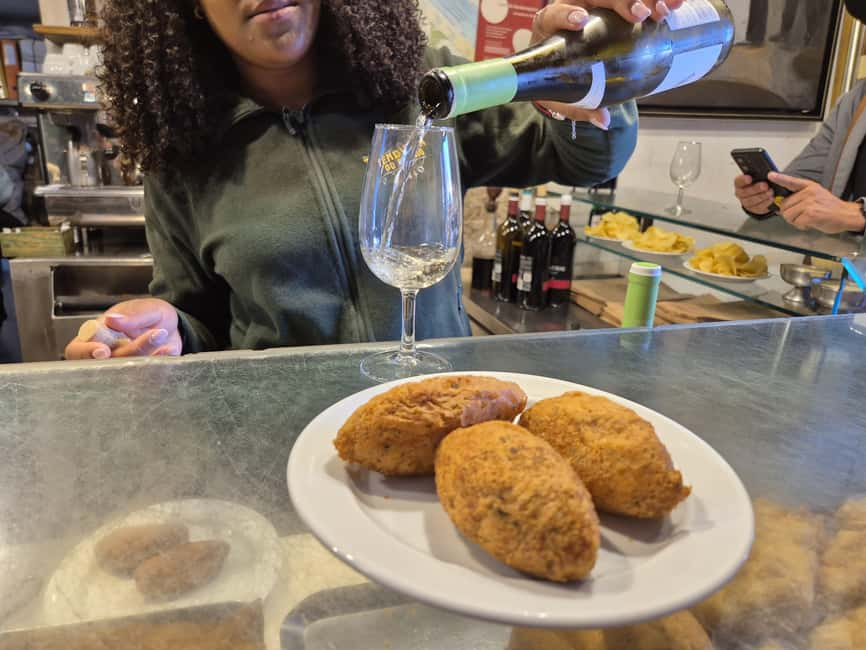
At $73 per person, the price is easier to justify if you think of this as a meal, a tasting session, and a short cultural tour combined. You receive 12 tastings, wine, local drinks, a guide, priority at each stop, and three hours of instruction and walking. The food is not a token sample followed by a recommendation to buy dinner elsewhere.
The value is strongest for people who want to try a broad list of Portuguese specialties without researching every stop themselves. You avoid the uncertainty of ordering unfamiliar dishes, and the guide handles the sequence and explanations.
The value is weaker if you already know Lisbon’s food scene, prefer to order full portions at one restaurant, or do not drink alcohol. The tour is built around variety, not a leisurely restaurant meal. You also pay for the guide’s local knowledge and access to several stops, not only for the ingredients on the plate.
Private options are available, as are small-group bookings. A small booking can feel nearly private. One couple found themselves as the only participants, while a family of three also had a highly personal experience. That can be luck rather than a promise, but the 10-person maximum keeps the standard format fairly intimate.
Guide style and the value of local stories
The strongest part of this experience is likely the guide. Sergio is repeatedly described as warm, easy to talk to, and able to connect food with Lisbon’s past. Arianna and Arianne are also praised for clear explanations, a friendly manner, and useful restaurant suggestions.
The historical material is not separate from the meal. You might hear about the 1755 earthquake, the neighborhood around each eatery, or the background of a dish while you eat it. That approach makes the information easier to remember than a string of dates delivered during a formal city lecture.
Guide quality can vary from person to person, as it does on any small-group tour. One person found the experience only average and wanted a more engaging guide and more food. That is worth keeping in mind if you want a highly polished, performance-driven tour. The general tone is relaxed and personal rather than theatrical.
Languages include Portuguese, French, Italian, and English. If you need a specific language, check that option when booking.
Who should book, and who should skip it
I would recommend this to first-time Lisbon visitors who want to get their bearings through food. It also suits people who enjoy trying many dishes, like asking questions, and prefer local eateries to a formal restaurant tasting menu.
It works well for couples, solo visitors, and families with older children who can manage a three-hour food-focused outing. The easy walking route is helpful, and the small group gives solo participants a natural way to meet people without joining a large coach tour.
You should skip it if you are vegan, vegetarian, diabetic, gluten intolerant, or lactose intolerant. The provider says it cannot accommodate all allergies and dietary restrictions, including celiac disease and vegan preferences. This is not a tour where you should hope to improvise around the menu.
You may also want another format if you want a serious wine class. Wine is part of the experience, but food, local stories, and variety receive equal attention. Likewise, anyone wanting a long guided walk through many Lisbon neighborhoods will find the route too concentrated in Baixa.
Booking is flexible, with free cancellation up to 24 hours before the activity and a reserve-now, pay-later option. Pickup and drop-off are not included. The meeting and ending point use the Rossio area, though the exact option should be checked when you reserve.
Should you book the Lisbon food tour?
Book it if you want a filling introduction to Portuguese cooking, prefer a small group, and like your sightseeing with a glass of wine in hand. The combination of cod cake, Pata Negra, chouriço, seafood rice, Bacalhau à Brás, pastel de nata, and several drinks gives you a useful first taste of Lisbon without a lot of walking.
I would place it near the start of your stay. The guide can help you understand menus, point you toward later meals, and give the dishes you see around Lisbon some context. Just confirm the meeting point, bring comfortable shoes, and be honest about dietary restrictions before paying.
FAQ
How long does the Lisbon food and wine tour last?
The tour lasts three hours.
How many tastings are included?
You receive 12 different tastings, including traditional dishes, pastries, wines, and local beverages.
What foods and drinks are included?
The experience includes Pastel de Bacalhau, Pata Negra, Ginjinha, Chouriço Assado, Portuguese cheese, Vinho Verde, red wine, seafood rice with lobster, Bacalhau à Brás, Pastel de Nata, and Port Wine.
Where does the tour take place?
The experience takes place mainly in Baixa de Lisboa, in Lisbon’s historic central district. Starting and ending options are listed around the north fountain of Rossio and Praça Dom Pedro IV.
How large is the group?
The small-group format allows a maximum of 10 people. Private groups are also available.
Which languages are offered?
The tour is offered in Portuguese, French, Italian, and English.
Can people with dietary restrictions join?
The activity is not suitable for vegans, vegetarians, people with diabetes, people with gluten intolerance, or people with lactose intolerance. The provider also says it cannot accommodate all food allergies and dietary restrictions.
Just poured in Lisbon
- Sintra: Full-Day Tour from Lisbon with Wine Tasting★ 4.8 · 58 reviews
- Arrabida Wine Tour – Lisbon: Wineries-Tastings-Tile Factory★ 4.9 · 179 reviews
- Lisbon: Sunset Sailing with Portuguese Wine and History★ 5.0 · 270 reviews
- Lisbon: Boat Tour with Champagne★ 4.8 · 79 reviews
- Lisbon: Sintra, Pena Palace & Wine Tasting Small-Group Tour★ 4.9 · 156 reviews
- Lisbon: Private Sunset Sailing Tour with Champagne★ 5.0 · 114 reviews
- Lisbon Private Setúbal Region Wine Tasting Tour★ 4.9 · 149 reviews
- Lisbon: Sailboat Tour w/ Local Guide and Open Bar Green Wine★ 4.9 · 625 reviews
Drinks Tours, compared.
Douro Valley w/ Boat Tour, Wine Tasting & Lunch
Read our review →
Chichen Itza, Cenote & Valladolid Tour with Tequila and Lunch
Read our review →
Complete Douro Valley Wine Tour with Lunch, Wine Tastings and River Cruise
Read our review →
Zakopane: Cable Car, Chocholow Baths, Cheese & Vodka
Read our review →

Zakopane: Cable Car, Chocholow Baths, Cheese & Vodka
Read our review →
Small-Group Wine Tasting Experience in the Tuscan Countryside
Read our review →Browse the lists this tour appears in