
REVIEW · DRINKS TOURS
Luxury Luxury Wine Tour Experience
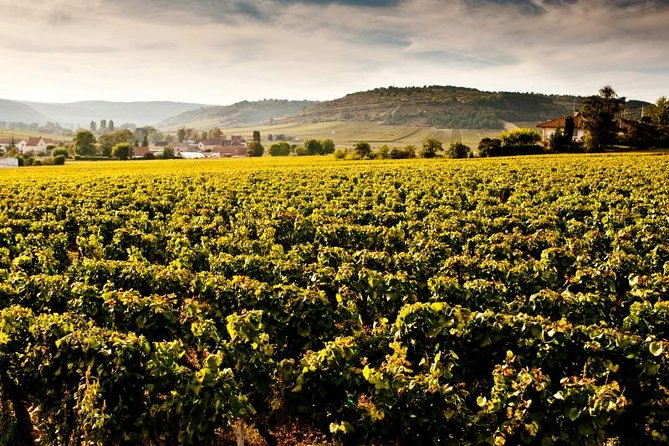
Burgundy’s wine map can look like a puzzle, but this private day with guide Fabien gives you the pieces in the right order. You move through the Côte de Beaune and Côte de Nuits in a luxury Mercedes, visit three estates, and taste 18 wines while learning why one small vineyard can cost far more than the next.
I like the serious teaching and the personal scale. Fabien adjusts the discussion to your wine background, explains the vineyard classifications in plain terms, and uses stops among the vines to make the famous names easier to understand. I also like the chance to meet family producers and buy bottles without a hard sales pitch.
The catch is the price: $1,194.72 per person is a major outlay for one day. This makes the tour best for people who want focused instruction, rare pours, private transport, and access to several estates, not for anyone simply looking for a low-cost vineyard outing.
Key points to know before booking
- Three estate visits: See different approaches to Burgundy wine, from smaller family producers to larger operations.
- Eighteen wines: The tasting includes eight Grand Cru and Premier Cru wines, along with other Burgundy selections.
- Fabien leads the day: He explains appellations, terroir, vineyard work, vinification, and the long story of Burgundy wine.
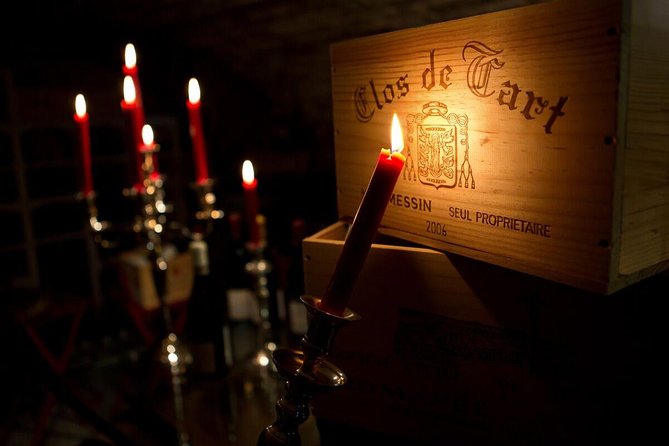
- Major vineyard names: The route includes views of Château du Clos de Vougeot, Romanée-Conti, Clos de Bèze, Clos de Tart, and Montrachet.
- Local food included: Regional specialties and gougères help keep the tasting day grounded in Burgundy.
- Private door-to-door service: Pickup and return are offered from accommodations in Beaune, nearby areas, or Dijon.
Why this Burgundy tour is different
Many wine tours give you a drive through the vines, a cellar visit, and a few glasses. This one aims to explain how Burgundy works from soil to bottle. That distinction matters here because Burgundy is not organized in the simple way many visitors expect.
A bottle label may emphasize a village, a Premier Cru site, or a Grand Cru vineyard. The producer matters, but so does the precise plot of land. Small differences in slope, exposure, and soil can lead to very different wines from vineyards that sit close together.
Fabien’s role is important because the day is built around interpretation, not just tasting. He can adapt the conversation to your starting point, so you do not need to arrive with a diploma in wine. At the same time, the program is suited to people who already know Bordeaux or other French regions and want a more advanced look at Burgundy.
The tour also covers the idea of the Climats de Bourgogne. In this context, a climat is a precisely defined vineyard parcel with its own name, boundaries, and wine identity. You will hear how these sites fit into Burgundy’s classification system and why the region’s best-known names command so much attention.
More Drinks Tours in France:
- Bordeaux: Cité du Vin Entry Ticket and Wine Tasting
★ 4.6 · 3,885 reviews - Bordeaux: River Garonne Cruise with Glass of Wine and Canelé
★ 4.5 · 3,630 reviews - Montmartre Hill French Gourmet Food and Wine Tasting Walking Tour
★ 5.0 · 2,588 reviews
From Beaune or Dijon into the Côte d’Or
The day begins at 9:30 a.m. with pickup at your hotel or other accommodation in Beaune, around Beaune, or Dijon. Return transportation is included, which removes the need to plan a designated driver or work out train connections after a full day of tasting.
You ride in a Mercedes luxury vehicle, and the private setup means only your group participates. That gives you room to ask basic questions without embarrassment, or to spend more time on technical subjects if you already understand the fundamentals.
The route covers both the Côte de Beaune and Côte de Nuits. These are the two main sections of Burgundy’s Côte d’Or, a narrow stretch of celebrated vineyards south and north of Beaune. The contrast between the areas becomes easier to grasp when you see the villages and vineyard sites in sequence rather than studying them on a map alone.
One especially useful stop is a viewpoint above the vines. From there, Fabien explains the region’s layout, vineyard classifications, and different types of terroir. Reading the map while looking at the actual slopes is far more useful than memorizing names in a tasting room.
Château du Clos de Vougeot and the famous vineyard names
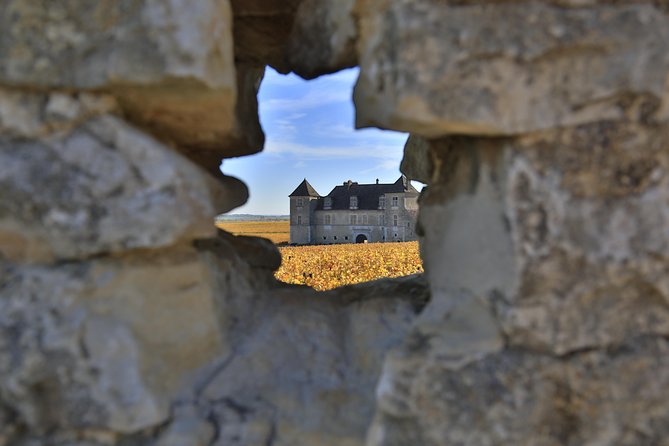
The route includes time to admire Château du Clos de Vougeot, a 12th-century château closely tied to Burgundy’s wine story. It is an impressive visual marker in the Côte de Nuits and helps connect the modern wine industry with the region’s older monastic and agricultural past.
You also pass or stop near some of Burgundy’s most famous vineyard names, including Romanée-Conti, Clos de Bèze, Clos de Tart, and Montrachet. These names matter even if you never plan to buy their bottles. They show how Burgundy divides its reputation among specific sites rather than treating an entire region as one uniform wine zone.
Romanée-Conti is particularly useful as a reference point. The small vineyard is one of Burgundy’s best-known Grand Cru sites, and seeing its location gives context to the extraordinary prices attached to bottles from it. You are not promised a tasting of Romanée-Conti itself, so keep your expectations realistic. The value here is seeing the place and understanding its position in the larger system.
Montrachet provides a similar lesson in the Côte de Beaune. It is one of the names that helps explain why this region is famous for both red and white wines. The day is not only about collecting prestigious labels. It is about seeing how vineyard sites, classifications, and winemaking choices work together.
Three estates, three ways to make Burgundy
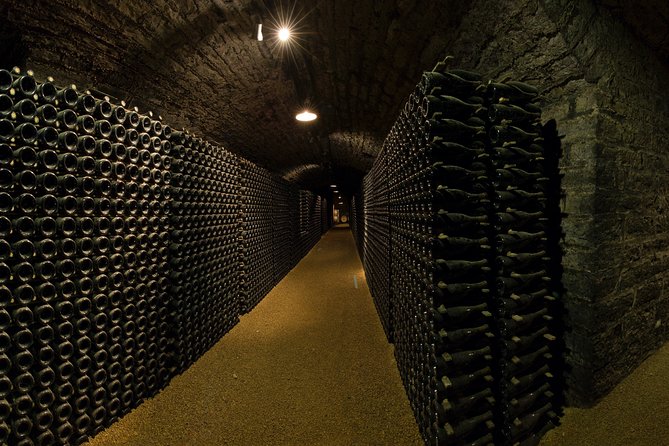
The three estate visits are one of the strongest parts of the program. They give you a useful comparison rather than a single producer’s point of view. Based on the detailed tour experience, stops can include Château de Charodon, Château de Marsannay, and Domaine Michel Magnien.
These visits represent different types of Burgundy operations and different ideas about making wine. One may feel more personal and family-run, while another offers a broader view of production. That variety matters because Burgundy is not one style, one size, or one philosophy.
At each stop, you can expect to taste wines and meet Burgundy specialists or winemakers. The exact people and estates can vary with availability, so do not treat those names as a fixed guarantee. Still, the stated format is clear: three domain visits, guided explanation, and contact with people who work close to the vineyards.
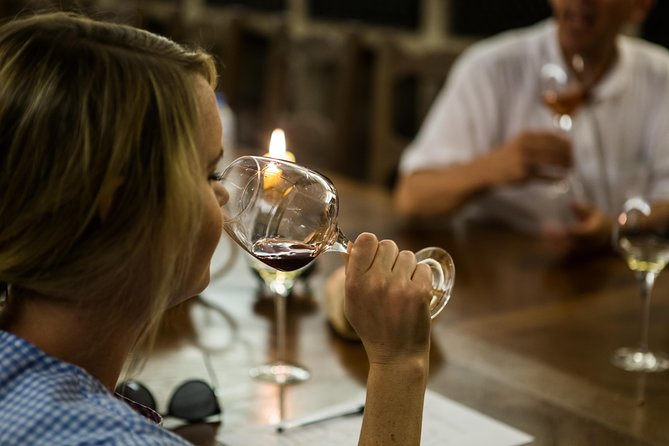
The tastings total 18 wines. Eight are Grand Cru and Premier Cru selections, giving you a chance to compare higher-level appellations with other bottles from the region. The day is not built around Grand Cru alone, though, and that is a useful point. Burgundy’s village and regional wines can offer excellent drinking at far more manageable prices.
A good guide will help you notice those differences instead of pushing you toward the most expensive bottle. Fabien’s approach, as described in the tour details, includes the opportunity to buy wine without pressure. That is valuable in Burgundy, where the excitement of tasting can quickly turn into an expensive purchase.
Same town, a different bottle:
- From Paris: Loire Valley Castles Day Trip With Wine Tasting
★ 4.6 · 1,727 reviews - From Bordeaux: Afternoon Saint-Emilion Wine Tasting & snack
★ 4.8 · 1,581 reviews - From Paris: Day Trip to Champagne with 8 Tastings & Lunch
★ 4.8 · 1,501 reviews - Medoc or Saint Emilion Wine Tasting and Chateau from Bordeaux
★ 5.0 · 1,415 reviews
Learning vineyard work, terroir, and vinification
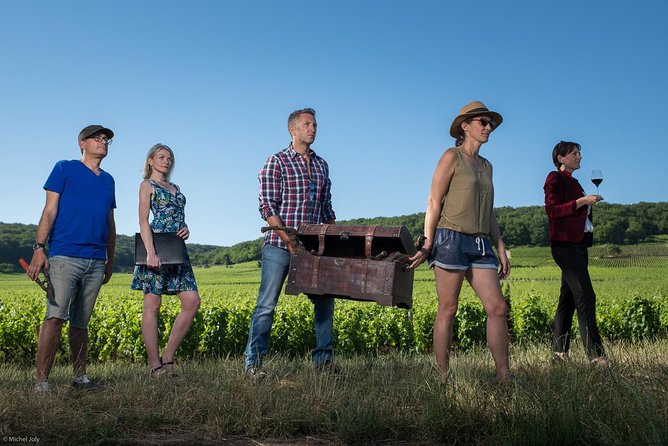
The educational program covers three areas that are easy to blur together: vineyard work, terroir, and vinification. Fabien explains how the vines are worked, then connects that work to what happens in the cellar.
You learn about the history of Burgundy wine from the Roman Empire to today. That long view helps explain why the region has such a detailed structure. Burgundy’s current reputation did not appear overnight, and its named plots, estates, and classifications developed over centuries.
The discussion of vinification focuses on how grapes become wine and how different techniques affect the final bottle. You should not expect a full winemaking course in one day, but you will gain a working framework for asking better questions at future tastings.
The word terroir is often used loosely. Here, it refers to the combination of site, soil, slope, climate, and human choices that shape a wine. The tour uses vineyard stops and map reading to make that idea practical. You can look at the land, hear how the parcels are classified, then taste wines connected to those places.
This is where the tour earns much of its value for an informed wine drinker. You are not simply told that Burgundy is complicated. You are shown how to break that complexity into manageable parts.
Food, tasting pace, and the shape of the day
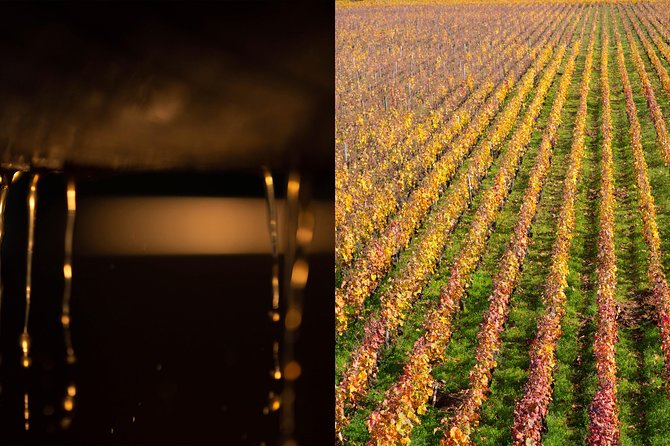
The food is regional rather than elaborate. Gougères, the savory cheese pastries associated with Burgundy, are listed as a starter, and the day includes other local specialties. A regional meal makes sense here because wine is easier to understand when you taste it alongside the food of the area.
A full day with 18 wines can feel demanding, even when the pours are modest. You should expect a steady succession of explanations, drives, estate visits, and tastings. The private vehicle helps because you are not responsible for driving, but this is still a concentrated program rather than a relaxed afternoon with one or two glasses.
The schedule begins at 9:30 a.m. and lasts about eight hours. You should plan to keep the day open rather than adding another major activity afterward. The exact order of stops can change, and the estates visited may depend on availability.
The tasting list also makes this a better fit for people who enjoy comparison. If you prefer one long lunch and a casual village stroll, the pace may feel too structured. If you want to understand why wines from nearby parcels differ, the format is well judged.
Is $1,194.72 per person good value?
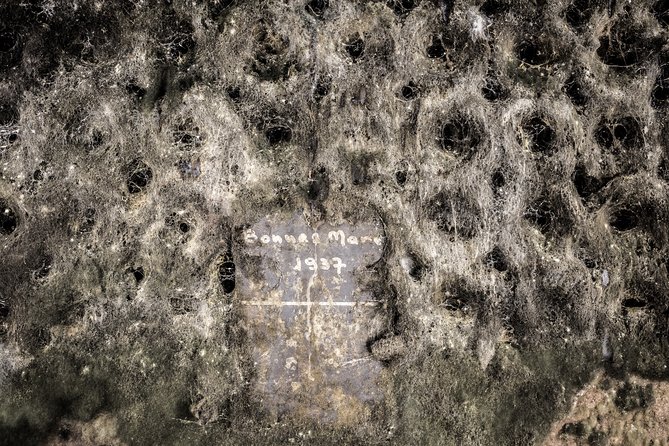
The price is high enough to deserve careful thought. At $1,194.72 per person, you are paying for a private tour, a luxury vehicle, hotel pickup and return, a full day with a Burgundy wine specialist, three estate visits, food, and 18 tastings that include eight Grand Cru and Premier Cru wines.
You are also paying for access and organization. Visiting three estates independently would require transport, appointments, route planning, and someone to interpret what you are seeing. The tour brings those pieces together and takes away the risk of spending a day lost among unfamiliar appellations.
Still, the value depends on how much you care about the subject. If wine is a central reason for your Burgundy trip, the cost may make sense. If you mainly want pretty vineyard views and a few glasses, a less expensive option would probably suit you better.
Bottle purchases are not included in the stated price, so budget separately if you expect to buy. The useful point is that you can purchase without feeling forced. A guide who helps with the difference between an exciting bottle and an overpriced impulse buy can save you money after the tour, although no specific shipping arrangement is guaranteed by the tour information.
Who will get the most from this private day?
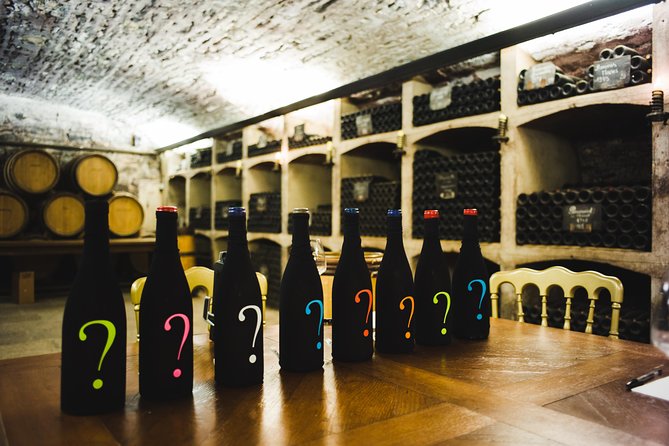
I would choose this tour if you want Burgundy explained at a serious level and prefer a private guide to a large group. It suits couples, families, or small groups who want control over the conversation and do not mind paying for personal attention.
It is also a good choice if you already know another French wine region. One detailed experience came from people familiar with Bordeaux who found Burgundy harder to read. The tour helped them understand the different relationship between vineyard, classification, and producer.
You do not need advanced wine knowledge. The program is designed to adapt to your level. But you should have real interest in wine, because much of the day is devoted to classification, vineyard sites, winemaking, and comparison.
The tour may be less suitable if you want a fixed list of famous estates or a guaranteed tasting of one particular wine. Visits depend on availability, and the appeal is the broader education rather than a promise of one trophy bottle.
Practical details before you reserve
Pickup and return are available from accommodations in Beaune, around Beaune, or Dijon. The start time is 9:30 a.m., and confirmation is sent within 48 hours, subject to availability.
The experience is private, so only your group takes part. Mobile tickets are offered, the tour is conducted in English, and service animals are allowed. It is also near public transportation, though the included pickup makes local connections less important.
You can cancel for a full refund up to 24 hours before the start time. Changes or cancellations made inside that 24-hour window are not accepted for a refund, and the cut-off follows local time.
Should you book Bourgogne Gold Tour?
Book it if you want Burgundy to make sense, not just look beautiful. Fabien’s strengths are the teaching, the vineyard explanations, the comparison among three estates, and the way the day joins famous sites with less showy but equally useful wine education.
The price is the decisive issue. This is a premium private experience, and it makes the most sense when several people in your group are serious about wine and will use the knowledge afterward. If that describes you, the combination of 18 tastings, eight Grand Cru and Premier Cru wines, private transport, and direct access to Burgundy specialists gives the day a clear purpose.
Skip it if you are seeking a budget excursion, a casual tasting, or a guaranteed bottle from Romanée-Conti. For the right wine-focused visitor, though, this is a practical way to turn Burgundy’s intimidating labels and vineyard names into something you can actually read.
FAQ
Where does the tour start?
The tour starts at 9:30 a.m. Pickup is offered from your hotel or other accommodation in Beaune, around Beaune, or Dijon.
How long does the experience last?
The tour lasts approximately eight hours.
Is the tour private?
Yes. Only your group participates in the activity.
How many wines are included?
The program includes tastings of 18 wines, including eight Grand Cru and Premier Cru wines.
How many wine estates do you visit?
You visit three domains or estates during the day.
Is transportation included?
Yes. Transportation is provided in a luxury Mercedes vehicle, with pickup and return to qualifying accommodations in Beaune, around Beaune, or Dijon.
Can I cancel for a full refund?
Yes. You can cancel at least 24 hours before the experience start time for a full refund. Cancellations or changes made less than 24 hours in advance are not accepted for a refund.
Just poured in France
- Pinot Noir Masterclass – Wine tasting in Dijon★ 5.0 · 147 reviews
- Chardonnay Masterclass – Wine tasting in Dijon★ 5.0 · 91 reviews
- Small-Group Full-Day Tour of Côte de Nuits, Côte de Beaune Vineyards and Beaune Historical District★ 5.0 · 364 reviews
- Small group Burgundy tour of Beaune with Wine Tasting from Dijon★ 4.5 · 85 reviews
- Half Day Tour of the Cote de Nuits Vineyards from Dijon★ 5.0 · 108 reviews
- The Emblematic: visit of villages, Haut-Koenigsbourg, Wine tasting★ 5.0 · 81 reviews
- Au Cœur du Château – VSOP D’USSÉ & XO BARON OTARD★ 4.5 · 108 reviews
- Alsace Full Day Wine Tour from Colmar★ 5.0 · 104 reviews
Drinks Tours, compared.
Douro Valley w/ Boat Tour, Wine Tasting & Lunch
Read our review →
Chichen Itza, Cenote & Valladolid Tour with Tequila and Lunch
Read our review →
Complete Douro Valley Wine Tour with Lunch, Wine Tastings and River Cruise
Read our review →
Zakopane: Cable Car, Chocholow Baths, Cheese & Vodka
Read our review →
Zakopane: Cable Car, Chocholow Baths, Cheese & Vodka
Read our review →
Small-Group Wine Tasting Experience in the Tuscan Countryside
Read our review →Browse the lists this tour appears in