
REVIEW · WINERY TOURS
Milan Urban Winery: Taste & Tour at Cantina Urbana
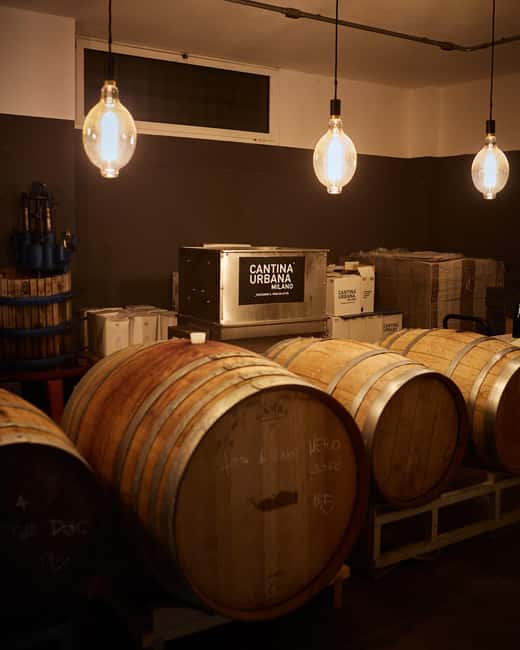
A working winery in the middle of Milan is the main attraction here. At Cantina Urbana, you see wooden barrels, terracotta amphorae, and stainless steel tanks, then taste wines made on site. It is a smart way to explore Milan beyond its grand churches and fashion streets.
I like the six-wine tasting, which gives you a broad look at different styles, and I like the generous local charcuterie served alongside it. Guides such as Andrea, Irene, Francesco, and Nello are praised for clear explanations and easy conversation. The main drawback is location: Via Ascanio Sforza is farther from Milan’s main center than some visitors expect, so allow extra time to arrive.
Key points to know before booking
- A real winery in the city: See barrels, amphorae, and steel tanks rather than simply sitting in a wine bar.
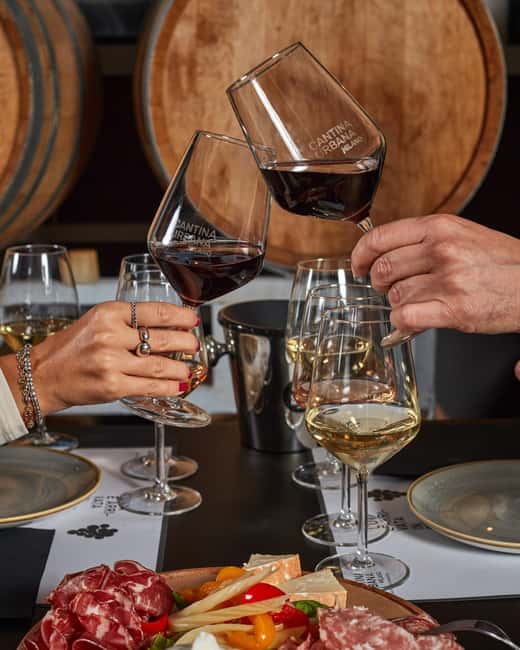
- Six wines offer the best comparison: The longer tasting can include white, rosé, orange, and red styles, depending on the selection.
- Local food is part of the experience: Meat, cheese, and other typical products accompany the wine.
- Guides explain the process clearly: Andrea, Irene, Francesco, Nello, and other hosts have been praised for their wine knowledge and friendly manner.
- The tasting lasts 90 minutes: It is long enough for a useful introduction without taking up an entire afternoon or evening.
- Plan your route carefully: The winery is on Via Ascanio Sforza, and one visitor found it farther from the city center than expected.
Why a Milan winery is worth your time
Milan is not the first Italian city that comes to mind when you think about wine. Tuscany, Piedmont, Veneto, and Sicily usually get the attention. Cantina Urbana plays with that expectation by bringing production into the city itself.
The idea is simple but unusual: make artisanal wine in an urban setting, keep the process close to nature, and use organic production methods. The result is not a grand country estate with vineyards stretching over hills. It is a compact, working cellar tucked into Milan, with the equipment and atmosphere of a production space.
That makes the visit useful even if you already know a bit about wine. You are not only tasting finished bottles. You are seeing where wine is handled, stored, and prepared. The setting gives the guide something real to point toward while explaining fermentation, aging, and the differences between methods.
I also like the sense of place. This is not a generic tasting room that could be anywhere in Europe. The appeal comes from the odd contrast between city life and cellar work. You get Milan, but through its small-scale food and drink culture rather than through the Duomo or La Scala.
More Winery Tours in Italy
- Florence: Chianti Wineries Tour with Wine Tasting
★ 4.5 · 10,071 reviews - From Florence: Siena, San Gimignano, Pisa & Lunch at Winery
★ 4.8 · 4,538 reviews - Tuscany Wine Tour: 2 Wineries & San Gimignano from Florence
★ 5.0 · 1,007 reviews
Arriving on Via Ascanio Sforza
The stated meeting point is Via Ascanio Sforza, 87. The experience begins and ends at the winery, so there is no sightseeing transfer or complicated route between several locations.
Give yourself more time than you might expect if you are staying near the main sights. One visitor specifically found the winery farther from central Milan than anticipated. That is not a serious problem, but arriving late would be an unfortunate way to begin a timed tasting.
The booking information lists two possible starting and drop-off options, both tied to the same address. Check the exact option you select when booking, especially if the activity has different tasting lengths or start times.
The winery is wheelchair accessible. Tours are offered in English and Italian, which makes it a practical choice for international visitors. The hosts have also received strong praise for their English, particularly Andrea and other guides who took time to explain the wines and answer questions.
A compact tour among barrels and tanks
The first part is a short guided look around the winery. Do not expect a large agricultural estate. The winery is described as small but characteristic, and that is part of its appeal.
You will see the tools of production up close: wooden barrels, terracotta amphorae, and stainless steel tanks. Each material gives the guide a chance to explain how wine can be made and aged in different ways. The equipment is not just decoration for the tasting room. It helps connect the talk to the actual work happening around you.
The tour is brief, but that suits the format. The full activity lasts about 90 minutes, and most of that time is better spent tasting and asking questions. Several people particularly liked that the tour was informative without becoming too long. If you want a full technical course in winemaking, this will feel light. If you want a clear introduction before sampling several wines, the pace works well.
The hosts also explain the winery’s urban concept and its organic approach. That context matters because the wines are presented as products of a specific project, not simply as a collection of bottles chosen for tourists.
Four or six wines, and why the longer option makes sense
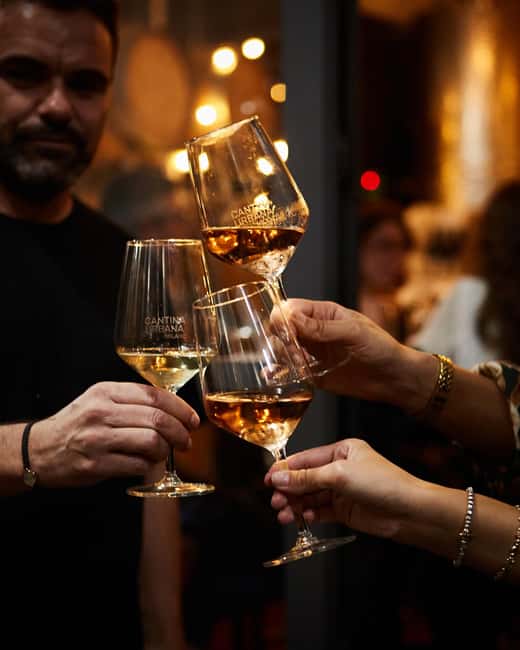
The experience has tasting options for four or six wines. The main description focuses on six wines, and the longer tasting is the stronger choice if you are genuinely interested in wine.
Six pours allow you to compare more than one category. Past tastings have included white, rosé, orange, and red wines, with different aromas, colors, and flavor profiles. One person described trying a white, rosé, orange wine, and two reds, while another appreciated how different all six wines were from one another.
That variety is important. A tasting is more useful when the wines show clear contrasts. You can pay attention to body, acidity, aroma, color, and finish instead of simply deciding if one bottle tastes good. The guide can also explain why a wine feels different and how the production method affects the glass.
The pours have been described as generous, not tiny ceremonial sips. That is good value, but it also means you should pace yourself. Six full tasting portions can add up, especially with food. Take your time and use the guide’s explanations to compare each glass.
The four-wine option may suit you if you have limited time, are new to tasting, or want a lighter introduction. The six-wine choice is better for wine lovers and for anyone who wants the fullest picture of Cantina Urbana’s work.
The exact wines can change. That is normal for a working winery, and it means you should treat the tasting as a chance to understand the range rather than as a fixed bottle-by-bottle menu.
Same town, a different bottle:
- Small-Group Wine Tasting Experience in the Tuscan Countryside
★ 5.0 · 7,392 reviews - Rome: Tuscany & Montepulciano Day Trip with Lunch & Wine Tasting
★ 4.5 · 5,232 reviews - SMALL-GROUP Wine Safaris: Tuscan Wine Tasting Tours from Florence
★ 5.0 · 5,088 reviews - Winner 2025 Florence Sunset Food & Wine Tour by Eating Europe
★ 5.0 · 5,015 reviews
The food pairing is more than a token snack
Each tasting comes with a charcuterie board or similar selection of typical local products. Expect meats and cheeses, with the food matched to the wines.
This part has been one of the strongest features of the experience. The portions are described as generous, and several people singled out the quality of the meat and cheese. The food gives you something to eat between pours and helps show how the wines work with Italian ingredients.
That pairing also makes the tasting feel like a small meal rather than a series of isolated samples. You can ask why a particular cheese works with a white wine or why a cured meat suits a red. The guide can offer practical pairing advice, which is more useful than simply listing tasting notes.
Vegetarian visitors should request an alternative in advance or at the time of booking. A vegetarian board was provided successfully for one person, though another visitor felt the vegetarian selection could have included more cheese. The important point is that the staff have shown flexibility, but the alternative may not be as substantial as the standard meat and cheese board.
If you want a full meal, you can order more from the à la carte menu. Extra food and drinks are not included in the booking price. The winery also operates as a wine bar, so you can continue the evening there if you want more than the tasting portion.
The guides make the difference
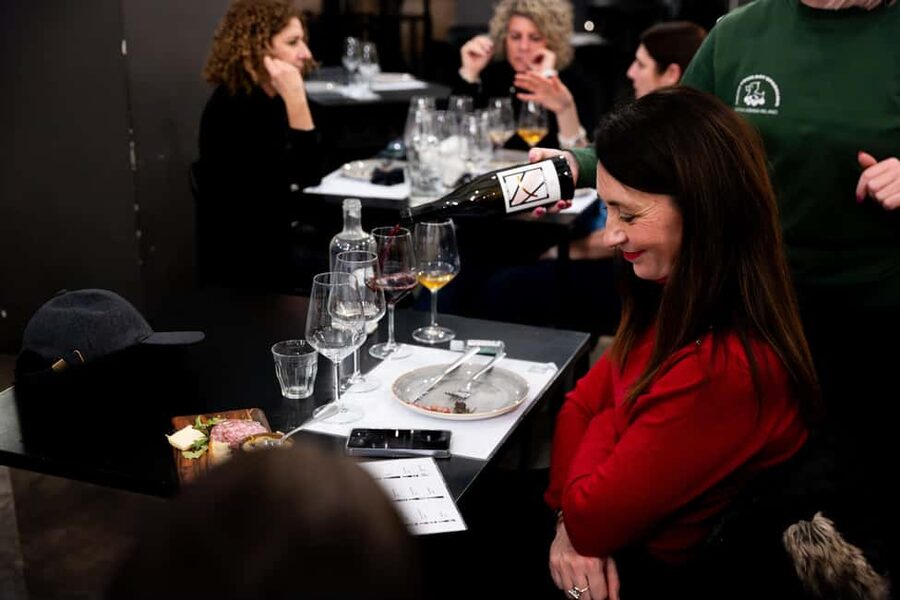
Wine tastings can become dry lectures. Here, the guide is central to the experience, and the staff have earned strong praise for making the talk friendly and easy to follow.
Andrea is described as warm, informative, and good at creating a relaxed atmosphere. Irene has been praised for explaining wine production and differences in palate, while Francesco is often noted for his passion and clear answers. Nello is particularly suited to guests who like asking questions, since he has been described as patient and willing to discuss production and food pairing in detail.
The staff change, so you cannot guarantee a particular guide unless the booking specifically says so. Still, the repeated pattern is useful: the experience depends less on a scripted show and more on the person leading your table.
I like that the guides cover both the general process and Cantina Urbana’s specific methods. You learn how wine is made, but also why this winery chooses its particular equipment and approach. The atmosphere seems informal enough for beginners, while experienced wine drinkers can ask more precise questions.
That said, the amount of detail may vary with the group and the guide. One person felt the guide held back from talking more about the pleasure of producing wine in Milan. If you want a highly technical or deeply personal conversation, say so and ask questions. The hosts appear willing to engage when visitors show interest.
Is $47 a fair price?
At $47 per person, the value depends mainly on which tasting option you choose. For six wines, food, a guided winery tour, and 90 minutes with a wine professional, the price is reasonable, particularly because the pours are not described as skimpy.
You are paying for more than six samples. The fee covers access to a working urban cellar, an explanation of several production methods, and a food pairing that can be substantial enough to take the edge off hunger. It is also a social experience with a clear sense of place.
The four-wine option may feel less of a bargain if your main goal is to taste as widely as possible. On the other hand, it can be sensible if you want a shorter or lighter visit. The six-wine option is the one I would choose for a dedicated wine outing.
Extra items from the à la carte menu cost more. If you plan to turn the visit into dinner, include that in your budget. You may also be able to buy bottles to take home, as one person did, though the supplied details do not guarantee specific wines or shipping arrangements.
Who will enjoy Cantina Urbana most?
I would recommend this experience to wine lovers who want more than a standard bar tasting. The chance to see tanks, barrels, and amphorae gives the visit a practical edge.
It is also a good choice for beginners. You do not need advanced wine vocabulary to enjoy it. The guides explain the basics, introduce different styles, and let you learn by comparing one glass with the next.
Couples and small groups should find the format easy to enjoy, particularly if they like food with their drinks. A birthday surprise was arranged for one group, so it may also work for a small celebration, though special requests should be discussed ahead of time.
Vegetarians can book, but should request a meat-free board clearly. Families with young children are not specifically addressed in the supplied details, and the activity is built around wine tasting, so it is best suited to adults.
This is not the right choice if you want vineyard scenery, a long countryside excursion, or a full meal included in the base price. You also need to allow for the trip to Via Ascanio Sforza. The experience is about urban wine production, not rural Italy.
Practical details for a smooth visit
The tour lasts 1.5 hours, with starting times depending on availability. Evening slots can work well before dinner, while an afternoon booking gives you a relaxed break from sightseeing.
The experience is guided in English or Italian. The winery is wheelchair accessible. You can cancel up to 24 hours before the start for a full refund, and the reserve-now, pay-later option keeps your plans flexible.
Arrive with enough time to find Via Ascanio Sforza, especially if you are coming from Milan’s central sights. Wear something comfortable, and avoid treating the six wines as quick shots. The tasting is more rewarding when you take notes mentally, compare the glasses, and ask the guide what makes each one different.
If you have dietary needs, mention them before the tasting begins. The staff have accommodated vegetarian requests, but the quality and range of alternatives may vary.
Should you book this Milan wine tasting?
Yes, if you want an original Milan activity with a strong food and drink focus. The compact tour, six-wine option, local charcuterie, and clear explanations give you a lot to do in 90 minutes.
I would choose the six-wine version, particularly if you are curious about orange wines, different production methods, or the contrast between white, rosé, and red styles. Beginners will find the format friendly, while experienced wine drinkers can use the guide’s time for detailed questions.
Skip it if your idea of a winery requires vineyards and countryside views. Cantina Urbana offers something different: a working cellar in the city, a tasting that can be generous, and a chance to understand how Milan is making room for its own wine culture.
FAQ
Where is Cantina Urbana Milano located?
The meeting point is Via Ascanio Sforza, 87, in Milan. The experience begins and ends at the winery.
How long does the wine tasting last?
The activity lasts 1.5 hours, or 90 minutes. Starting times depend on availability.
How many wines are included?
The available options include four or six wines, depending on the option selected. The six-wine tasting is the main option described for wine lovers.
Is food included?
Yes. A food tasting with typical local products is included, usually in the form of a charcuterie board with meats and cheeses. Additional food and drinks can be ordered from the à la carte menu.
Can vegetarians take part?
Yes. A vegetarian charcuterie board has been provided for a guest who requested one. You should make your dietary request clear before the tasting.
Is the tour offered in English?
Yes. The live tour is available in English and Italian. The winery is also wheelchair accessible.
Just poured in Italy
- Private Secret Venice Tour; Rialto Market, San Polo & Food and Wine tasting★ 4.0 · 220 reviews
- A Venetian Evening: Wine Tasting and Cicchetti with a Local Guide★ 5.0 · 146 reviews
- Chianti Vineyards Escape from Florence with Two Wine Tastings★ 4.5 · 280 reviews
- Chianti Delights: A Tale Of Two Wineries With A Vineyard Dinner★ 4.0 · 324 reviews
- From Verona: Valpolicella and Amarone Wine Tasting Tour★ 4.9 · 560 reviews
- Discover Valpolicella Vineyards and Wine Tasting Experience★ 4.5 · 341 reviews
- Verona: Wine Tasting with Snacks and Panoramic Views★ 4.8 · 494 reviews
- Amarone Wine-tasting Tour from Verona with Private Transportation★ 5.0 · 283 reviews
Winery Tours, compared.
Douro Valley with Winery Lunch, Tastings & Cruise
Read our review →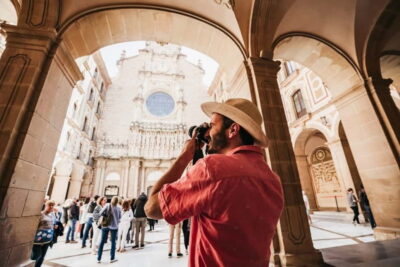
Montserrat, Cogwheel, Black Madonna & Winery Tour
Read our review →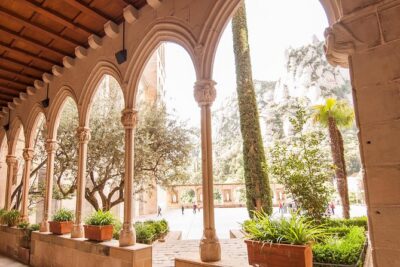
Montserrat with Black Madonna & Medieval Winery with Tapas/Lunch
Read our review →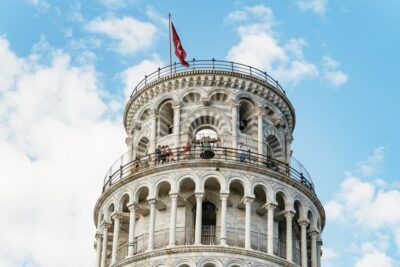
Siena, San Gimignano, Pisa & Lunch at Winery
Read our review →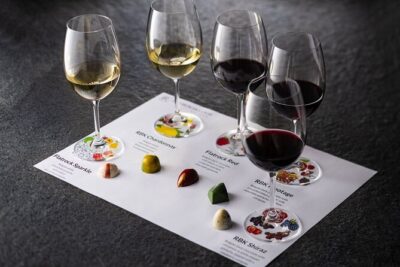
Wine Tour: Paarl, Franschhoek & Stellenbosch incl 3 wineries
Read our review →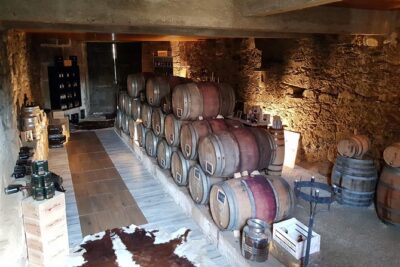
Douro Valley Tour: 2 Vineyard Visits, River Cruise, Winery Lunch
Read our review →
5-Hour Traverse City Wine Tour: 4 Wineries on Old Mission Peninsula
Read our review →Browse the lists this tour appears in