
REVIEW · WINERY TOURS
Montepulciano: Winery Tour and Tasting
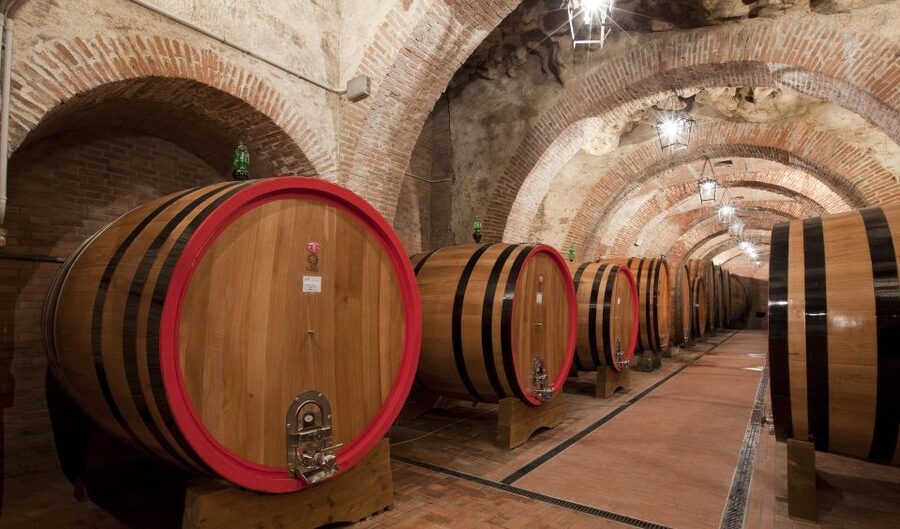
A steep stairway leads from Montepulciano into a 16th-century underground cellar, where old tunnels, vaults, and giant wooden barrels create the setting for the tasting. The space has served more than one purpose over the centuries, including use as a prison, wartime shelter, and church.
I like the way the tour joins local history with wine education, rather than treating the tasting as a string of anonymous pours. I also like the four-wine format, which gives you enough range to compare Tuscan styles without taking up half a day. The main drawback is physical: steep steps, low passages, and uneven surfaces make this a poor choice for anyone with mobility limits.
Key points to know before booking
- A real underground cellar: Descend beneath Montepulciano into old vaults, tunnels, and barrel rooms dating back to the 16th century.
- Four Tuscan wines: Taste well-known regional wines, including Rosso di Montepulciano and Vino Nobile di Montepulciano DOCG.
- Strong guides: Luigi, Flavio, and Hector are among the guides praised for clear explanations and a friendly approach.
- Simple local snacks: Wine comes with water, bread, and traditional appetizers, often including cheese and cured meats.
- A compact visit: The full tour lasts about 1.5 hours, making it easy to fit around sightseeing in Montepulciano.
- Not step-free: Expect a steep descent, a low tunnel, and cellar floors that may be difficult for some visitors.
Entering Montepulciano’s old cellar
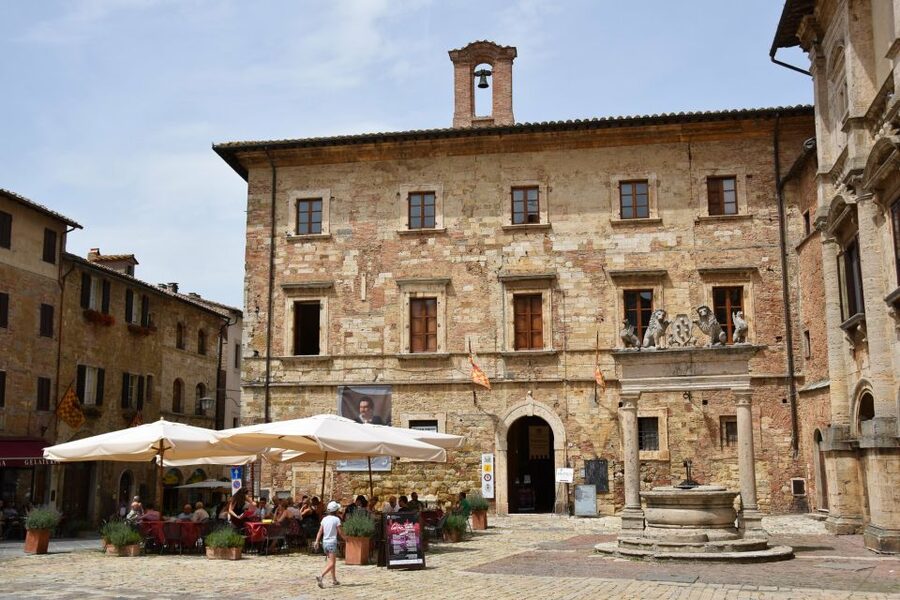
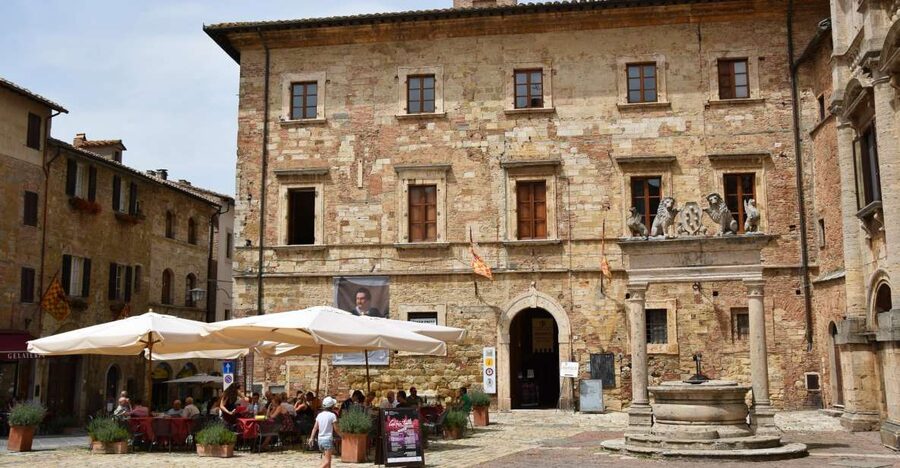
This tour begins at Talosa Cantina Storica, in the heart of Montepulciano. You do not leave town for a distant vineyard. Instead, you walk straight into the town’s historic center and then below it, into a cellar built into the hillside.
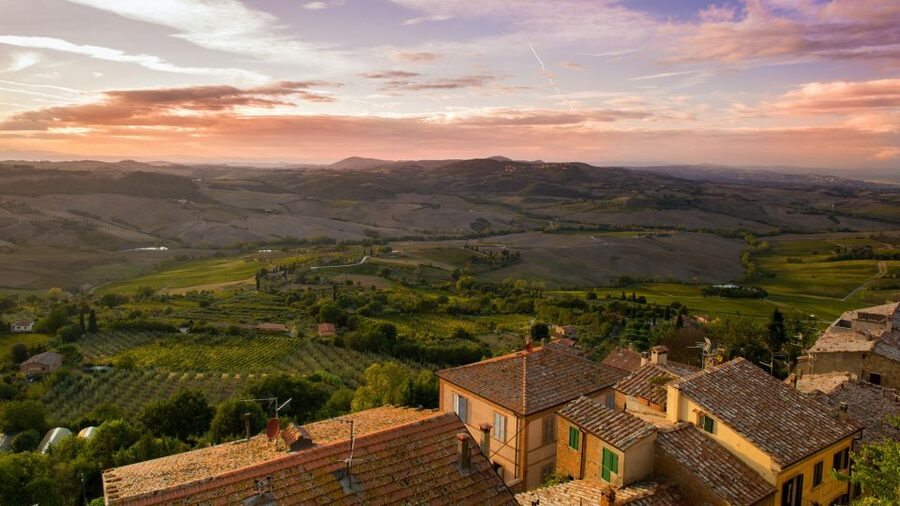
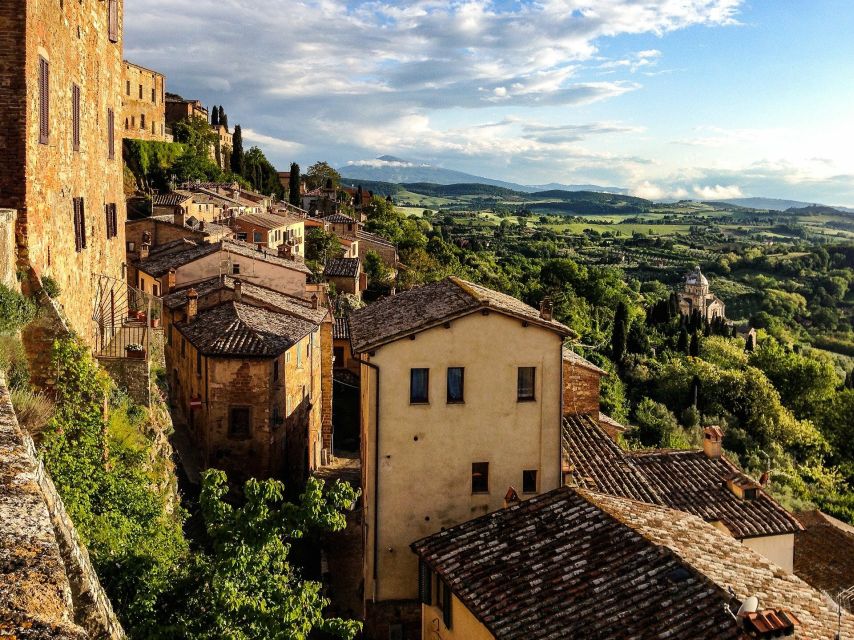
That location matters. Montepulciano is famous for Vino Nobile, but the town itself can feel like a series of steep lanes, stone walls, and grand buildings. The cellar lets you see a less polished side of the town, one shaped by storage, work, shelter, and daily life underground.
The descent is part of the experience, but it is also the first practical warning. One account describes going down a steep brick staircase, through an old tunnel where you may need to bend slightly, and into a cavern with large wooden barrels. If you have trouble with stairs or balance, you should skip this activity. It is not suitable for wheelchair users or people with mobility impairments.
Inside, the setting does much of the work. Vaulted ceilings and narrow passages make the cellar feel older and more substantial than a modern tasting room. You may see the massive barrels used for aging wine, along with the stone and brick construction that helps explain why these underground spaces remain useful for wine storage.
More Winery Tours in Italy
- Florence: Chianti Wineries Tour with Wine Tasting
★ 4.5 · 10,071 reviews - From Florence: Siena, San Gimignano, Pisa & Lunch at Winery
★ 4.8 · 4,538 reviews - Tuscany Wine Tour: 2 Wineries & San Gimignano from Florence
★ 5.0 · 1,007 reviews
The cellar’s many past lives
The cellar is not presented only as a place where wine sits in barrels. Its past includes several chapters that give the tour more interest. Information shared during the visit has covered its former use as a prison, a shelter during World War II, and a church. Some people even lived in the cellar during the war.
That history changes how you read the space. A low tunnel is not just an atmospheric passage, and a large chamber is not simply a backdrop for photographs. The same underground rooms served practical needs at different points in time. Your guide explains these details as you move through the tunnels, so the history stays connected to what you are looking at.
Guides named Luigi, Flavio, and Hector have led this experience, and the best part of their approach is the plainspoken explanation. Luigi, in particular, is praised for answering questions patiently and explaining both Italian wine production and the wider wine industry. Flavio has also been singled out for his clear presentation.
The tour is likely to feel more personal when the group is small. One visit had only two participants, creating a private-tour feel. Other sessions have included mixed Italian and English speakers. The guide can conduct the tour in Italian or English, but if a group is split between languages, some conversation may not be translated in full. If you want every question and answer, ask your guide to repeat key points in English.
Four wines that show Montepulciano’s character
After the cellar walk, you sit down for the tasting. The program includes four of the region’s best-known wines, with Rosso di Montepulciano and Vino Nobile di Montepulciano DOCG among them. The aim is not simply to hand you four glasses. The sommelier explains differences in flavor, production, grapes, and aging.
This is where the tour earns its place on a Montepulciano itinerary. You can buy a bottle in many places, but tasting several local wines side by side helps you understand why the labels matter. The guide discusses the wine in a way that works for beginners, while still giving more experienced drinkers useful points about production methods, soil, grape types, and barrel aging.
You do not need to arrive as a wine expert. Several people who do not usually drink red wine still found the tasting worthwhile because the guide made the process easy to follow. One visitor’s partner, who does not drink wine, tried every sample and enjoyed most of them. That is a good sign if you are booking for a mixed group.
The tasting can move at a relaxed pace. One visitor felt the wine portion was a little slow, especially after the cellar tour. I would see that as a question of preference. If you want a brisk introduction, 1.5 hours may feel long in the tasting room. If you enjoy asking questions, comparing flavors, and learning how wine is made, the extra time gives you room to do that.
Some past participants received a full glass for each tasting rather than tiny sample pours. That makes the price appealing, but it also means you should pace yourself. Four generous pours can add up quickly, especially with food. Water is included, so use it.
The food pairing: useful, local, and not elaborate
The wine comes with bread and traditional Tuscan appetizers. You can expect the food to support the tasting rather than function as a full meal. A cheese and cured-meat plate has been described as plain, but it works for the purpose: salty food, bread, and wine give you a way to compare how each bottle feels with something to eat.
I would not book this as a substitute for lunch or dinner. The snacks are a welcome part of the visit, but the emphasis remains on the cellar and the wines. If you are hungry, eat beforehand or plan a proper meal after the tour.
Still, this modest pairing has value. Wine can taste sharp or heavy when sampled alone, while bread and savory foods help settle the palate. It also gives the tasting a distinctly Tuscan feel without adding a large restaurant meal to the schedule.
Same town, a different bottle:
- Small-Group Wine Tasting Experience in the Tuscan Countryside
★ 5.0 · 7,392 reviews - Rome: Tuscany & Montepulciano Day Trip with Lunch & Wine Tasting
★ 4.5 · 5,232 reviews - SMALL-GROUP Wine Safaris: Tuscan Wine Tasting Tours from Florence
★ 5.0 · 5,088 reviews - Winner 2025 Florence Sunset Food & Wine Tour by Eating Europe
★ 5.0 · 5,015 reviews
What the guide adds to the visit
The guide is the difference between a quick cellar walk and a useful wine lesson. The strongest guides here explain the information without making you feel tested. They cover the local grapes and production process, then connect those details to the wine in your glass.
Luigi has received especially warm praise for his patience, honesty, and ability to answer questions in detail. Hector has been described as clear and well informed, while Flavio has been appreciated for his energy and command of the subject. These names matter because the guide leads both halves of the experience, the cellar tour and the tasting.
The format also works well for questions outside wine. One visitor noted that the tasting guide answered wine and non-wine questions with equal patience. You can ask about the town, Italian wine customs, or why two bottles from the same area taste different. The available information does not promise a vineyard visit or a full technical winemaking course, so keep your expectations focused on the historic cellar and guided tasting.
If your group includes English speakers and Italian speakers, language balance may affect the rhythm. English and Italian are offered, but not every exchange in a mixed group may be translated. That is a small issue for a bilingual session, yet it is worth knowing before you book.
How much value do you get for $41?
At $41 per person, this is a fair price for a short activity in a famous wine town. You receive a guided cellar visit, a professional sommelier, four wines, water, bread, and appetizers. You are paying for more than the liquid in the glasses. The setting and the explanation are the main reasons to choose this over a casual wine shop tasting.
The 1.5-hour length also helps with planning. You can fit the tour between a walk through Montepulciano’s center and another meal or sight. Since there is no hotel pickup or drop-off, you need to reach Talosa Cantina Storica on your own. That is not a serious drawback if you are already visiting Montepulciano, but it makes this less convenient for anyone staying outside town without transport.
The value improves if you want context. A bottle purchased without guidance tells you little about the local wine tradition. Here, you taste several wines and learn why they differ. If you are mainly looking for a large meal, extensive vineyard views, or a full-day countryside outing, spend your money elsewhere.
One practical point: wine sales may tempt you after the tasting. Past visitors have bought bottles they especially enjoyed, including a Vino Nobile Riserva. You do not need to buy anything, but the tasting gives you a better basis for choosing a bottle than shopping by label alone.
Who will enjoy this most?
I would recommend this to adults who want a manageable introduction to Tuscan wine and are already spending time in Montepulciano. It suits couples, adult families, and small groups with mixed levels of wine experience. The guide-led format means you can learn a lot without needing previous knowledge.
It is also a good pick for people who care about the town’s built history. The prison, wartime shelter, church, tunnels, and barrels give the visit a sense of place that a standard bar tasting cannot match.
You should think twice if you dislike red wine, though the guide makes the tasting accessible to beginners. You should also avoid it if you cannot handle steep stairs, low passages, or uneven cellar floors. Children under 18 are not allowed, and there is no wheelchair access.
The tour is less suitable for anyone seeking a vineyard walk. This takes place in an underground historic cellar, not out among rows of vines. You will learn about grapes, soil, production, and aging, but the main physical setting is beneath the town.
Practical timing and booking advice
Allow the full 1.5 hours and arrive ready to walk underground. Wear shoes that feel secure on stairs and old flooring. The information provided does not specify a dress code, but sensible footwear is the smart choice for a steep cellar route.
You can cancel up to 24 hours in advance for a full refund, and the reserve-now, pay-later option keeps your plans flexible. Starting times vary, so check availability for your date. The meeting point is Talosa Cantina Storica, and hotel transportation is not included.
Plan your meal around the tour rather than counting on the appetizers to fill you. If you want the tasting to feel unhurried, avoid scheduling another fixed activity immediately afterward. The cellar walk itself is not long, but the guide may spend extra time answering questions.
Should you book the Montepulciano cellar tour?
Yes, if you want a compact, well-priced way to connect Montepulciano’s wine with its underground past. The strongest reasons to book are the 16th-century cellar, the unusual tunnels and wartime history, and guides such as Luigi, Flavio, and Hector who explain the wine in clear English or Italian.
I would not book it for a vineyard setting, a full meal, or step-free access. But for an adult visit focused on four Tuscan wines, local snacks, and a cellar with real character, $41 is a sensible spend. Book it as a focused town experience, then give yourself time afterward to explore Montepulciano above ground.
FAQ
How long does the Montepulciano winery tour last?
The tour lasts 1.5 hours. It includes the historic cellar visit, wine tasting, and appetizers.
Where does the tour meet?
You meet at Talosa Cantina Storica in the heart of Montepulciano.
Which wines are included?
The tasting includes four well-known regional wines, including Rosso di Montepulciano and Vino Nobile di Montepulciano DOCG.
Is the tour available in English?
Yes. The live guide speaks Italian and English.
Are food and water included?
Yes. Water, bread, and traditional appetizers are included with the winery tour and wine tasting.
Is the cellar suitable for wheelchair users?
No. The activity is not suitable for wheelchair users or people with mobility impairments. The route includes steep stairs and a low tunnel. Children under 18 are also not permitted.
Just poured in Italy
- Private Secret Venice Tour; Rialto Market, San Polo & Food and Wine tasting★ 4.0 · 220 reviews
- A Venetian Evening: Wine Tasting and Cicchetti with a Local Guide★ 5.0 · 146 reviews
- Chianti Vineyards Escape from Florence with Two Wine Tastings★ 4.5 · 280 reviews
- Chianti Delights: A Tale Of Two Wineries With A Vineyard Dinner★ 4.0 · 324 reviews
- Verona: Wine Tasting with Snacks and Panoramic Views★ 4.8 · 494 reviews
- Amarone Wine-tasting Tour from Verona with Private Transportation★ 5.0 · 283 reviews
- From Verona: Valpolicella and Amarone Wine Tasting Tour★ 4.9 · 560 reviews
- Discover Valpolicella Vineyards and Wine Tasting Experience★ 4.5 · 341 reviews
Winery Tours, compared.
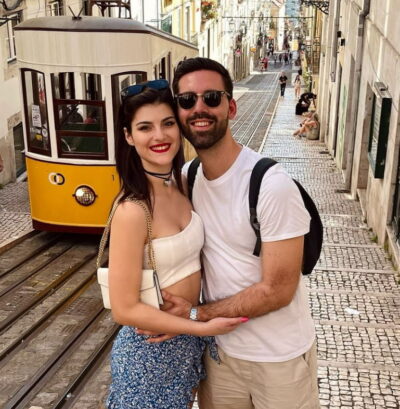

Douro Valley with Winery Lunch, Tastings & Cruise
Read our review →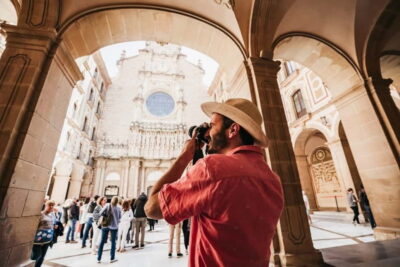
Montserrat, Cogwheel, Black Madonna & Winery Tour
Read our review →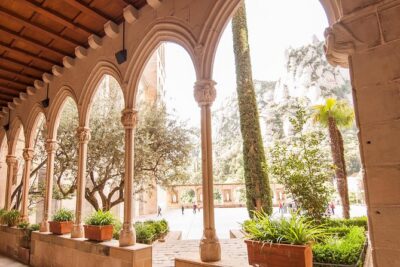
Montserrat with Black Madonna & Medieval Winery with Tapas/Lunch
Read our review →
Siena, San Gimignano, Pisa & Lunch at Winery
Read our review →
Wine Tour: Paarl, Franschhoek & Stellenbosch incl 3 wineries
Read our review →
Douro Valley Tour: 2 Vineyard Visits, River Cruise, Winery Lunch
Read our review →
5-Hour Traverse City Wine Tour: 4 Wineries on Old Mission Peninsula
Read our review →Browse the lists this tour appears in