
REVIEW · WINERY TOURS
Piedmont: Winery Tour, Taste Barolo, Barbaresco & Local Food
In Piedmont’s Langhe hills, this two-hour visit takes you inside a working family winery rather than a polished wine museum. You’ll walk through the vineyards, enter a centuries-old cellar, and taste seven wines with cured meats, cheese, bread, liqueurs, and the estate’s own olive oil.
I like the family-run setting, where Charles can explain the winery’s methods and philosophy in person. I also like the generous tasting lineup: Barolo and Barbaresco share the table with Barbera, Moscato, two liqueurs, and food made for sipping slowly.
The main consideration is transport. You must reach Sobrero Vini in Castiglione Falletto yourself, and the two-hour visit is short if you want a broad look at the winery as well as an unhurried tasting.
Key points at Sobrero Vini
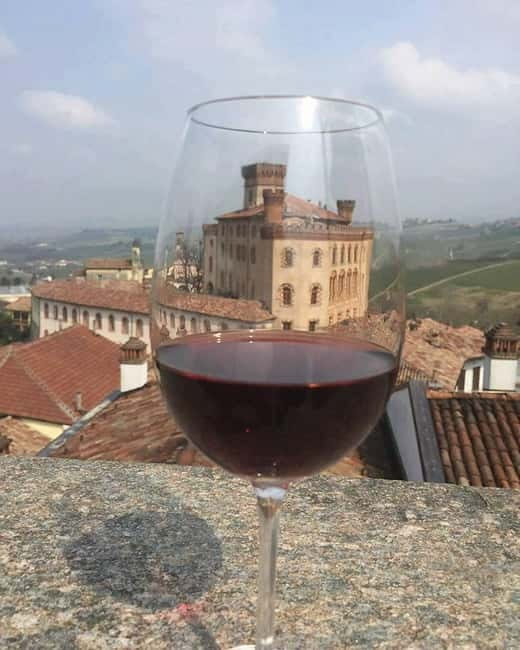
- Seven wines in one tasting: Sample Barolo, Barbaresco, Barbera, Moscato, and other estate wines.
- A real family winery: Charles personally introduces the winemaking process and the character of the local soil.
- Food is part of the tasting: Expect cured meats, cheeses, rustic homemade bread, and snacks with the wines.
- Two Piedmont specialties: Barolo Chinato and Grappa di Barolo add a spirited finish.
- Estate-made olive oil: Taste the winery’s own extra virgin olive oil alongside the regional food.
- Small-group atmosphere: The format allows for a more personal visit than a large commercial tasting room.
Arriving in Castiglione Falletto
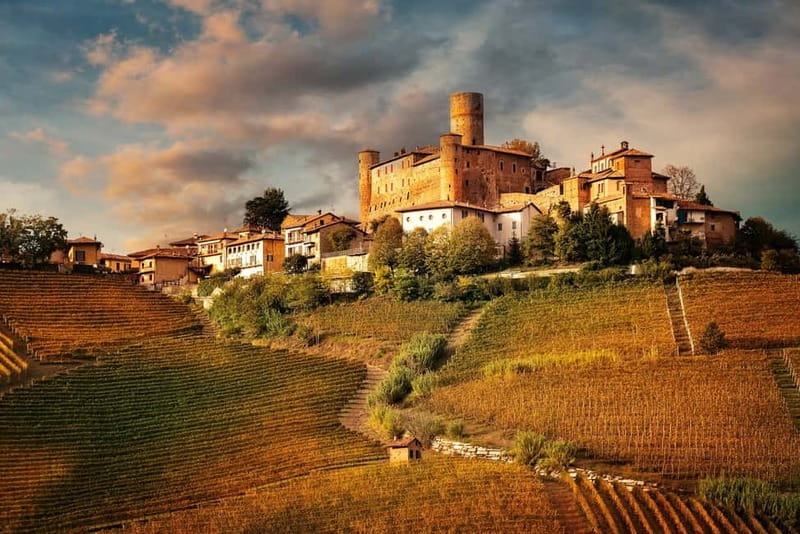
Sobrero Vini is at Via Alba Monforte, 39, in Castiglione Falletto, a hill town in the center of Barolo country. The meeting point is the winery’s private parking area, where the local partner waits for you.
That detail matters. This is not a city walking tour with an easy meeting point near a train station. You need to plan your own transportation to the winery, and the price does not include transfers. If you are touring the Langhe by car, the arrangement is straightforward. If you are relying on public transportation or taxis, check your route before booking.
Castiglione Falletto puts you in the heart of the Langhe UNESCO World Heritage site. The setting gives the visit a clear sense of place. You are not simply tasting wines labeled Barolo and Barbaresco in a generic shop. You are tasting them where the surrounding hills and vineyards form part of the story.
The host language is English. That makes the visit practical for international visitors, though you should not expect a multilingual presentation based on the information available.
More Winery Tours in Italy
- Florence: Chianti Wineries Tour with Wine Tasting
★ 4.5 · 10,071 reviews - From Florence: Siena, San Gimignano, Pisa & Lunch at Winery
★ 4.8 · 4,538 reviews - Tuscany Wine Tour: 2 Wineries & San Gimignano from Florence
★ 5.0 · 1,007 reviews
A walk through the vineyard
The visit begins with a guided walk through the vineyards. This is a useful opening because it connects the wine in your glass with the hills outside the cellar.
You’ll hear about the local growing area and the way the winery works with its land. The exact length of the walk is not specified, so you should think of it as an introduction rather than a long hike. Wear sensible shoes, especially if the ground is uneven or damp.
I like this start because it gives the tasting some context. Barolo and Barbaresco are not just famous names. They come from a specific part of Piedmont, and the vineyard walk helps you understand that wine begins with a place, not with a label on a bottle.
The countryside is also part of the appeal. The Langhe hills are known for their vineyard-covered slopes and small wine villages, and Castiglione Falletto is one of the key locations within the Barolo area. Even a short outdoor section helps you see why a winery visit fits naturally into a Piedmont itinerary.
Inside the centuries-old cellar
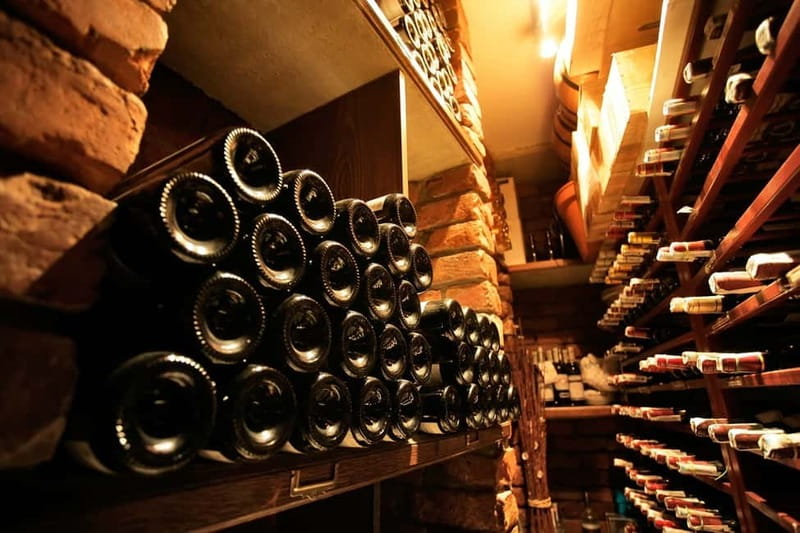
After the vineyard walk, you visit the estate’s centuries-old cellar. This is where the practical side of the tour comes into focus.
Charles introduces you to wine production and explains the winery’s approach. The presentation is designed around the estate itself, so you learn how this particular family makes and presents its wines rather than receiving a broad, classroom-style lecture about Italian wine.
That personal format is one of the strongest reasons to choose this visit. A family-run winery can show you the connection between the people, the cellar, and the bottles on the table. You get the chance to ask questions and hear the story directly from the owner.
The cellar visit should also help you understand why the tasting includes several different styles. Piedmont is famous for its serious red wines, but local wine culture is not limited to Barolo. Barbera offers a different character, Moscato brings sweetness and perfume, and the liqueurs show how the region’s wine traditions extend beyond table wine.
The tour lasts two hours in total. That is enough time for a guided introduction and a substantial tasting, but it is not an all-day winery visit. You should book it if you want a focused stop in the Langhe, not if you are looking for a full-day course in vineyard management and cellar work.
Seven wines, from Barbera to Barolo
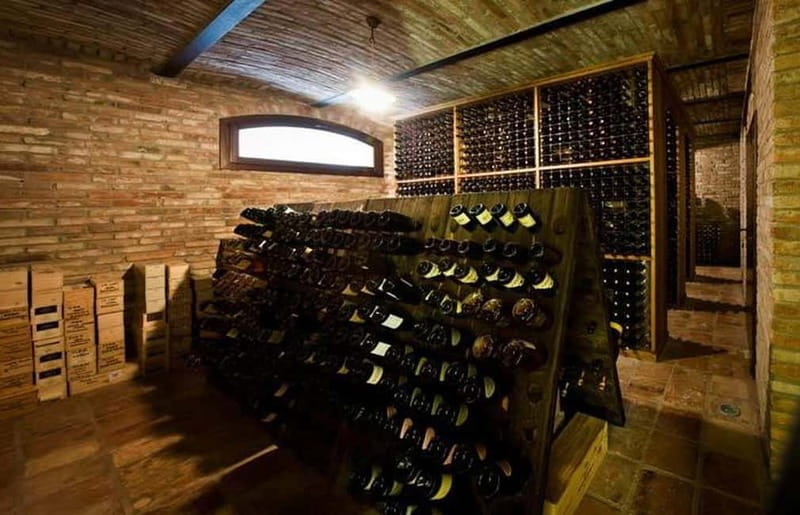
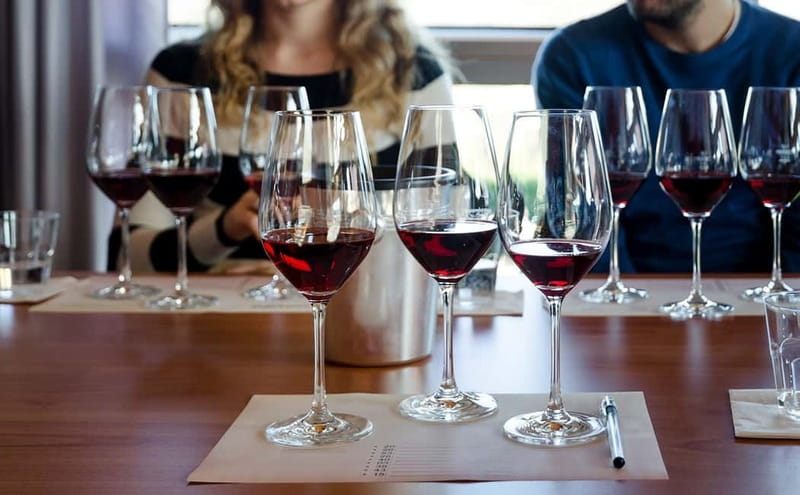
The tasting includes seven different wines. The named styles include Barolo, Barbaresco, Barbera, and Moscato, giving you a useful cross-section of Piedmont’s wine identity.
Barolo and Barbaresco are the headline pours. Both are closely tied to the region and are likely to be the wines many people have come specifically to try. Tasting them at the producing estate adds a useful connection between the bottle and the place you have just seen.
Barbera gives the lineup a different angle. It is another important Piedmont red and helps show that the region’s wine culture is broader than its most famous label. Moscato changes the rhythm again, offering a sweeter style that works well near the end of a meal or tasting.
The remaining estate wines are not specified, so the exact lineup can vary. That is worth keeping in mind if you are booking mainly for one particular bottle. The experience promises seven wines, but it does not publish every vintage or label in advance.
The tasting is paired with local cured meats, fine cheeses, rustic homemade bread, and snacks. This is more than decoration on the table. Food helps you notice how the wines work with salt, fat, creaminess, and bread. It also turns a technical tasting into a relaxed local-food stop.
I particularly like that the food is described as generous rather than as a token snack. You should not treat it as a full restaurant lunch, since the visit is only two hours and the offering is presented as tasting accompaniments. Still, it gives the wine flight substance and may help bridge the gap between lunch and dinner.
Same town, a different bottle:
- Small-Group Wine Tasting Experience in the Tuscan Countryside
★ 5.0 · 7,392 reviews - Rome: Tuscany & Montepulciano Day Trip with Lunch & Wine Tasting
★ 4.5 · 5,232 reviews - SMALL-GROUP Wine Safaris: Tuscan Wine Tasting Tours from Florence
★ 5.0 · 5,088 reviews - Winner 2025 Florence Sunset Food & Wine Tour by Eating Europe
★ 5.0 · 5,015 reviews
Barolo Chinato, Grappa di Barolo, and olive oil
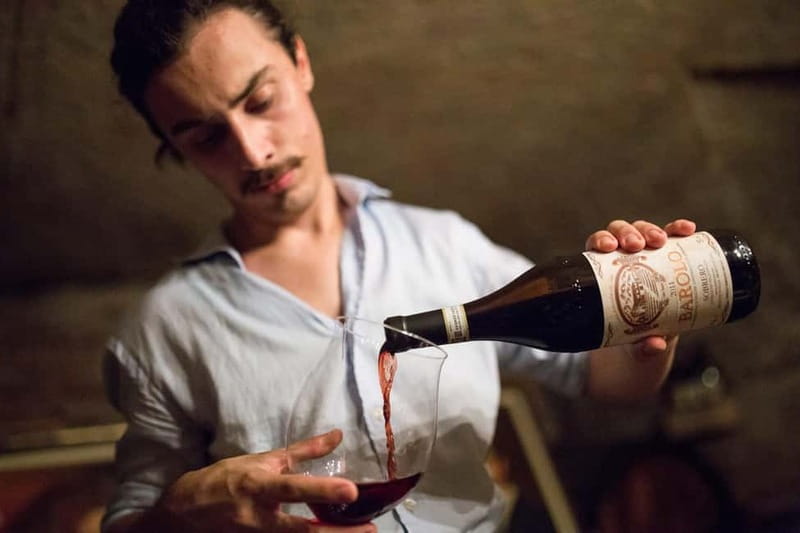
Two liqueurs are included: Barolo Chinato and Grappa di Barolo. These are distinctive additions to the standard wine tasting.
Barolo Chinato is a fortified, flavored drink made from Barolo wine and aromatic ingredients. Grappa di Barolo is a spirit made from grape pomace associated with Barolo production. Having both gives you a look at local after-dinner traditions as well as the better-known red wines.
The liqueurs also make the tasting feel more complete. You are not stopping after the main red wines. Instead, the final pours show how the estate uses and presents different products connected with Piedmont’s wine culture.
The tasting also includes one extra virgin olive oil produced by the estate. Olive oil may seem surprising in a Barolo visit, but it adds another local product to the table and gives you something to compare with the cured meats, cheese, and bread.
This is a small but meaningful detail. The emphasis is not only on famous bottles. You get a taste of the family’s wider food production and the way regional products belong together at the table.
Why the family setting matters
A large winery can offer polished facilities and a carefully timed presentation. This visit aims for something more personal. The owner, Charles, leads the introduction, and the small-group format is meant to keep the setting relaxed.
That can make a difference if you enjoy asking questions. You can focus on how the wines are made, what the family values, and how the estate presents its own products. The supplied information does not give a fixed group size, so I would not assume a private tour, but it does promise a small-group atmosphere.
The personal style has a tradeoff. A family winery visit may feel less scripted than a large commercial attraction. That is good if you want direct contact and a sense of place, but the exact pace can depend on the group and the host.
The strongest praise for this experience centers on the clear explanations, the family’s pride in its products, and the way the wines are paired with local food. One useful detail is the cellar shop at the end, where you can buy the wines you tasted directly from the producer at cellar-door prices.
That makes the purchase opportunity more practical than a generic souvenir stop. You can taste first, decide later, and buy bottles that are familiar to you. Remember that any wine purchase creates its own luggage and transport issues, especially if you are flying.
Value at $58
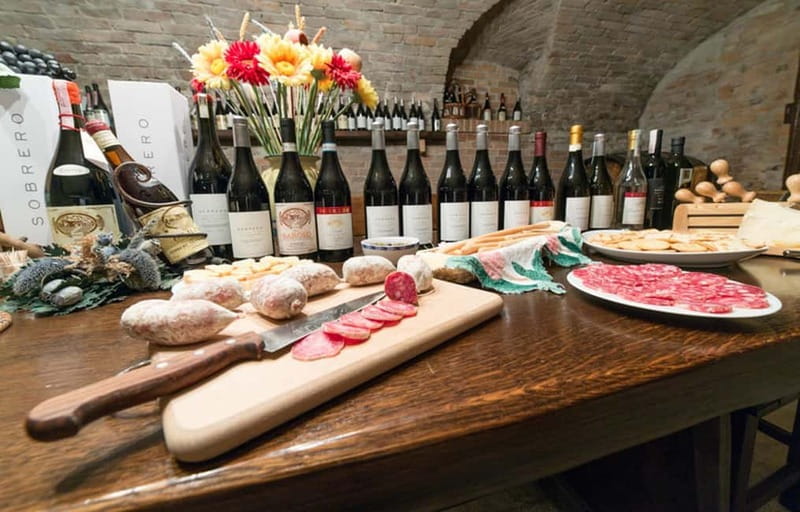
At $58 per person, the visit is priced reasonably for a two-hour winery experience that includes a guided vineyard and cellar visit, seven wines, two liqueurs, local food, and olive oil.
The value depends on what you want from a wine tour. If your priority is volume, the package gives you plenty to try in a short period. If your priority is a long meal or a full afternoon among several wineries, this is not that kind of outing.
I see the price as strongest for people who want one focused introduction to Barolo country. You get an English-language host, direct contact with a family producer, and a tasting broad enough to cover several regional styles. The food pairings also mean you are paying for more than a few small pours at a counter.
Transportation is the main extra cost to consider. You are responsible for reaching Castiglione Falletto, and the activity does not include pickup. If you are already exploring the Langhe by car, the price looks better. If you need a private taxi solely for this visit, calculate that cost before deciding.
The flexibility helps. You can reserve now and pay later, and cancellation is free up to 24 hours in advance. Check the available start times because the exact schedule is not fixed in the basic description.
Who will enjoy this winery visit
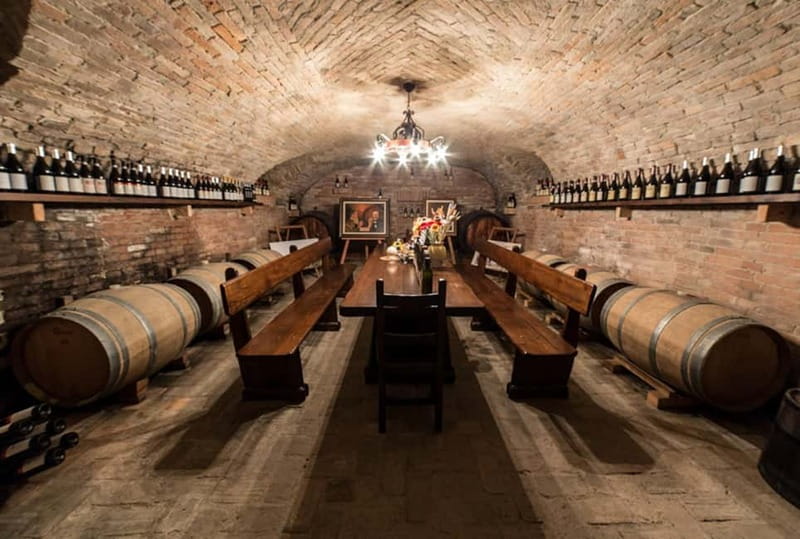
This is a good match for couples, wine beginners, and anyone who wants an approachable introduction to Piedmont’s best-known wines. The food makes it easy to enjoy even if you are still learning how to taste wine.
It also suits families because children and pets are welcome. That does not mean the visit is designed specifically for children, but you do not have to rule it out if you are traveling with them.
The visit works well for people who value local contact over grand architecture. You come for the vineyard, the cellar, the owner’s explanation, and the products on the table.
You may want a different plan if you dislike alcohol tastings, need included transport, or prefer a large attraction with a fixed, highly polished script. You should also be realistic about the timing. Seven wines and two liqueurs in two hours can feel full, especially if you want to ask many questions.
Because the tasting includes several alcoholic drinks, arrange your return transport carefully. The supplied information does not include a driving policy or transfer service, so do not assume you can join the tasting and drive immediately afterward.
Should you book Sobrero Vini?
I would book this experience if you are already visiting the Langhe and want a compact, personal introduction to Barolo country. The combination of Charles’s family presentation, vineyard and cellar access, seven wines, local food, liqueurs, and estate olive oil gives you a lot for two hours.
The choice is less convincing if you need transportation from another city or want a long winery day. In that case, the logistics may cost more than expected, and the short format may feel rushed.
For most wine-curious visitors with their own way to reach Castiglione Falletto, $58 is a fair price. You get to taste the region’s major styles in the place where they are made, then buy directly from the producer if something catches your attention. That is a useful, grounded way to experience Piedmont.
FAQ
Where does the winery tour meet?
The meeting point is the private parking area at Sobrero Vini, Via Alba Monforte, 39, 12060 Castiglione Falletto CN, Italy.
How long does the experience last?
The winery visit and tasting last two hours.
How much does the experience cost?
The listed price is $58 per person.
Is transportation included?
No. Transportation is not included, so you must make your own way to Sobrero Vini.
Which wines are included?
The tasting includes seven wines, including Barolo, Barbaresco, Barbera, and Moscato. The exact full lineup is not specified.
Are liqueurs included?
Yes. The tasting includes one Barolo Chinato and one Grappa di Barolo.
What food is served with the wine?
The tasting includes local cured meats, cheeses, rustic homemade bread, snacks, and the estate’s extra virgin olive oil.
Is the tour offered in English?
Yes. The host or greeter language is English.
Are children and pets allowed?
Yes. Children and pets are warmly welcomed.
Can I cancel the booking?
You can cancel up to 24 hours in advance for a full refund. The booking also offers a reserve-now, pay-later option.
More Food Tours in Italy
- Eat Like a Local: Venice 3-Hour Small-Group Food Tasting Tour
★ 5.0 · 3,137 reviews - Sorrento Farm and Food Experience including Olive Oil, Limoncello, Wine tasting
★ 5.0 · 2,524 reviews - Venice Like a Local: Food, Wine & Spritz Tour with Traghetto Ride
★ 5.0 · 1,858 reviews - From Florence: Tuscany Wine & Food Tour with Guide
★ 4.9 · 1,746 reviews
Just poured in Italy
- Montefioralle Winery – Tour and Wine Tasting in Chianti★ 4.5 · 92 reviews
- Tour and Tasting at an Organic Winery in the Heart of Chianti Classico Area★ 5.0 · 132 reviews
- Greve in Chianti Wine Tasting and Winery Tour★ 4.5 · 119 reviews
- Livorno Shore Excursion: Chianti and Tuscany Countryside Private Wine Tour★ 5.0 · 56 reviews
- Private tour of Etna and Winery Visit with Food and Wine Tasting from Taormina★ 5.0 · 221 reviews
- Mt Etna and Wine tasting tour from Catania★ 5.0 · 282 reviews
- Etna Tour and Lunch in a Winery with Wine Tasting★ 5.0 · 97 reviews
- Capri and Anacapri Guided Tour with Limoncello Tasting from Capri★ 4.0 · 104 reviews
Winery Tours, compared.
Douro Valley with Winery Lunch, Tastings & Cruise
Read our review →
Montserrat, Cogwheel, Black Madonna & Winery Tour
Read our review →
Montserrat with Black Madonna & Medieval Winery with Tapas/Lunch
Read our review →
Siena, San Gimignano, Pisa & Lunch at Winery
Read our review →
Wine Tour: Paarl, Franschhoek & Stellenbosch incl 3 wineries
Read our review →
Douro Valley Tour: 2 Vineyard Visits, River Cruise, Winery Lunch
Read our review →
5-Hour Traverse City Wine Tour: 4 Wineries on Old Mission Peninsula
Read our review →Browse the lists this tour appears in