
REVIEW · DRINKS TOURS
Rome: Food & Wine Tour of Campo de Fiori, Ghetto, Trastevere
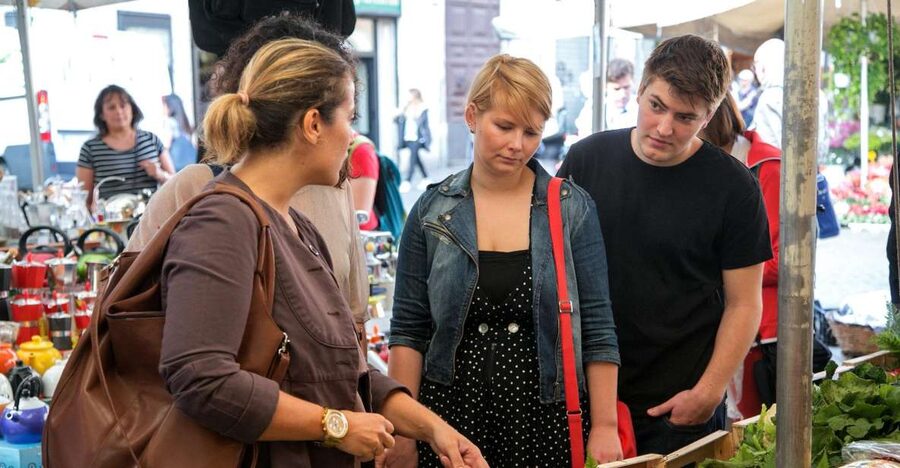
Rome’s best food lesson may come not at a formal cooking class, but while walking from a market stall to a bakery, a Roman restaurant, and a gelateria. This tour links Campo de’ Fiori, the Jewish Ghetto, and Trastevere through a generous sequence of tastings, with food history folded into the walk.
I like the clear sense of place: you taste pizza bianca with mortadella in the city center, fried specialties in the Ghetto, and pasta and gelato in Trastevere. I also like the small-group limit of 15, which gives guides such as Natasha, Lisa, Luca, and Mariel room to answer questions and keep the group together.
The main caution is dietary flexibility. The tour is not suitable for vegans or people with food allergies, and special restrictions cannot be guaranteed. The afternoon outing also skips Campo de’ Fiori Market, replacing it with a grocery shop and aperitif.
Key points to know before booking
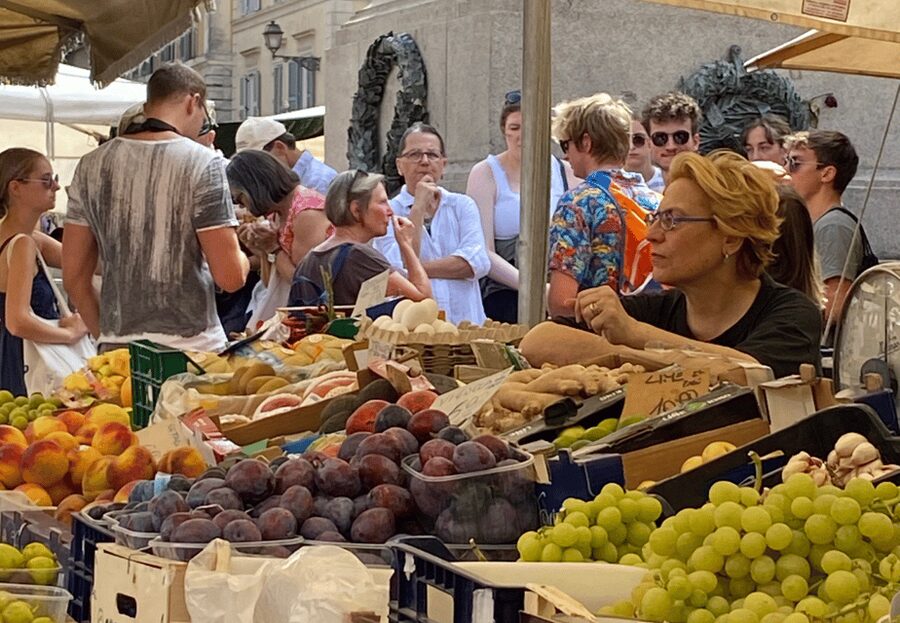
- Roman classics arrive in a steady procession: Expect pizza bianca, mortadella, mozzarella, salami, supplì, fried artichoke, codfish, pasta, wine, and gelato.
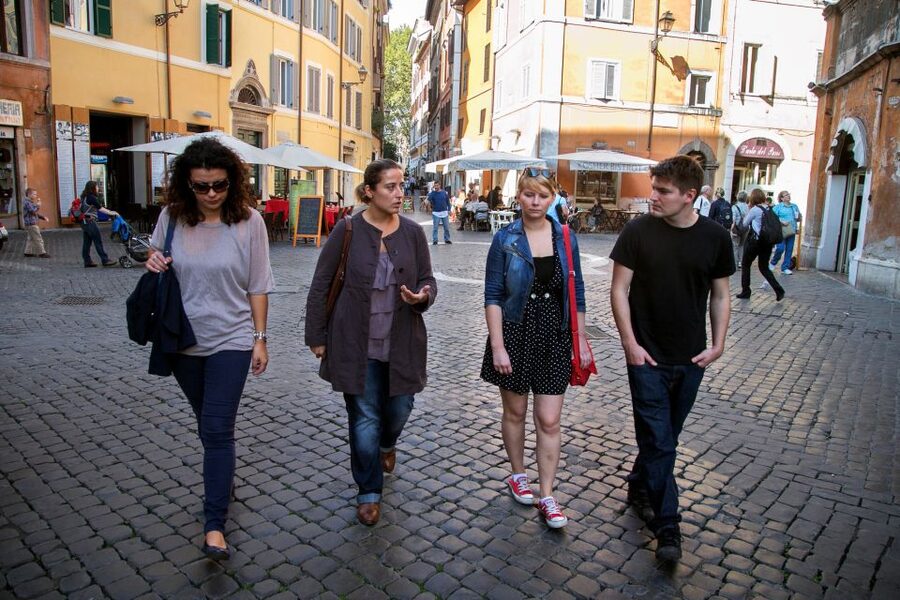
- The route covers three very different neighborhoods: Campo de’ Fiori brings market culture, the Jewish Ghetto adds distinctive Roman-Jewish food, and Trastevere supplies pasta and dessert.
- The morning option is best for market fans: The market visit depends on opening hours and is replaced in the afternoon.
- Plan to arrive hungry: Several people found the portions ample enough to feel full before the final gelato.
- The history is part of the meal: Guides explain local customs, food traditions, neighborhood stories, and practical tips for ordering in Rome.
- Comfortable shoes matter: This is a walking tour in all weather, with no hotel transportation and no place for large luggage.
A Roman food tour that teaches you how to eat
At $81 per person, this is not a quick snack crawl. It is a 2 to 3.5-hour introduction to Roman food culture, with several stops and enough food to replace a meal for many people.
I see the value in the combination. You are not paying only for tastings. You are also getting a local guide who connects each dish to the neighborhood around it, points out shops you might otherwise pass, and explains how to approach Roman food without ordering at random.
The strongest part of the experience is its range. You move from market produce and specialty groceries to bakery food, fried Roman staples, pasta, wine, and gelato. That makes the tour useful early in a Rome stay, when you still need help deciding where to eat and what the names on a menu mean.
The format also suits solo visitors and couples who want company without joining a huge group. A maximum of 15 people is small enough for questions, though the experience will still depend on the group’s walking pace and appetite.
More Food Tours in Rome:
- Rome by Night – Ebike Small Group Tour – Food and Wine (Option)
★ 5.0 · 1,275 reviews - Rome: E-Bike Night Tour with Food and Wine Tasting
★ 4.9 · 1,131 reviews - Rome: Trastevere Guided Food and Wine Tour with 20+ Tastings
★ 4.9 · 1,022 reviews
Starting at Campo de’ Fiori Market
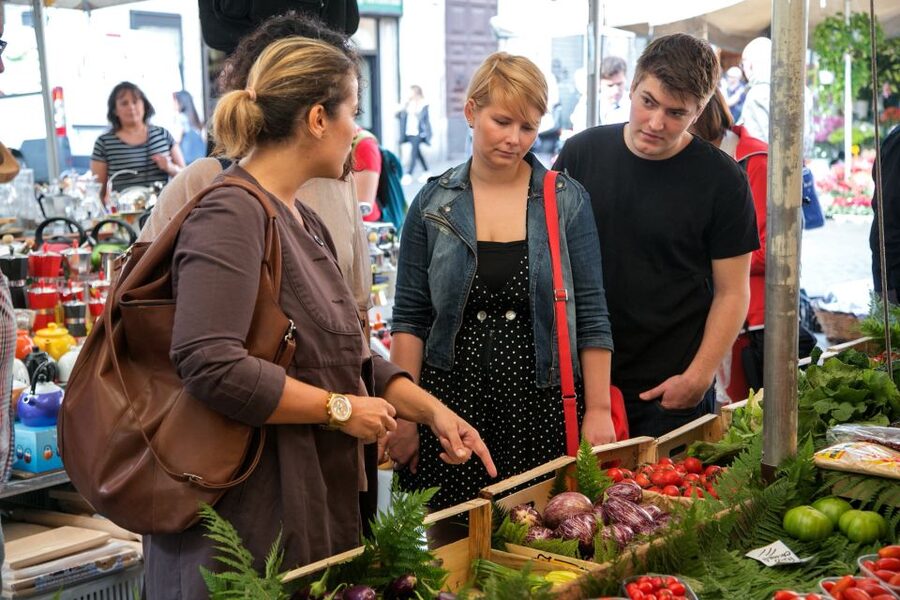
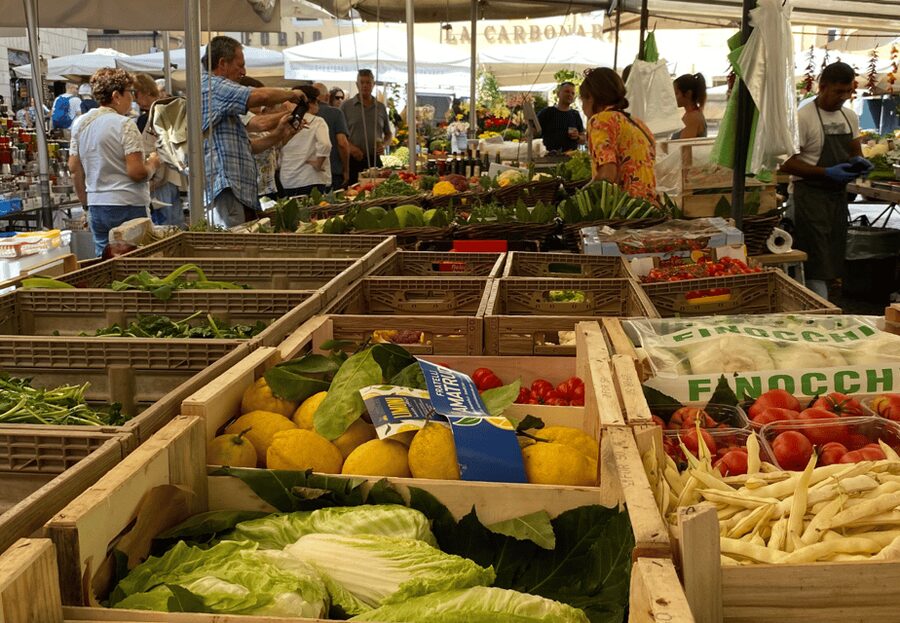
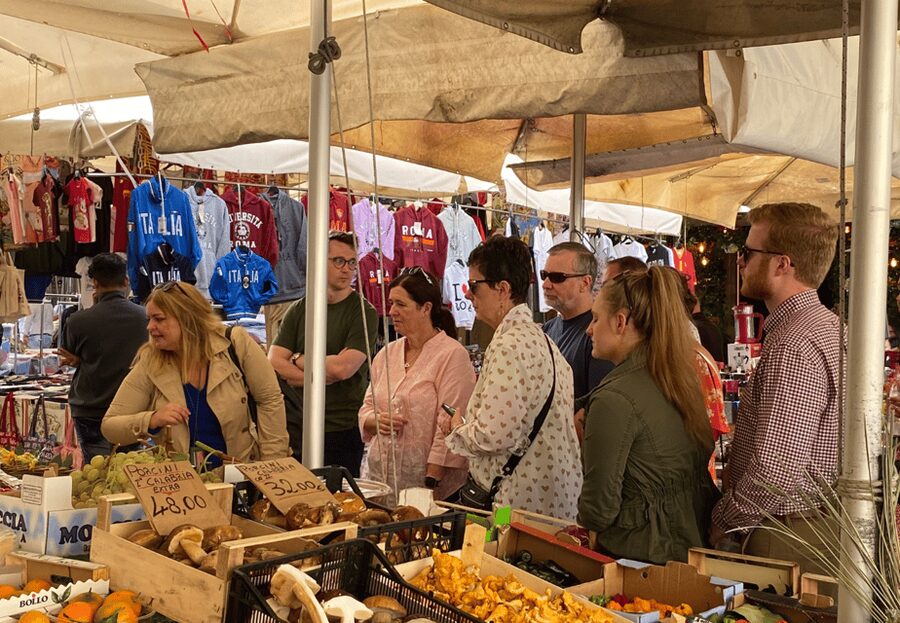
The morning tour begins with Campo de’ Fiori Market, one of Rome’s best-known food stops. You can expect displays of fruits and vegetables, specialty ingredients, and the chance to see how food is presented and sold in a central Roman market.
This is not simply a pass through stalls. The guide uses the market to explain Roman ingredients and food habits, including the importance of buying quality produce and recognizing the difference between a shop aimed at local cooking and one aimed mainly at sightseeing.
The market visit gives the tour an immediate sense of daily life. You may see colorful produce, spices, and other ingredients before tasting prepared food. It is a useful contrast to the restaurants later in the route, since you first see the raw materials and then encounter them in finished dishes.
The timing matters. Choose the morning option if Campo de’ Fiori Market is important to you. The afternoon tour does not include the market because of opening hours. Instead, it visits a typical grocery store and includes an aperitif. That replacement still fits the food theme, but it is not the same experience.
Pizza bianca, mortadella, and the Roman mid-morning bite
One of the tour’s signature tastings is pizza bianca with thin slices of mortadella. Do not picture a pizza covered in tomato sauce and toppings. Roman pizza bianca is a simple, bread-like flatbread, and its appeal comes from the texture of the dough, the salt, the oil, and the savory mortadella.
This pairing explains an everyday Roman snack better than a famous restaurant dish would. It is the sort of food that can be eaten casually and quickly, yet it says a lot about local preferences: good bread, good cured meat, and no need to pile on extras.
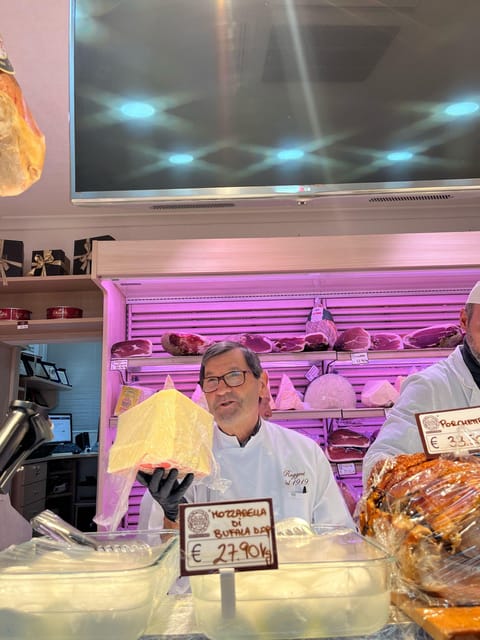
You will also taste mozzarella with Roman salami. That stop gives the guide a chance to discuss freshness, texture, and the place of cheese and cured meat in Roman meals. It is a small lesson in how Italians build a meal from a few well-chosen ingredients rather than a long list of additions.
The portions across the tour are generous. Several participants found themselves full before the last stop, so I would not eat a large breakfast beforehand. For a morning booking, a light start is the sensible plan.
The Jewish Ghetto and Rome’s fried specialties
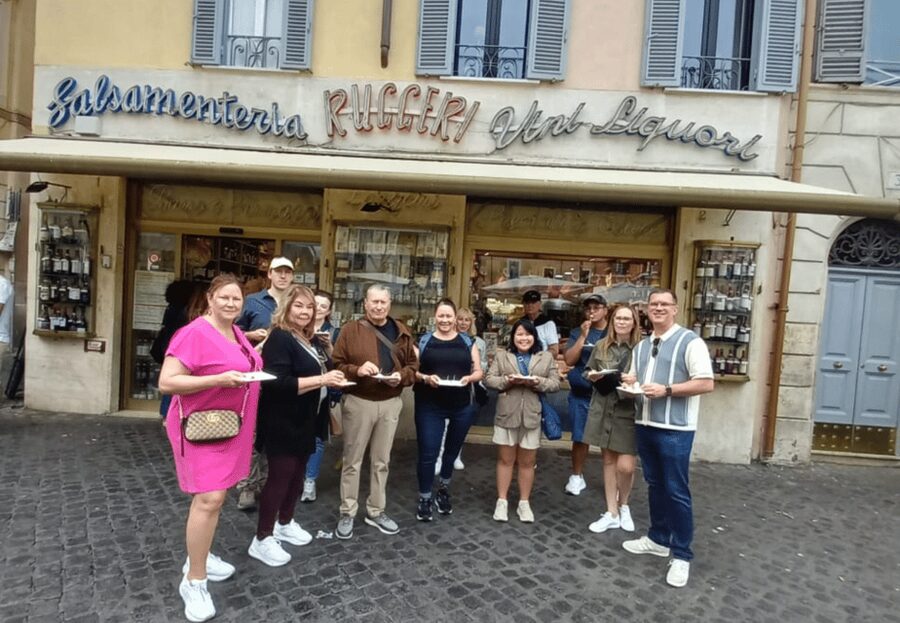
The route continues into the Jewish Ghetto, where the food changes again. This neighborhood is especially important to the tour because its cooking reflects a distinct Roman-Jewish tradition, including fried dishes that are closely tied to local customs.
You may sample fried artichoke, supplì, and fried codfish. The artichoke is a key reason to think about seasonality. It is especially associated with the Jewish Ghetto when artichokes are in season, so the exact experience can vary depending on your dates.
Supplì is one of Rome’s essential street foods: a browned, fried rice ball with tomato flavor and a center of melted mozzarella. When you split one open, the cheese can stretch, which explains the old association with the dish’s telephone-wire nickname. The tour presents it as a Roman favorite rather than just another fried snack.
Fried codfish adds a different texture and flavor to the sequence. The combination of artichoke, supplì, and codfish shows how frying became an important part of Roman food traditions, especially in the Ghetto.
This section is also where the walking history becomes most valuable. Guides have shared the story of the neighborhood, its food customs, and the way local traditions developed. You are not just eating three unrelated samples. You are seeing how a district’s identity can appear on a plate.
More Drinks Tours in Rome:
- Rome: Tuscany & Montepulciano Day Trip with Lunch & Wine Tasting
★ 4.5 · 5,232 reviews - Rome: Pasta Making Class with Wine, Limoncello, and Dessert
★ 4.9 · 3,177 reviews - Rome Cooking Class: Make Pasta and 3 Spritz Cocktails
★ 5.0 · 2,937 reviews - Learn to Make Pasta & Tiramisu with Wine and Limoncello Included
★ 5.0 · 2,345 reviews
Trastevere for pasta, wine, and gelato
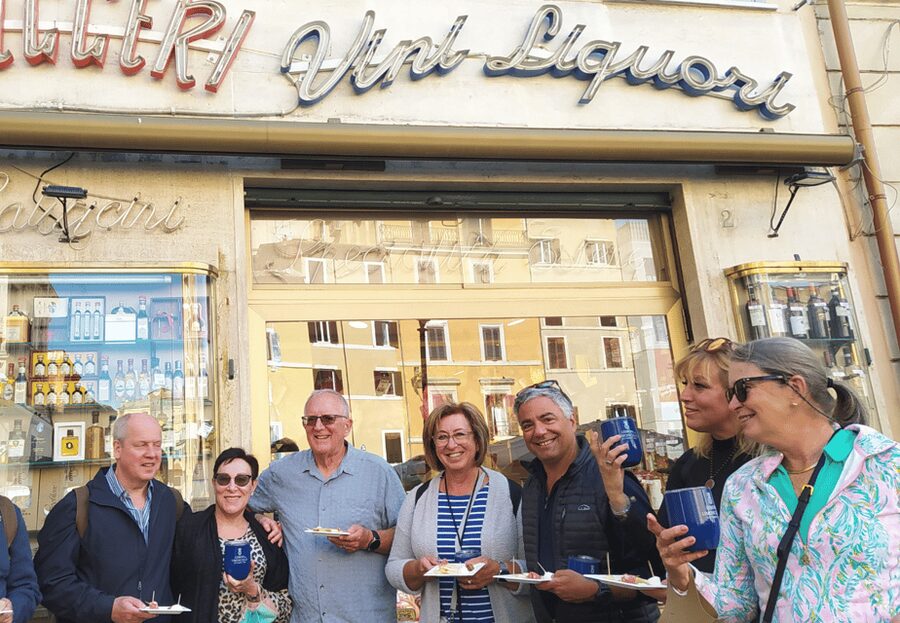
The final neighborhood is Trastevere, known for its narrow lanes, small squares, and restaurant culture. Here the food shifts from market and fried snacks to pasta, wine, and dessert.
The pasta tasting is a chance to learn what separates carefully made pasta from an ordinary plate. The guide may discuss ingredients, preparation, texture, and the habits that help you order more intelligently in Rome. The point is not to turn you into a pasta maker in one afternoon. It is to give you enough context to notice quality and choose with more confidence later.
Wine is served along the route, adding a regional element to the meal. The amount and selection can vary, but wine is part of the shared tasting experience rather than a separate bar stop. If you do not drink alcohol, check the arrangements before booking because the supplied details do not promise alternatives.
Then comes gourmet gelato in Trastevere. This is a welcome finish after the savory stops, but it is not a token spoonful. The tour uses the gelateria stop to explain what to look for in good gelato and how to avoid poor-quality displays.
The gelato also provides a practical Rome tip. Guides can point you toward the visual and text clues that help separate freshly made gelato from products that have been stored or colored for effect. You leave with dessert, but also with a better eye for future gelato stops.
Guides who make the difference
The food is the reason to book, but the guide shapes the day. The strongest guide descriptions consistently point to warmth, humor, local insight, and the ability to connect food with architecture, customs, and neighborhood stories.
Natasha is praised for keeping people engaged and sharing recipes, Roman history, and restaurant advice. Lisa is described as warm and accommodating, with a strong grasp of both food and local history. Luca is remembered for a friendly manner and strong command of the subject.
Mariel has led tours with a relaxed pace, frequent bathroom opportunities, and good knowledge of the shops and restaurants along the route. Gloria, Valeria, Chiara, Federica, and Anastasia are also among the guides praised for making the food and history easy to follow.
You cannot choose a specific guide from the information provided, so consider the names as examples of the style you may encounter, not a promise of assignment. The common thread is a tour that aims to feel social and conversational rather than like a speech delivered while walking.
How much walking and food should you expect?
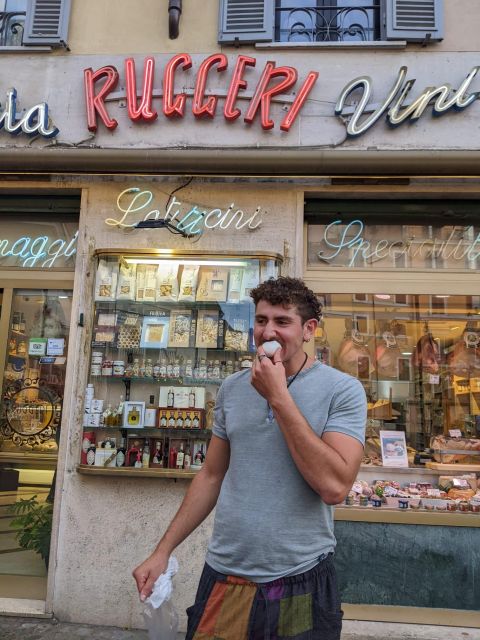
The tour covers a fair stretch of central Rome, but the walking is described as manageable rather than strenuous. You will move between food stops, plazas, shops, and side streets, with time to eat and listen along the way.
Wear comfortable shoes. The tour runs in all weather, so bring sun protection in hot months and an umbrella or suitable rain gear when the forecast calls for it. Sunglasses, a hat, and sunscreen are sensible additions.
Do not bring luggage or a large bag. This is important if you are arriving directly from a train station or checking out of a hotel. The tour does not include hotel pickup or drop-off, and you need to reach the meeting point on your own. The exact meeting point can vary with the option booked.
The food load is substantial. You may receive small portions at individual stops, but the total adds up to a full meal for many people. I would schedule the tour instead of lunch or dinner, not immediately before a planned restaurant meal.
Price, group size, and real value
At $81, the tour costs more than simply buying a supplì and gelato on your own. That comparison misses the main value, though. You are paying for a guided route through three neighborhoods, multiple tastings, wine, market or grocery access, and an explanation of what you are eating.
The price makes more sense if you use the tour as a starting point for the rest of your stay. Guides can tell you where to return, how to order, what foods are typical, and which places may be worth putting on your map. Some participants saved restaurants and food shops to revisit later, which is exactly how a good food walk should pay off.
The maximum group size of 15 is another positive factor. It is not a private tour by default, but it is small enough for a guide to answer questions and notice if someone is falling behind. Private groups are available if you want a more personal format.
Free cancellation up to 24 hours before the activity and the option to reserve now and pay later add useful flexibility. These details matter less than the food itself, but they help if your Rome schedule is still shifting.
Who should book this food walk?
I would put this near the start of a Rome visit. It gives you a working vocabulary for Roman food and helps you understand the neighborhoods before you return on your own.
It suits first-time visitors who want a gentle introduction, solo visitors looking for an easy social activity, and repeat visitors who have already seen the major monuments and want a different view of the city. It also works well for people who enjoy history but do not want a formal museum lecture.
Food-focused couples and families should find plenty to like, especially if everyone is happy to share. The variety is a major strength: bread, cured meat, cheese, fried food, pasta, wine, and gelato keep the experience from feeling repetitive.
This is not the right choice for vegans or people with food allergies. The tour provider cannot guarantee special dietary accommodations. Vegetarians may be accommodated in some cases, but you should ask before booking rather than assume every stop can be changed.
People who dislike walking, hot weather, rain, or a large amount of food should also think twice. There is no hotel transport, no large-bag storage, and no promise that the exact food selection will be identical on every date.
Should you book it?
Book this tour if you want Rome explained through what people actually eat: bread and mortadella, fried artichoke, supplì, Roman-Jewish specialties, pasta, wine, and gelato. The strongest reason to choose it is the combination of generous tastings and neighborhood context, especially in the Jewish Ghetto and Trastevere.
Choose the morning departure if Campo de’ Fiori Market is a priority. Arrive hungry, wear good shoes, and leave room for gelato.
Skip it if you need strict dietary control, prefer a short tasting with little walking, or already have a carefully planned food itinerary. For most omnivorous food lovers, though, $81 buys more than a meal. It gives you a practical introduction to Roman eating, plus several places and dishes worth seeking out again.
FAQ
How long does the Rome food tour last?
The activity is listed as lasting between 2 and 3.5 hours, depending on the option booked. The main walking tour description presents it as a 3.5-hour experience.
What food is included?
The tastings include pizza bianca with mortadella, mozzarella with Roman salami, fried artichoke, supplì, fried codfish, pasta, wine, and gourmet gelato. The exact selection can vary.
Does every tour visit Campo de’ Fiori Market?
No. The morning option includes Campo de’ Fiori Market. The afternoon tour replaces the market visit with a typical grocery store and aperitif because of market opening hours.
Is the tour suitable for vegetarians?
Vegetarian accommodations have been possible on some tours, but they are not guaranteed. The provider specifically says the activity is not suitable for vegans and cannot guarantee accommodations for special food restrictions.
Is hotel pickup included?
No. Hotel pickup and drop-off are not included. You must reach the meeting point yourself, and the meeting point may vary depending on the option booked.
What should I bring?
Bring comfortable shoes, sunglasses, a sun hat, sunscreen, and an umbrella. The tour operates in all weather, and large bags or luggage are not allowed.
Just poured in Rome
- Rome: Trionfale and Prati Food and Wine Tasting Tour★ 4.8 · 115 reviews
- Rome: Trastevere Food Walking Tour with Beer and Wine★ 4.9 · 71 reviews
- Rome: Tipsy Painting Class with Fine Wine and Arts★ 4.9 · 178 reviews
- Rome: Trastevere Food and Wine Tasting Tour★ 4.9 · 54 reviews
- Rome: Trastevere Wine Tasting with Food Pairing and Gelato★ 4.9 · 168 reviews
- Rome: Pizza & Gelato Making Class with Wine & Limoncello★ 4.7 · 499 reviews
- Rome: Private Tuk Tuk Tour with Hotel Pickup and Prosecco★ 4.9 · 68 reviews
- Rome: Italian Food and Wine Guided Tasting Experience★ 4.8 · 92 reviews
Drinks Tours, compared.
Douro Valley w/ Boat Tour, Wine Tasting & Lunch
Read our review →
Chichen Itza, Cenote & Valladolid Tour with Tequila and Lunch
Read our review →
Complete Douro Valley Wine Tour with Lunch, Wine Tastings and River Cruise
Read our review →
Zakopane: Cable Car, Chocholow Baths, Cheese & Vodka
Read our review →

Zakopane: Cable Car, Chocholow Baths, Cheese & Vodka
Read our review →
Small-Group Wine Tasting Experience in the Tuscan Countryside
Read our review →Browse the lists this tour appears in