
REVIEW · RUM TASTINGS
San Pedro De Macoris: Ron Barcerló Rum Factory Tour
The most interesting part of this Ron Barceló tour is that it takes you beyond a tasting room. You see barrels being prepared, rum aging in storage cellars, tanks being filled, and bottles moving through the production area. The Historic Center also explains how Dominican sugar cane becomes a finished spirit.
I like the mix of working factory and small museum, and I like the chance to taste Añejo or Imperial rum in the place where it is made. Guides such as Juan Carlos, Leonardo, and Luis have led tours in English, French, Spanish, German, and Italian. The main drawback is the factory’s remote setting, with no included transportation and a 25-step staircase to climb.
Key points to know before you go
- See real production areas: The route can include aging cellars, barrel preparation, tank filling, bottling, and packaging.
- Choose your tasting style: The standard visit includes an Añejo tasting, while the longer Imperial option adds a premium tasting inside an aging cellar.
- Allow 60 to 90 minutes: The shorter visit covers the main factory and visitor center; the Imperial version takes longer.
- Bring proper footwear: Closed-toe shoes are required, and sandals, flip flops, and high heels are not allowed.
- Plan your ride carefully: Transportation is not included, and the site can be difficult to locate without Google Maps.
- Budget-friendly bottle shopping: The factory shop may offer rum at better prices than other places in the Dominican Republic.
A factory visit that explains more than the bottle
At $20 per person, this is a good-value outing for anyone curious about Dominican rum. You are not simply handed a glass and shown a few brand displays. The visit follows several steps in production, then finishes with a museum, tasting area, and shop.
The factory is in the San Pedro de Macorís area, although the activity information also identifies the wider province as La Altagracia. Use the stated meeting point and GPS coordinates carefully: 18.5423793, -69.3855809. The site is not well marked, so I would save the location before leaving your hotel.
The tour lasts about one hour in its shorter form and up to 90 minutes for the Imperial option. That is a sensible length. You get enough time to understand the work without turning a simple rum visit into an all-day commitment.
More Rum Tastings in the Dominican Republic
- 101 Oliver Rum Tasting & Pairing And Taino Concept Store
★ 5.0 · 244 reviews - Punta Cana Oliver & Oliver Rum Tasting & Taino Concept Store
★ 4.6 · 146 reviews - Don Lucas Cigar Factory & Store + Premium Rum Tasting (3 hours)
★ 3.5 · 126 reviews
From sugar cane to aged rum
The tour begins with the rum-making process. You learn about the raw material, including Dominican sugar cane, then follow the stages that turn it into a finished drink. The explanations cover harvesting, distilling, aging, and blending or preparation for bottling.
I find this part useful because it gives the tasting some context. Rum can seem like a simple drink until you see how many steps come before the bottle reaches a shop shelf. The guide helps connect the industrial equipment with the flavor in your glass later.
The factory uses both old and new methods. That contrast gives the visit its character. You get a look at traditional barrel work alongside modern production operations, rather than seeing only polished displays designed for tourists.
The exact production activity may vary on the day. One visitor found the bottling plant closed during a seasonal visit, but still considered the tour worthwhile. You should think of this as a working factory visit, not a guaranteed show where every machine runs on schedule.
Inside the aging cellars
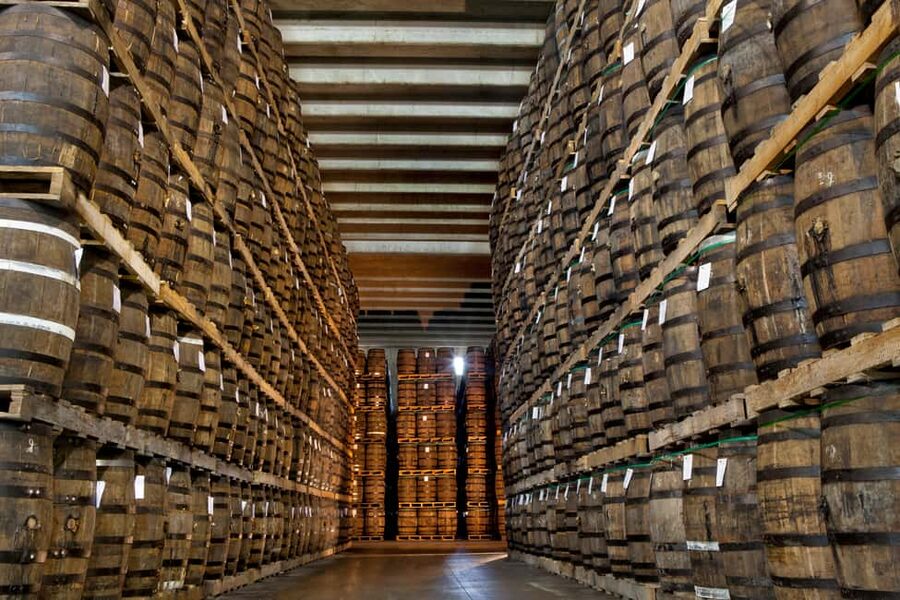
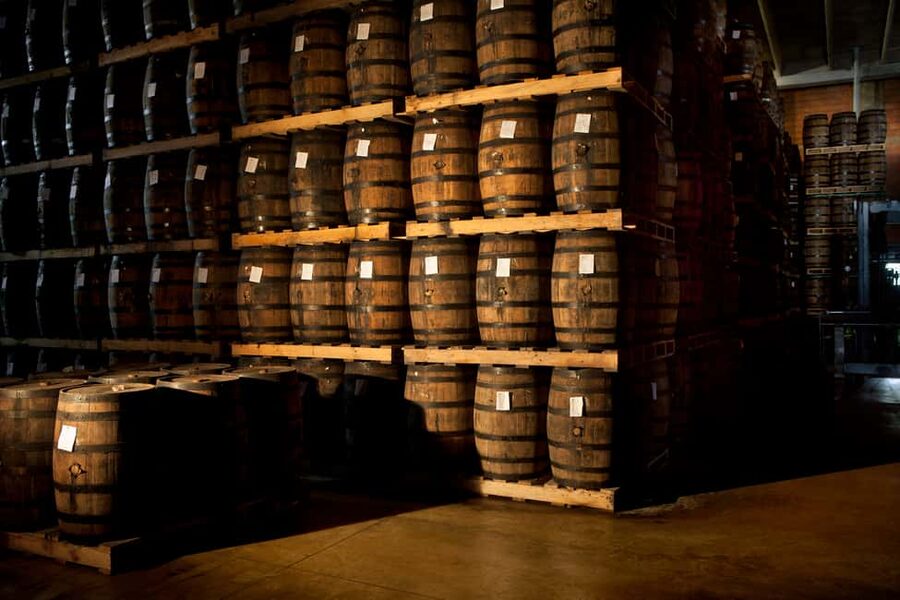
The aging cellar is one of the strongest parts of the route. Here you can see rows of barrels and learn about the time rum spends resting before it is ready. The guide also explains evaporation, the natural loss of liquid that takes place while the rum ages.
That detail matters because aging is not just a matter of leaving a barrel untouched. Temperature, wood, time, and evaporation all affect the final product. You do not need to be a rum expert to appreciate the point: the spirit changes before it is bottled, and some of the rum is lost along the way.
The standard tour may take you through the aging area as part of the factory route. If you choose the Imperial option, the tasting takes place inside an aging cellar. That gives the premium version a more intimate setting and a stronger connection between the product and its place of production.
The cellar option is also where a private guide can spend more time explaining how to taste Imperial rum. If you already enjoy aged spirits, the extra 30 minutes and higher-level tasting may be worth choosing. If you mainly want to see how rum is made and sample a glass, the shorter visit should be enough.
Barrel making, scraping, and burning
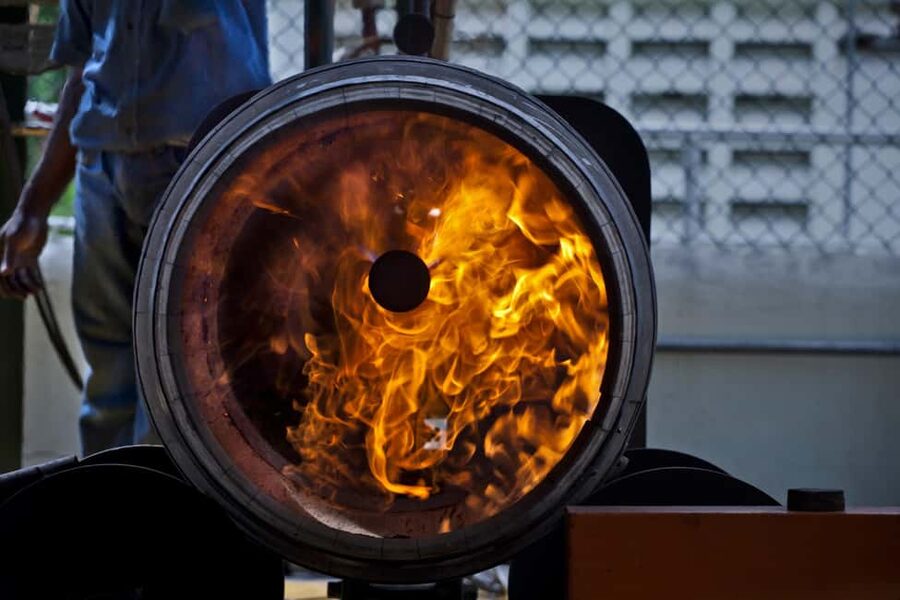
The barrel workshop shows a hands-on side of the operation. Before a barrel can be used for aging, it is prepared through steps that include scraping and burning. This is a small but memorable stop because it shows that the barrel is part of the recipe, not simply a container.
I like this section for its practical feel. Modern filling and bottling equipment can look like any large factory machinery, but barrel preparation gives you something specific to connect with the character of aged rum.
The guide can explain why the wood needs preparation and how the barrel is made ready for the spirit. You will not need specialist knowledge, but closed shoes are important here and throughout the factory. High heels, sandals, and flip flops are not permitted.
Keep the staircase in mind, too. The route includes 25 steps, so this is not a completely flat museum visit. The information supplied does not describe an alternative route, so you should ask the operator before booking if the stairs could be a problem.
More Rum Tastings in the world:
- Eastern Madeira: Full-Day Tour with Rum Tasting
★ 4.7 · 1,575 reviews - Rum Tasting Tour at Casa BACARDÍ in Puerto Rico
★ 4.5 · 1,095 reviews - Rum Tasting and Food Walking Tour in Nassau Bahamas
★ 5.0 · 1,030 reviews - Full-Day Tour: Concord Waterfall, Chocolate Factory, Rum Distillery, Grand Etang
★ 5.0 · 871 reviews
Tanks, bottling, and packaging
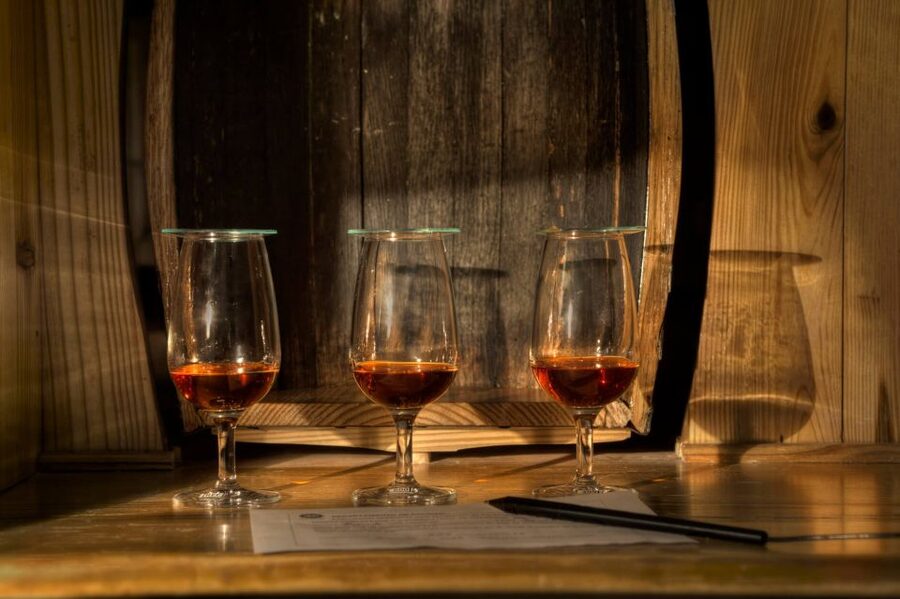
The factory route can continue through the tank filling, bottling, and packaging operations. These areas show the less romantic but essential side of rum production. After the spirit has aged and been prepared, it must be measured, filled, labeled, packed, and sent on its way.
One tour participant described seeing the barrel storage warehouse, barrel-making process, tank filling operation, and bottling operation in the same visit. That sequence gives you a clear sense of the scale of the work.
Production schedules can change. Bottling may be closed during certain visits, including some holiday periods. That does not cancel the value of the other stops, but you should keep your expectations sensible. You are entering a working facility, so the complete operation may not be active every time.
The factory is described as an eco-friendly producer of premium rums. The tour lets you see how that idea is put into practice through the production process, rather than asking you to accept a slogan without explanation.
The Historic Center Barceló
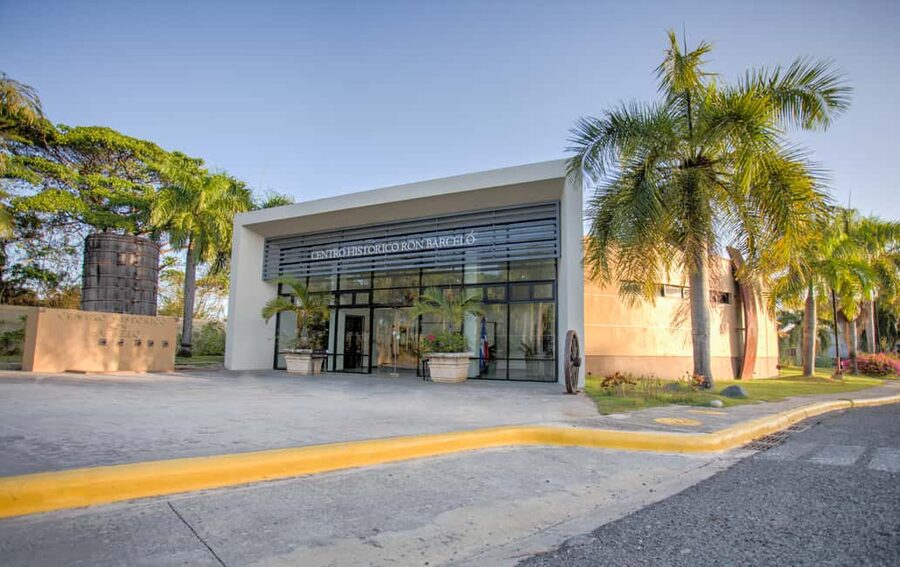
After the factory areas, you visit the Centro Histórico Ron Barceló, described as the first historic center of its kind in the Dominican Republic. This part shifts the focus from daily production to the company and the wider story of rum.
The museum is small, but it adds useful background. You can watch a video and see displays about rum production and the development of the company. One hour-long visit included enough factory information, museum time, and tasting to feel complete without dragging.
I would not book this solely as a museum visit. The museum is an important part of the route, but the production spaces and tasting are the main reasons to come. Think of the Historic Center as the piece that ties the working factory together.
It also helps if you are visiting with family or friends who have different interests. Someone fascinated by machinery can focus on the production areas, while someone more interested in local products and history may prefer the museum and shop.
Tasting Añejo and Imperial rum
The tasting is the payoff, but it works better because you have just seen the production stages. Depending on the visit you choose, you may taste Añejo, Imperial, or several products. One completed tour included three rums, while the Imperial option specifically centers on Barceló Imperial in an aging cellar.
The tasting format can vary, so check the exact option when booking. The included information lists both Añejo and Imperial tastings, but the shorter and longer versions are not described as identical experiences.
A guide can show you how to appreciate the rum rather than simply passing you a glass. Look at the color, smell the spirit, take a small sip, and pay attention to how the flavor changes. You do not need to pretend to detect ten different aromas. The point is to understand why an aged rum costs more than a basic pour.
The Imperial option is the better choice for a rum enthusiast. It includes a 90-minute experience, a private passionate guide, and tasting inside the aging cellar. For a casual drinker, the standard tour gives you the essential factory visit and a sample without asking you to spend more time than necessary.
You can buy additional samples at the tasting area, according to the experience described by one visitor. That may appeal to anyone who wants to compare products, but remember that the included tasting is already part of the tour.
The shop and the practical value of buying here
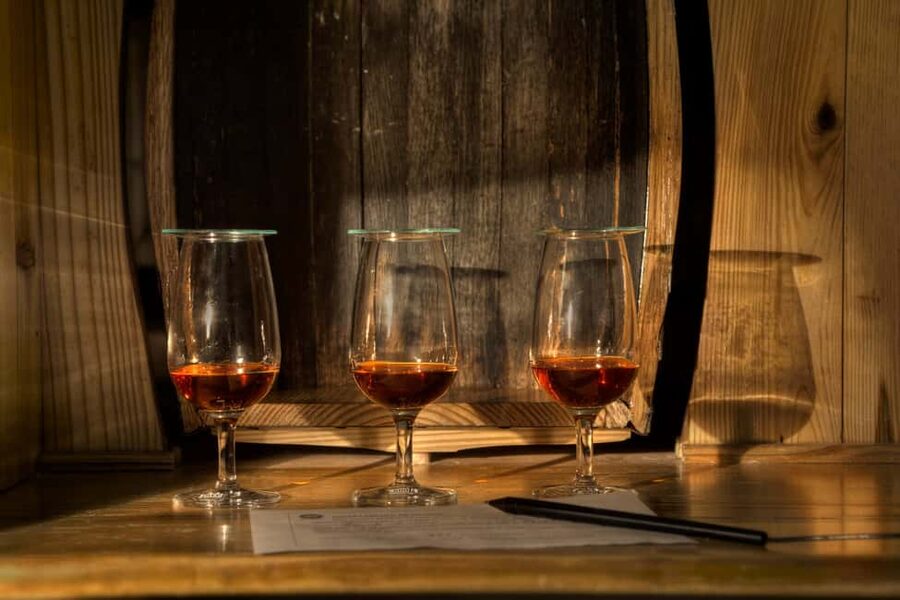
The visit ends at the Barceló shop, where you can find rum and branded merchandise. The shop is not large, but it gives you a chance to buy something tied directly to the factory rather than picking up a bottle at a generic souvenir store.
The strongest practical tip is to compare prices before you visit. The factory shop has been described as cheaper than other places, so it may be the right place to buy a bottle. I would still check airline baggage rules and your destination’s alcohol allowance before making a large purchase.
At $20, the tour itself is already fairly easy to justify. You receive a guide, entry to the Historic Center, access to production areas, and a tasting. The value improves if you are staying nearby or already arranging transport to San Pedro de Macorís.
Transportation is not included. The factory can feel remote if you are traveling alone, so arrange your return ride before you arrive. The staff may help you find transport, but I would not rely on finding a taxi by chance after the visit.
Languages, group size, and guide quality
Tours are available in English, French, Spanish, German, and Italian. That is helpful in a place where technical explanations matter. A clear guide makes the difference between seeing machinery and understanding what it does.
Juan Carlos has led an English-language tour, while Leonardo has guided visitors in French. Luis has also been praised for answering questions clearly and making people feel comfortable during the visit. Guide assignments can change, so treat these names as examples rather than a promise for your booking.
Small groups are available. This is worth requesting if you want time for questions or plan to choose the Imperial tasting. A smaller group also makes it easier to hear the guide inside factory spaces, where machinery and hard surfaces can create noise.
The overall experience has received a 4.6 rating from 76 reviews, which fits the main strengths: organized guides, good tastings, a clear route, and strong value. The limits are just as clear: transportation is your responsibility, the site can be hard to find, and not every production area will necessarily be active.
Who should book the Ron Barceló tour?
I would recommend this for adults interested in rum, food and drink production, Dominican products, or factory visits. It also works well as a short activity from the San Pedro de Macorís area. The one-hour length leaves room for another plan the same day.
The tour suits you especially well if you want to:
- See how barrels and bottles fit into rum production
- Taste a Dominican rum in its place of origin
- Visit a working factory rather than only a retail tasting room
- Buy rum at a potentially favorable price
- Take a guided tour in one of several languages
I would think twice if you dislike industrial sites, cannot manage 25 stairs, or have no reliable way to reach the factory and return afterward. It is also not the right choice if you expect every machine to be running during your visit.
Bring your passport or ID card, wear closed-toe shoes, and leave sharp objects and weapons behind. The rules are simple, but the footwear requirement is firm. Bookings can be canceled up to 24 hours before the visit for a full refund, and reserve-now-pay-later booking is available.
Should you book it?
Yes, if you want a practical introduction to Dominican rum and can solve the transport question. The $20 standard tour gives you more than a quick sample: you see aging cellars, barrel preparation, factory operations, a museum, and the shop.
Choose the Imperial version if the tasting matters most and you want extra time with a private guide in the aging cellar. Choose the shorter visit if you mainly want the production story and a taste of Añejo.
My advice is to save the GPS coordinates, arrange your ride in both directions, wear sturdy closed shoes, and allow up to 90 minutes if you want the fuller experience. With those details handled, the Ron Barceló factory makes a useful and good-value stop.
FAQ
How long does the Ron Barceló factory tour take?
The experience lasts about one hour to 90 minutes. The Imperial option is the longer version and includes a tasting inside an aging cellar.
How much does the tour cost?
The listed price is $20 per person.
What does the tour include?
It includes a guide, entry to the Centro Histórico Ron Barceló, and rum tasting. The tasting information includes Añejo and Imperial rum options.
Is transportation included?
No. You must arrange transportation to and from the Ron Barceló site in San Pedro de Macorís.
What should I wear and bring?
Bring a passport or ID card and wear closed-toe shoes. High heels, sandals, and flip flops are not allowed.
Is the tour available in English?
Yes. Guided tours are available in English, French, Spanish, German, and Italian. Small groups are also available.
Just poured in the world
- Valle de Guadalupe winery and brewery tours★ 5.0 · 123 reviews
- Private Wine Tour at Valle de Guadalupe (A wine tasting included).★ 5.0 · 99 reviews
- Off Road Tour Experience plus Winery visit in Baja★ 5.0 · 174 reviews
- ATV Off-Road Adventure through Valle de Guadalupe + Winery Visit★ 4.5 · 201 reviews
- Shared Gin, Vodka & Rum Making Experience at Nelson’s Distillery★ 5.0 · 64 reviews
- Private Wine Tour by Ansell Tours★ 5.0 · 174 reviews
- Discover Malt Whisky Day Tour Including Admissions from Edinburgh★ 4.5 · 285 reviews
- Edinburgh: Holyrood Distillery ‘Journey to Whisky’ Tour & Tasting★ 5.0 · 126 reviews
Rum Tastings, compared.
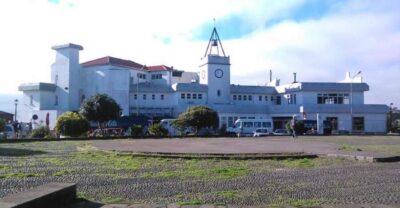
Eastern Madeira: Full-Day Tour with Rum Tasting
Read our review →
Rum Tasting Tour at Casa BACARDÍ in Puerto Rico
Read our review →
Rum Tasting and Food Walking Tour in Nassau Bahamas
Read our review →
Full-Day Tour: Concord Waterfall, Chocolate Factory, Rum Distillery, Grand Etang
Read our review →
Bundaberg Rum Behind The Scenes Distillery Tour And Museum Experience
Read our review →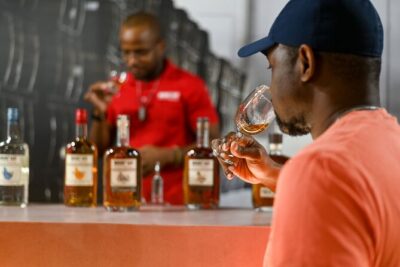

Private Aruba Snorkeling Excursion with Rum Punch
Read our review →Browse the lists this tour appears in