
REVIEW · WINERY TOURS
Visit and Wine Tasting at the Territorio Luthier Winery
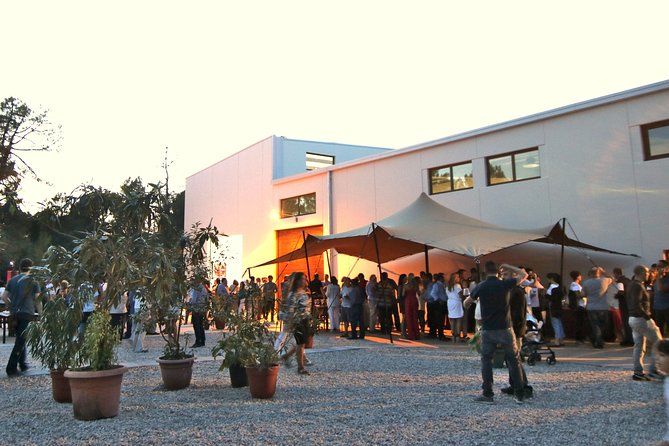
Territorio Luthier offers a close look at a small winery where unusual grape varieties, careful production, and different types of aging wood matter as much as the final pour. I like the small-group limit of nine and the chance that the owner may personally welcome you, rather than sending you through a large commercial cellar.
I also like the clear focus of the tasting: four red wines, usually from the crianza and reserva ranges, served with snacks. The main thing to weigh is the setting and transport. You must reach the winery from the Hotel Montermoso meeting point yourself, and the wines are made in small quantities, so bottles can cost more than mass-produced alternatives.
Key points to know before you book
- Small winery, small group: The experience accepts a maximum of nine people, giving the visit a more personal feel.
- Production comes first: You tour the working rooms, fermentation tanks, viticulture methods, and aging areas before tasting.
- Rare grape varieties: Territorio Luthier works with strains in danger of extinction, an unusual subject for a short winery visit.
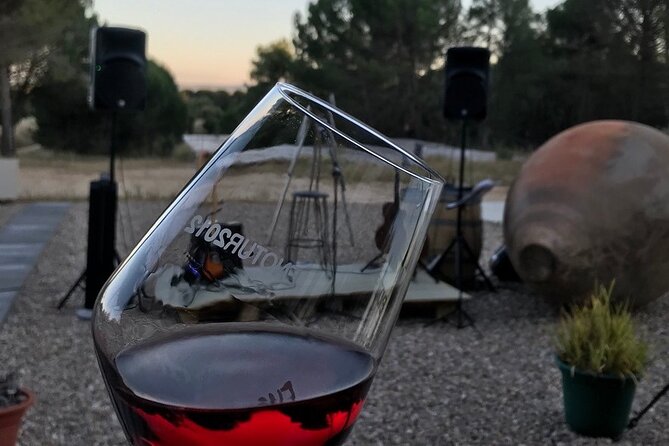
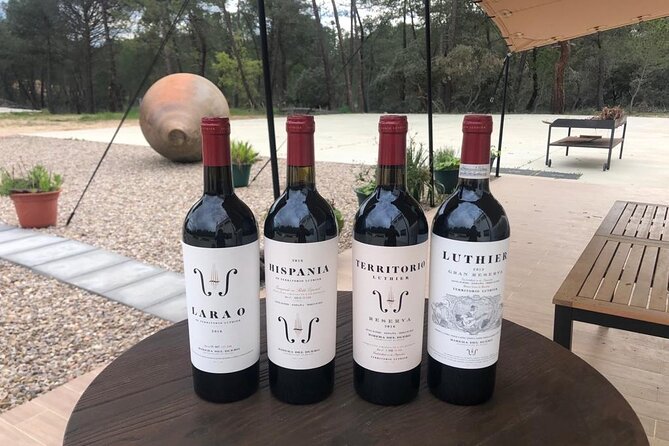
- Four red wines: The tasting normally centers on crianza and reserva wines, with Hispania Reserva aged in Spanish oak included in the listed selection.
- Two hours near Aranda de Duero: The visit fits neatly into a Ribera del Duero wine stop, but private transportation is not included.
- English-language access: The experience is offered in English, with a mobile ticket and return to the starting point.
A small winery with a strong point of view
The appeal here is not simply drinking wine in Burgos province. It is seeing how a small producer makes decisions from vine to bottle.
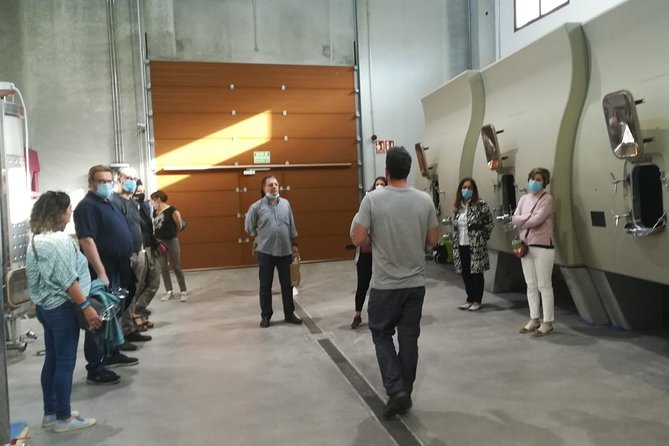
At Territorio Luthier, the visit moves through the production rooms before you sit down to taste. That order matters. You first see the tanks, the working areas, and the methods behind the wines. The tasting then has some context, so you can connect the glass with the production choices you have just seen.
I find this more useful than a tour that rushes straight to a polished tasting room. You get a sense of scale and process. You also learn that the winery is not relying only on familiar, high-volume formulas. Its work with grape varieties in danger of extinction gives the visit a distinct local and experimental angle.
The winery is described as small, with carefully handled production and limited quantities. That can make the experience feel personal, but it also explains why the bottles may cost more. You are not looking at supermarket-scale output. You are paying for a project built around smaller runs and unusual choices.
More Wine Tasting Tours in Spain
- Montserrat & Cogwheel Train, Gourmet Wine Tasting & Tapas/Lunch
★ 5.0 · 6,290 reviews - Madrid Tapas & Wine Tasting Walking Tour – Small Group Local Bars
★ 5.0 · 3,644 reviews - Toledo Tour & Vineyard Walk with Wine Tasting from Madrid
★ 5.0 · 2,546 reviews
The production rooms come before the tasting
The first part of the visit takes you through the winery facilities. You can expect attention to the methods used in viticulture, the grape varieties, the fermentation tanks, and the materials used during aging.
The viticulture section is especially interesting if you want more than a basic explanation of red wine. Territorio Luthier works with strains that are in danger of disappearing. That gives the tour a preservation angle, even though this is still a compact two-hour experience rather than a full agricultural study.
You also see the fermentation tanks. This is the practical heart of the winery, where grape juice becomes wine. The description does not promise a technical class, so I would approach this as a clear introduction to the winery’s approach rather than an advanced lesson in fermentation chemistry.
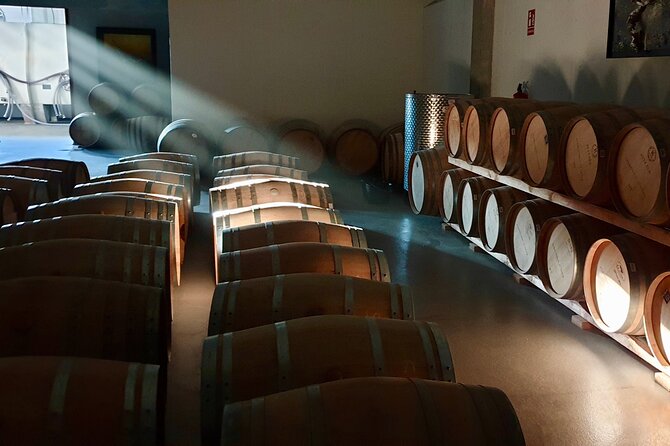
The aging rooms add another layer. Territorio Luthier uses unusual types of wood for some wines, and the tour explains how those choices form part of the project. You may find this particularly worthwhile if you already know the broad differences between crianza and reserva wines and want to think about how wood affects a bottle.
Because the winery is small, the setting should feel more direct than a large cellar built for coach groups. The trade-off is that the exact route, wines, and depth of explanation may depend on the day and on what is being made or aged at the time.
Understanding the wines before the first sip
The tasting usually focuses on four red wines. The core selection comes from the crianza and reserva categories, giving you a chance to compare wines that have spent different amounts of time developing before release.
The listed tasting also includes Hispania Reserva, aged in Spanish oak barrels. That bottle is worth noting because it ties directly to the tour’s discussion of wood. You are not just hearing about an unusual barrel choice and then moving on. At least one named wine gives you a way to consider how Spanish oak contributes to the finished wine.
The tasting is served with snacks and aperitif-style food. This is not presented as a full lunch, so you should eat beforehand if you expect to need a substantial meal. The food is there to support the wine and make the tasting more comfortable, not to replace a restaurant stop.
White and claret wines are also made at the winery. They are not guaranteed as part of the main tasting, which normally centers on four reds. On some occasions, white or claret wines may be added. If those styles are important to you, treat them as a pleasant possibility rather than part of the fixed promise.
I like this approach because it keeps the tasting focused. Four wines are enough to show a producer’s range without turning the final part into a blur of glasses. Still, you should not book this if your main goal is a broad survey of every wine made in the region. This is a look at one small producer’s work.
Why the small-group limit matters
The maximum group size is nine people. That is one of the strongest practical features of the experience.
A small group makes it easier to hear explanations in the production rooms and to ask questions without turning the tour into a formal lecture. It also suits the winery’s scale. A tiny producer can be overwhelmed by a large crowd, while nine people feels more in keeping with a personal visit.
The available information does not name a regular guide. In a small winery, you may be welcomed by the owner or by someone directly involved with the project, but you should not assume a specific person will lead every visit. What you can count on is an English-language experience.
One personal account describes an arrival about an hour late after getting lost, followed by a tour that still went ahead. I would not use that as permission to arrive late. It does suggest that the welcome can be flexible, but your best plan is to leave extra time for the journey to Hotel Montermoso and to contact the provider if you are delayed.
The winery has received a five-out-of-five rating from 89 reviews, with 100 percent recommending it. That high level of approval fits the experience’s main strengths: personal attention, good wine, and a sense that the producer cares about the details. It does not remove the need to check the schedule and route carefully.
More Winery Tours in Spain
- Barcelona: Montserrat, Cogwheel, Black Madonna & Winery Tour
★ 4.8 · 5,633 reviews - Montserrat with Black Madonna & Medieval Winery with Tapas/Lunch
★ 5.0 · 5,209 reviews - Montserrat Full Day Tour with Farmhouse Lunch and Winery Visit
★ 5.0 · 1,068 reviews - Montserrat & Winery Visit Tour with Traditional Farmhouse Lunch
★ 4.5 · 1,035 reviews
Getting to the meeting point near Aranda de Duero
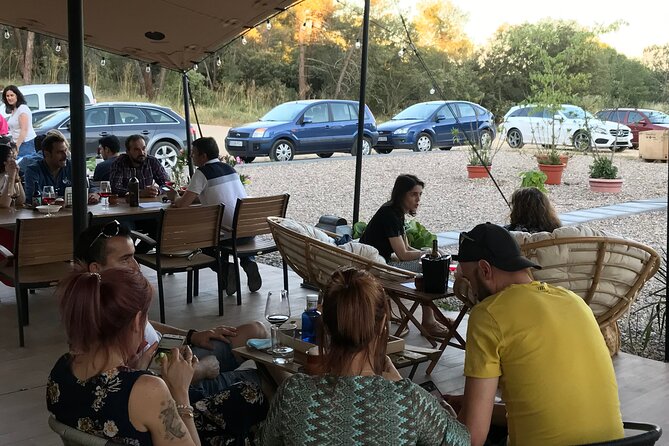
The meeting point is Hotel Montermoso, at N-1, Km. 163, 09400 Aranda de Duero, Burgos, Spain. The activity returns to this same meeting point at the end.
Private transportation is not included. This is the most important logistical drawback, especially if you are staying in central Burgos or planning to drink without driving. You need to arrange your own way to the hotel and back.
The meeting point is close to Aranda de Duero, a useful base for exploring the Ribera del Duero wine area. If you are already driving through the region, the arrangement is straightforward. If you are relying on public transport, taxis, or a hotel transfer, confirm your route before booking. The experience itself does not solve that part for you.
The visit lasts about two hours. The published hours are 10 a.m. to 2 p.m., Monday through Sunday, during the stated operating period. Since the activity begins and ends at the same point, you can plan another stop before or after it, but allow time for the tour to run its full length.
The mobile ticket is handy for a self-guided road trip. Confirmation arrives within 48 hours, subject to availability. Since the experience is often booked about 35 days ahead, I would not leave it until the last minute if your schedule around Aranda de Duero is fixed.
Is $36.28 a fair price?
At $36.28 per person, the price is reasonable for a two-hour visit that includes a winery tour, snacks, and several wines. The value depends on what you want from a tasting.
If you mainly want a few generous pours in a scenic setting, you may find the cost less compelling than a simple bar tasting. But this experience includes access to the production side of the winery, an explanation of uncommon grape varieties, and a look at the wood used for aging. You are paying for the visit as well as the wine.
The small group improves the value. A nine-person limit makes it more likely that you can follow the guide and ask about the bottles in front of you. The chance to buy bottles afterward may also appeal to you, especially if you find a wine that is difficult to locate elsewhere.
The higher price of the winery’s bottles is not necessarily a warning sign. Small production runs often cost more per bottle, and the producer is working with varieties and methods that are not aimed at mass output. You should simply know that this is a specialist purchase, not a bargain cellar stop.
Who will enjoy Territorio Luthier most?
I would recommend this visit to you if you enjoy learning how wine is made and prefer smaller producers to large, highly staged wineries. The focus on endangered grape varieties and unusual aging woods gives the stop a clear identity.
It also suits anyone building a wine itinerary around Aranda de Duero. Two hours is long enough to feel worthwhile without taking a full day. The tasting of four reds gives you a solid introduction to the winery’s style.
You will probably like it less if you want a full meal, a guaranteed selection of white wines, or included transport. The listed food consists of snacks and aperitif items, and the normal tasting is red-focused. You also need to handle your own travel to the meeting point.
People who prefer a relaxed, personal welcome should find the scale appealing. The producer is small, and the owner may sometimes attend to visitors directly. That personal element is one of the reasons the experience feels different from a large commercial winery.
Practical details that affect your visit
You can cancel for a full refund if you do so at least 24 hours before the start time. Cancellations or changes made within 24 hours are not refunded or accepted, and the cut-off follows local time.
Most people can take part, and service animals are allowed. The tour is offered in English. The group limit is nine, but confirmation remains subject to availability.
I would wear comfortable shoes for moving through the production rooms and avoid planning a tight connection immediately afterward. Those suggestions are practical rather than formal requirements, but they give you some breathing room around a visit that includes several parts.
If you are driving, plan your tasting responsibly. The experience includes several wines, and no private transportation is provided. A designated driver or another return plan is worth arranging before you arrive.
My verdict on this Burgos wine experience
I like Territorio Luthier because it gives you something to look at and think about before the wine reaches the table. The endangered grape varieties, small-scale production, fermentation tanks, and unusual woods make the visit more distinctive than a standard tasting built around a few pours and a sales pitch.
The experience is not perfect for everyone. You must arrange transportation, the food is limited to snacks, and white or claret wines are only occasional additions. The small production also means bottles may be pricier than familiar supermarket labels.
Book it if you value personal attention, unusual winemaking choices, and a focused tasting of four red wines near Aranda de Duero. Skip it if you need a full meal, broad regional comparison, or door-to-door transport. For a wine lover with a car and two spare hours, this is a thoughtful and fairly priced stop.
FAQ
Where does the Territorio Luthier wine tour begin?
The tour begins at Hotel Montermoso, N-1, Km. 163, 09400 Aranda de Duero, Burgos, Spain.
Where does the experience end?
The activity ends back at the same meeting point, Hotel Montermoso.
How long does the winery visit last?
The visit lasts approximately two hours.
How many wines are included?
Four red wines are normally tasted, usually from the crianza and reserva categories. White and claret wines may sometimes be included, but they are not guaranteed.
Is food included?
Yes. Snacks and aperitif items are included with the wine tasting.
Is transportation included?
No. Private transportation is not included, so you must arrange your own transport to and from the meeting point.
Can I cancel for a refund?
Yes. You can cancel at least 24 hours before the local start time for a full refund. Cancellations or changes made less than 24 hours before the start time are not refunded or accepted.
Just poured in Spain
- Evening Wine Tasting Córdoba★ 5.0 · 73 reviews
- Full day at the winery, visit, tasting, aperitif and lunch★ 4.5 · 60 reviews
- Visit a winery of the 19th century and its draft★ 5.0 · 62 reviews
- La Rioja Boutique Wine Tour & Charming Lunch (From Bilbao)★ 5.0 · 62 reviews
- Semi-Private Rioja Tour of 3 Premium Wineries from Bilbao★ 5.0 · 128 reviews
- Architectural Rioja Small Group Wine Tour with Lunch from Bilbao★ 5.0 · 128 reviews
- Basque Best Bites – #1 Food & Wine tour of Bilbao★ 5.0 · 268 reviews
- Rioja Wine Tour: 2 Wineries From Bilbao★ 5.0 · 111 reviews
Winery Tours, compared.

Douro Valley with Winery Lunch, Tastings & Cruise
Read our review →
Montserrat, Cogwheel, Black Madonna & Winery Tour
Read our review →
Montserrat with Black Madonna & Medieval Winery with Tapas/Lunch
Read our review →
Siena, San Gimignano, Pisa & Lunch at Winery
Read our review →
Wine Tour: Paarl, Franschhoek & Stellenbosch incl 3 wineries
Read our review →
Douro Valley Tour: 2 Vineyard Visits, River Cruise, Winery Lunch
Read our review →
5-Hour Traverse City Wine Tour: 4 Wineries on Old Mission Peninsula
Read our review →Browse the lists this tour appears in