
REVIEW · WINERY TOURS
Madrid Region Wineries Guided Tour with Wine Tastings
Madrid’s wine country keeps one of Spain’s best surprises close to the city. In six hours, you visit three family-owned wineries, taste at least nine wines, and hear the story of each cellar from people who still make the wine there. The old caves, clay pots, Tempranillo vines, and medieval towns give the day a real sense of place.
I like the contrast between the stops: one may feel small and modern, another traditional, and another almost archaeological. I also like the guides, with Antonio, Nacho, Ismael, and Enrique often praised for mixing clear wine instruction with jokes and easy conversation. The main drawback is that this is a tasting-heavy day, not a full sightseeing tour, and the appetizers replace lunch rather than providing a proper meal.
Key points to know before you book
- Three distinct family wineries: You compare different winemaking methods instead of seeing the same cellar three times.
- At least nine wines: Each winery serves at least three varieties, with local snacks at every stop.
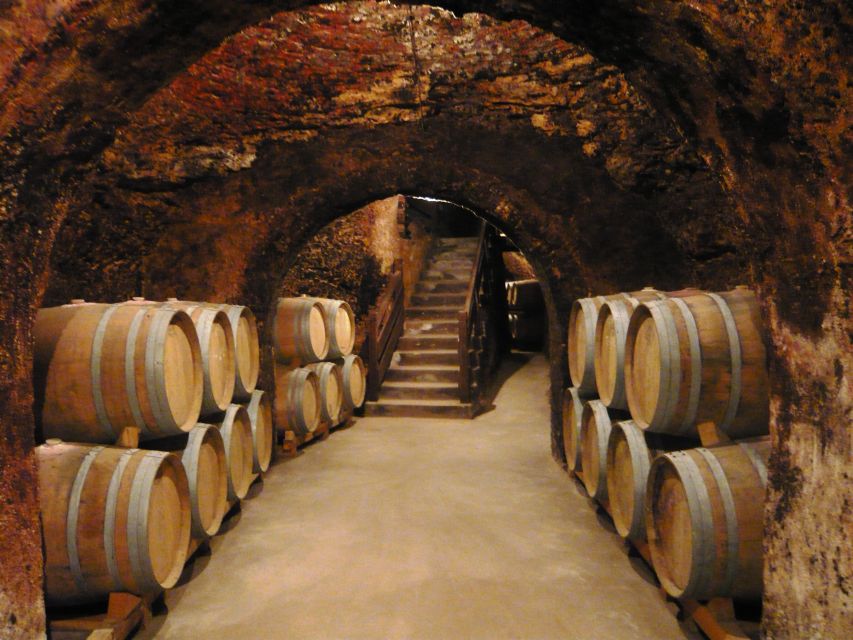
- Historic wine caves: Colmenar de Oreja brings you underground among old aging cellars.
- A short ride from Madrid: The first drive takes about 35 minutes, so you spend more time tasting than sitting on a coach.
- Small groups with bilingual guides: Groups range from 4 to 20 people, with about 8 people on an average departure.
- A light lunch, not a meal: Expect cheese, olives, hummus, meats, pastries, or similar local bites alongside the wine.
Why Madrid’s wine country is worth your time
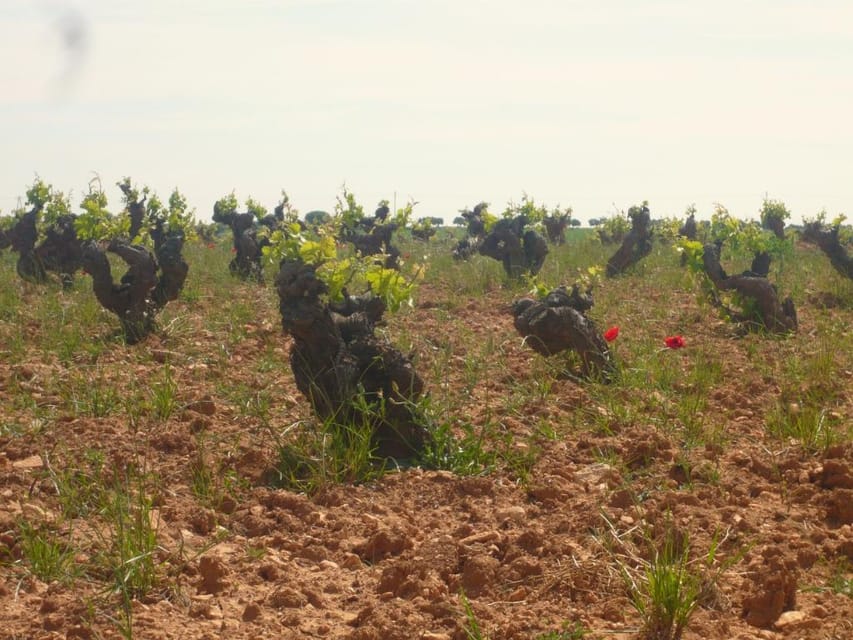
Madrid is not usually the first Spanish wine region people name. Rioja, Ribera del Duero, and Priorat tend to get the attention. Yet the Community of Madrid has more than 900 years of winemaking tradition, and its Denomination of Origin, Vinos de Madrid, now receives international recognition.
That background matters because this tour is not simply a ride to a tasting room. You see how wine remains tied to small towns, family businesses, old storage methods, and the farmland around the Tagus and nearby rivers. The Manzanares, Tajuña, Jarama, Henares, and Tajo help shape the agricultural area around the capital.
You also get a useful bit of Spanish cultural context. Madrid’s wine trade supplied the capital from the period when Castilian forces took the city from the Moors. Wine later appeared in the writing of Cervantes and other Golden Age figures, and it moved from royal tables to ordinary taverns.
I like this setting for a day trip because it gives you a side of Madrid that city sightseeing cannot provide. You see almond trees, olive trees, vineyards, old town streets, and low countryside rather than another museum or grand avenue.
More Wine Tasting Tours in Madrid
- Madrid Tapas & Wine Tasting Walking Tour – Small Group Local Bars
★ 5.0 · 3,644 reviews - Toledo Tour & Vineyard Walk with Wine Tasting from Madrid
★ 5.0 · 2,546 reviews - Madrid: Tapas & Wine Tasting Tour with Local Guide
★ 4.8 · 2,171 reviews
Meeting the coach at Conde de Casal
The tour begins at Plaza del Conde de Casal, 6, beside the front door of the cafeteria at Hotel Claridge. The nearest Metro stop is Conde de Casal on Line 6, which makes the meeting point fairly easy to reach from central Madrid.
Look for the hotel entrance rather than wandering into the cafeteria. The cafeteria facilities are reserved for its customers, so arrive ready to meet the group outside the designated door.
The first coach ride takes about 35 minutes. It is short enough that you do not lose half the day in transit, but long enough for the bilingual guide to introduce Madrid’s wine region and explain what to expect.
The tour runs in English and Spanish. If needed, both languages may be used during the same departure. That can mean a little repetition, but it also lets mixed-language groups travel together without needing separate outings.
Group size is another strong point. The minimum is four people and the maximum is 20, while the usual group is about eight. A small group makes it easier to ask questions, hear the winemakers, and talk with the people sitting beside you without feeling packed into a large bus outing.
Chinchón: wine, old streets, and a first comparison
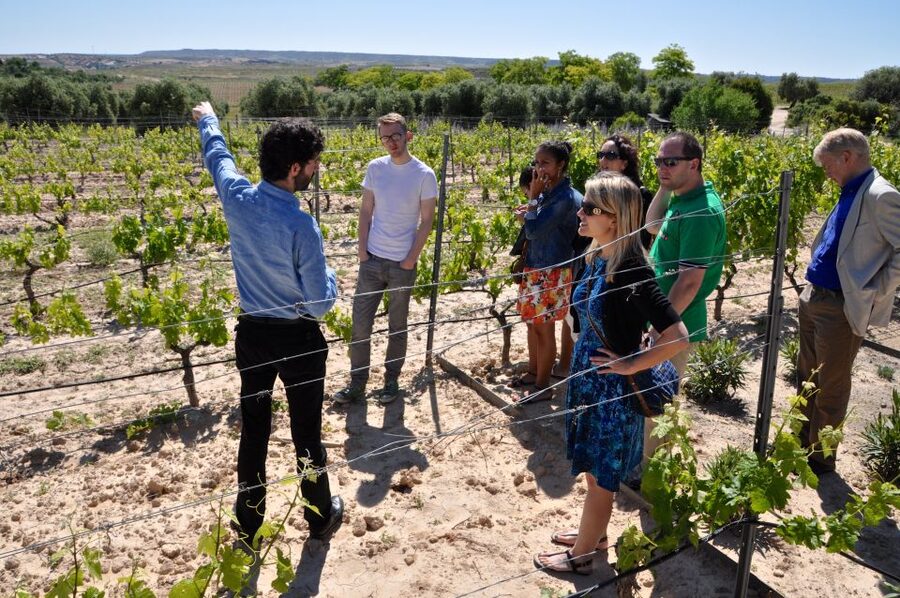
The first major stop is Chinchón, reached after a scenic drive through the Community of Madrid. The town is known for its picturesque setting and historic character, so the visit gives you more than a cellar and a tasting table.
You spend about 75 minutes at the winery here. Expect a guided visit, at least three wines, and local snacks. The exact producer can vary, but the Chinchón stop has been associated with traditional winemaking updated with modern techniques.
That combination is useful for understanding Spanish wine today. You may see old family methods kept in place while production, storage, or quality control has changed. The point is not to decide that old is better or new is better. It is to see how a small winery keeps its identity while making wine for a modern market.
The first tasting also helps you settle into the rhythm of the day. The guide can explain the grape varieties and the local style, then you taste the wines with something salty or savory alongside them. Do not expect a formal wine-class setting. The tone is generally relaxed, practical, and social.
After the winery, there is about 25 minutes for sightseeing and views in or around Chinchón. This is not a long independent town tour, so keep your expectations in check. You will not have several free hours to explore every lane, but you do get a change of scene and a look at one of the area’s best-known historic towns.
Colmenar de Oreja: two wineries, two different stories
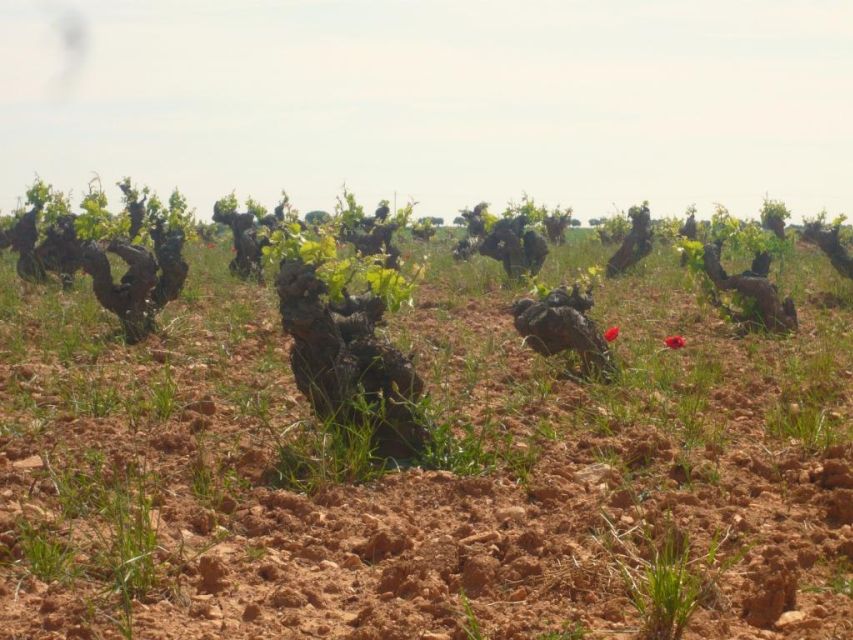
The coach then takes about 25 minutes to Colmenar de Oreja. This town is another historic site and cultural asset, with a strong connection to wine production and the capital’s old supply network.
Here the schedule includes two winery visits, each lasting about 75 minutes. That makes Colmenar de Oreja the heart of the outing. One stop may focus on a small boutique operation, while another takes you into older cellars and underground caves.
The second winery is where the family-run character often becomes especially clear. Owners or members of the third or fifth generation may lead part of the visit, explaining how the property has changed and what has stayed the same. You are not just hearing a polished presentation from a distant brand representative. You may be standing in a working family cellar with the people who make the decisions.
Each tasting includes at least three wines and local appetizers. Across the day, that means nine wines at minimum. The pours can be generous, so pace yourself. You can learn more and enjoy the final stop if you treat the tasting as a long meal with wine rather than a race from glass to glass.
A short seven-minute walk connects the two Colmenar de Oreja visits. Wear sensible shoes. The walk is not presented as difficult, but old town streets and cellar areas are rarely the place for delicate footwear.
More Wine Tasting Tours in Spain
- Madrid Countryside Wineries Guided Tour with Wine Tasting
★ 5.0 · 740 reviews - Ribera del Duero Wineries Guided Tour & Wine Tasting from Madrid
★ 5.0 · 328 reviews - Montserrat & Cogwheel Train, Gourmet Wine Tasting & Tapas/Lunch
★ 5.0 · 6,290 reviews - Paella Cooking Class, Wine Tasting & Central Market in Valencia
★ 5.0 · 1,150 reviews
Old caves and clay pots below the town
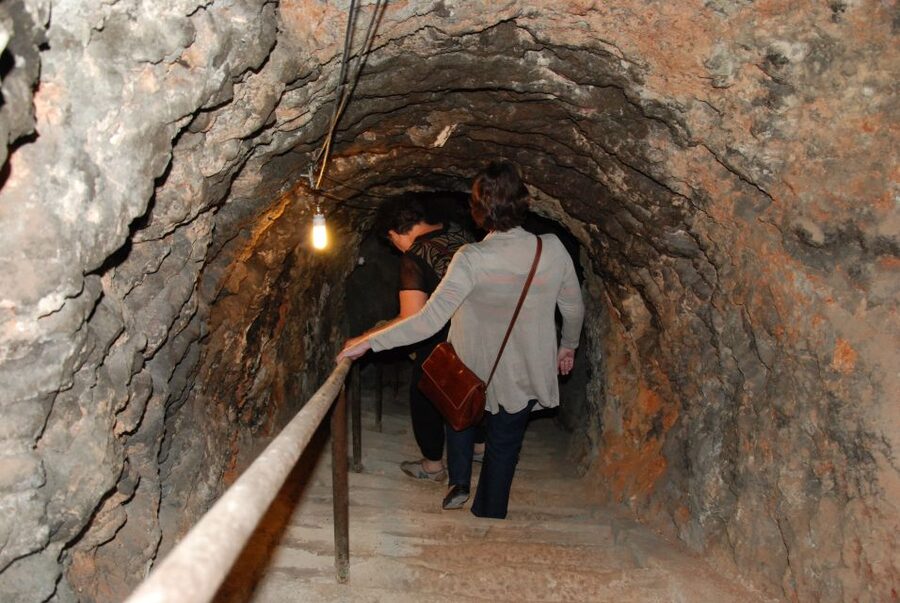
The underground cellars are one of the most memorable parts of the experience. You pass through centuries-old caves where wine ages in cool, dark conditions below the town.
These spaces show why wine production here developed in such a practical way. Before modern temperature control, underground rooms offered a stable environment for storage. The caves also make the connection between town life and winemaking easy to see: the wine was not made at some distant industrial site. It was pressed, stored, aged, and sold within the community.
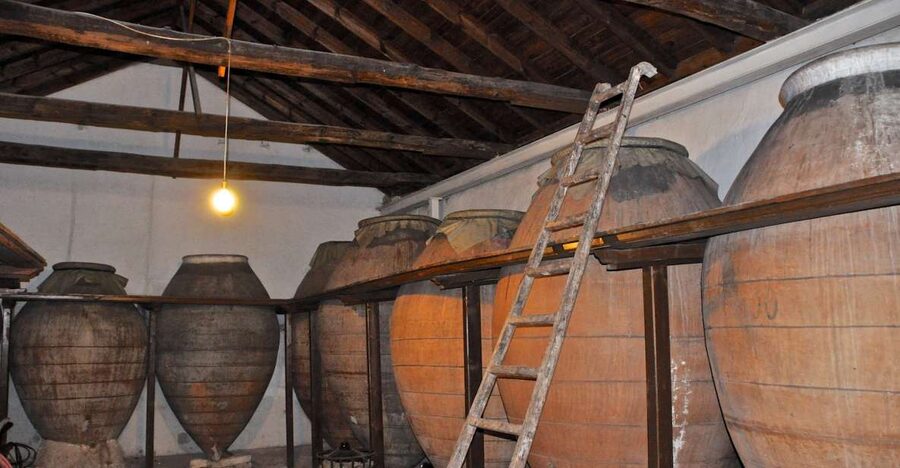
One winery continues to make wine in clay pots more than 100 years old. That detail gives you something concrete to look for during the visit. You can compare the old vessels with newer equipment and ask how the material affects the wine, the work, and the final style.
The caves can also be uneven, dim, or confined. The tour is not suitable for wheelchair users, and anyone who dislikes underground spaces should consider that before booking. For most people, the caves add the strongest sense of time to the day.
What you taste and what comes with it
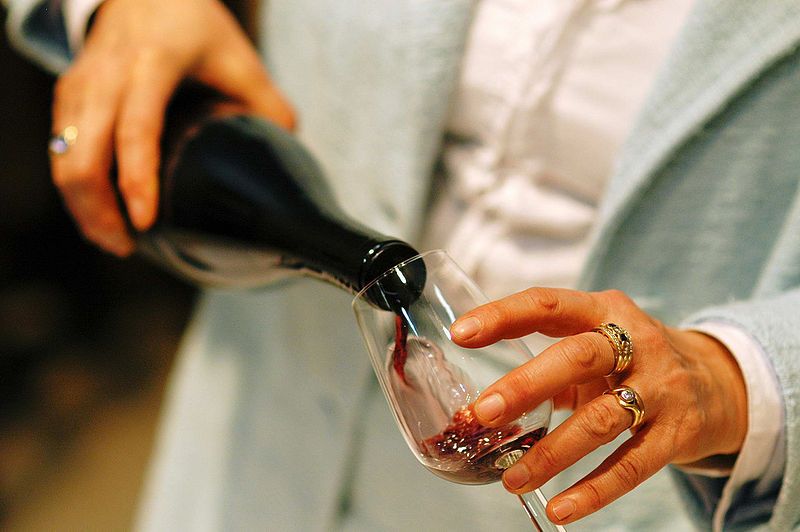
The official minimum is three wines at each winery, with at least nine different wines overall. The exact lineup varies, but the tour centers on Spanish varieties including Tempranillo, the grape used for many of Spain’s full-bodied red wines.
You are not only tasting reds. The description promises different varieties at each stop, and the separate wineries give you a chance to compare the effect of grape, aging, and production style. Your guide can help explain what you are tasting without turning the outing into a technical exam.
Food appears at all three wineries. Expect the sort of local accompaniments that work well with wine: cheese, olives, cured meats, hummus, chips, pastries, and other small bites. Some may follow local recipes.
These snacks matter because the tasting lasts several hours. They also make the visit feel less formal. You can eat while talking with the hosts, rather than standing around with an empty stomach and a small glass.
Still, do not book this expecting a restaurant lunch. Lunch is not included, and the appetizers are described as a light meal. If you need a substantial midday meal, eat before departure or plan food after returning to Madrid.
The guides make or break the day
The wineries supply the setting, but the guide controls the pace and ties the stops together. The guides most often associated with this outing include Antonio, Nacho, Ismael, Enrique, Muna or Mona, Alfonso, Elena, and Rocío. Your guide will depend on the departure.
Antonio is often praised for being funny as well as well informed about wine and the region. Nacho is known for drawing people into the conversation and making small groups feel looked after. Ismael has been described as both a strong guide and a safe driver, with a talent for connecting winemaking to Spanish customs.
Enrique is a good fit if you enjoy detailed explanations and comparisons between wineries. Elena has guided and interpreted for English-speaking groups, while Muna and Mona have also led departures. The names change, but the pattern is clear: the guide is expected to explain the wine, translate when needed, and keep the group moving.
The small-group format helps here. You can ask why one producer uses clay pots, how a cave differs from a modern cellar, or what makes a Madrid wine different from one from another Spanish region. You are not limited to a scripted talk from a microphone.
The tour is also considered suitable for solo women, and the group structure makes it easy to meet people. It is a social activity, but you do not need to arrive with a large party of your own.
Transport, timing, and the $171 price
The listed price is $171 per person for six hours. That is not a bargain-basement excursion, but it includes round-trip transport from Madrid, a bilingual guide, three winery visits, at least nine tastings, and snacks at every stop.
I see the value in the transportation alone. Without a car, reaching three small wineries around Chinchón and Colmenar de Oreja would require careful planning and several separate connections. With the coach, you can taste without worrying about driving back to Madrid.
The price also covers access to private family operations that are not simply public attractions. Meeting the owners and entering old cellars gives you something different from a city wine bar or a large commercial winery.
The main value question is how much you care about the wine itself. If you want a full meal, long free time in Chinchón, or a broad sightseeing tour of several towns, the price may feel high. If you want a focused wine day with transport, generous tastings, personal explanations, and a look beneath the towns, it is easier to justify.
The return drive takes about 40 minutes, bringing you back to Plaza del Conde de Casal. Since the full outing lasts six hours, it fits neatly into a Madrid itinerary without taking a whole day from morning until late evening.
Who should book this outing
I would choose this tour if you want to get outside Madrid without renting a car. It works especially well for couples, solo visitors, friends, and small groups who enjoy talking with local producers.
It is also a good choice for people who already know a little about wine. You can compare three producers and ask sharper questions, but beginners will not feel out of place. The guides explain the basics while adding details about Spanish grapes, family production, and local history.
You should think twice if you dislike alcohol-focused activities, underground spaces, uneven walking, or group schedules. Children under 12 cannot participate, and the tour is not suitable for wheelchair users.
The outing is not ideal if your main goal is to spend a relaxed afternoon wandering Chinchón. The towns provide setting and context, but the wineries remain the main event.
Should you book the Madrid wineries tour?
Book it if you want three genuinely different winery visits, personal contact with winemaking families, and a simple way to explore the countryside without driving. The old caves, clay vessels, and contrast between traditional and newer methods give the day more substance than a standard tasting stop.
I would also book it if you enjoy an outgoing guide. Antonio, Nacho, Ismael, or Enrique can make the educational side lively rather than stiff, though the exact guide is not guaranteed.
Skip it if you need a full lunch, extensive free time, or step-free access. For most wine lovers spending several days in Madrid, though, this is a strong use of six hours and a good way to see how close the capital’s old wine country really is.
FAQ
How long does the Madrid wineries tour last?
The tour lasts six hours, including transportation between Madrid, Chinchón, Colmenar de Oreja, and the return meeting point.
Where does the tour begin and end?
It begins and ends at Plaza del Conde de Casal, 6, beside the front door of the cafeteria at Hotel Claridge in Madrid.
How do I reach the meeting point?
The closest Metro station is Conde de Casal on Line 6.
How many wineries do you visit?
You visit three family-owned wineries. One is in Chinchón, and two are in Colmenar de Oreja.
How many wines are included?
You taste at least nine wines in total, with at least three wines served at each winery.
Is food included?
Local appetizers are included at each winery. They may include items such as cheese, olives, cured meats, hummus, chips, or pastries. A full lunch is not included.
Is the tour offered in English?
Yes. The tour is offered in English and Spanish, and both languages may be used during the same departure when needed.
Can children or wheelchair users join?
Children under 12 cannot take part, and the tour is not suitable for wheelchair users. Pets are also not allowed.
More Winery Tours in Spain
- Barcelona: Montserrat, Cogwheel, Black Madonna & Winery Tour
★ 4.8 · 5,633 reviews - Montserrat with Black Madonna & Medieval Winery with Tapas/Lunch
★ 5.0 · 5,209 reviews - Montserrat Full Day Tour with Farmhouse Lunch and Winery Visit
★ 5.0 · 1,068 reviews - Montserrat & Winery Visit Tour with Traditional Farmhouse Lunch
★ 4.5 · 1,035 reviews
More Winery Tours in Madrid
- From Madrid: Toledo Guided Tour & Winery Visit with Tasting
★ 4.8 · 313 reviews
Just poured in Madrid
- Ribera del Duero Wineries Guided Tour & Wine Tasting from Madrid★ 5.0 · 328 reviews
- From Madrid: Toledo Guided Tour & Winery Visit with Tasting★ 4.8 · 313 reviews
- Madrid: Guided Tapas and Wine Tour with Rooftop Views★ 4.8 · 608 reviews
- Madrid Countryside Wineries Guided Tour with Wine Tasting★ 5.0 · 740 reviews
- Paella Workshop with Bottomless Sangria in Central Madrid★ 5.0 · 763 reviews
- Madrid: Food & Wine Tour with 10 Tapas & 4 Drinks Included★ 4.9 · 984 reviews
- Madrid Ultimate Spanish Cuisine Food Tour★ 5.0 · 1,010 reviews
- Madrid: Paella and Sangria Workshop in the City Center★ 4.9 · 1,264 reviews
Winery Tours, compared.
Douro Valley with Winery Lunch, Tastings & Cruise
Read our review →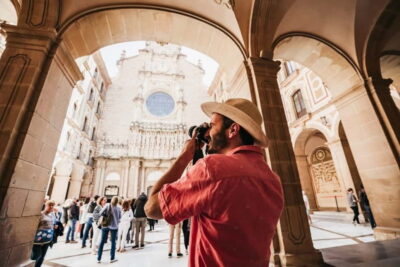
Montserrat, Cogwheel, Black Madonna & Winery Tour
Read our review →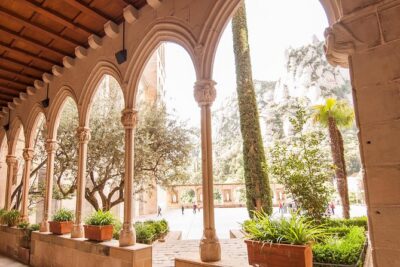
Montserrat with Black Madonna & Medieval Winery with Tapas/Lunch
Read our review →
Siena, San Gimignano, Pisa & Lunch at Winery
Read our review →
Wine Tour: Paarl, Franschhoek & Stellenbosch incl 3 wineries
Read our review →
Douro Valley Tour: 2 Vineyard Visits, River Cruise, Winery Lunch
Read our review →
5-Hour Traverse City Wine Tour: 4 Wineries on Old Mission Peninsula
Read our review →Browse the lists this tour appears in