
REVIEW · VINEYARD TOURS
Manilva: Nilva Vineyard, Wine Tasting & Tapas Guided Tour
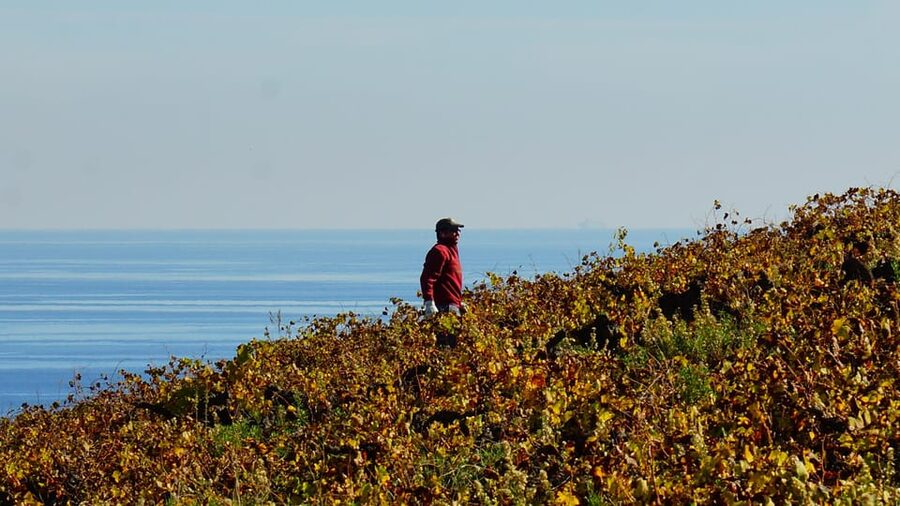
Manilva’s old Moscatel vineyards sit between the Andalusian hills and the Mediterranean, and this tour gives you a close look at a wine tradition under pressure from new construction and low farm income. You begin at Civima, the town’s wine museum, then see Nilva’s small winery before tasting wine and tapas in an organic vineyard facing the sea.
I like two things here. First, the experience connects your wine glass to the people and work behind it, including pruning, fermentation and bottling. Second, the final tasting spot has a superb setting, with views toward the Mediterranean and Africa. The main thing to plan for is transport: the vineyard is about 1 kilometer from Civima, and you need your own vehicle or must walk there.
Key points to know before booking
- Three parts in about two hours: Civima museum, Nilva’s artisan winery and the Viña del Peñoncillo vineyard.
- Maggie leads the English tour: She combines local wine knowledge with humor and an easy, welcoming style.
- The tasting includes wine and tapas: Expect three wines in the advertised format, though some sessions have included four pours.
- The vineyard is not beside the museum: It is about 1 kilometer away, with estimates ranging from 10 minutes to roughly 20 minutes on foot.
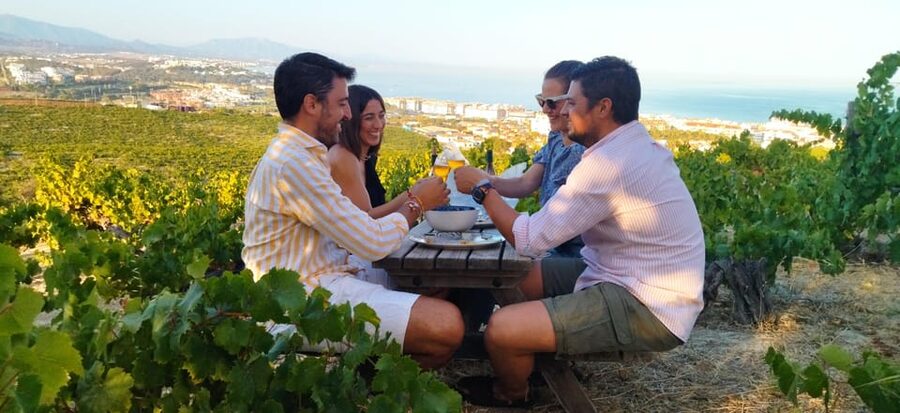
- The setting is the star of the final stop: You taste beside an organic vineyard with views of the sea, mountains and Africa.
- Your visit supports local agriculture: Nilva’s project aims to keep Manilva’s historic vineyards in production.
Why Manilva’s vineyards matter
Manilva is a small coastal town in Málaga province, on the Costa del Sol. It is better known as part of the wider coastal resort area than as a wine destination, yet its vineyards preserve a local farming tradition built around Moscatel de Alejandría grapes.
These vines face a practical problem. Urban development is pressing into the area, while growing grapes and producing small quantities of wine can be difficult to make profitable. Nilva’s approach links wine production with tourism, giving the vineyards another source of income and bringing visitors directly to the fields.
That context makes this more than a quick tasting. You are not only sampling a local product. You are seeing how a small producer is trying to keep old vines and local farming alive. The project has received an International Skal award for sustainable tourism, and the tour explains that conservation work in plain, practical terms.
I find this especially useful if you have already seen large commercial wineries elsewhere in Spain. Nilva offers a smaller operation, where the connection between the farmer, the vines and the bottle is easier to understand.
More Vineyard Tours in Spain
- Toledo Tour & Vineyard Walk with Wine Tasting from Madrid
★ 5.0 · 2,546 reviews - From Barcelona: Penedés Vineyards Tour by 4WD w/Wine & Cava
★ 4.8 · 808 reviews - Montserrat,Vineyard, Wine Tasting Small Group Tour & Hotel Pickup
★ 5.0 · 513 reviews
Starting at Civima, Manilva’s wine museum
The meeting point is the Civima building, located between the fire station and Plaza de la Vendimia. This is also the first major stop, so allow time to find the building before the tour begins.
The guided museum visit lasts about 30 minutes. Its three rooms focus on viticulture, oenology and grape harvest. In simple terms, you learn how the vines are grown, how grapes become wine and how harvest work has shaped life in Manilva.
This portion gives the tasting useful context. Instead of hearing only that a wine is local, you learn what makes Manilva’s grape-growing tradition distinct. The old Moscatel vines face the Mediterranean, and the museum helps explain the work involved in keeping them productive.
Maggie is a major part of the experience here. She explains the subject clearly in English, adds humor and brings personal experience from working with the vineyards. Several parts of the tour can move at a brisk pace, so tell her if you need a point repeated. The information is accessible, but this is not just a quick introduction for people who want to take photographs and leave.
The museum is also a good stop for people who do not consider themselves wine experts. You do not need to know the difference between grape varieties or fermentation methods before arriving. The tour builds from the basics and then makes the tasting more meaningful.
Inside the small Nilva winery
After Civima, the group visits Nilva’s artisan winery. This part lasts about 15 minutes, making it a short but useful stop rather than a long production tour.
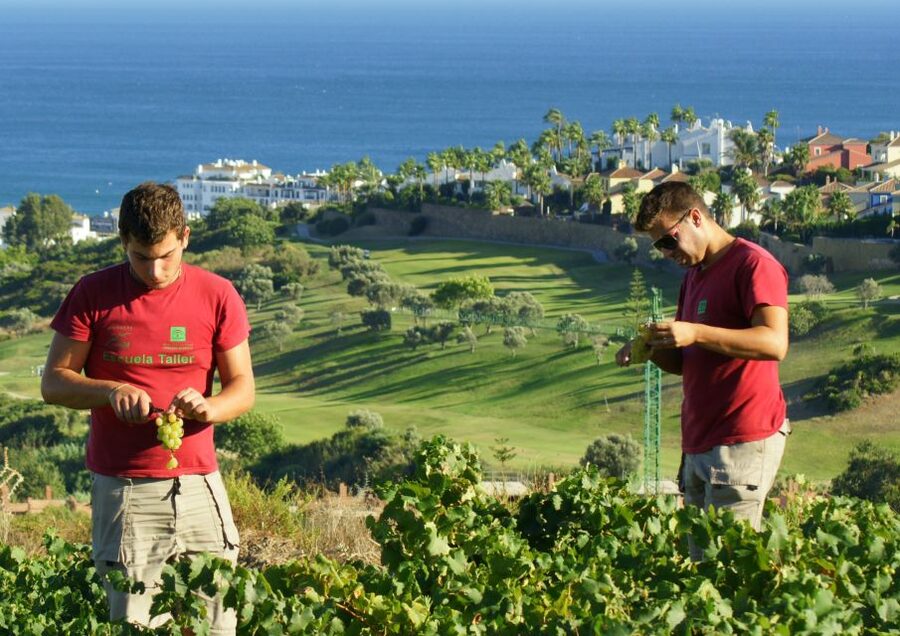
Nilva describes the winery as a small garage-style operation. That phrase tells you what to expect: an intimate working space rather than a polished industrial cellar with rows of huge tanks and elaborate visitor facilities. You learn how the producer makes the wines, including the stages of fermentation and bottling.
The scale is part of the appeal. At a small winery, you get a clearer sense of how much hands-on work goes into each bottle. The producer’s goal is not simply to sell wine, but to make farming the old vineyards more workable.
This stop also helps you taste with more attention later. You have already heard about the grapes, seen where the wine is made and learned about the effort required to move from harvest to bottle. When you reach the vineyard, the glass in front of you has a much more direct connection to the place.
The winery is not designed as a large attraction, so set your expectations accordingly. If you want a grand cellar, a long technical presentation or a large selection of wines, this is not that kind of outing. If you prefer a small producer and a direct explanation of the process, it fits well.
Getting to Viña del Peñoncillo
After the museum and winery, you go to the Viña del Peñoncillo vineyard, about 1 kilometer away. Transport is not included, and this is the detail most likely to affect your plans.
The activity information describes the walk as about 10 minutes, while several people who completed the tour found it closer to 15 or 20 minutes. The distance is not great, but it is enough that you should decide in advance how you will get there. You can drive your own vehicle, arrange transport, or walk if the weather and route suit you.
Some people have found the walk pleasant, with open views and good photo opportunities. Others were glad they drove, especially when they realized the vineyard was farther from Civima than expected. If you are traveling with anyone who has limited walking ability, using a vehicle is the safer plan.
The tour itself is wheelchair accessible, but the vineyard transfer deserves a direct check when booking. Accessibility at the meeting point does not automatically answer every question about the route between stops.
Your destination is an organic vineyard in an open setting. The visit depends on good weather, so a poor forecast can change the outdoor portion. In one bad-weather case, the vineyard visit could not go ahead, though the museum and wine-making discussion still provided a worthwhile experience.
More Wine Tasting Tours in Spain
- Montserrat & Cogwheel Train, Gourmet Wine Tasting & Tapas/Lunch
★ 5.0 · 6,290 reviews - Madrid Tapas & Wine Tasting Walking Tour – Small Group Local Bars
★ 5.0 · 3,644 reviews - Madrid: Tapas & Wine Tasting Tour with Local Guide
★ 4.8 · 2,171 reviews - Paella Cooking Class, Wine Tasting & Central Market in Valencia
★ 5.0 · 1,150 reviews
Tasting wine and tapas above the Mediterranean
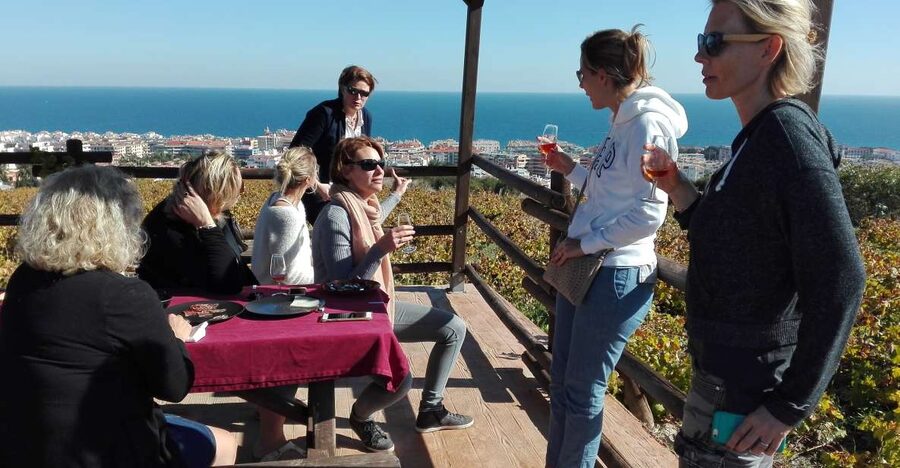
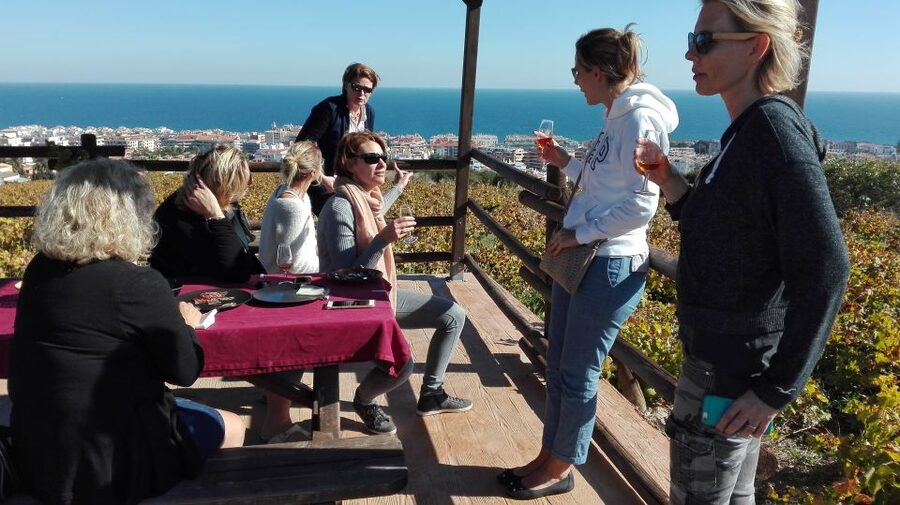
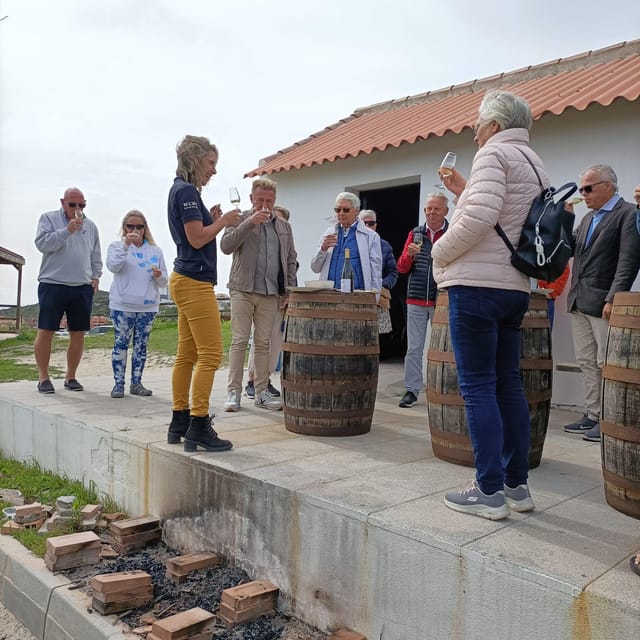
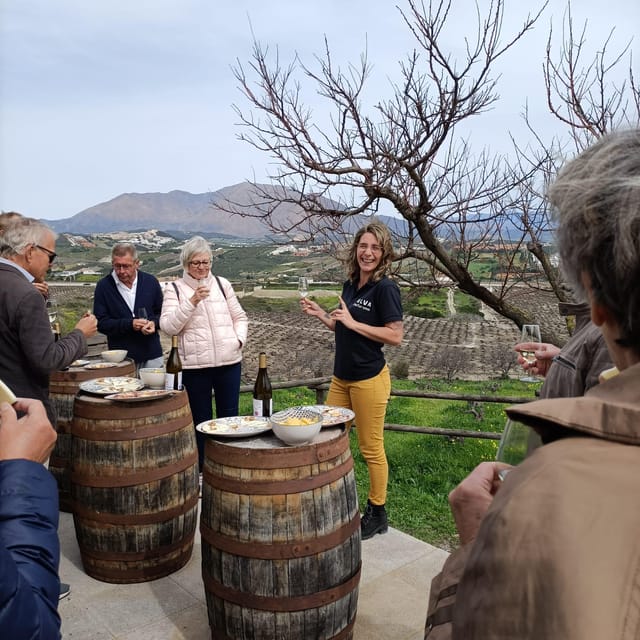
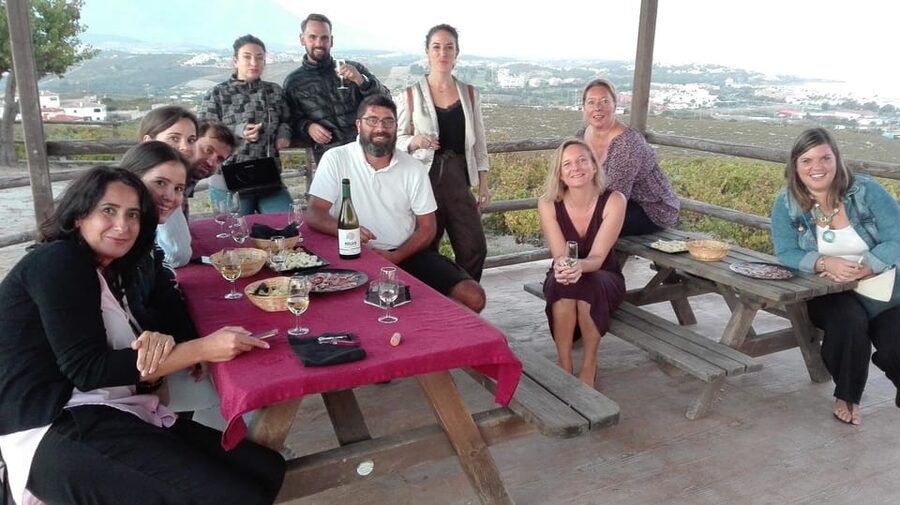
The final stop is the reward for the earlier explanation. You sit at the vineyard and taste Nilva wines with tapas, looking across the Mediterranean toward Africa. The setting is open, rural and distinctly different from the built-up parts of the Costa del Sol.
The advertised tasting includes three wines, along with ham and cheese. Depending on the session, you may receive four different pours, with some tastings also including walnuts and crisps. The portions and selection can vary, but the food is intended to accompany the wine rather than serve as a full meal.
Maggie explains how to approach each glass and helps you notice the differences between the wines. This makes the tasting approachable if you are new to wine. You can simply enjoy the flavors while learning a few basic ways to compare what is in your glass.
I would plan this as a relaxed tasting, not a formal wine examination. The scenery matters just as much as the technical details. You may be looking over the vines, mountains and sea one moment, then listening to how the producer works the land the next.
The sunset can add another layer to the visit, but it is not guaranteed by the two-hour format alone. Check the start time carefully if sunset is important to you. The vineyard visit is also weather dependent, and the outdoor setting offers little reason to linger if conditions are poor.
Some sessions have included hands-on moments, such as a chance to prune the vines. Do not count on this as a fixed part of every visit, but it shows the practical character of the project. You are close to working farmland, not just standing beside decorative vines.
What the $35 price includes
At $35 per person, this is good value if you want several connected activities rather than a single drink at a bar. The price includes entry to Civima, the Nilva winery and the vineyard, plus the wine and tapas tasting.
You are paying for about two hours of guided time. The experience covers local culture, wine production, vineyard conservation, tasting instruction and food. A comparable coastal outing that included separate museum admission, a winery visit and several pours could easily cost more, especially if transport were included.
The price does not include hotel pickup, drop-off or transport between the museum and vineyard. That omission is not a small technicality. If you need a taxi or private transfer, your total cost will be higher, and you should arrange the return before the tasting begins.
The value is strongest for people who care about local scale and local impact. You are supporting a small producer and a project aimed at preserving Manilva’s vineyards. It is less compelling if you want a large winery, a substantial meal or a full-day wine excursion.
The reserve-now-and-pay-later option and free cancellation up to 24 hours before the activity give you some flexibility. The tour is offered in English, and the live guide keeps the experience personal rather than self-guided.
Who will enjoy this tour most
I would recommend this to couples, friends, solo visitors and small groups looking for a quieter Costa del Sol activity. It suits people who enjoy food and wine but also want to understand the place producing them.
It is a good choice for:
- Wine beginners who want a relaxed introduction
- Visitors interested in Andalusian farming and village life
- People who value small producers over large commercial operations
- Anyone looking for coastal views without spending a full day on an excursion
- Visitors staying near Manilva, Sabinillas or Duquesa who can arrange transport
You do not need to be a serious wine enthusiast. One person specifically enjoyed the experience despite not liking wine, because the history, guide and setting added plenty beyond the tasting.
I would think twice if you dislike outdoor conditions, cannot manage the walk and do not have access to transport, or want a guaranteed vineyard visit in uncertain weather. The tour’s strongest moment happens outdoors, so that part matters.
Practical planning tips for a smoother visit
Wear comfortable shoes if you plan to walk from Civima to the vineyard. The distance is short, but the time estimates vary, and you may prefer not to hurry before the tasting.
Check the weather before leaving. The vineyard visit depends on suitable conditions. If rain or strong weather is expected, contact the provider so you understand what portion of the activity can go ahead.
Arrange your return transport before drinking. The activity does not include hotel pickup or drop-off, and taxis may need to be organized from the coastal area or nearby towns.
If you want sunset views, choose a start time that allows the final tasting to fall late in the day. The experience lasts about two hours, so the timing of the reservation affects the light at the vineyard.
Bring a little curiosity. Ask about the grape variety, vineyard work and the future of the old vines. Maggie’s style is friendly and humorous, and the tour becomes more interesting when you treat it as a conversation about a living local project rather than a simple tasting.
Should you book the Nilva vineyard tour?
Yes, if you want an affordable, personal wine experience with strong views and a clear connection to Manilva’s farming tradition. The combination of Civima, the small winery and the organic vineyard gives you more substance than a standard tasting.
Book it with two conditions in mind: arrange your own transport to the vineyard, and accept that bad weather may change the outdoor portion. If those details work for you, $35 buys a thoughtful two-hour introduction to a part of the Costa del Sol that many visitors miss.
The best reason to go is the combination of good local wine and a real conservation effort. You leave with more than a pleasant afternoon glass. You understand why these vineyards matter and how your visit helps keep them in use.
FAQ
Where does the tour begin?
The meeting point is the Civima building in Manilva, between the fire station and Plaza de la Vendimia.
How long does the experience last?
The tour lasts about two hours.
What language is the tour offered in?
The live guided tour is offered in English.
What places do you visit?
You visit Civima, the Manilva wine museum, the Nilva winery and the Viña del Peñoncillo vineyard.
Is transport to the vineyard included?
No. You need your own vehicle or must walk from Civima to the vineyard, which is about 1 kilometer away.
How long does the walk to the vineyard take?
The walk is described as approximately 10 minutes, while some participants found it closer to 15 or 20 minutes.
What is included in the tasting?
The experience includes Nilva wines and tapas, including ham and cheese. The advertised format includes three wines, though some sessions have included four.
Can I visit the vineyard in bad weather?
The vineyard visit depends on good weather conditions. Poor weather may prevent the outdoor portion from going ahead.
Is the tour wheelchair accessible?
The activity is listed as wheelchair accessible. The vineyard is about 1 kilometer from Civima, so you should confirm the practical details of reaching the vineyard when booking.
Are animals allowed in the winery?
No. Animals are not allowed inside the winery.
Can I cancel the booking?
You can cancel up to 24 hours in advance for a full refund. A reserve-now-and-pay-later option is also available.
Just poured in Spain
- Evening Wine Tasting Córdoba★ 5.0 · 73 reviews
- Full day at the winery, visit, tasting, aperitif and lunch★ 4.5 · 60 reviews
- Visit and Wine Tasting at the Territorio Luthier Winery★ 5.0 · 89 reviews
- Visit a winery of the 19th century and its draft★ 5.0 · 62 reviews
- La Rioja Boutique Wine Tour & Charming Lunch (From Bilbao)★ 5.0 · 62 reviews
- Semi-Private Rioja Tour of 3 Premium Wineries from Bilbao★ 5.0 · 128 reviews
- Architectural Rioja Small Group Wine Tour with Lunch from Bilbao★ 5.0 · 128 reviews
- Basque Best Bites – #1 Food & Wine tour of Bilbao★ 5.0 · 268 reviews
Vineyard Tours, compared.
Douro Valley Tour: 2 Vineyard Visits, River Cruise, Winery Lunch
Read our review →
Toledo Tour & Vineyard Walk with Wine Tasting from Madrid
Read our review →
Half day Chianti Vineyard Escape from Florence with Wine Tastings
Read our review →
Douro Valley Wine Tour: 3 Vineyard Visits, Wine Tastings, Lunch
Read our review →
#1 Best 3hr Martha’s Vineyard shared Island Tour from Oak Bluffs
Read our review →
Private Self-Guided E-Bike Ride in Tuscany with Vineyard Visit
Read our review →
Browse the lists this tour appears in