
REVIEW · CAVA & SPARKLING WINE TOURS
Barcelona: Casa Codorníu Guided Tour with Cava Tastings
Casa Codorníu’s best surprise is below ground. After a look at its modernist buildings and nearly 500 years of cava-making history, you descend more than 20 meters and ride an electric train through old cellar tunnels. I like the mix of architecture and wine education, and I especially like that the tasting includes three premium cavas with three chocolates, not just a token sip. The visit also gives you a clear look at how cava is made.
The main drawback is its short running time. Ninety minutes passes quickly, and the amount of explanation can depend on your guide. One recent visitor found the guide warm but wished for more detail, while others praised guides who answered questions and made the tour lively. Bad weather can also close the gardens, so the full outdoor experience is not guaranteed.
Key points to know before booking
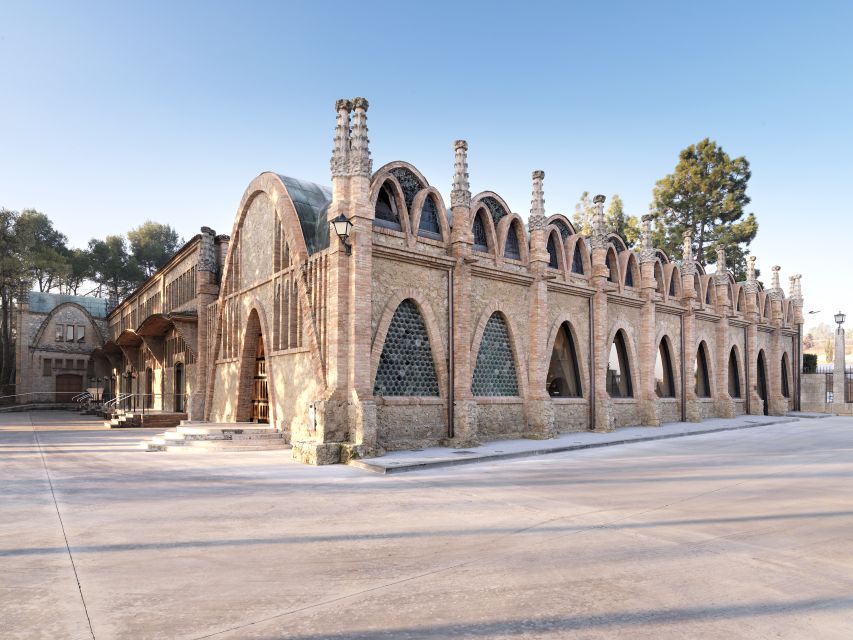
- A modernist masterpiece: Josep Puig i Cadafalch designed the Sala Puig and other parts of this remarkable wine estate.
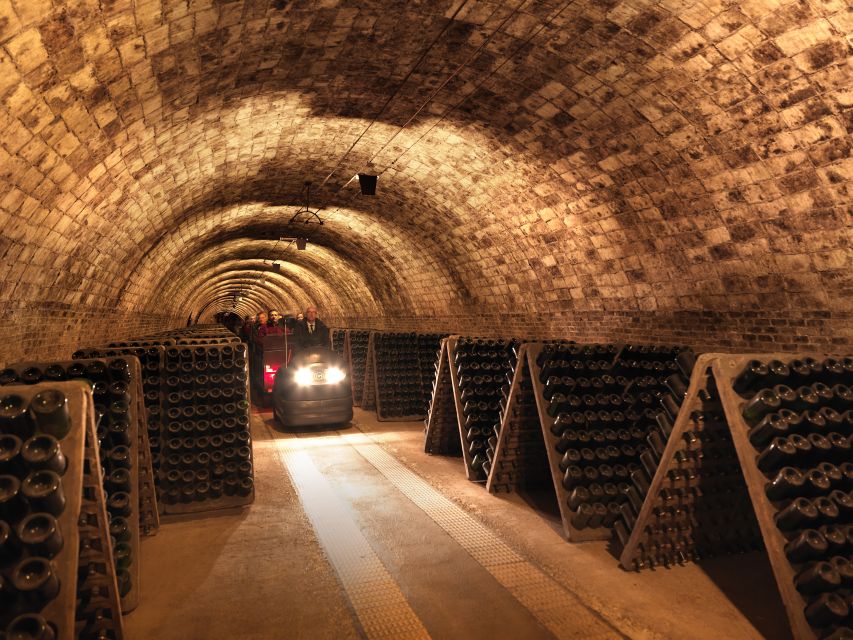
- An underground train ride: You descend over 20 meters for an electric-train trip through the cellar tunnels.
- Three premium tastings: The final tasting pairs three cavas with three types of chocolate and includes a small appetizer.
- A compact 1.5-hour visit: The tour covers the main sights without taking up a full day.
- English and Spanish guides: You can choose between these two languages when checking availability.
- A destination outside central Barcelona: You must arrange your own transportation to Caves Codorníu.
Why Casa Codorníu is more than a cava tasting
If you are staying in Barcelona and want to see a side of Catalonia beyond the city center, Casa Codorníu offers a useful two-for-one experience. You get a lesson in sparkling wine and a look at one of the region’s most important modernist estates.
Codorníu traces its story back almost 500 years. That long time span matters because cava is not simply a drink invented for tourists. It is tied to Catalan agriculture, family enterprise, local architecture, and a particular method of producing sparkling wine.
I like tours that explain the place before pouring the drink. Here, the cava tasting comes at the end, after you have seen the buildings and learned the basic production process. That order makes the wine easier to understand. You are not just sampling three glasses. You know more about where they came from and why the cellar matters.
At $35 per person, the tour is reasonably priced for a 90-minute guided visit with three premium tastings, chocolate, a small appetizer, and admission to the estate. It becomes a better value if you already enjoy sparkling wine or have an interest in Catalan modernism. If you want a long winery visit with a large meal or a full day in the countryside, this is too brief.
More Sparkling Wine Tours in Spain:
- From Barcelona: Penedés Vineyards Tour by 4WD w/Wine & Cava
★ 4.8 · 808 reviews - Barcelona Old Town Tapas Night: Hidden Bars, Cava & Vermut
★ 4.9 · 454 reviews - Penedes Wine & Cava Tasting & 4WD Vineyards Tour from Barcelona
★ 4.5 · 374 reviews
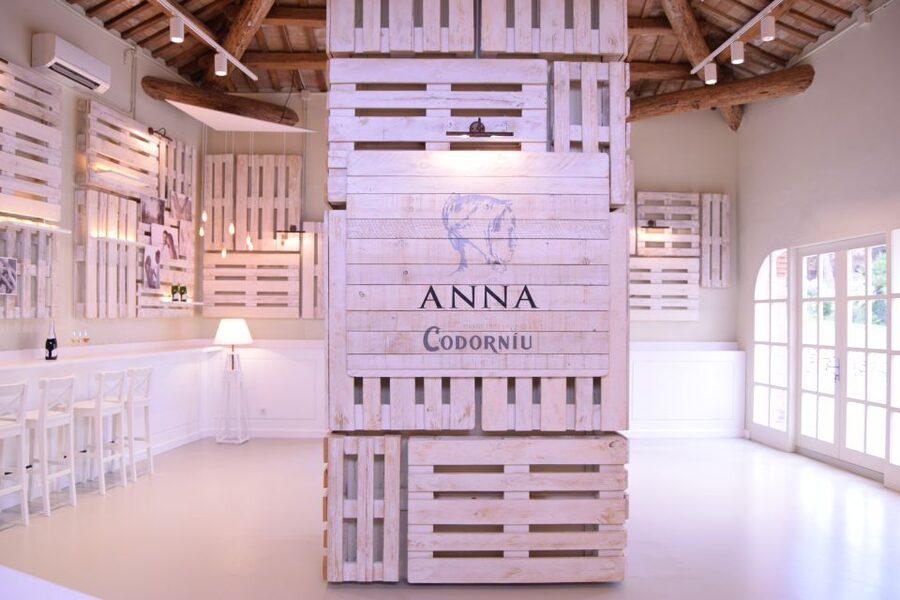
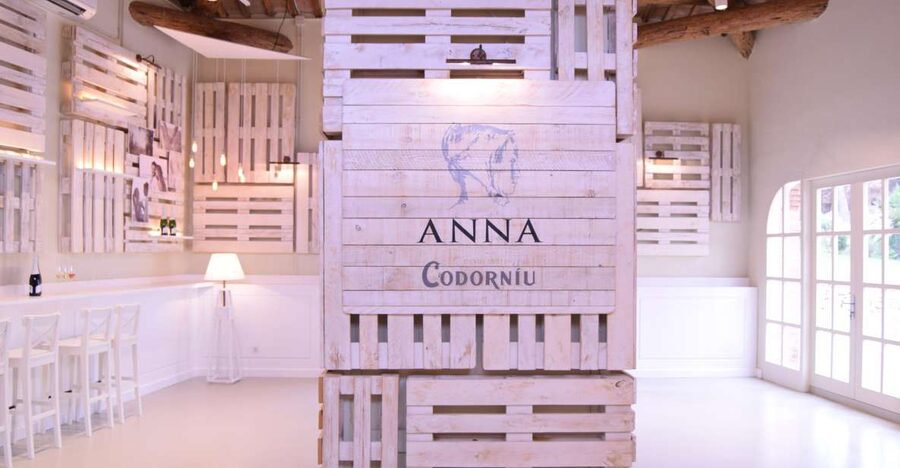
Starting in Sala Puig, the Cathedral of Cava
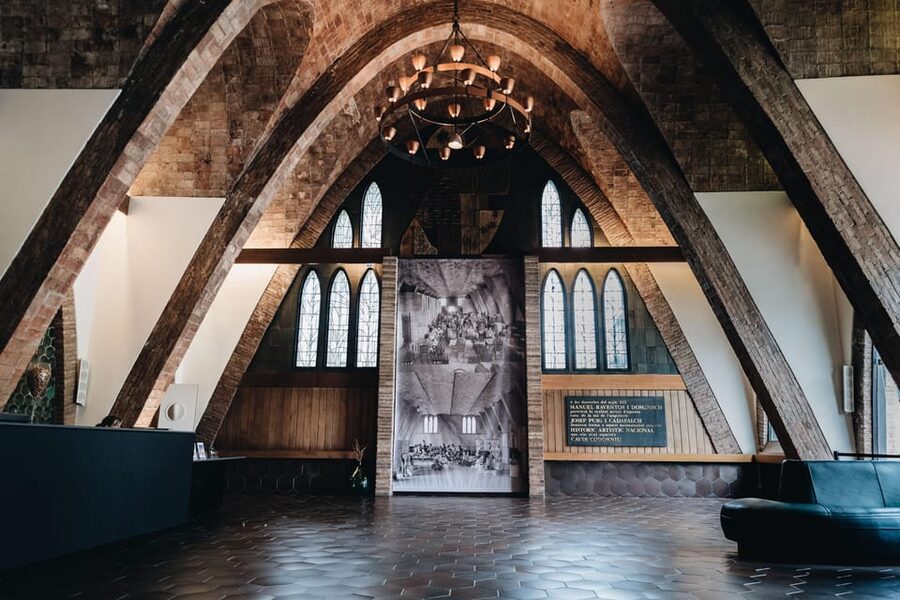
The visit begins in Sala Puig, known as the Cathedral of Cava. This is the first place where the architecture takes center stage.
You may watch a short introductory video about Codorníu’s history and wine-making. It provides the basic timeline and sets up the rest of the tour, though you should not expect a full film presentation. The real details come from the guide as you move through the estate.
Josep Puig i Cadafalch, one of Catalonia’s leading modernist architects, designed the building. The style is not just decorative frosting on a winery. The broad spaces, carefully arranged materials, and dramatic interior give the production site a sense of ceremony.
I find this opening useful because it gives you something to look at while you learn the company’s story. It also helps explain why Casa Codorníu appeals to people who might not normally book a wine tour. You can appreciate the building even if you know little about cava.
The guide may also share stories about Anna’s life. The supplied details do not identify the guide by name, so you should not expect a particular host. Guide quality can shape the tone of the visit: some guides offer lively explanations and welcome questions, while others may keep the commentary more basic.
The museum and the story behind cava
From Sala Puig, you continue to the museum. This part fills in the practical side of the experience, including the history of Codorníu and the making of cava.
The museum is important because sparkling wine can seem mysterious when you only encounter it in a glass. Here, you begin to see the chain of work behind it: the wine, the production method, the cellars, and the long identity of the estate.
I would pay attention to the guide’s explanation rather than rush through the displays. The tour is short, so the museum portion cannot cover every detail. If you are curious about the process, ask questions while you have the chance. One of the strongest elements of the visit is the guide’s willingness to explain things clearly and respond to questions.
The experience also puts cava in its proper setting. Cava is produced in Catalonia and has its own regional character. A visit to the producer gives you more context than a generic sparkling-wine tasting in a Barcelona bar.
The museum portion may feel less dramatic than the cellar train or the final tasting. That is normal. Think of it as the foundation of the tour. Without it, the later stops would be a series of attractive rooms and glasses of wine without much connection between them.
Walking through the modernist gardens
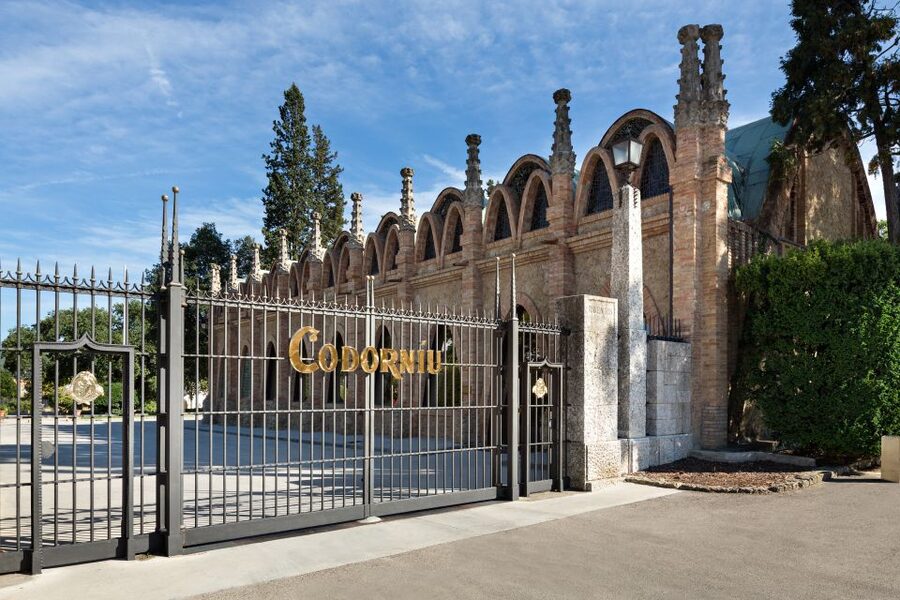
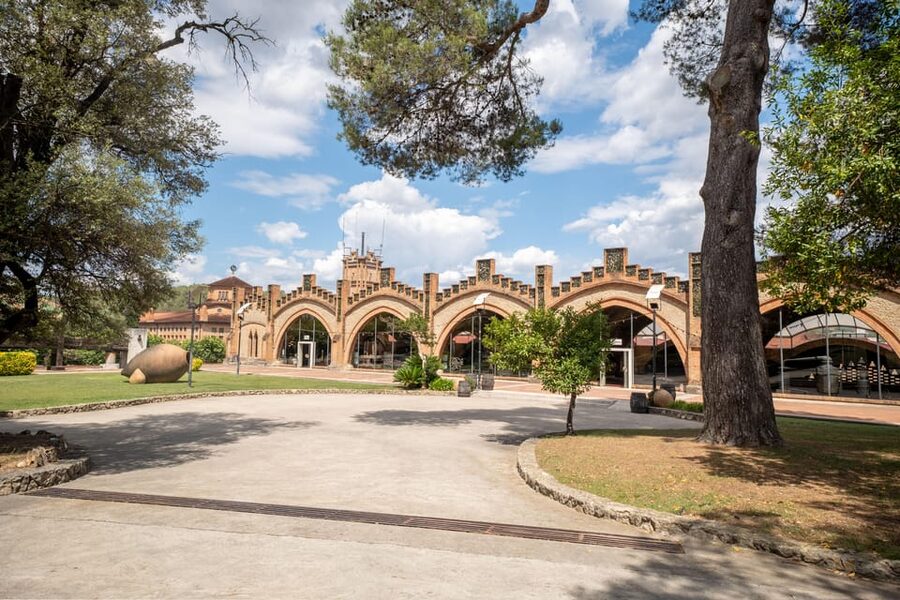
After the museum, the route continues outdoors through the gardens and estate grounds. This is where the visit opens up, giving you a chance to see how Puig i Cadafalch’s work fits into the wider property.
The gardens are part of the appeal, but weather affects this section. In poor conditions, the outdoor visit may be shortened or omitted. That is not a minor point if you are booking mainly for the architecture, since the interior cellar portion can continue while the garden visit cannot.
I would choose a day with decent weather if you have flexibility. The garden walk provides a useful pause between the indoor exhibits and the underground cellar. It also lets you see the estate as a working historic property rather than a collection of rooms.
Do not plan the entire excursion around a long garden stroll. The tour’s center of gravity remains the Codorníu buildings, production story, cellar tunnels, and tasting. If rain gets in the way, you will still have the main architectural and wine elements, but the visit will feel less complete.
More Guided Tastings in Spain:
- Madrid: Tapas & Wine Tasting Tour with Local Guide
★ 4.8 · 2,171 reviews - Madrid Tapas & Wine Tour with Rooftop Views and Local Guide
★ 5.0 · 2,047 reviews - Malaga Wine & Tapas Small Group Guided Tour
★ 5.0 · 1,972 reviews - Bilbao: Basque Food Tour and Wine Tasting with Guide
★ 4.9 · 772 reviews
Descending 20 meters to the cellar tunnels
The most distinctive part of the tour comes when you go underground. You descend more than 20 meters to reach the dugout cellar tunnels, then take an electric train through the wine cellar.
This is the moment that separates Casa Codorníu from a standard tasting-room visit. You are not simply shown a few barrels or bottles. You get a sense of the scale of the storage areas and the underground setting where the wine has been kept.
The train ride also makes the tour accessible in spirit. Instead of walking through a long network of tunnels, you see the cellar from a moving carriage. For many people, this will be the most memorable part of the visit, especially if the architecture above ground has already sparked your interest.
The ride is not a theme-park attraction. Its purpose is to show the cellar and help explain the production process. Keep that in mind so you do not expect a long, dramatic journey. It is one part of a carefully timed 90-minute route.
Some parts of the production operation may not be visible. One visitor hoped to see newer production areas, but the route focuses on the historic estate, museum, gardens, and underground cellars. If your main goal is to watch every current step of industrial production, this may not satisfy you. If you want history, architecture, and the cellar experience, it fits much better.
The tour route can change because of weather or electrical, mechanical, or computer problems. That is worth knowing before you book, particularly if you are making a special trip from Barcelona. Codorníu says the length, route, or content may be adjusted when such problems affect the visit.
Three premium cavas and three chocolates
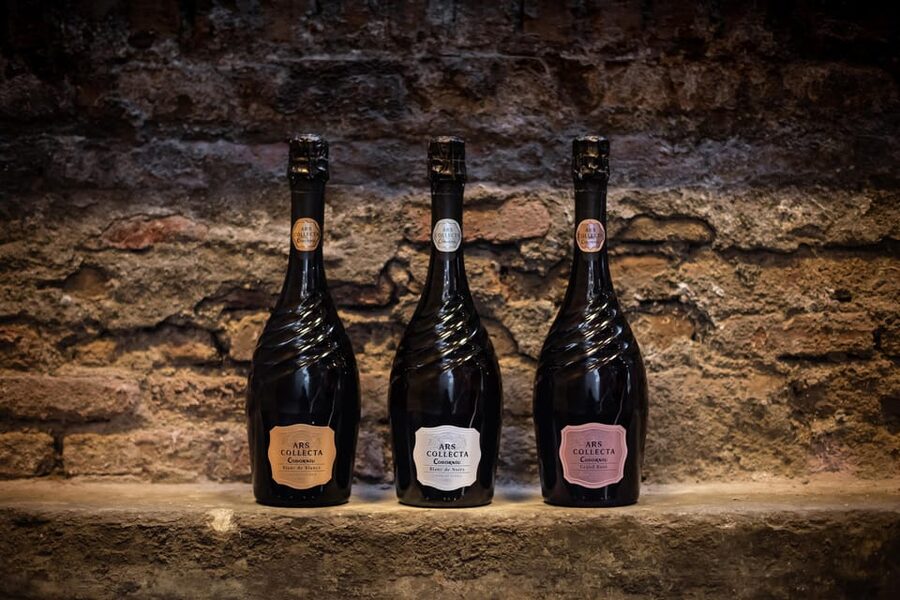
The tasting is the reward at the end, and it is more substantial than a single sample. You receive three cavas from the premium range, paired with three types of chocolate, along with a small appetizer included in the admission.
I like the pairing because chocolate forces you to notice the cava in a different way. The sweetness and texture of the chocolate can change how the wine feels on your palate. It is also a simple way for beginners to engage with the tasting without needing technical wine vocabulary.
The three cavas give you a chance to compare rather than simply approve or dislike one glass. Pay attention to the differences in aroma, sweetness, acidity, and finish. You do not need to be a wine expert. A good tasting should help you identify what you prefer, and this format gives you enough samples to make a real comparison.
The tasting has been a particularly strong part of the experience for many people. One Spanish visitor described it as convincing a champagne lover that cava can be excellent, which is a useful test. If you normally reach for Champagne, the premium range is likely to be the part you remember most.
The tasting is not a substitute for lunch. The included appetizer is small, and the chocolate pairings are part of the presentation rather than a full meal. The experience details also note that the restaurant is not necessarily a highlight, so I would avoid arriving hungry and expecting the tasting to cover lunch.
Alcohol is served, and anyone under the influence of alcohol, drugs, or other substances is not allowed to participate. That rule can affect participation and refunds, so plan your visit responsibly.
How much time to allow and what the price buys
The advertised duration is 1.5 hours. That is enough time to cover Sala Puig, the museum, the gardens when conditions permit, the underground cellar train, and the tasting, but it leaves little room for lingering.
I would treat the timing as structured rather than leisurely. You will move from one part of the property to the next with a guide, and the tasting comes at the end. If you prefer to spend an hour examining architecture or discussing wine at length, the pace may feel brisk.
The $35 price includes the guided tour, entrance fee, three cava tastings, and a small appetizer. The chocolate pairing is also part of the final tasting described for this visit. Transportation is not included, so calculate the cost of reaching Caves Codorníu before deciding how good the deal is for you.
The value is strongest for three kinds of visitors: people who enjoy cava, people interested in Catalan modernism, and visitors looking for a half-day outing beyond Barcelona’s central sights. It is less appealing if you are only looking for a quick drink or if you do not want to leave the city.
The booking terms are flexible. You can reserve now and pay later, and cancellation is free up to 24 hours before the visit for a full refund. Check the available start times because the tour runs at set times rather than whenever you arrive.
Who will enjoy this tour most
I would recommend Casa Codorníu to anyone who wants an experience with a clear sense of place. The architecture is tied to the winery, the underground cellar is tied to the production story, and the tasting follows naturally from what you have seen.
It suits couples and small groups who want something more informative than a bar tasting. It also works for a mixed group in which one person loves architecture and another loves wine. Both interests have a real role here.
Families may appreciate the train ride and visual setting, but adults should remember that the tasting is built around alcohol. The tour may also be a good fit for first-time cava drinkers because the guide introduces the process before the tasting begins.
I would hesitate to recommend it to someone seeking a large-scale food experience, a full-day vineyard outing, or access to every current production area. The visit is focused and historic. That is its strength, but also its limit.
Practical advice for planning your visit
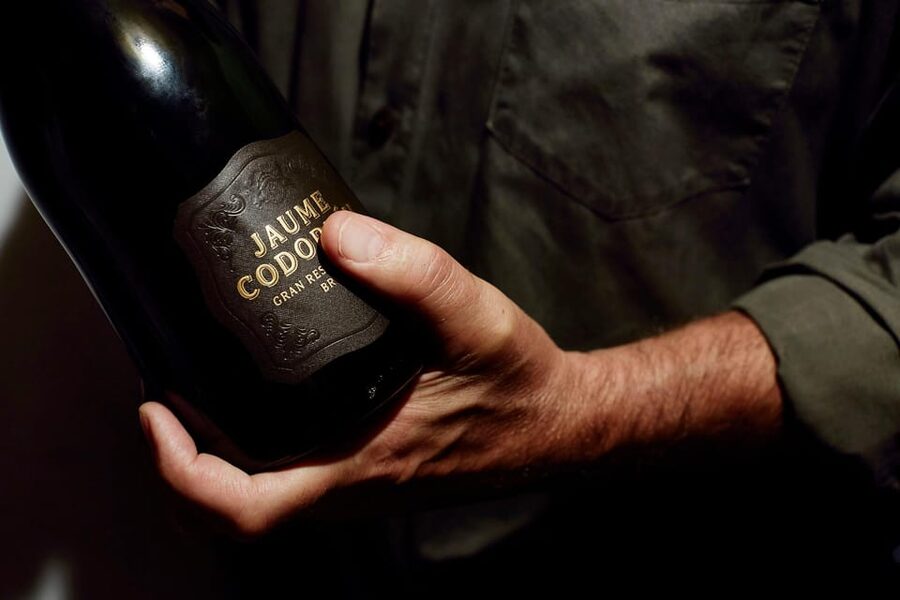
Start by checking the language and time that suit you. Live guiding is available in English and Spanish, and the guide’s explanations are a meaningful part of the experience.
Wear something comfortable for moving through the estate and cellar areas. The tour includes outdoor gardens when weather permits and a descent underground, so conditions can vary during the visit.
Build in extra time around the 90-minute tour if you are arranging transportation. The activity begins at Caves Codorníu, and you are responsible for getting there. Do not assume the tour includes a transfer from Barcelona.
Try to book for a day when the weather is stable. The cellar and indoor areas remain the core of the visit, but the gardens add an important part of the architectural experience. If the weather turns poor, the route, length, or content can change.
Finally, save your questions for the guide. The quality of the visit depends partly on how much explanation you want. A recent Spanish visitor especially praised a guide who explained the entire process clearly and answered questions, while another visitor wanted more depth. Speaking up can help you get more from the short format.
Should you book Casa Codorníu?
Book it if you want a compact, well-rounded introduction to cava that combines modernist architecture, underground cellars, and a serious tasting. The train ride adds something unusual, and the three premium cavas with chocolate make the $35 price fair, especially for anyone who already enjoys sparkling wine.
Skip it if you want a long winery day, a full meal, or a close look at new production facilities. Also keep your expectations flexible about the gardens, since bad weather can change that part of the route.
For most visitors with an interest in Catalonia’s food, wine, or design, I think Casa Codorníu is worth the trip beyond Barcelona. The visit is short, but it gives you several memorable pieces: Puig i Cadafalch’s architecture, a 20-meter descent into the cellar, and enough cava to decide whether Catalonia’s sparkling wine deserves a regular place in your glass.
FAQ
Where does the Casa Codorníu tour begin?
The tour begins at Caves Codorníu in Catalonia, Spain. Transportation to the meeting point is not included.
How long does the guided visit last?
The experience lasts approximately 1.5 hours.
What languages are available?
The live guide is available in English or Spanish.
What is included in the tasting?
You receive three premium cava tastings paired with three types of chocolate. A small appetizer is also included.
Is transportation from Barcelona included?
No. You must arrange your own transportation to Caves Codorníu.
Can I cancel the booking?
Yes. You can cancel up to 24 hours before the activity for a full refund. You can also reserve now and pay later, subject to the booking terms.
Just poured in Spain
- Evening Wine Tasting Córdoba★ 5.0 · 73 reviews
- Full day at the winery, visit, tasting, aperitif and lunch★ 4.5 · 60 reviews
- Visit and Wine Tasting at the Territorio Luthier Winery★ 5.0 · 89 reviews
- Visit a winery of the 19th century and its draft★ 5.0 · 62 reviews
- La Rioja Boutique Wine Tour & Charming Lunch (From Bilbao)★ 5.0 · 62 reviews
- Semi-Private Rioja Tour of 3 Premium Wineries from Bilbao★ 5.0 · 128 reviews
- Basque Best Bites – #1 Food & Wine tour of Bilbao★ 5.0 · 268 reviews
- Rioja Wine Tour: 2 Wineries From Bilbao★ 5.0 · 111 reviews
Cava & Sparkling Wine Tours, compared.

Barcelona Old Town Tapas Night: Hidden Bars, Cava & Vermut
Read our review →
Penedes Wine & Cava Tasting & 4WD Vineyards Tour from Barcelona
Read our review →
High-End Vineyard Escape: Cava, Tapas & Wine | Private Tour
Read our review →
Cava tour to 3 family wineries with hotel pick-up
Read our review →
Montserrat & Cava Wineries Day Trip from Barcelona w/ Pickup
Read our review →
Browse the lists this tour appears in