
REVIEW · CHAMPAGNE TOURS
Bubble Champagne Tour from Epernay (Small group half day tour)
The best part of this Epernay tour is the change of scale. You begin with Dom Pérignon and the grand story of Champagne, then leave the famous avenue behind for vineyard roads, Grand Cru villages, and a family-run producer in Oger. The small group, limited to eight, makes the drive and tasting feel personal rather than packaged.
I like the mix of beautiful vineyard viewpoints and serious wine education. I also like that you taste three 100% Chardonnay Grand Cru Champagnes, plus Ratafia, Fine de la Marne, and Marc de Champagne. The main consideration is time: three and a half hours gives you a fine regional introduction, but not a long cellar tour or a relaxed visit to several Champagne houses.
Key points at a glance
- Hautvillers and Dom Pérignon: Visit the church associated with Champagne’s spiritual father and hear the real story behind his role.
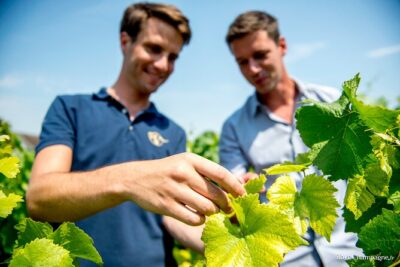
- Marne Valley viewpoint: Stop among Pinot Noir vines for broad views and an explanation of the local soil, grapes, and vine work.
- Côte des Blancs villages: Pass through Cramant, Avize, and Oger, the heartland of Grand Cru Chardonnay.
- Family grower in Oger: See the press, winery, and cellar at a multigenerational estate dating to 1864.
- More than Champagne: Taste Ratafia Champenois, Fine de la Marne, and Marc de Champagne from Goyard Distillery.
- Easy half-day format: Meet at the Épernay tourism office, ride in an air-conditioned vehicle, and finish back at the same place.
Why this half-day tour works well in Epernay
At $187.06 per person, this is not a cheap tasting stop. The price includes transport during the tour, a guide, three Grand Cru Champagnes, a family estate visit, and three additional regional drinks. You are paying for access to several parts of Champagne that would be awkward to connect on foot or by train in one afternoon.
The value is strongest if you want context, not just glasses of wine. Your guide explains grape varieties, vine work, pressing, cellar production, dosage, vintage Champagne, and oak aging. You also get a look at the contrast between large Champagne houses and independent growers.
This is a small-group experience for two to eight people. That matters in a vehicle, where a full coach can turn every stop into a slow exercise in organization. Guides including Isabelle, Philippe, Charlotte, Marine, Victoria, Nina, and Svetlana have been praised for their warm manner, clear English, and ability to answer questions. The exact guide depends on the date, but the format is built around a personal guide-chauffeur rather than an audio recording.
The tour is offered in English and lasts about three hours and 30 minutes. It works particularly well as a first look at the region, or as a companion to a visit to a large house in Reims. If you have already spent several days touring Champagne, the stops may feel familiar, and you may want a longer grower visit instead.
More Champagne Tours in France
- From Paris: Day Trip to Champagne with 8 Tastings & Lunch
★ 4.8 · 1,501 reviews - Champagne Day Trip with 6 Tastings, Reims and Winery from Paris
★ 5.0 · 902 reviews - From Reims: Champagne and Family-Run Wineries Tour
★ 4.8 · 671 reviews
Hautvillers, where the Champagne story begins
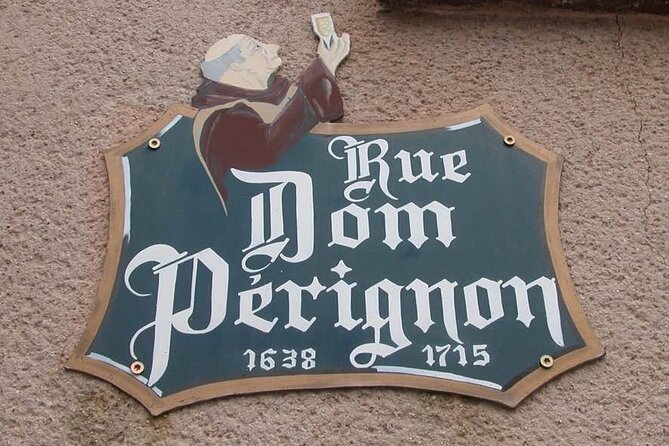
The first stop is Hautvillers, a small village near Épernay often called the cradle of Champagne. The focus is the Abbaye Saint-Pierre d’Hautvillers and its church, where Dom Pérignon is buried.
Your guide tells the story of Dom Pérignon and explains his place in the development of Champagne. The familiar tale often gives him sole credit for inventing sparkling wine, but the history is more complicated. That makes this a useful opening: you get the legend, then a more careful explanation of what he actually contributed to winemaking.
The church visit takes about 30 minutes. It is not a grand abbey complex tour, so keep your expectations in check. The value is the connection to the person whose name now appears on one of the world’s most famous luxury Champagnes. It also gives you a human starting point before the tour turns to vines, bottles, and production methods.
Hautvillers itself is pleasant to explore from the vehicle and on foot, though the time here is limited. If you want to linger over every lane, church detail, or souvenir shop, this half-day schedule will feel brisk.
A Marne Valley viewpoint among Pinot Noir vines
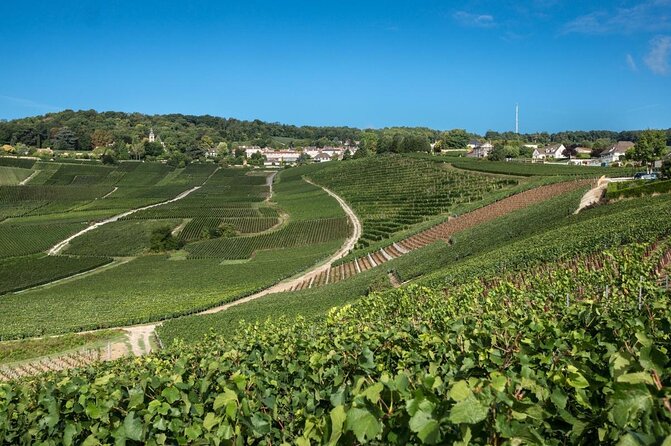
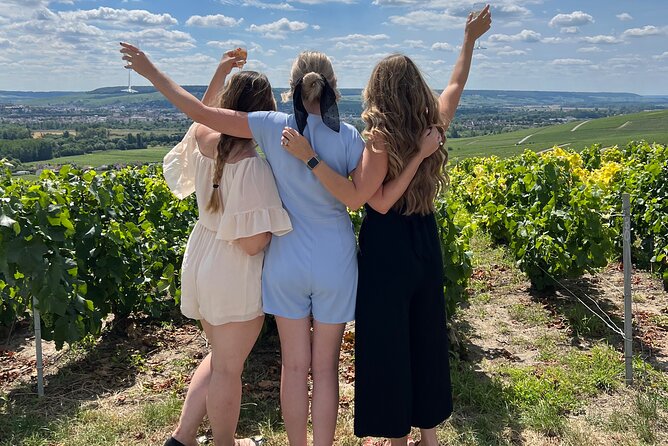
From Hautvillers, the tour moves into the historical hillsides of Champagne, a UNESCO World Heritage Site. The stop provides one of the strongest photo opportunities of the afternoon, with views over the Marne Valley and the vineyards where Dom Pérignon carried out his winemaking work.
The setting also gives your guide a natural place to explain the region. You learn about Pinot Noir, the work required in the vines, the meaning of terroir, and the role of sustainable viticulture. This is where the tour becomes more than a succession of tasting rooms. You can see the slopes and vineyards that help explain why Champagne is divided into distinct growing areas.
The stop lasts about 45 minutes. Bring shoes that are comfortable on uneven ground, since the experience is not confined to paved interiors. The exact photo stop can depend on conditions and the guide’s route. One criticism of the experience was that photo stops felt limited and did not always use the best viewpoint, so photographers should not expect a long, carefully planned shoot.
Still, the Marne Valley panorama is a valuable part of the day. A cellar tells you how Champagne is made. A vineyard view shows you where the character begins.
The Côte des Blancs and Grand Cru Chardonnay
The route then heads south of Épernay into the Côte des Blancs, known for Chardonnay and its Blanc de Blancs Champagne. The drive passes through Cramant and Avize, both Grand Cru villages, before reaching Oger.
Grand Cru is the highest classification used within the Champagne appellation. In practical terms, it signals villages with a particularly strong reputation for grape quality. Here, the focus is Chardonnay, so the wines you taste later offer a clear contrast with the Pinot Noir vineyards around Hautvillers.
Along the way, the guide points out the largest bottle factory, Château de Saran, and the Montaigu site linked to Moët & Chandon. Château de Saran is a highly private property used by LVMH for important clients and events. You will pass by rather than enter, but these sights help show the range of Champagne production, from independent family growers to international luxury groups.
The route also adds useful visual context to the Avenue de Champagne later in the day. Épernay’s grand names are not isolated monuments. Their bottles begin in villages, presses, vineyards, and cellars spread across the surrounding countryside.
One practical point: the route is largely a round trip from Épernay. A past complaint described using similar roads in both directions and wanting more varied scenery. If your main goal is to cover as much countryside as possible, a full-day tour with a wider route may suit you better. If your goal is to see the best-known villages close to Épernay, this compact route does the job.
Same town, a different bottle:
- Bordeaux: Cité du Vin Entry Ticket and Wine Tasting
★ 4.6 · 3,885 reviews - Bordeaux: River Garonne Cruise with Glass of Wine and Canelé
★ 4.5 · 3,630 reviews - Montmartre Hill French Gourmet Food and Wine Tasting Walking Tour
★ 5.0 · 2,588 reviews - From Paris: Loire Valley Castles Day Trip With Wine Tasting
★ 4.6 · 1,727 reviews
The family grower in Oger
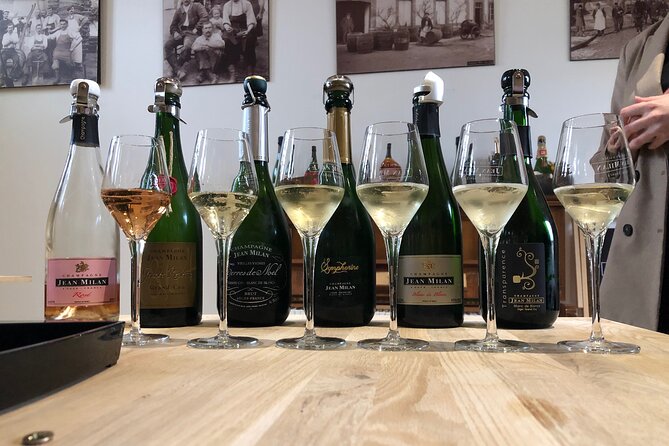
Oger is the main tasting stop, and it is the part I would value most if you have already seen one of the large Champagne houses. The visit is to an independent family estate dating from 1864, where you see the press, winery, and cellar before tasting the wines.
This is not simply a guided sip at a counter. The production visit helps you connect each stage: grapes are pressed, wine is made, bottles are aged, and the final style is shaped by blending and dosage. Your guide also explains how the wines differ, including natural Champagne without dosage, brut Champagne, vintage wine, and Champagne aged in oak barrels.
The tasting includes three 100% Grand Cru Champagnes. Since all come from the Côte des Blancs style of Chardonnay, you can pay attention to how the wines vary despite sharing a grape and classification. That is more useful than tasting three unrelated bottles with no explanation.
The estate is described as a discreet address favored by local drinkers and wine enthusiasts. That does not mean you should expect a grand entrance or a huge visitor center. The appeal is the family scale and the chance to buy bottles directly from the producer. If you find a favorite, the shop also sells Champagne and souvenirs.
A small point about tasting technique deserves attention. One past participant disliked being served different Champagnes in the same glass and felt the wines had to be consumed too quickly. The tasting is guided and arranged in a particular order, but serious wine drinkers may want to ask how the glassware is handled. If separate glasses for each wine are essential to you, clarify that before booking.
Ratafia, Fine de la Marne, and Marc de Champagne
The extra tasting in or near Cramant adds a local touch that many Champagne visits skip. You sample three traditional drinks connected with the region and the Goyard Distillery in Aÿ, founded in 1911.
Ratafia Champenois is the most distinctive. It is a sweet wine made from the same grape varieties used for Champagne and can be served as an aperitif, digestif, or with food. It is less familiar outside Champagne, so this is a good chance to taste something regional rather than another version of a famous export.
Fine de la Marne and Marc de Champagne are grape-based brandies usually served as digestifs. They are stronger and more direct than Champagne, so this part of the tasting will not appeal to everyone. If you prefer sparkling wine alone, consider the alcohol level and the cumulative effect of several tastings in a short tour.
Depending on the season and weather, this tasting takes place at a vineyard viewpoint or at the family estate. That flexibility is sensible, but it means the setting is not guaranteed. The drink itself is the constant, not the precise location.
Returning along Épernay’s Avenue de Champagne
The final portion is a commented drive along the Avenue de Champagne, Épernay’s grand central address. Large Champagne houses such as Moët & Chandon, Perrier-Jouët, Pol Roger, and others have mansions and production buildings here.
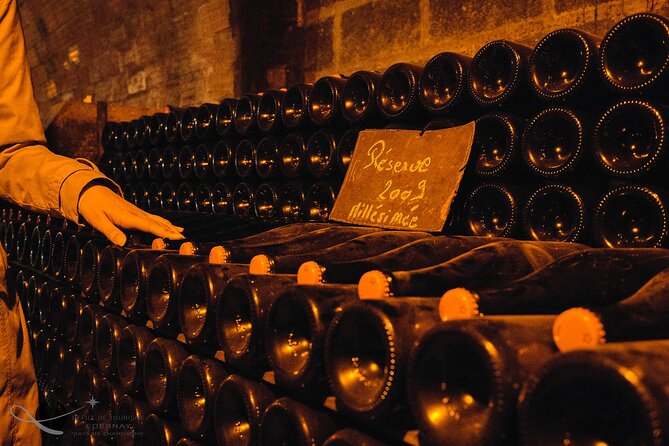
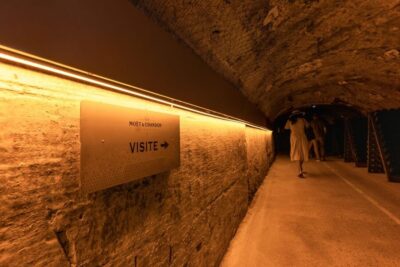
Beneath the avenue are roughly 100 kilometers of cellars holding about 200 million bottles. The figures are striking, but the useful part of the commentary is learning how the avenue reflects Champagne’s commercial past. The grand façades represent the famous houses, while the day’s earlier visit showed you the smaller producer side of the business.
You do not receive a full cellar tour here. Think of the avenue as a moving introduction to Épernay’s architecture and Champagne trade. If you want to walk the avenue at your own pace, return later. The tour ends at the Épernay tourism office, giving you an easy starting point for a separate visit.
Guides, group size, and the feel of the ride
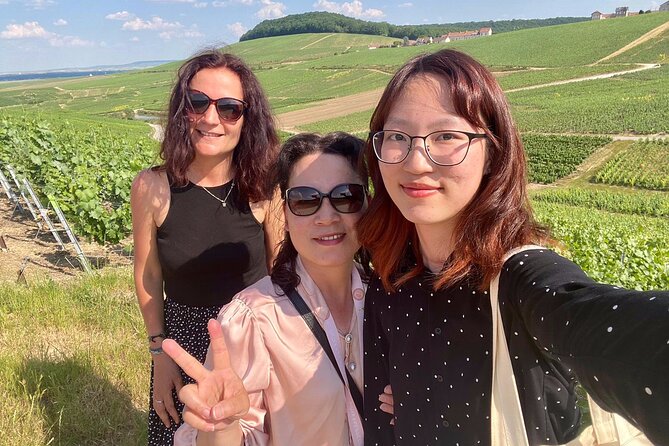
The small group is one of the strongest reasons to choose this experience. With a maximum of eight people, you can ask questions about dosage, grape varieties, or the family estate without competing with a busload of visitors.
The guides have different personalities, but the strongest pattern is their connection to the area. Isabelle is described as warm and personal, Philippe as passionate about the region, and Charlotte as friendly and clear. Marine’s English and explanations of grapes, harvest, land, and production were especially well regarded. Victoria has also been praised for creating a relaxed atmosphere and helping with photos.
You ride in a premium air-conditioned vehicle. Hotel transfers are not included, so you must reach the Office de Tourisme d’Épernay at 7 Avenue de Champagne. Suitcases and luggage are not allowed, which is important if you are arriving by train with bags or checking out of accommodation that morning.
Most people can participate, and the meeting point is near public transportation. The tour finishes where it begins. It is a simple arrangement, but leave enough time to reach the meeting point since late transport connections could cut into a short afternoon.
Who should book this Champagne tour?
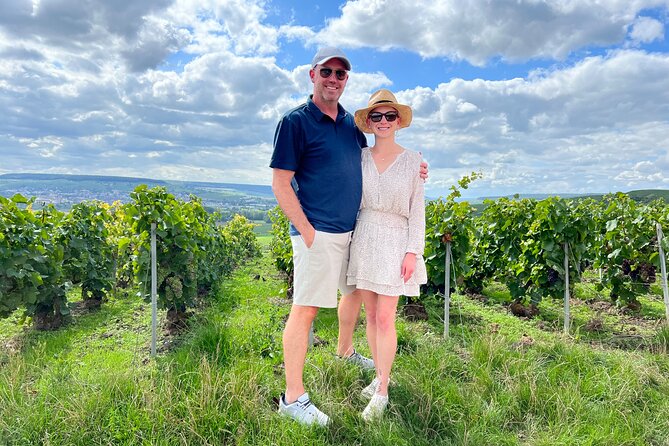
I would choose this tour if you want to understand how the region fits together in a single half-day. You see the village tied to Dom Pérignon, a Marne Valley vineyard, the Chardonnay villages of the Côte des Blancs, an independent grower, and the grand houses of Épernay.
It is especially suitable for:
- First-time visitors staying in Épernay
- Couples or small groups who prefer a personal guide
- Solo visitors who want company and a clear route
- Wine drinkers curious about grower Champagne
- People taking a day trip from Paris by train
- Anyone who wants more than a tasting-room experience
You may want another option if you need a long cellar tour, several different producers, a large number of photo stops, or a route that covers much more of the region. Champagne enthusiasts who already understand production may also find the introductory explanations familiar.
The tour has a 4.8 rating from 58 reviews, with 93 percent of participants recommending it. Those figures fit the experience described here: it is strongest for personal guiding, scenery, and the independent producer visit. The weaker points are the compact schedule, limited photo time for some people, and possible concerns about tasting glassware.
Should you book it?
Book this tour if you have one afternoon in Épernay and want a well-organized introduction with real regional variety. The family grower in Oger, Grand Cru Chardonnay tasting, and Ratafia are the most distinctive parts, while Hautvillers and the Avenue de Champagne provide useful context.
Skip it if your priority is a long, technical cellar visit or a completely different route on the return drive. At $187.06, the tour makes sense when you value the guide, transport, small group, and several included tastings. Free cancellation is available up to 24 hours before the start time, which gives you some flexibility while planning.
FAQ
Where does the Champagne tour begin and end?
The tour begins at the Office de Tourisme d’Épernay en Champagne, 7 Avenue de Champagne, 51200 Épernay. It ends back at the same meeting point.
How long does the tour last?
The experience lasts approximately three hours and 30 minutes.
How many people can join the tour?
The group is limited to a maximum of eight participants. The tour can operate with as few as two people.
What Champagne is included in the tasting?
You taste three Grand Cru Champagnes, including 100% Chardonnay Champagnes from the Côte des Blancs.
Are other drinks included?
Yes. The tour also includes tastings of Ratafia Champenois, Fine de la Marne, and Marc de Champagne.
Is hotel pickup included?
No. Transfers from your hotel are not included. You must make your own way to the Épernay tourism office.
Can I cancel for a full refund?
Yes. You can cancel at least 24 hours before the experience start time for a full refund. Cancellations or changes made less than 24 hours before the start time are not accepted for a refund.
Just poured in France
- The Connoisseurs from Epernay (Private Half day Champagne Tour)★ 5.0 · 59 reviews
- Champagne experience with a vintage van from Epernay – 3 hours★ 5.0 · 108 reviews
- From Epernay: Champagne Small-Group tour with tastings & Lunch★ 5.0 · 93 reviews
- Pinot Noir Masterclass – Wine tasting in Dijon★ 5.0 · 147 reviews
- Chardonnay Masterclass – Wine tasting in Dijon★ 5.0 · 91 reviews
- Small-Group Full-Day Tour of Côte de Nuits, Côte de Beaune Vineyards and Beaune Historical District★ 5.0 · 364 reviews
- Small group Burgundy tour of Beaune with Wine Tasting from Dijon★ 4.5 · 85 reviews
- Half Day Tour of the Cote de Nuits Vineyards from Dijon★ 5.0 · 108 reviews
Champagne Tours, compared.
Day Trip to Champagne with 8 Tastings & Lunch
Read our review →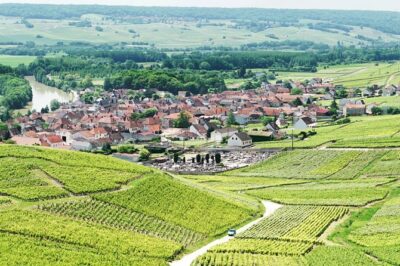
Champagne Day Trip with 6 Tastings, Reims and Winery from Paris
Read our review →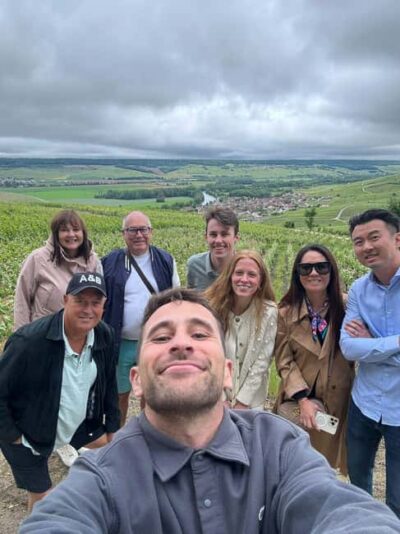
From Reims: Champagne and Family-Run Wineries Tour
Read our review →
Reims afternoon tour Champagne and family growers
Read our review →

Cappadocia Balloon Ride with Breakfast, Champagne AT GOREME OVER
Read our review →
Epernay: Guided Tour of Champagne Cellar with Tastings
Read our review →Browse the lists this tour appears in