
REVIEW · CHAMPAGNE TOURS
Champagne: Canard-Duchêne Champagne House Tour
Canard-Duchêne takes you well below the vineyards, into cellars cut 40 to 60 feet underground. The nearly four-mile network stretches across four levels, giving this short visit a real sense of place rather than a quick look at a tasting room.
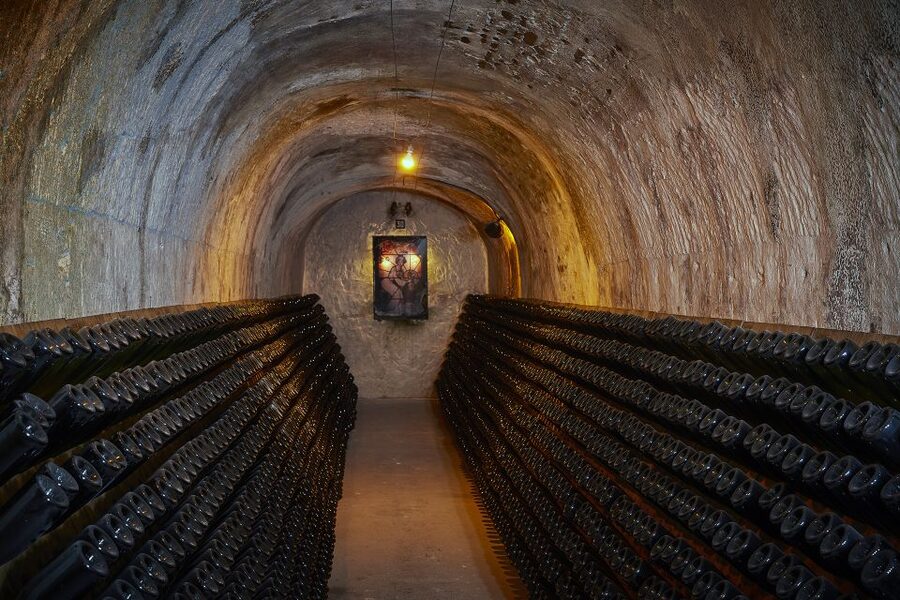
I like the hand-carved cellar architecture and the chance to see grapes growing in the vineyards above. I also like the restored chapel window, made by the Simon-Marq glassmaking workshop. The main thing to consider is the 130-step descent and climb, with no elevator, plus cellar temperatures of about 50°F.
Key points
- Four underground cellar levels: Walk through nearly four miles of passages at a cool, steady 50°F.
- A real production story: Learn how temperature, humidity, and cellar time shape Champagne.
- Vineyards included: The guided walk shows where the grapes are grown, not just where bottles are stored.
- Restored chapel art: See stained glass from the old chapel, renovated by the Simon-Marq workshop.
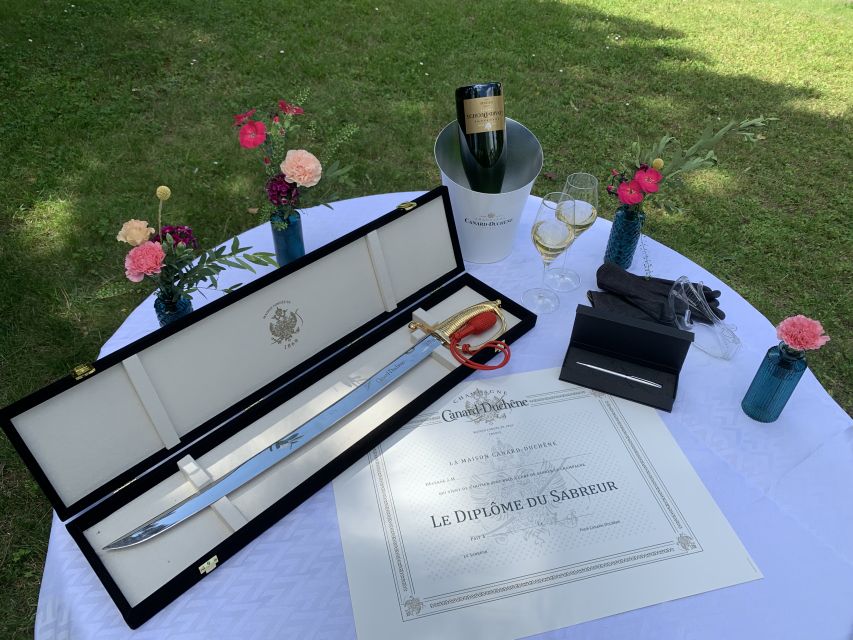
- Tasting choices: Select one or two glasses, from a basic brut or demi-sec to Cuvée Charles VII.
- Good value at $25: The price covers the guide, cellars, vineyards, and tasting, but not lunch.
Starting at Canard-Duchêne in Grand Est
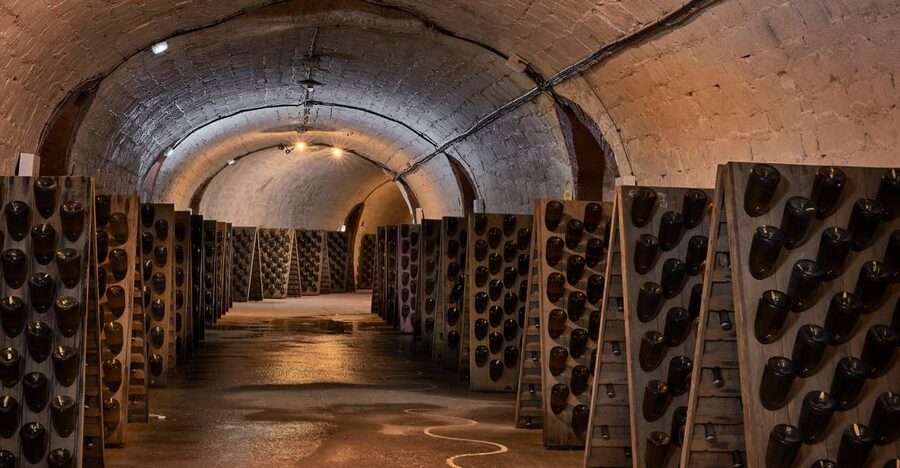
Canard-Duchêne gives you a compact introduction to Champagne in one hour. The visit moves through the house, its underground cellars, the surrounding vineyards, and a small but memorable piece of local art.
You should arrive 15 minutes before your selected starting time. Guided visits are offered in English or French, so check the language when you book. The tour is short enough to fit into a wider day in the Champagne region, but it still covers more ground than a tasting-only stop.
The price is about $25 per person. That is a fair rate if you want a guided cellar visit and a tasting without committing to a half-day excursion. You are paying for access to an operating Champagne house, a guide-led explanation of production, a vineyard walk, and either one or two glasses, depending on the package.
You will not get lunch, transportation, or a long formal tasting lesson. This is a focused house visit. I would pair it with another activity in the area rather than treat it as the only event of your day.
More Champagne Tours in France
- From Paris: Day Trip to Champagne with 8 Tastings & Lunch
★ 4.8 · 1,501 reviews - Champagne Day Trip with 6 Tastings, Reims and Winery from Paris
★ 5.0 · 902 reviews - From Reims: Champagne and Family-Run Wineries Tour
★ 4.8 · 671 reviews
Walking through the 19th-century cellars
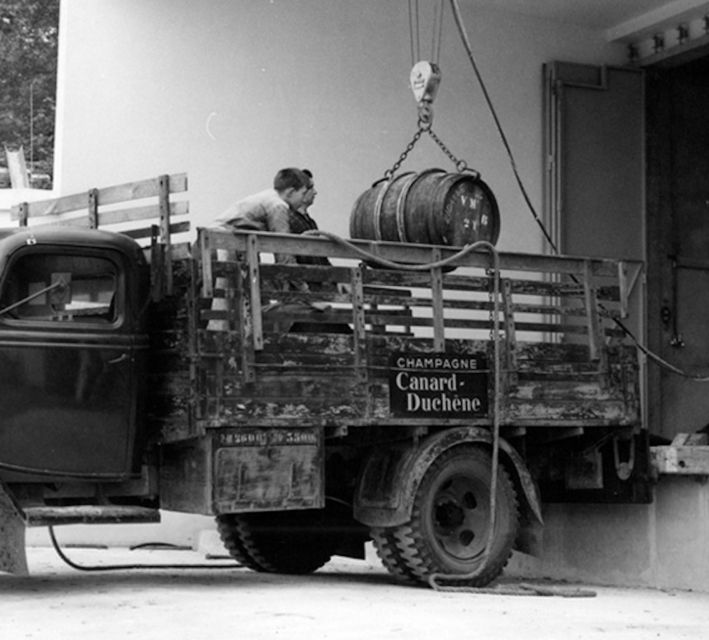
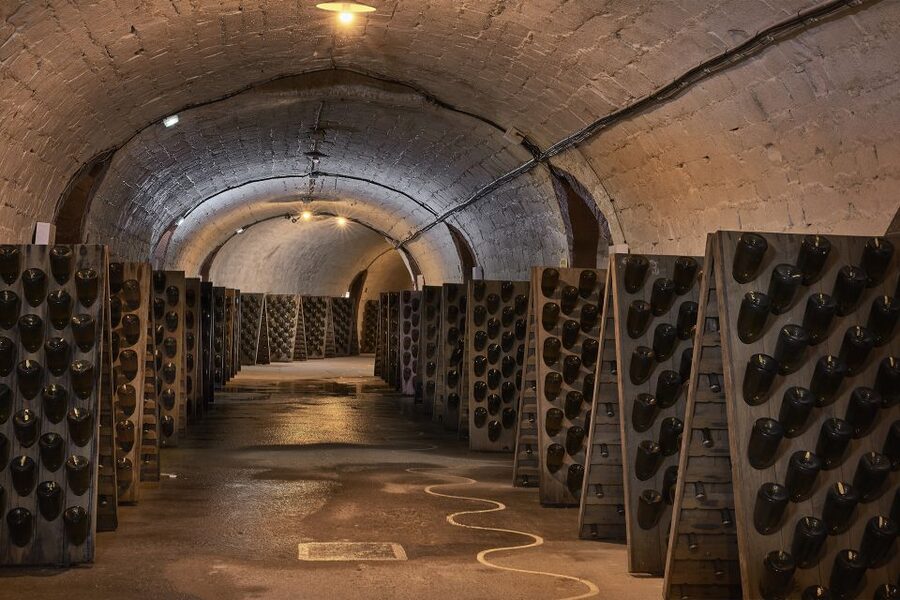
The cellar visit is the heart of the experience. You descend 130 steps each way, reaching passages 40 to 60 feet below ground. There is no elevator, so the stairs are not a minor detail. You need to be comfortable with a fairly substantial walk down and back up.
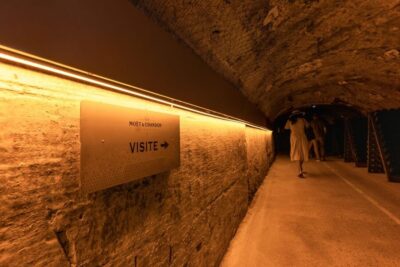
Once below ground, the setting changes quickly. The cellars extend nearly four miles across four levels, with hand-carved 19th-century architecture giving the route a strong sense of age and craft. You are not simply looking at rows of bottles in a modern storage room. The tunnels and stonework show how Champagne houses have used underground spaces for generations.
Bring a warm layer. The maximum cellar temperature is listed as 50°F, which can feel chilly even on a warm summer day. Comfortable clothes and shoes make sense, especially because you will also walk through the vineyards.
The guide explains why these conditions matter. Underground cellars offer steady temperature and humidity, helping the wine mature at a slow, controlled pace. That stable setting supports the development of Champagne’s taste and complexity.
This part is especially useful if you normally think of Champagne as a finished bottle rather than a long process. You see the physical setting where time does much of the work. The cool air, dark passages, and carved walls also give the visit a stronger atmosphere than a standard retail tasting.
The drawback is that the cellar route may feel demanding for anyone who tires easily on stairs. The activity specifically excludes people with mobility impairments and people over 70. That guidance should be taken seriously, since the stairs are required in both directions.
Learning how grapes become Champagne
Your guide explains the stages of production as you tour the facilities. The visit is not just about tasting labels. You learn how the house moves from grapes to finished Champagne and why the cellars are so important to the process.
The exact pace depends on the guide and group, but the one-hour format keeps the information practical. You should expect a clear overview rather than a detailed winemaking course. If you already know a great deal about fermentation, blending, or bottle aging, you may want a longer masterclass elsewhere. If you are new to Champagne, the amount of information should feel manageable.
I like that the production story is tied to the actual building. You hear about temperature and humidity while standing underground, then see the vineyards where the grapes are grown. That connection makes the process easier to understand than a talk delivered only in a tasting room.
The house’s history is also part of the tour. Your guide explains Canard-Duchêne’s past while pointing out the architectural features around you. The experience works best when you pay attention to those details instead of treating the cellar as a passage to the tasting.
Seeing the vineyards above ground
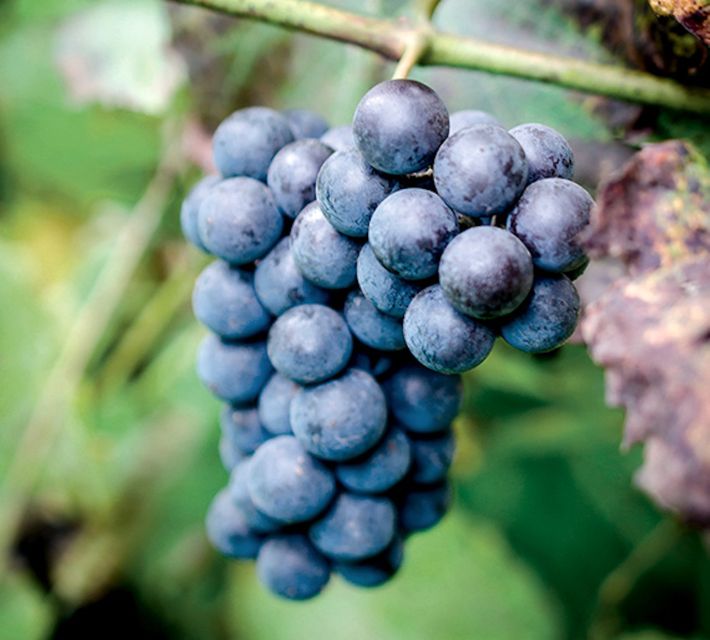
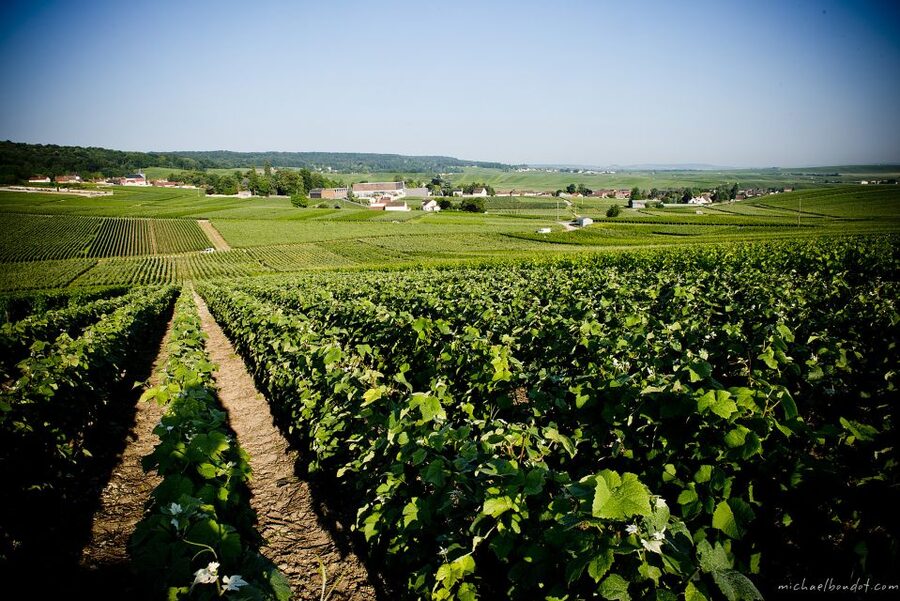
The guided vineyard walk adds useful context. After hearing about cellar conditions, you see the other end of the process, the vines and the setting where the grapes are grown.
This is not presented as a long countryside hike. It is part of a one-hour visit, so expect a concise walk rather than a full agricultural tour. Still, it helps answer a basic question: what does the Champagne house actually depend on before the bottles ever reach the cellar?
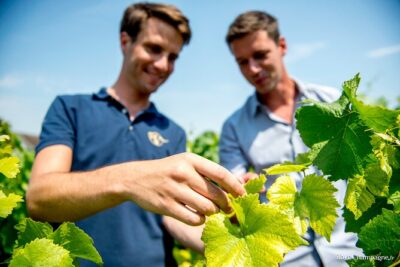
You can look at how the vines are arranged and hear how the grapes fit into the production story. The vineyard portion also gives you a change of pace after the underground passages. One moment you are in cool, dim tunnels, and the next you are outside among the vines.
Wear shoes that can handle both stairs and outdoor walking. The tour does not require special equipment, but comfortable clothing is the sensible choice. If the weather is unsettled, a light outer layer will help.
For me, the vineyard walk makes the $25 price easier to justify. A cellar tour alone can feel enclosed and technical. Adding the vines gives you a fuller picture of the place and helps you understand Champagne as a product of both land and careful cellar work.
Same town, a different bottle:
- Bordeaux: Cité du Vin Entry Ticket and Wine Tasting
★ 4.6 · 3,885 reviews - Bordeaux: River Garonne Cruise with Glass of Wine and Canelé
★ 4.5 · 3,630 reviews - Montmartre Hill French Gourmet Food and Wine Tasting Walking Tour
★ 5.0 · 2,588 reviews - From Paris: Loire Valley Castles Day Trip With Wine Tasting
★ 4.6 · 1,727 reviews
Pausing at the restored chapel window
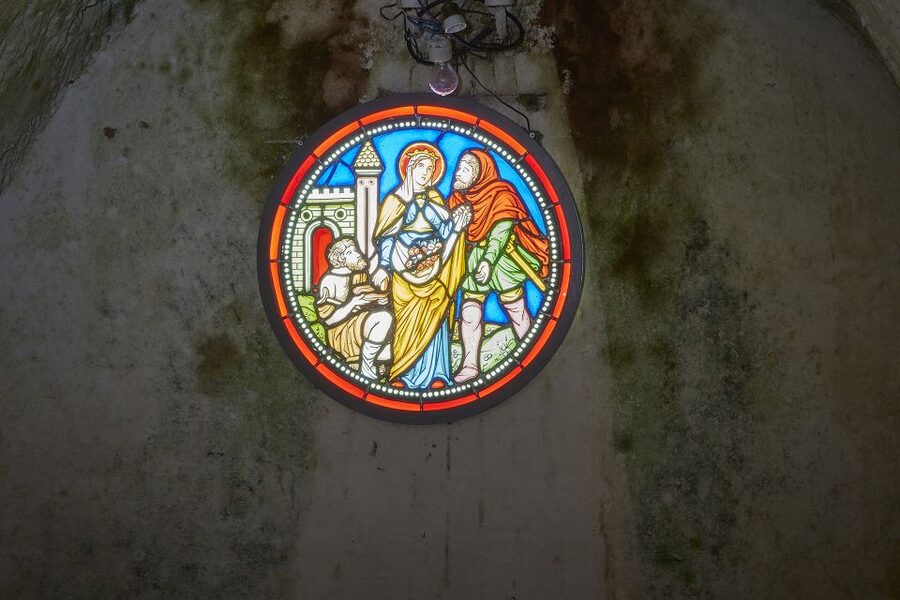
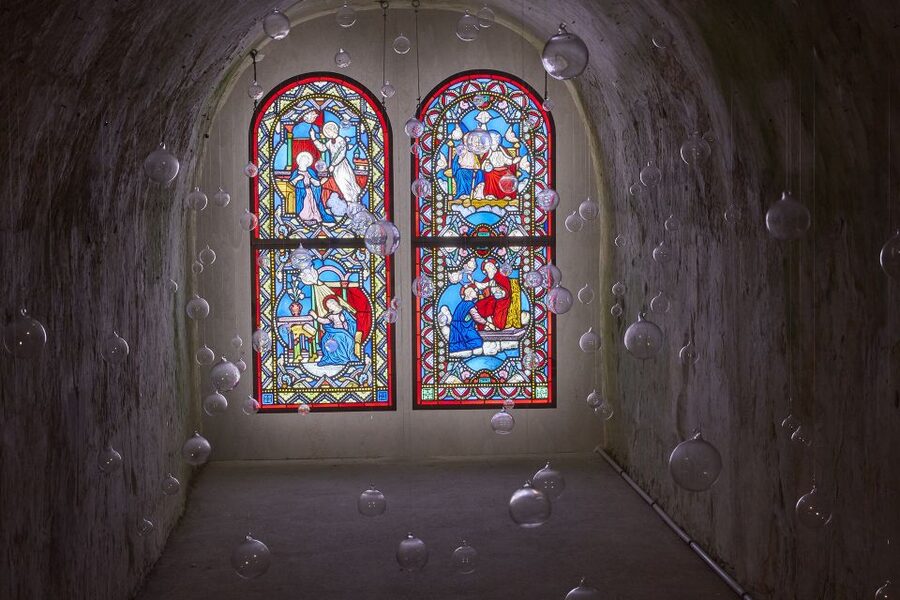
Canard-Duchêne’s old chapel adds an artistic touch that many visitors may not expect from a Champagne house. You pause to see a restored stained glass window renovated by the Simon-Marq workshop, a respected name in French glassmaking.
The window is a small part of the itinerary, but it gives the visit some character. You are not only seeing production rooms and underground storage. You are also seeing how the house has cared for an older building and its decorative details.
The chapel may appeal most to visitors who like architecture, religious art, or local craftsmanship. It is not a separate museum visit, so do not expect a large collection or an extended art presentation. Think of it as a thoughtful stop along the route.
That balance works well in a short tour. The cellars explain the wine, the vineyard explains the grapes, and the chapel window gives you something visual and cultural beyond the bottle itself.
Choosing your Champagne tasting
The tasting comes as part of the experience, with one or two glasses depending on the option you choose. You have several ways to shape this final part of the visit.
The Decouverte option includes a tasting of either a brut or demi-sec. This is the simplest choice and makes sense if you want a basic introduction without paying for a more specialized selection.
The Liberté option offers Cuvée Léonie Brut and Cuvée Léonie Rosé, or Cuvée Bio P181. This gives you a broader taste of the house’s styles and may suit you if you want more variety after the tour.
The Charles VII option includes a tasting of Cuvée Charles VII. Choose it if that specific cuvée is the reason you are interested in the visit.
The tasting is not paired with lunch. It also does not appear to include a snack, and an accompanying biscuit or small toast would make the tasting more comfortable for some people. If you plan to continue sampling Champagne elsewhere, keep the tasting modest and allow time between stops.
The best value depends on what you want. The basic option is enough for a first taste and keeps the price low. The two-glass option offers more comparison and gives the visit a stronger tasting component. If you care about the wine more than the architecture, check the exact option carefully before booking.
How the one-hour timing works
One hour is enough for an introduction, but not enough for an unhurried examination of every part of the house. You will move through several elements: the production story, underground cellars, vineyard area, chapel window, and tasting.
That brisk pace is useful if you are building a busy day around Reims, Épernay, or another Champagne stop. You can fit the visit into a larger plan without losing an entire afternoon. It is less suitable if you prefer long conversations, extensive tastings, or time to explore independently.
The short duration also means you should arrive ready. Wear warm clothes for the cellars and comfortable shoes for 130 steps each way. Arriving 15 minutes early gives you time to check in without turning the first part of the tour into a scramble.
The published rating is 4.7 from 66 reviews, and the strongest praise centers on the complete format, friendly guidance, and attractive setting. That matches the structure of the visit: it covers several subjects in a compact period and gives you a clear sense of the house.
The shop is described as having a limited selection. If you want a large retail stop with many gift choices, this may disappoint. I would treat the shop as an optional final glance, not a major reason to visit.
Who will get the most from this visit
I would recommend Canard-Duchêne to first-time Champagne visitors who want to understand the basics without booking a long tour. The combination of cellars, vineyards, art, and tasting gives you more context than a quick glass at a bar.
It also suits people who enjoy historic buildings and working wine houses. The hand-carved passages and restored chapel window add visual interest for anyone who wants more than a technical explanation of production.
The tour is less suitable for anyone with mobility limits or difficulty managing stairs. The 130 steps down and 130 steps back up are mandatory, and there is no elevator. The cool cellar temperature may also be uncomfortable if you arrive without a warm layer.
Older visitors should read the age guidance carefully. The activity is listed as not suitable for people over 70, along with people with mobility impairments. That is a firm practical warning, not a minor footnote.
Families and groups should also decide if one hour is enough. The compact timing keeps the visit easy to fit into a day, but younger children may not care about the production explanation or the cellar architecture. The tasting is aimed at the adults in your group.
Canard-Duchêne compared with longer Champagne outings
This visit works best as a house-focused experience. You are not getting transportation from Reims, a full-day itinerary, several estates, or lunch. You are getting a direct look at one producer and its setting.
A half-day Champagne tour may offer more tastings and transport between villages, but it will cost more and take much longer. A tasting class may spend more time on grape varieties and flavor notes, while this visit gives more attention to cellars, architecture, and the vineyard itself.
I would choose Canard-Duchêne if you want a simple booking at a moderate price and prefer to explore the region on your own. I would choose a longer excursion if you need transport, want several producers, or want a full meal with your wine.
The house visit also gives you more physical context than a city-center tasting. You see where the bottles mature and where the grapes are grown. That makes the experience feel tied to the Champagne region rather than separated from it.
Practical advice before you book
Book the tasting option that matches your interest. Decouverte is the straightforward choice. Liberté gives you more variety, while Charles VII focuses on one named cuvée. Since the number of glasses changes by option, confirm what is included before paying.
Plan your clothing around the cellar. A sweater or light jacket is important at 50°F. Wear shoes that are comfortable on stairs and suitable for a vineyard walk.
Do not schedule a heavy meal as part of the experience. Lunch is not included, and the tasting may not come with bread, biscuits, or another snack. Plan food separately if you need it.
The tour offers free cancellation up to 24 hours before the start time, and you can reserve now and pay later. Those terms help if your Champagne plans depend on weather or a changing day schedule.
Should you book the Canard-Duchêne tour?
Book this tour if you want a well-priced, one-hour introduction with real cellars, a vineyard walk, a bit of art, and a Champagne tasting. The underground passages and chapel window give it more character than a simple pour at a shop.
Skip it if stairs are a problem, if you want lunch, or if you are looking for a long expert tasting with several estates. For everyone else, Canard-Duchêne offers a practical way to connect the bottle with the place, the vines, and the cool underground rooms where the wine matures.
FAQ
How long does the Canard-Duchêne Champagne House tour last?
The tour lasts one hour.
How much does the Canard-Duchêne tour cost?
The listed price is $25 per person.
What languages are available for the guided tour?
The live guide can conduct the tour in English or French.
How many stairs are there in the cellars?
You must walk down and back up 130 steps. There is no elevator access.
How cold are the wine cellars?
The maximum temperature in the cellars is 50°F.
Is Champagne included in the tour?
Yes. The tasting includes one or two glasses, depending on the option selected.
What tasting options are available?
The Decouverte option includes a brut or demi-sec. The Liberté option includes Cuvée Léonie Brut and Cuvée Léonie Rosé or Cuvée Bio P181. The Charles VII option includes Cuvée Charles VII.
Is the vineyard visit included?
Yes. A guided vineyard tour is included along with the guided cellar visit.
Is lunch included?
No. Lunch is not included.
Just poured in France
- Pinot Noir Masterclass – Wine tasting in Dijon★ 5.0 · 147 reviews
- Chardonnay Masterclass – Wine tasting in Dijon★ 5.0 · 91 reviews
- Small-Group Full-Day Tour of Côte de Nuits, Côte de Beaune Vineyards and Beaune Historical District★ 5.0 · 364 reviews
- Small group Burgundy tour of Beaune with Wine Tasting from Dijon★ 4.5 · 85 reviews
- Half Day Tour of the Cote de Nuits Vineyards from Dijon★ 5.0 · 108 reviews
- The Emblematic: visit of villages, Haut-Koenigsbourg, Wine tasting★ 5.0 · 81 reviews
- Safari-Tour Villages and vineyard, 1/2 day afternoon★ 5.0 · 65 reviews
- Au Cœur du Château – VSOP D’USSÉ & XO BARON OTARD★ 4.5 · 108 reviews
Champagne Tours, compared.
Day Trip to Champagne with 8 Tastings & Lunch
Read our review →
Champagne Day Trip with 6 Tastings, Reims and Winery from Paris
Read our review →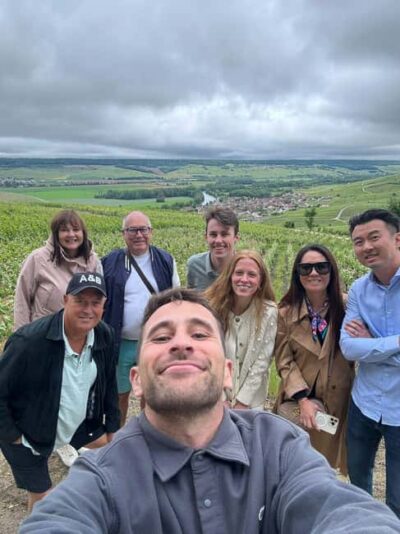
From Reims: Champagne and Family-Run Wineries Tour
Read our review →
Reims afternoon tour Champagne and family growers
Read our review →

Cappadocia Balloon Ride with Breakfast, Champagne AT GOREME OVER
Read our review →
Epernay: Guided Tour of Champagne Cellar with Tastings
Read our review →Browse the lists this tour appears in