
REVIEW · WINERY TOURS
Gran Canaria: Winery Tour, Wine Museum, and Tasting
A 100-year-old stone wine press, a family winery dating to 1912, and a cellar scented with fermenting wine give this Gran Canaria outing more character than a simple tasting. At Bodega San Juan, you walk through the vineyards, old machinery, family photographs, and working wine rooms before sitting down with two wines and local snacks.
I like the way the tour connects old island traditions with modern production, rather than treating the wine as a stand-alone product. I also like the relaxed tasting in the estate garden, where cheese, toasted bread, and olives make the $34 price feel fair. The main drawback is the meeting point: hotel pickup is not included, and finding the winery by bus can take some planning.
Key points at a glance
- A winery dating to 1912: Bodega San Juan remains family-run after five generations on Gran Canaria.
- The island’s only wine museum: See old machinery and learn how wine production changed over time.
- A real cellar experience: Smell wine fermenting in wooden casks before comparing the older rooms with the modern facility.
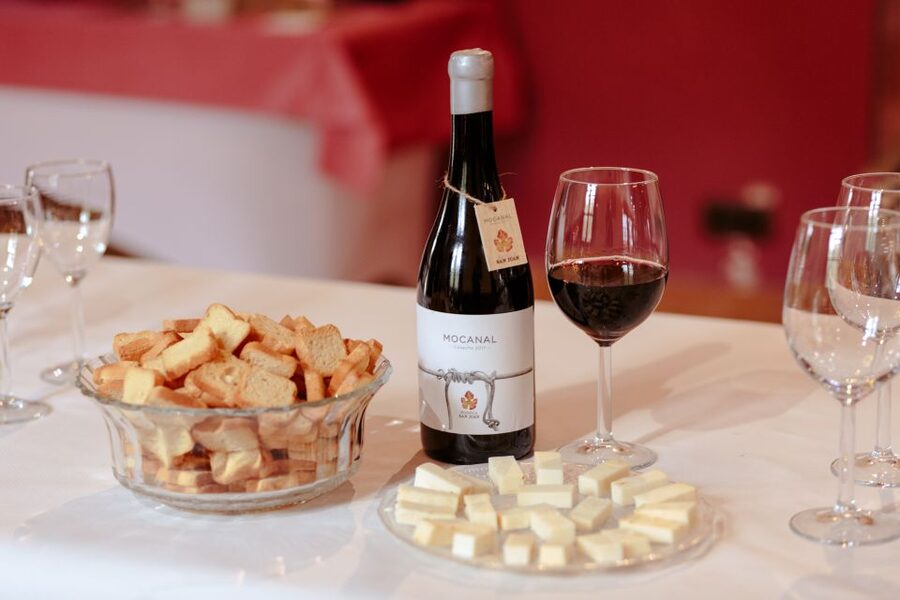
- Two wines with local food: The tasting includes Gran Canaria cheese, toasted bread, and olives.
- Maria is a popular guide: She leads in English and has also switched between languages for mixed groups.
- A short, good-value visit: The tour lasts 1.5 hours and costs $34, but you must arrange your own transport.
Why this small winery is worth your time
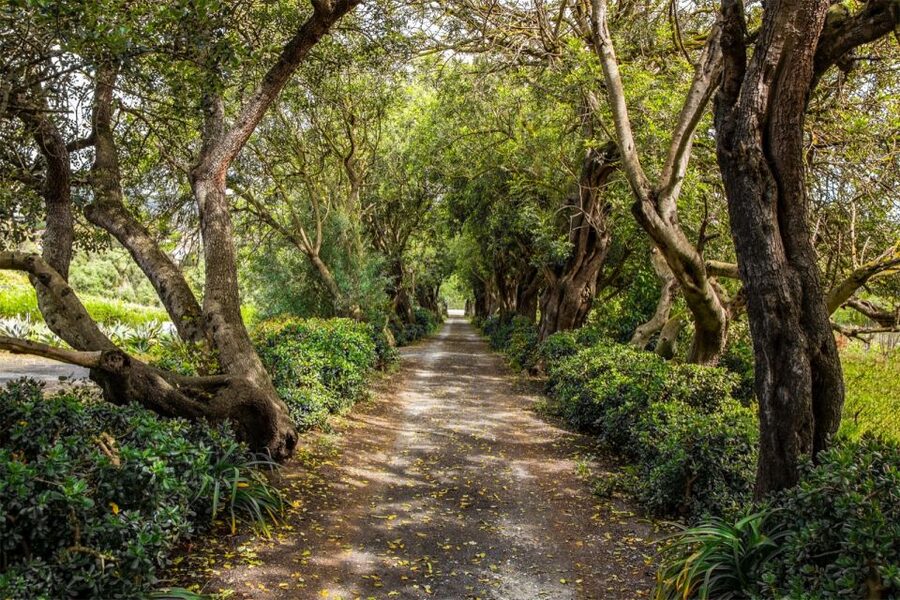
Gran Canaria is better known for beaches, mountain villages, and volcanic scenery than for wine. That is part of the appeal here. The visit gives you a different view of the island, one shaped by family work, dry sunshine, unusual grape varieties, and volcanic soil.
Bodega San Juan is not presented as a large commercial estate. It is a family business with five generations behind it. Old photographs help set the scene, showing how the property and the family have changed while keeping wine production at its center.
I like this personal scale. You are not simply led past polished displays. You get a sense of how a working island winery has had to adjust over time, from traditional tools and stone pressing to newer equipment and more controlled production.
The setting also gives you plenty to look at. The vineyards provide the photo opportunities promised by the tour, while the buildings and gardens add a calm backdrop to the tasting. One recent visit even included butterflies moving around the garden as the group tasted wine, though that should be treated as a pleasant possibility rather than a planned part of the experience.
More Winery Tours in Spain
- Barcelona: Montserrat, Cogwheel, Black Madonna & Winery Tour
★ 4.8 · 5,633 reviews - Montserrat with Black Madonna & Medieval Winery with Tapas/Lunch
★ 5.0 · 5,209 reviews - Montserrat Full Day Tour with Farmhouse Lunch and Winery Visit
★ 5.0 · 1,068 reviews
Starting among the vineyards and family photographs
You meet your guide at Bodega San Juan, Finca El Mocanal. The tour begins with the property and the family story, including old photographs that help you understand the winery as a long-running household business rather than an anonymous brand.
Guide Maria receives especially strong praise for her clear English, humor, and ability to explain the process without making it feel like a lecture. She has also handled groups with different languages, moving between them so everyone could follow along. If you want facts about local grapes, production, and the estate’s past, she is the kind of guide who makes the short visit count.
The first walk takes you into the organic vineyards. Here, the focus is on the grapes, Gran Canaria’s endemic varieties, and the island’s volcanic soil. You also hear about the work required to keep the crop in good condition as the grapes ripen in the sun.
This part is useful because it puts the later tasting into context. You are not tasting an abstract product. You are learning why the wine tastes and grows differently in this setting, and how the winery manages the crop before fermentation begins.
Do not expect a long vineyard hike. The whole experience lasts only 1.5 hours, so this is a close look at the estate rather than a full agricultural tour. That compact length suits a holiday schedule, especially if you want one cultural stop between other Gran Canaria plans.
The 100-year-old stone lagares
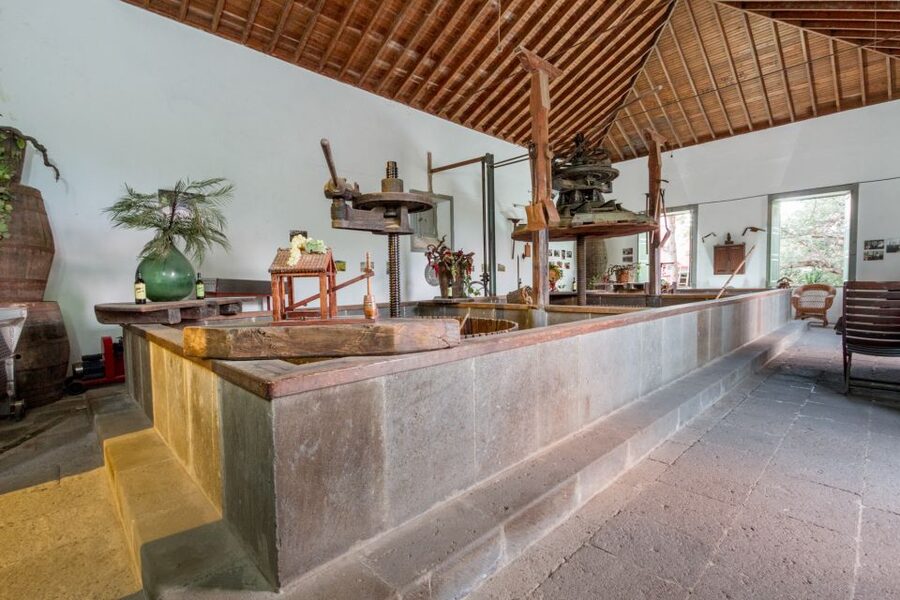
One of the most memorable objects on the property is a stone lagar dating back around 100 years. These were used for pressing grapes by foot, a direct reminder of how much physical work once went into making wine.
Seeing the lagar matters because it links the family story to a real piece of equipment. Old machinery in a museum can feel distant, but a stone press gives you a clear picture of the earlier method. It also creates a useful contrast with the cleaner, more controlled tools used today.
The guide explains how the process has changed from grape to bottle. You learn about pressing, fermentation, and the steps involved in creating an organic wine, while still seeing the older methods that shaped the winery’s past.
For some people, this will be the strongest part of the visit. If you are mainly interested in drinking wine and less interested in equipment or agricultural history, the explanation may feel more detailed than necessary. Still, the tour moves at a relaxed pace, and the tasting comes soon enough.
Gran Canaria’s only wine museum
The small wine museum is a central part of the experience. It is described as the only wine museum in Gran Canaria, and its collection helps show how local production moved from traditional work to modern methods.
You can expect old machinery and objects tied to the winemaking process. The museum is not a huge exhibition hall, so think of it as a compact collection within the winery rather than a separate attraction requiring hours.
I value this stop because it gives the visit a clear sense of time. The tour is not only about how wine is made now. It shows the tools and techniques that came before, then lets you compare them with the modern facility later in the route.
The best approach is to listen closely to the guide’s explanations. Maria has been praised for covering the wine process from earlier days through current production, and that connection between past and present is what makes the museum more than a room of old objects.
Same town, a different bottle:
- Montserrat & Cogwheel Train, Gourmet Wine Tasting & Tapas/Lunch
★ 5.0 · 6,290 reviews - Madrid Tapas & Wine Tasting Walking Tour – Small Group Local Bars
★ 5.0 · 3,644 reviews - Sevilla Food Tour: Tapas, Wine, History & Traditions
★ 5.0 · 3,468 reviews - Valencia Old Town Tour with Wine & Tapas in 11th Century Historic Monument
★ 5.0 · 3,234 reviews
Entering the cellar and comparing old with new
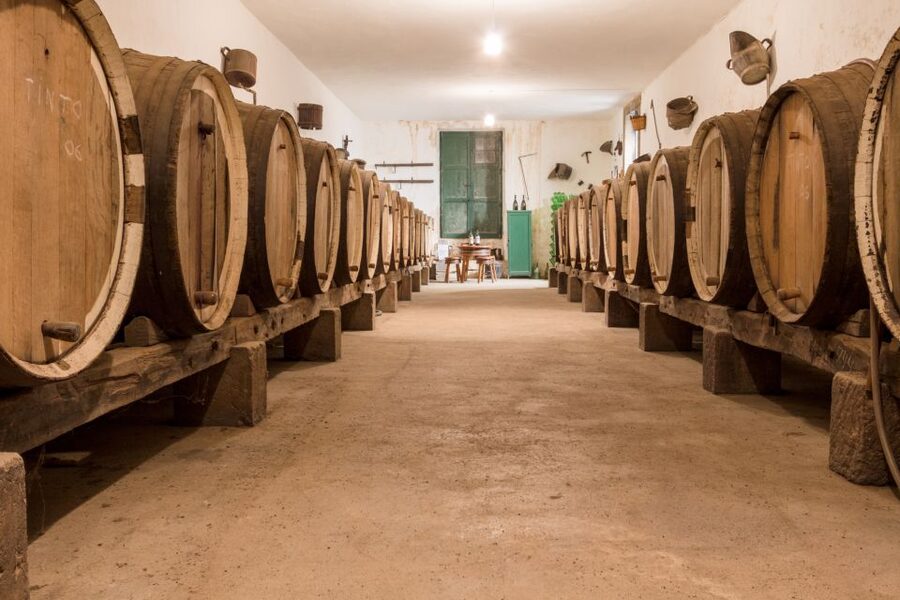
The cellar brings a different kind of detail. As you enter, you can take in the smell of wine fermenting in wooden casks. That aroma gives you a more physical sense of production than a display panel ever could.
You then compare the traditional cellar with the modern facility. This is a practical lesson in how a small family winery can preserve older features while updating the work needed to produce wine today.
The tour does not claim that old methods are automatically better. Instead, it shows the change in approach. The stone lagar and wooden casks represent earlier stages, while the modern facility reflects the winery’s current needs.
I would pay attention here if you are curious about the difference between a historic winery and a museum-only property. Bodega San Juan still presents itself as a working operation, so the old rooms have meaning because they connect to present-day production.
The tasting: two wines, cheese, toast, and olives
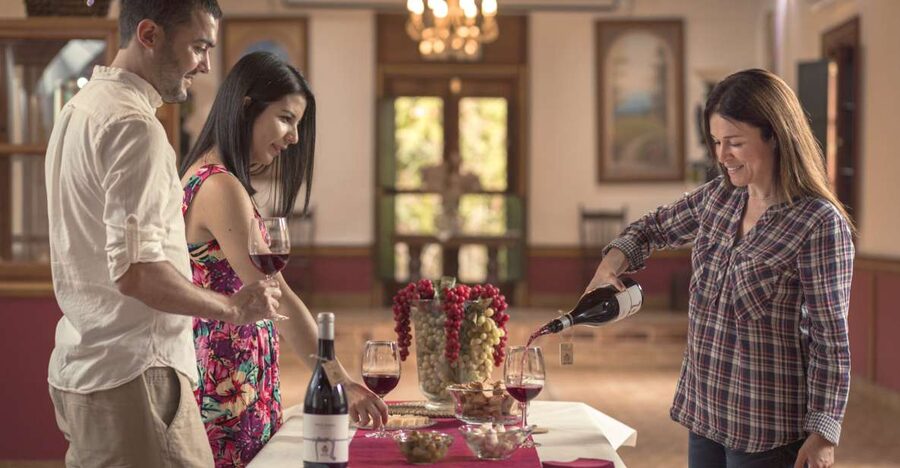
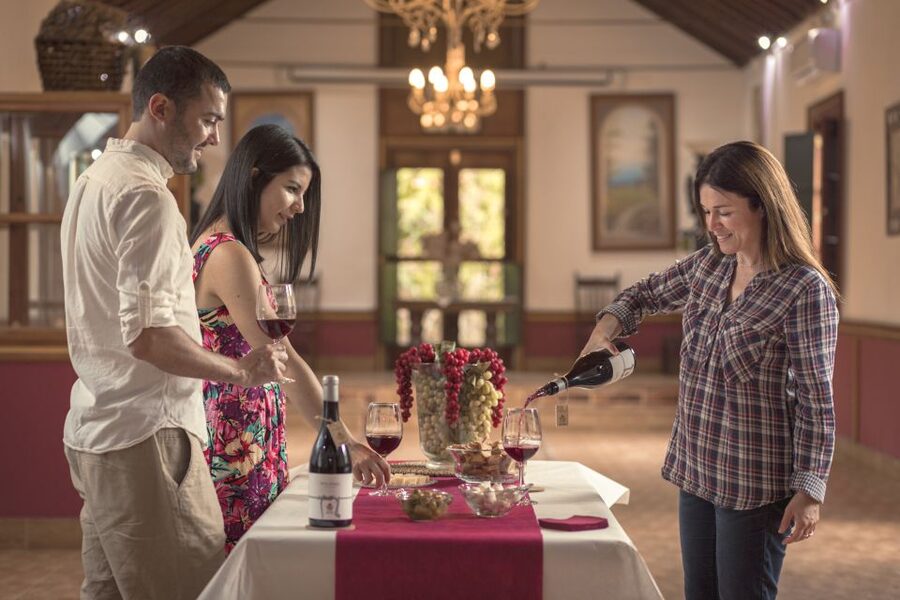
At the end, you sit in the tasting area and try two wines. Gran Canaria cheese, toasted bread, and olives accompany the pours, giving you enough food to make the tasting feel like a small afternoon snack rather than two hurried sips.
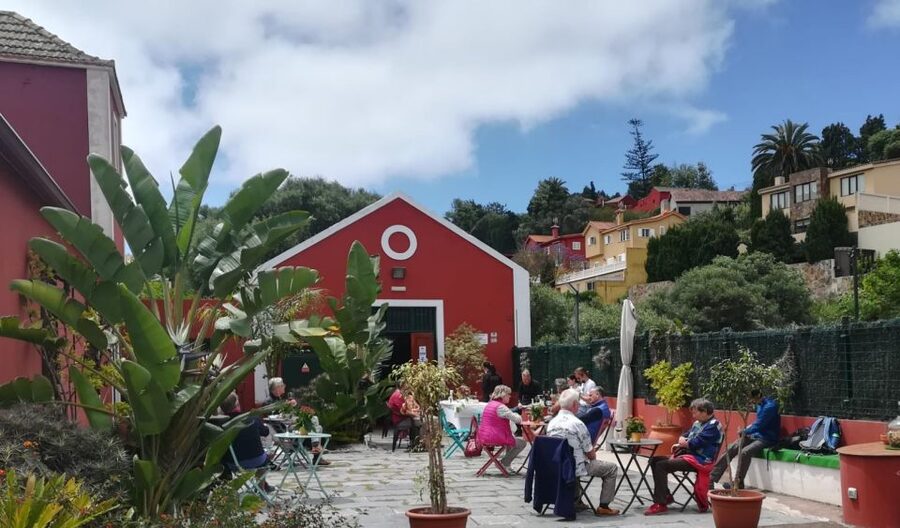
The setting is one of the best parts. The tasting can take place in the estate garden, where the historic buildings and greenery make the final part feel unhurried. After the vineyard and cellar, this pause gives you time to talk with the guide, compare the wines, and take photographs.
The wines have clearly been a major reason for the strong response to this tour. Several people have enjoyed them enough to buy bottles to take home. Availability can vary, though. One visitor specifically found that the bodega’s own red wine was not available for purchase at the time.
That point is worth remembering if you hope to bring home a particular bottle. You can ask what is available during your visit, but do not assume every wine served will be in stock for sale. The winery’s products also may not be exported, which makes buying locally appealing when bottles are available.
The food is simple, not a full meal. Cheese, bread, and olives are exactly the right scale for a 1.5-hour visit, but you should not book this as a substitute for lunch or dinner.
Is $34 a fair price?
At $34 per person, the price is reasonable for what is included. You receive a guided farm and winery tour, a look at the museum and cellar, and two wine samples with cheese, toast, and olives.
The value comes from the variety packed into a short visit. You see the vineyards, family photographs, a stone lagar, old machinery, a cellar, and a modern production area. Then you finish with a tasting in a pleasant setting.
A large estate might offer more wines or a longer formal tasting, but it could also feel less personal. Here, the family connection and smaller scale are the main attractions. I would consider this good value for anyone already planning to visit the area and interested in local food traditions.
The price feels less attractive if you must spend a great deal of time and money reaching the winery. Since hotel pickup and drop-off are not included, check your route before booking. A bus connection is possible, though it has been described as somewhat complicated. It is doable with preparation, but not the easiest choice if you want a completely effortless outing.
Getting there and planning your visit
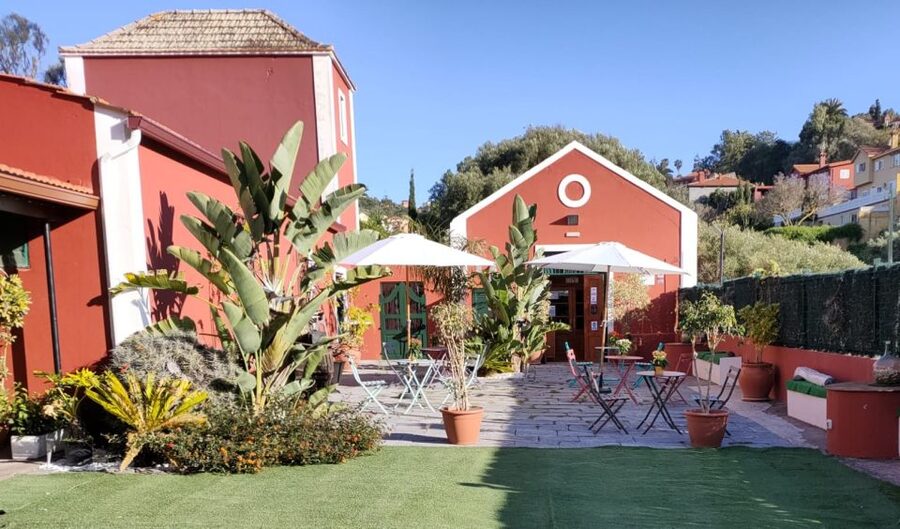
The meeting point is listed as Bodega San Juan, Finca El Mocanal. Make sure you have the exact location ready before leaving, since one person found the starting point instructions unclear.
You will need to arrange your own transport. There is no hotel pickup or drop-off. If you are driving, allow enough time to locate the property and arrive before the start. If you use public transport, check the route carefully and leave a margin for delays.
The operator has shown flexibility when serious road delays occur. A group delayed by an accident on the GC-1 was moved to a later tour, which is encouraging, but you should still contact the operator as soon as a delay becomes clear rather than assume a change will happen automatically.
The tour runs rain or shine. That matters less for the museum and cellar, but the vineyard portion is outdoors, so bring suitable clothing for the forecast. The walking is part of the experience, even though this is not a long hike.
You can cancel up to 24 hours before the tour for a full refund, and you can reserve now while paying later. Those policies make it easier to fit the winery into a changing island itinerary.
Who will enjoy this tour most?
I would recommend it to wine lovers, food-focused visitors, and anyone looking for a quieter cultural stop away from the main resort routine. It also suits couples and families with older children who can appreciate the museum, vineyards, and tasting.
The tour works well for a birthday or a relaxed afternoon. One couple used it as part of a birthday outing, and the guide helped make the occasion feel personal. Maria has also taken photographs for visitors, which is useful if you want pictures of the visit without relying on quick selfies.
You do not need to be a wine expert. The guide explains the process from grape to bottle, and the tasting gives you a straightforward way to compare the wines. If you already know a great deal about wine, the short format may not provide the technical depth of a specialist course, but the family setting and local focus still make it worthwhile.
I would skip it if your schedule is extremely tight, you dislike arranging independent transport, or you want a large tasting flight with many wines. This is a short, personal introduction to Gran Canaria wine, not an all-day wine route.
My verdict on Bodega San Juan
I would book this tour if you want to see a less familiar side of Gran Canaria. The strongest elements are the five-generation family story, the 1912 setting, the old stone lagar, and the easygoing tasting with local food.
The guide can make a real difference, and Maria has been especially effective at combining humor, clear explanations, and practical detail. Just confirm the meeting point, plan your transport, and keep your expectations realistic about the food and wine selection.
For $34, you get a well-shaped 1.5-hour experience with more substance than a basic tasting. It is a good choice for a relaxed afternoon, particularly if you would like to take home a bottle of island wine while it is available.
FAQ
How long does the winery tour last?
The tour lasts 1.5 hours.
How much does the experience cost?
The listed price is $34 per person.
Where does the tour begin?
You meet at Bodega San Juan, Finca El Mocanal, in Gran Canaria.
Is hotel pickup included?
No. Hotel pickup and drop-off are not included, so you must arrange your own transport.
What does the tasting include?
The tasting includes two wines accompanied by Gran Canaria cheese, toasted bread, and olives.
Is the tour offered in English?
Yes. The host or greeter language is English, and the tour information lists English as the available language.
What happens if it rains?
The tour takes place rain or shine. You should be prepared for outdoor vineyard time in changing weather.
More Museum Visits in Spain
- Picasso Museum and Walking Tour Plus Optional Wine & Food Tasting
★ 5.0 · 596 reviews - Picasso Museum and Walking Tour Plus Wine Tasting Upgrade
★ 4.3 · 111 reviews - Porto: Cálem Cellar Tour, Interactive Museum & Wine Tasting
★ 4.5 · 4,113 reviews - Dublin Irish Whiskey Museum and Gallery Guided Tour with Tasting
★ 5.0 · 3,078 reviews
Just poured in Spain
- Evening Wine Tasting Córdoba★ 5.0 · 73 reviews
- Full day at the winery, visit, tasting, aperitif and lunch★ 4.5 · 60 reviews
- Visit and Wine Tasting at the Territorio Luthier Winery★ 5.0 · 89 reviews
- Visit a winery of the 19th century and its draft★ 5.0 · 62 reviews
- La Rioja Boutique Wine Tour & Charming Lunch (From Bilbao)★ 5.0 · 62 reviews
- Semi-Private Rioja Tour of 3 Premium Wineries from Bilbao★ 5.0 · 128 reviews
- Architectural Rioja Small Group Wine Tour with Lunch from Bilbao★ 5.0 · 128 reviews
- Basque Best Bites – #1 Food & Wine tour of Bilbao★ 5.0 · 268 reviews
Winery Tours, compared.
Douro Valley with Winery Lunch, Tastings & Cruise
Read our review →
Montserrat, Cogwheel, Black Madonna & Winery Tour
Read our review →
Montserrat with Black Madonna & Medieval Winery with Tapas/Lunch
Read our review →
Siena, San Gimignano, Pisa & Lunch at Winery
Read our review →
Wine Tour: Paarl, Franschhoek & Stellenbosch incl 3 wineries
Read our review →
Douro Valley Tour: 2 Vineyard Visits, River Cruise, Winery Lunch
Read our review →
5-Hour Traverse City Wine Tour: 4 Wineries on Old Mission Peninsula
Read our review →Browse the lists this tour appears in