
REVIEW · WINERY TOURS
La Palma: Bodegas Teneguia Winery Tour with Wine Tasting
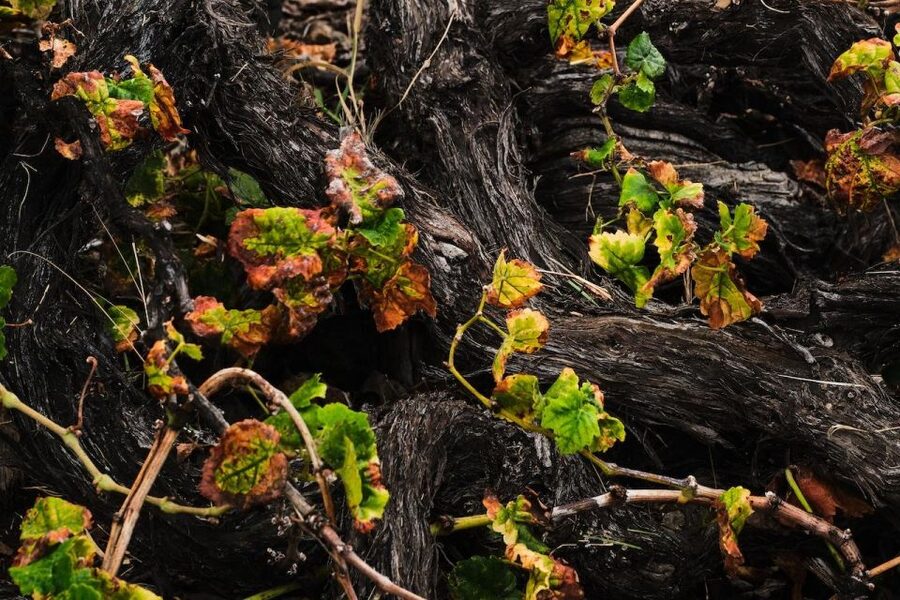
The most memorable part of this La Palma winery visit is the setting: grapevines growing in volcanic soil around Fuencaliente, a municipality known for wine. Inside Bodegas Teneguía, you’ll see the practical work behind the bottle, from destalking and pressing to fermentation, aging, and bottling. I like the clear farm-to-cellar story, and I like that the tour includes the old cement warehouses built in 1945.
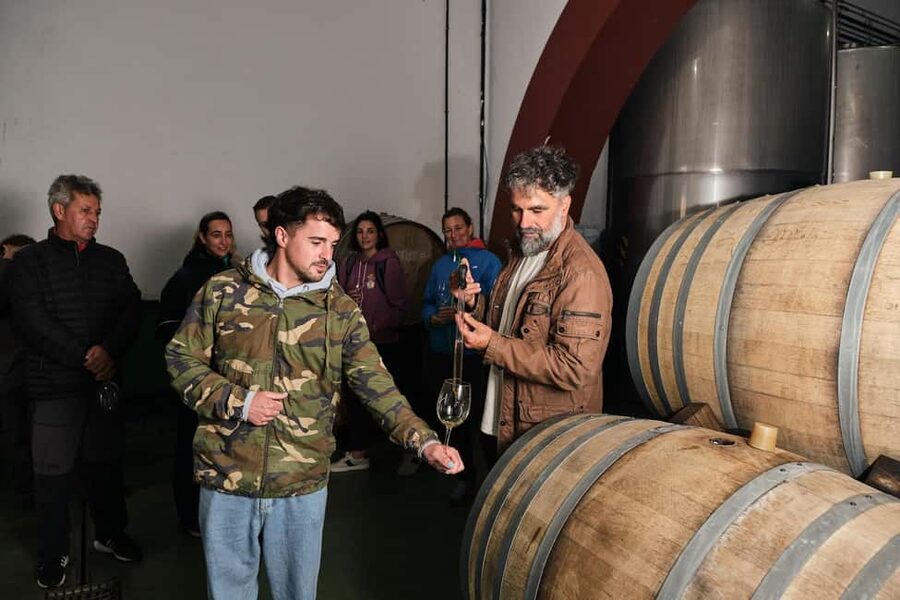
The bilingual sommelier leads the group in English and Spanish, then serves a tasting of the winery’s selected wines. At $17, that is a fair price for a guided cellar visit and tasting. The main drawback is time: repeated explanations in two languages can stretch the visit well beyond its advertised one hour, and some groups may be large enough to make the standing tour feel slow.
Key points to know before you book
- Volcanic-soil vineyards: Fuencaliente’s wine culture is the setting for the visit, with an explanation of how the vines are cultivated in volcanic ground.
- A working wine cellar: You’ll see grape handling, destalking, pressing, fermentation areas, aging rooms, and the bottling section.
- Historic cement warehouses: Several cement storage spaces date from 1945 and give the cellar a strong sense of continuity.
- Two-language guiding: The guide speaks English and Spanish, but the same explanation may be repeated for both groups.
- Wine tasting and shop: The tasting is included, and you can buy bottles at the winery after the tour.
- Good low-cost add-on: At $17 per person, it suits a short stop in Fuencaliente, provided you allow extra time for a large bilingual group.
Why Fuencaliente makes this wine visit different
Bodegas Teneguía is in Fuencaliente, one of La Palma’s best-known wine-producing municipalities. The first thing to understand is that this is not simply a tasting room with a few barrels arranged for display. The tour focuses on how the local ground and hard vineyard work shape the wine.
You’ll hear about cultivation in volcanic soil, then follow the grapes through the cellar. That order matters. Instead of tasting a red or white wine without context, you see the chain of work behind it: harvested grapes, raw materials, processing, fermentation, aging, and bottling.
I like this approach because it gives the visit a practical focus. You do not need to know much about wine to follow it. The guide explains what happens to the fruit and why each part of the cellar exists.
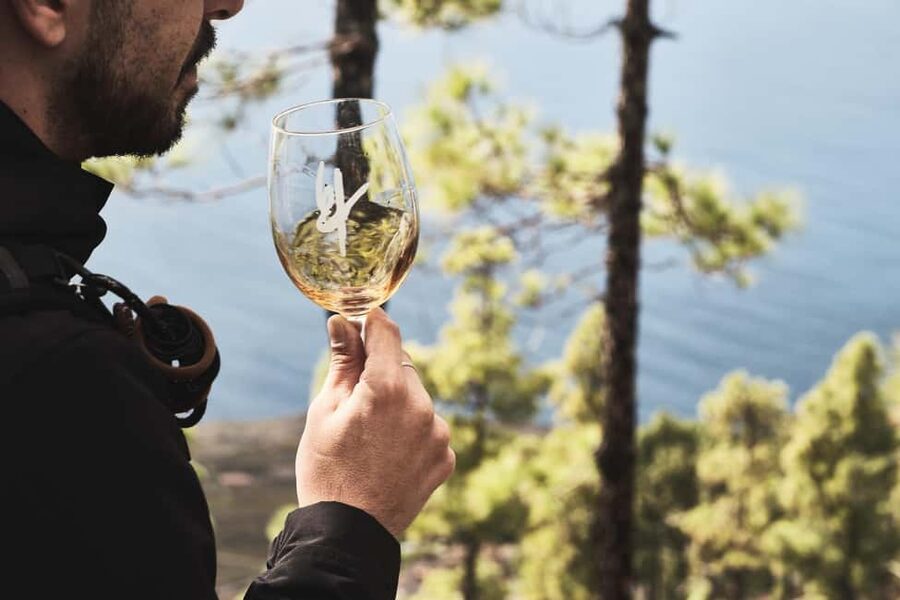
The vineyards also give you something to look at while you taste. The activity includes scenic views along the way and the chance to enjoy a glass while looking out over the vines. Do not expect a long countryside excursion, though. This is a compact winery tour based at the Bodegas Teneguía property.
More Wine Tasting Tours in Spain
- Montserrat & Cogwheel Train, Gourmet Wine Tasting & Tapas/Lunch
★ 5.0 · 6,290 reviews - Madrid Tapas & Wine Tasting Walking Tour – Small Group Local Bars
★ 5.0 · 3,644 reviews - Toledo Tour & Vineyard Walk with Wine Tasting from Madrid
★ 5.0 · 2,546 reviews
Starting in the reception hall
The tour begins in the winery’s reception hall. This is where the sommelier sets out the basic story of Bodegas Teneguía and introduces the wine-making process.
The opening explanation covers the harvest, the raw material used in production, and the first treatment of the grapes. You’ll learn how the grapes are destalked and pressed before the juice moves further into production.
That may sound like a small technical detail, but it is useful. Destalking separates the grapes from the stems, while pressing extracts the juice. These early steps help you understand that wine production is a series of controlled decisions, not simply a matter of leaving grapes in a tank.
The guide leads in English and Spanish. This makes the visit accessible to a mixed international group, but it also affects the pace. If the group is large, you may hear each explanation twice. One recent visit was reported to have around 30 people and to last about two hours for that reason.
For you, the practical lesson is simple: do not schedule this as a tightly timed one-hour stop if you have a ferry, meal, or another appointment immediately afterward. The advertised duration is one hour, but the language format and group size can change the actual length.
From harvested grape to pressed juice
The next part explains how grapes move from the vineyard into the cellar. You’ll learn about harvesting and the work required to cultivate the vines before the grapes reach the winery.
The tour then covers destalking and pressing. This is one of the better parts for first-time wine visitors because the explanation connects the vineyard to the machinery and storage areas around you.
You should expect a guided look at the process rather than a hands-on workshop. The supplied details do not promise grape pressing, a harvest activity, or a chance to make your own wine. The value is in seeing the production route and asking questions through the bilingual guide.
The focus is mainly on red wine production, though the tasting includes both a white and a red wine. That gives you some contrast in the glass, but it is not a broad sampling of the entire winery’s range.
The 1945 cement warehouses and aging rooms
The aging rooms are the most atmospheric stop on the route. Authentic oak barrels line the room, and the wine is stored there after fermentation.
You’ll also see several cement warehouses built in 1945. These older structures help show how the winery has handled production over many years. They are not just decorative features. They are part of the physical history of the cellar and offer a useful contrast to the oak barrels.
I like this section because it slows the tour down and makes the process easier to picture. Fermentation is not the end of the story. After that stage, the wine needs time and suitable storage before it is bottled.
The downside is that the full visit is on foot. One person found there was no opportunity to sit during a longer group tour. If you are uncomfortable standing for an extended period, keep the possible two-hour version in mind rather than relying only on the stated one-hour duration.
The available information does not specify stairs, ramps, or other accessibility details. If those details matter to you, contact Bodegas Teneguía before booking.
More Winery Tours in Spain
- Barcelona: Montserrat, Cogwheel, Black Madonna & Winery Tour
★ 4.8 · 5,633 reviews - Montserrat with Black Madonna & Medieval Winery with Tapas/Lunch
★ 5.0 · 5,209 reviews - Montserrat Full Day Tour with Farmhouse Lunch and Winery Visit
★ 5.0 · 1,068 reviews - Montserrat & Winery Visit Tour with Traditional Farmhouse Lunch
★ 4.5 · 1,035 reviews
Finishing at the bottling area
The route ends in the bottling area. This gives the tour a clear finish, taking you from grape cultivation all the way to the sealed bottle.
You’ll see where the aged wine is prepared for sale, then move into the tasting portion. The experience promises a taste of the winery’s best-quality wine, but the exact labels and number of pours can vary. The clearest detail available is that the tasting includes two wines, one white and one red.
That is enough for a quick introduction, but it is not a large tasting flight. If you have visited major wine regions with several pours and a food pairing, this will feel modest.
One useful detail is that the guide may explain a wine you do not get to taste. That can be interesting from a production standpoint, but it can also feel anticlimactic if you expected to sample every wine discussed. Go in expecting a short introduction, not a full premium tasting.
What the $17 price really gets you
At $17 per person, this is priced as an affordable winery stop. Your fee covers the guided visit, the English and Spanish-speaking guide, the tasting, and the chance to buy bottles afterward.
I consider that fair value if you are already in Fuencaliente or have your own transport. You get access to the working cellar, the aging rooms, the historic cement warehouses, and a small tasting without paying for a meal or a longer excursion.
The value is less convincing if you are arranging a special trip solely for a wide-ranging wine tasting. Two wines do not offer much comparison, and the bilingual format can make the tour feel long without adding more tasting content.
You should also budget for transportation separately. Getting to and from the winery is not included, and neither are meals or extra drinks. The starting and ending point is Llanovid S. C. L. Bodegas Teneguía, so check your route carefully before setting out.
The winery has a point of sale, which is handy if you find a bottle you want to take home. Since the tasting selection is limited, shopping works best as an optional extra rather than the main reason to book.
Timing, group size, and the holiday warning
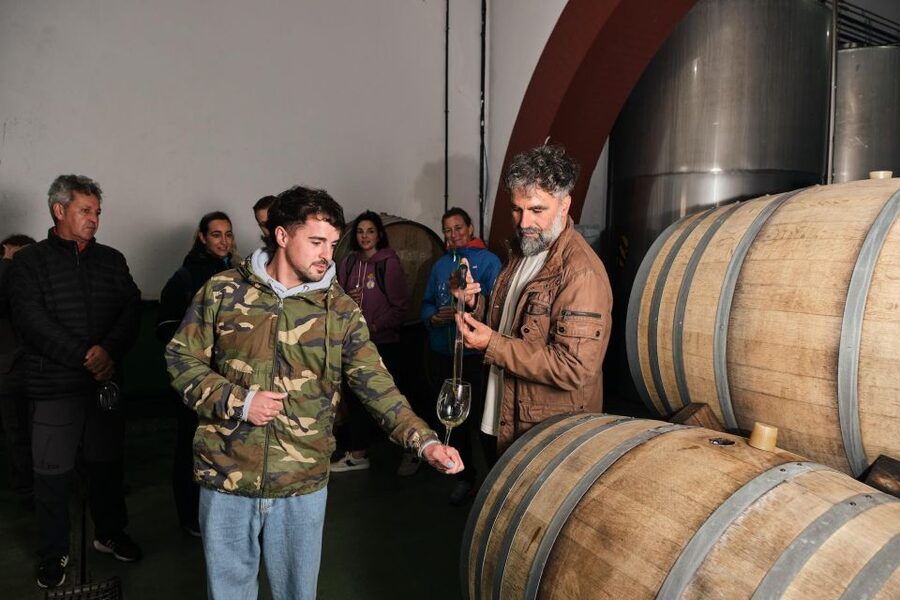
The advertised visit lasts one hour, with starting times based on availability. That makes it easy to fit into a day in southern La Palma, but I would leave a generous cushion.
A bilingual tour naturally takes longer than a single-language tour because the guide gives the same information in English and Spanish. A group of about 30 people can also slow movement between rooms and make it harder to hear every explanation.
The most serious practical warning concerns opening dates. One booking arrived to find the winery closed, possibly because of the Three Kings holiday period, and lost time driving there. The information does not establish a regular closure pattern, so I would confirm the operating time directly if you are visiting around a public holiday.
The activity allows cancellation up to 24 hours before departure for a full refund, and you can reserve now and pay later. Those policies make planning easier, but they do not replace checking that the winery is open on your chosen date.
Who will enjoy this winery visit most
I would recommend Bodegas Teneguía to you if you want a short, reasonably priced introduction to La Palma’s wine culture. It is especially suitable if you are curious about volcanic-soil viticulture, enjoy seeing working production spaces, or want a simple tasting added to a day in Fuencaliente.
It also suits mixed groups. You do not need advanced wine knowledge, and the guide explains the process from the beginning. English and Spanish coverage makes it practical for international parties.
You may want to skip it if you expect a quiet, intimate tasting with many wines, a seated presentation, or extensive food pairings. The tour can be crowded, and the bilingual delivery may repeat information at length.
Bring comfortable clothes and shoes. The tour involves walking through the winery and standing in the cellar areas, with no promise of seating throughout.
Should you book Bodegas Teneguía?
Book this tour if the $17 price, volcanic vineyard setting, and working-cellar access appeal to you. The old cement warehouses, oak aging room, bottling area, and vineyard views give the visit more substance than a simple glass of wine at a bar.
I would treat it as a compact cultural stop, not a major wine day. Allow more than one hour, confirm the opening time around holidays, and keep your expectations modest about the tasting. If you want an affordable look at how La Palma wine moves from grape to bottle, it is a sensible choice. If your priority is a large selection of wines and a relaxed seated tasting, spend your time elsewhere.
FAQ
Where does the Bodegas Teneguía tour start?
The tour starts at Llanovid S. C. L. Bodegas Teneguía in Fuencaliente, La Palma.
How long does the winery tour last?
The stated duration is one hour. A bilingual group tour can take longer, particularly when the same explanation is given in English and Spanish.
What languages does the guide speak?
The live guide speaks English and Spanish.
Is wine tasting included?
Yes. A wine tasting session is included in the tour.
How many wines are included in the tasting?
The available details specify two wines, one white and one red.
Can I buy wine after the tour?
Yes. You have the opportunity to purchase wines at the winery’s point of sale.
Is transportation included?
No. Transportation to and from Bodegas Teneguía is not included.
Are meals included?
No. Meals and additional drinks are not included.
What should I wear or bring?
Bring comfortable shoes and comfortable clothes because the visit includes walking through the winery and cellar areas.
Can I cancel the booking?
You can cancel up to 24 hours in advance for a full refund. The activity also offers a reserve-now, pay-later option.
Just poured in Spain
- Evening Wine Tasting Córdoba★ 5.0 · 73 reviews
- Full day at the winery, visit, tasting, aperitif and lunch★ 4.5 · 60 reviews
- Visit and Wine Tasting at the Territorio Luthier Winery★ 5.0 · 89 reviews
- Visit a winery of the 19th century and its draft★ 5.0 · 62 reviews
- La Rioja Boutique Wine Tour & Charming Lunch (From Bilbao)★ 5.0 · 62 reviews
- Semi-Private Rioja Tour of 3 Premium Wineries from Bilbao★ 5.0 · 128 reviews
- Basque Best Bites – #1 Food & Wine tour of Bilbao★ 5.0 · 268 reviews
- Rioja Wine Tour: 2 Wineries From Bilbao★ 5.0 · 111 reviews
Winery Tours, compared.
Douro Valley with Winery Lunch, Tastings & Cruise
Read our review →
Montserrat, Cogwheel, Black Madonna & Winery Tour
Read our review →
Montserrat with Black Madonna & Medieval Winery with Tapas/Lunch
Read our review →
Siena, San Gimignano, Pisa & Lunch at Winery
Read our review →
Wine Tour: Paarl, Franschhoek & Stellenbosch incl 3 wineries
Read our review →
Douro Valley Tour: 2 Vineyard Visits, River Cruise, Winery Lunch
Read our review →
5-Hour Traverse City Wine Tour: 4 Wineries on Old Mission Peninsula
Read our review →Browse the lists this tour appears in