
REVIEW · WINE TASTING TOURS
Lisbon: 1-Hour Portuguese Wine Tasting Session
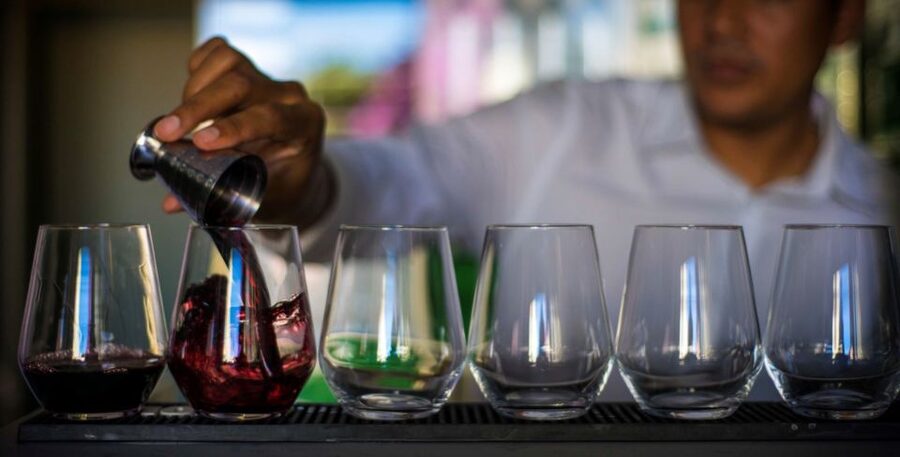
Portugal packs a surprising amount of wine variety into a small country. In one hour at From The Vine, you taste three wines from different regions and learn how grapes, soil, climate, and local customs shape what ends up in your glass. It is a useful introduction before you start ordering wine with dinner.
I like the clear regional focus, and I like that the guides adjust the conversation for beginners and more experienced wine drinkers. Caio, Rebecca, Ricardo, and Andre are among the hosts praised for their warm, easy teaching style. The main drawback is the short format: one hour goes quickly, and this is a tasting, not a meal or a full winery visit.
Key points
- Three Portuguese regions in one sitting: Compare wines from different parts of the country without leaving central Lisbon.
- Guides who make wine approachable: Caio, Rebecca, Ricardo, and Andre have been noted for friendly explanations and lively conversation.
- Useful for beginners: You learn grape names, regional differences, flavors, and simple food-pairing ideas without needing prior wine knowledge.
- A social, intimate setting: The bar encourages conversation with the guide and other people at the tasting.
- Good timing for the start of a trip: You can use what you learn when choosing bottles and glasses later in Portugal.
- Keep the small pour in mind: Some sessions can leave you feeling tipsy, so sip slowly and eat beforehand.
From The Vine: A Quick Introduction to Portuguese Wine
The tasting takes place at From The Vine, described as Lisbon’s first Portuguese bar dedicated to wine tasting. You meet there rather than heading out to a vineyard, so the experience fits neatly into a city day.
That location is important. Portugal’s wine regions stretch from the Minho in the north to the Algarve in the south, with the Douro, Dão, Alentejo, Setúbal, and other areas adding their own styles. You will not visit those places in person during this activity, but the tasting gives you a compact way to compare them.
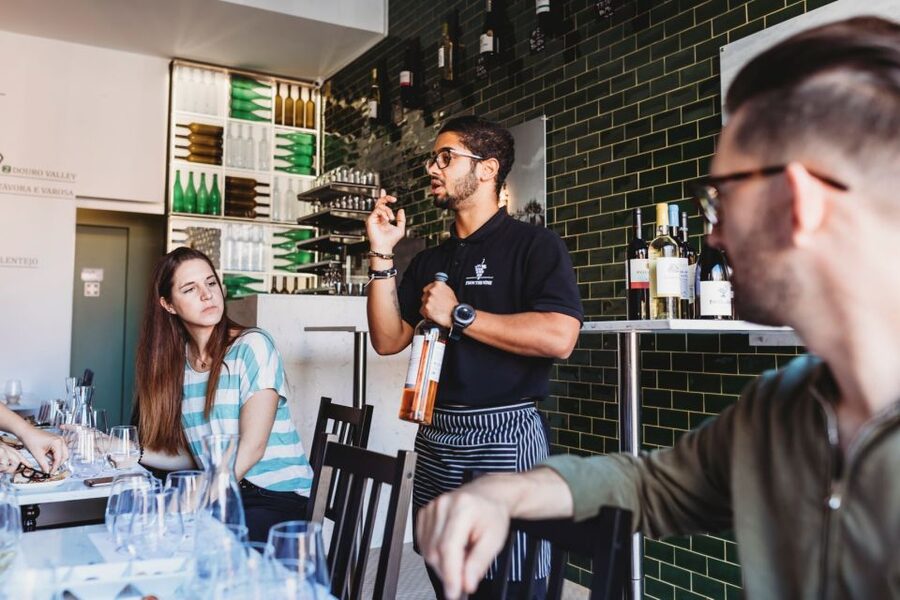
The setting is a wine bar, not a formal classroom. That makes the hour feel social and relaxed. You can ask basic questions without feeling out of place, and the host can explain terms in plain English rather than assuming you already know your tannins from your terroir.
The bar itself has been described as attractive and comfortable, with an intimate feel. Group size is not specified, so the atmosphere may vary from a small private-feeling session to a shared table with other people. Several accounts describe meeting people from different countries, which adds a pleasant social layer.
More Wine Tasting Tours in Lisbon
- Private Wine Tasting in the Setúbal Wine Region, from Lisbon
★ 5.0 · 611 reviews - Arrabida and Sesimbra Small-Group Day Trip from Lisbon with Wine Tasting
★ 5.0 · 494 reviews - From Lisbon: Évora and Monsaraz with Regional Wine Tasting
★ 4.7 · 345 reviews
Three Wines, Three Portuguese Regions
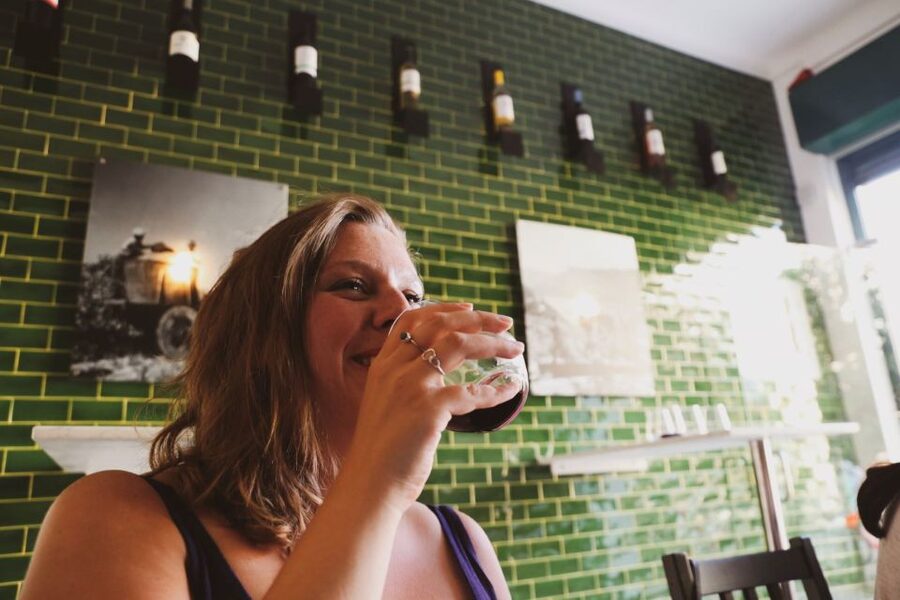
The core of the session is a tasting of three wines from three different Portuguese regions. This is the best reason to book it. Instead of sampling three unrelated bottles, you get a regional framework for understanding Portuguese wine.
Your guide explains where each wine comes from, what grapes are used, and how the growing area affects the final taste. Portugal has an unusually large number of native grape varieties, and the same country can produce crisp whites, fresh rosés, full reds, and fortified Port.
The exact bottles are not listed in advance, so do not book this expecting a fixed menu. The host may also ask what you usually drink and use that preference to shape the selection. One session may lean toward a white, rosé, and red, while another may finish with Port. A few accounts describe more than three pours or five glasses, so the amount can vary by session.
That flexibility is a strength. If you normally drink light white wine, you can ask for comparisons that make sense to you. If you prefer bold reds, the guide can point out what to notice in a fuller wine. The one limitation is that you cannot plan around a specific producer or grape before arriving.
Expect the wines to be tasted one at a time, with an explanation before or during each pour. You may discuss color, aroma, body, acidity, sweetness, and finish, but the teaching is meant to help you enjoy wine, not pass an exam.
What You Learn About Portugal’s Wine Regions
The most useful part of the hour is the sense of contrast. Northern Portugal is known for styles that can feel different from wines made farther south, and the Douro has a major place in the country’s wine identity. Dão, Alentejo, Setúbal, and other regions also bring their own grapes and traditions.
The guide connects those differences to the glass in front of you. You may learn why one wine tastes brighter, why another feels heavier, or why a fortified wine works well as a finish. You are not simply told that a bottle is good. You are given a way to understand why it tastes the way it does.
That matters when you are dining in Lisbon. Portuguese restaurants often offer local wines by the glass, and the labels can be unfamiliar. After this session, terms that once looked like a wall of names become easier to sort through.
The tasting also helps you make sense of Portugal’s grape culture. Some varieties are strongly associated with particular areas, while others appear in blends. The guide’s job is to connect those names to flavors and occasions, which is far more useful than memorizing a list.
White, Rosé, Red, and Port
The tasting lineup can cover several styles. A white, rosé, and red may give you a clean introduction to the range of Portuguese wine. Some sessions also include Port, which offers a very different finish from a dry table wine.
If Port appears, listen for the explanation of how fortified wine differs from the other pours. It is often sweeter and more concentrated, and it can change the pace of the tasting. A small serving may seem harmless, but several samples in an hour can add up.
One person reported becoming unexpectedly tipsy after several glasses. That is a useful practical warning, especially if you arrive without eating. The experience does not include dinner, and the stated inclusions cover wine tasting rather than a meal.
Small snacks may appear in some sessions. Peanuts, olives, or similar nibbles have been mentioned, but they are not listed as a formal inclusion, so do not count on a substantial food plate. If you have an allergy, tell the host clearly before the tasting. One host made a special effort to provide olives that had not been near nuts for a person with a nut allergy, but you should still communicate your needs in advance.
More Wine Tasting Tours in Portugal
- From Porto: Douro Valley w/ Boat Tour, Wine Tasting & Lunch
★ 4.7 · 19,061 reviews - Complete Douro Valley Wine Tour with Lunch, Wine Tastings and River Cruise
★ 5.0 · 12,920 reviews - Porto: Cálem Cellar Tour, Interactive Museum & Wine Tasting
★ 4.5 · 4,113 reviews - Douro Valley Small-Group Tour with Wine Tasting, Lunch and Boat
★ 5.0 · 3,642 reviews
A Guide-Led Hour With a Personal Feel
The guides are central to the experience. Caio is repeatedly praised for making the session both educational and fun, while Rebecca is described as friendly and passionate about her work. Ricardo has been noted for tailoring selections and explaining regional differences, and Andre is praised for clear explanations and a welcoming atmosphere.
Guide assignments can change, so you cannot necessarily request a particular host. Still, the pattern is clear: the format depends on a person who can read the room. A novice may want a simple explanation of acidity. A more practiced drinker may want to talk about grape varieties or production methods.
The best sessions appear to avoid wine snobbery. You can say you prefer sweet wine, dislike oak, or have no idea what you like yet. That honesty gives the guide something useful to work with.
The social side is also worth noting. This is not designed as a silent flight of wine samples. You may chat with other people at the bar, compare impressions, and hear different reactions to the same glass. For a solo visitor, that can make the hour feel more connected to Lisbon.
At the same time, the shared format means you may not receive an extended private consultation. If you want a detailed buying session built around your own cellar or a particular food menu, a longer private tasting would suit you better.
How the Hour Usually Flows
The experience lasts one hour, so the pace is brisk but manageable. You arrive at From The Vine and settle in before the host begins introducing Portuguese wine and the plan for the tasting.
The opening section gives you the basic map: the main wine regions, the kinds of grapes you may encounter, and the role wine plays in Portuguese life. This context helps you understand the later pours rather than treating each glass as an isolated sample.
The middle of the session focuses on the wines. Each pour brings a new region or style, with time to taste and ask questions. You may compare a white with a rosé, a red with a fortified wine, or two wines that show different sides of Portugal.
The final part connects wine to food and future ordering. You learn how to think about pairings and what clues to look for on a restaurant menu or wine list. Some people have purchased a bottle after the tasting, but buying wine is not required.
Because the hour moves quickly, arrive ready to pay attention. You do not need to study beforehand, but it helps to think about what you normally drink. Tell the guide your preferences at the start, and you are more likely to get useful comparisons.
Is $22 Good Value?
At $22 per person, this is a reasonably priced introduction to Portuguese wine. The value comes from the combination of three regional samples and guided explanation. Buying three unfamiliar bottles on your own could cost more, and you would not get the context that helps you compare them.
The price is especially fair if you are new to Portugal’s wine scene. You get a fast orientation, practical vocabulary, and a better chance of ordering something you will enjoy later. The session can also help you avoid spending money on a bottle chosen only because the label looks attractive.
The value is less clear if you already know Portuguese wine well. A serious enthusiast may want more pours, more technical detail, or a longer session focused on a specific region. This one-hour format is built for breadth and accessibility rather than specialist study.
The tasting also does not include dinner. If you are planning an evening around it, treat the activity as an aperitif and arrange a meal separately. That is both more comfortable and safer than trying to make the wine samples serve as dinner.
Who Will Enjoy This Tasting Most?
I would recommend it to first-time visitors who want a practical introduction before exploring Lisbon’s restaurants. It also suits couples, solo visitors, and small groups who enjoy conversation as much as the wine itself.
It works particularly well at the beginning of a Portugal trip. You can use the session to identify styles you like, then look for similar bottles in restaurants, shops, or other wine bars. One person specifically found it useful to take the tasting early and use the new knowledge during the rest of the trip.
Beginners should feel comfortable here. The explanations are pitched at a level that allows you to learn without feeling tested. More experienced drinkers can still benefit if they enjoy comparing regional styles and asking questions.
This is not suitable for children under 18 or pregnant women. It is also not a good choice if you want a full meal, a vineyard outing, or a long technical seminar. The activity takes place entirely at the bar.
The experience is wheelchair accessible, and the guided session is in English. Starting times vary, so you need to check availability for your date.
Small Details That Can Improve the Experience
Eat something before you arrive. Dinner is not included, and several pours in a short period can affect you more than expected.
Tell the guide what you like to drink. Saying that you prefer crisp whites, sweet wines, lighter reds, or full-bodied styles gives the host a useful starting point. You can also say that you want to be surprised.
Ask why each wine was chosen. One person wanted more explanation about the selection itself, not only the flavor and region. That is a smart question because it helps you understand what makes each bottle worth tasting.
Take mental notes, or write down grape and region names after the session. Portuguese wine labels can be unfamiliar, and the information fades quickly after the last glass.
If you have allergies, mention them before anything is served. Snacks are not guaranteed, and the wine selections are not stated in advance.
The free cancellation policy allows cancellation up to 24 hours before the activity for a full refund. You can also reserve now and pay later, which helps if your Lisbon plans are still shifting.
Should You Book the Portuguese Wine Tasting?
Book it if you want a friendly, low-commitment way to understand Portuguese wine before ordering your way through Lisbon. The regional comparison, English guidance, and relaxed bar setting give you more than three random samples for $22.
I would especially choose it early in a Portugal visit, when the information can shape later meals and bottle purchases. Go with an open mind, eat beforehand, and sip slowly.
Skip it if you need dinner, a vineyard tour, or an advanced tasting focused on specific producers. For most curious wine drinkers, though, this is a practical hour that turns an unfamiliar wine list into something much easier to enjoy.
FAQ
Where does the Portuguese wine tasting take place?
It takes place at From The Vine, a Portuguese wine tasting bar in Lisbon.
How long does the tasting last?
The guided tasting lasts one hour.
How many wines are included?
The stated experience includes three wines from three different Portuguese wine regions.
Is dinner included?
No. The experience takes place at a wine bar and does not include dinner.
What language is the session in?
The live guided session is conducted in English.
How much does the experience cost?
The listed price is $22 per person.
Is the tasting suitable for children?
No. Children under 18 are not permitted to take part.
Is the tasting suitable for pregnant women?
No. The activity is listed as unsuitable for pregnant women.
Can I cancel and receive a refund?
Yes. You can cancel up to 24 hours in advance for a full refund. You can also reserve now and pay later.
More One-Hour Tastings in Portugal
- Dublin Teeling Whiskey Distillery Guided Tour and Tasting 1 Hour
★ 5.0 · 1,765 reviews - Cape Town: 1-Hour Pre-Sunset Champagne Cruise
★ 4.5 · 435 reviews
Just poured in Portugal
- Arrabida and Sesimbra Small-Group Day Trip from Lisbon with Wine Tasting★ 5.0 · 494 reviews
- Private Wine Tasting in the Setúbal Wine Region, from Lisbon★ 5.0 · 611 reviews
- From Lisbon: Évora and Monsaraz with Regional Wine Tasting★ 4.7 · 345 reviews
- Port Wine class with 3 or 5 Port tasting and pairings★ 4.9 · 441 reviews
- Porto: Douro Valley Wine Tour with a Sommelier & Boat Trip★ 5.0 · 463 reviews
- From Albufeira: 4×4 Off-Road Safari & Vineyard Wine Tasting★ 4.6 · 571 reviews
- Private Douro Valley Food and Wine Tour From Porto★ 5.0 · 133 reviews
- Private Food and Wine Tour: From Street to Gourmet★ 5.0 · 180 reviews
Wine Tasting Tours, compared.
Douro Valley w/ Boat Tour, Wine Tasting & Lunch
Read our review →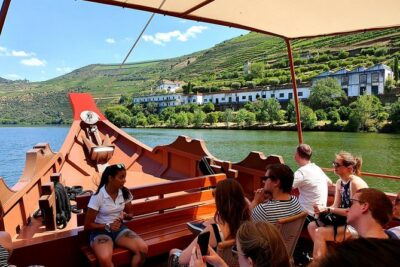
Complete Douro Valley Wine Tour with Lunch, Wine Tastings and River Cruise
Read our review →

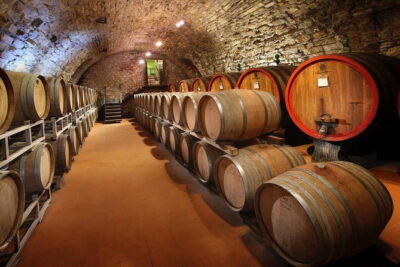
Small-Group Wine Tasting Experience in the Tuscan Countryside
Read our review →
Montserrat & Cogwheel Train, Gourmet Wine Tasting & Tapas/Lunch
Read our review →
Tuscany & Montepulciano Day Trip with Lunch & Wine Tasting
Read our review →Browse the lists this tour appears in