
REVIEW · WINE TASTING TOURS
Private wine tasting workshop by Dufouleur – Bourgogne
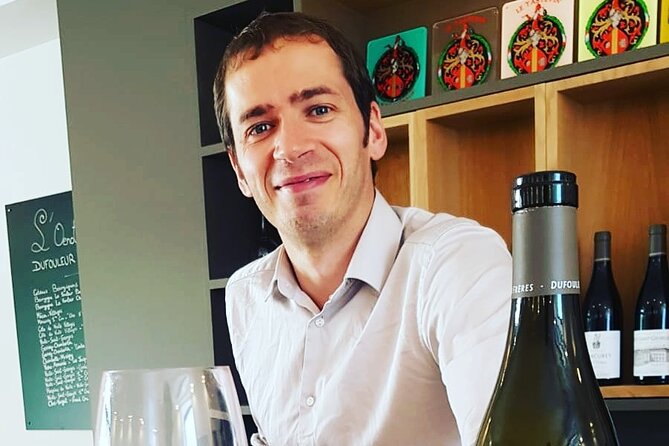
The most interesting part of this Burgundy wine experience is the personal welcome from Jean or François-Xavier Dufouleur, members of a family that has worked in wine for about 400 years. You do not simply stand at a counter and sample bottles. You sit down for a lesson on vines, soil, weather, and winemaking, then taste the results with the people who make them.
I like the private format, since your group has the guide’s full attention and can ask basic questions without feeling out of place. I also like the way the tasting connects each wine to its growing conditions, rather than treating Burgundy as a list of hard-to-pronounce village names.
The main drawback is location: the experience is near Nuits-Saint-Georges, not in central Beaune. You will need to plan transport, and everyone tasting must be of legal drinking age. The two-hour visit can also run longer when the conversation gets going, so do not schedule it too tightly before your next appointment.
Key points to know before booking
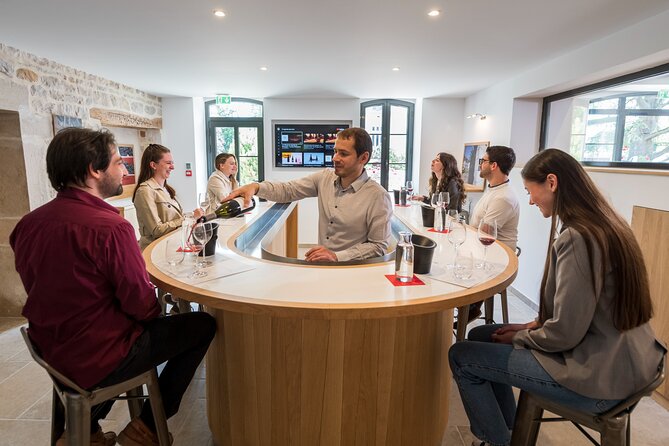
- A family-led Burgundy lesson: Jean or François-Xavier Dufouleur personally explains the family’s work, vinegrowing, and wine production.
- A tasting tied to terroir: Soil, weather, grape varieties, and local growing sites are used to explain why Burgundy wines differ.
- Private attention: Only your own group takes part, making this a good choice for first-time tasters and serious wine fans alike.
- A practical Nuits-Saint-Georges base: The Œnothèque is 1.5 kilometers from the train station, with free car parking and bike facilities.
- A controlled-temperature tasting room: The setting is designed for tasting and discussion, not a rushed outdoor sample.
- Good flexibility after the tasting: You can buy bottles on site for immediate pickup or arrange shipment to France or your home country.
A personal introduction to Burgundy wine
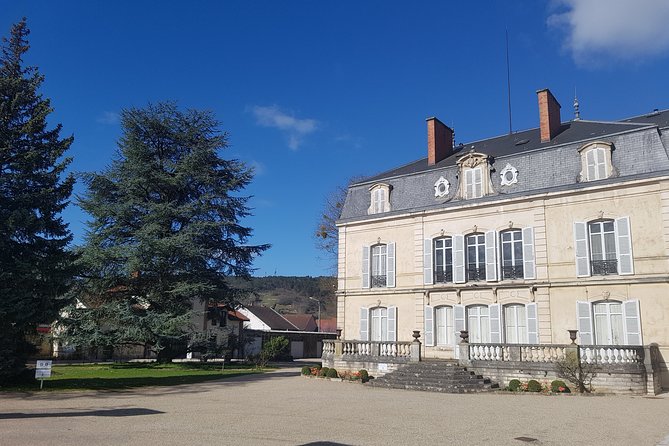
Dufouleur Frères receives you at its Œnothèque inside the Parc du Château at 1 Route de Dijon in Nuits-Saint-Georges. This is a working wine setting, not a generic tasting room designed around a quick pour and a sales pitch.
The family connection matters here. Jean and François-Xavier can explain Burgundy from the point of view of growers and winemakers whose work is tied to particular plots. That gives the visit a clear focus: how wine begins in the vineyard, and how the finished bottle reflects its place.
The first part is educational. You learn about the production of the wines from the family’s plots, along with its approach to vinegrowing and oenology. The discussion includes grape varieties, Burgundy’s famous climats, soil, and the effect of weather on the final wine.
If you are new to Burgundy, this background is useful because the region can seem needlessly complicated. A Burgundy label often puts the village or vineyard name in the spotlight, while the grape may receive less attention. A good explanation of place and growing conditions helps you understand why two wines made from the same broad grape variety can taste so different.
If you already know wine, the value is in the chance to ask more precise questions. The conversation can move toward agriculture, changing weather, fermentation, cellar work, or the family’s view of wine quality. Jean has also spoken about future climate change, an important subject in a region where harvest timing and weather can strongly affect the vintage.
More Wine Tasting Tours in France
- Bordeaux: Cité du Vin Entry Ticket and Wine Tasting
★ 4.6 · 3,885 reviews - Montmartre Hill French Gourmet Food and Wine Tasting Walking Tour
★ 5.0 · 2,588 reviews - From Paris: Loire Valley Castles Day Trip With Wine Tasting
★ 4.6 · 1,727 reviews
What happens during the two-hour visit
The experience takes place in a temperature-controlled tasting room. That is a small but useful detail. Burgundy wine is sensitive to serving conditions, and a comfortable, stable room lets you concentrate on the aromas, texture, and finish rather than coping with heat or cold.
The visit begins with an explanation of the vineyards and the family’s production methods. One session included a short film that helped show the Burgundy climats before the discussion moved to grape varieties and the character of different sites. A visit to the tanks and a look at the winemaking process may also be part of the presentation.
The exact rhythm can vary because this is a private activity. Your guide may spend more time on a beginner’s question, or go further into technical details with an experienced wine drinker. That is a strength, but it also means you should not expect a tightly scripted museum tour.
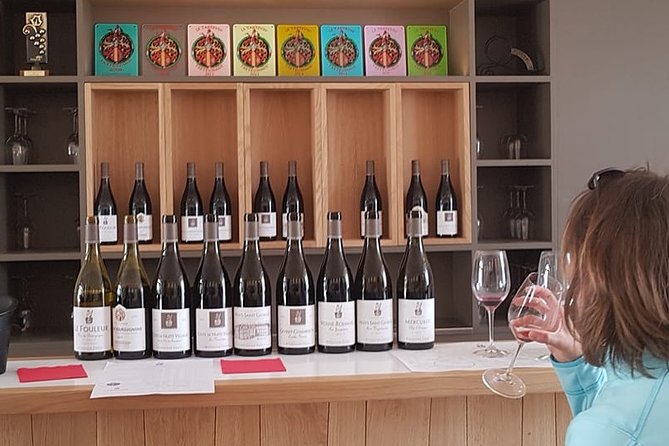
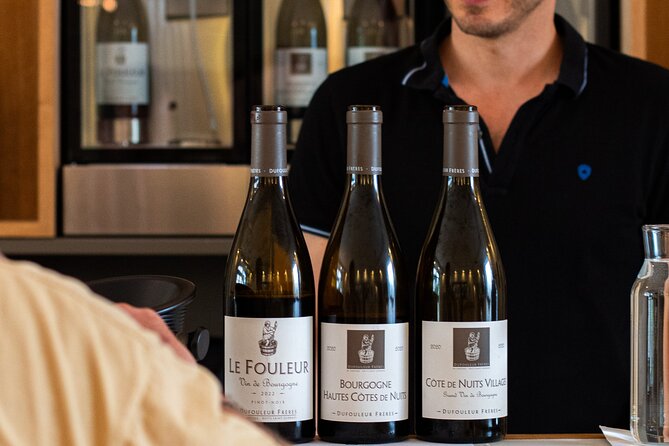
Then comes the tasting. The selection is guided rather than random. Jean explains what he is looking for and helps you notice differences between wines. Some visits have included about a dozen wines, giving you a broad look at the Dufouleur range. The number and selection may vary, so think of the tasting as an educational flight rather than a fixed menu.
You are taught how to taste, which is helpful if you normally feel unsure about the proper order of looking, smelling, and sipping. The goal is not to test you. It is to give you a vocabulary for noticing what is in the glass and understanding why one wine feels different from another.
Why the terroir discussion matters
Burgundy’s central idea is terroir, the relationship between a wine and the place where its grapes grow. That includes the soil, slope, exposure, local weather, vineyard boundaries, and the choices made by the grower.
At Dufouleur, this idea is not left as a grand word on a brochure. It becomes the thread connecting the talk and the tasting. Jean explains how terrain and weather affect the grapes, then shows how those differences appear in the wines.
This approach is especially useful if you plan to visit other Burgundy producers. After this session, you will have a better basis for comparing wines from different villages and vineyard sites. You may also begin to understand why Burgundy bottles can carry such different prices even when they come from the same region.
The family’s farming approach adds another useful angle. Dufouleur is in the process of obtaining certification for organic farming. That does not mean you should describe the estate as fully certified organic at present. It does show that farming methods and the health of the vines are part of the family’s current thinking.
The climate discussion is another reason this visit has substance. Burgundy wine is shaped by vintage conditions, and future weather changes may alter how growers work. If you care about the practical side of wine, rather than only the pleasure of drinking it, this part of the conversation gives the tasting more context.
The tasting itself: relaxed, broad, and personal
The strongest feature of the tasting is the guide’s willingness to talk through each glass. Jean is described as warm, available, and ready to answer many questions. That matters because Burgundy wine can intimidate people, especially when the labels and regional terms are unfamiliar.
You do not need to arrive as a wine expert. In fact, this experience may be most useful if you know what you like to drink but cannot yet explain why. The guide can help you connect taste with place, grape, weather, and winemaking choices.
At the same time, this is not a lightweight introduction that stops at sweet versus dry. The format has supported detailed discussions of oenology and agriculture. If your group includes both beginners and enthusiasts, a private booking gives the guide room to address both levels.
The selection may include wines from several Burgundy areas and styles. A tasting of this kind can show how much variety exists within the region, though you should not assume every possible appellation will be poured at every sitting.
One practical point: pace yourself. A broad tasting over two hours can add up, especially if the selection is generous. The experience is meant to be enjoyed in moderation, and French law limits participation to people old enough to consume alcohol legally.
Same town, a different bottle:
- Bordeaux: River Garonne Cruise with Glass of Wine and Canelé
★ 4.5 · 3,630 reviews - From Bordeaux: Afternoon Saint-Emilion Wine Tasting & snack
★ 4.8 · 1,581 reviews - From Paris: Day Trip to Champagne with 8 Tastings & Lunch
★ 4.8 · 1,501 reviews - Medoc or Saint Emilion Wine Tasting and Chateau from Bordeaux
★ 5.0 · 1,415 reviews
The Œnothèque setting and what happens afterward
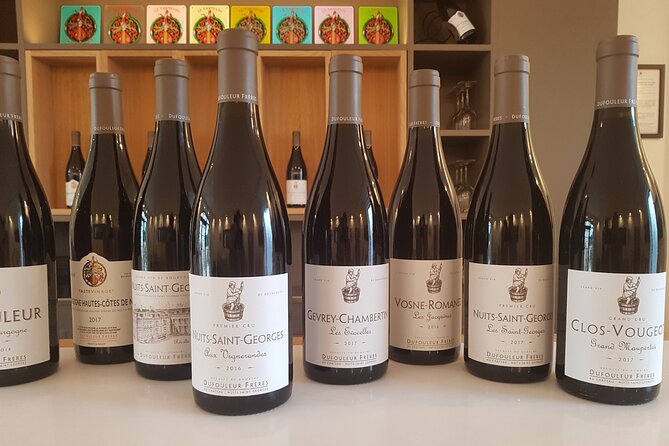
The Œnothèque is in the Parc du Château, with free parking for cars and a bike rack on the property. That makes this a practical stop for anyone driving through the Côte de Nuits, and it is far easier than trying to find parking in a busy town center.
Cyclists receive a particularly friendly welcome. You can refill your water bottle and recharge a bike battery at no cost, subject to available outlets and opening hours. The property is also about 15 minutes by bike from the Château du Clos de Vougeot, making it a sensible addition to a vineyard ride.
By train, the location is about 1.5 kilometers from Nuits-Saint-Georges station. The train ride from Dijon takes roughly 15 minutes, though you will still need to cover the final distance from the station. If you are building a day around public transport, check your walking or local transfer plan before booking.
After tasting, you can purchase wines on site. You may take them with you immediately or arrange shipment to an address in France or another country. This is convenient if you are traveling light or do not want to carry bottles through the rest of your trip, but shipping arrangements and costs should be confirmed directly at the Œnothèque.
Is $54.31 a fair price?
At $54.31 per person, this is not the cheapest way to taste Burgundy wine. It is also not simply a short sample at a shop. You are paying for about two hours of private instruction, a family-led presentation, access to a broad selection of wines, and the chance to ask questions throughout.
I see the best value for couples, families, or small groups who want a proper introduction to Burgundy. The private format makes the price easier to justify because you are not sharing the guide with a large crowd. Group discounts may also improve the value for a larger private party.
The price is less attractive if you only want a quick drink before lunch or if you already know the Dufouleur range and have no interest in the farming and production discussion. This is a workshop first and a tasting second, even though the wines receive plenty of attention.
Booking around 24 days ahead is common, so I would not leave it until the last minute if the visit is important to your itinerary. That advance pattern also tells you to treat the session as a planned appointment, not something to assume you can fit in on arrival.
Who will enjoy this Burgundy experience most?
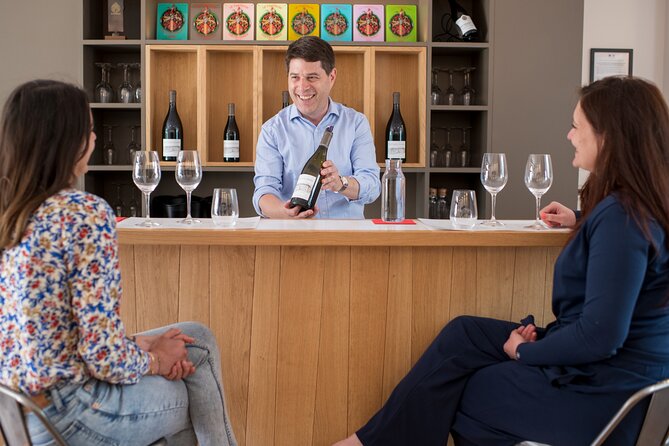
I would choose this for:
- First-time Burgundy visitors who want help reading the region through its wines.
- Couples looking for a private tasting with time for questions.
- Families with adult children who want an activity everyone can discuss together.
- Wine drinkers interested in soil, farming, weather, and cellar work.
- Cyclists following the Côte de Nuits routes.
- Visitors staying in Dijon who are willing to make the short trip to Nuits-Saint-Georges.
It may not suit you if you want a vineyard walk, a full meal, or a large estate tour with many public rooms. The supplied details focus on the tasting room, production explanation, and wine presentation. You should not book expecting a formal lunch or a guaranteed walk through the vines.
The tone also depends on your group. Jean’s style is conversational and generous with time, which is ideal if you like discussion. If you prefer a fast, tightly timed presentation, allow for the possibility that questions and tasting notes will stretch the visit beyond two hours. One session lasted close to two and a half hours.
Useful planning details
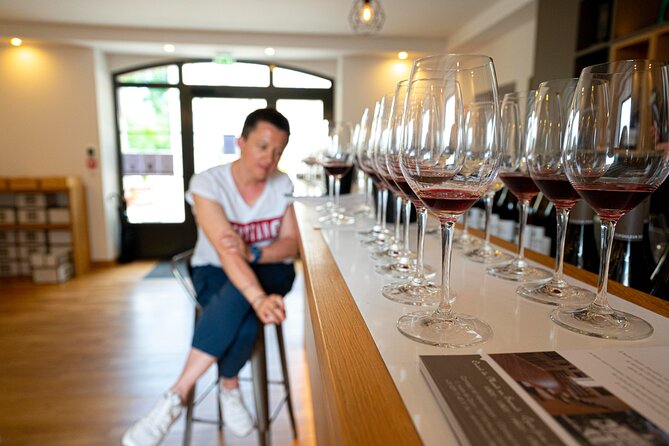
You receive confirmation when booking, and mobile tickets are accepted. The activity is offered in English, and service animals are allowed. It is near public transportation, but the final journey from Nuits-Saint-Georges station is still about 1.5 kilometers.
Free parking is available inside the property for both cars and bicycles. The site carries the Vignobles et Découvertes wine tourism label and Accueil Vélo accreditation, useful signs for visitors building a serious food, wine, or cycling itinerary.
Free cancellation is available until 24 hours before the start time. A cancellation or change made inside that window is not refundable, so keep your transport plans in mind before committing.
Should you book it?
Book this experience if you want Burgundy wine explained by a Dufouleur family member, not just poured by a sales clerk. The personal guidance from Jean or François-Xavier, the focus on soil and weather, and the private tasting format give the visit real substance.
I would especially recommend it as an early Burgundy activity. The lessons about climats, farming, and tasting can help you understand later bottles and vineyard visits. Just plan the trip to Nuits-Saint-Georges carefully, allow more than two hours if your group enjoys conversation, and do not book it as a quick stop in central Beaune.
FAQ
Where does the wine tasting take place?
It takes place at the Dufouleur Frères Œnothèque in the Parc du Château, at 1 Route de Dijon, 21700 Nuits-Saint-Georges, France.
How long does the experience last?
The scheduled duration is approximately two hours. A session may run longer when the discussion and tasting generate many questions.
Who leads the experience?
Jean or François-Xavier Dufouleur welcomes and guides the private group.
Is the experience private?
Yes. Only your group participates in the activity.
Can I buy wine after the tasting?
Yes. You can buy wines at the Œnothèque, take them with you immediately, or arrange shipment to an address in France or another country.
Is parking available?
Yes. Free car parking and a bike rack are available on the property. Cyclists can also refill water bottles and recharge bike batteries free of charge during opening hours, subject to available electrical outlets.
More Workshops and Classes in France
- Paris: French Wine Tasting Class with Sommelier
★ 4.8 · 550 reviews - Champagne: Champagne Tasting Class with Lunch
★ 4.9 · 384 reviews - Aÿ-Champagne: Champagne House Tour and Tasting Class
★ 4.9 · 209 reviews - Wine Tasting Class: Tour de France in Nice City Centre
★ 5.0 · 201 reviews
Just poured in France
- Chardonnay Masterclass – Wine tasting in Dijon★ 5.0 · 91 reviews
- Small-Group Full-Day Tour of Côte de Nuits, Côte de Beaune Vineyards and Beaune Historical District★ 5.0 · 364 reviews
- Pinot Noir Masterclass – Wine tasting in Dijon★ 5.0 · 147 reviews
- Small group Burgundy tour of Beaune with Wine Tasting from Dijon★ 4.5 · 85 reviews
- Half Day Tour of the Cote de Nuits Vineyards from Dijon★ 5.0 · 108 reviews
- The Emblematic: visit of villages, Haut-Koenigsbourg, Wine tasting★ 5.0 · 81 reviews
- Au Cœur du Château – VSOP D’USSÉ & XO BARON OTARD★ 4.5 · 108 reviews
- Alsace Full Day Wine Tour from Colmar★ 5.0 · 104 reviews
Wine Tasting Tours, compared.
Douro Valley w/ Boat Tour, Wine Tasting & Lunch
Read our review →
Complete Douro Valley Wine Tour with Lunch, Wine Tastings and River Cruise
Read our review →
Small-Group Wine Tasting Experience in the Tuscan Countryside
Read our review →
Montserrat & Cogwheel Train, Gourmet Wine Tasting & Tapas/Lunch
Read our review →
Tuscany & Montepulciano Day Trip with Lunch & Wine Tasting
Read our review →Browse the lists this tour appears in