
REVIEW · WINERY TOURS
Sardinia: Winery Tour and Wine Tasting Experience
Sardinia’s wine story comes into focus at Cantina Ferruccio Deiana, where you can follow the grape from the surrounding vineyards through crushing, production, aging, and bottling. The setting at Su Leunaxiu, among rolling hills and fertile valleys outside Cagliari, gives the visit a strong sense of place.
I especially like the full production walk-through, which goes beyond a quick tasting-room stop, and the chance to pair the wines with local snacks. Guide Alice has earned particular praise for her warm, clear explanations and for taking time with questions. The main drawback is transport: hotel pickup is not included, and public transport in this rural area can be tricky.
Key points to know before you book
- A full look at winemaking: The visit follows the process from grape arrival to bottling, with time in the production areas and barrel cellar.
- Alice is a standout guide: Her English and Italian explanations cover both technique and the flavors in your glass.
- Three wines are included: The standard experience presents three iconic wines with matching Sardinian snacks, though expanded tastings may be available by request.
- The setting is outside Cagliari: You meet at the winery entrance, so plan your own transport in advance.
- The visit lasts about two hours: The guided cellar portion is about 1.5 hours, followed by the tasting and related stops.
- Rain will not cancel the visit: This experience operates in all weather, so dress for the day’s conditions.
A Sardinian winery rooted in Su Leunaxiu
Cantina Ferruccio Deiana sits in Su Leunaxiu, in the province of Cagliari. This part of Sardinia is known for rolling hills, fertile valleys, vines, wheat, and olive trees. It is a useful setting for understanding why wine here is not simply a product for the export market. It grows out of the land and the farming traditions around it.
The company also looks forward. Its winemaking style has been shaped by research, outside experience, and modern production methods. That mix gives the tour something to explain: Sardinian wine is tied to old agricultural patterns, but the winery uses advanced techniques to control the process from grape to bottle.
You begin at the winery entrance, in front of the wine shop. This is also where the experience ends, so you do not need to find a second meeting point. Since hotel transfers are not included, I would arrange a taxi or private car before arriving rather than hoping to find easy public transport after the tasting.
More Wine Tasting Tours in Italy
- Florence: Chianti Wineries Tour with Wine Tasting
★ 4.5 · 10,071 reviews - Small-Group Wine Tasting Experience in the Tuscan Countryside
★ 5.0 · 7,392 reviews - Rome: Tuscany & Montepulciano Day Trip with Lunch & Wine Tasting
★ 4.5 · 5,232 reviews
Start with vineyards and wide views
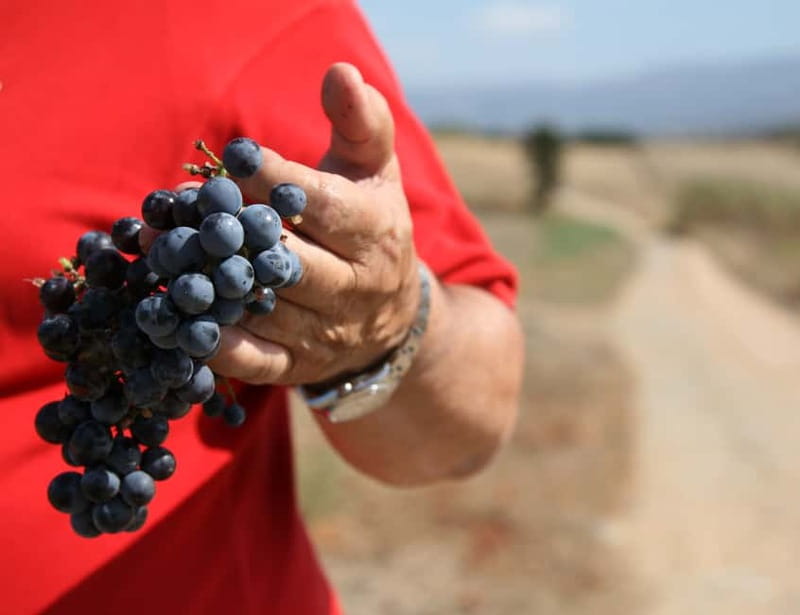
The first part of the visit takes you through the surrounding vineyards. The panoramic views are one of the experience’s simple pleasures, but they also provide useful context. Before you hear about tanks, barrels, and bottling, you see the setting where the story starts.
Your guide can connect the vineyards to the region’s fertile valleys and long relationship with grape growing. The view is not just a photo stop. It helps explain why the winery is located here and why Sardinia’s wine identity is closely tied to farming.
The tour is private, which should make it easier to ask practical questions. You can focus on the details that interest you, such as vineyard work, the winery’s production philosophy, or how the wines are paired with food. A private format is especially useful if your group includes both wine enthusiasts and people who are simply curious.
Follow the grapes through the production rooms
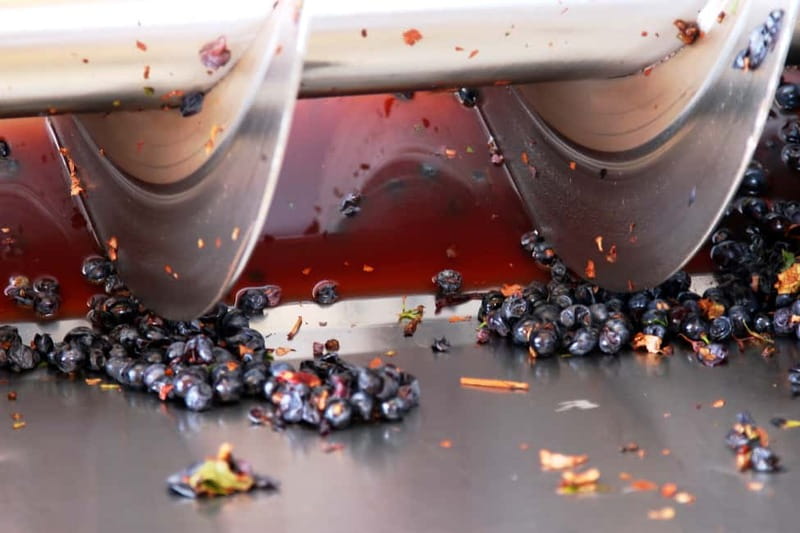
The strongest part of the visit is the chance to see the whole production cycle. You move through the different areas used from the arrival of the grapes to bottling. That makes the visit more useful than a tasting that jumps straight to the finished bottle.
You may learn how the winery handles grapes when they arrive, how the wine changes through production, and why each area has a different role. The supplied experience does not promise a particular harvest activity or a chance to see every machine operating, so the exact working conditions can vary. Still, the structure of the tour gives you a clear map of how the winery works.
This is where Alice’s role matters. Her explanations are described as easy to follow and thorough, with enough time for conversation rather than a rushed speech. She can help connect the technical stages to what you later taste. For many people, that link is the difference between hearing facts and actually understanding the wine.
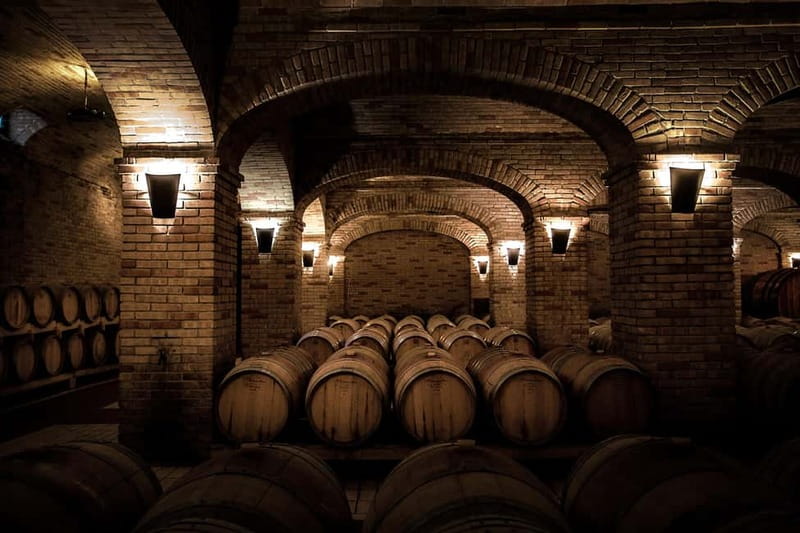
The tour also includes the barrel cellar. This gives you a chance to consider how aging affects a wine’s character before you taste the finished examples. The cellar is one of the places where the winery’s approach becomes more tangible, particularly for anyone interested in the difference between fresh, fruit-led wines and wines shaped by time in wood.
Pause in the museum before the tasting room
The route continues to a museum before ending in the wine tasting room. The museum adds a cultural layer to the visit, allowing you to consider wine as part of Sardinian rural life rather than as an isolated luxury product.
The supplied details do not specify the museum’s individual displays, so I would not book this expecting a large formal institution. Think of it as one part of the winery visit, placed between production and tasting. It helps break up the technical explanation and gives the experience a broader sense of place.
The route lasts about 1.5 hours before or around the tasting portion, while the full stop in the Cagliari area is listed at about two hours. Allow that much time without scheduling a tight connection immediately afterward. A slower pace is part of the appeal here, especially if you want to ask questions or discuss the wines with your guide.
More Winery Tours in Italy
- From Florence: Siena, San Gimignano, Pisa & Lunch at Winery
★ 4.8 · 4,538 reviews - Tuscany Wine Tour: 2 Wineries & San Gimignano from Florence
★ 5.0 · 1,007 reviews - Chianti Wineries Tour with Tuscan Lunch and San Gimignano
★ 5.0 · 793 reviews - Milan Urban Winery: Taste & Tour at Cantina Urbana
★ 4.7 · 683 reviews
Taste three wines with Sardinian snacks
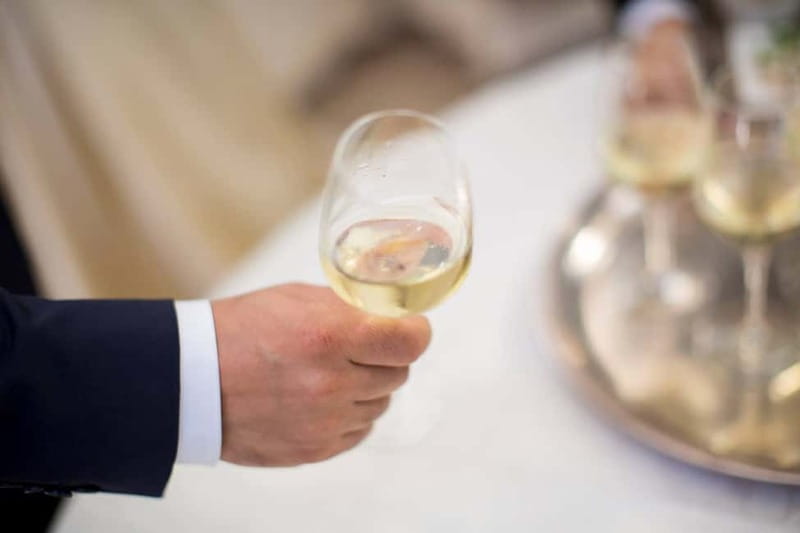
The standard tasting includes three iconic wines from the winery. They are served with snacks chosen to match the wines, giving you a chance to see how food changes the way a wine tastes.
That pairing matters in Sardinia. Wine is usually enjoyed with food, and the snacks help move the tasting away from a string of isolated sips. Notice how salt, texture, and stronger flavors affect the wine. If you are not familiar with Sardinian food or wine, this is one of the easiest ways to learn without turning the experience into a classroom.
The standard details specify three wines, but one tasting session was expanded to seven wines. That suggests tailor-made options can sometimes be arranged, but you should not assume the larger tasting is included in the regular booking. Contact the winery through a visit request or by telephone if you want a broader selection or a customized food and wine format.
Alice can also explain the flavors and pairing choices as you taste. This is useful even if you already drink wine regularly. Instead of simply naming a grape or style, you can ask what to look for in the glass and how the accompanying food brings out different qualities.
The owner may also welcome you personally, depending on the day. That is not a guaranteed part of the program, but it can add a friendly touch to the visit.
Why the private format can be worth the price
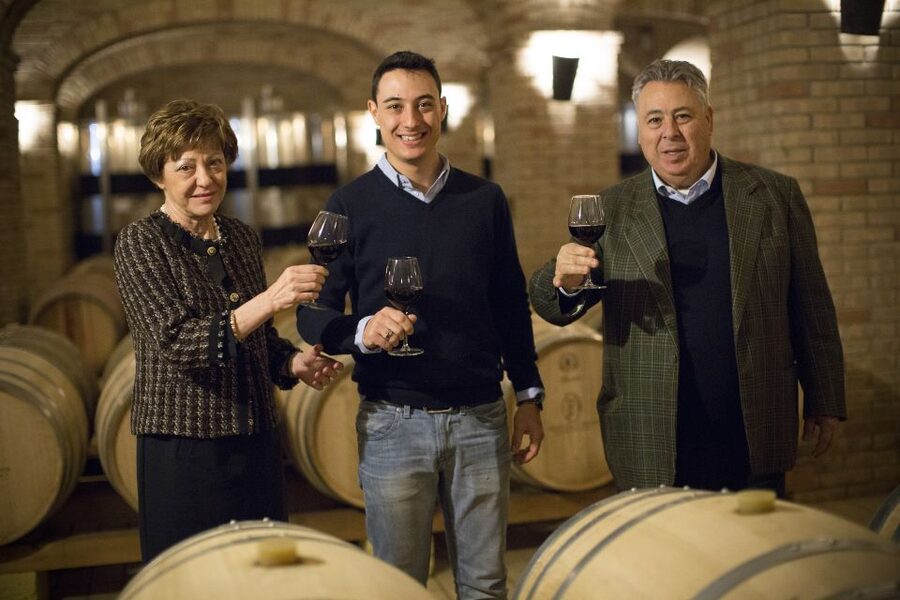
No price is provided here, so I cannot judge the exact cost against competing tours. I can tell you what you are paying for: a private guided visit, vineyard access, a look at production areas and the barrel cellar, a museum stop, three wines, and matching snacks.
That is a better value than a basic tasting if you want to understand how the wine is made. You are not only sitting down for a pour. The visit gives you time with a guide, a walk through the winery, and a structured explanation of the full process.
The value is less clear if you only want a quick drink near Cagliari. In that case, the time and transport required to reach the winery may feel like more effort than necessary. I would choose this experience because I want the production story and the regional setting, not simply because I want to sample wine.
The tailor-made option may also change the value for your group. A larger tasting, different food pairings, or a more specialized visit could suit serious wine fans, but you need to request those additions in advance. The regular program remains the safer choice for a first visit.
Getting there is the main practical concern
The winery is outside central Cagliari, and there is no hotel pickup or drop-off. You meet by the winery entrance, in front of the wine shop, and return there after the experience.
This is the detail I would take most seriously. Public transport can be difficult around the area, particularly after drinking wine. Arrange a taxi, private transfer, or designated driver before you arrive. One couple received help finding a taxi after the tour, but I would treat that as useful kindness rather than a guaranteed transfer service.
Do not plan to drive if you intend to enjoy the tasting. Even three wines can be enough to make driving a poor choice, and the point of the visit is to taste at a relaxed pace. A prearranged ride also lets you stay longer if the conversation continues.
The experience takes place rain or shine. The vineyard portion is therefore not weather-dependent in the way a fully outdoor tour might be, but you should still wear sensible shoes and bring protection from rain or sun when needed. The information does not state any accessibility details, so contact the provider directly if your party has mobility requirements.
What kind of wine experience is this?
This is a good fit if you want a personal introduction to Sardinian wine and prefer a working winery to a polished city tasting bar. The route gives you production, agriculture, local food, and scenery in one visit.
It also suits first-time wine tasters. Alice’s explanations are praised for being friendly and easy to understand, and the food pairings give you something concrete to discuss. You do not need to arrive with technical wine knowledge.
Wine enthusiasts can enjoy it too, particularly if they request a tailor-made format. The winery’s use of research and modern winemaking methods provides material for more detailed questions. Just confirm what is included before you book, especially if you want more than the standard three wines.
Families with children may find the production visit more interesting than a tasting-only stop, but the main activity is still wine tasting. The supplied information does not describe a children’s program, so ask the provider if that is important for your group.
English and Italian guiding
Tours are available in English and Italian. Alice is specifically praised for her ability to explain the winemaking process, flavors, and pairings in a friendly way. Her willingness to take time with questions is a real benefit in a private setting.
The strongest reports focus on her personal approach. She is described as approachable, passionate about wine, and attentive from arrival through departure. Those qualities matter because a winery can feel technical or impersonal if the explanation is rushed.
The experience provider is Cantina Ferruccio Deiana. Tailor-made wine and food options can be requested by telephone or through a visit request. If you have a particular interest, such as production methods, expanded tasting, or food pairing, ask before the day of the visit.
Booking, cancellation, and timing
The schedule varies, so you need to check available starting times for your chosen date. The booking is described as a one-day activity, but the actual visit itself takes about two hours, including the guided tour and tasting.
You can reserve and pay later, which is useful when you are still arranging transport around Cagliari. Cancellation is free up to 24 hours in advance for a full refund, according to the provided conditions. Keep an eye on the exact terms shown at booking.
Since the tour runs in all weather, do not assume poor conditions will cancel it. A light rain jacket and shoes suitable for walking around a winery are sensible choices.
Should you book Cantina Ferruccio Deiana?
I would book this experience if you want more than a tasting glass and a short sales pitch. The vineyard views, full production route, barrel cellar, museum, and local snacks create a well-rounded two-hour visit. Alice’s patient, friendly guidance is another strong reason to choose it.
I would pause only if you have no easy way to reach the winery or if your main goal is a very short tasting in central Cagliari. Arrange your return transport first, then consider requesting a tailor-made tasting if three wines feel too limited.
For anyone spending time near Cagliari who wants to connect Sardinian food, farming, and wine, this is a thoughtful choice. It gives you enough structure to learn, but enough room to talk, taste, and enjoy the setting at an unhurried pace.
FAQ
Where is Cantina Ferruccio Deiana located?
The winery is in Su Leunaxiu, in the province of Cagliari, Sardinia.
Where do I meet the guide?
Meet at the winery entrance, in front of the wine shop.
Where does the experience end?
The activity ends back at the same meeting point at Cantina Ferruccio Deiana.
How long does the winery visit last?
The guided cellar tour lasts about 1.5 hours, and the itinerary in the Cagliari area is listed at about two hours including the tasting and related stops.
How many wines are included?
The standard experience includes three iconic wines. Tailor-made options are available by visit request or telephone call.
Is food included?
Yes. Snacks selected to match the wines are included.
Are hotel transfers included?
No. Hotel pickup and drop-off are not included, so you must arrange your own transport to and from the winery.
What languages are available?
The tour is available in English and Italian.
Just poured in Italy
- Montefioralle Winery – Tour and Wine Tasting in Chianti★ 4.5 · 92 reviews
- Tour and Tasting at an Organic Winery in the Heart of Chianti Classico Area★ 5.0 · 132 reviews
- Greve in Chianti Wine Tasting and Winery Tour★ 4.5 · 119 reviews
- Livorno Shore Excursion: Chianti and Tuscany Countryside Private Wine Tour★ 5.0 · 56 reviews
- Private tour of Etna and Winery Visit with Food and Wine Tasting from Taormina★ 5.0 · 221 reviews
- Mt Etna and Wine tasting tour from Catania★ 5.0 · 282 reviews
- Etna Tour and Lunch in a Winery with Wine Tasting★ 5.0 · 97 reviews
- Capri and Anacapri Guided Tour with Limoncello Tasting from Capri★ 4.0 · 104 reviews
Winery Tours, compared.
Douro Valley with Winery Lunch, Tastings & Cruise
Read our review →
Montserrat, Cogwheel, Black Madonna & Winery Tour
Read our review →
Montserrat with Black Madonna & Medieval Winery with Tapas/Lunch
Read our review →
Siena, San Gimignano, Pisa & Lunch at Winery
Read our review →
Wine Tour: Paarl, Franschhoek & Stellenbosch incl 3 wineries
Read our review →
Douro Valley Tour: 2 Vineyard Visits, River Cruise, Winery Lunch
Read our review →
5-Hour Traverse City Wine Tour: 4 Wineries on Old Mission Peninsula
Read our review →Browse the lists this tour appears in