
REVIEW · WINERY TOURS
Siena: Organic Winery Tour and Wine Tasting
The best part of this Siena wine tour is that it starts with the working vineyard, not just a polished tasting room. You learn how the vines, soil, insects, animals, and hillside position all affect the grapes before moving into the cellar and tasting room.
I like the clear link between farming and flavor, and I like the small-scale feel of Azienda Agricola La Lastra. The seasonal food, often made with vegetables from the organic garden, gives the wines a proper Tuscan setting. The main thing to plan for is transport: although the winery is only about 2 kilometers from Siena, you will likely want a taxi rather than count on walking there.
Key points to know
- Five organic wines are included, with some sessions offering additional pours.
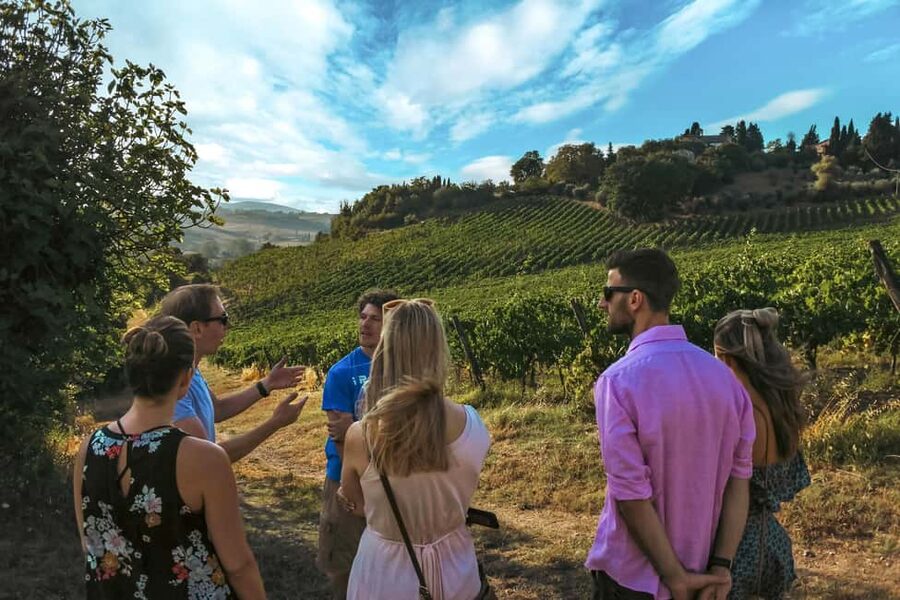
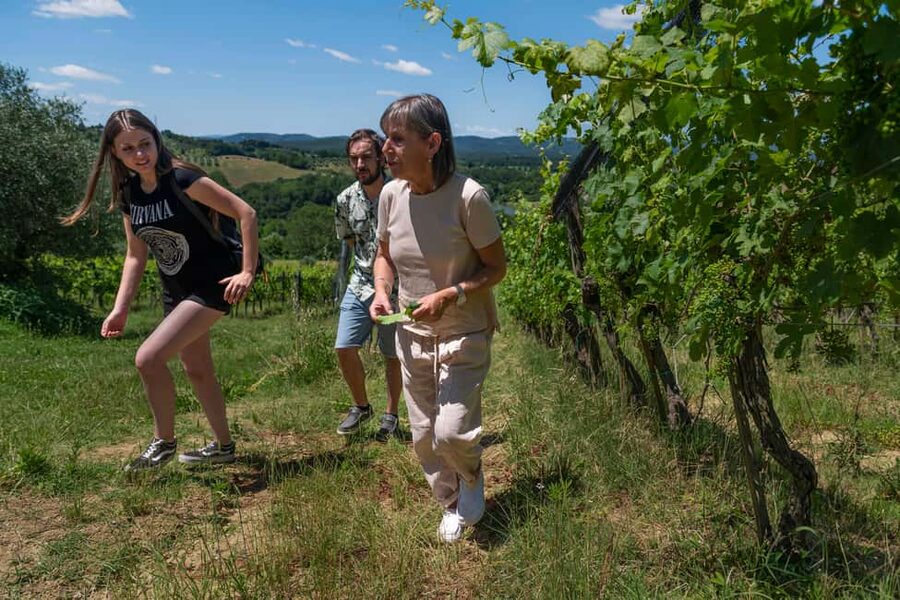
- The tour begins in the vineyards, where you learn about pruning, grapes, biodiversity, and organic farming.
- The cellar visit explains real production choices, including fermentation, stainless steel tanks, and French oak barrels.
- Seasonal Tuscan food is part of the experience, not an afterthought to the wine.
- Maia, Mya, Gianluigi, and owner Renato have led sessions, with a strong focus on practical wine education.
- Allow time and money for a taxi, even though the winery is close to Siena’s old town.
A working organic winery close to Siena
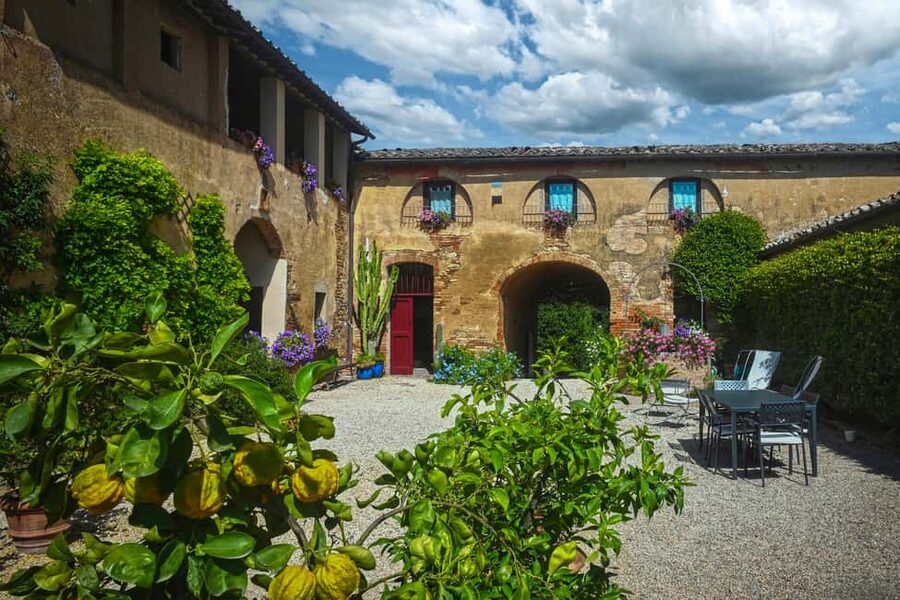
Azienda Agricola La Lastra offers a useful change of pace from Siena’s stone streets and crowded central sights. The property sits in the Tuscan hills, roughly 2 kilometers from the medieval center, close enough for a short taxi ride but far enough to feel rural.
The setting matters. You are not tasting wine in a city bar while someone recites a list of grape names. You are looking at the place where the grapes grow, seeing the cellar where the wine is made, and eating food connected to the farm.
The tour lasts about 2.5 hours. That is long enough for a proper introduction to organic farming and wine production without taking up an entire afternoon. I think the timing works especially well on a day when you have already seen Siena’s major sights and want something quieter.
This is a small winery, and that is part of its appeal. You should not expect a large commercial estate with a fleet of coaches, a retail complex, or a theatrical production line. The atmosphere is more personal and farm-based.
More Wine Tasting Tours in Italy
- Florence: Chianti Wineries Tour with Wine Tasting
★ 4.5 · 10,071 reviews - Small-Group Wine Tasting Experience in the Tuscan Countryside
★ 5.0 · 7,392 reviews - Rome: Tuscany & Montepulciano Day Trip with Lunch & Wine Tasting
★ 4.5 · 5,232 reviews
Starting among the vines
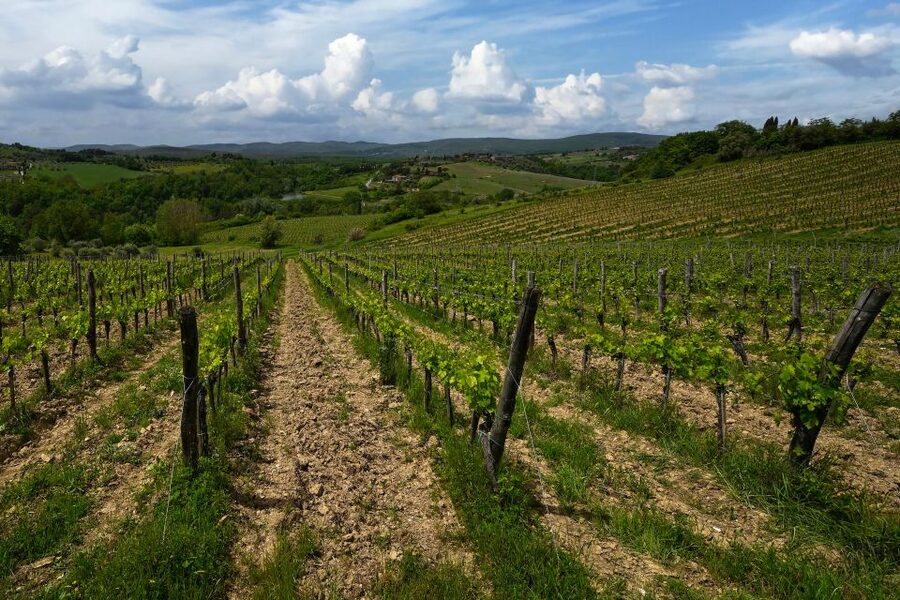
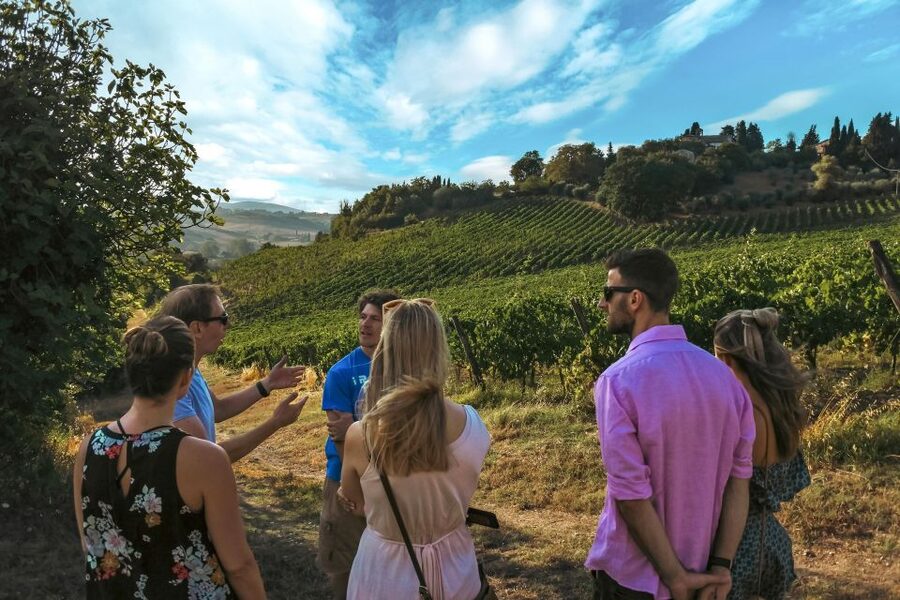
The tour begins in the courtyard at St. della Befana n. 5, Siena. From there, the focus moves outdoors to the vineyard, where the guide explains the annual cycle of the organic grapes.
You learn about the work behind a bottle: how vines are grown and pruned, how their position on the hillside affects sunlight and climate, and how the farm protects its natural resources. One particularly useful idea is the connection between soil, insects, and animals. Organic farming here is presented as a whole system rather than simply a ban on certain chemicals.
That makes this tour a good fit if you want more than a basic tasting. The explanation stays tied to practical choices. You can understand why the vineyard is managed in a certain way and how those choices may influence the finished wine.
The vineyard walk also gives you the best chance to appreciate the setting. The views across the Tuscan hills are a central part of the appeal, especially in good weather. If rain keeps you indoors, the visit can still continue, but you will miss the outdoor portion and some of the visual connection between the vines and the wine.
Wear shoes you can walk in comfortably. The activity is not described as a strenuous hike, but it does include time in a working vineyard rather than only on paved floors.
Seeing the cellar from grape to bottle
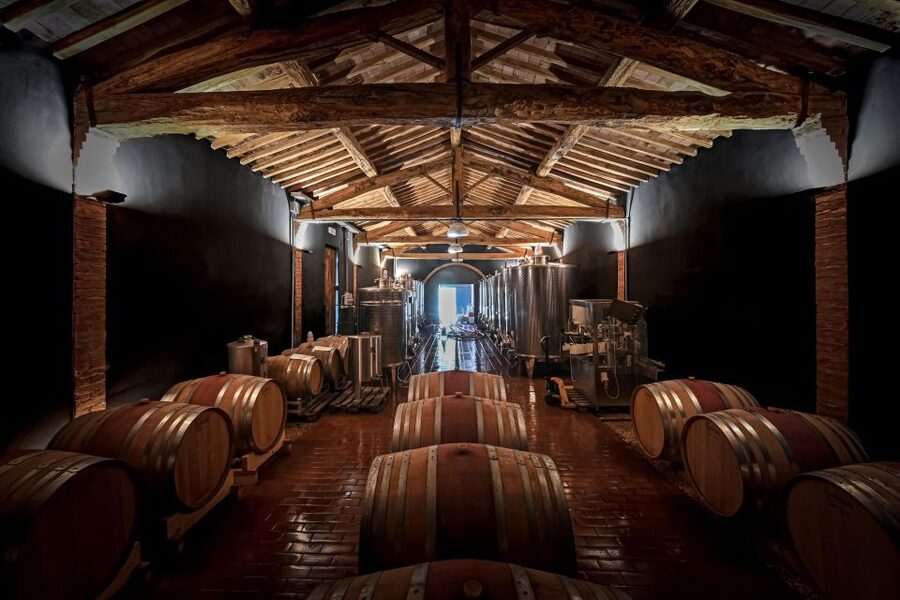
After the vineyard, the tour moves into the old wine cellar. This is where the broad talk about organic agriculture becomes a more technical explanation of winemaking.
The guide covers the stages from grape crushing through fermentation and later aging. Stainless steel tanks are part of the process, while French oak barrels are used for red wines. You may also hear how barrel size and the level of charring can affect oxidation and flavor development.
This section is valuable because it explains not only what the winery uses, but why. A cellar tour can easily become a quick look at tanks followed by a rush to the tasting table. Here, the production methods are connected to the wines you will soon taste.
The amount of technical detail depends on the guide and the questions in your group. Maia and Mya have led sessions that combine serious information with humor and an easy manner. Gianluigi has also been praised for giving clear explanations without turning the tour into a formal wine class.
You do not need prior wine knowledge. If you already know a fair amount about wine, you can ask about fermentation, aging, oak, or organic certification. If you are new to wine, the explanations are designed to give you a useful foundation without making you feel tested.
Five wines in the tasting room
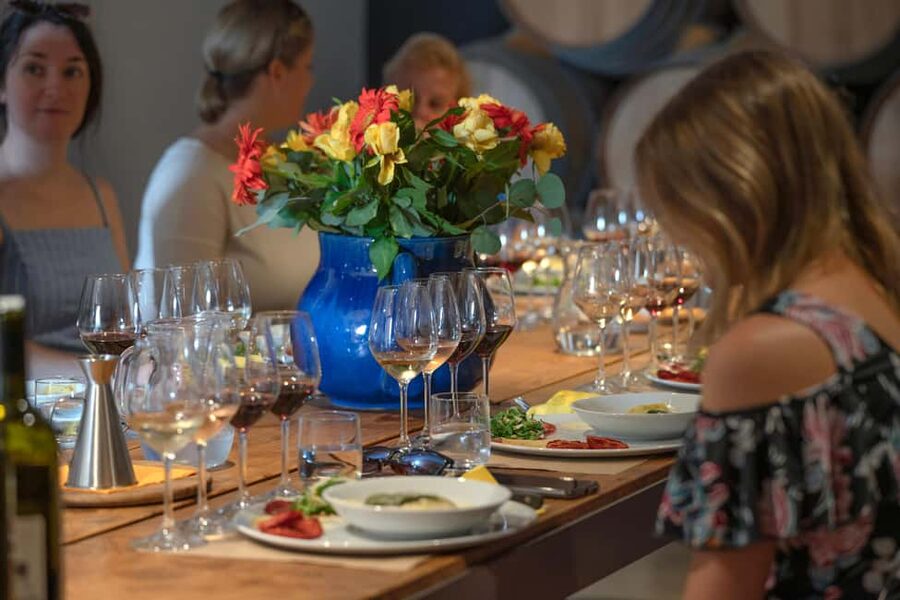
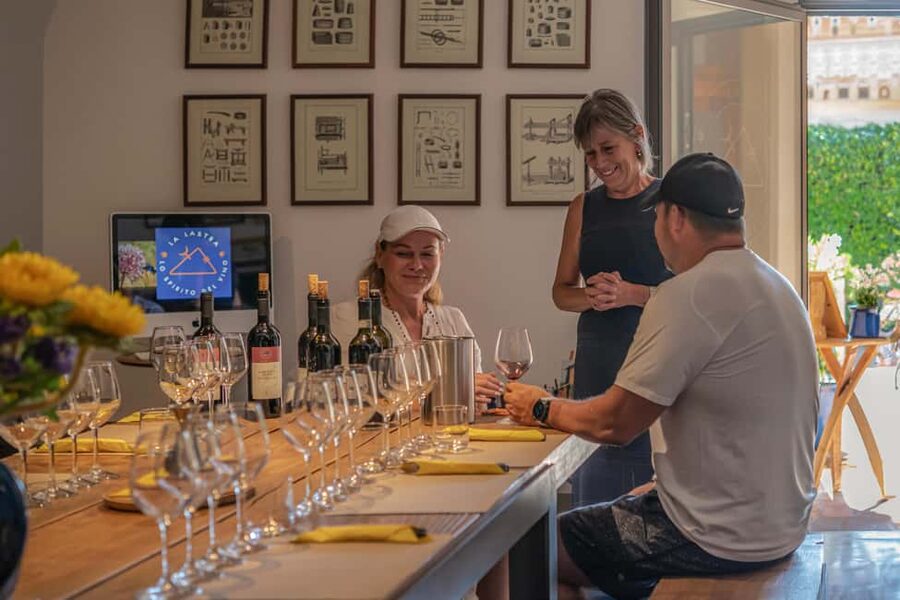
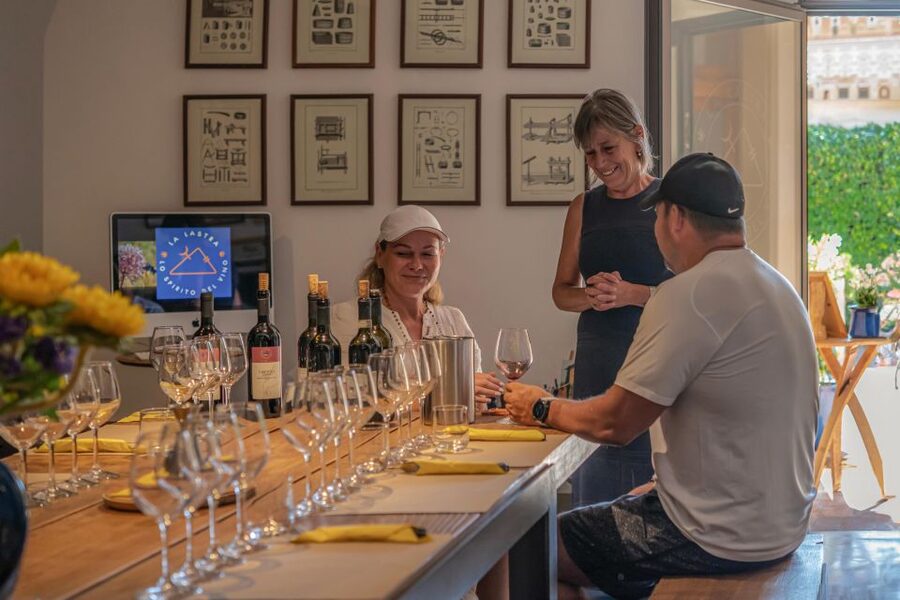
The final part takes place in the tasting room, where you sample five organic wines. The tasting is presented as a sensory exercise, so you are encouraged to pay attention to aroma, texture, balance, and the changing notes in each glass.
That slow approach is one of the better features of the visit. Instead of simply announcing the name of each wine and moving on, the guide shows you how to notice what is in the glass. You can compare younger wines with vintage examples and connect the differences to grape growing, production, and aging.
The plan specifically includes five wines. One past session included ten wines, but you should treat that as an occasional variation rather than something guaranteed. The core experience is five organic wines paired with food.
The wines include organic Tuscan reds, including organic Chianti styles, along with other wines produced at the estate. The precise selection can change with the season and availability. That is normal for a small winery and means the tasting is not a fixed display designed months in advance.
The guide’s role makes a real difference here. Maia, Mya, and Gianluigi have been described as engaging and clear, while owner Renato has led tours with a strong focus on agriculture and wine growing. If you are shy about asking questions, this is the sort of setting where you can usually join the conversation without feeling out of place.
More Winery Tours in Italy
- From Florence: Siena, San Gimignano, Pisa & Lunch at Winery
★ 4.8 · 4,538 reviews - Tuscany Wine Tour: 2 Wineries & San Gimignano from Florence
★ 5.0 · 1,007 reviews - Chianti Wineries Tour with Tuscan Lunch and San Gimignano
★ 5.0 · 793 reviews - Milan Urban Winery: Taste & Tour at Cantina Urbana
★ 4.7 · 683 reviews
Seasonal food makes the tasting feel like lunch
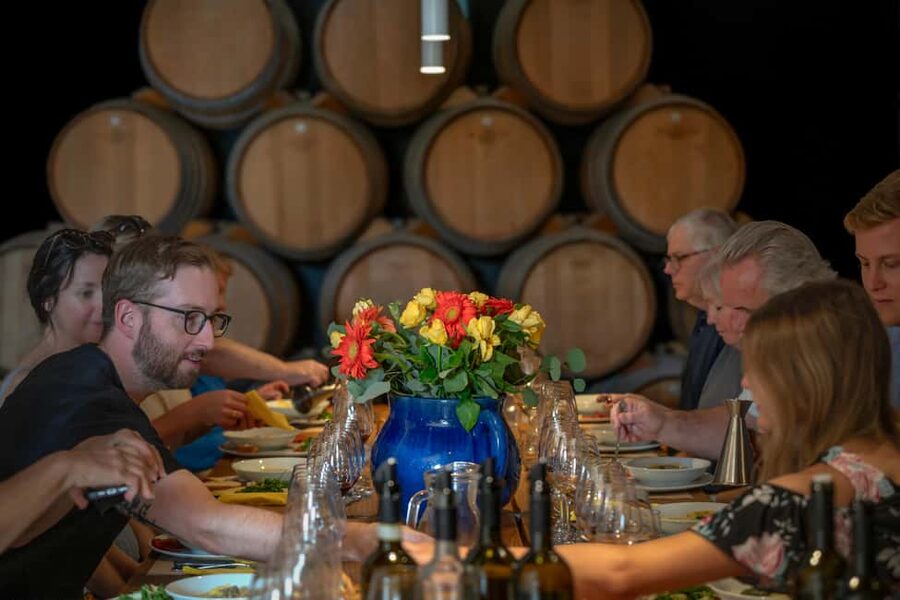
The food is more substantial and personal than the crackers or cheese plate often served with a standard tasting. The afternoon meal uses seasonal Tuscan products, with freshly cooked vegetables from the organic garden forming part of the menu.
You might taste extra virgin olive oil as well as wine. One session included an explanation of how true extra virgin olive oil is made and how to use it in cooking. That is a nice bonus for anyone interested in Tuscan food beyond wine.
Pairings are chosen to work with the individual wines. The result is not meant to be a formal restaurant meal, but it is more than a snack. Several visits included homemade dishes, desserts, and carefully matched local foods.
Dietary needs should be provided when booking. Vegetarian and vegan meals have been prepared, and special care has been taken with allergies. The information available confirms that the hosts ask about dietary requirements, but you should still state your needs clearly in advance.
The food also gives the tasting a stronger sense of place. Wine can feel abstract when it is served alone. Add farm vegetables, olive oil, and seasonal Tuscan cooking, and the experience becomes easier to understand as part of local agricultural life.
What the small-group setting changes
The winery is described as small, and groups can be intimate. One visit had only four people, while other sessions brought together people from several countries. That size makes it easier to hear the guide and ask questions.
A small group also creates a more social meal. You sit with people who have chosen the same activity, and the tasting can turn into a relaxed shared afternoon rather than a lecture. If you prefer to keep entirely to yourself, a communal setting may feel less private than a one-to-one tasting.
The hosts add to this informal feel. The property has even had a resident cat named Giga, described as 24 years old. Small details like that tell you what kind of place this is: a working family-style farm rather than a staged attraction.
The standard languages are English and Italian. If you need another language, this is not the right tour to assume will work without checking first.
The taxi question from central Siena
The winery is listed as about 2 kilometers from Siena’s center, but several practical details make a taxi the sensible choice. One person specifically noted that it is not really a simple walk from the center and that a cab was needed.
Plan your transport before the tour begins. The meeting point is the courtyard at St. della Befana n. 5, Siena. The winery has helped arrange taxis after visits, and in one unusual case an owner drove a family to the train station after a thunderstorm disrupted phone service.
Do not build a tight connection immediately after the tasting. The official activity lasts 2.5 hours, and the meal and conversation may make the end feel less rushed. You also do not want to leave before finishing the final pairing simply because you did not allow time for the ride back.
The taxi cost is not included in the $88 tour price. That extra expense is worth considering when comparing this experience with a tasting inside Siena itself.
Is $88 a fair price?
At $88 per person, this is not the cheapest way to taste Tuscan wine. You are paying for more than five glasses, though. The price includes a guided vineyard and cellar visit, instruction about organic farming and winemaking, five wines, and a seasonal food tasting.
I think the value is good if you want an educational visit with a meal attached. The tour connects the vineyard, cellar, and table, which makes the price easier to justify than a short tasting with no farm visit.
It is also useful for people who are new to wine. You do not need to pay for a separate wine course to learn the basics of grapes, fermentation, oak, and tasting technique. The guides explain these ideas in a relaxed setting, with the wine in front of you as an example.
The calculation changes if you only want a quick drink and a view. In that case, a Siena wine bar may be cheaper and more convenient. You also need to add taxi costs, which slightly reduce the overall value.
Wine purchases are available, and one visit described the bottles as reasonably priced. Buying wine is optional, but it gives you a chance to take home something you tasted at the source.
Who will enjoy this most
I would choose this tour if you want to understand how organic wine is made rather than simply collect tasting stops. It suits couples, small groups, solo visitors who enjoy meeting people, and anyone interested in farming, food, or sustainable production.
It is also a strong choice for first-time vineyard visitors. The explanations are detailed but not presented as hard science, and you can learn at a comfortable pace.
Food matters here. If you enjoy homemade seasonal dishes and local ingredients, the afternoon meal adds real value. Vegans and vegetarians should mention their requirements in advance, since suitable meals have been prepared.
I would be less likely to book it if you want a grand estate, a large formal tasting, or a very short stop between Siena sights. The small winery is part of the charm, but it also means the facilities and format are modest.
Weather can affect the day. Rain may prevent the vineyard walk, although the indoor cellar and tasting can still go ahead. The experience remains worthwhile in wet weather, but the outdoor scenery is one of its strongest features, so check the forecast if you have flexible plans.
Should you book the La Lastra wine tour?
Book it if you want organic Tuscan wine explained from vine to glass, with seasonal food and a quiet setting close to Siena. The strongest parts are the vineyard lesson, the practical cellar visit, the warm guides, and the meal built around local produce.
The $88 price is fair for a 2.5-hour visit that includes five wines and food, but remember to arrange a taxi. If you want only a fast tasting in town, choose something simpler. If you want to understand the work behind Tuscan wine and leave with a fuller sense of the farm, La Lastra is a very good choice.
FAQ
How long does the organic winery tour last?
The experience lasts 2.5 hours, including the vineyard and cellar tour, wine tasting, and seasonal Tuscan food.
How many wines are included?
The experience includes a tasting of five organic wines. Some sessions may include additional wines, but five is the stated offering.
Where does the tour meet?
The meeting point is in the winery courtyard at St. della Befana n. 5 in Siena.
How far is the winery from Siena?
The winery is about 2 kilometers from Siena’s center. A taxi is recommended, since the distance is not necessarily convenient to walk.
Which languages are available?
The tour is offered in English and Italian.
Is food included?
Yes. The tasting includes seasonal Tuscan food, with freshly cooked vegetables from the organic garden forming part of the proposed pairings.
Can dietary requirements be accommodated?
Dietary requirements should be provided when booking. Vegetarian and vegan options have been prepared, and special care has been given to food allergies.
What happens if it rains?
Rain may prevent the vineyard walk, but the indoor portions of the experience can still continue. The cellar tour, wine explanations, tasting, and food are still part of the visit.
Just poured in Italy
- Montefioralle Winery – Tour and Wine Tasting in Chianti★ 4.5 · 92 reviews
- Tour and Tasting at an Organic Winery in the Heart of Chianti Classico Area★ 5.0 · 132 reviews
- Greve in Chianti Wine Tasting and Winery Tour★ 4.5 · 119 reviews
- Livorno Shore Excursion: Chianti and Tuscany Countryside Private Wine Tour★ 5.0 · 56 reviews
- Private tour of Etna and Winery Visit with Food and Wine Tasting from Taormina★ 5.0 · 221 reviews
- Mt Etna and Wine tasting tour from Catania★ 5.0 · 282 reviews
- Etna Tour and Lunch in a Winery with Wine Tasting★ 5.0 · 97 reviews
- Capri and Anacapri Guided Tour with Limoncello Tasting from Capri★ 4.0 · 104 reviews
Winery Tours, compared.
Douro Valley with Winery Lunch, Tastings & Cruise
Read our review →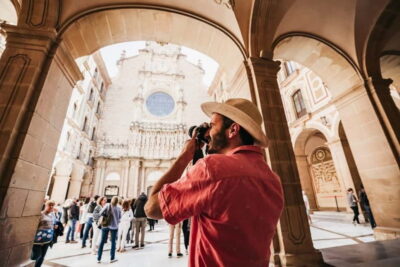
Montserrat, Cogwheel, Black Madonna & Winery Tour
Read our review →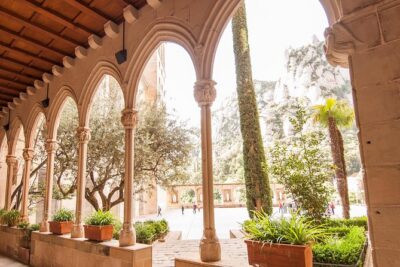
Montserrat with Black Madonna & Medieval Winery with Tapas/Lunch
Read our review →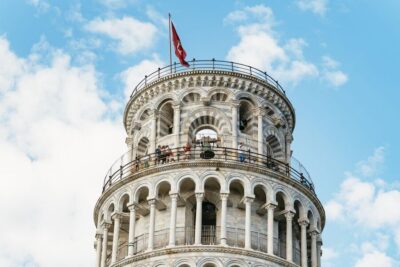
Siena, San Gimignano, Pisa & Lunch at Winery
Read our review →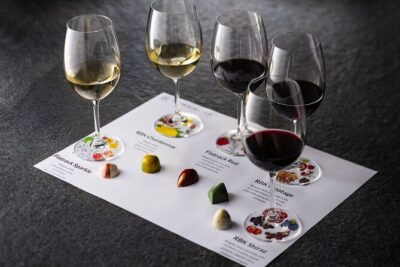
Wine Tour: Paarl, Franschhoek & Stellenbosch incl 3 wineries
Read our review →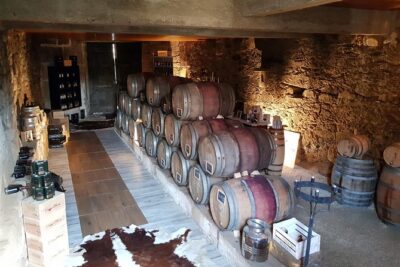
Douro Valley Tour: 2 Vineyard Visits, River Cruise, Winery Lunch
Read our review →
5-Hour Traverse City Wine Tour: 4 Wineries on Old Mission Peninsula
Read our review →Browse the lists this tour appears in