
REVIEW · WINE TASTING CLASSES
Bratislava: Wine Tasting with Sommelier
The most interesting part of this Bratislava tasting is its setting: you sample Slovak wine underground, in the old cellar of Apponny Palace, right in the city center. The collection features Slovakia’s top 100 wines, chosen by wine professionals from across the country.
I like the personal attention and the chance to taste wines from all six Slovak wine-growing areas without leaving town. I also like the generous pours and the way the sommelier can steer the tasting toward your tastes, even if you know very little about wine.
The main thing to consider is that the shorter tastings can feel quick, and you may spend much of the session standing beside a barrel. Snacks are not included, so this is a wine lesson and tasting, not a full food-and-wine outing.
Key points to know before booking
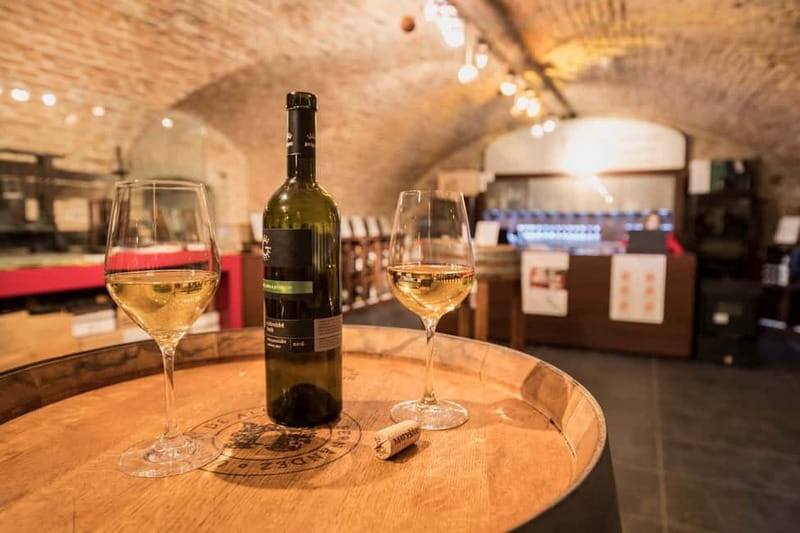
- Slovakia’s top 100 wines: Taste bottles selected for the National Collection of Wines by oenologists, sommeliers, winemakers, and the National Wine Salon.
- Three tasting choices: Pick three samples, five samples, or a larger program with up to 72 Slovak wines available for selection.
- A historic cellar setting: The tasting takes place beneath Apponny Palace, home to the Museum of Viticulture and Enology.
- A flexible, personal format: The English-speaking sommelier can explain the wines and adapt choices to your preferences.
- Good central-city value: At $22 per person, it is a fairly inexpensive way to learn about Slovak wine without booking a day trip.
- Bring patience for the longer option: Some short sessions move fast, while the larger tasting needs time to feel satisfying.
What makes this Bratislava wine tasting different
Bratislava is a good place to learn about Slovak wine because the country has several distinct growing areas, yet many of its bottles are not widely exported. This tasting gives you a compact introduction to that local wine culture in a city-center location.
The focus is the Slovak National Collection of Wines. Its 100 bottles are selected by people who work in the wine trade and represent the best of the country’s current production. You are not simply being handed a random flight of house wines. The point is to sample a national selection.
That makes this a useful stop for anyone who has already seen Bratislava’s main sights and wants something tied to Slovakia itself. It also suits a rainy afternoon, a break after a river cruise, or an evening before dinner.
The cellar adds real character. You taste in the former wine spaces of Apponny Palace, among the city’s old underground rooms and displays connected with viticulture and enology. It is not a vineyard visit, and you will not walk among vines, but you do get a strong sense of the city’s old wine-trade setting.
More Wine Tasting Classes in the world:
- Paris: French Wine Tasting Class with Sommelier
★ 4.8 · 550 reviews - Porto: Douro Valley Wine Tour with a Sommelier & Boat Trip
★ 5.0 · 463 reviews - Port Wine class with 3 or 5 Port tasting and pairings
★ 4.9 · 441 reviews
Arriving at Apponny Palace and finding the cellar
The venue is in Bratislava’s historic center, close to the river dock and within reach of the main sightseeing area. That central position is one of the activity’s practical strengths. You do not need a taxi or a separate excursion to reach the tasting.
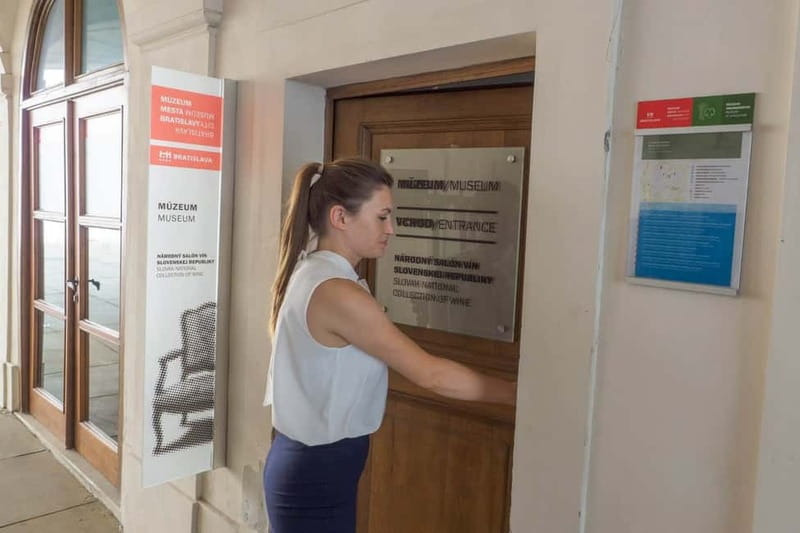
The entrance can be a little hard to spot at first. Give yourself extra time to find the correct doorway and cellar entrance, especially if you are coming straight from another activity. Once inside, the old underground setting is attractive, decorated, and well suited to wine tasting.
Expect a cellar rather than a formal dining room. Some people find the atmosphere pleasant and private. Others find it slightly quiet, with little music or background activity. Seating may be limited, and one tasting arrangement involves standing beside a barrel for much of the session.
That detail matters if you have sore feet, are traveling with an older companion, or simply prefer to settle into a chair with your glass. The venue is pretty, but comfort is not its strongest feature.
Choosing between three, five, and larger tastings
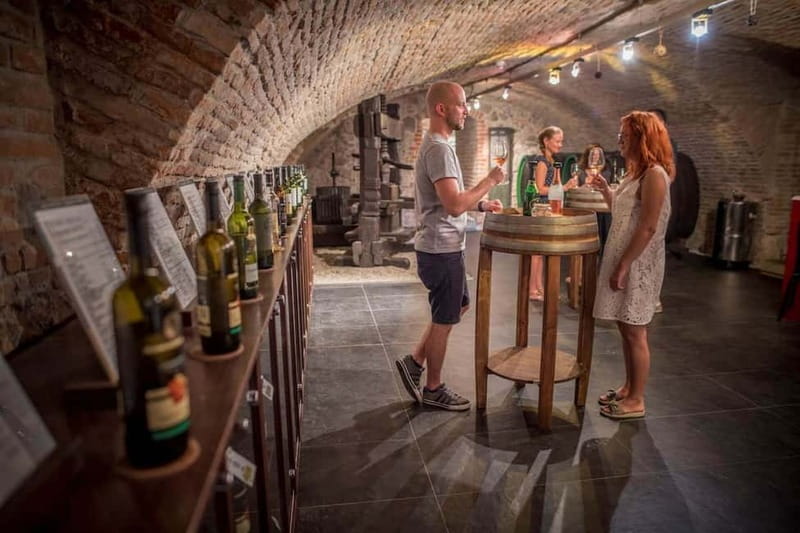
The tasting menu gives you three basic levels. You can try three wines, five wines, or choose from a much larger selection that can include up to 72 Slovak wines. The exact session length ranges from about 30 to 100 minutes, so check the available time when you book.
The three-wine option works well if you want a short introduction. It can fit neatly between sightseeing plans, and the sommelier can still explain the grapes, region, and expected flavors. A typical selection may include white, rosé, and red wine, giving you a quick look at the range.
The risk is that three wines can pass very quickly. One recent session with three wines included only brief explanations, although the sommelier was friendly and the wine itself was well received. If you want time to ask questions, compare styles, and enjoy the cellar, five samples are probably the better choice.
The five-wine program offers a more useful balance. It gives you enough room to notice differences among grapes and regions without turning the tasting into a major commitment. One five-wine session lasted around 45 minutes, although the pace can vary.
The larger program is for people who are genuinely interested in Slovak wine. You are not expected to taste all 72 bottles. The number refers to the available selection, and the sommelier helps you choose. This is the option to consider if you want to compare several growing areas or spend a slower afternoon with wine.
How the sommelier shapes the experience
The English-speaking sommelier is the key part of the tasting. The cellar provides the atmosphere, and the wines provide the subject, but the guide makes the session useful rather than simply pleasant.
You begin by discussing your preferences. Tell the sommelier if you like dry whites, sweeter wines, light reds, full-bodied reds, or something unusual. If you do not know the vocabulary, that is fine. Even people who rarely drink wine can use simple descriptions, and the sommelier can suggest a direction.
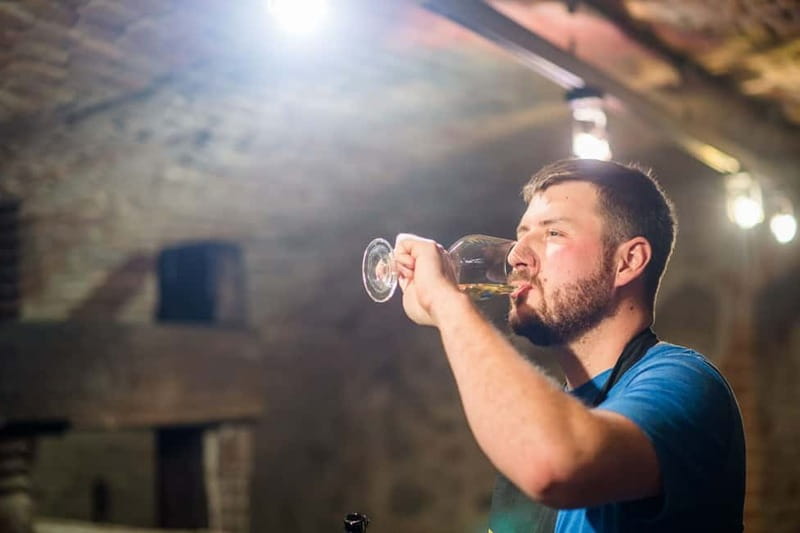
The explanation covers the basic sensory qualities of each wine, along with its grape, growing area, and likely flavors. You learn how to look at the wine, smell it, taste it, and notice how it changes in the glass. The best sessions are conversational rather than stiff.
Some guides have a lively, personal style. Simon and Peter have both led highly praised sessions, and the strongest guide-led tastings are marked by clear English, warmth, and a genuine interest in the subject. You should expect a lesson, but not an exam. You do not need to arrive as a wine expert.
The level of explanation can vary. At times, the presentation is detailed and carefully matched to your interests. At other times, especially during a shorter program, the explanation may be brief and the next glass may arrive quickly.
If you want a relaxed pace, say so at the beginning. Let the sommelier know that you would like time to taste each wine before moving on. That small request may make a big difference.
More Wine Tasting Tours in the world:
- From Porto: Douro Valley w/ Boat Tour, Wine Tasting & Lunch
★ 4.7 · 19,061 reviews - Complete Douro Valley Wine Tour with Lunch, Wine Tastings and River Cruise
★ 5.0 · 12,920 reviews - Florence: Chianti Wineries Tour with Wine Tasting
★ 4.5 · 10,071 reviews - From Split: Krka Waterfalls, Food & Wine Tasting Tour
★ 5.0 · 9,326 reviews
The wines and the six Slovak growing areas
The main value here is variety. The tasting can introduce you to wines from six Slovak wine-growing areas, allowing you to compare more than one local style instead of tasting several versions from a single producer.
You may encounter white, rosé, and red wines. White wine often forms a major part of a Slovak tasting, but the selection is not limited to it. A five-wine session may be arranged around your preferences rather than following one fixed flight.
This is especially useful if you are new to Slovak wine. You can ask why one bottle is lighter, more aromatic, sweeter, drier, or more structured than another. The sommelier can explain the differences in plain language and help you decide what to seek out later.
The quality has been a major reason to book. The wines are selected for the national collection, and the tasting is designed to show high-quality examples rather than bargain table wine. Several people have found bottles they wanted to buy afterward.
That brings up one limitation: shipping is not available at the venue. If you discover a favorite, buying it may be difficult if you are traveling with hand luggage or continuing to several other cities. Ask about purchase options before you arrive, and do not assume that a bottle can be sent home.
How much time you really need
The advertised duration ranges from 30 to 100 minutes. That is a wide span because the format changes with the number of wines and the pace of the session.
For a quick stop, allow around half an hour. This is enough for three wines and a basic introduction, but it may feel too short if you want a long conversation.
For most visitors, the five-wine option is the sweet spot. It provides enough variety to make the trip worthwhile and enough time to ask questions. Still, some tastings move quickly, with several wines poured within the first few minutes.
The longer program is best when the tasting itself is one of your day’s main activities. You can compare wines from different regions and spend more time discussing what you taste. It is less suitable if you have a fixed dinner reservation or a tightly packed sightseeing schedule.
The tasting is generally intimate rather than a large group presentation. It may feel almost private, which is a major plus for couples or small groups. For a solo visitor, that privacy can occasionally feel awkward if no other participants are present, but the sommelier can still give you direct attention.
Is $22 good value?
At $22 per person, this is a strong-value activity if you care about local wine or want a cultural stop that does not take half a day. The price includes the Slovak wine tasting and an English-speaking sommelier. It does not include snacks.
The value depends on which program you choose and how much time you want. Three wines make sense for a short introduction. Five wines offer better value for most people because you get a broader comparison and more time with the guide. The larger tasting is worthwhile for wine enthusiasts who want to use the cellar as a proper introduction to Slovak production.
The pours are generally described as generous, which helps the price feel fair. Still, generous pours mean you should pace yourself, especially if you choose several wines. This is a tasting, not a race to finish every glass.
Since no snacks are supplied, eat something beforehand or plan a meal afterward. You do not need a full dinner before arriving, but wine on an empty stomach is rarely a clever travel strategy.
Compared with an organized excursion outside Bratislava, this is inexpensive and easy to fit into your day. You also avoid transport time. The tradeoff is that you will not see vineyards, wineries, or rural scenery. You are paying for access to selected wines and a guided introduction in a historic cellar.
Who will enjoy it most
I would recommend this tasting to couples, friends, and small groups who want something local and easy to reach. It is also a good pick for curious beginners. You do not need to know grape varieties or tasting terms before you arrive.
It suits people who enjoy learning through conversation. The sommelier can explain why a wine tastes the way it does, and you can ask questions without feeling out of place. The relaxed tone is especially useful if you normally avoid wine tastings because they seem too formal.
It also works well after a morning activity. Its location near the river dock makes it convenient after a cruise, and the session can fill an afternoon without requiring another long transfer.
I would be more cautious if you want a seated, food-focused event. The cellar may be quiet, seating may be limited, and there are no snacks. If you want vineyard views or a full meal, this is not the right format.
Solo visitors can certainly book it, but the private atmosphere may feel slightly unusual if you are the only person attending. Couples and small groups are likely to find the setting more natural.
Practical tips for a better tasting
- Choose five wines if your schedule allows. Three samples are fine for a quick introduction, but five gives you a clearer sense of Slovak wine.
- Tell the sommelier what you like before the first pour. Your preferences can shape the selection.
- Ask to slow down if the wines arrive too quickly. You should have time to smell, taste, and compare.
- Wear comfortable shoes. You may spend much of the tasting standing.
- Eat before or after the session because snacks are not included.
- Arrive early enough to locate the cellar. The entrance is not always obvious at first.
- Plan ahead if you hope to take bottles home. Shipping is not available at the venue, and hand-luggage limits may get in the way.
- Do not worry about wine expertise. The activity is designed to explain the basics as well as serve experienced drinkers.
Should you book this Bratislava wine tasting?
Book it if you want a compact introduction to Slovak wine, a handsome old cellar, and direct help from an English-speaking sommelier. At $22, it offers a lot for the time and gives you access to bottles that may be hard to find outside Slovakia.
Choose the five-wine option if you can. It offers the best balance of variety, price, and time. Pick three wines only if you want a short stop, and choose the longer program if wine is a central interest.
Skip it if you need comfortable seating, included food, or a visit to the vineyards themselves. For everyone else, this is one of the more useful ways to spend an hour in central Bratislava, especially if you leave room in your suitcase for a bottle.
FAQ
Where does the wine tasting take place?
It takes place in the historic cellar of the Museum of Viticulture and Enology in Apponny Palace, in Bratislava city center.
How many wines can I taste?
You can choose a program with three samples, five samples, or a larger tasting with up to 72 Slovak wines available to choose from.
Are the wines all from Slovakia?
Yes. The activity focuses on Slovak wines from six Slovak wine-growing areas.
Is the tasting conducted in English?
Yes. An English-speaking sommelier leads the tasting, and English is the stated activity language.
Is food included?
No. Snacks are not included in the tasting.
How long does the activity last?
The duration ranges from 30 to 100 minutes, depending on the tasting program and availability.
Can the sommelier choose wines based on my preferences?
Yes. The sommelier can ask what types of wine you prefer and tailor the selection to your tastes.
Can I cancel for a refund?
You can cancel up to 24 hours in advance for a full refund. The activity also offers a reserve-now-and-pay-later option.
Just poured in the world
- 4-Day Islay & Whisky Tour Including Admissions from Edinburgh★ 5.0 · 81 reviews
- Small Group Edinburgh Whisky Tour and Tasting★ 5.0 · 61 reviews
- Beer Tasting Session in Edinburgh’s Underground Vaults | 1 hour★ 4.5 · 66 reviews
- 3-Day Speyside Whisky Tour from Edinburgh Including Admissions★ 5.0 · 114 reviews
- 4 Day Islay Whisky Tour from Edinburgh★ 5.0 · 148 reviews
- DropWorks Rum Tour – Largest Premium Rum Distillery in Europe!★ 5.0 · 77 reviews
- E-Bike Tour + Gourmet Snack + Wine Tasting (Small Group)★ 5.0 · 95 reviews
- Brewery Tour Düsseldorf in English (inc. 3 beer)★ 4.5 · 67 reviews
Wine Tasting Classes, compared.

Douro Valley Wine Tour with a Sommelier & Boat Trip
Read our review →
Port Wine class with 3 or 5 Port tasting and pairings
Read our review →
Wine Tasting with a Sommelier under the Acropolis
Read our review →
Barolo & Barbaresco Wine Tour with a Sommelier
Read our review →
PRIVATE Walking Tour with Lunch and Wine Tasting by a Sommelier
Read our review →
Browse the lists this tour appears in