REVIEW · WINE TASTING CLASSES
Paris: Cheese and Wine Class in a 17th Century Cellar
Paris knows how to turn a meal into a cultural lesson, and this cheese-and-wine class in a 17th-century cellar does exactly that. You taste seven French cheeses from different regions, made with different milks and textures, while an expert explains how each one is produced and aged.
I like the small-group setting, which gives you room to ask questions, and I like the thoughtful pairing of three wines with the cheese. The only real drawback is that 90 minutes goes quickly, and the experience is not suitable for anyone with lactose intolerance. You also need to be at least 18 to drink the wine.
Key points
- Seven cheeses from across France: Compare different regions, milk types, textures, and stages of maturity.
- Three French wines with guided pairings: Learn why a particular wine works with a particular cheese.
- A real cellar setting: The tasting takes place at the Musée Vivant du Fromage on Île Saint-Louis.
- English-speaking guides: Past sessions have been led by Pierre, Agathe, Guillaume, Marie, Gala, Gallina, and others.
- Small-group format: Groups can be as large as 12, but the setting remains more personal than a large food tour.
- Good value for food lovers: The $82 price includes the guide, seven cheeses, three wines, and bread, but not transportation.
Entering the Cheese Cellar on Île Saint-Louis
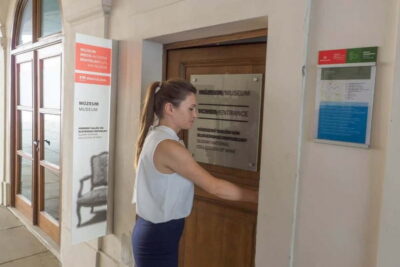
The experience begins at the Musée Vivant du Fromage, at 39 rue Saint Louis en l’île in Paris 4. This is a useful location for a food-focused stop because it sits on Île Saint-Louis, one of the central islands in the Seine. You arrange your own way there, so allow time to find the address and arrive ready for a prompt start.
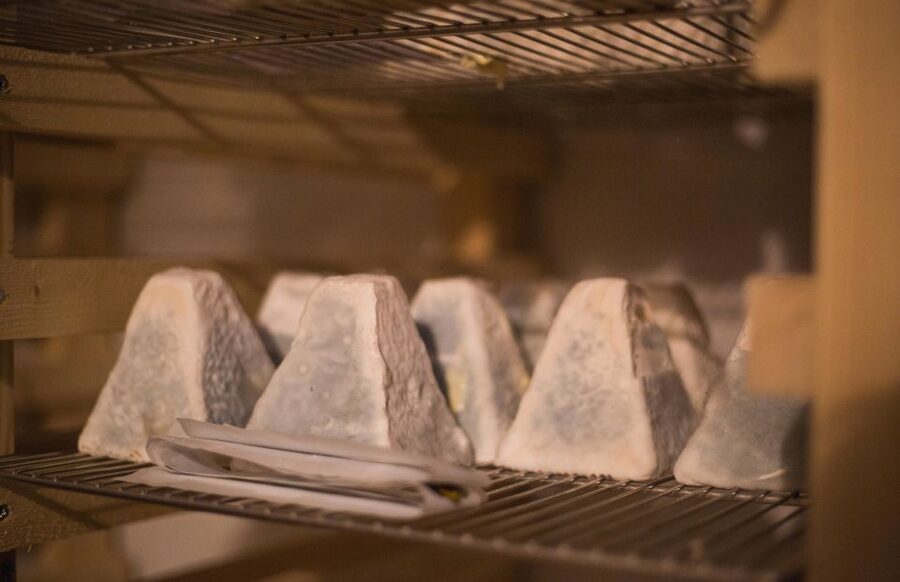
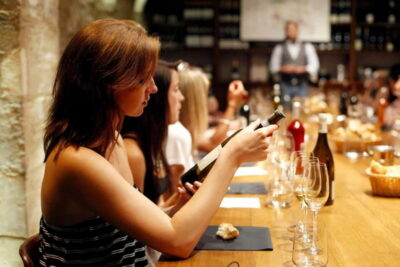
The setting matters. You are not simply seated in a generic tasting room with a plate of cheese. You meet inside a cheese museum and cellar, surrounded by the place where cheese is stored and matured. The cellar gives the class a sense of purpose: you are learning about food in the environment where part of its character is developed.
Expect an English-language session led by a professional cheese and wine guide. The names of past guides include Pierre, Agathe, Guillaume, Marie, Gala, Gallina, and others. The individual guide can shape the mood of the class. Pierre has been praised for being warm, funny, and interactive, while Agathe is known for her humor and clear explanations. The important point is that this is not a self-guided museum visit. The guide leads the tasting and explains what you are eating.
More Wine and Cheese Tastings in France
- Paris: Wine and Cheese Lunch
★ 4.9 · 596 reviews - French Wine, Champagne And Cheese Tasting Paris SECRET WINE DOOR
★ 5.0 · 464 reviews - Paris Art of Pairing Cheese and Wine Tasting in a Cheese Cellar
★ 5.0 · 386 reviews
Learning Why Cheese Needs Time
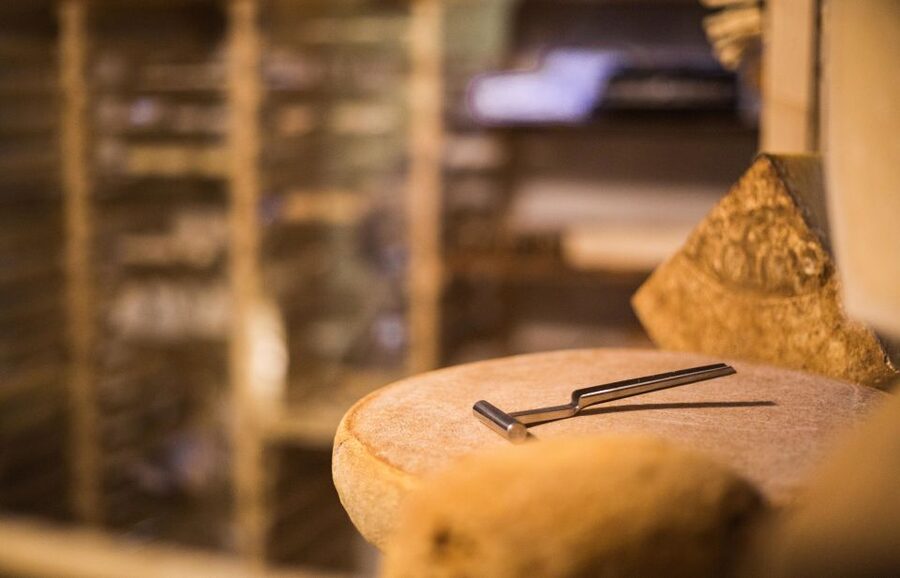
The first lesson is about traditional cheesemaking. Your guide explains how milk is transformed into cheese and why the process takes patience. You will hear about different types of cheese, the milk used to make them, and the role of maturation.
That last part is especially useful. Many people know that French cheese is aged, but the cellar helps you understand that aging is not just a date printed on a label. Time affects firmness, smell, taste, and texture. A young cheese and a mature cheese can come from a similar basic recipe yet feel like completely different foods.
The class also gives you a better vocabulary for tasting. You are encouraged to pay attention to texture, fragrance, and flavor rather than simply deciding that you like or dislike a cheese. That is a valuable skill for shopping in a French market later in your trip. Instead of pointing at the prettiest cheese, you can ask for something soft, firm, mild, pungent, creamy, or mature.
The guide’s explanations are meant for curious beginners, not professional cheesemakers. Past sessions have been praised for offering plenty of facts without becoming too technical. That balance is important in a 90-minute class. You get enough background to understand the food, but you are not trapped in a lecture while your plate sits untouched.
Seven Cheeses, Seven Ways to Taste France
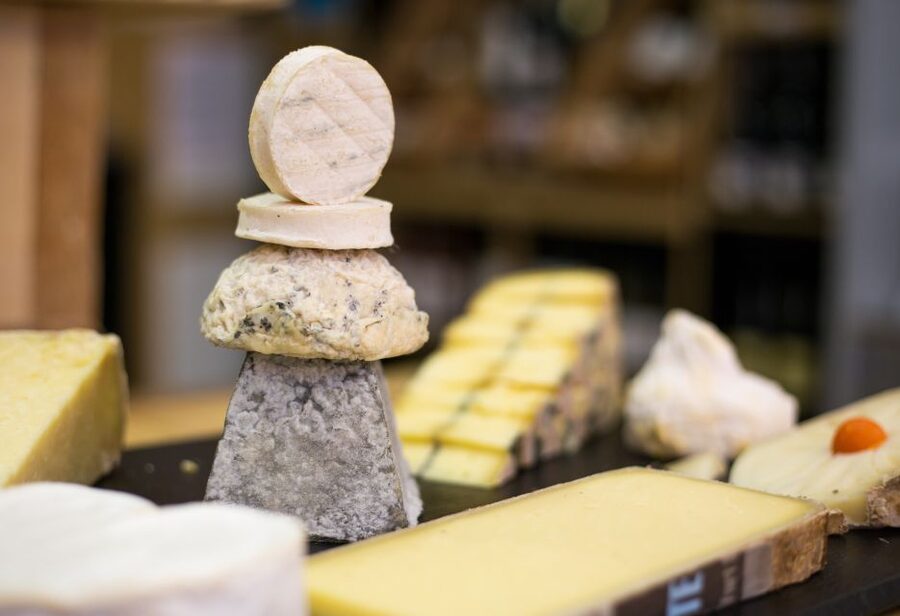
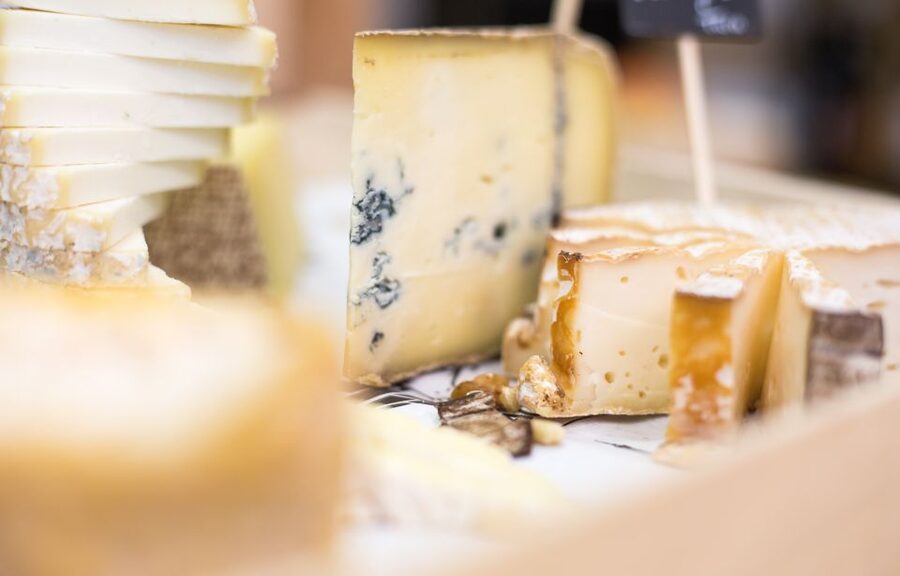
The heart of the class is the tasting of seven French cheeses. The selection covers various regions, types, textures, and milk sources. The exact menu can vary, so you should not book expecting particular named cheeses. Instead, expect a broad sample that shows how much French cheese can differ from one piece to the next.
Seven samples is a generous number for a 90-minute session. It gives you a chance to compare rather than judge each cheese in isolation. One may be creamy and delicate, another firm and savory, another fragrant or more assertive. You can notice how texture changes the experience even before the wine enters the picture.
Your guide talks through each cheese as you taste it. You may learn where it comes from, how it is made, and what to notice in its smell and mouthfeel. The point is not to rush from one sample to the next. It is to slow down enough to see why French cheese has such a strong place in the country’s food culture.
Fresh baguette is included. It provides a simple partner for the cheese and helps turn the tasting into a small meal rather than a sequence of tiny bites. Still, this is not a full lunch or dinner. If you arrive hungry, remember that the class is a tasting session, not a restaurant meal.
For someone who already knows French cheese, the pleasure comes from the range and the pairing work. For a beginner, the pleasure is discovery. You may find a new favorite, as one past participant did, or learn that a cheese you expected to dislike works well with the right wine.
Three Wines and the Logic of Pairing
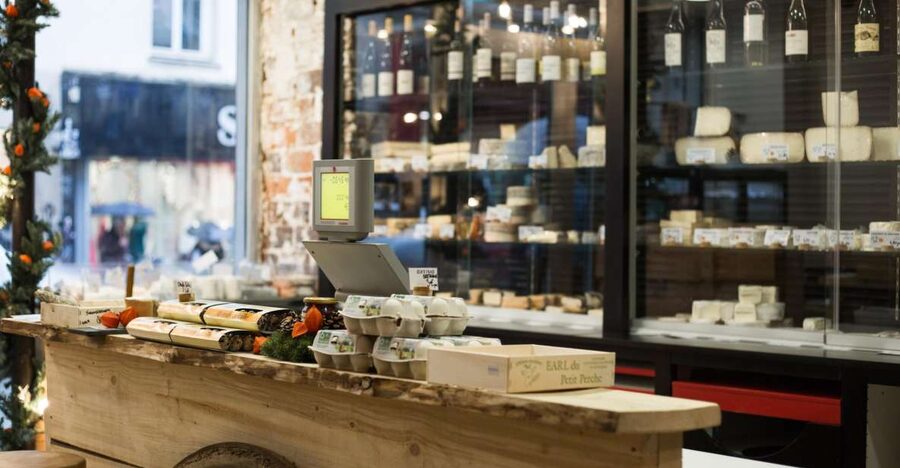
The class includes three French wines. The guide does more than pour them beside the cheese. You learn how the wine and cheese interact, and why one combination can work better than another.
This is where the experience becomes more useful than a basic cheese plate. A strong pairing can soften a sharp flavor, bring out a creamy texture, or make a wine seem fruitier or fuller. Your guide shows you how to alternate bites of cheese with sips of wine and pay attention to the change.
Do not expect three large glasses of wine. The activity lasts only 90 minutes, and the focus is comparison. The wine is there to support the lesson and the food. It is not a drinking tour.
The selection is described as several French wines paired with the cheeses, with three wines included overall. The exact bottles are not specified, so you should think of this as a guided introduction rather than a chance to choose from a fixed wine list. The guide may explain the wines as part of the pairing rather than treating them as a separate tasting.
This format works well for people who enjoy food but do not yet understand pairing. You do not need to know the difference between a young and mature wine before arriving. The guide gives you a structure: taste the cheese, taste the wine, then compare the two together.
More Wine and Cheese Tastings in Paris
- Paris: Wine and Cheese Tasting with a Chef Sommelier
★ 4.7 · 277 reviews - Paris: French Wine and Cheese Guided Tasting
★ 5.0 · 201 reviews - Paris: Wine and Cheese Tasting
★ 4.6 · 91 reviews
Why the Small Group Makes a Difference
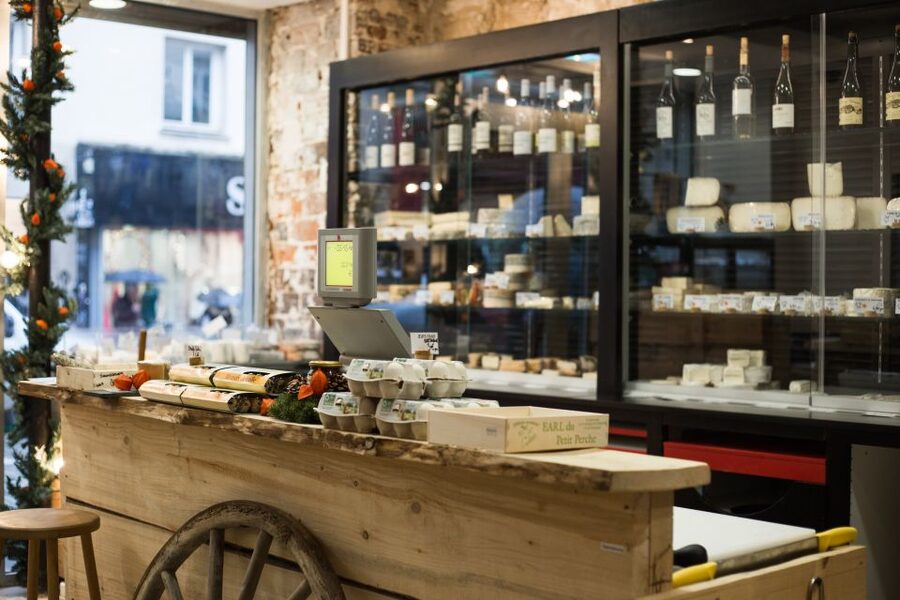
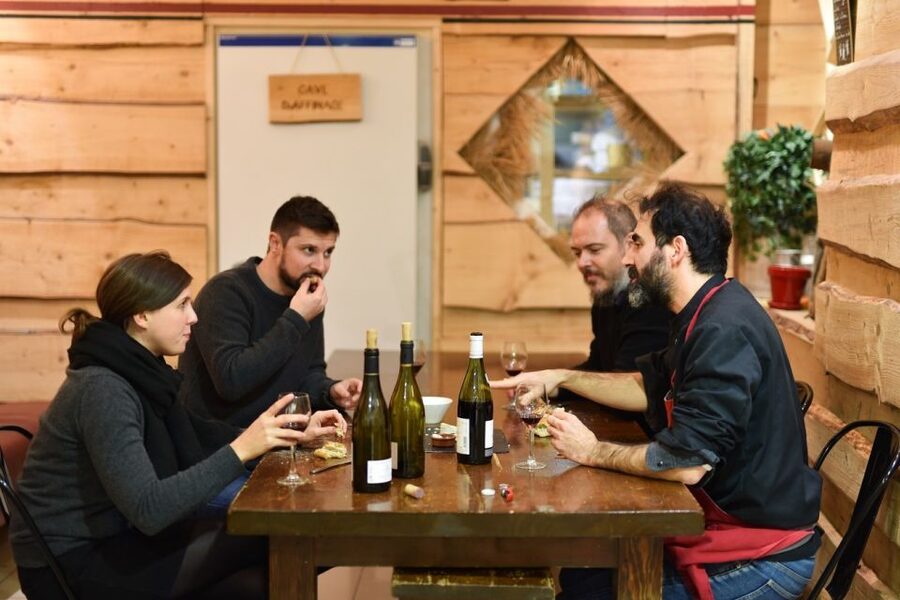
The class is designed as a small-group experience, though the group can reach about 12 people. That is still intimate enough for questions, especially compared with a large bus tour or a crowded market demonstration.
A small group also makes it easier to hear the guide and follow the tasting at the same pace. If you want to know how a cheese is made, why it smells a certain way, or what to look for in a French shop, you should have a chance to ask.
The atmosphere seems to depend partly on the guide. Pierre has been described as entertaining and very interactive. Agathe has been praised for her passion and sense of humor. Guillaume has led welcoming sessions with six cheeses and three wines in the past, while other guides have included Marie and Gala. You cannot select a particular guide from the information provided, but the range of names shows that the class has several experienced hosts.
The group size is also worth considering if you want a private or romantic tasting. This is not a private appointment. You will share the cellar and discussion with other people, which can be a benefit if you enjoy meeting fellow food lovers, but less ideal if you want a quiet, customized lesson.
A 90-Minute Break From Sightseeing
Ninety minutes is just long enough to add variety to a Paris itinerary without taking over your day. You get the welcome and introduction, the cheesemaking explanation, the cellar context, seven cheese tastings, three wine pairings, and bread.
I like this length for a city trip. Paris offers endless monuments and museums, but too many hours of sightseeing can make the day feel like a checklist. This class gives you a different way to spend part of the afternoon or evening. You sit down, listen, taste, and talk.
The short duration has a tradeoff. You will not receive a full course in French cheesemaking, and you will not explore a large working dairy. The class is a carefully selected introduction. If you want a long technical workshop, this may feel brief. If you want a focused food experience between sightseeing plans, the timing works well.
Plan your schedule around the 90 minutes rather than squeezing it between two distant attractions. Since pickup and drop-off are not included, you are responsible for getting to and from the museum. The meeting point is central, but you should still check the starting time and allow room for Paris traffic, walking, or a delayed meal beforehand.
Is $82 a Fair Price?
At $82 per person, this is not a cheap snack stop. It is also more than you would spend buying a few supermarket cheeses and a bottle of wine. The value comes from the setting, the instruction, and the chance to compare seven cheeses with three selected wines in one sitting.
You are paying for more than the food. The professional guide explains production, maturation, texture, and pairing. The cellar adds atmosphere, and the small-group format gives the session a personal feel. For a food lover, those details can make the price reasonable.
The price is less attractive if you mainly want to eat as much cheese as possible. This is a lesson with tastings, not an all-you-can-eat event. It also does not include transportation, and the information does not promise a full meal.
There may be an extra benefit after the class. One past session offered a 10 percent discount on wine purchases at the end. Treat that as a possible bonus, not a guaranteed part of every booking, since the activity details only promise the tasting, bread, and instruction.
Who Should Book This Experience?
This class suits adults who enjoy food, wine, and practical cultural lessons. It is especially good for first-time visitors who want to understand French cheese before shopping in a market or ordering a cheese course in a restaurant.
It also works well for couples, families with adult children, and small groups of friends. The format gives you something to talk about, and the tasting makes a pleasant change from looking at another famous building.
You should be comfortable with dairy smells and strong flavors. The experience is not suitable for people with lactose intolerance. Pets are not allowed, and the minimum drinking age is 18.
If you do not drink alcohol, the wine is a major part of the class, so this may not be the best choice. The activity centers on tasting cheese and wine together, not simply learning about cheese while wine sits untouched.
Practical Booking Advice
The meeting point is the Musée Vivant du Fromage, 39 rue Saint Louis en l’île, 75004 Paris. The class is conducted in English. Pickup and drop-off are not included, so make your own transport plan.
You can cancel up to 24 hours before the activity for a full refund. A reserve-now-and-pay-later option is available, which helps if your Paris plans are still shifting. Check the available start times before booking, since the class runs at scheduled times rather than whenever you happen to arrive.
Dress for a cellar environment. The supplied information does not specify a temperature, so I would avoid assuming that it will feel exactly like a standard indoor tasting room. Comfortable clothing is sensible, especially if you have a full day of walking before or after the class.
Should You Book the Paris Cheese and Wine Class?
Book it if you want a focused, friendly introduction to French cheese and wine in a setting with character. The strongest reasons are the seven-cheese selection, three guided wine pairings, English instruction, and access to an expert who can explain what you are tasting.
Skip it if you have lactose intolerance, do not drink wine, or want a full meal rather than a tasting. I would also choose another activity if your schedule is too tight for a fixed 90-minute appointment.
For most food-minded visitors, this is a worthwhile Paris extra. You leave with more than a pleasant snack. You understand why cheese is aged, how texture affects flavor, and how a good French wine can change the bite beside it. That knowledge can follow you into the rest of your trip, from a neighborhood fromagerie to the cheese course at dinner.
FAQ
Where does the cheese and wine class take place?
It takes place at the Musée Vivant du Fromage, 39 rue Saint Louis en l’île, 75004 Paris.
How long does the experience last?
The class lasts 90 minutes.
How much does the experience cost?
The listed price is $82 per person.
How many cheeses will I taste?
You will taste seven different French cheeses.
How many wines are included?
Three wines are included in the tasting.
Is bread included?
Yes. Fresh bread is included with the cheese and wine tasting.
Is the class taught in English?
Yes. The listed language is English, and the instructor is an English-speaking guide.
Is transportation included?
No. Pickup and drop-off are not included. You make your own way to the meeting point.
Can children attend the wine tasting?
The minimum drinking age is 18 years old. The experience is not suitable for people with lactose intolerance, and pets are not allowed.
More Cheese Tastings in Paris
- Cheese & Wine Tasting in Montmartre with Local Cheesemonger
★ 5.0 · 470 reviews - Paris: Walking Food Tour with Cheese, Wine and Delicacies
★ 4.7 · 323 reviews - Paris: Wine Tasting Experience with 6 Wines and Cheese Board
★ 4.9 · 80 reviews - Paris: Tasting of 3 Wine and 3 Cheese
★ 5.0 · 74 reviews
More Wine Tasting Classes in Paris
- Paris: French Wine Tasting Class with Sommelier
★ 4.8 · 550 reviews - Paris: Champagne Cellars Tour and Tastings with a Sommelier
★ 4.9 · 74 reviews - Porto: Douro Valley Wine Tour with a Sommelier & Boat Trip
★ 5.0 · 463 reviews - Port Wine class with 3 or 5 Port tasting and pairings
★ 4.9 · 441 reviews
Just poured in Paris
- Top Private Cruises in Paris with Champagne + more surprises★ 5.0 · 309 reviews
- Paris: Walking Food Tour with Cheese, Wine and Delicacies★ 4.7 · 323 reviews
- Private tour of Paris by Night with Champagne★ 4.7 · 323 reviews
- Paris: Wine Tasting Experience with 6 Wines and Cheese Board★ 4.9 · 80 reviews
- Paris: Seine River Champagne Dinner Cruise with Live Music★ 4.4 · 287 reviews
- Paris: Wine and Cheese Tasting★ 4.6 · 91 reviews
- Paris: Tasting of 3 Wine and 3 Cheese★ 5.0 · 74 reviews
- Paris : Scenic Cruise on the Seine River with Champagne★ 4.0 · 81 reviews
Wine Tasting Classes, compared.
Douro Valley Wine Tour with a Sommelier & Boat Trip
Read our review →
Port Wine class with 3 or 5 Port tasting and pairings
Read our review →
Wine Tasting with a Sommelier under the Acropolis
Read our review →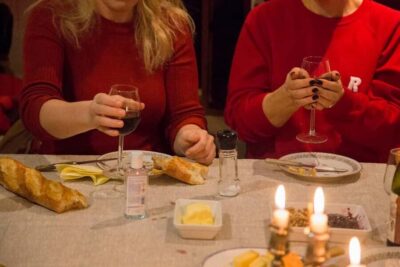
Barolo & Barbaresco Wine Tour with a Sommelier
Read our review →