
REVIEW · WINE & CHEESE TASTINGS
Paris Art of Pairing Cheese and Wine Tasting in a Cheese Cellar
The most memorable part of this Paris tasting happens below street level, in a cool cellar lined with ripening wheels, rolls, and blocks of cheese. You put on a protective suit, learn why aging matters, and taste cheeses cut fresh from the source, including Gruyère, Camembert, Etivaz, and Beaufort.
I like the small groups, which give guides such as Pierre, Agathe, Gabriel, Paul, and Dion room to answer questions. I also like the practical pairing advice. You leave with more than a full stomach: you can use what you learn when reading a French menu or choosing cheese for the rest of your trip.
The main consideration is that this is more cheese-focused than wine-focused. You spend meaningful time on cheesemaking and regional traditions, so anyone expecting a formal wine class may find the wine discussion lighter than expected. The cellar is also cold and reached by stairs.
Key points to know before booking
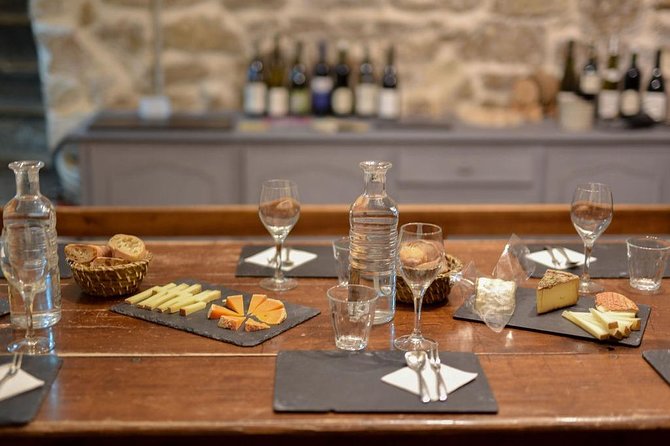
- Seven cheeses and three wines: The tasting includes Swiss Gruyère, bôfavre, Camembert, Etivaz, Beaufort, and other selections, plus fresh baguette.
- A real maturing cellar: You see large wheels and blocks ripening in controlled conditions, including cheeses weighing up to 77 pounds.
- Guides shape the experience: Pierre, Agathe, Gabriel, Paul, and other cheese specialists lead sessions in English.
- Small-group setting: The maximum is 12 people, with some sessions much smaller.
- Plan for a cool, stair-access cellar: Warm clothing is useful, and the protective suit is supplied.
- Good value for food lovers: At $84.69, the price covers a guided lesson, seven cheeses, three wines, bread, and a distinctive Paris setting.
Entering the cheese cellar on Île Saint-Louis
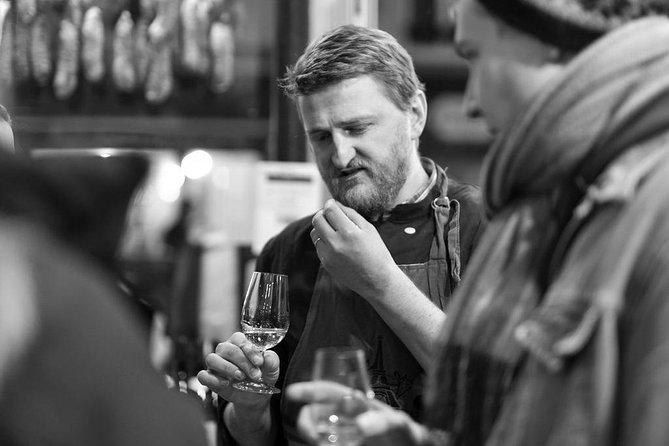
The experience begins at Musée Vivant du Fromage, at 39 Rue Saint-Louis en l’Île in the 4th arrondissement. This puts you on Île Saint-Louis, a central spot that is easy to combine with a walk through the heart of Paris.
You meet your cheese and wine master at the shop before heading into the working cellar. The setting matters. This is not simply a plate of cheese placed on a table in a standard tasting room. You see where cheese is kept while it develops, and the cool air helps explain why temperature and timing are so important.
You receive a hygienic protective suit before entering. It is a practical measure for a place holding delicate food, and it also gives the visit a pleasing sense of occasion. The cellar is only accessible by stairs, so you should be comfortable walking down and back up.
The space contains ripening blocks, rolls, and wheels, some as large as 35 kilograms. That visual scale helps put French cheesemaking into context. A wedge on your plate may look modest, but it can come from a much larger wheel that has spent weeks or months changing in the cellar.
More Wine and Cheese Tastings in France
- Paris: Wine and Cheese Lunch
★ 4.9 · 596 reviews - French Wine, Champagne And Cheese Tasting Paris SECRET WINE DOOR
★ 5.0 · 464 reviews - Paris: Wine and Cheese Tasting with a Chef Sommelier
★ 4.7 · 277 reviews
Learning why cheese needs time
The first part of the session explains how cheese is made and matured. You learn about traditional methods, the role of regions, and the way aging affects texture and flavor.
This is where the experience earns its place above a simple wine-and-cheese snack. A cheese tasting can feel random if nobody explains what you are eating. Here, the guide gives you a framework. A hard Alpine cheese behaves differently from a soft Camembert, and the differences are tied to milk, production methods, aging, and place.
The guides bring different personalities to the lesson. Pierre is praised for his warmth, patience, and passion. Agathe brings a strong enthusiasm for the craft, while Gabriel is known for an engaging teaching style. Paul creates a relaxed atmosphere, and Dion is described as kind and attentive. The exact guide depends on your date, but the format calls for a cheese professional rather than a general sightseeing host.
You should expect this section to take a substantial share of the 90-minute visit. That is useful if you want to understand cheese from the ground up. It is less ideal if you want to spend nearly all your time eating and comparing wine.
One session can also feel highly personal if the group is small. The maximum is 12 people, and some groups are closer to nine or ten. At times, the class may be even smaller, which gives you more freedom to ask about a particular cheese, wine, or French food custom.
The seven-cheese tasting
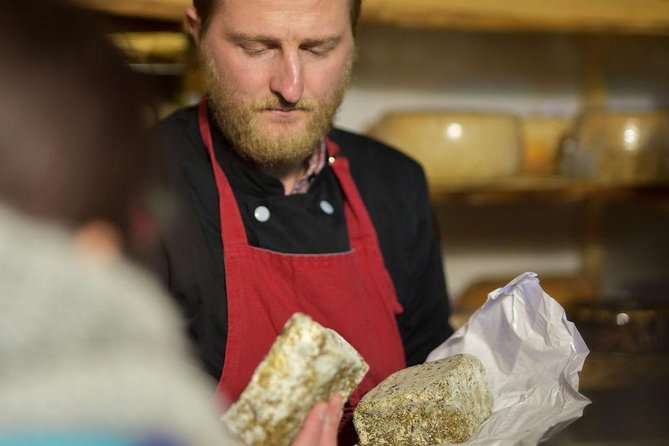
The tasting moves through several cheeses with different textures, origins, and levels of intensity. The precise lineup can vary, but the stated selection includes seven cheeses, with examples such as Swiss Gruyère, bôfavre from the Jura Mountains, delicate Camembert, Etivaz from the Alps, and Beaufort made with raw cow’s milk.
Gruyère offers a familiar starting point for many people, but the point is not simply to identify a favorite. You compare styles. A firm, Alpine cheese gives you one idea of nuttiness and structure. Camembert brings a softer texture and a more fragrant character. Beaufort and Etivaz show how mountain cheeses can differ even when they share a broad family resemblance.
Bôfavre is a particularly useful inclusion for anyone who wants to move beyond the most familiar French names. It comes from the Swiss Jura Mountains, and it adds a regional detail that many casual cheese boards would skip.
The cheese is cut fresh from the block or wheel. That small detail improves the tasting because you are not dealing with a preassembled plate that has been sitting out for hours. The guide can also explain each cheese as it reaches you, rather than asking you to guess from a label.
Fresh baguette accompanies the tasting. It is listed with a wink as dessert, but it serves a real purpose. Bread gives you a plain base between samples and lets you try a cheese in a more typical French way.
How the wine pairing works
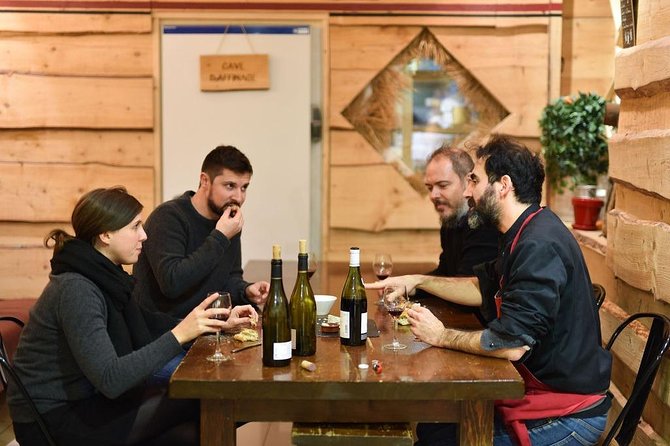
Three wines are served alongside the cheese. You alternate bites of fromage with sips, looking for combinations that complement rather than overpower each other.
The strongest part of the wine lesson is practical. You learn the basic logic behind pairing, including why a certain wine works better with a firm, salty, creamy, or aromatic cheese. This can help you order more confidently later in Paris, especially if a menu offers regional cheese and wine with little explanation in English.
Still, keep your expectations in check. The emphasis is on cheese, with wine used as the partner. This is not presented as a detailed study of grape varieties, vineyards, or French wine production. If you want a serious wine seminar, you may find the balance uneven. If you want to understand how to make a cheese plate taste better, the format makes sense.
The three-wine portion also gives the session a social rhythm. You are not just listening to a lecture. You taste, compare, ask questions, and return to the cheese with a different drink. The result is lively without requiring specialist knowledge from you.
The minimum drinking age is 18. Anyone under that age cannot take part in the alcoholic portion, so check your group before booking.
Same town, a different bottle:
- Montmartre Hill French Gourmet Food and Wine Tasting Walking Tour
★ 5.0 · 2,588 reviews - From Paris: Loire Valley Castles Day Trip With Wine Tasting
★ 4.6 · 1,727 reviews - From Paris: Day Trip to Champagne with 8 Tastings & Lunch
★ 4.8 · 1,501 reviews - Paris French Sweets Tasting Tour with Pastries and Chocolates
★ 4.5 · 947 reviews
What makes the museum and cellar setting useful
The museum and cellar give the lesson a clear sense of place. You are not learning about French cheesemaking through a generic presentation. You are surrounded by the raw material of the subject, from large wheels to smaller forms at different stages of maturity.
That setting also helps explain the importance of patience. Cheese does not become interesting only at the moment it reaches your plate. It changes as it ages, and the cellar provides the conditions for that change.
The setting is quaint and compact rather than grand. That works in its favor. The group stays close to the guide, and the experience feels like a visit to a specialist shop instead of a large commercial attraction.
There is a tradeoff. The cellar can be cold, and you are expected to use stairs. Wear warm layers that you can keep on under the protective suit. Comfortable shoes are sensible, particularly if you are fitting this into a full day of walking around Paris.
The value of $84.69
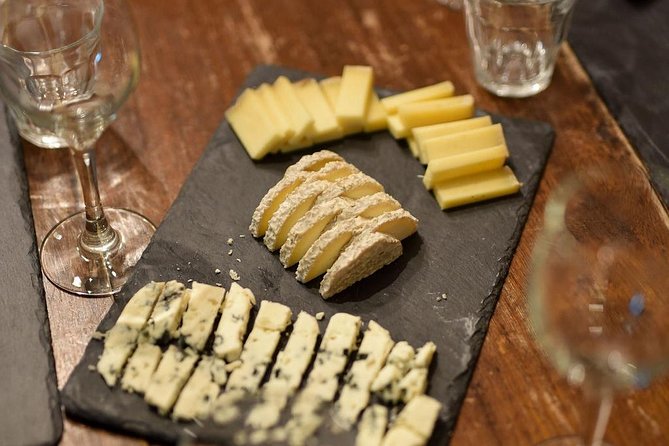
At $84.69 per person, this is not a cheap snack stop. It is priced as a guided food experience, and the value depends on how much you want the teaching and cellar visit to matter.
You receive seven cheeses, three wines, bread, a professional guide, and access to a setting you would not normally see as a casual shopper. You also get useful advice that can carry into the rest of your trip. If the tasting helps you choose a better cheese plate, understand a French menu, or order a pairing with confidence, the price has more weight than the food alone.
The small group improves the calculation. A large class would make a tasting feel more like a demonstration. With up to 12 people, and sometimes fewer, you have a better chance to speak directly with the guide.
I would not book this solely because you want a large meal. The portions are designed for tasting, not dinner. Bread is included, but you should plan another meal afterward if you are hungry.
The price makes the most sense for people who enjoy food education, regional products, and guided tastings. It is less compelling for a picky eater, someone avoiding alcohol, or anyone who sees cheese as a quick appetizer rather than a subject worth studying.
Timing, meeting point, and a practical warning
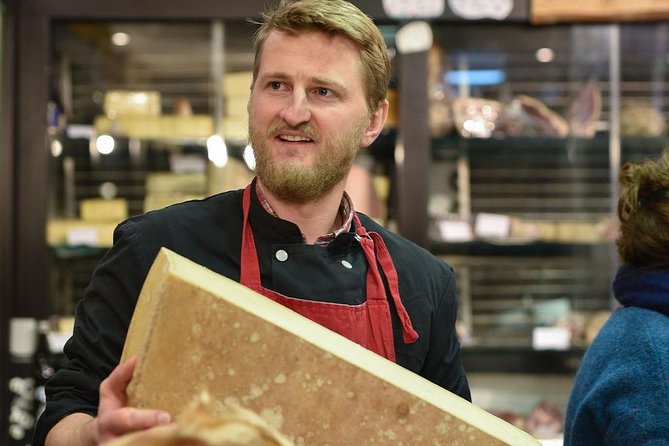
The experience lasts about 90 minutes and ends back at the meeting point. No hotel pickup or drop-off is provided, so you make your own way to Île Saint-Louis using Paris public transportation or on foot.
Check the meeting details carefully before leaving for the appointment. The listed starting point is 39 Rue Saint-Louis en l’Île, but one booking experienced a venue change that was not noticed in time. The safest approach is to check the latest message in your booking account and any current instructions before you set out, even if you already have a printed ticket.
Arrive early. A late arrival can mean missing the introductory explanation and joining only for the tasting. Since the session builds from cheesemaking to pairing, missing the first section can make the rest feel less connected.
The activity is offered in English. Confirmation is sent at booking, and the meeting point is near public transportation.
Who will enjoy this most
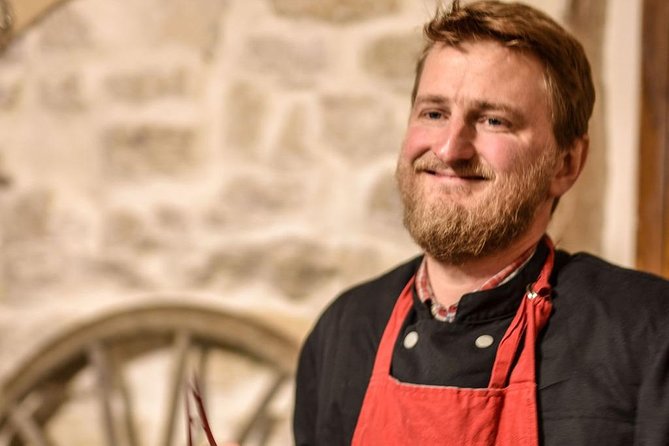
I would recommend this for anyone who wants a more informed approach to French food. You do not need prior wine or cheese knowledge. The guides explain the basics, and the tasting lets you learn by trying rather than memorizing terms.
It works especially well early in a Paris visit. The menu advice and pairing lessons can influence later meals, from a market purchase to a restaurant cheese course. You may also begin noticing regional names and textures that would otherwise pass by unnoticed.
Couples, friends, solo food lovers, and small family groups can all fit the format. The small class size makes it easy to ask questions, and one-person sessions have even taken place, creating an unusually personal lesson.
I would think twice if you have trouble with stairs, dislike cold rooms, or want a wine-centered class. The cellar is part of the appeal, but it also creates those limits. You should also remember that alcohol is included and that the minimum drinking age is 18.
My verdict on the Paris pairing experience
Book this experience if you want to understand why French cheese tastes the way it does, not simply sample a few pieces with wine. The cellar, protective suit, fresh cuts, and regional examples give the session a character that a standard tasting bar cannot match.
The best feature is the teaching. Guides such as Pierre, Agathe, Gabriel, Paul, and Dion make the session feel personal, and the small group gives you space to ask practical questions. The main weakness is the balance: cheese receives more attention than wine, and the 90 minutes include a fair amount of explanation.
For food lovers, the $84.69 price is fair because it covers both the tasting and the lesson. For someone seeking a full meal or a technical wine course, it is not the right fit. Go with warm clothing, check the meeting instructions, and arrive ready to taste slowly.
FAQ
Where does the cheese and wine tasting begin?
It begins at Musée Vivant du Fromage, at 39 Rue Saint-Louis en l’Île, 75004 Paris, France.
How long does the experience last?
The tasting lasts approximately 1 hour and 30 minutes.
How many cheeses and wines are included?
The experience includes tastings of seven cheeses and three wines, along with fresh bread.
Which cheeses might I taste?
The stated examples include Swiss Gruyère, bôfavre from the Jura Mountains, Camembert, Etivaz from the Alps, and Beaufort made from raw cow’s milk. The exact selection may vary.
Is the cellar cold?
Yes. Warm clothing is recommended because the cellar can be cold.
Is the cellar accessible without stairs?
No. The cellar is accessible only by stairs.
Is the tasting offered in English?
Yes. The experience is offered in English.
Can I cancel for a full refund?
Yes. You can cancel at least 24 hours before the scheduled start time for a full refund. Cancellations or changes made within 24 hours are not accepted for a refund.
More Wine and Cheese Tastings in Paris
- Amsterdam: Premium Henri Willig Cheese Tasting Experience
★ 4.7 · 1,106 reviews - Vila Nova de Gaia: Port Wine Tasting with Cheese Pairing
★ 4.8 · 1,074 reviews - Amsterdam: Wine and Cheese Evening Cruise
★ 4.5 · 839 reviews - Amsterdam Wine and Cheese Evening Cruise
★ 4.5 · 798 reviews
More Wine Tasting Tours in France
- Paris: Les Caves du Louvre Guided Tour with Wine Tastings
★ 4.7 · 932 reviews - Paris: French Wine Tasting Class with Sommelier
★ 4.8 · 550 reviews - Paris: Food and Wine Tasting Walking Tour in Le Marais
★ 4.9 · 446 reviews - Bordeaux: Cité du Vin Entry Ticket and Wine Tasting
★ 4.6 · 3,885 reviews
Just poured in Paris
- Paris: French Wine Tasting Class with Sommelier★ 4.8 · 550 reviews
- Paris: Wine and Cheese Tasting with a Chef Sommelier★ 4.7 · 277 reviews
- Paris: Wine and Cheese Lunch★ 4.9 · 596 reviews
- French Wine, Champagne And Cheese Tasting Paris SECRET WINE DOOR★ 5.0 · 464 reviews
- Paris: Food and Wine Tasting Walking Tour in Le Marais★ 4.9 · 446 reviews
- Paris Montmartre Food & Wine Tour with Eating Europe★ 5.0 · 718 reviews
- Champagne Day Trip with 6 Tastings, Reims and Winery from Paris★ 5.0 · 902 reviews
- Paris: Les Caves du Louvre Guided Tour with Wine Tastings★ 4.7 · 932 reviews
Wine & Cheese Tastings, compared.
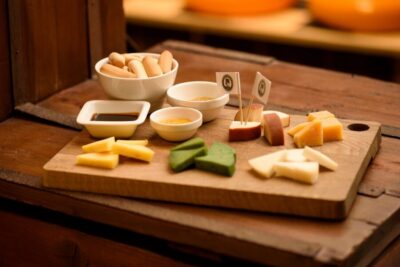
Premium Henri Willig Cheese Tasting Experience
Read our review →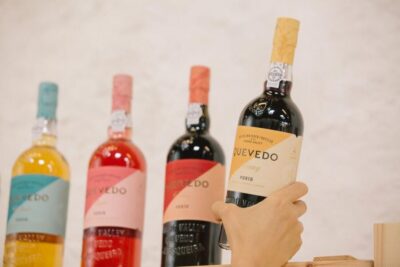
Vila Nova de Gaia: Port Wine Tasting with Cheese Pairing
Read our review →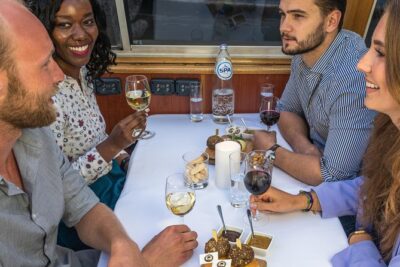
Zaanse Schans and Cheese Tasting Guided Tour from Amsterdam
Read our review →
Tacoronte: Guided Winery Tour with Wine and Cheese Tastings
Read our review →Browse the lists this tour appears in