
REVIEW · CHAMPAGNE TOURS
Champagne: Champagne Tasting Class with Lunch
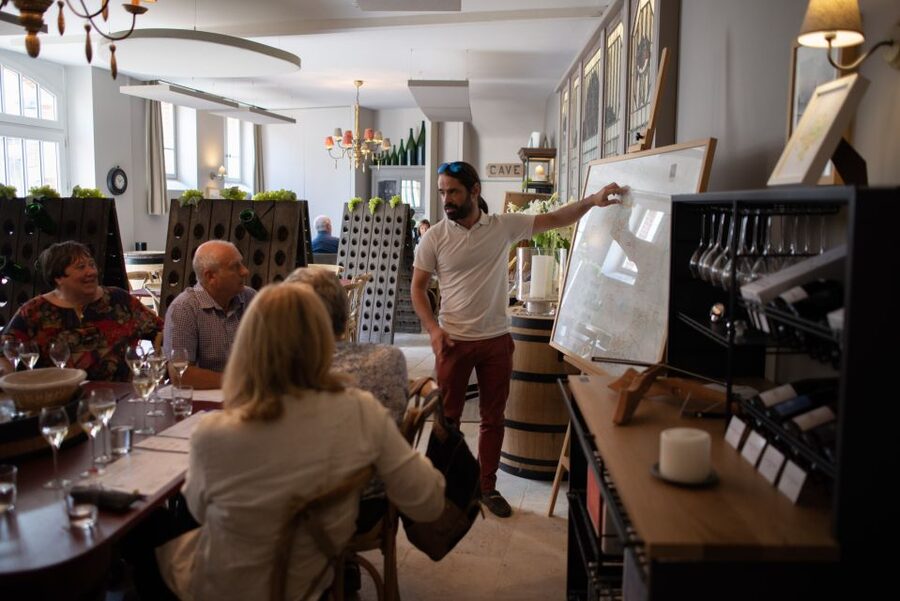
The most interesting part of this experience is its mix of hands-on tasting class and family-run cellar visit. At Le Clos Corbier, you see cellars dug in the 1850s and a traditional press, then put your new knowledge to work with aroma games, a Champagne quiz, and a blind comparison of three bottles from small producers.
I like the generous lunch, which turns a morning tasting into a proper French meal with pâté en croûte, Langres cheese, pink biscuit cake, and more Champagne. I also like the personal scale: guides such as Emma, Charlotte, Marie, Amanda, and Alvaro have led sessions praised for clear explanations and warm hosting. The main consideration is that the cellars average 10°C, and a bilingual French-English presentation can take a little longer.
Key points at a glance
- Three different Champagnes blind: Test your palate without labels or brand names getting in the way.
- Aroma workshop: Train your nose to pick out scents and flavors found in Champagne.
- 1850s cellars and traditional press: See the working setting behind a family Champagne house.
- Regional lunch with pairings: Expect local dishes such as pâté en croûte, Langres cheese, and pink biscuit cake.
- More than Champagne: Taste Côteaux Champenois red wine and Ratafia, a regional liquor.
- Small-house atmosphere: This is a personal introduction to Champagne making, not a polished tour of a major brand.
A family cellar in Aÿ-Champagne
Le Clos Corbier sits in Aÿ-Champagne, in the Grand Est region, among the Champagne vineyards. The meeting point is easy to spot: look for the Clos Corbier sign and ring the doorbell. You arrange your own transportation, so check your route before setting out. The activity itself lasts about three hours and ends in the early afternoon.
This is a typical Champagne house rather than a grand, heavily branded attraction. That difference matters. A large producer can explain Champagne on an impressive scale, but a family domain gives you a closer look at the people, equipment, and decisions behind a smaller operation.
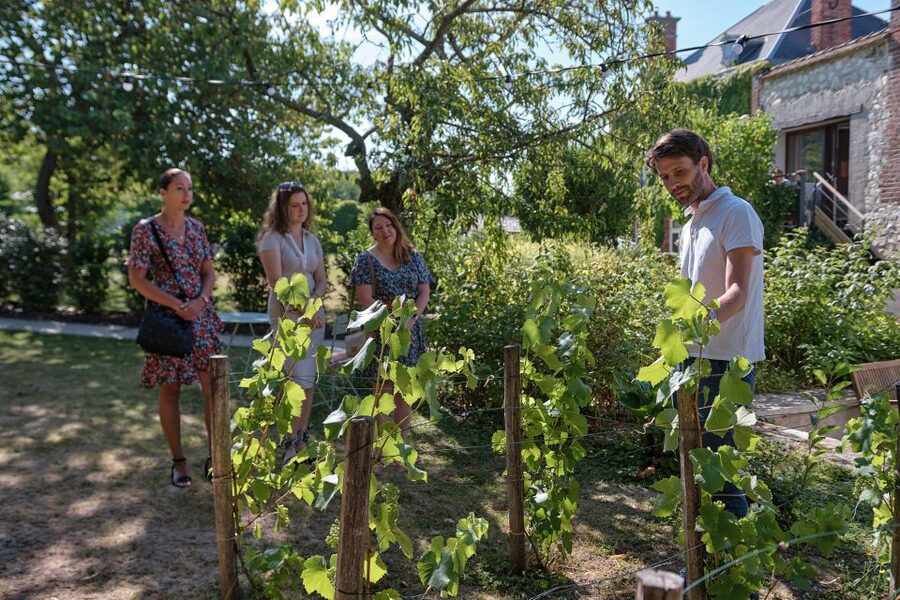
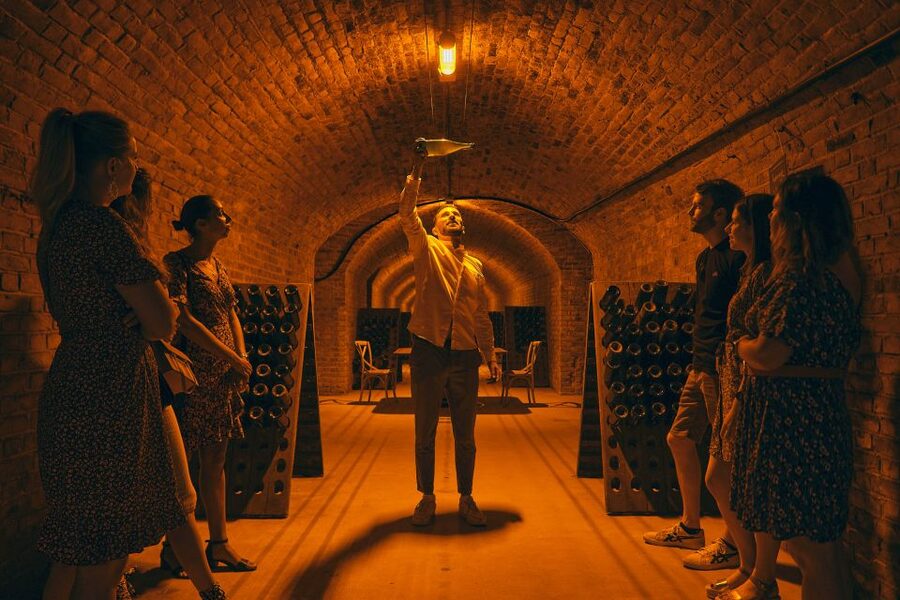
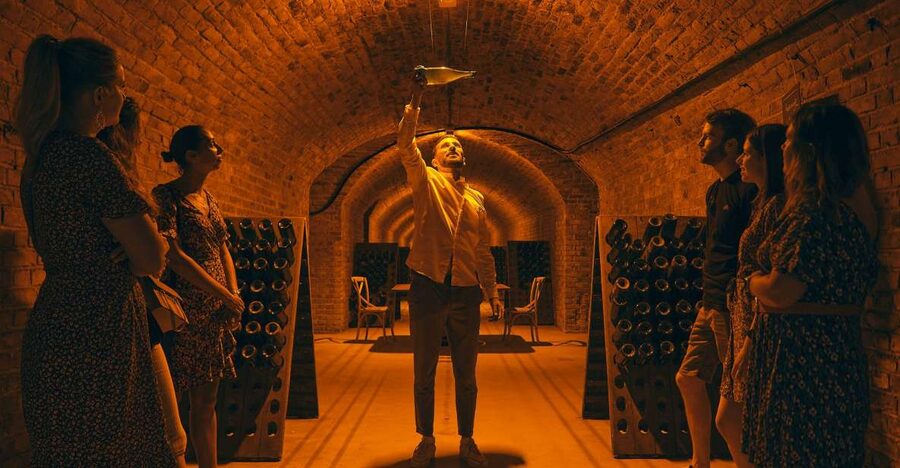
The cellar visit sets the tone. You see underground spaces dating from the 1850s, along with a traditional press. The visit is not just a photo stop. It gives you a physical sense of the production setting before the tasting class explains how grapes become Champagne.
Bring a jacket. At about 10°C, the cellar is cool even when the weather outside is warm. Comfortable shoes are sensible too, since you will move between the house, cellar, and dining areas.
More Champagne Tours in France
- From Paris: Day Trip to Champagne with 8 Tastings & Lunch
★ 4.8 · 1,501 reviews - Champagne Day Trip with 6 Tastings, Reims and Winery from Paris
★ 5.0 · 902 reviews - From Reims: Champagne and Family-Run Wineries Tour
★ 4.8 · 671 reviews
The tasting class makes Champagne less mysterious
Many Champagne tastings reduce the experience to a few glasses and a quick explanation of grape varieties. This one gives you tools you can actually use later. The host explains the basics, then asks you to notice what is in the glass instead of simply deciding if you like it.
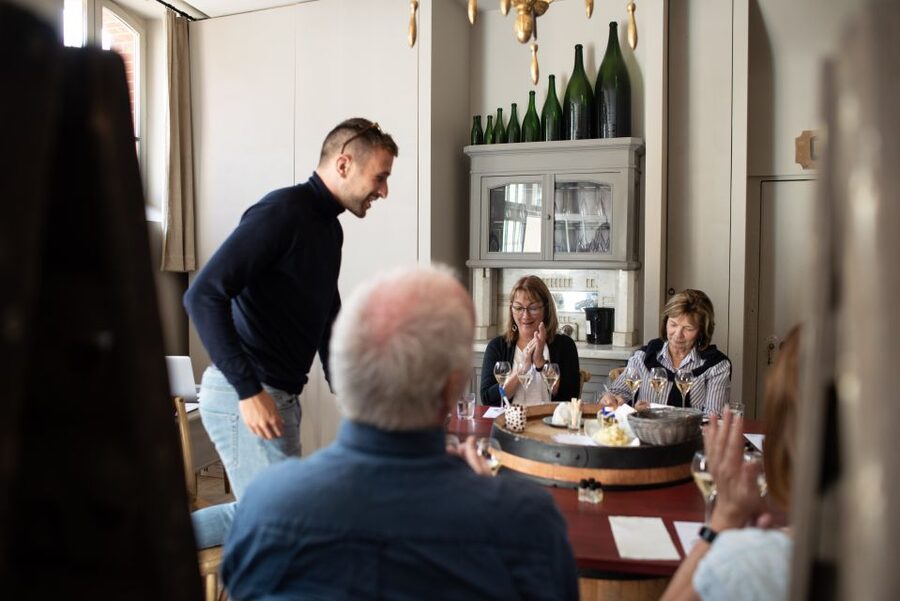
The session includes a Champagne quiz and an olfactory workshop. You train your nose to recognize aromas and learn how scent affects what you taste. That may sound formal, but the games keep the class light. The guide does not expect you to arrive with wine-school vocabulary.
This works especially well for beginners. Rashana specifically found the class useful without prior wine knowledge, and other sessions led by Emma, Marie, Charlotte, and Amanda received praise for clear English and patient explanations. The guides have also worked with French and English-speaking groups, so you can expect the presentation to be offered in both languages when needed.
The quiz gives the lesson a little friendly competition. One session even ended with a certificate, which adds a playful finish without making the experience feel like school. You learn the terminology, then use it right away.
Blind tasting three small-producer Champagnes
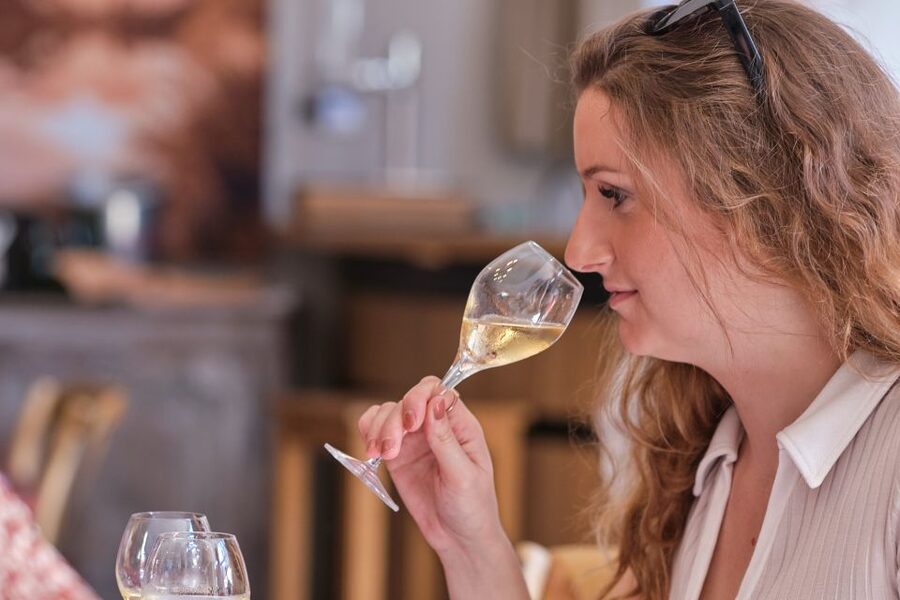
The central tasting challenge is a blind comparison of three different Champagnes. Without seeing the labels, you focus on aroma, sweetness, texture, and finish. Snacks accompany the tasting, giving you something to eat as you compare the wines.
This is one of the best reasons to choose the experience over a standard cellar tour. Labels and reputation can influence your expectations. A blind tasting removes some of that noise and asks you to trust your own senses.
You do not need to identify every bottle correctly to enjoy the exercise. The value is in noticing differences and learning how to describe them. The host guides you through the answers and explains what you are tasting.
The activity includes six wine tastings in total. The three blind Champagnes are the core of the class, while additional pours are served with lunch and later in the session. Exact pours can vary with the meal, but the program also includes local red wine and Ratafia.
The servings are described as generous, which is useful to know when judging the $106 price. This is not a quick taste of three drops followed by a sales pitch. You get a class, snacks, a cellar visit, and a meal with several drinks.
A proper regional lunch, not just a cheese plate
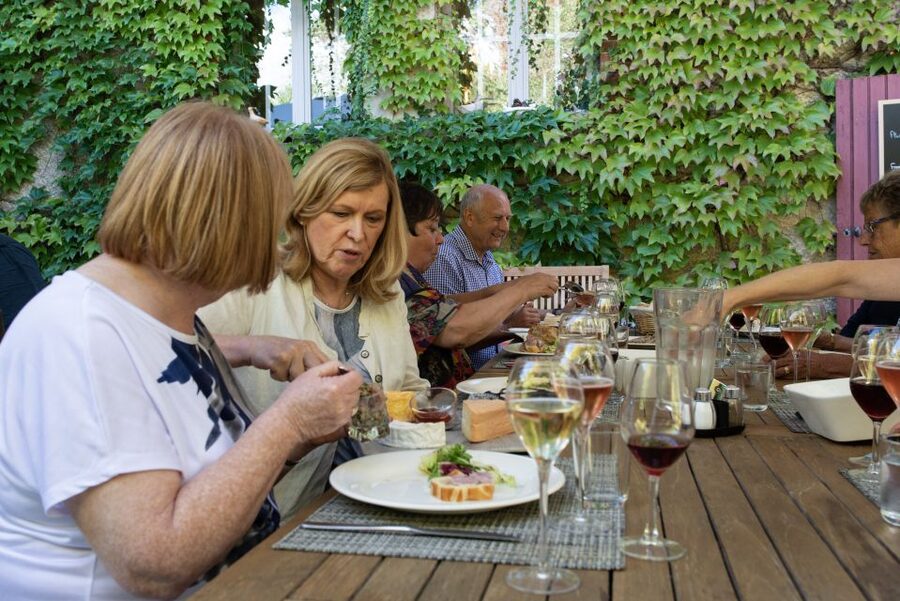
Lunch is a major part of the experience. You sit down for homemade regional specialties in the Champagne house, with Champagne served alongside the food. Depending on the menu, you might have pâté en croûte, a meat-filled pastry, Langres cheese, or pink biscuit cake.
Pâté en croûte is a substantial French specialty, and Langres brings the local cheese element. The pink biscuit cake provides a sweet regional touch at the end. The menu can be adapted for allergies and specific diets, but you should provide those details in advance.
The meal changes the pace of the day. After the structured tasting and games, you have time to eat, talk, and enjoy the setting. Several guides have hosted lunch outdoors when weather allowed, while other sessions took place in an attractive dining area. The experience can therefore feel relaxed rather than tightly scheduled.
The pairings are part of the lesson too. Champagne is not limited to a pre-dinner toast. With savory pastry, cheese, and dessert, you can see how sparkling wine works at the table. The generous lunch is also why I consider the price fair for the right visitor.
Same town, a different bottle:
- Bordeaux: Cité du Vin Entry Ticket and Wine Tasting
★ 4.6 · 3,885 reviews - Bordeaux: River Garonne Cruise with Glass of Wine and Canelé
★ 4.5 · 3,630 reviews - Montmartre Hill French Gourmet Food and Wine Tasting Walking Tour
★ 5.0 · 2,588 reviews - From Paris: Loire Valley Castles Day Trip With Wine Tasting
★ 4.6 · 1,727 reviews
Côteaux Champenois and Ratafia add local character
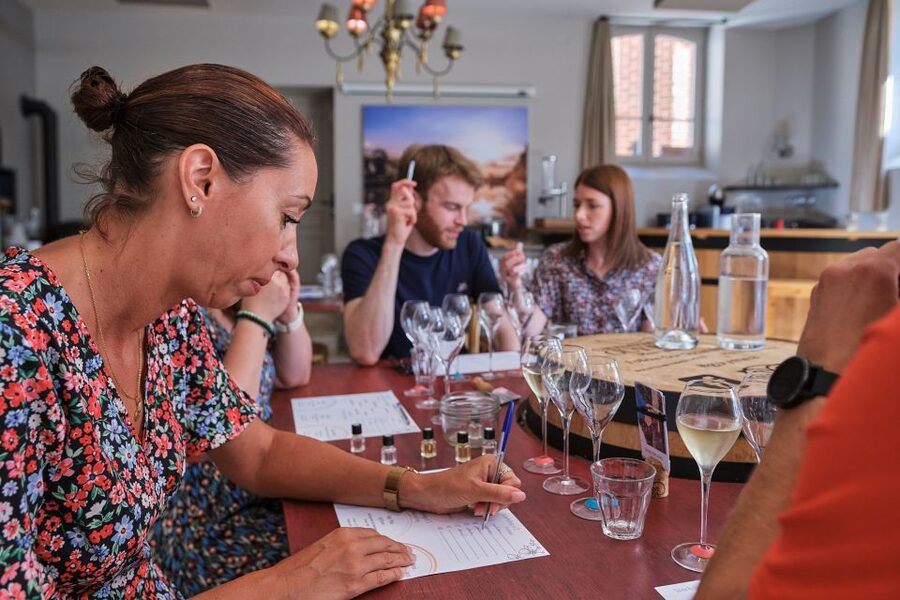
The tasting does not stop with sparkling wine. You also sample Côteaux Champenois, the region’s still red wine, and Ratafia, a local liquor.
These extra pours help explain that Champagne is a wine region, not just the name on a sparkling bottle. Côteaux Champenois is a chance to taste a quieter, less famous expression of the area. Ratafia shifts the experience again, offering a regional after-dinner style of drink.
I like this part because it widens the picture without adding another major stop. You stay at the same house but encounter more of what local producers make. It also means you should plan your return carefully. Transportation is not included, and all alcohol tastings are part of the program.
Anyone under 18 is not allowed to drink alcohol. The information provided does not say that under-18s cannot attend, so ask the provider if that affects your booking. Assistance dogs are allowed, but other pets are not.
What makes the guides important
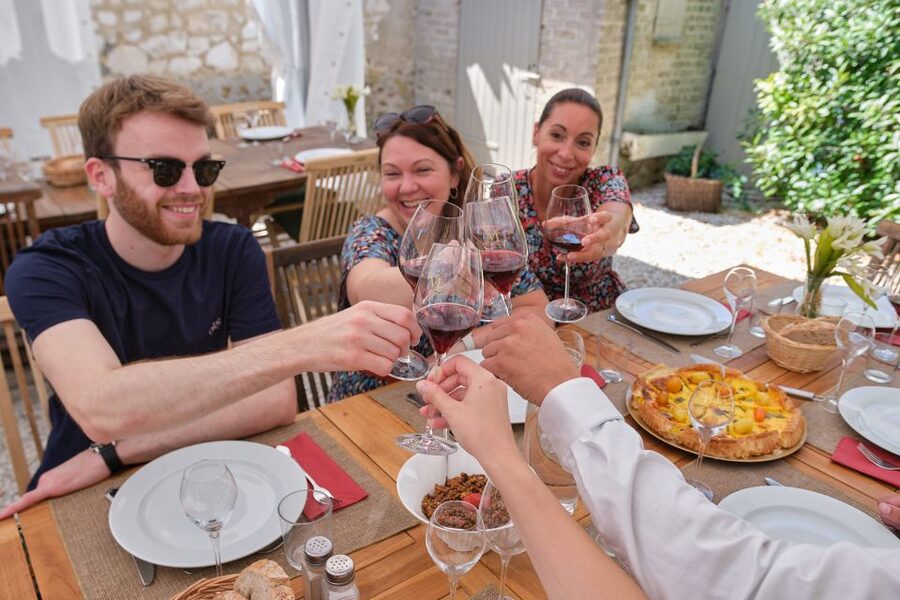
The guide can make or break a tasting class, and here the host is central to the experience. Past sessions have been led by Emma, Marie, Charlotte, Amanda, Alvaro, Thomas, Batiste, Estelle, and others. The guide assigned to your date may differ.
The strongest pattern is a warm teaching style. Emma was described as a Champagne sensei who helped the group relax and take part. Charlotte was praised for fluent English and clear explanations. Marie was noted for making the class friendly and easy to follow, while Alvaro led a bilingual session that covered the production process in detail.
You also may meet the owner of the Champagne house. One group spent about half an hour asking the owner questions about the family business. That kind of conversation is not guaranteed, but it shows the personal access that can come with a smaller operation.
A dog named Henry has also been part of the welcome on at least one occasion. Do not book this expecting a pet encounter, but the detail captures the informal character of the place.
The host or greeter speaks English and French. If the group is bilingual, explanations may be repeated in both languages. That helps communication, though it can make the tour feel longer than three hours.
How the three hours are likely to unfold
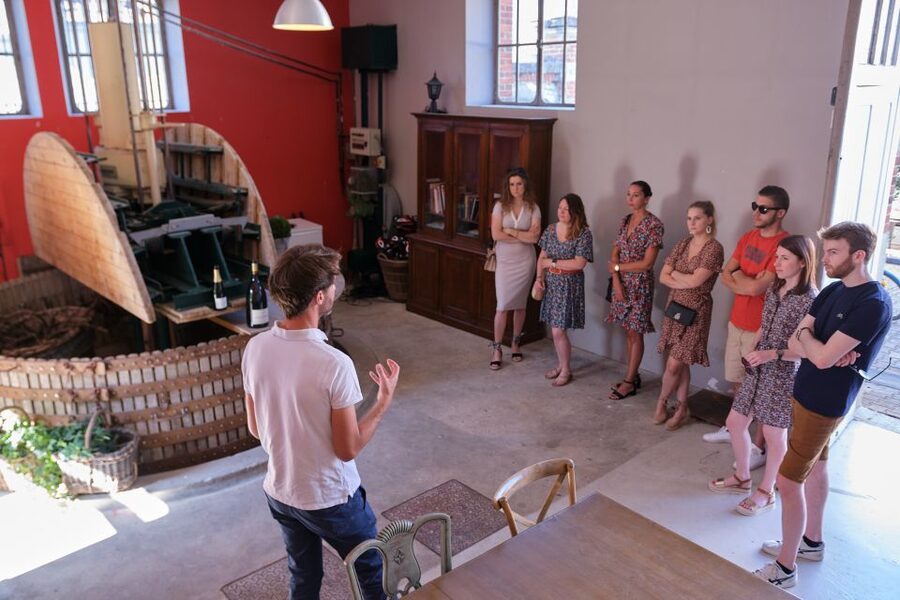
The experience begins at the Le Clos Corbier property. After you find the sign and ring the bell, you enter the Champagne house and meet the guide.
The first part covers the house, cellars, press, and Champagne-making process. You learn about the work behind the bottle before moving into the tasting room or dining area.
Next comes the class. The Champagne quiz and aroma workshop ask you to use your nose and palate. This is where the experience differs from a simple guided tasting. You are not just listening, you are doing.
The blind tasting follows, with three Champagnes from small wineries and local snacks. The guide reveals and explains the wines after you make your guesses.
Lunch comes next, with homemade regional food and a range of Champagne pairings. The final pours include Côteaux Champenois and Ratafia. The activity finishes in the early afternoon, giving you the rest of the day for Aÿ, Épernay, or another nearby plan.
The order may shift slightly, but the main rhythm is consistent: cellar, lesson, games, tasting, meal, and regional drinks.
Is $106 a good value?
At $106 per person, this costs more than a short tasting at a bar or shop. But those comparisons are not quite fair. The fee includes a local guide, winery entry, the tour, six tastings, snacks, and lunch.
You are paying for roughly three hours of instruction and food, not only for the wine. The meal is substantial, the pours are described as generous, and the program includes both a cellar visit and an interactive class. If you were planning to pay separately for a tasting, meal, and cellar tour, the combined cost could easily approach this price.
The value is strongest for first-time visitors to Champagne and for anyone who wants to understand what they are drinking. It is less compelling if you only want a quick glass in a famous house or if you dislike structured activities.
The small-producer focus also matters. The program gives you a look at a family Champagne business rather than a large commercial brand. That personal angle is likely to appeal to you if you care about producers, local food, and the human side of wine.
Practical details before you book
Plan your transportation first. It is not included, and the meeting point is at Le Clos Corbier rather than a central train station or hotel pickup point.
Wear a jacket for the cellar, where the average temperature is 10°C. The site is wheelchair accessible, but you may still want to confirm any particular mobility needs when booking.
The meal can be adapted for allergies or specific diets. Tell the provider ahead of time rather than waiting until lunch.
The booking terms are flexible: you can cancel up to 24 hours in advance for a full refund, and the reserve-now-pay-later option lets you hold a place without paying immediately. Starting times vary, so check availability for your date.
Because this is a tasting class with several pours, plan for a relaxed afternoon afterward. The program is not designed as a rushed stop between several unrelated attractions.
Who will enjoy this most
I would choose this for you if you want to learn while you taste. It is a good match for couples, small groups, wine beginners, and anyone who prefers a personal family house to a famous-name tour.
You will probably enjoy it if local food matters as much as the wine. The lunch gives the visit a stronger sense of place than a tasting alone, and the red wine and Ratafia broaden the experience.
It also suits people who like games and participation. The blind tasting and aroma workshop are friendly rather than intimidating, but they do require you to take part.
You may want another option if you need transportation included, dislike bilingual presentations, or prefer a very short tasting with no meal. This is a full three-hour activity, not a quick cellar photo opportunity.
Should you book Le Clos Corbier?
Book it if you want Champagne explained by people connected to a family house, with a proper meal and enough tasting time to notice differences between wines. The cellar, quiz, aroma workshop, blind tasting, and regional lunch form a well-balanced morning.
The strongest reason to go is the combination of learning and hospitality. You leave with a better sense of how Champagne is made, how to taste it, and how the region’s drinks fit around a French meal.
Bring a jacket, arrange transportation, and tell the provider about dietary needs. If those details work for you, $106 buys a generous and unusually personal introduction to Aÿ-Champagne.
FAQ
How long does the Champagne tasting class last?
The experience lasts three hours and finishes in the early afternoon.
Where does the activity meet?
Meet at Le Clos Corbier in Aÿ-Champagne. Look for the Clos Corbier sign and ring the doorbell.
How many wines will I taste?
Six wine tastings are included. The program features three different Champagnes tasted blind, along with additional pours that include Côteaux Champenois red wine and Ratafia.
Is lunch included?
Yes. Lunch includes homemade regional specialties such as pâté en croûte, Langres cheese, or pink biscuit cake, paired with Champagne. The meal can be adapted for allergies or specific diets.
What should I bring?
Bring a jacket because the cellars average about 10°C. Transportation and personal expenses are not included.
Is the experience available in English?
Yes. The host or greeter speaks English and French. The activity is wheelchair accessible, and assistance dogs are allowed. Other pets are not permitted.
More Workshops and Classes in France
- Paris: French Wine Tasting Class with Sommelier
★ 4.8 · 550 reviews - Aÿ-Champagne: Champagne House Tour and Tasting Class
★ 4.9 · 209 reviews - Wine Tasting Class: Tour de France in Nice City Centre
★ 5.0 · 201 reviews - Bordeaux Super Saver Wine Tasting class and St Emilion region
★ 5.0 · 184 reviews
More Tastings with Lunch in France
- Saint-Emilion Electric Bike Day Tour with Wine Tastings & Lunch
★ 5.0 · 696 reviews - Paris: Wine and Cheese Lunch
★ 4.9 · 596 reviews - St-Emilion & Médoc Wine Day Tour: Chateaus, Tastings and Lunch
★ 5.0 · 430 reviews - Saint-Emilion Small-Group Electric Bike Wine Tour Tastings & Lunch from Bordeaux
★ 5.0 · 383 reviews
Just poured in France
- Pinot Noir Masterclass – Wine tasting in Dijon★ 5.0 · 147 reviews
- Chardonnay Masterclass – Wine tasting in Dijon★ 5.0 · 91 reviews
- Small-Group Full-Day Tour of Côte de Nuits, Côte de Beaune Vineyards and Beaune Historical District★ 5.0 · 364 reviews
- Small group Burgundy tour of Beaune with Wine Tasting from Dijon★ 4.5 · 85 reviews
- Half Day Tour of the Cote de Nuits Vineyards from Dijon★ 5.0 · 108 reviews
- The Emblematic: visit of villages, Haut-Koenigsbourg, Wine tasting★ 5.0 · 81 reviews
- Alsace Full Day Wine Tour from Colmar★ 5.0 · 104 reviews
- Safari-Tour Villages and vineyard, 1/2 day afternoon★ 5.0 · 65 reviews
Champagne Tours, compared.
Day Trip to Champagne with 8 Tastings & Lunch
Read our review →
Champagne Day Trip with 6 Tastings, Reims and Winery from Paris
Read our review →
From Reims: Champagne and Family-Run Wineries Tour
Read our review →
Reims afternoon tour Champagne and family growers
Read our review →

Cappadocia Balloon Ride with Breakfast, Champagne AT GOREME OVER
Read our review →
Epernay: Guided Tour of Champagne Cellar with Tastings
Read our review →Browse the lists this tour appears in